


-
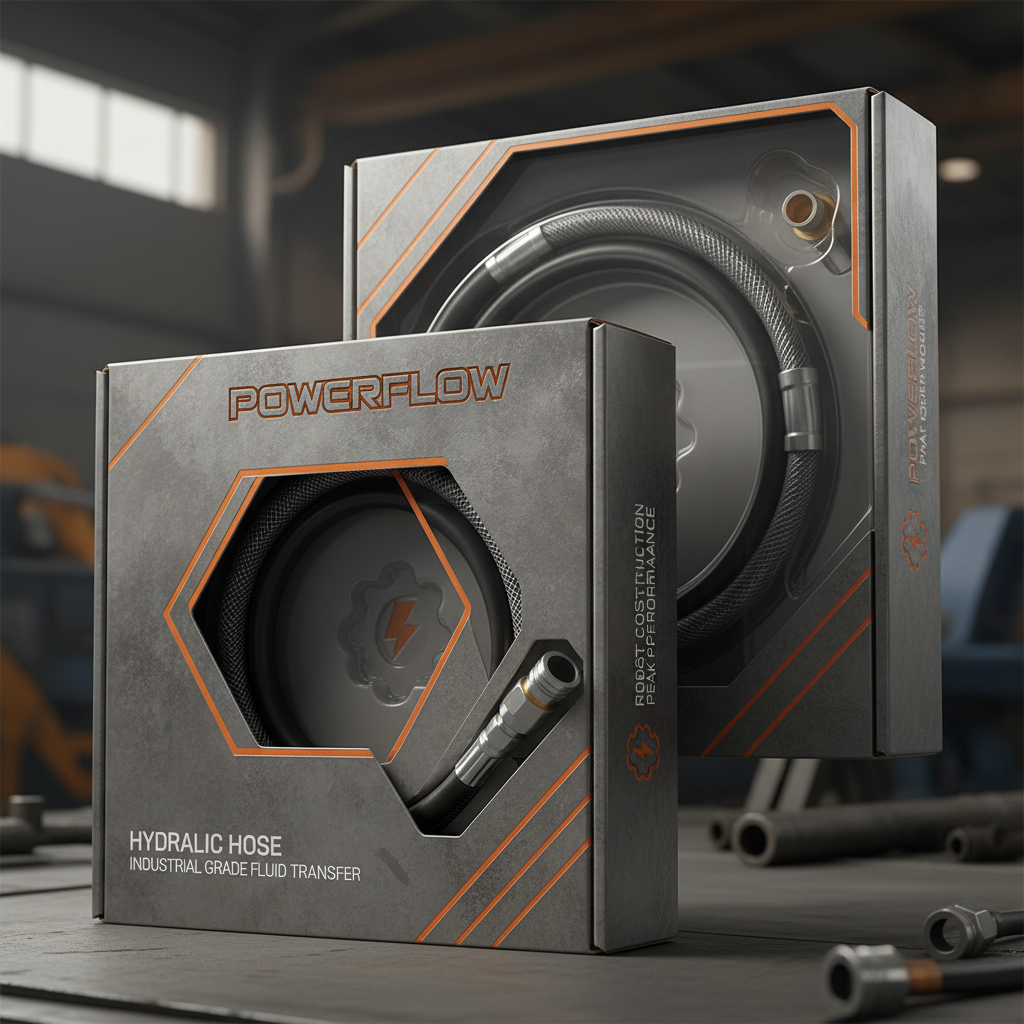
High Performance 2 Hydraulic Hose Solutions for Fluid Power Systems
In the world of fluid power, the reliability of your connectors and conduits can make or break your operational efficiency. Selecting a high-quality 2 hydraulic hose is not just about fitting a size; it is about ensuring safety, reducing downtime, and maintaining consistent pressure under extreme conditions. Whether you are operating heavy machinery in construction or precision equipment in manufacturing, the integrity of your hydraulic lines is paramount. In this guide, we will explore the technical nuances, selection criteria, and maintenance tips to help you optimize your hydraulic systems for long-term success.Read more -
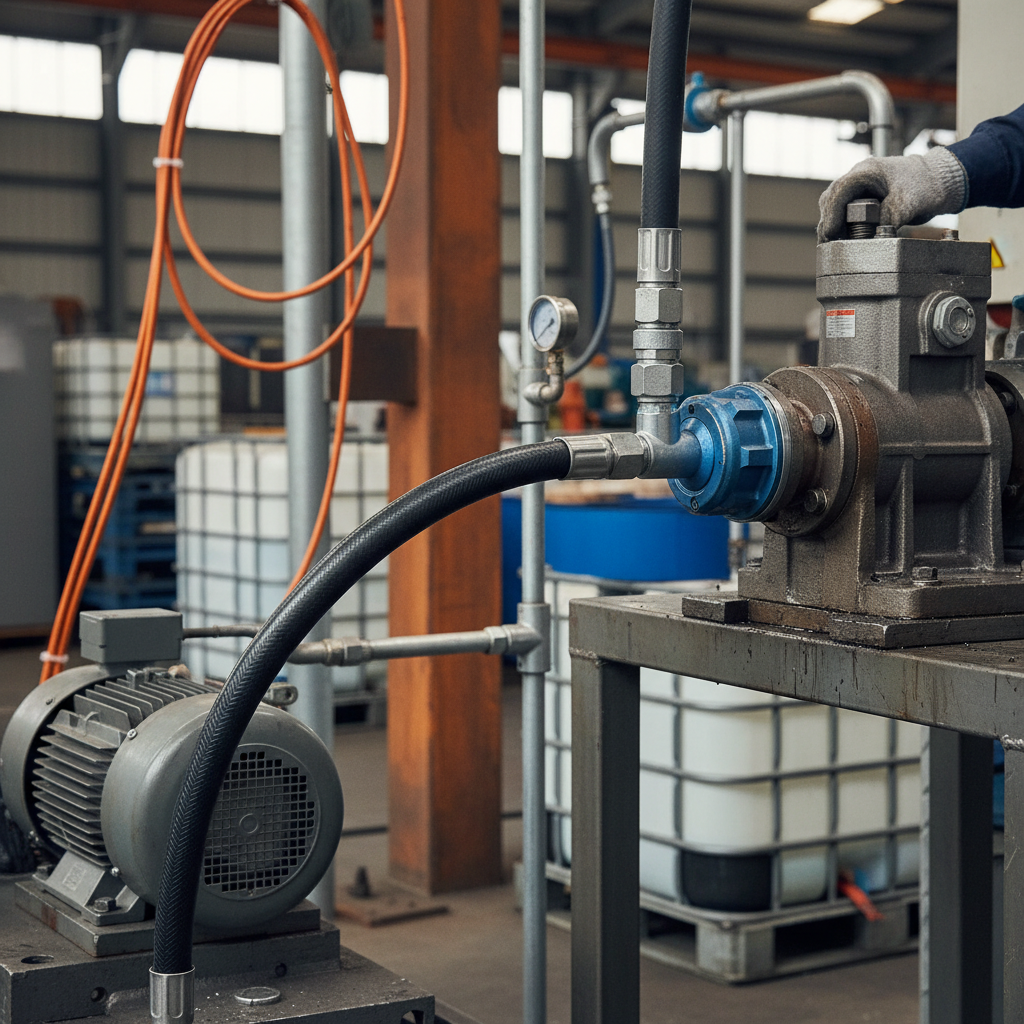
Ultimate Guide to Selecting the Right low pressure hydraulic hose
In the world of fluid power, not every application requires extreme pressure. While high-pressure systems often get the spotlight, the low pressure hydraulic hose plays a critical role in the efficient transport of lubricants, coolants, and return lines. Selecting the right hose is not just about cost-saving; it is about ensuring system longevity and preventing premature failures that can lead to costly downtime. Understanding the material composition, pressure ratings, and environmental factors is essential for any engineer or procurement manager. In this guide, we will explore the nuances of low-pressure solutions to help you optimize your industrial operations.Read more -
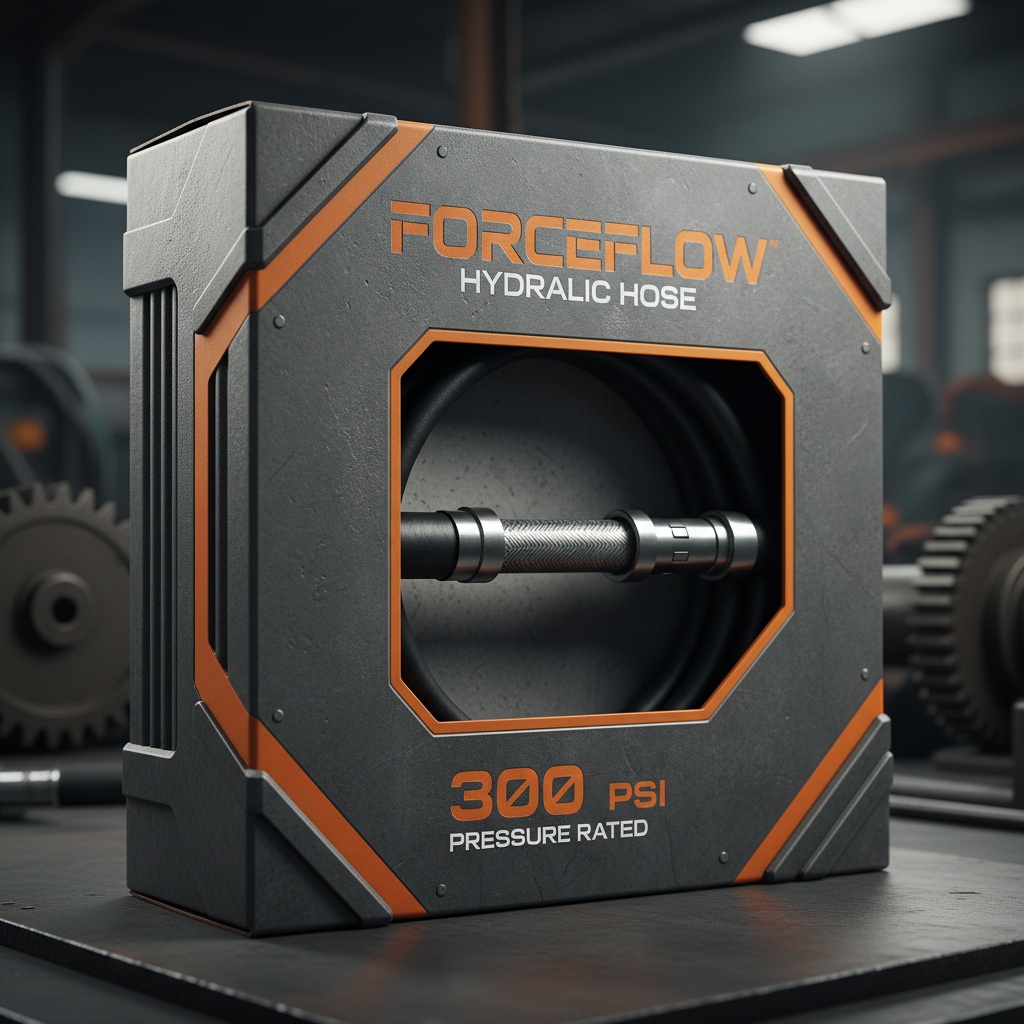
Comprehensive Guide to Selecting and Maintaining 3000 PSI Hydraulic Hose Systems
When it comes to hydraulic systems, the hydraulic hose is a critical component. Selecting the right hose is vital for efficiency, safety, and longevity. A 3000 psi hydraulic hose is a robust and versatile option used across various industries. This article provides a detailed overview of these hoses, covering their applications, construction, considerations when choosing, and maintenance tips. Understanding the specifications and proper usage of a 3000 psi hose will ensure reliable performance and prevent costly failures.Read more -
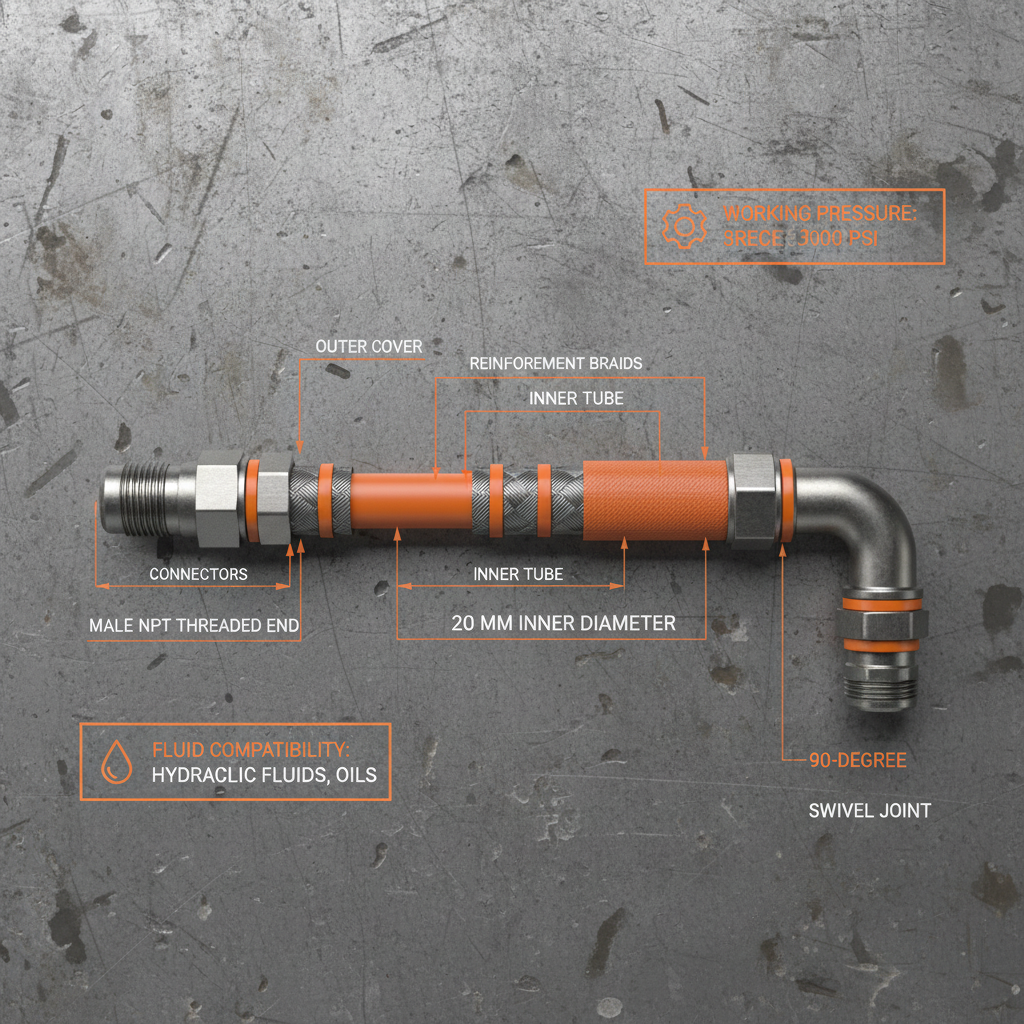
Comprehensive Guide to 3 4 Inch Hydraulic Hose Applications and Selection
Hydraulic hoses are the lifelines of countless machines, transmitting power and enabling critical functions. Choosing the right hose is paramount for safety, efficiency, and longevity of your equipment. This article focuses on 3/4 inch hydraulic hose, exploring its applications, types, specifications, and factors to consider when making a purchase. We'll cover everything from pressure ratings to material considerations, helping you select the optimal hose for your specific needs. Proper hose selection minimizes downtime and ensures optimal performance.Read more -
Comprehensive Guide to Understanding the 1 1/4 Hydraulic Hose and Its Applications
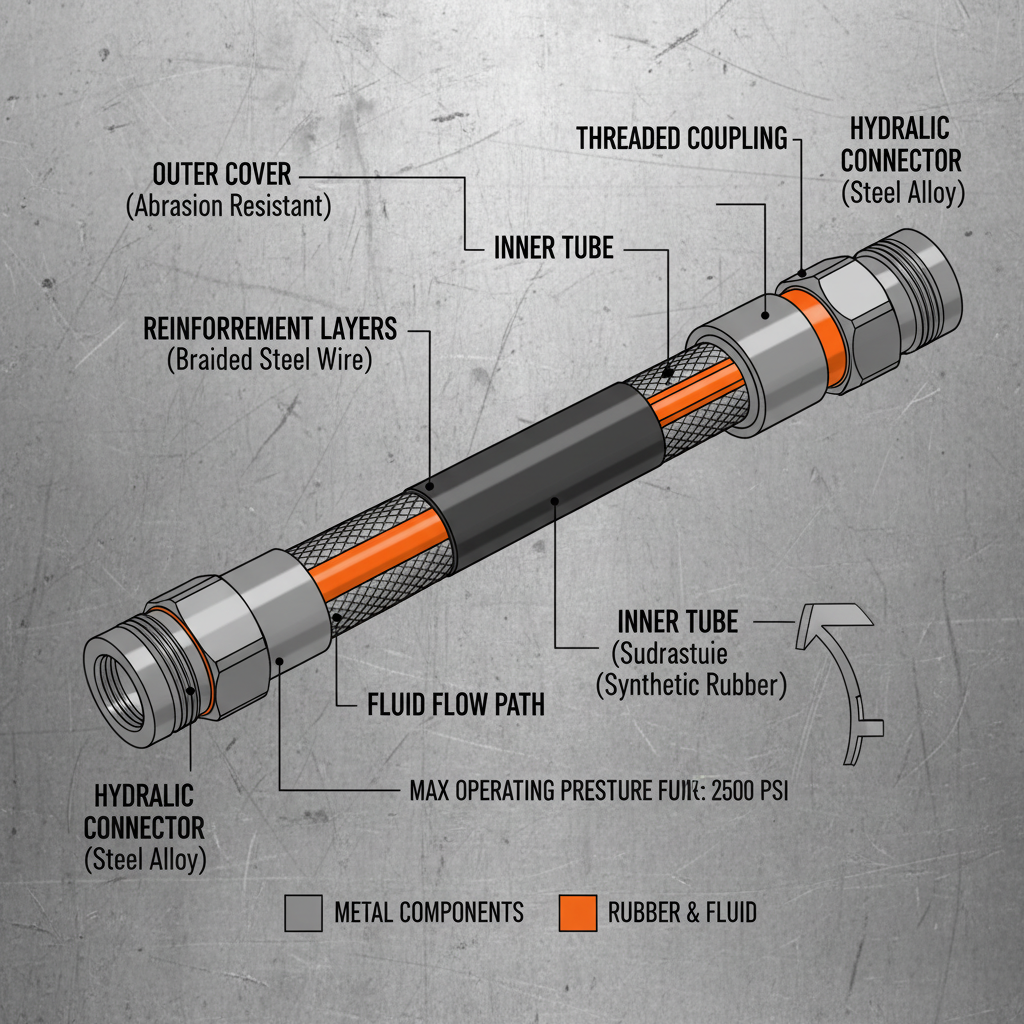
When dealing with hydraulic systems, choosing the right hose is crucial for efficiency and safety. The 1 1/4 hydraulic hose is a commonly used size, offering a balance between flow capacity and flexibility. This article will explore the features, applications, and considerations when selecting a 1 1/4 inch hydraulic hose. Understanding these aspects will help you make informed decisions for your hydraulic projects. We will dive deep into specifications, materials, and safety protocols to ensure you have a solid understanding of this essential component.Read more -
Comprehensive Guide to 5/16 Hydraulic Hose Applications and Selection
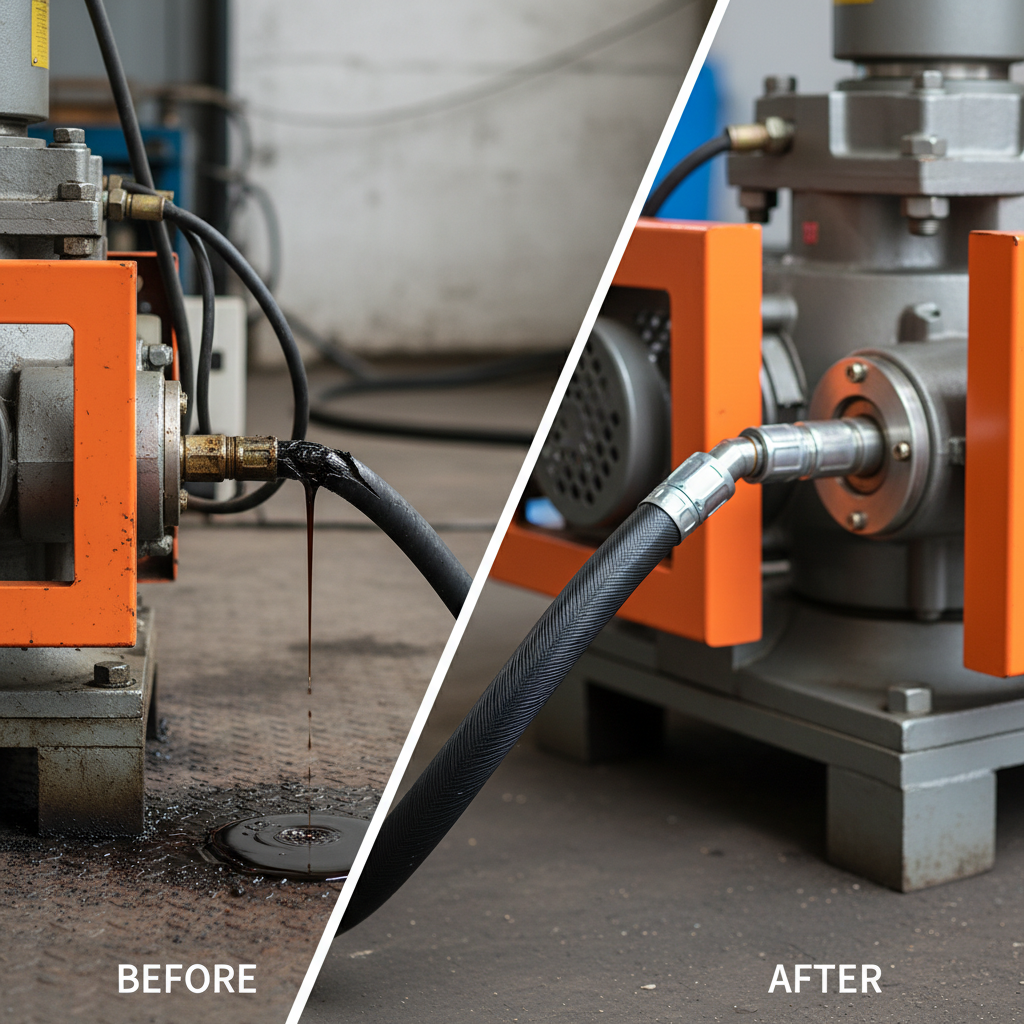
Hydraulic hoses are essential components in a wide range of industries, transmitting power and fluids to operate heavy machinery and critical systems. Choosing the right hose is crucial for safety, efficiency, and longevity. This article will delve into the specifics of the 5/16 hydraulic hose, covering its applications, construction, working pressure, and selection considerations. We’ll explore why understanding these details is vital for professionals and businesses reliant on hydraulic power. Properly selected hoses minimize downtime and contribute to optimal performance.Read more -
Comprehensive Guide to Selecting the Right 3 4 High Pressure Hose
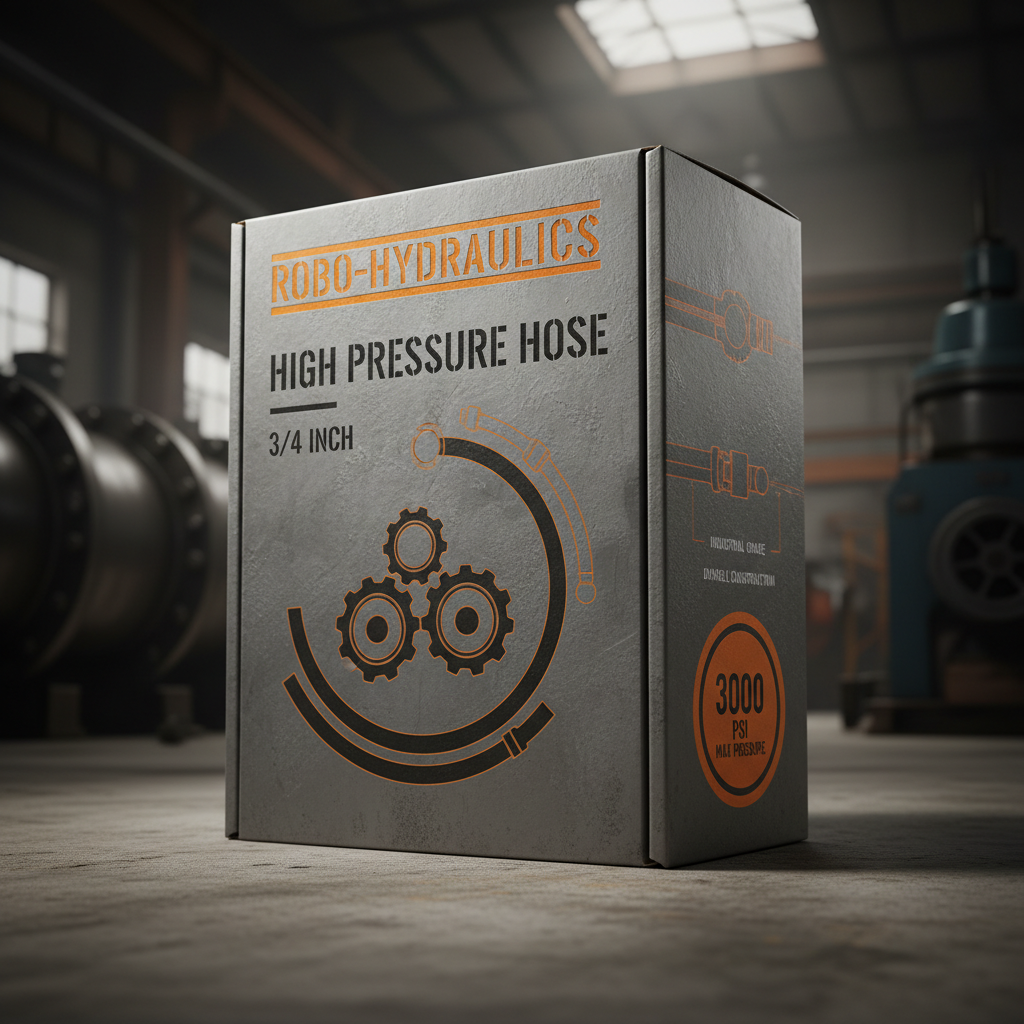
When it comes to hydraulic systems and fluid transfer, selecting the right high-pressure hose is critical for efficiency, safety, and longevity. A 3 4 high pressure hose offers a versatile solution for a wide array of applications, from construction and agriculture to manufacturing and oil & gas. This article will delve into the specifics of these hoses, exploring their construction, applications, specifications, and how to choose the right one for your needs. Proper hose selection and maintenance can significantly reduce downtime and prevent costly failures. The "3 4" designation refers to the hose's inner diameter (ID) in inches – in this case, ¾ of an inch. This size is a common choice for many hydraulic applications as it provides a good balance between flow rate and pressure capacity. High pressure hoses like the 3/4 inch variety are designed to withstand significantly higher pressures compared to standard hoses, making them suitable for demanding industrial tasks. These hoses typically consist of multiple layers, including an inner tube, reinforcement layers (braid or spiral wire), and an outer cover.Read more -
Comprehensive Guide to Hydraulic Hose Replacement and Preventative Maintenance
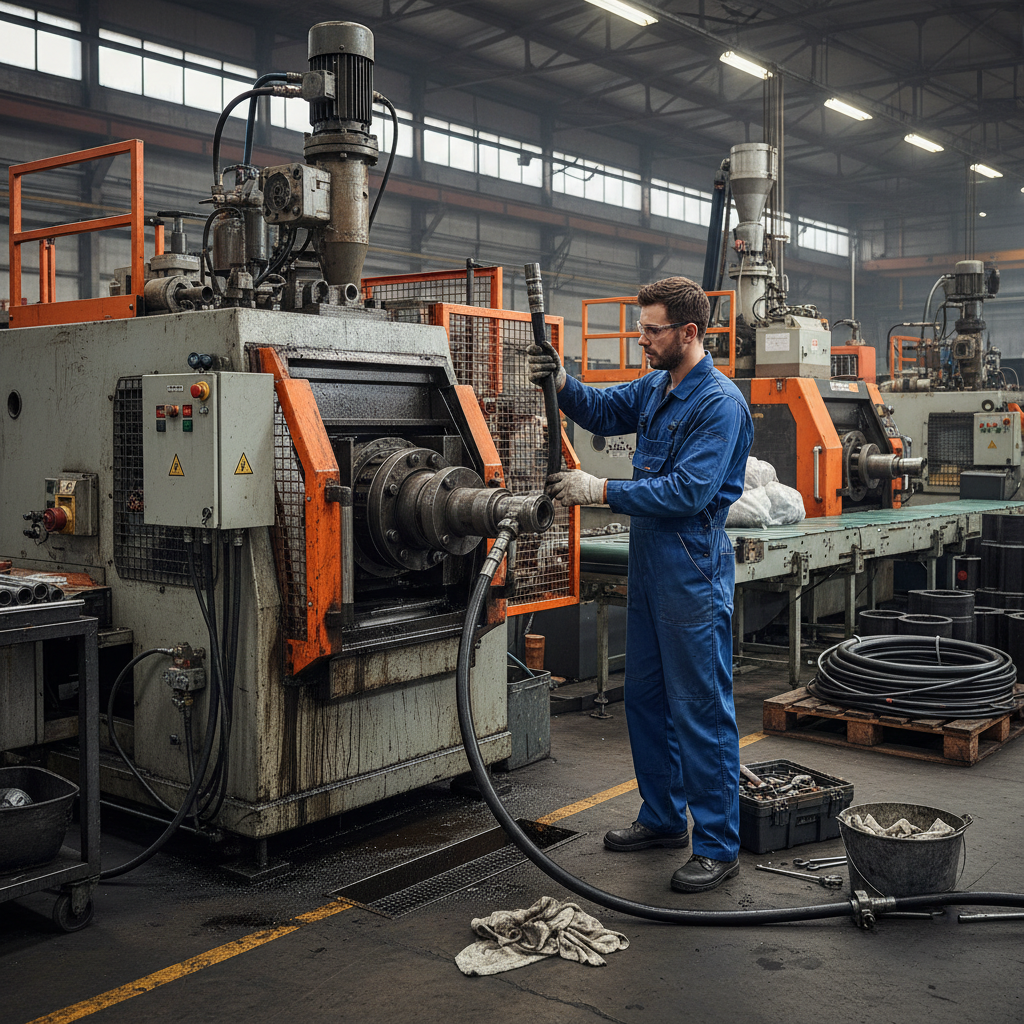
When a hydraulic hose fails, it can bring operations to a standstill and pose significant safety risks. Knowing when and how to perform a hydraulic hose replacement is crucial for maintaining efficiency and safety. This article provides a detailed overview of identifying failing hoses, the necessary tools, the replacement process, and preventative measures to prolong hose life. We'll cover everything from recognizing the signs of wear to choosing the right replacement hose. At Hydhoses.com, we specialize in providing high-quality hydraulic hoses and fittings for various applications. Recognizing the signs of a failing hydraulic hose is the first step in preventing downtime and ensuring safety. Common indicators include visible cracks or abrasions on the hose exterior, leaks around fittings, bulging or blistering in the hose wall, and a reduction in system pressure or performance. Ignoring these signs can lead to catastrophic failure and potential injury. Regularly inspect your hydraulic hoses as part of your preventative maintenance program. A proactive approach can save you time and money in the long run.Read more -
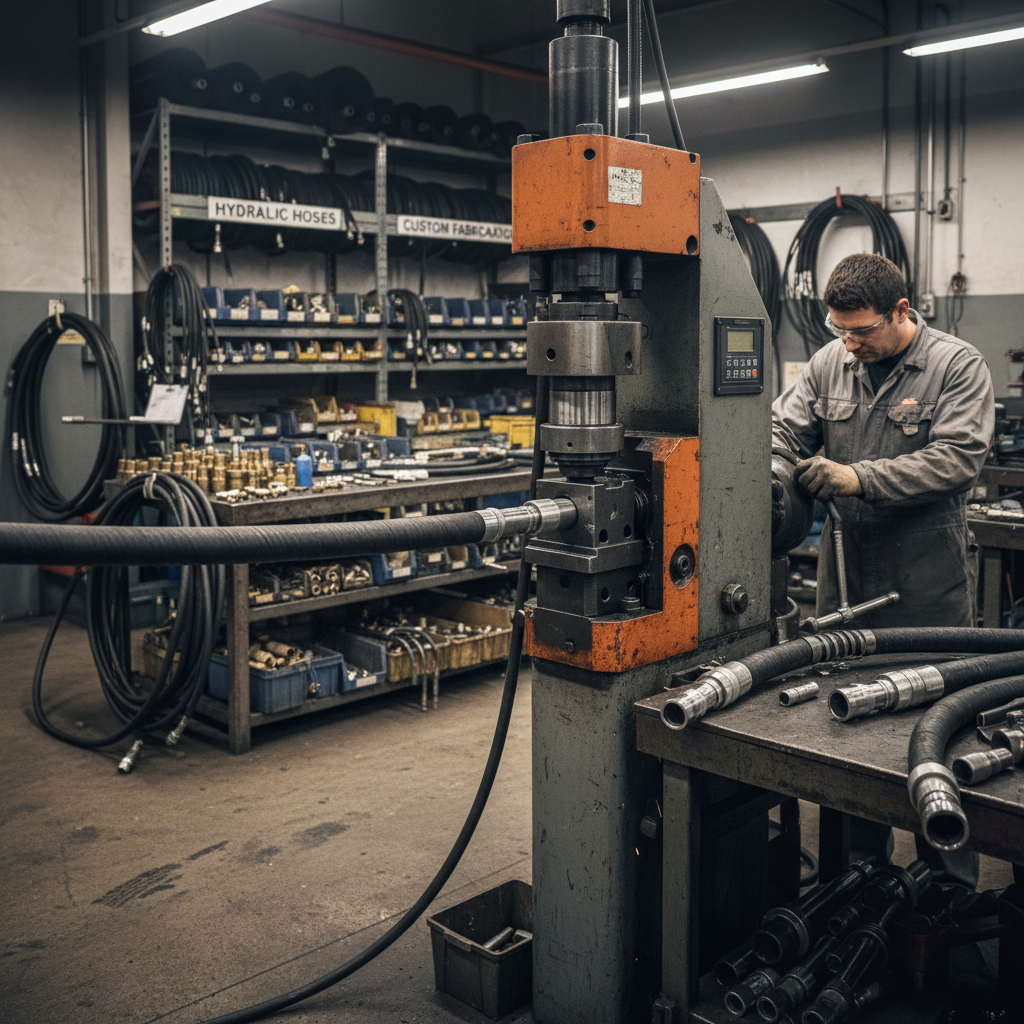
Custom Hydraulic Hoses Made to Order for Optimal Fluid Power Solutions
When your operations depend on reliable fluid power, choosing the right hydraulic hoses made to order is critical. At HydHoses, we specialize in crafting high-performance hoses tailored to your exact specifications. This article will explore the benefits of custom hydraulic hoses, the applications they serve, and how HydHoses delivers superior quality and service. Investing in hoses built to your needs ensures optimal performance, minimizes downtime, and ultimately boosts your bottom line. Unlike standard, off-the-shelf hydraulic hoses, made-to-order hoses offer unparalleled customization. This means you can specify the exact length, diameter, fitting types, and reinforcement layers required for your specific application. This precision engineering eliminates the compromises inherent in using a 'close enough' solution.Read more -
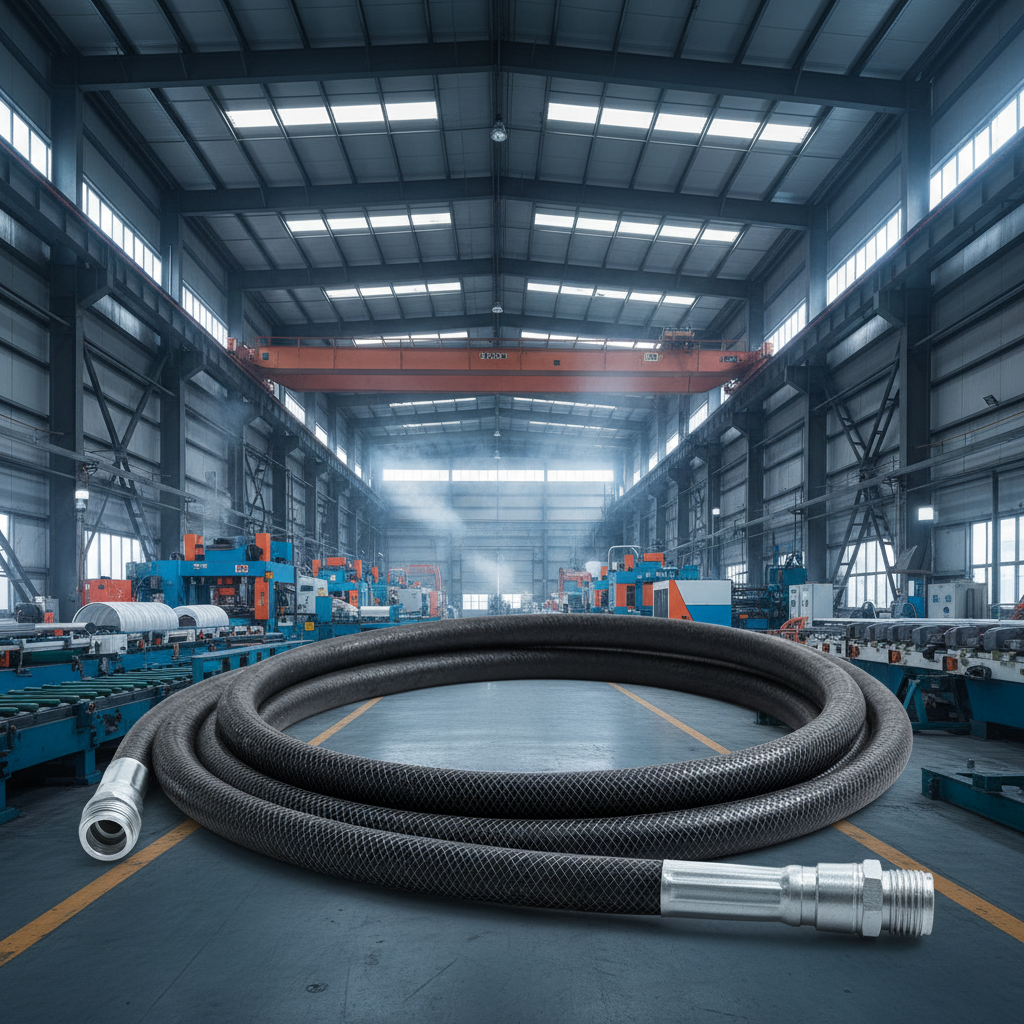
Comprehensive Guide to 1 4 Inch Hydraulic Hose Applications and Selection
Hydraulic hoses are critical components in various industries, from construction and agriculture to manufacturing and automotive. Among the various sizes available, the 1 4 inch hydraulic hose stands out for its versatility and widespread application. This article will delve into the features, applications, selection criteria, and maintenance of these essential hoses. We'll explore why choosing the right 1/4 inch hydraulic hose is crucial for optimal performance and safety. A 1/4 inch hydraulic hose, referring to its internal diameter, is a popular choice for applications requiring moderate flow rates and pressure capacity. They are typically constructed with multiple layers, including an inner tube resistant to hydraulic fluids, reinforcement layers for strength, and an outer cover for protection against abrasion and weathering. Common materials include synthetic rubber like nitrile or PVC for the inner tube, and steel wire or textile braiding for reinforcement. These hoses are designed to withstand high pressures and temperatures, ensuring reliable performance in demanding environments.Read more -
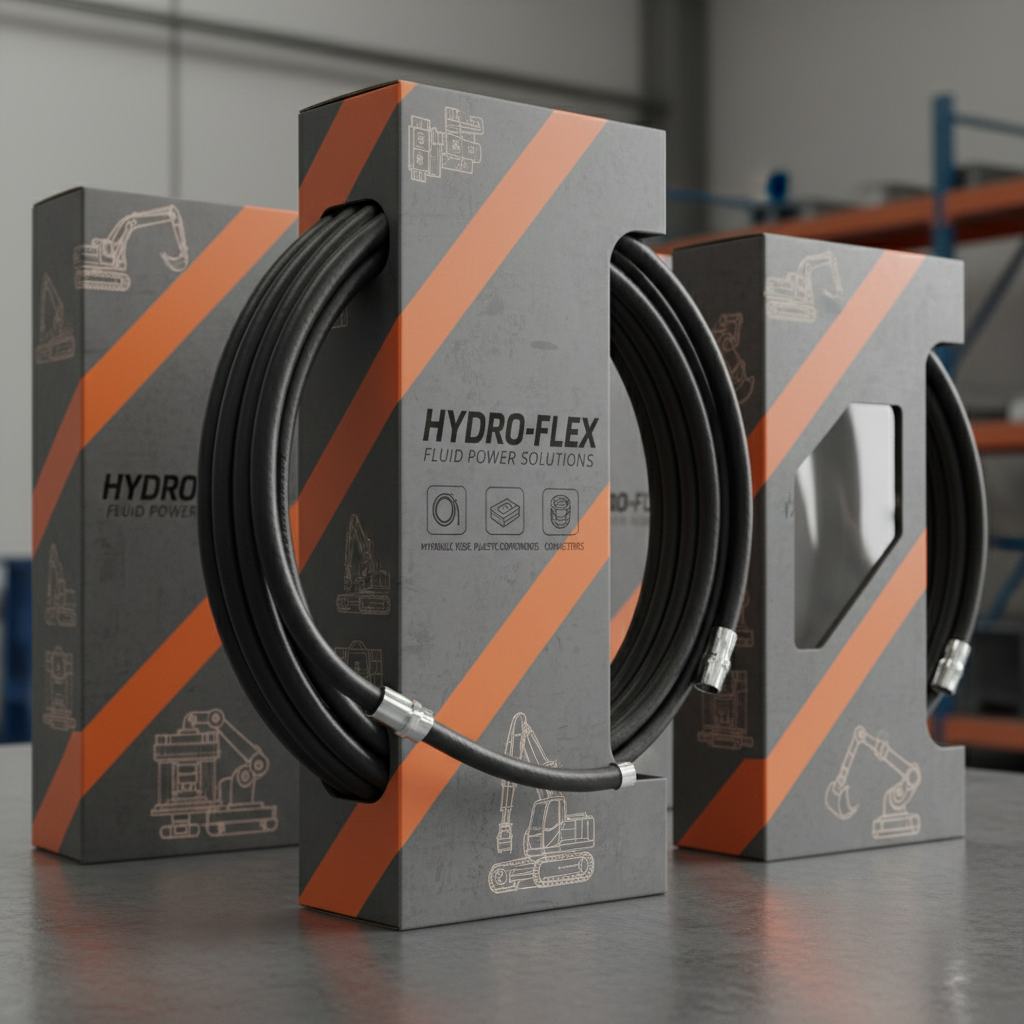
Comprehensive Guide to Understanding Hydraulic Hose Uses and Applications
Hydraulic hoses are vital components in countless industries, transmitting power to operate heavy machinery and essential systems. Understanding their diverse hydraulic hose uses is crucial for selecting the right hose for the application, ensuring safety and maximizing efficiency. From construction and agriculture to manufacturing and aerospace, hydraulic hoses are the unsung heroes powering our modern world. This article will explore common applications, types of hoses, and crucial considerations when choosing the right hydraulic hose. Hydraulic hoses are employed in a broad spectrum of applications. In construction, they power excavators, bulldozers, and cranes, enabling earthmoving and lifting operations. Agriculture relies on hydraulic hoses for tractors, harvesters, and irrigation systems. Manufacturing processes utilize them in injection molding machines, presses, and robotic arms.Read more -
Comprehensive Guide to Understanding Hydraulic Hose Pipe Types and Applications
Hydraulic systems are the backbone of many industries, from construction and agriculture to manufacturing and aerospace. The efficiency and safety of these systems depend heavily on the quality and suitability of the hydraulic hose pipe used. Selecting the correct type of hose is crucial for optimal performance and preventing costly failures. This article will delve into the various types of hydraulic hoses available, their applications, and factors to consider when making a selection. Understanding the differences between these hose types ensures you choose the best solution for your specific needs and improve the longevity of your hydraulic machinery. There are several main types of hydraulic hoses, each designed for specific pressure ratings, temperature ranges, and fluid compatibility. These include: Non-Reinforced Hose, Wire-Braided Hose, Spiral-Wrapped Hose, Thermoplastic Hose, Rubber Hose, and Composite Hose. Two of the most common types of hydraulic hose are wire-braided and spiral-wrapped. Understanding their differences is vital for selecting the right hose for demanding applications. Wire-braided hoses utilize multiple layers of wire braid for reinforcement, making them suitable for moderate to high pressures. Spiral-wrapped hoses, on the other hand, employ a single layer of high-tensile wire spirally wrapped around the hose tube.Read more
Your Trusted 24 Hours Service Provider!

-
 Call Us+86-158-0331-9351
 -
 Emailcarrie@sinopulse.cn
 -
 AddressHandan City, Hebei , China