

Understanding 3 4 High Pressure Hose: A Comprehensive Guide
When it comes to hydraulic systems and fluid transfer, selecting the right high-pressure hose is critical for efficiency, safety, and longevity. A 3 4 high pressure hose offers a versatile solution for a wide array of applications, from construction and agriculture to manufacturing and oil & gas. This article will delve into the specifics of these hoses, exploring their construction, applications, specifications, and how to choose the right one for your needs. Proper hose selection and maintenance can significantly reduce downtime and prevent costly failures.
What Defines a 3 4 High Pressure Hose?
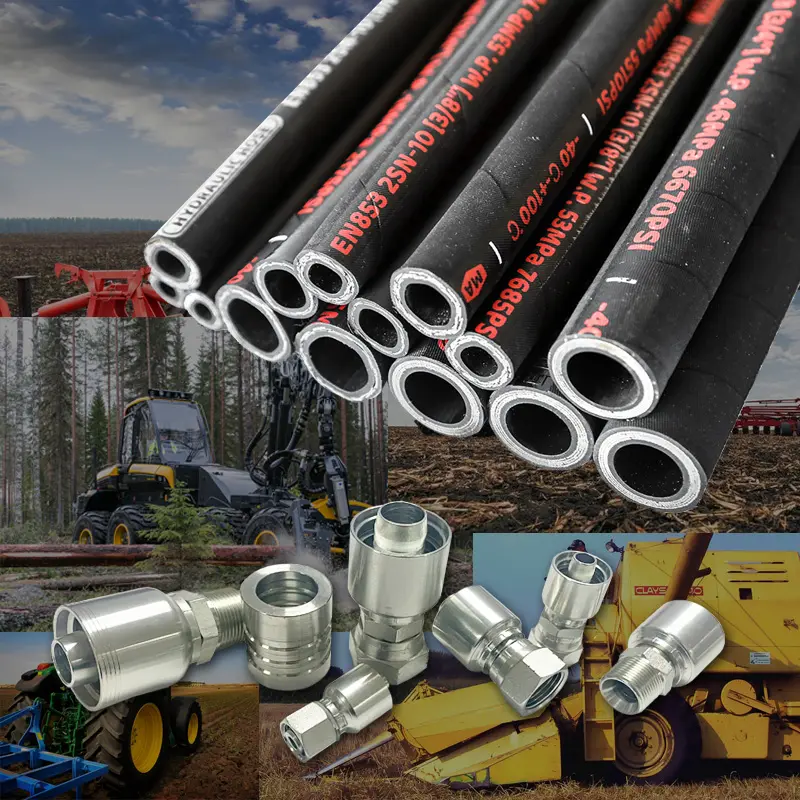
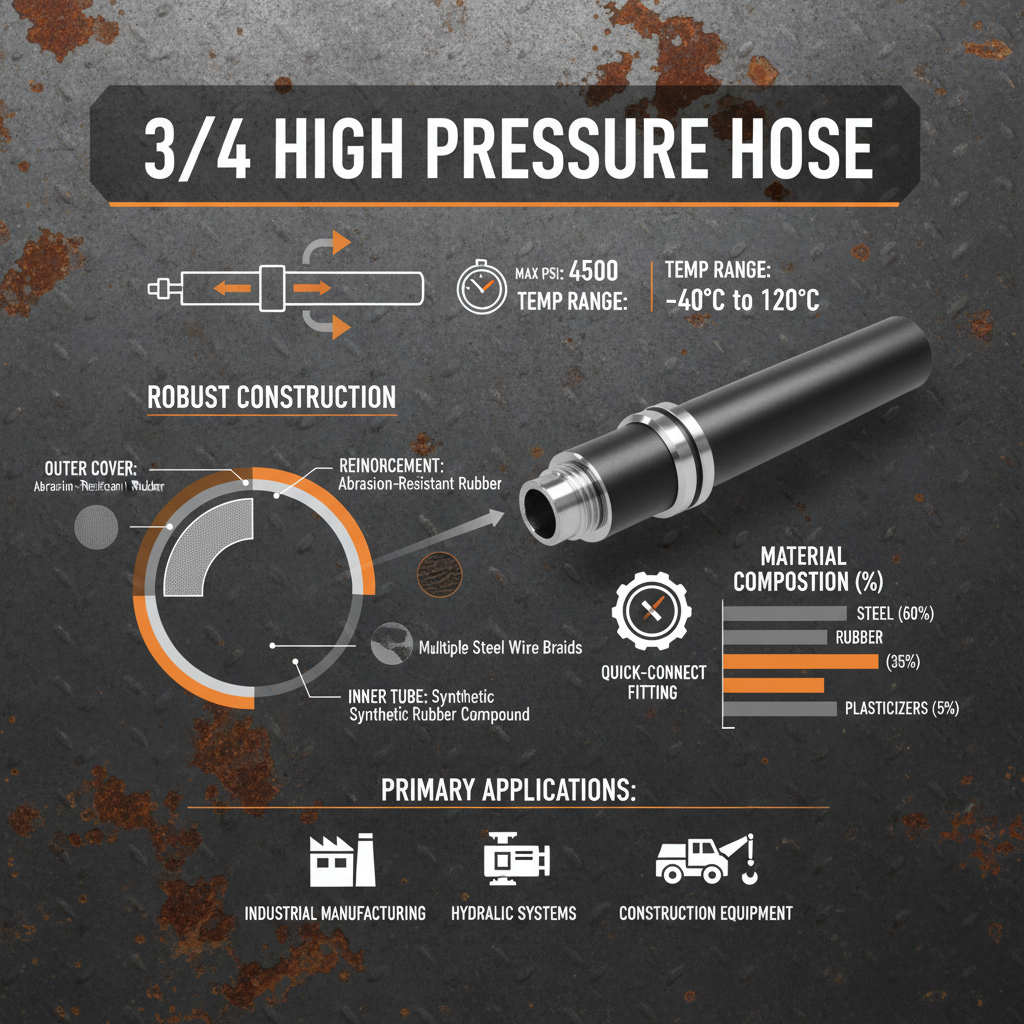
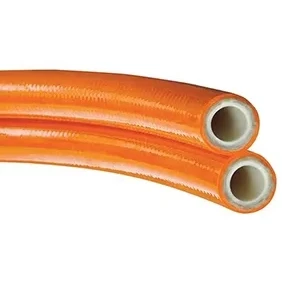
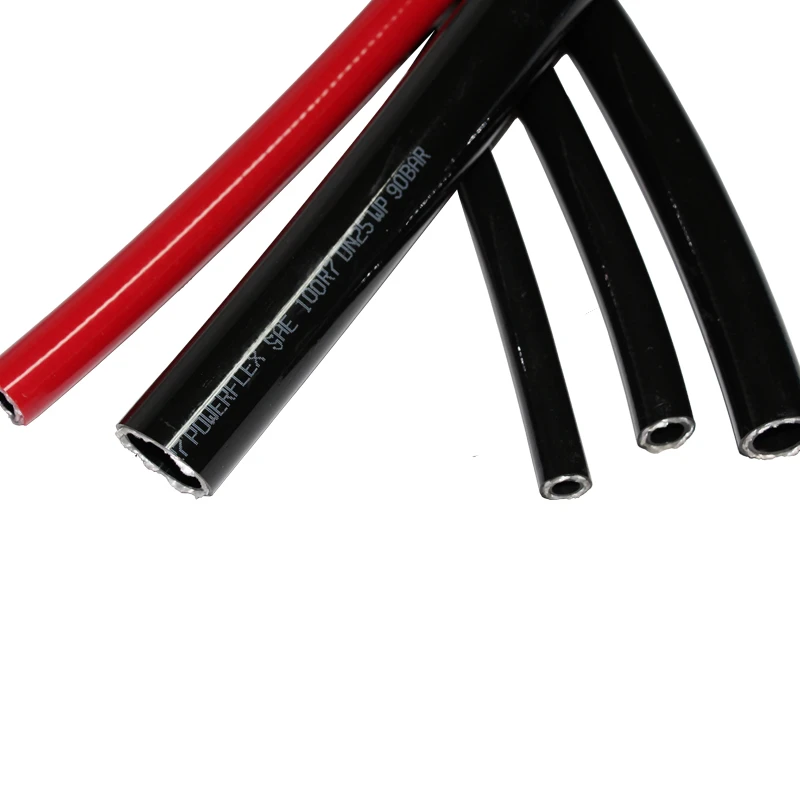
The "3 4" designation refers to the hose's inner diameter (ID) in inches – in this case, ¾ of an inch. This size is a common choice for many hydraulic applications as it provides a good balance between flow rate and pressure capacity. High pressure hoses like the 3/4 inch variety are designed to withstand significantly higher pressures compared to standard hoses, making them suitable for demanding industrial tasks. These hoses typically consist of multiple layers, including an inner tube, reinforcement layers (braid or spiral wire), and an outer cover. The reinforcement provides the strength needed to contain high pressure fluids safely.
Key Components: An inner tube compatible with the fluid being transported, multiple reinforcement layers for strength, and an outer cover for abrasion and weather resistance.
Common Applications for 3 4 High Pressure Hose
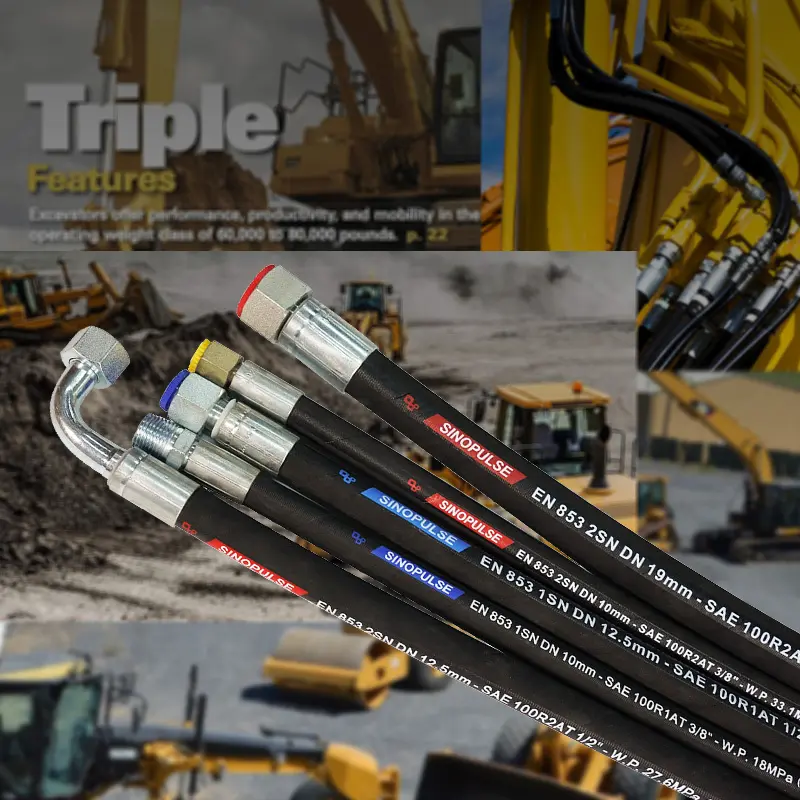
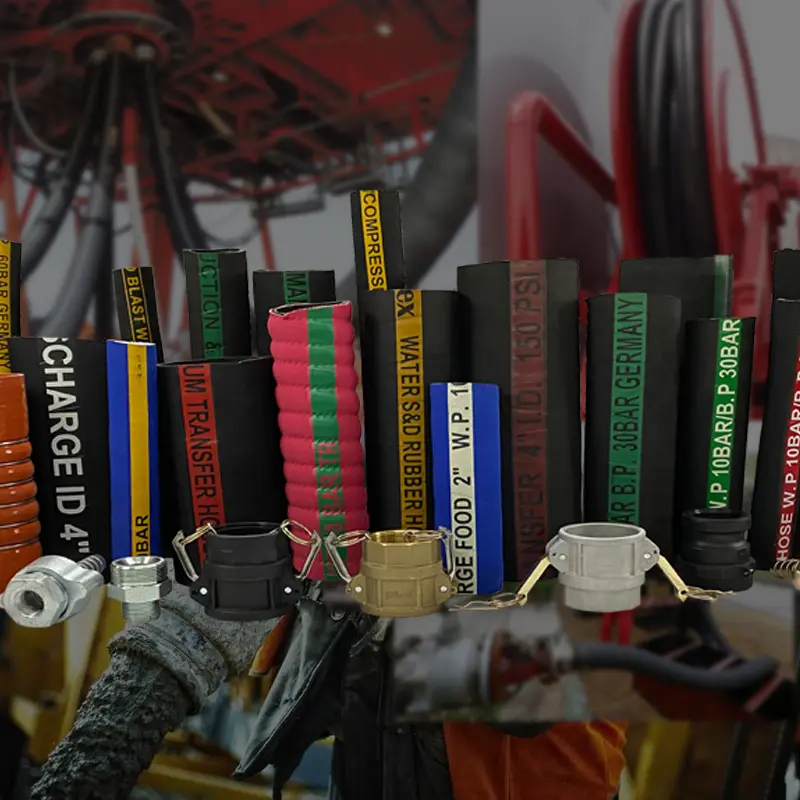
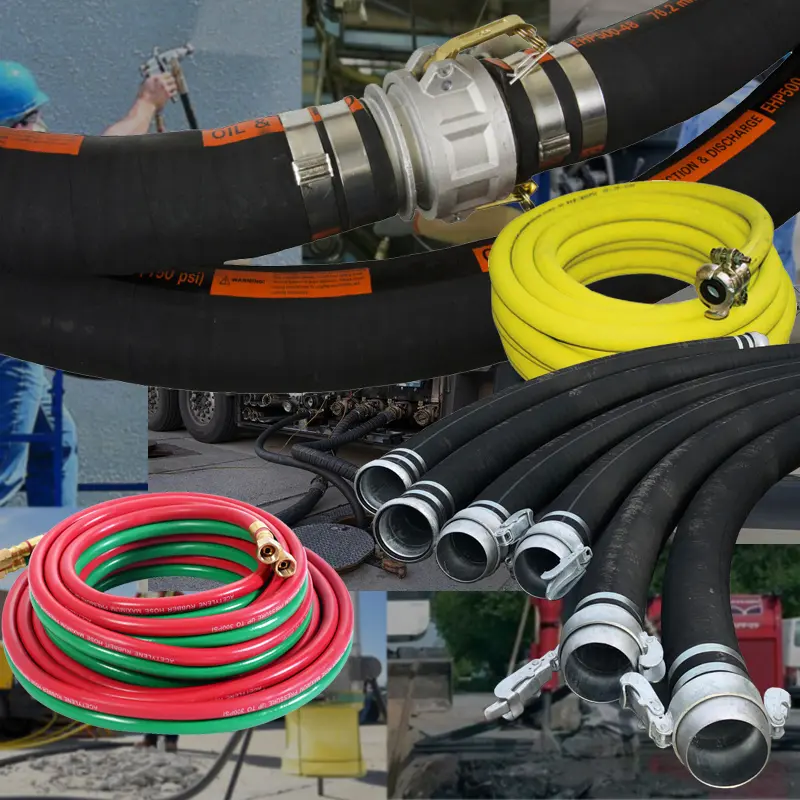
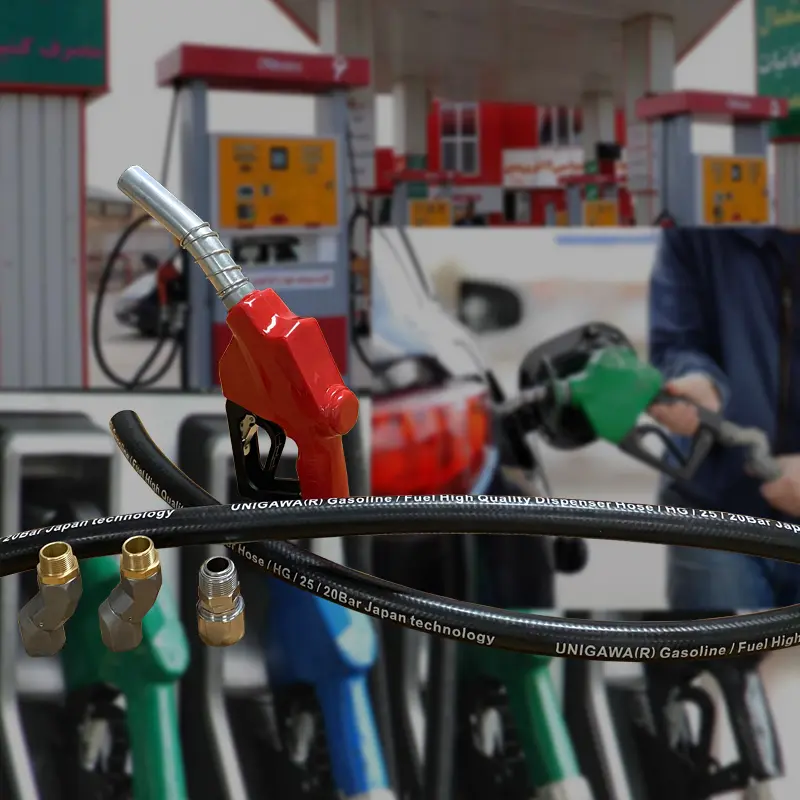
The versatility of a 3/4 inch high pressure hose makes it ideal for numerous applications. In construction, these hoses are used with hydraulic excavators, loaders, and other heavy machinery. Agricultural applications include powering tractors, sprayers, and irrigation systems. Manufacturing plants utilize them in hydraulic presses, injection molding machines, and other industrial equipment. Oil & gas industries rely on them for fluid transfer in drilling and refining operations. Furthermore, they’re commonly found in material handling equipment like forklifts and cranes. Hydhoses.com offers a wide selection tailored to specific industry needs.
Industry Applications:
• Construction: Excavators, loaders, bulldozers
• Agriculture: Tractors, sprayers, irrigation systems
• Manufacturing: Hydraulic presses, molding machines
• Oil & Gas: Drilling, refining, fluid transfer
Comparing Hose Constructions: Braided vs. Spiral Wire
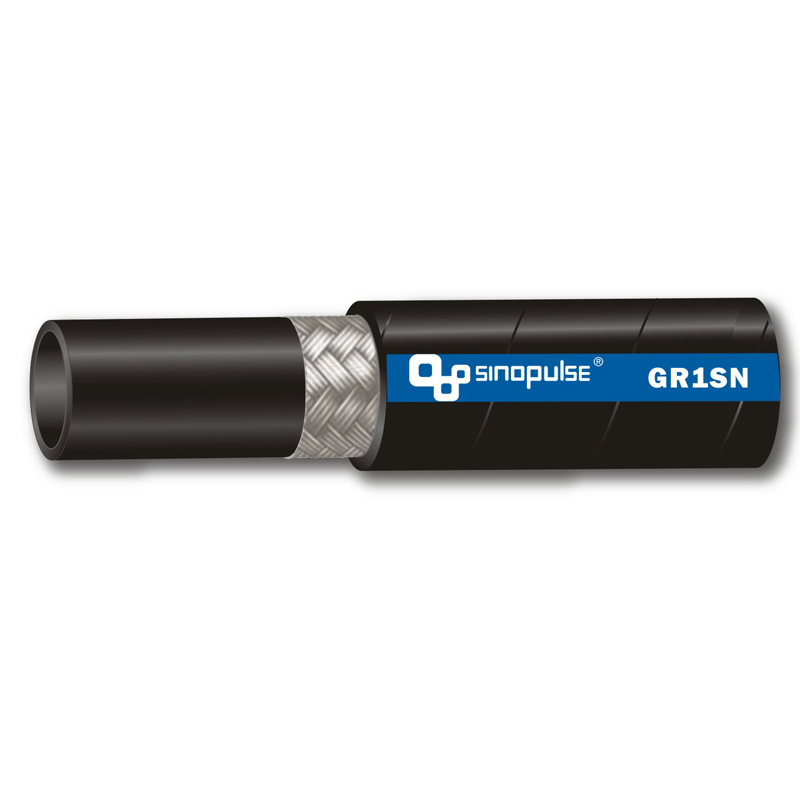
3/4 high pressure hoses come in different constructions, primarily braided and spiral wire reinforced. Braided hoses use multiple layers of high-tensile steel wire woven in a braided pattern. They offer good flexibility and are suitable for applications requiring frequent bending. Spiral wire hoses feature a single layer of steel wire wound in a spiral around the inner tube. These are generally more robust and can withstand higher pressures, but are less flexible. The best choice depends on the specific application's pressure requirements, bend radius, and temperature range.
Key Specifications and Choosing the Right Hose
When selecting a 3/4 high pressure hose, consider the following specifications: working pressure, burst pressure, temperature range, fluid compatibility, and hose length. Working pressure is the maximum pressure the hose can handle continuously. Burst pressure is the pressure at which the hose will fail. Ensure the hose material is compatible with the fluid being transported to prevent degradation. Hydhoses.com provides detailed specifications for each hose, enabling informed decision-making.
Conclusion: Selecting the Optimal 3/4 High Pressure Hose
Choosing the right 3/4 high pressure hose is essential for the safe and efficient operation of your hydraulic systems. By considering the application requirements, hose construction, and key specifications, you can select a hose that delivers reliable performance and longevity. Don't compromise on quality – choose a reputable supplier like Hydhoses.com for all your hydraulic hose needs.
Frequently Asked Questions (FAQs)
What is the typical working pressure range for a 3/4 inch high pressure hose?
The working pressure range for a 3/4 inch high pressure hose varies depending on the construction and materials. Typically, you'll find hoses rated from 2,000 PSI up to 6,000 PSI or even higher for specialized applications. It's crucial to verify the hose’s pressure rating to ensure it exceeds the maximum operating pressure of your hydraulic system, providing a safety margin. Exceeding the rated pressure can lead to hose failure and potential injury. Always consult the hose manufacturer’s specifications for accurate pressure ratings.
How do I properly store a 3/4 high pressure hose?
Proper storage is essential for extending the life of a high-pressure hose. Avoid exposing the hose to direct sunlight, extreme temperatures, and harsh chemicals. Store hoses in a clean, dry environment, preferably coiled loosely and hanging or placed on a reel. Do not bend the hose sharply, as this can damage the reinforcement layers. Also, ensure the hose is free from any kinks or twists before storing. Protect the hose from physical damage, such as abrasion or punctures, during storage.
What fluids are compatible with standard 3/4 high pressure hose materials?
Most standard 3/4 inch high pressure hoses are compatible with petroleum-based hydraulic fluids, including mineral oil, diesel fuel, and lubricating oils. However, compatibility with other fluids, such as water-glycol, phosphate ester, or synthetic fluids, varies depending on the hose’s inner tube material. Always check the hose manufacturer’s compatibility chart before using the hose with a specific fluid. Using an incompatible fluid can cause the inner tube to swell, crack, or deteriorate, leading to hose failure. Hydhoses.com provides detailed fluid compatibility information.
How often should I inspect my 3/4 high pressure hose for damage?
Regular inspections are vital for ensuring the safe operation of high-pressure hoses. Inspect the hose before each use for signs of wear, damage, or leaks. Look for cracks, abrasions, bulges, kinks, or loose fittings. Also, check the hose for oil contamination or signs of chemical attack. If any damage is detected, replace the hose immediately. Keep a log of inspections and replacements to track hose performance and maintenance history. A proactive inspection schedule can prevent costly downtime and potential safety hazards.
Product Application