

Understanding 5/16 Hydraulic Hose: A Comprehensive Guide
Hydraulic hoses are essential components in a wide range of industries, transmitting power and fluids to operate heavy machinery and critical systems. Choosing the right hose is crucial for safety, efficiency, and longevity. This article will delve into the specifics of the 5/16 hydraulic hose, covering its applications, construction, working pressure, and selection considerations. We’ll explore why understanding these details is vital for professionals and businesses reliant on hydraulic power. Properly selected hoses minimize downtime and contribute to optimal performance.
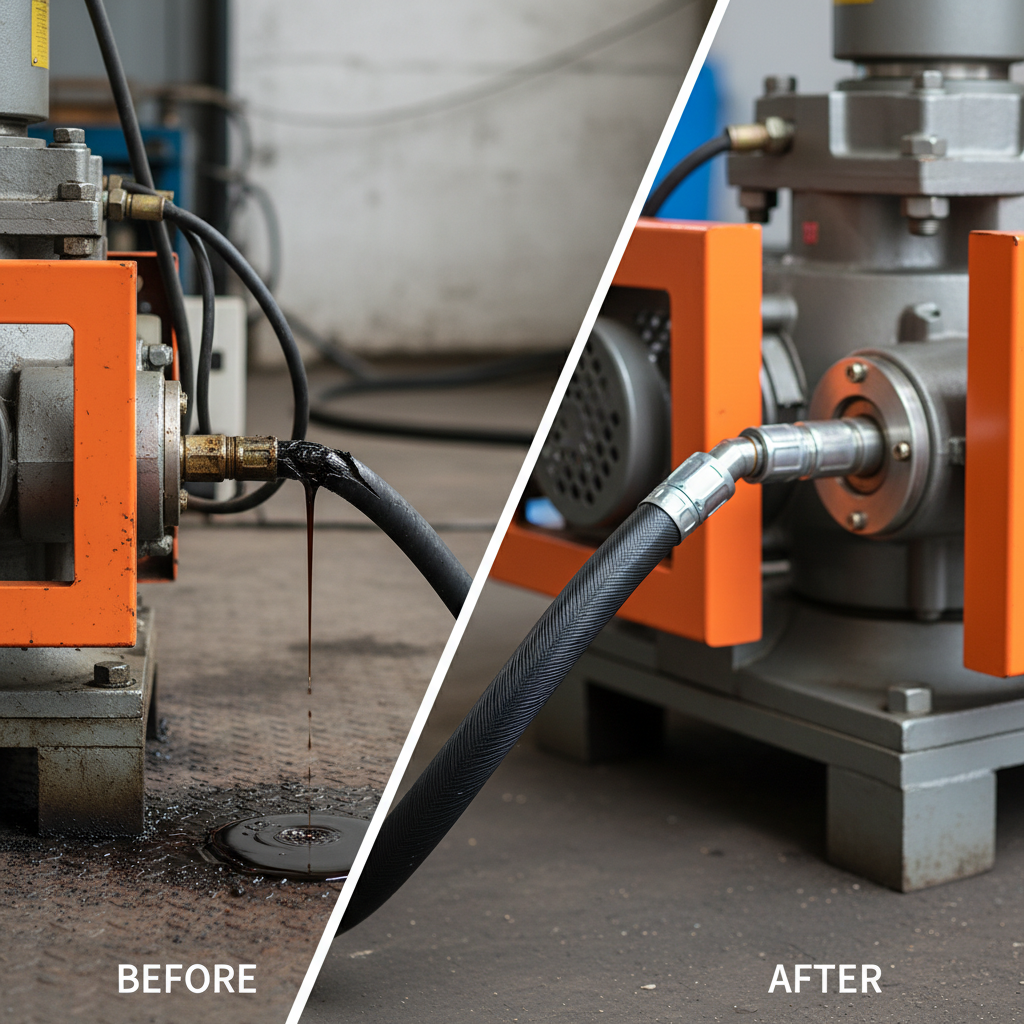
What is a 5/16 Hydraulic Hose?
The "5/16" designation refers to the inner diameter of the hose, measured in inches. A 5/16 hydraulic hose, therefore, has an internal diameter of five-sixteenths of an inch (approximately 7.94 mm). This size is commonly used in applications requiring moderate flow rates and pressures. These hoses are frequently found in agricultural equipment, small construction machinery, and various industrial systems. They are versatile and readily available, making them a cost-effective solution for many hydraulic applications. Choosing the correct hose size is fundamental to achieving optimal system performance and preventing premature failure.
Key Takeaway: The 5/16 designation represents the hose's inner diameter, directly influencing its flow capacity and pressure handling capabilities.
Applications of 5/16 Hydraulic Hose
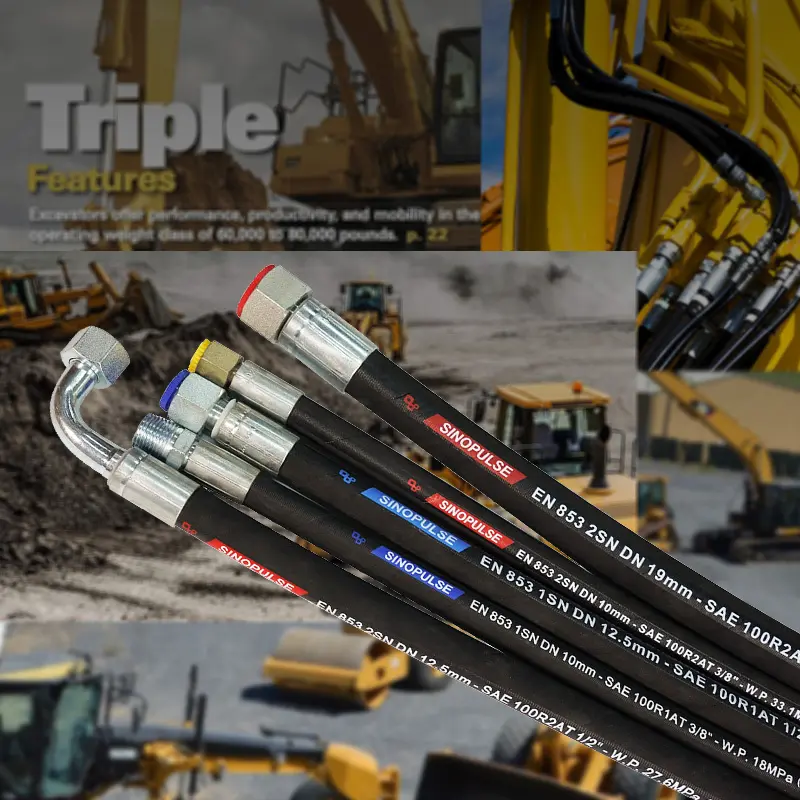
The 5/16 hydraulic hose is well-suited for a wide variety of applications where moderate hydraulic pressure and flow are needed. Common uses include: power steering systems in smaller vehicles, hydraulic jacks, small excavators, lawn mowers, agricultural sprayers, and certain types of material handling equipment. They are also frequently employed in portable hydraulic tools and testing equipment. The versatility of this hose size makes it a staple in many industrial and commercial settings. The specific application will dictate the required hose construction and reinforcement.
Common Application Areas:
• Agricultural Machinery
• Lawn and Garden Equipment
• Small Construction Tools
• Hydraulic Jacks and Lifts
5/16 Hydraulic Hose Construction and Materials
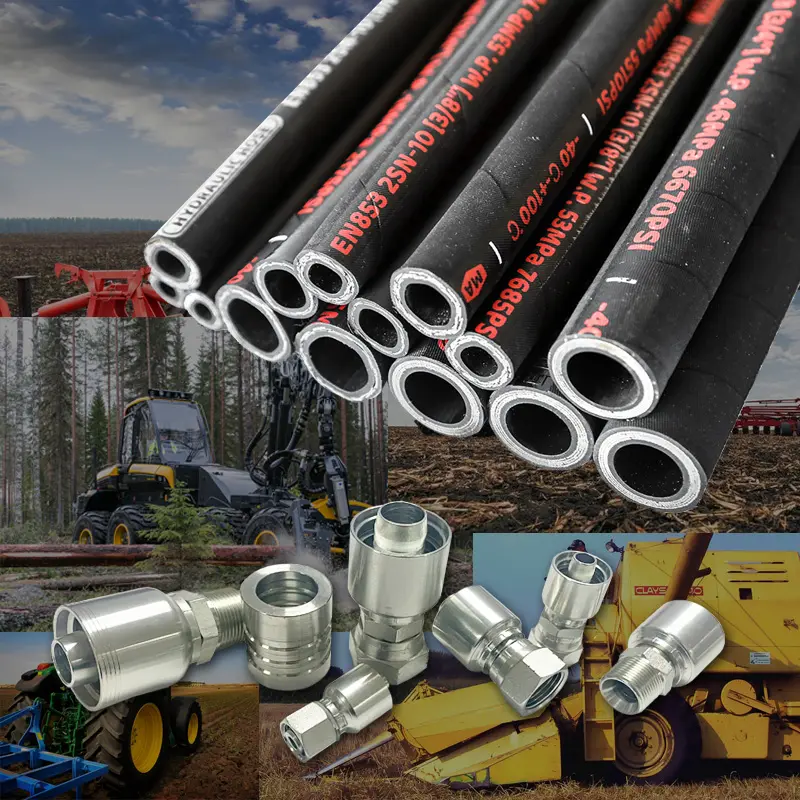
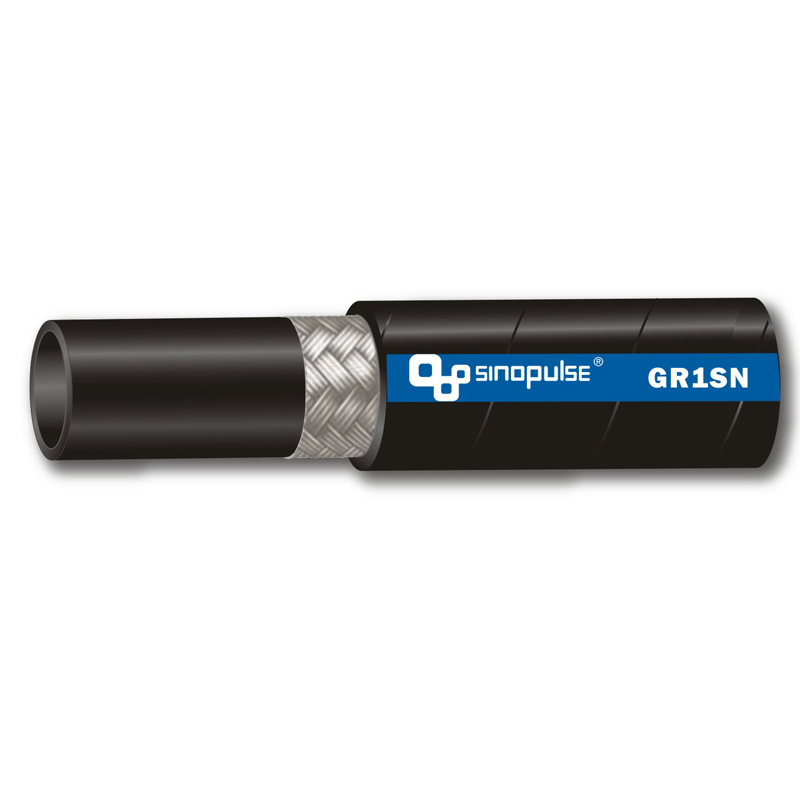
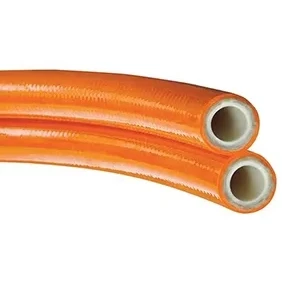
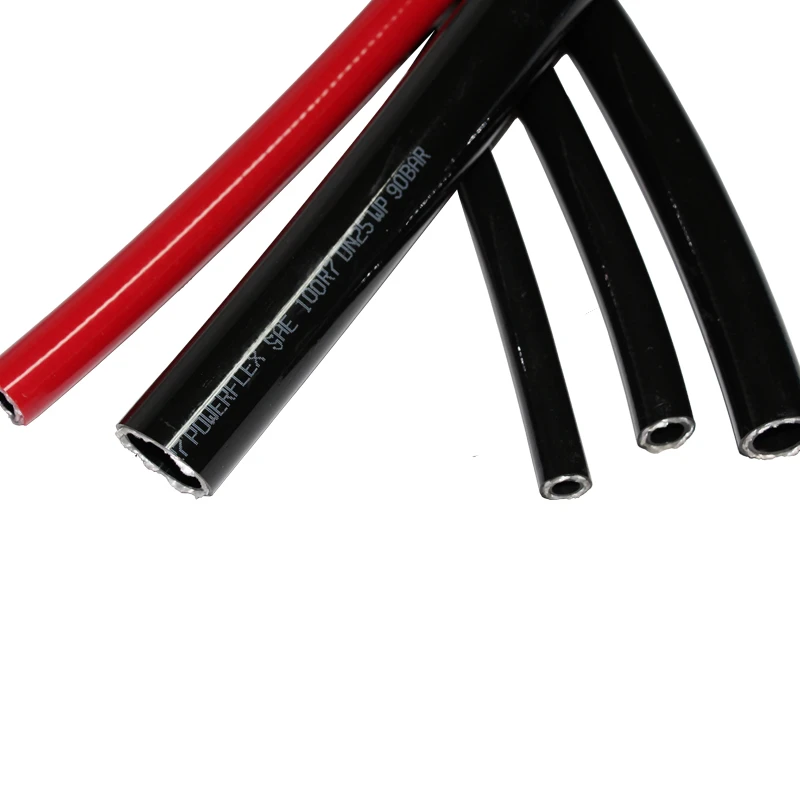
A typical 5/16 hydraulic hose consists of several layers. The innermost layer, or tube, is typically made from synthetic rubber compounds such as nitrile (NBR) or ethylene propylene diene monomer (EPDM) to provide compatibility with various hydraulic fluids. This is followed by layers of reinforcement, often comprised of braided steel wire or spiral-wound steel wire, which provide strength and resistance to pressure. An outer cover, usually made of synthetic rubber, protects the reinforcement layers from abrasion, weathering, and chemical exposure. Selecting the correct materials for each layer is critical for ensuring the hose's long-term performance and reliability. Hydhoses.com offers a wide selection of hose constructions tailored to different needs.
Working Pressure and Specifications of 5/16 Hydraulic Hose
The working pressure of a 5/16 hydraulic hose varies depending on its construction and reinforcement. Typical working pressures range from 1,000 PSI to 3,000 PSI (pounds per square inch). It’s crucial to select a hose with a working pressure that exceeds the maximum system pressure to ensure safe and reliable operation. Here’s a comparison of common 5/16 hydraulic hose specifications:
Selecting the Right 5/16 Hydraulic Hose
Choosing the appropriate 5/16 hydraulic hose involves considering several factors. First, determine the maximum system pressure and select a hose with a working pressure significantly higher. Next, assess the type of hydraulic fluid being used and ensure the hose's inner tube is compatible to prevent degradation. Consider the operating temperature range and select a hose designed to withstand those temperatures. Finally, evaluate the environment – exposure to abrasion, chemicals, or UV radiation may require a hose with a more robust outer cover. Consulting with a hydraulic hose specialist can help ensure you select the optimal hose for your specific application.
Conclusion: Choosing the Right Hose for Optimal Performance
Understanding the nuances of the 5/16 hydraulic hose is essential for ensuring efficient and safe operation of hydraulic systems. By carefully considering application requirements, working pressure, material compatibility, and environmental factors, you can select the hose best suited for your needs. Don't hesitate to explore the comprehensive range of options available at Hydhoses.com for high-quality solutions.
Frequently Asked Questions (FAQs)
What is the maximum working pressure for a 5/16 hydraulic hose?
The maximum working pressure for a 5/16 hydraulic hose typically ranges from 1,000 PSI to 3,000 PSI, depending on its construction. Hoses with spiral-wound reinforcement generally offer higher pressure ratings than those with braided reinforcement. It is absolutely critical to verify the hose's pressure rating and ensure it exceeds the maximum system pressure by a significant margin (often 2-4 times) for safe operation. Always consult the hose's specification sheet before use. Failure to do so can lead to catastrophic hose failure and potential injury.
Can a 5/16 hydraulic hose be used with different types of hydraulic fluid?
While many 5/16 hydraulic hoses are compatible with common hydraulic fluids like petroleum-based oils, it's crucial to verify compatibility before use. Certain fluids, such as phosphate ester fluids, require specific hose materials to prevent degradation. The hose's inner tube material must be resistant to the specific fluid being used. Using an incompatible fluid can cause the hose to swell, crack, or otherwise fail, leading to leaks and system malfunctions. Always consult the hose manufacturer's compatibility chart.
How often should I replace a 5/16 hydraulic hose?
The replacement frequency of a 5/16 hydraulic hose depends on several factors, including usage, operating conditions, and exposure to environmental elements. As a general guideline, hoses should be inspected regularly for signs of wear and tear, such as cracks, abrasions, or swelling. Even if no visible damage is present, it's recommended to replace hoses every 3-5 years, or more frequently in demanding applications. Following the hose manufacturer's recommendations is also essential. Proactive replacement minimizes the risk of unexpected failures and ensures system reliability.
What fittings are commonly used with 5/16 hydraulic hoses?
Common fittings used with 5/16 hydraulic hoses include JIC (Joint Industry Council) fittings, NPT (National Pipe Thread) fittings, and Flare fittings. The choice of fitting depends on the specific application and the type of connection required. It's essential to use fittings that are compatible with the hose material and rated for the same or higher working pressure. Proper installation of fittings is crucial to ensure a leak-free and reliable connection. Always follow the fitting manufacturer's instructions for installation.
Product Application