

Hydraulic Hose Replacement: A Comprehensive Guide
When a hydraulic hose fails, it can bring operations to a standstill and pose significant safety risks. Knowing when and how to perform a hydraulic hose replacement is crucial for maintaining efficiency and safety. This article provides a detailed overview of identifying failing hoses, the necessary tools, the replacement process, and preventative measures to prolong hose life. We'll cover everything from recognizing the signs of wear to choosing the right replacement hose. At Hydhoses.com, we specialize in providing high-quality hydraulic hoses and fittings for various applications.
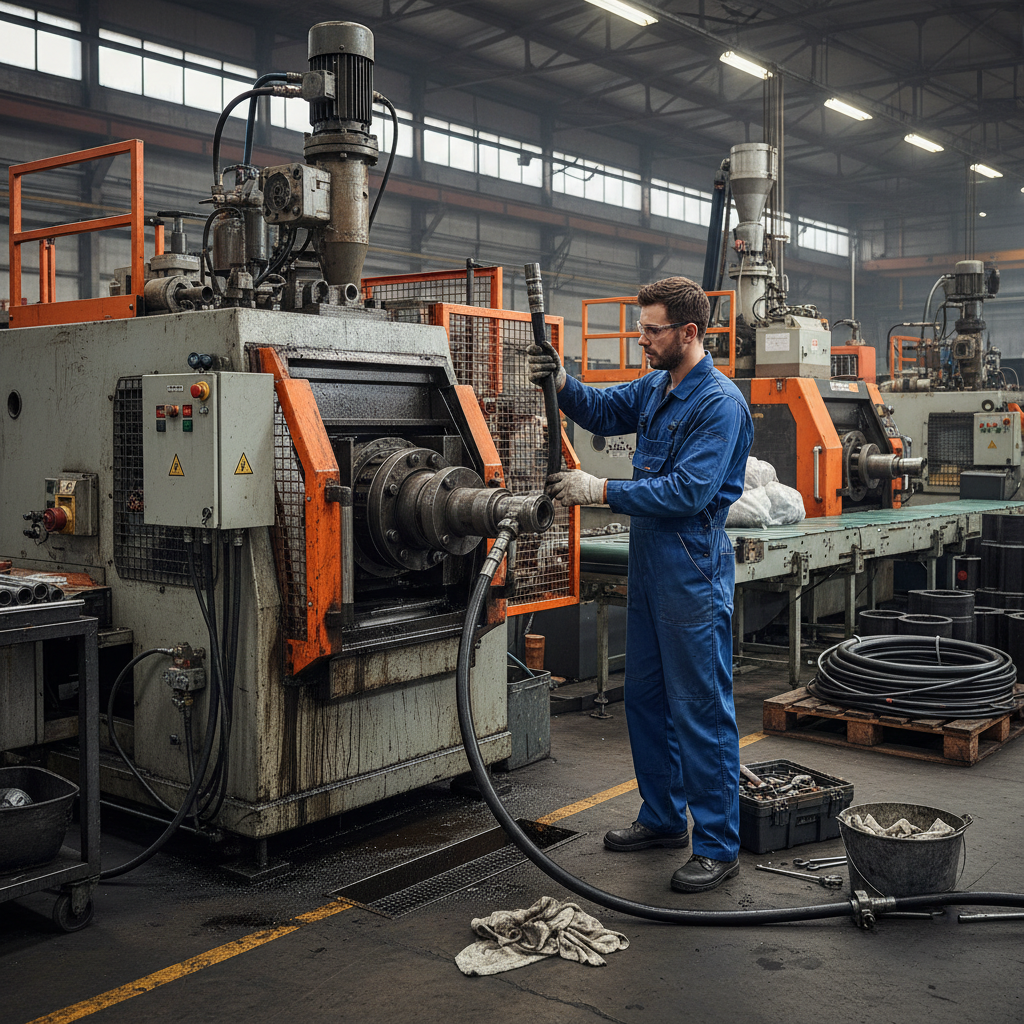
Identifying a Failing Hydraulic Hose
Recognizing the signs of a failing hydraulic hose is the first step in preventing downtime and ensuring safety. Common indicators include visible cracks or abrasions on the hose exterior, leaks around fittings, bulging or blistering in the hose wall, and a reduction in system pressure or performance. Ignoring these signs can lead to catastrophic failure and potential injury. Regularly inspect your hydraulic hoses as part of your preventative maintenance program. A proactive approach can save you time and money in the long run.
Key Indicators of Hose Failure: Visible cracks, leaks, bulging, reduced pressure, and stiffness.
Tools Required for Hydraulic Hose Replacement
Before beginning a hydraulic hose replacement, ensure you have the necessary tools. This includes hose wrenches for loosening and tightening fittings, a hose cutter for clean cuts, a fitting removal tool, replacement hoses and fittings that match the original specifications, hydraulic fluid to top up the system, and appropriate safety gear such as gloves and eye protection. Having the right tools streamlines the process and minimizes the risk of damage or injury.
Essential Tools:
• Hose Wrenches
• Hose Cutter
• Fitting Removal Tool
• Safety Glasses & Gloves
Step-by-Step Hydraulic Hose Replacement
The replacement process involves several crucial steps. First, relieve the system pressure completely. Then, carefully disconnect the old hose from both fittings. Clean the fittings thoroughly before attaching the new hose. Ensure the new hose is the correct length and has the appropriate fittings. Tighten the fittings securely with hose wrenches, but avoid over-tightening. Finally, slowly re-pressurize the system and check for leaks. It’s vital to follow these steps precisely to ensure a safe and effective replacement. Hydhoses.com offers detailed guides and resources to assist with this process.
Preventative Maintenance for Hydraulic Hoses
Extending the life of your hydraulic hoses requires a proactive approach to preventative maintenance. Regularly inspect hoses for wear and tear, ensure proper routing to avoid abrasion, and use hose guards where necessary. Maintain a clean hydraulic system to prevent contamination and corrosion. Proper hose selection, based on application requirements, is also critical. Investing in quality hoses from a reputable supplier like Hydhoses.com can significantly reduce the frequency of replacements.
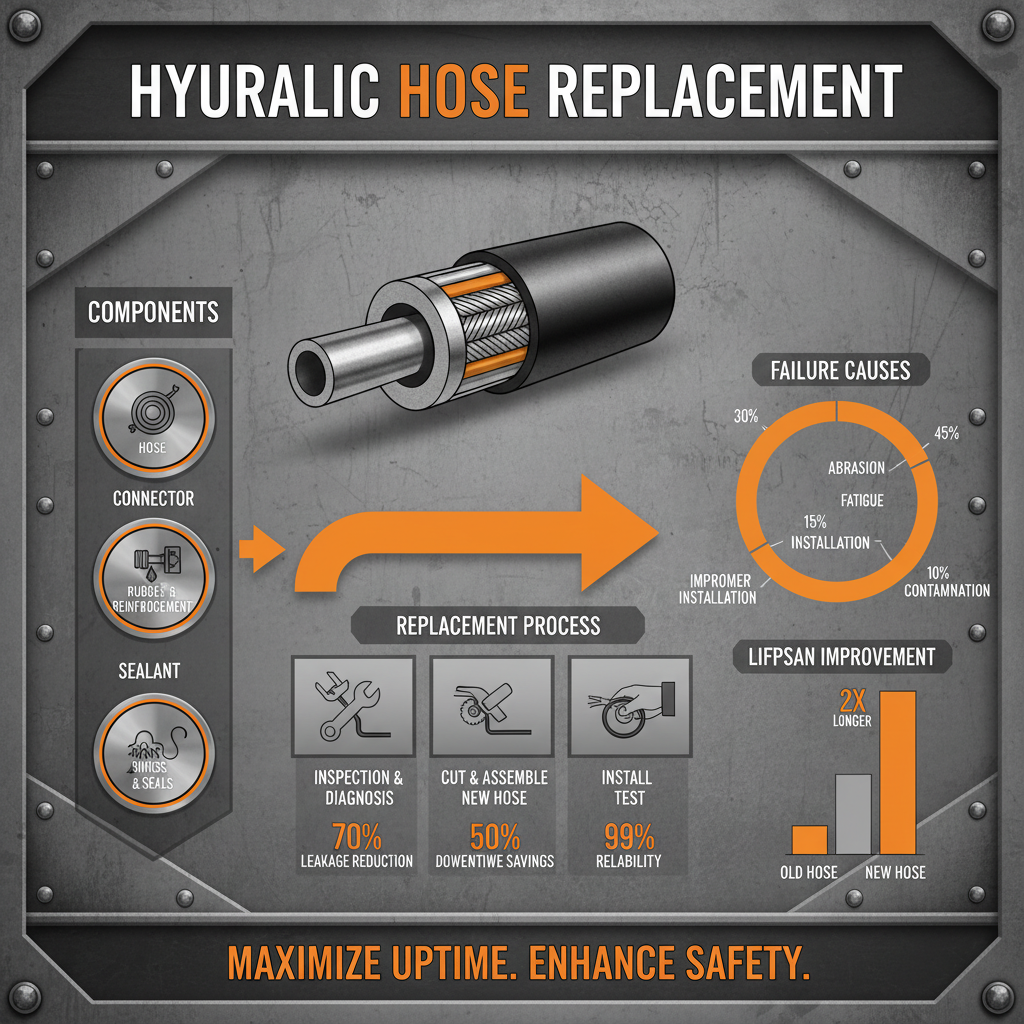
Choosing the Right Hydraulic Hose: A Quick Guide
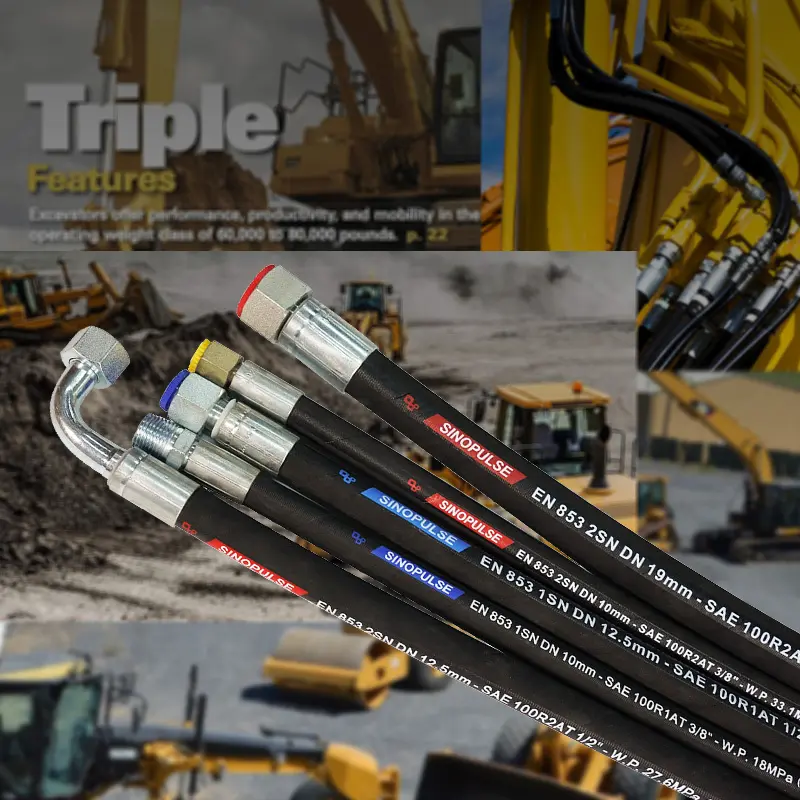
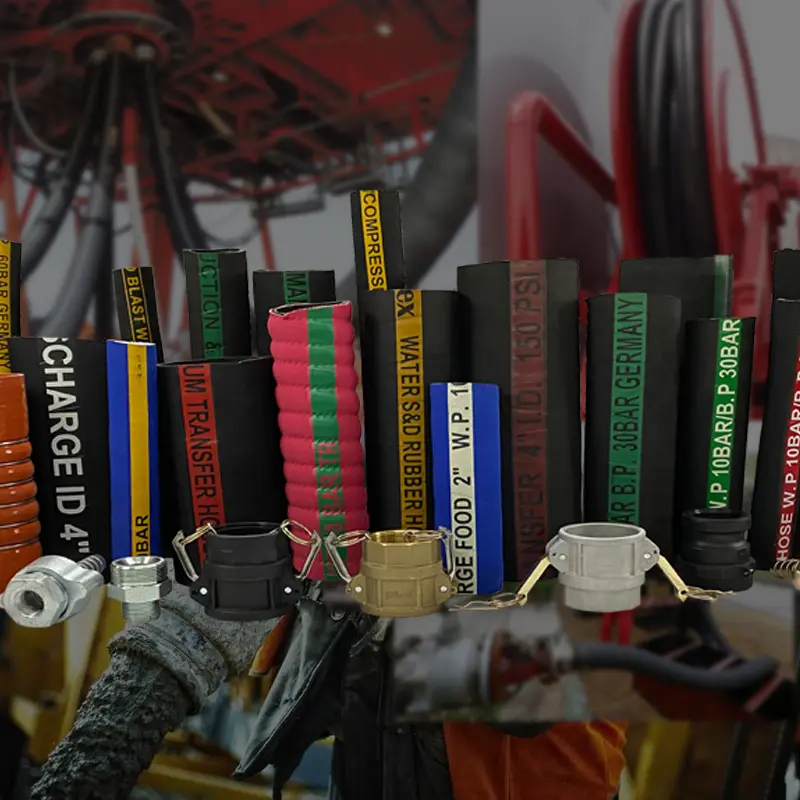
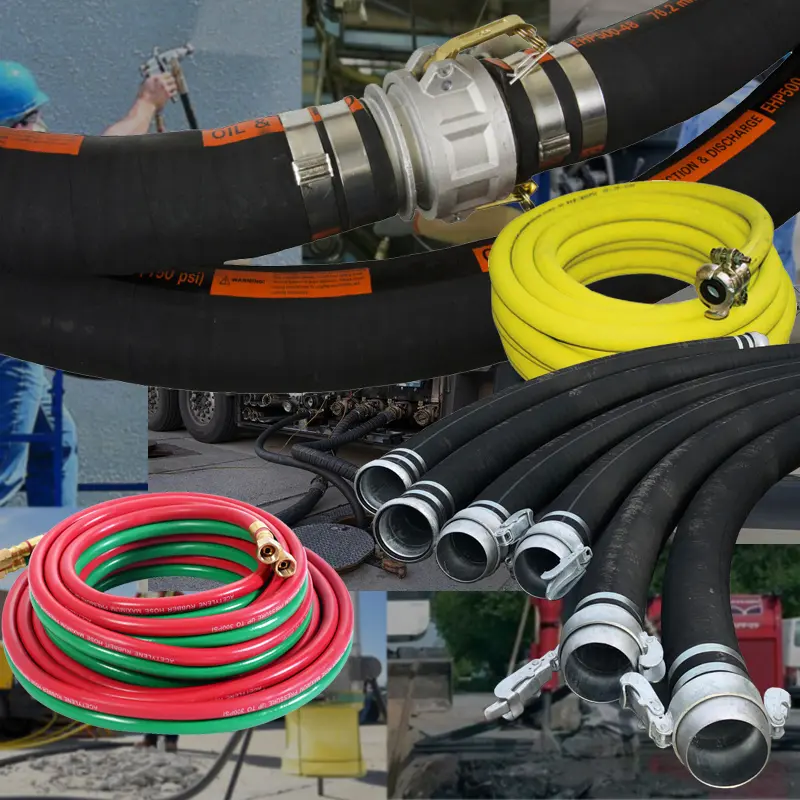
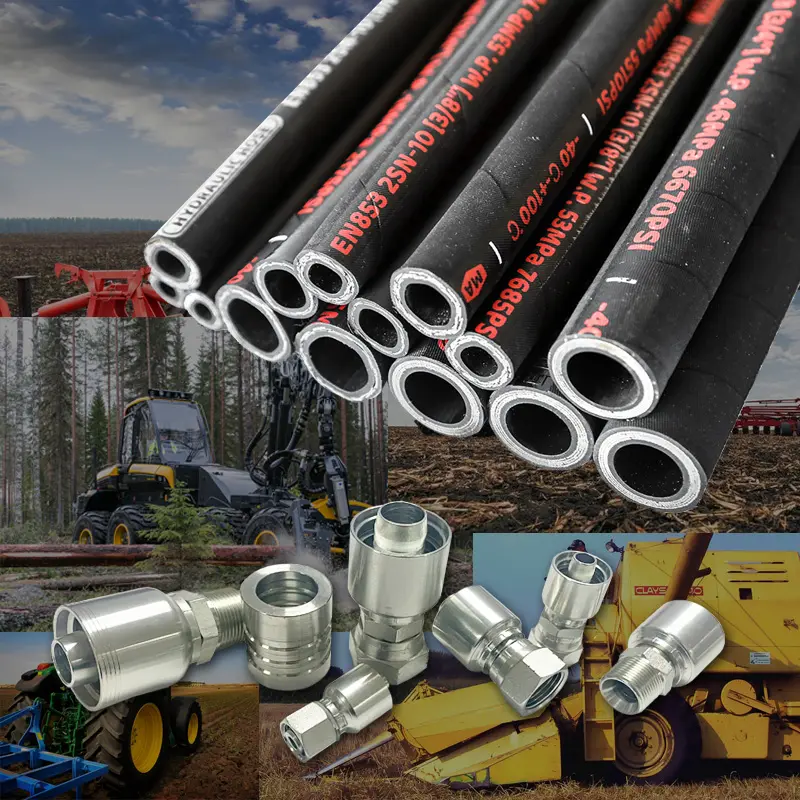
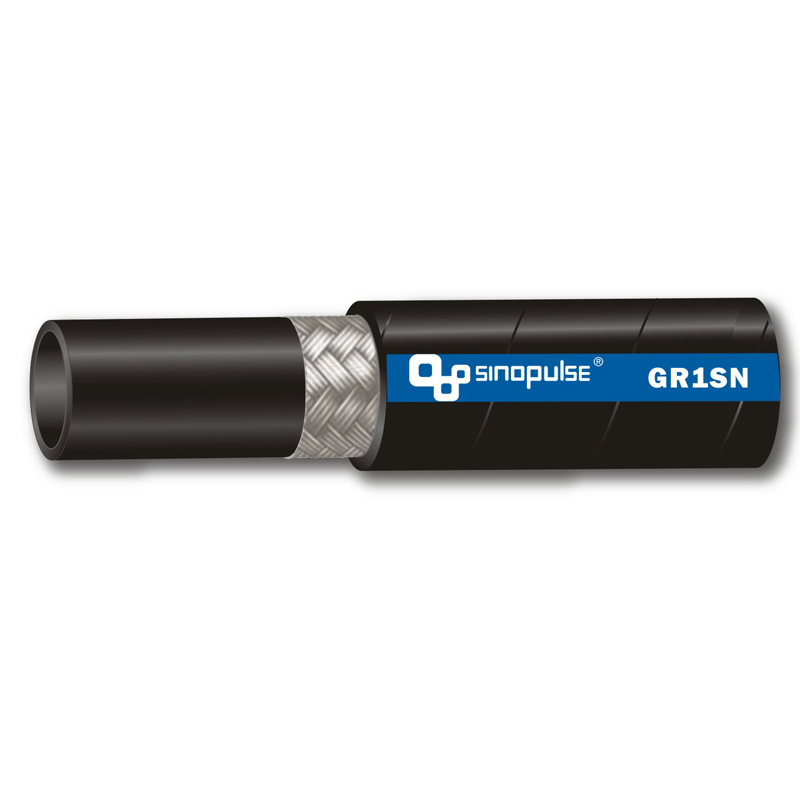
Selecting the correct hydraulic hose is paramount for safety and performance. Considerations include pressure rating, temperature range, fluid compatibility, and hose construction. Different applications require different hose types – from simple rubber hoses to reinforced spiral hoses. Hydhoses.com provides expert guidance to help you choose the optimal hose for your specific needs. Using the incorrect hose can lead to premature failure and potentially dangerous situations.
Conclusion: Ensuring Safe and Reliable Hydraulic Systems
Regular inspection, proper replacement techniques, and preventative maintenance are key to ensuring the safe and reliable operation of hydraulic systems. By understanding the signs of hose failure and following best practices, you can minimize downtime and protect your personnel. Hydhoses.com is your trusted partner for high-quality hydraulic hoses, fittings, and expert advice.
Frequently Asked Questions (FAQs)
How often should I inspect my hydraulic hoses?
It’s recommended to inspect hydraulic hoses at least monthly, or more frequently in harsh operating environments. During inspection, check for visible signs of damage such as cracks, abrasions, leaks, and bulging. Pay close attention to areas where the hose is bent or routed near moving parts. Early detection of issues can prevent costly downtime and potential safety hazards. Document your inspections to track hose condition over time.
Can I repair a damaged hydraulic hose?
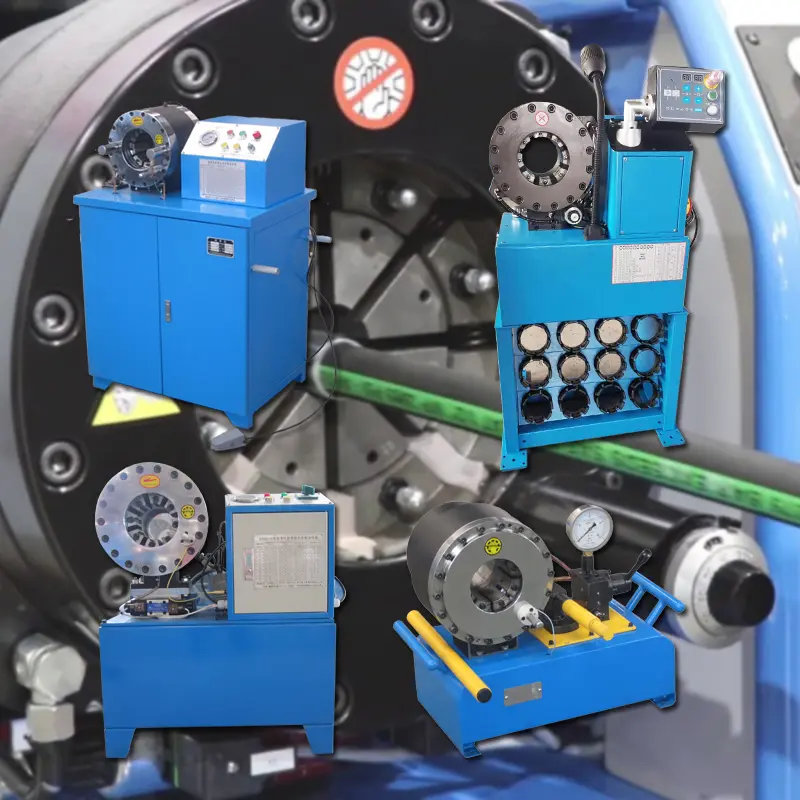
While minor abrasions might be acceptable with careful monitoring, it is generally not recommended to repair a damaged hydraulic hose. Attempting to repair a hose can compromise its structural integrity and lead to catastrophic failure. It's always best to replace a damaged hose with a new one that meets the original specifications. Using a proper crimping tool and following manufacturer guidelines is essential for ensuring a secure and reliable connection.
What safety precautions should I take during hose replacement?
Safety should always be the top priority during hydraulic hose replacement. Always relieve system pressure completely before disconnecting any hoses. Wear appropriate personal protective equipment, including safety glasses and gloves. Ensure the work area is clean and well-lit. Properly dispose of old hydraulic fluid and hoses according to local regulations. If you are unsure about any aspect of the replacement process, consult with a qualified hydraulic technician.
What are the different types of hydraulic hose fittings?
Several types of hydraulic hose fittings are commonly used, including threaded fittings, flanged fittings, and quick-disconnect couplings. Threaded fittings are the most common and are suitable for a wide range of applications. Flanged fittings are used for high-pressure systems and provide a secure connection. Quick-disconnect couplings allow for easy hose connection and disconnection. Choosing the right fitting depends on the specific application and system requirements. Hydhoses.com offers a comprehensive selection of fittings to meet your needs.
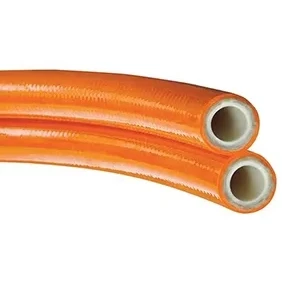
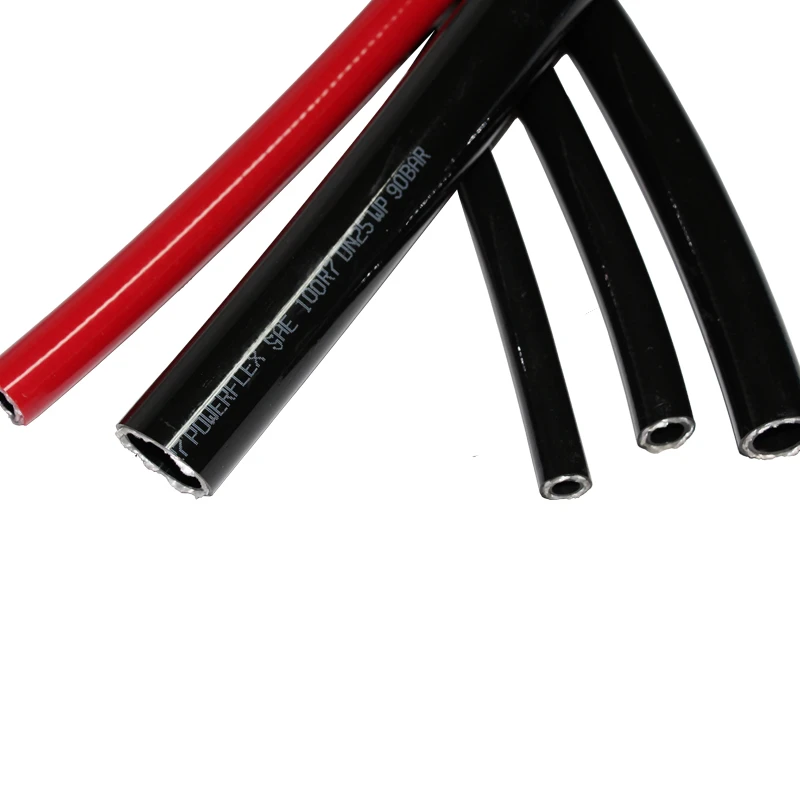
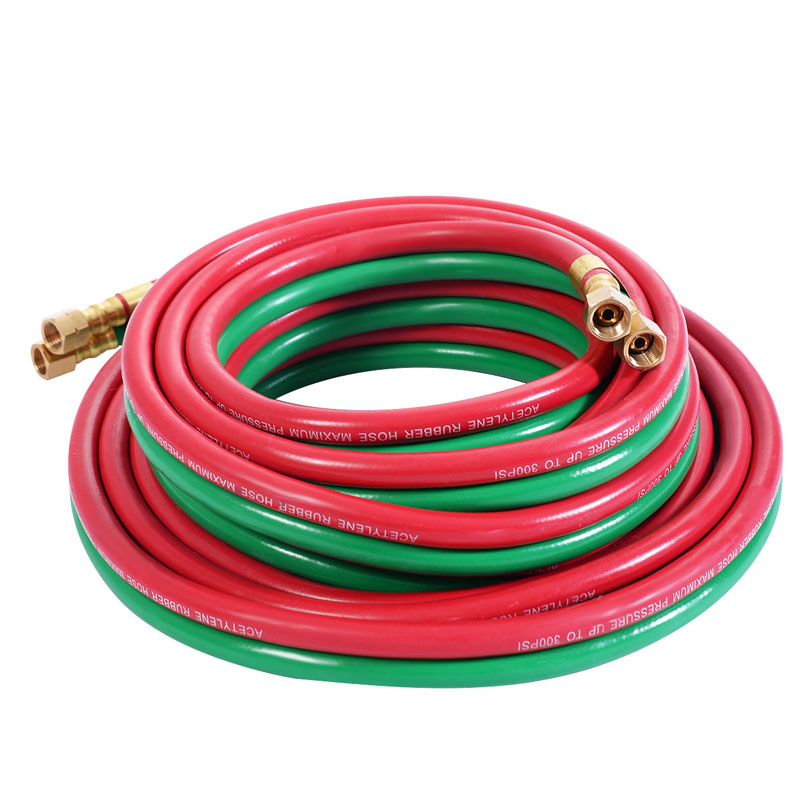
Product Application