

Maximizing Performance with the Right 2 Hydraulic Hose Solutions
In the world of fluid power, the reliability of your connectors and conduits can make or break your operational efficiency. Selecting a high-quality 2 hydraulic hose is not just about fitting a size; it is about ensuring safety, reducing downtime, and maintaining consistent pressure under extreme conditions. Whether you are operating heavy machinery in construction or precision equipment in manufacturing, the integrity of your hydraulic lines is paramount. In this guide, we will explore the technical nuances, selection criteria, and maintenance tips to help you optimize your hydraulic systems for long-term success.
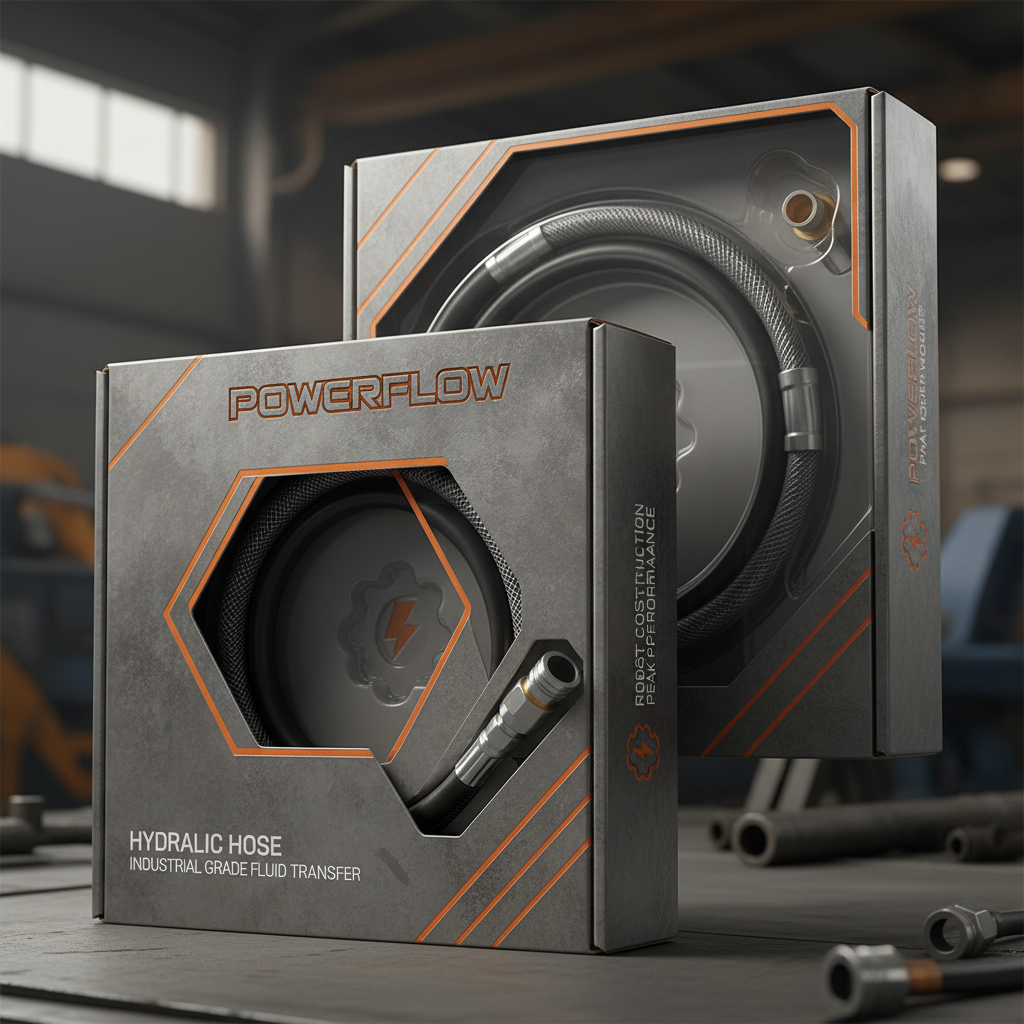
Core Engineering of a High-Pressure 2 Hydraulic Hose
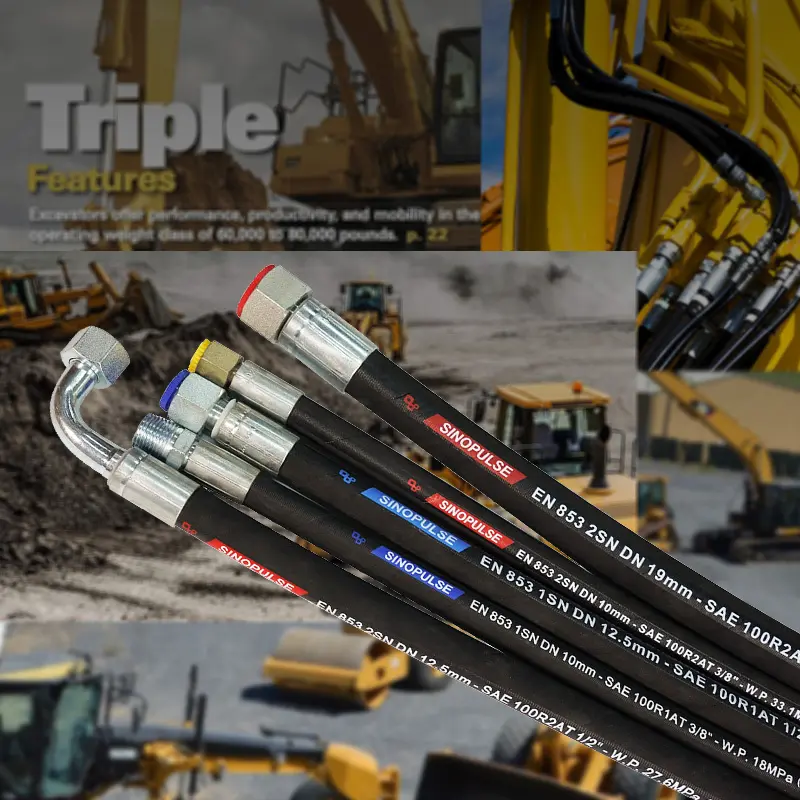
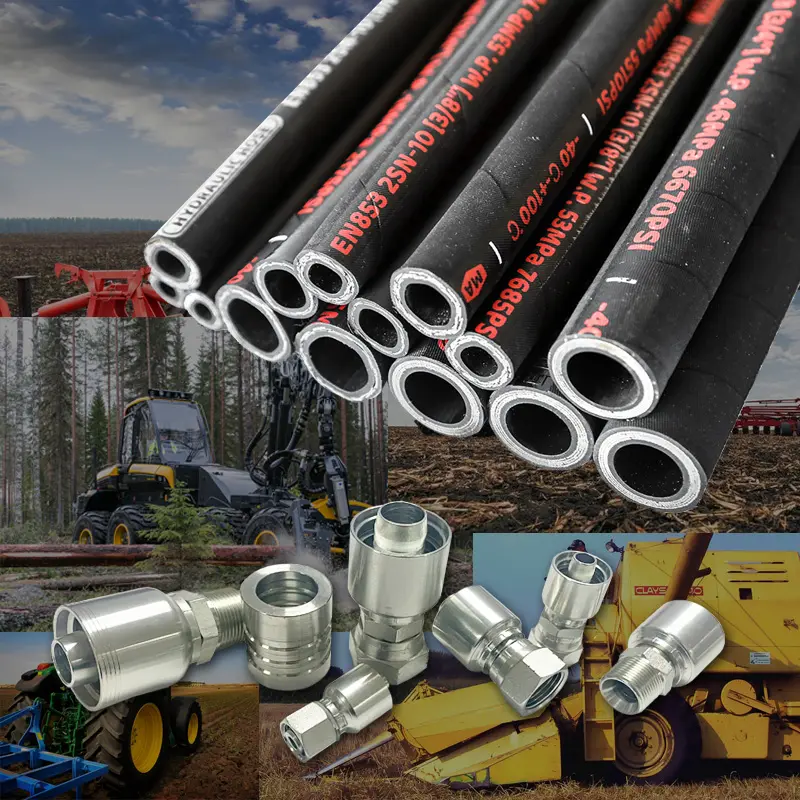
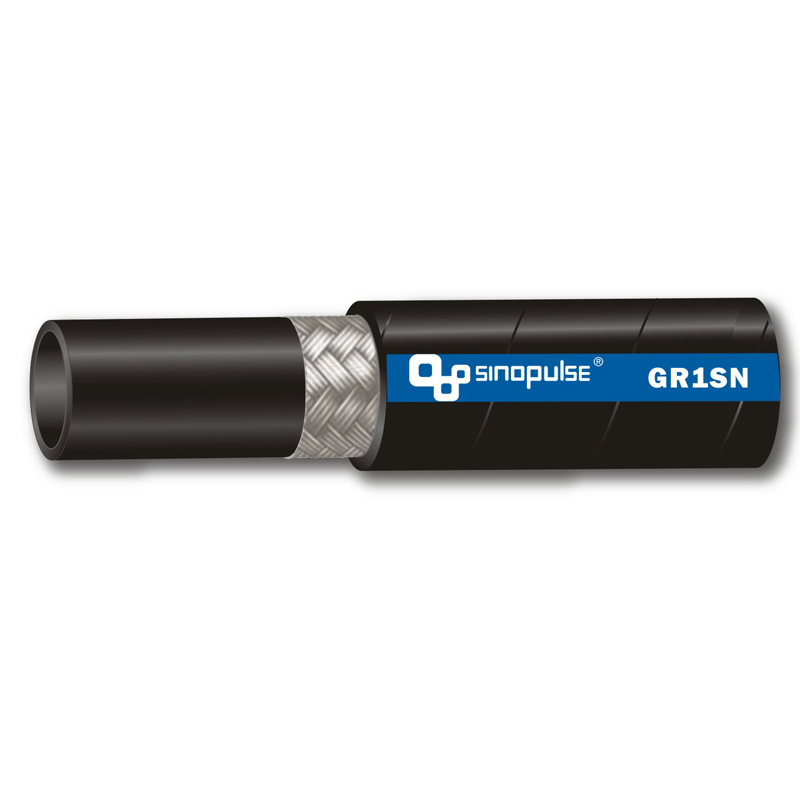
A professional-grade 2 hydraulic hose is typically engineered with a three-layer architecture: the inner tube, the reinforcement layer, and the outer cover. The inner tube is crafted from synthetic rubber to ensure compatibility with various hydraulic fluids. The reinforcement layer, often consisting of high-tensile steel wire braid or spiral, provides the structural strength needed to withstand immense internal pressure. Finally, the outer cover protects the hose from abrasion, ozone, and weather-related degradation. Understanding these components is essential for choosing a hose that matches your specific environment and pressure requirements.
Pro Tip: Always check the compatibility between the hose inner tube and the hydraulic fluid being used to prevent premature lining failure and internal corrosion.
Comparing 2 Hydraulic Hose Types: Braided vs. Spiral
When sourcing a 2 hydraulic hose, the most critical decision is often between braided and spiral reinforcement. Braided hoses offer superior flexibility and are ideal for applications with frequent movement or tight routing. Conversely, spiral hoses are designed for extreme high-pressure environments and exhibit higher resistance to impulse loads. Choosing the wrong type can lead to rapid fatigue or catastrophic bursting, making it vital to match the hose architecture to the system's pulse frequency and peak pressure.
Industry Applications for 2 Hydraulic Hose Systems
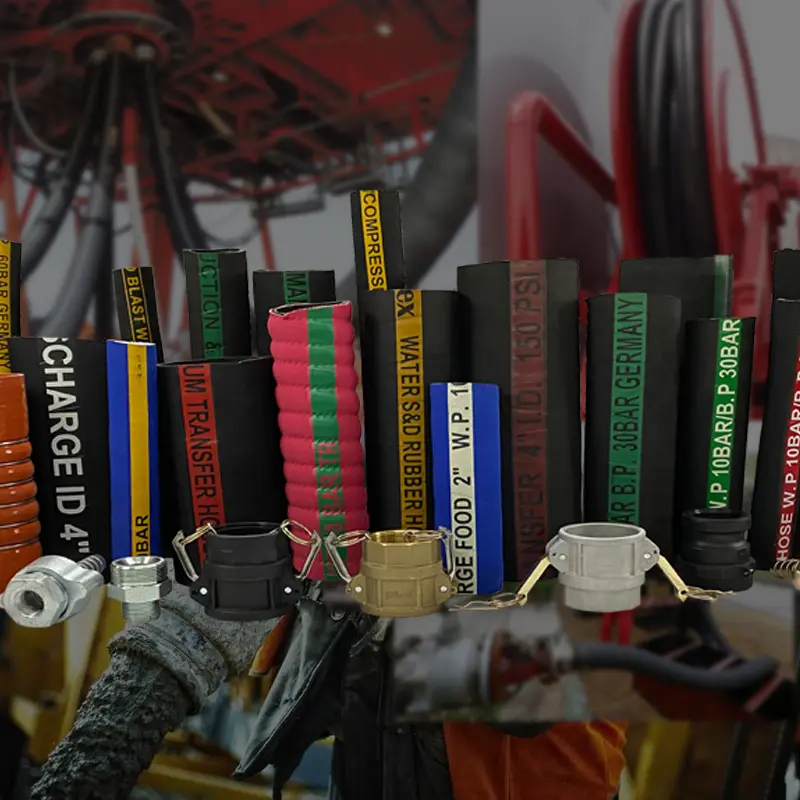
The versatility of the 2 hydraulic hose makes it indispensable across multiple sectors. In agriculture, these hoses power tractor implements and harvesters, where they must resist exposure to fertilizers and UV rays. In mining, hoses face extreme abrasion and high-impact environments, requiring reinforced outer covers. The industrial automation sector relies on these hoses for precise robotic arm movements and press machines, where leak-free performance is non-negotiable to maintain a clean and safe workspace.
Technical Specifications of the 2 Hydraulic Hose
Selecting the correct 2 hydraulic hose requires a deep dive into the technical data sheet. Key parameters include the Working Pressure (WP), Burst Pressure (BP), and the Minimum Bend Radius. The burst pressure is typically 4 times the working pressure, providing a safety factor that prevents catastrophic failure during unexpected pressure spikes. Below is a general specification table for standard industrial-grade hydraulic hoses.
Maintenance Strategies for 2 Hydraulic Hose Longevity
Even the highest quality 2 hydraulic hose will fail without proper maintenance. The first rule of maintenance is visual inspection: look for "weeping" at the couplings or cracks in the outer cover. Secondly, ensure that hoses are not installed with twists, as this creates internal stress points that lead to premature failure. Implementing a scheduled replacement cycle based on the hose's service life is far more cost-effective than reacting to an emergency breakdown that halts an entire production line.
Preventative Maintenance Checklist:
• Check for abrasion or rubbing against metal frames
• Monitor for leaking at the crimped fitting ends
• Ensure the bend radius is not tighter than the manufacturer's limit
• Keep the hose clean to prevent contaminants from entering the system
Installing Your 2 Hydraulic Hose: Best Practices
Correct installation is the final step in ensuring the performance of your 2 hydraulic hose. Avoid over-tightening fittings, which can damage the threads or deform the sealing surfaces. It is highly recommended to use a torque wrench for critical connections. Furthermore, using hose guards or sleeves in high-wear areas can significantly extend the life of the outer cover. Proper routing ensures that the hose does not interfere with moving parts, reducing the risk of accidental severing or wear.
Conclusion: Choosing Excellence in Fluid Power
Investing in a premium 2 hydraulic hose is an investment in the safety and productivity of your business. By understanding the differences between braided and spiral designs, adhering to technical specifications, and following a strict maintenance regimen, you can maximize the lifespan of your equipment. High-quality hydraulic components reduce the risk of leakage, lower operational costs, and ensure that your machinery operates at peak performance. Choose quality, prioritize safety, and keep your systems moving.
Frequently Asked Questions (FAQs)
How do I determine the correct size for my 2 hydraulic hose?
Determining the correct size involves calculating the flow rate required for your application and the allowable pressure drop. Using a hose that is too small can lead to excessive friction and overheating of the fluid, while a hose that is too large may be bulky and unnecessary. You should refer to the internal diameter (ID) specifications on our website to match your pump's output and the actuator's requirements. Always consider the total length and the number of bends in the line to ensure the fluid reaches its destination efficiently.
What causes a hydraulic hose to burst unexpectedly?
Most unexpected bursts are caused by three main factors: pressure spikes (surges that exceed the burst rating), external abrasion (wearing through the cover and reinforcement), and fatigue from excessive bending. Additionally, using a hose that is incompatible with the hydraulic fluid can lead to the inner tube degrading, which weakens the overall structure. Regular inspections and the use of pressure relief valves can mitigate these risks. Ensuring that your 2 hydraulic hose is properly rated for your system's peak pressure is the best defense.
Can I replace only the fittings on a 2 hydraulic hose?
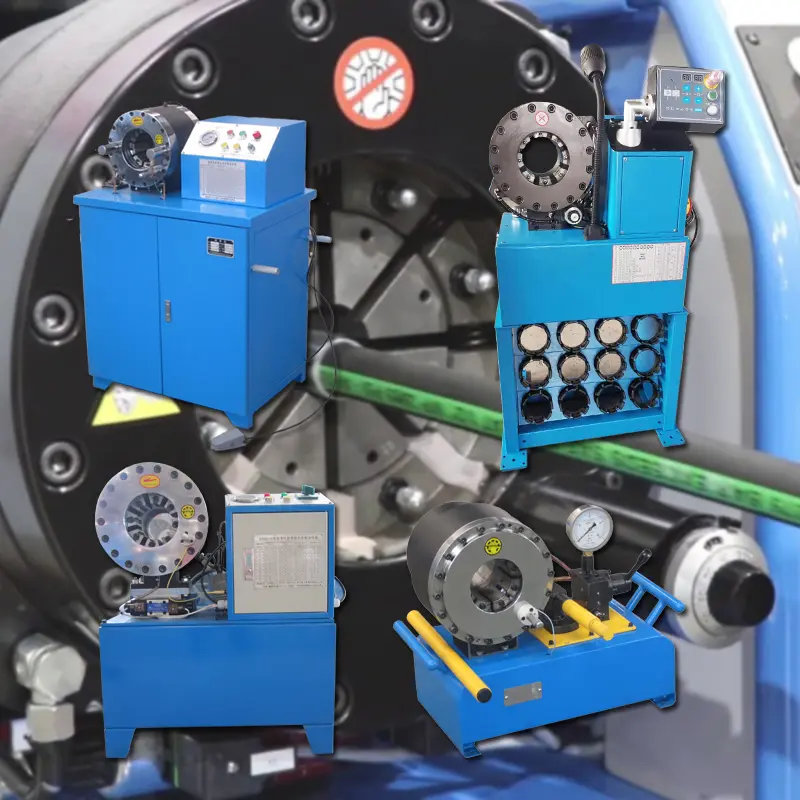
While it is technically possible to replace fittings, it is generally not recommended for high-pressure systems. The crimping process that secures a fitting to a hose is a permanent structural bond. Attempting to remove and replace a fitting can damage the reinforcement wires of the hose, creating a weak point that is prone to failure under pressure. For the sake of safety and reliability, it is always best to replace the entire hose assembly. You can find custom-crimped assemblies on the Hydhoses website to ensure a factory-perfect seal.
How often should I replace my hydraulic hoses?
There is no universal expiration date, as it depends entirely on the environment and usage. However, a general rule of thumb is to conduct a comprehensive audit every 6 to 12 months. In harsh environments (high heat, chemical exposure, or heavy abrasion), hoses should be replaced more frequently. If you notice any sign of cracking, bulging, or leaking, the hose should be replaced immediately. Implementing a "preventative replacement" schedule—where hoses are swapped out before they fail—is the most professional approach to avoiding costly unplanned downtime.
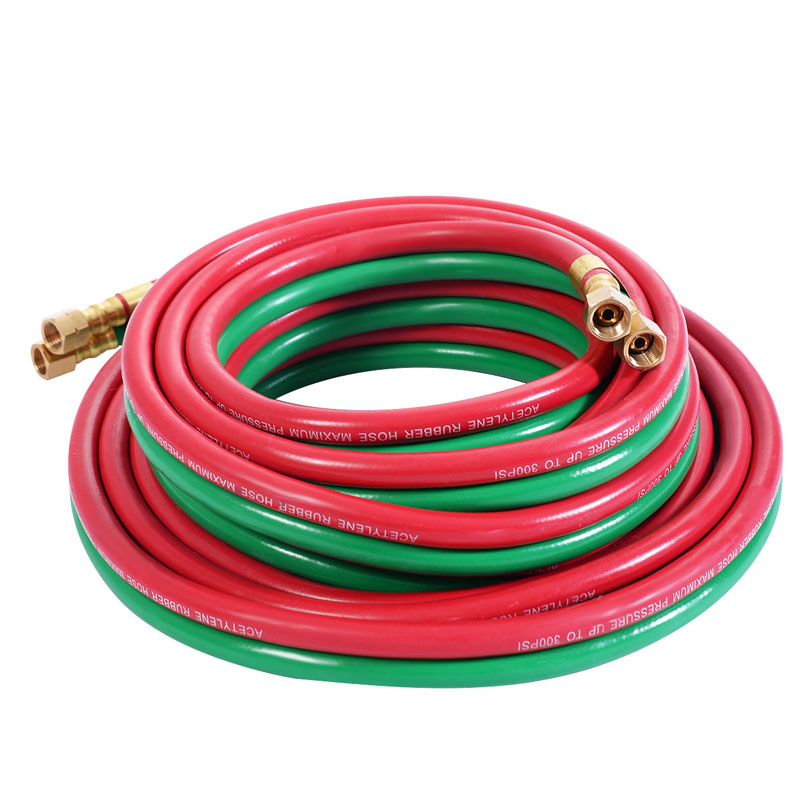
Product Application