Your Trusted 24 Hours Service Provider!
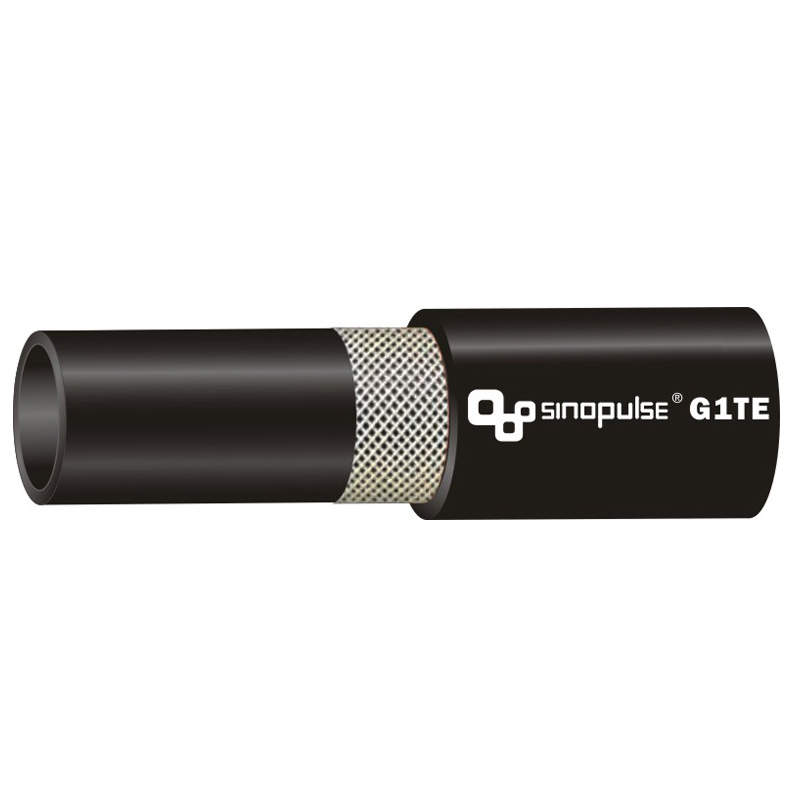
Textile Braided Hydraulic Hose

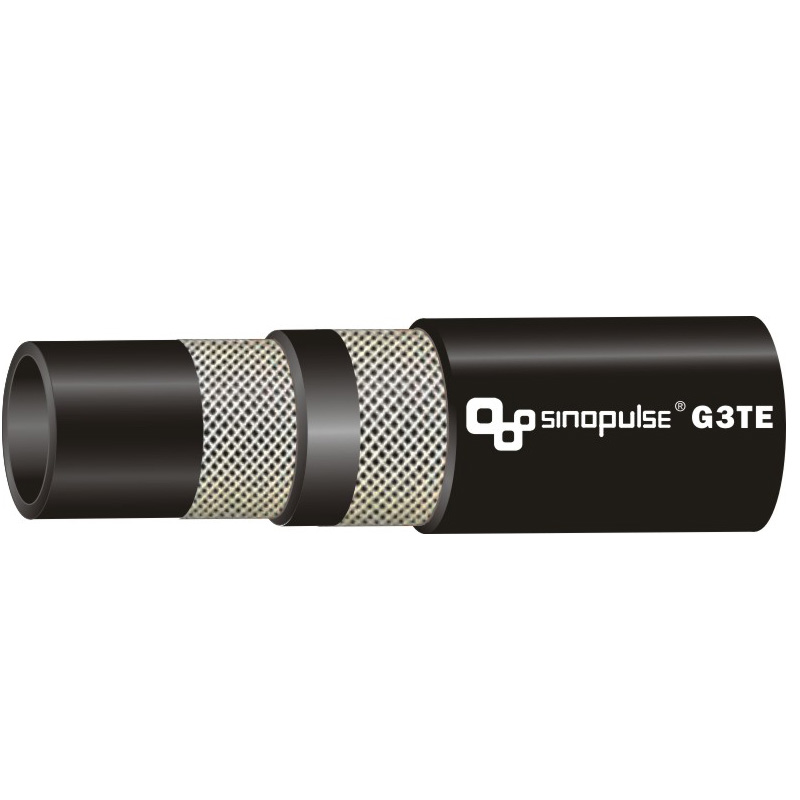
Textile Braided Hydraulic Hose

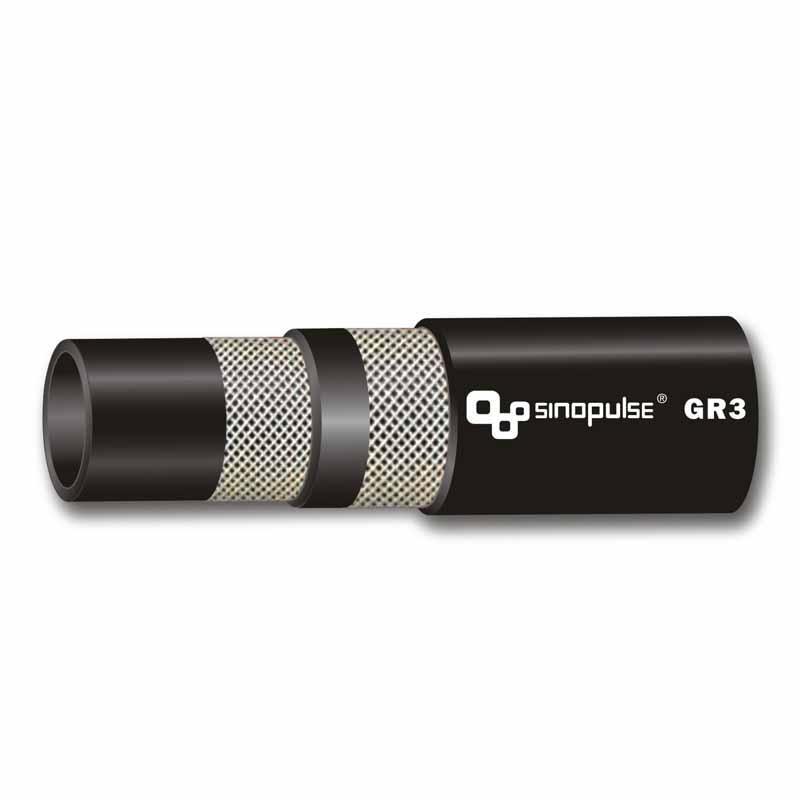
Textile Braided Hydraulic Hose

A textile braided hydraulic hose is a type of flexible hose designed for medium or low pressure hydraulic systems, reinforced with layers of braided textile fibers rather than steel wire. This construction provides adequate strength for applications that do not require the extreme pressure-handling capabilities of steel-reinforced hoses, making it a cost-effective and lightweight solution for specific use cases. Textile braided hydraulic hoses are commonly used in applications such as industrial equipment, light-duty machinery, and agricultural tools where moderate pressure and flexibility are key requirements. They are also widely employed in mobile equipment like forklifts and snowplows and in general-purpose hydraulic systems that rely on ease of routing and reduced weight. These hoses are compatible with a range of hydraulic fluids, including petroleum-based oils, water-glycol fluids, and synthetic oils. While not suited for high-pressure environments, textile braided hoses excel in situations where flexibility, vibration resistance, and lightweight design are necessary, ensuring reliable and efficient performance in medium-duty applications.
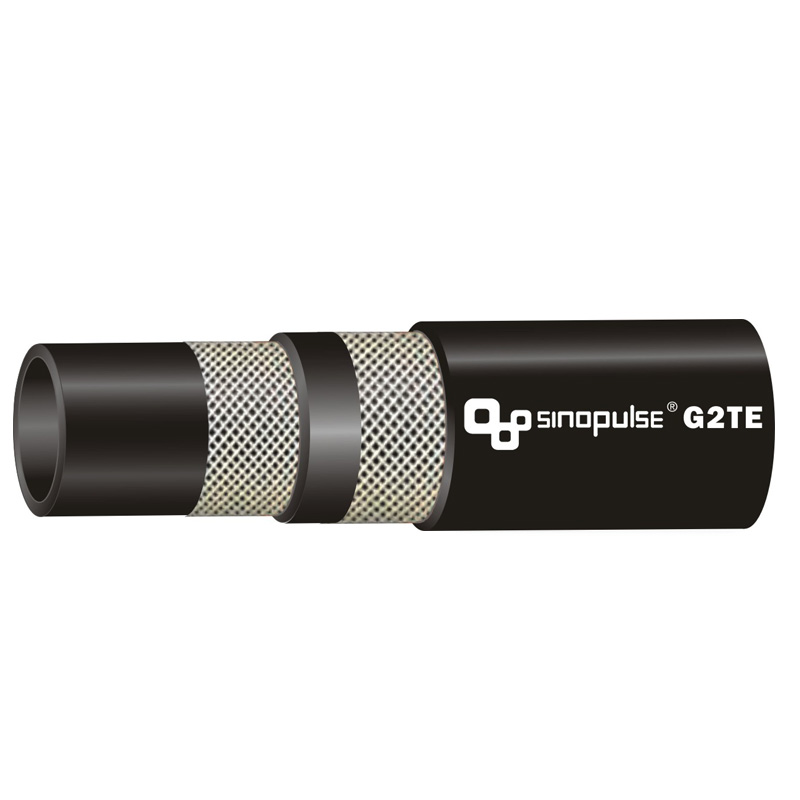
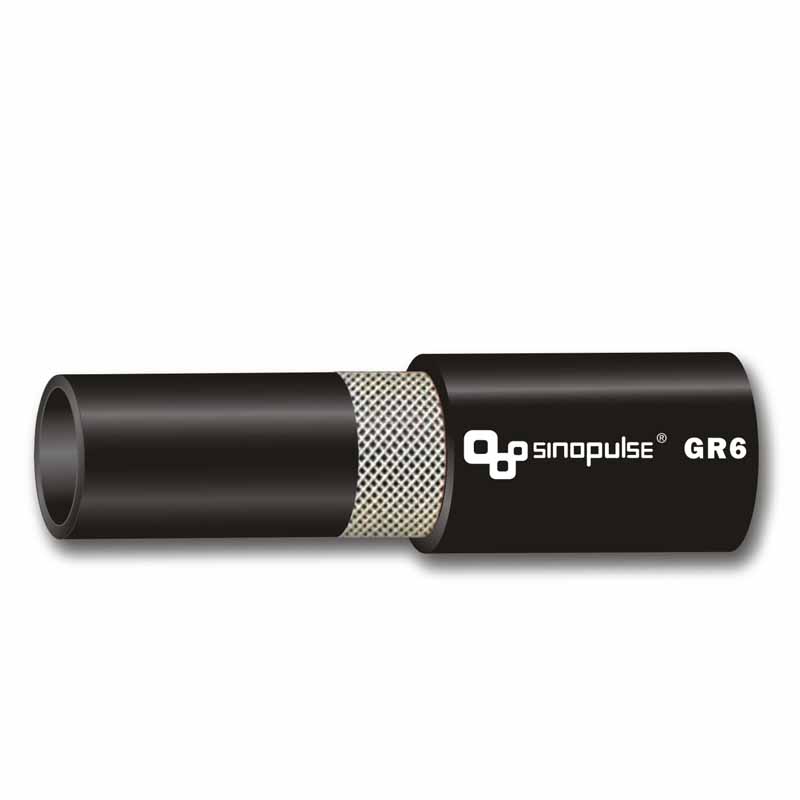
 

What Are the Advantages of Textile Braided Hydraulic Hoses?


Textile braided hydraulic hoses offer several benefits, particularly for medium-pressure hydraulic systems. One of the primary advantages is their lightweight design, which makes them easier to handle and install compared to steel-reinforced hoses, especially in applications where weight is a critical factor. Their superior flexibility allows for easy routing in confined or complex systems, reducing the likelihood of kinks or stress during operation. Additionally, the textile braiding provides excellent vibration and pulsation resistance, making these hoses ideal for machinery and equipment subjected to constant movement or moderate dynamic pressure changes. Textile braided hoses are also more cost-effective than their steel-reinforced counterparts, offering reliable performance without the need for high-pressure capabilities. They are compatible with a variety of hydraulic fluids, ensuring versatility across different industries. Furthermore, their outer covers are often designed to resist abrasion, weather, and mild chemical exposure, enhancing durability. These features make textile braided hydraulic hoses a practical choice for applications where moderate pressure, flexibility, and cost efficiency are prioritized.


How Do You Maintain and Ensure the Longevity of Textile Braided Hydraulic Hoses?


Maintaining textile braided hydraulic hoses involves regular inspections, proper handling, and adherence to operating guidelines to ensure their longevity and safe performance. Begin with routine visual checks to identify signs of wear, such as cracks, leaks, or abrasions on the outer cover. Any visible damage should prompt immediate replacement to avoid system failure. Ensure the hose is installed correctly, avoiding sharp bends, twists, or excessive tension that can compromise the integrity of the textile braiding. Proper routing and the use of clamps or protective sleeves can minimize abrasion and vibration, which are common causes of wear. Monitoring operating pressure and temperature is crucial, as exceeding the hose's rated limits can weaken the reinforcement fibers and lead to failure. Keep the hydraulic fluid clean and free from contaminants that could degrade the inner tube or clog the system. Additionally, store hoses in a clean, dry, and temperature-controlled environment, away from direct sunlight and harsh chemicals, to prevent material degradation before use. By following these maintenance practices and adhering to manufacturer recommendations, you can maximize the lifespan and reliability of textile braided hydraulic hoses.
OUR LATEST NEWS
Strict quality control strict production team to ensure stable products quality. Scientific personnel management, efficient production arrangements to ensure our timely delivery.
Comprehensive Guide to Understanding Hydraulic Hose Pipe Types and Applications
Mar 14 2026
Comprehensive Guide to Understanding Hydraulic Hose Pipe Types and Applications
Hydraulic systems are the backbone of many industries, from construction and agriculture to manufacturing and aerospace. The efficiency and safety of these systems depend heavily on the quality and suitability of the hydraulic hose pipe used. Selecting the correct type of hose is crucial for optimal performance and preventing costly failures. This article will delve into the various types of hydraulic hoses available, their applications, and factors to consider when making a selection. Understanding the differences between these hose types ensures you choose the best solution for your specific needs and improve the longevity of your hydraulic machinery. There are several main types of hydraulic hoses, each designed for specific pressure ratings, temperature ranges, and fluid compatibility. These include: Non-Reinforced Hose, Wire-Braided Hose, Spiral-Wrapped Hose, Thermoplastic Hose, Rubber Hose, and Composite Hose. Two of the most common types of hydraulic hose are wire-braided and spiral-wrapped. Understanding their differences is vital for selecting the right hose for demanding applications. Wire-braided hoses utilize multiple layers of wire braid for reinforcement, making them suitable for moderate to high pressures. Spiral-wrapped hoses, on the other hand, employ a single layer of high-tensile wire spirally wrapped around the hose tube.
Comprehensive Guide to the Hydraulic Hose Manufacturing Process and Quality Control
Mar 12 2026
Comprehensive Guide to the Hydraulic Hose Manufacturing Process and Quality Control
Hydraulic hoses are essential components in numerous industries, powering everything from construction equipment to agricultural machinery. The quality and reliability of these hoses are paramount, and understanding the hydraulic hose manufacturing process is crucial for both manufacturers and end-users. This article delves into the intricacies of hose production, outlining the key steps and considerations involved in creating high-performance hydraulic hoses. We’ll explore each stage, from material selection to final testing, ensuring a comprehensive understanding of how these vital components are made. The foundation of a quality hydraulic hose lies in the selection of appropriate raw materials. Typically, hoses are constructed from a combination of rubber (synthetic or natural), reinforcing layers (steel wire or textile braid), and cover materials. The rubber compound is carefully formulated to resist abrasion, chemicals, and extreme temperatures. Steel wire provides high-pressure resistance, while textile braids offer flexibility. The preparation of these materials involves cleaning, pre-treating, and sometimes compounding rubber to achieve desired properties.
Find Reliable High Pressure Hoses for Sale and Expert Guidance
Mar 11 2026
Find Reliable High Pressure Hoses for Sale and Expert Guidance
When tackling demanding industrial or commercial applications, selecting the right high pressure hoses is critical for safety and efficiency. At HydHoses.com, we specialize in providing a wide range of high-quality hoses to meet diverse needs. This article will delve into the types of high-pressure hoses available, key considerations when choosing the right hose, applications, and why choosing a reputable supplier like us is essential. Investing in the correct hose isn't just about immediate function; it's about longevity, safety, and preventing costly downtime. High pressure hoses aren’t a one-size-fits-all solution. They vary based on materials, construction, and intended application. Common types include hydraulic hoses (used for transmitting hydraulic fluid), pneumatic hoses (for compressed air), and specialized hoses designed for specific chemicals or extreme temperatures. Hydraulic hoses are typically reinforced with steel braiding for added strength, while pneumatic hoses may utilize rubber or thermoplastic materials. Choosing the correct hose type depends on the pressure requirements, fluid compatibility, and environmental conditions. We offer a comprehensive catalog including both hydraulic hoses and pneumatic hoses to fulfill your specific needs.

If you are interested in our products, you can choose to leave your information here, and we will be in touch with you shortly.