

Industrial Hose
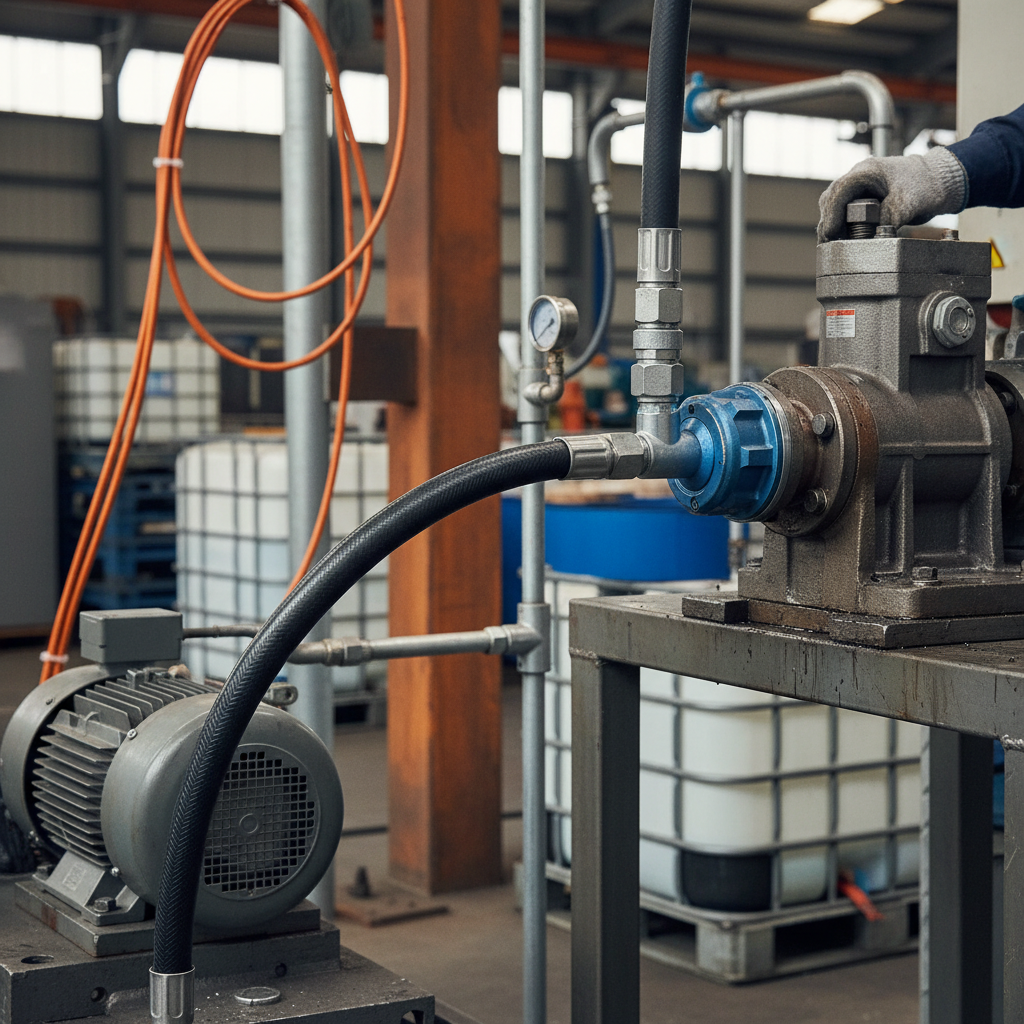
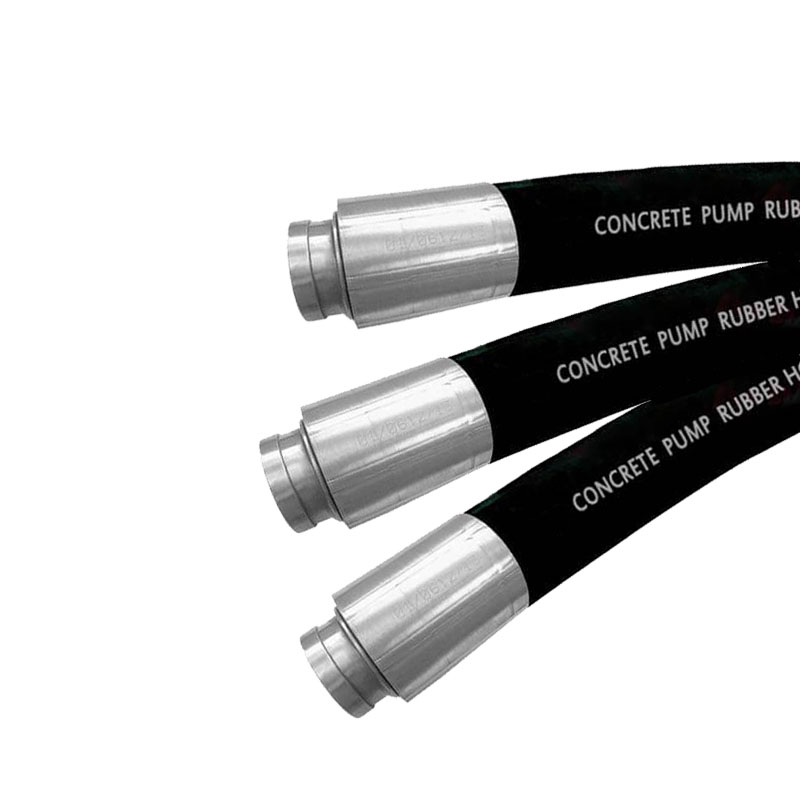
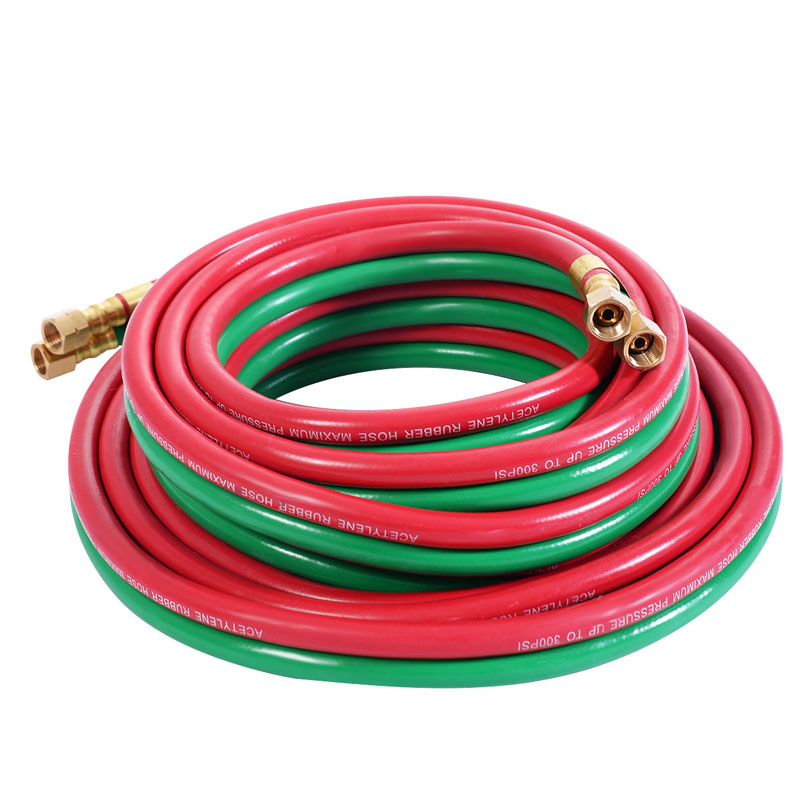
An industrial hose is a flexible tube designed for transferring various fluids, gases, or materials in industrial applications. These hoses are made from different materials, such as rubber, PVC, thermoplastics, or metal, and are often reinforced with braided, spiral, or textile layers to withstand high pressures, extreme temperatures, or abrasive materials. Industrial hoses serve diverse purposes, from transferring water, chemicals, and fuel to handling food products, sandblasting, and steam cleaning. They are commonly used in industries like manufacturing, construction, oil and gas, mining, agriculture, and food processing. For example, in the construction sector, industrial hoses transport water and cement mixtures or operate pneumatic tools. In agriculture, they irrigate fields and distribute fertilizers. Chemical plants use specialized hoses resistant to corrosive substances, while food-grade hoses in the food industry ensure sanitary handling of consumable products. The versatility and reliability of industrial hoses make them an integral part of operations that require efficient and safe material transfer under demanding conditions.
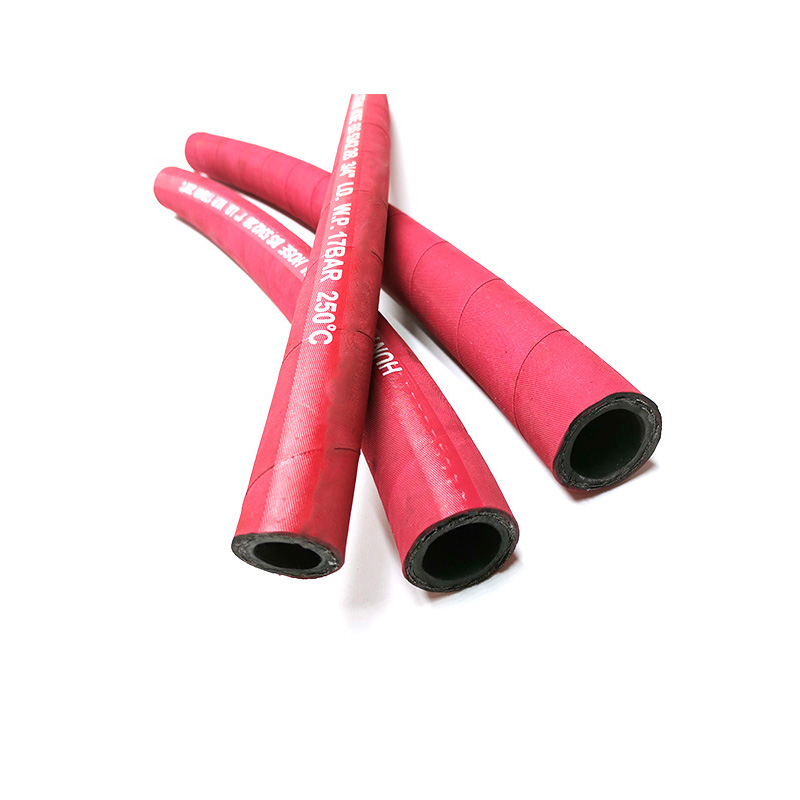
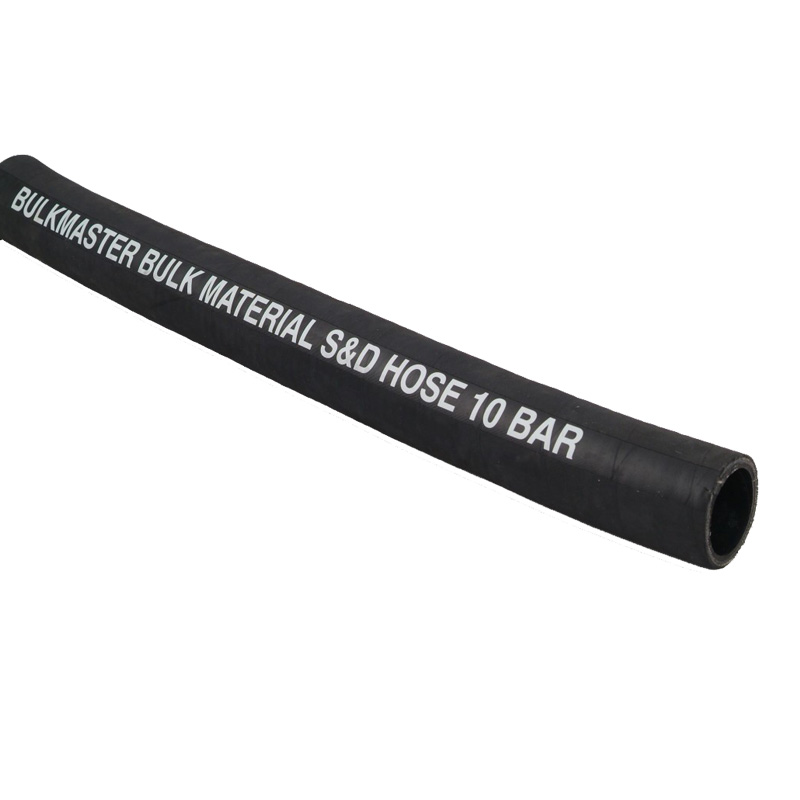
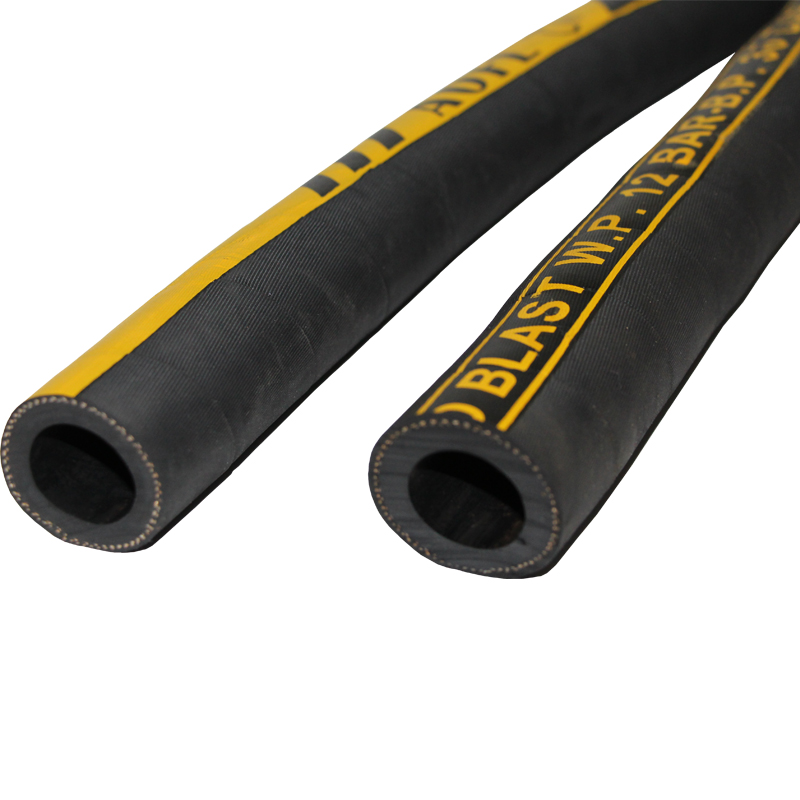
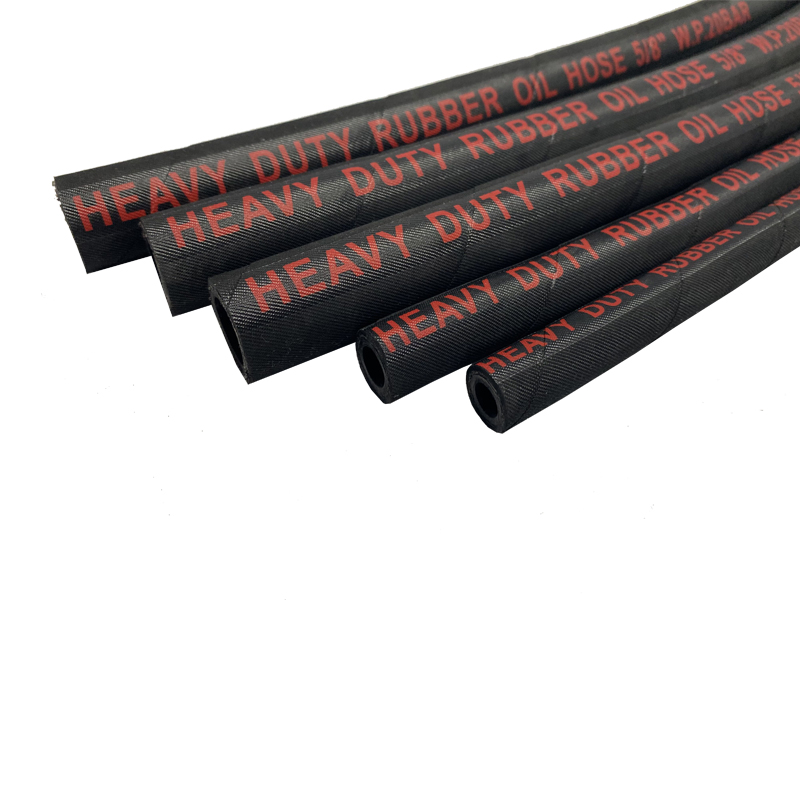
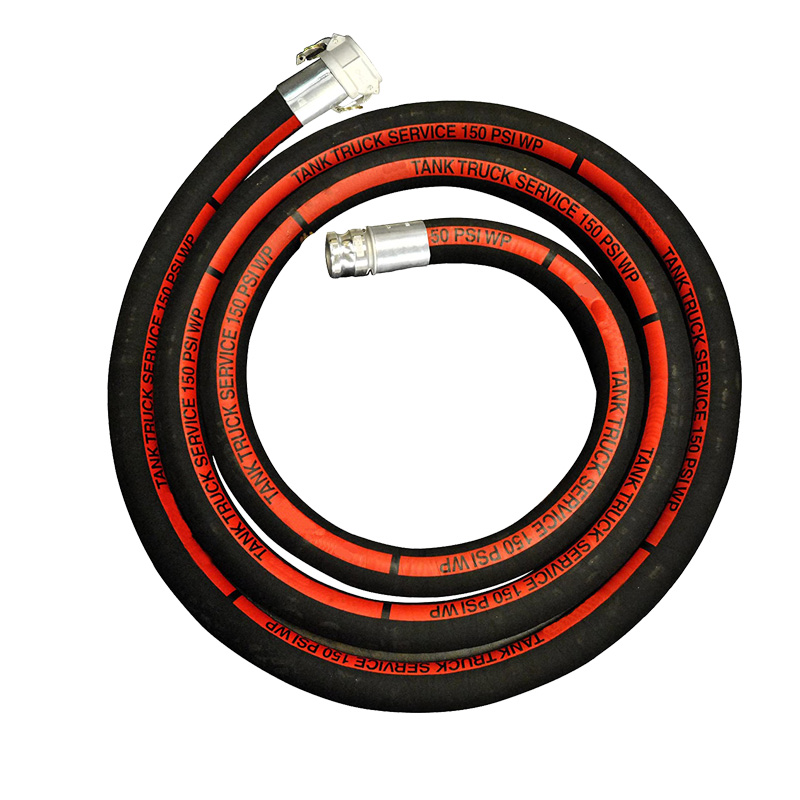
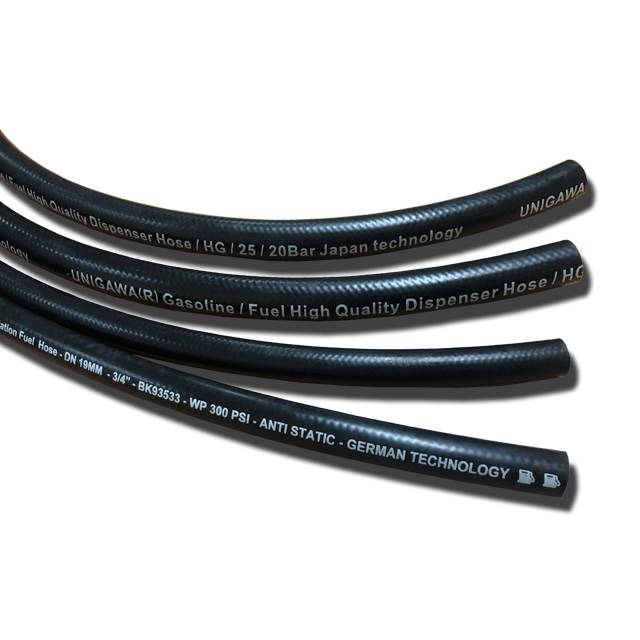
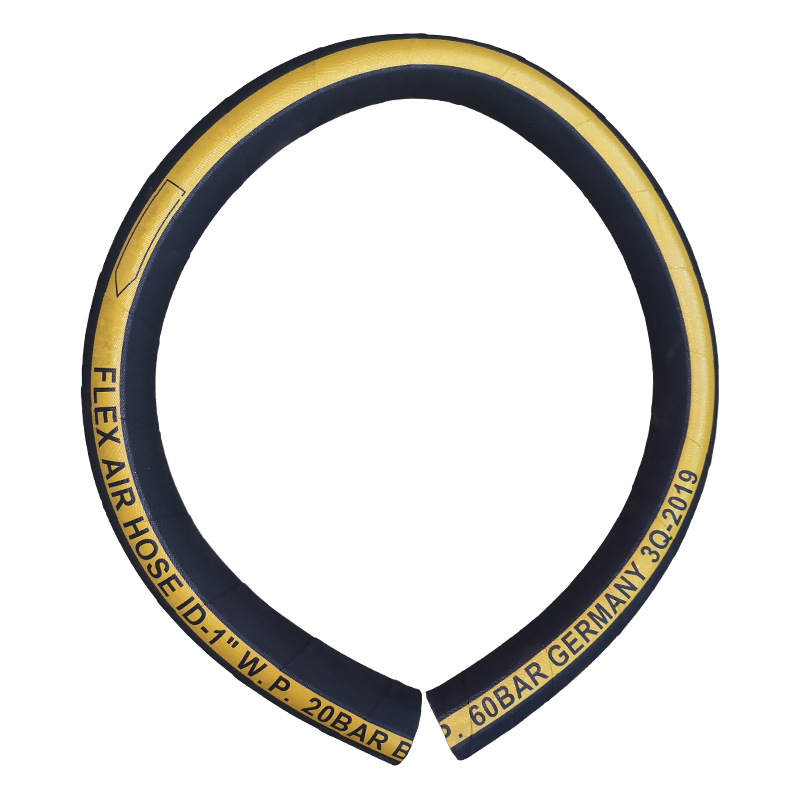
What Are the Main Factors to Consider When Selecting an Industrial Hose?
Choosing the right industrial hose involves evaluating multiple factors to ensure it meets the specific needs of the application. First, consider the type of material or fluid being transferred. For instance, if dealing with hot water in a washdown application, a hot water washdown hose must be selected, and it should be made of a material like EPDM rubber hose, which is highly resistant to such fluids and conditions. The hose must be compatible with the substance to avoid degradation, contamination, or unsafe conditions.
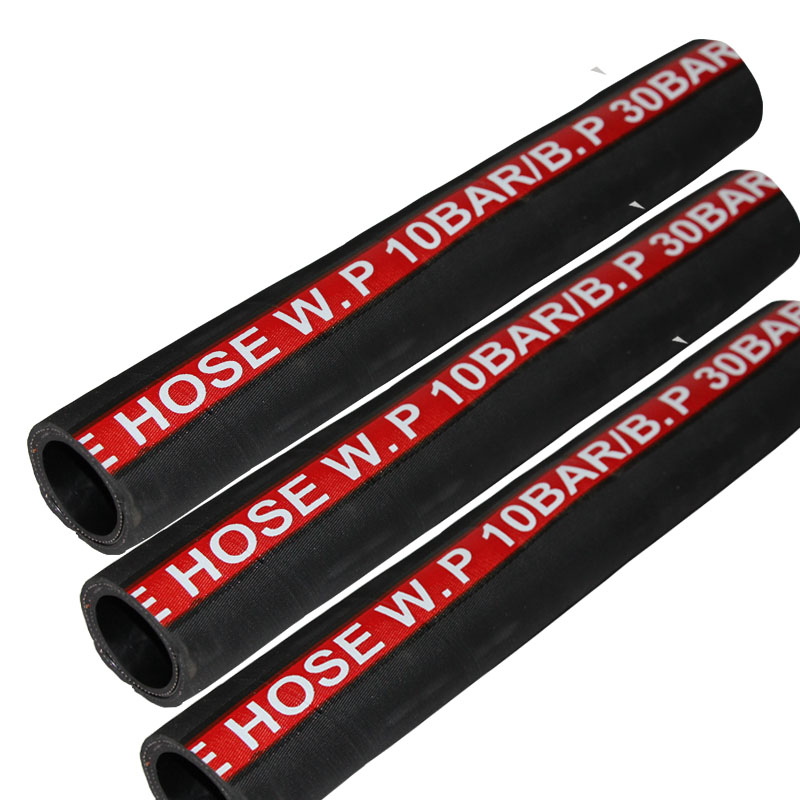
Temperature range is critical for all industrial hoses. It must handle both the operating and environmental temperatures without compromising its integrity. Pressure rating is equally important. The industrial hose must withstand the maximum working pressure of the system with an appropriate safety margin.
When thinking about automotive applications, automotive hose sizes play a crucial role. Custom automotive hoses might be required to fit specific vehicle designs. These automotive hoses, which can also be considered a subset of industrial hoses in certain manufacturing or maintenance contexts, need to have the right dimensions to function properly.
The industrial hose’s flexibility, bend radius, and length must align with the installation and operational requirements, particularly in systems with limited space or dynamic movement. This is true for all types of industrial hoses, from those used in large-scale manufacturing to specialized automotive or washdown applications.
The outer cover of the industrial hose should provide protection against abrasion, weather, and chemicals, especially if the hose is exposed to harsh environments. Additionally, specific industry standards or certifications, such as FDA compliance for food grade hoses or chemical resistance certifications, should be verified. By carefully analyzing these factors, you can select an industrial hose that delivers reliable and efficient performance in its intended application within the broader scope of industrial hose requirements.
What Are the Key Types of Industrial Hoses and Their Applications?
Industrial hoses, which encompass a wide range of types of industrial hoses, are crafted with distinct materials and construction methods to suit specific applications. Water hoses, a common type, find use in construction, agriculture, and general industrial scenarios for tasks such as irrigation, cooling, and cleaning. Among them, the hot water washdown hose is specifically designed for high-temperature water applications, often seen in food processing plants or industrial cleaning areas where hot water is required for sanitization.
Air hoses are engineered for pneumatic tools, compressors, and other air-powered equipment in manufacturing and construction. In the automotive industry, automotive hose sizes vary significantly depending on the specific application within a vehicle. Custom automotive hoses are frequently fabricated to meet the unique requirements of high-performance cars or specialized automotive systems, ensuring optimal fit and functionality.
Chemical hoses, highly resistant to corrosive substances, are deployed in chemical plants and laboratories. EPDM rubber hoses, known for their excellent resistance to heat, ozone, and a wide range of chemicals, often fall into the category of chemical hoses and are also used in many other industrial applications where durability and chemical resistance are crucial.
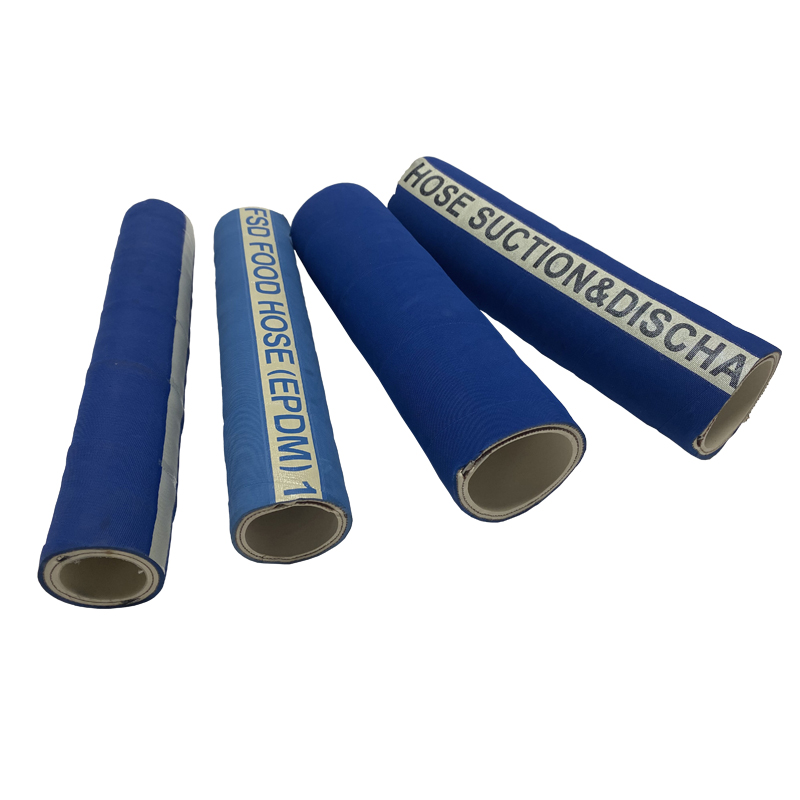
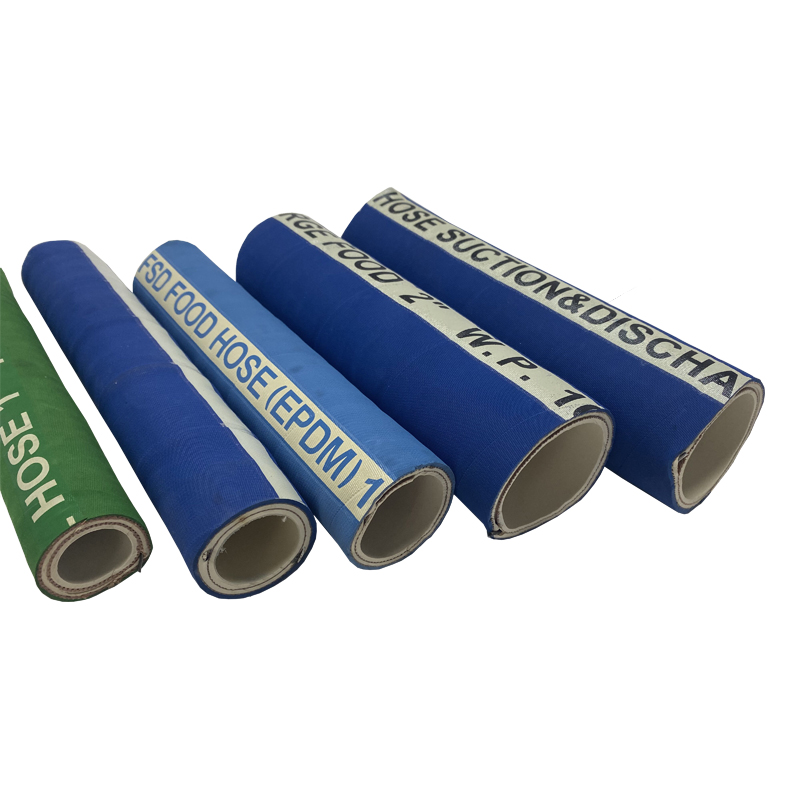
Food grade hoses, made with non-toxic materials and compliant with strict hygiene standards, are essential for transferring milk, juices, oils, and other consumables in the food and beverage industry. Petroleum hoses handle the transfer of fuel, oil, and other hydrocarbons, playing a vital role in oil and gas operations. Material handling hoses are utilized to transport abrasive materials like sand, cement, and grain in mining, construction, and agriculture. Steam hoses, designed to withstand high temperatures, are employed in cleaning, sterilization, and heating applications. These diverse types of industrial hoses comprehensively cater to the specific demands of industries, guaranteeing safe, efficient, and durable material transfer.