

Understanding Hydraulic Hose Uses: A Comprehensive Guide
Hydraulic hoses are vital components in countless industries, transmitting power to operate heavy machinery and essential systems. Understanding their diverse hydraulic hose uses is crucial for selecting the right hose for the application, ensuring safety and maximizing efficiency. From construction and agriculture to manufacturing and aerospace, hydraulic hoses are the unsung heroes powering our modern world. This article will explore common applications, types of hoses, and crucial considerations when choosing the right hydraulic hose.
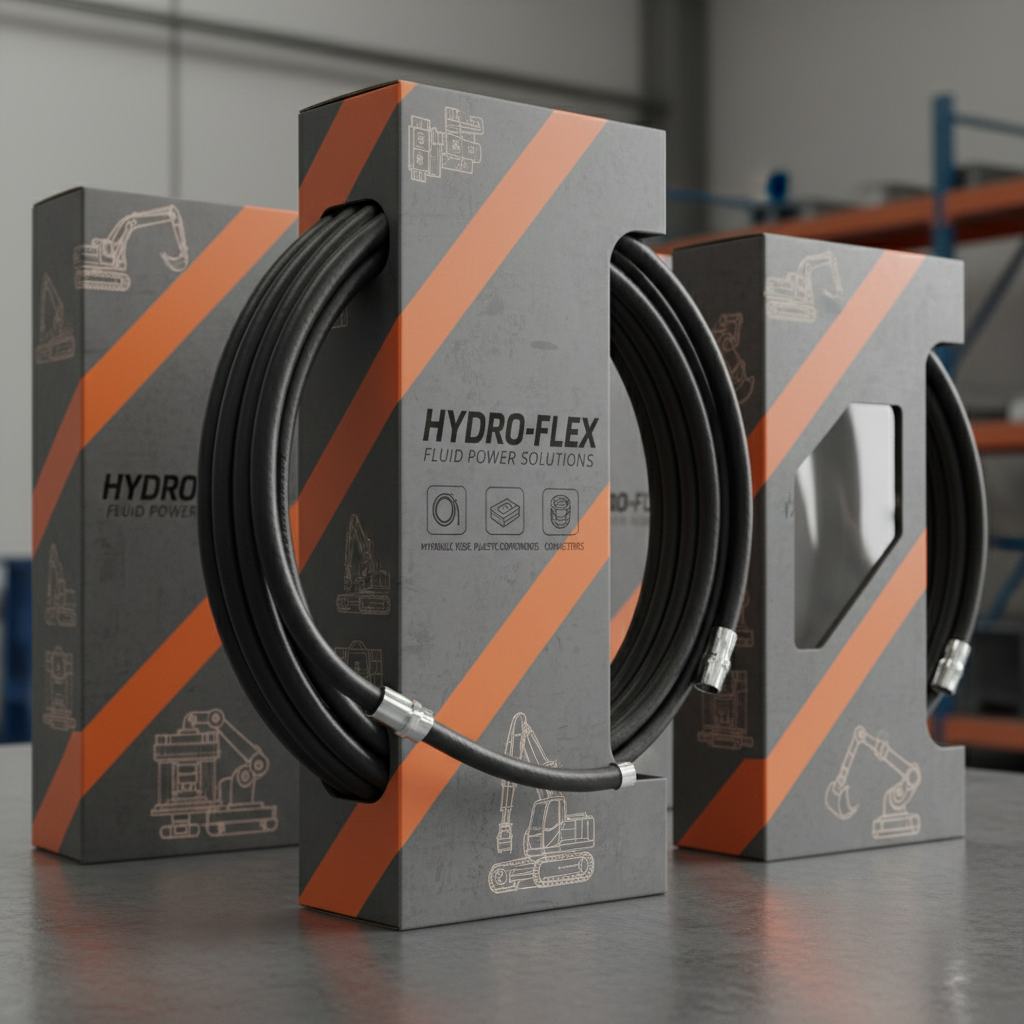
Common Applications of Hydraulic Hoses
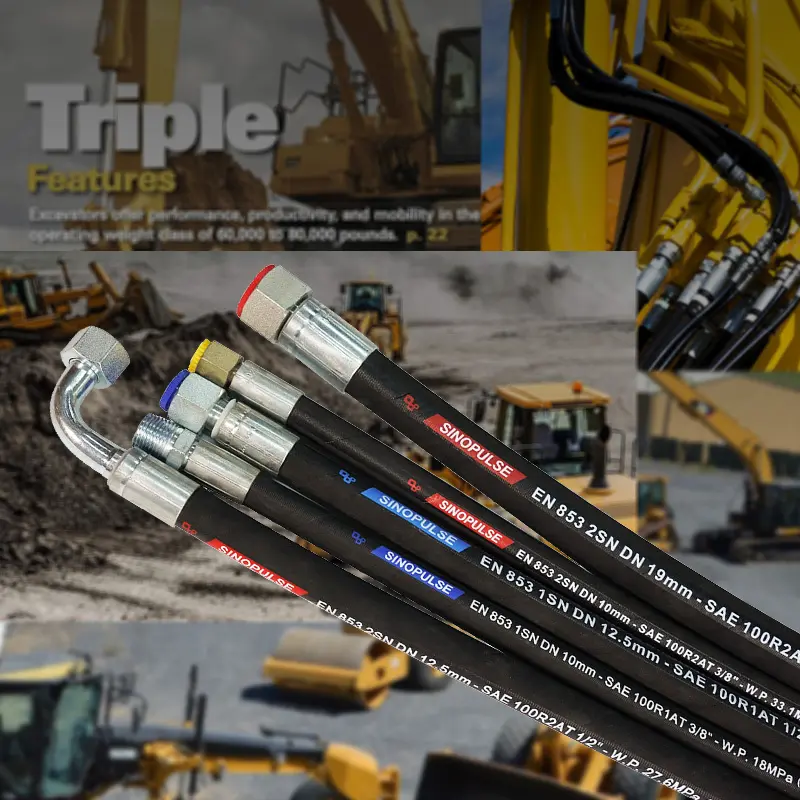
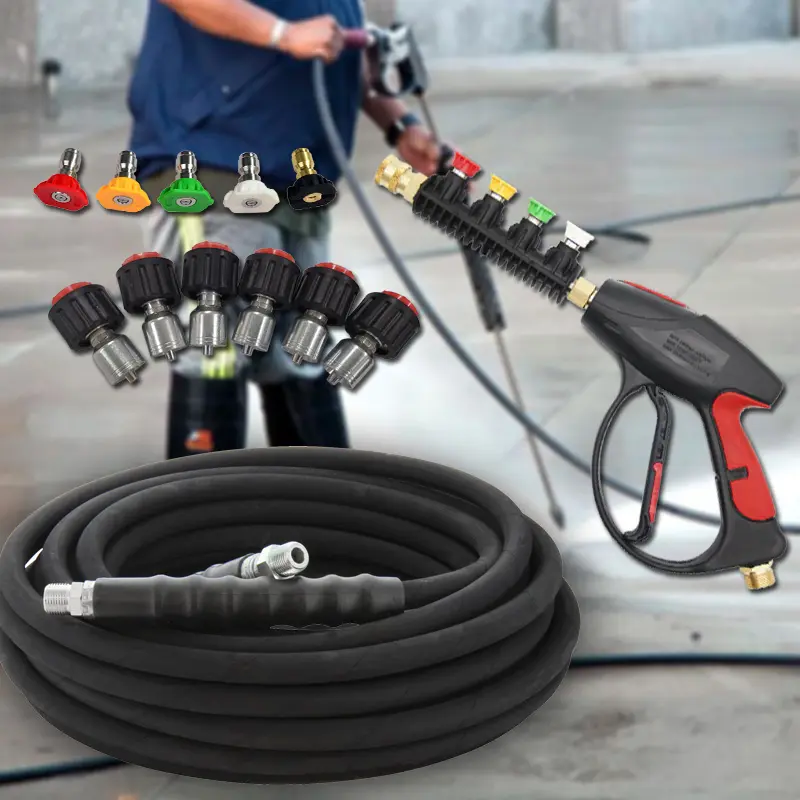
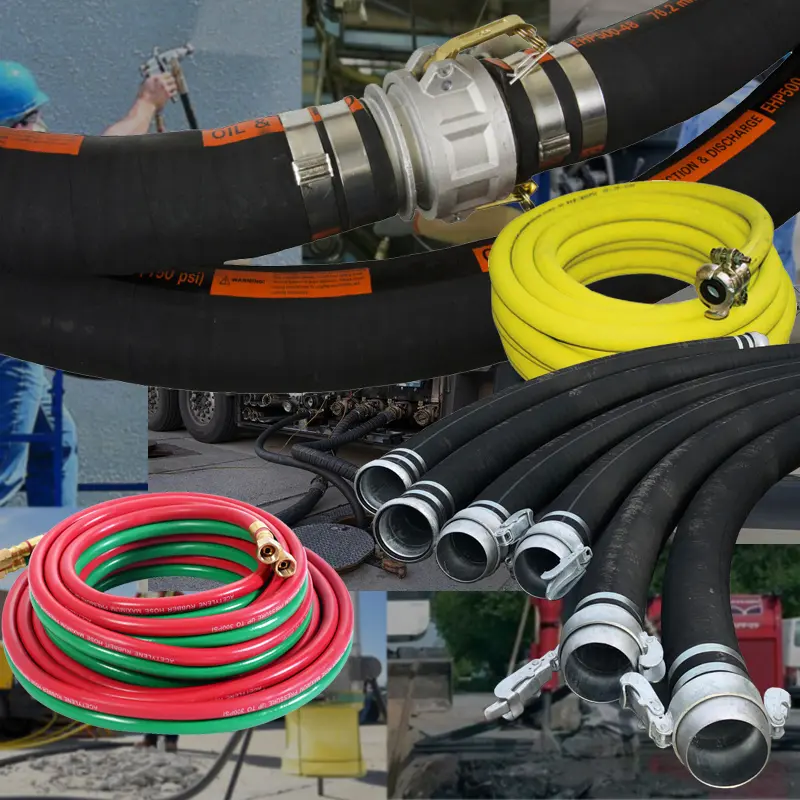
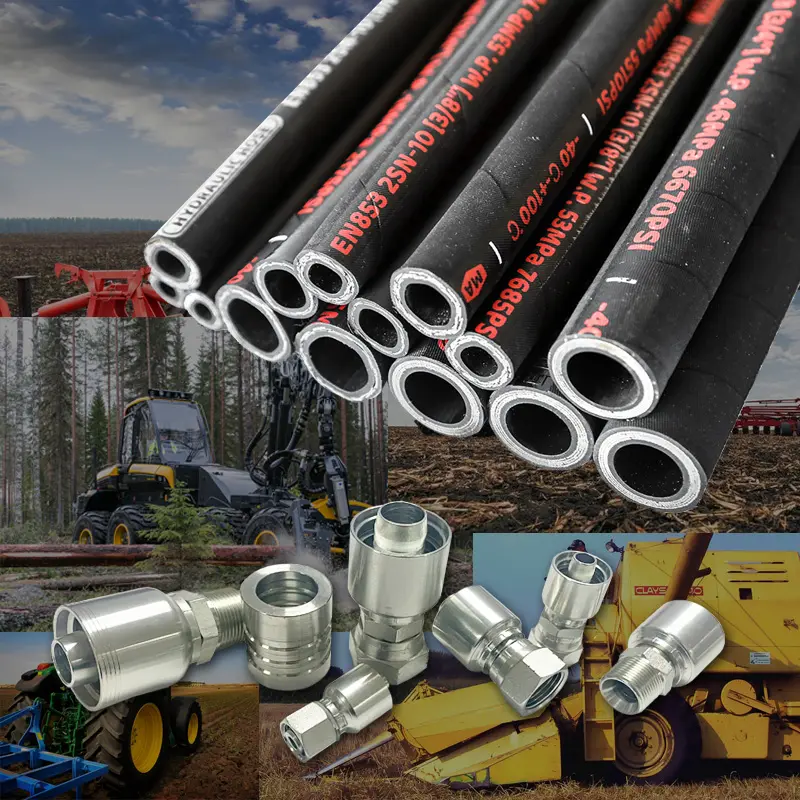
Hydraulic hoses are employed in a broad spectrum of applications. In construction, they power excavators, bulldozers, and cranes, enabling earthmoving and lifting operations. Agriculture relies on hydraulic hoses for tractors, harvesters, and irrigation systems. Manufacturing processes utilize them in injection molding machines, presses, and robotic arms. Furthermore, hydraulic hoses are essential in the aerospace industry for flight control systems and landing gear. Even everyday services like car washes and hydraulic lifts in auto repair shops depend on these robust components. The versatility of hydraulic hoses makes them indispensable across various sectors.
Key Industries Relying on Hydraulic Hoses: Construction, Agriculture, Manufacturing, Aerospace, Automotive, Mining, Forestry.
Specific Hydraulic Hose Uses by Industry
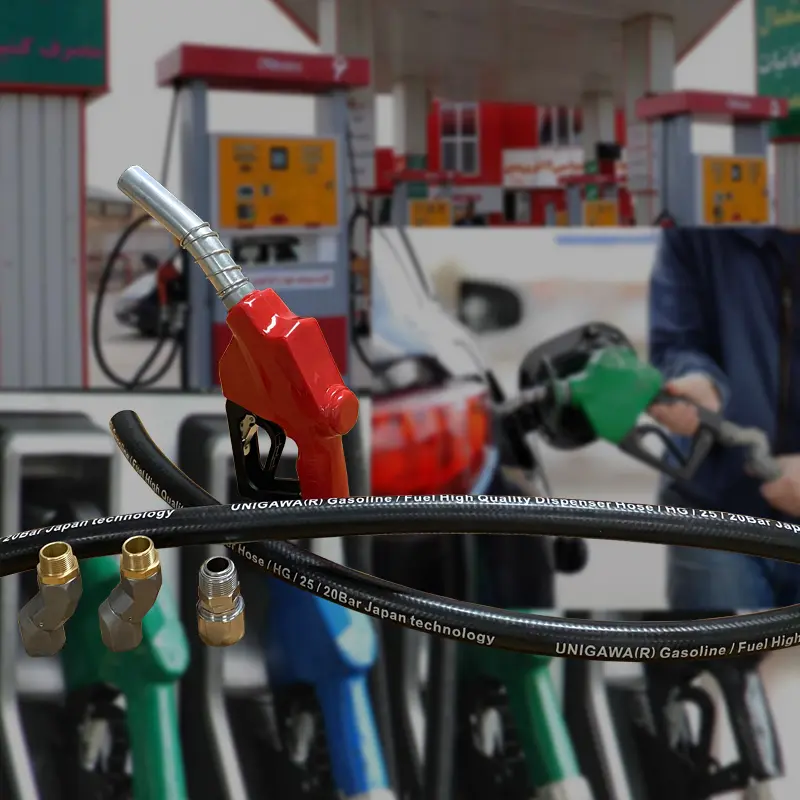
Let's break down some specific hydraulic hose uses within key industries. In the oil and gas sector, hoses facilitate drilling and well servicing operations. Material handling utilizes them for forklifts and loading equipment. The marine industry relies on them for steering systems and cargo handling. Firefighting employs hoses for delivering high-pressure water streams. The sheer variety underscores the critical role these hoses play in modern operations. Choosing the right hose based on industry-specific demands is vital for optimal performance and safety.
Industry Specific Hose Applications:
• Oil & Gas: Drilling, Well Servicing
• Material Handling: Forklifts, Loaders
• Marine: Steering, Cargo Handling
• Firefighting: Water Delivery
Types of Hydraulic Hoses and Their Applications
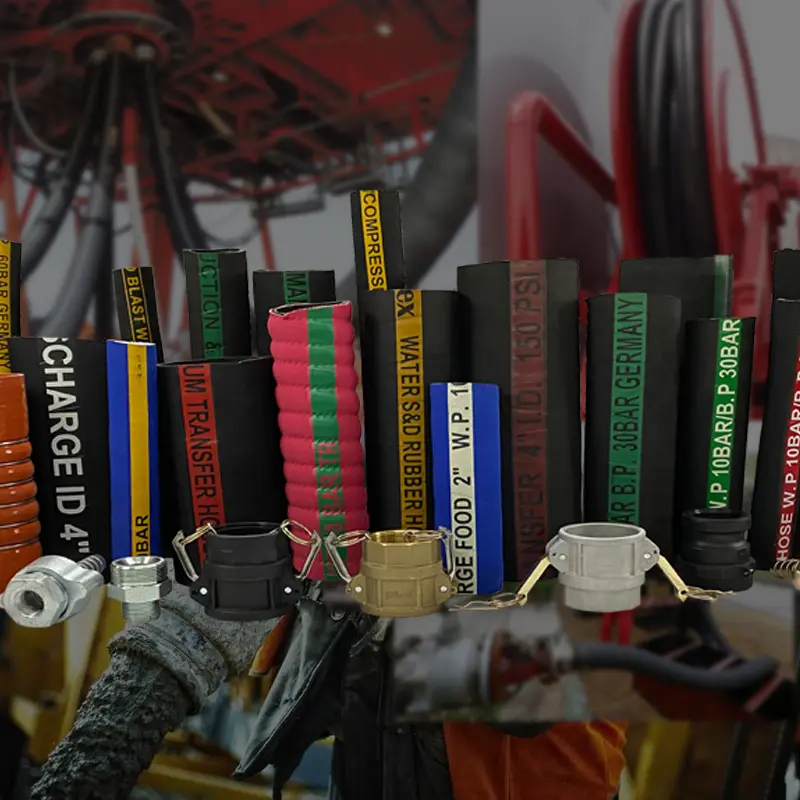
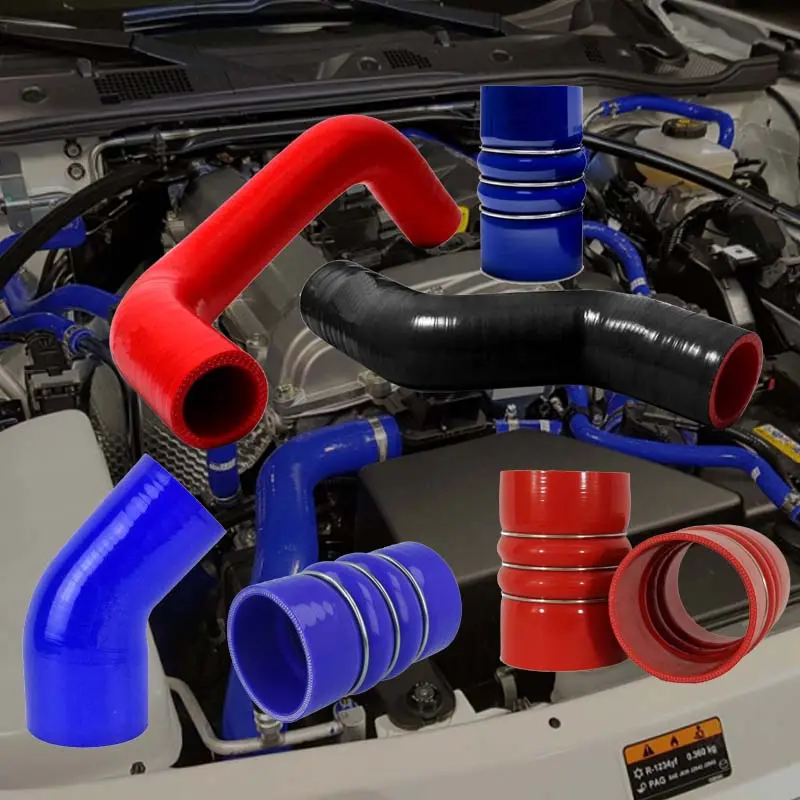
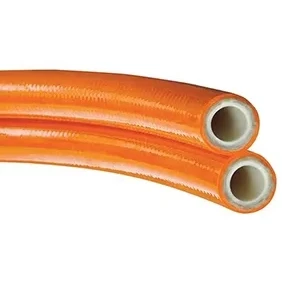
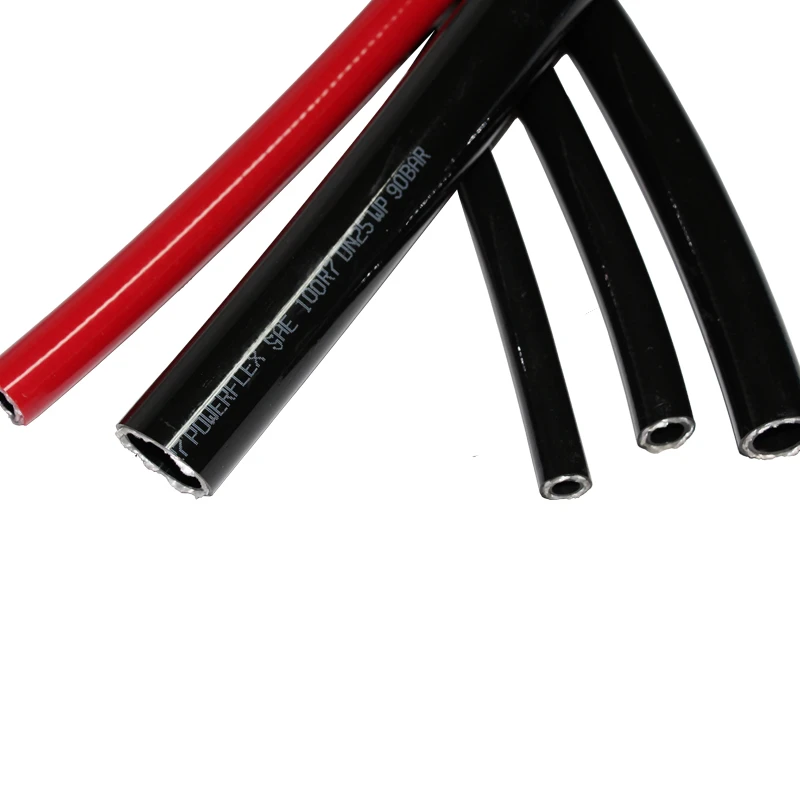
Various types of hydraulic hoses are available, each designed for specific pressure ratings, temperatures, and fluid compatibility. Reinforced hydraulic hoses, such as those with spiral or braided reinforcement, handle higher pressures. Thermoplastic hoses are lightweight and flexible, suitable for general-purpose applications. Rubber hoses offer excellent abrasion resistance. Choosing the correct hose type based on the application’s demands is paramount to ensuring safety and longevity. Hydhoses.com offers a comprehensive selection of hoses for diverse needs.
Factors to Consider When Choosing Hydraulic Hoses
Selecting the right hydraulic hose requires careful consideration of several factors. Pressure rating is crucial – the hose must withstand the maximum system pressure. Temperature range is also vital, as extreme temperatures can degrade hose materials. Fluid compatibility ensures the hose doesn't react with the hydraulic fluid. Hose size affects flow rate and pressure drop. Finally, consider the hose's environment and potential for abrasion or exposure to chemicals. Addressing these factors will contribute to a safe and reliable hydraulic system.
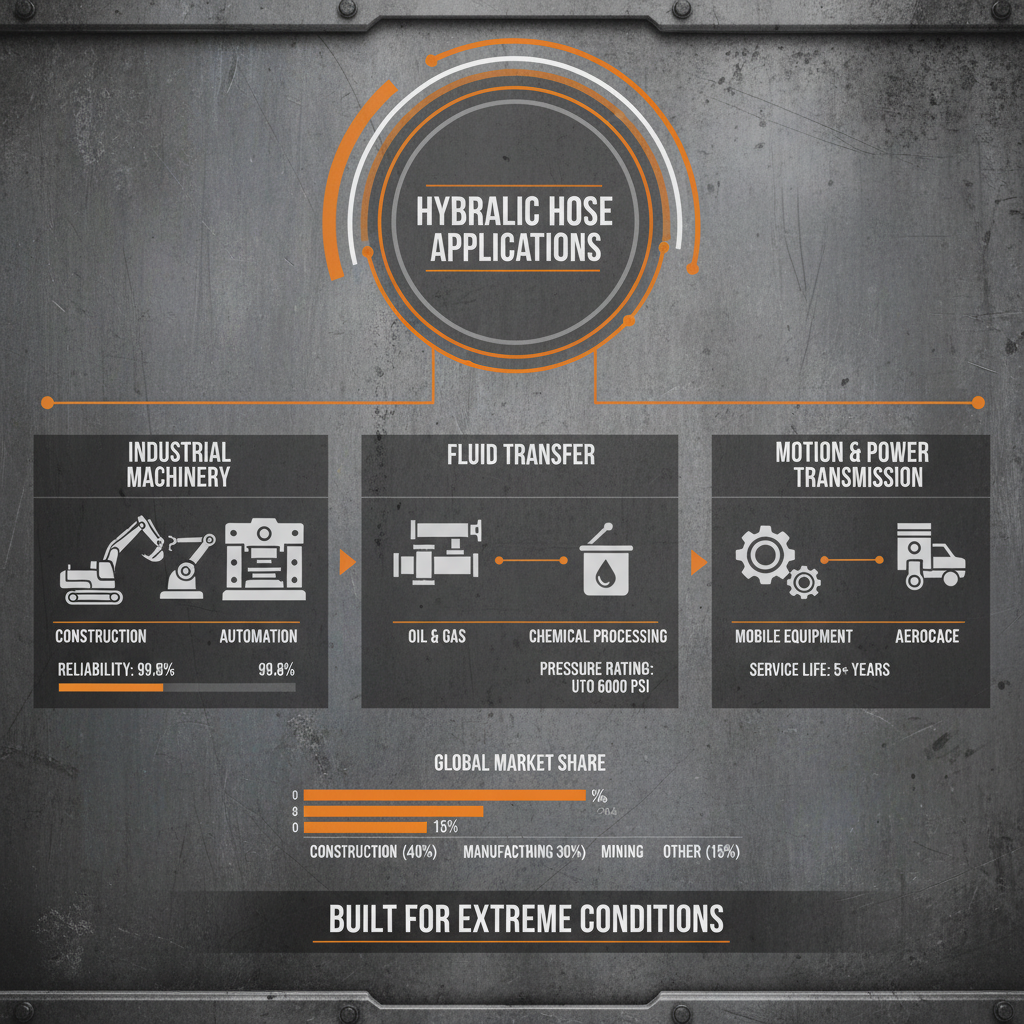
Maintaining and Inspecting Hydraulic Hoses
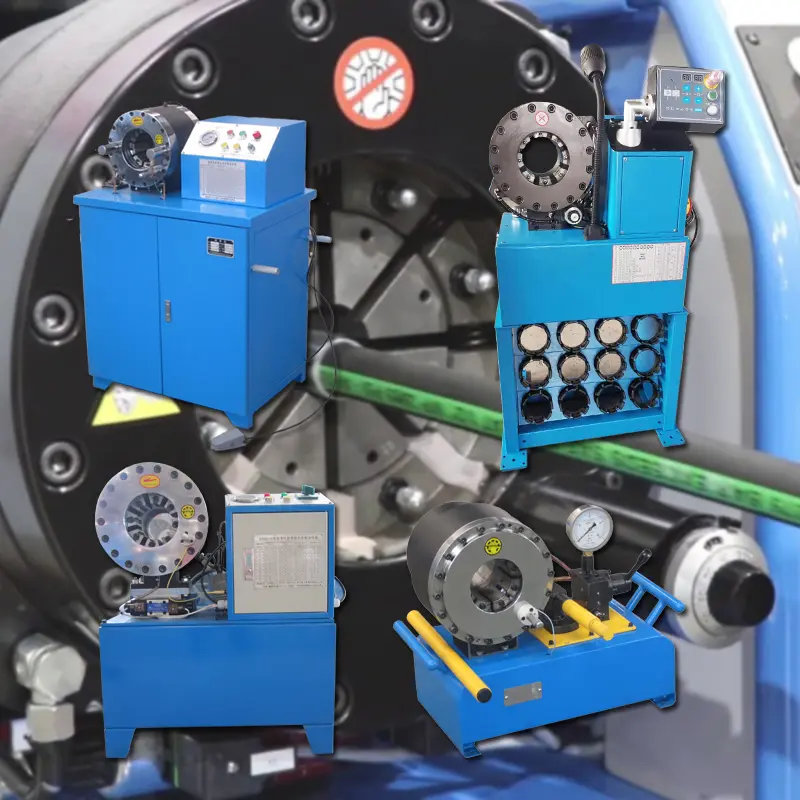
Regular inspection and maintenance are vital for hydraulic hose longevity and safety. Inspect hoses for cracks, abrasions, leaks, and kinks. Check hose fittings for tightness and corrosion. Replace hoses that show signs of damage. Proper storage away from direct sunlight and extreme temperatures extends the hose's lifespan. Following manufacturer’s recommendations for maintenance and replacement intervals contributes to a reliable and safe hydraulic system.
Conclusion: Ensuring Safe and Efficient Operations with the Right Hydraulic Hoses
Selecting and maintaining the correct hydraulic hoses is crucial for the safe and efficient operation of countless systems. By understanding the various types of hoses, applications, and maintenance requirements, you can optimize performance and prevent costly downtime. Partner with a reputable supplier like Hydhoses.com to ensure you have the right hoses for your needs.
Frequently Asked Questions (FAQs)
What is the maximum operating pressure for hydraulic hoses?
The maximum operating pressure varies significantly depending on the hose type and construction. Typically, hoses range from 1,000 PSI for low-pressure applications to upwards of 10,000 PSI for high-pressure systems. It's crucial to always select a hose with a pressure rating that exceeds the maximum system pressure by a safety margin. Exceeding the pressure rating can lead to hose failure and potential injury. Always consult the hose manufacturer's specifications for accurate pressure ratings.
How often should hydraulic hoses be replaced?
The recommended replacement interval depends on the hose’s application, operating conditions, and exposure to environmental factors. Generally, hoses should be inspected annually and replaced every 5-7 years, even if they show no visible signs of damage. Hoses used in harsh environments or subjected to frequent flexing may require more frequent replacement. Any hose exhibiting cracks, abrasions, leaks, or kinks should be replaced immediately.
What causes hydraulic hose failure?
Several factors can contribute to hydraulic hose failure, including exceeding the pressure rating, improper installation, abrasion, kinking, exposure to extreme temperatures, and fluid incompatibility. Regular inspection and preventive maintenance can help identify and address these issues before they lead to failure. Using high-quality hoses and fittings also minimizes the risk of premature failure.
How do I properly store hydraulic hoses?
Proper storage is crucial for extending the life of hydraulic hoses. Store hoses in a cool, dry, and well-ventilated area, away from direct sunlight, extreme temperatures, and ozone sources. Avoid bending or kinking the hoses during storage. Coiling the hoses loosely is preferable to tight wrapping. Covering the hoses with a protective material can prevent contamination and abrasion.
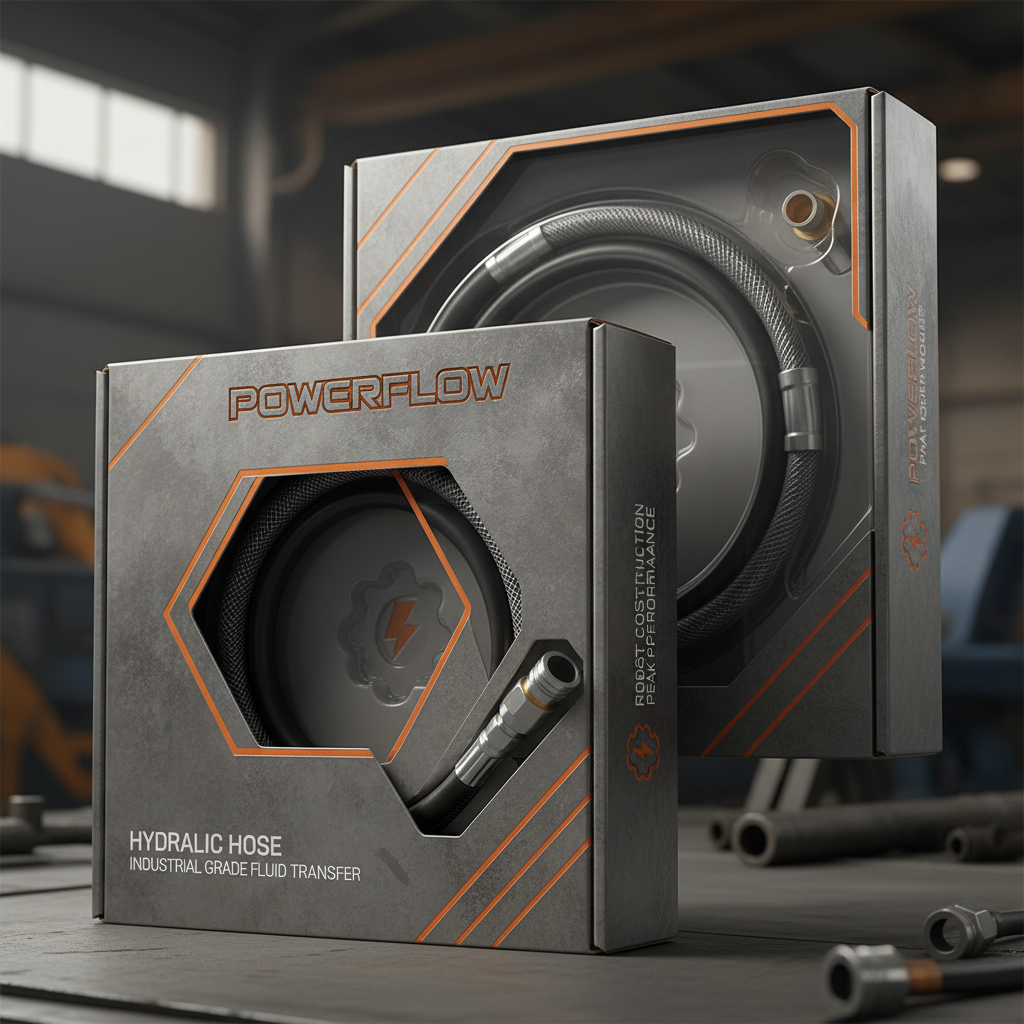
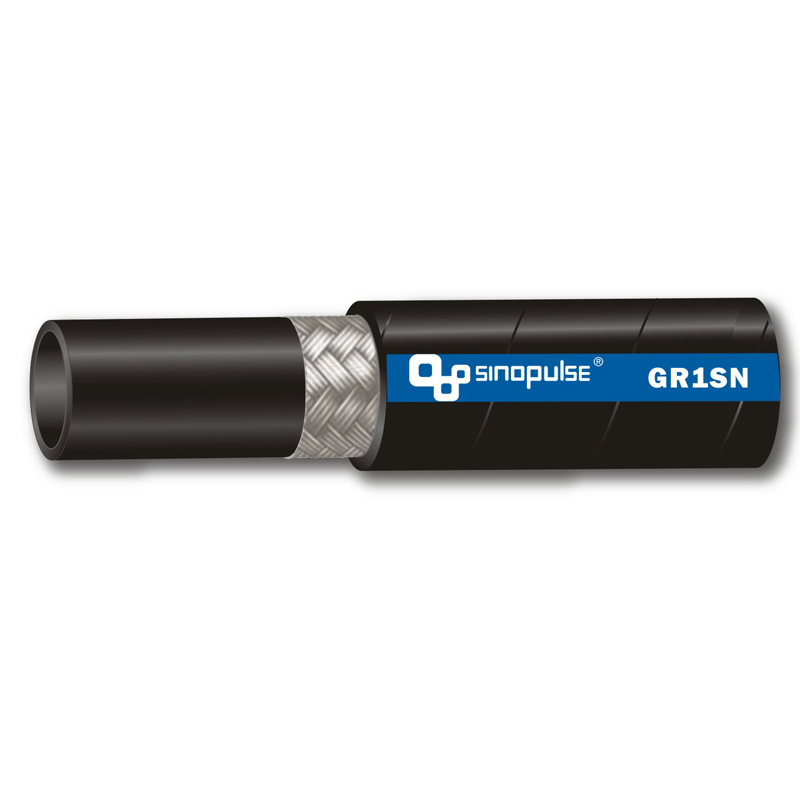
Product Application