


-
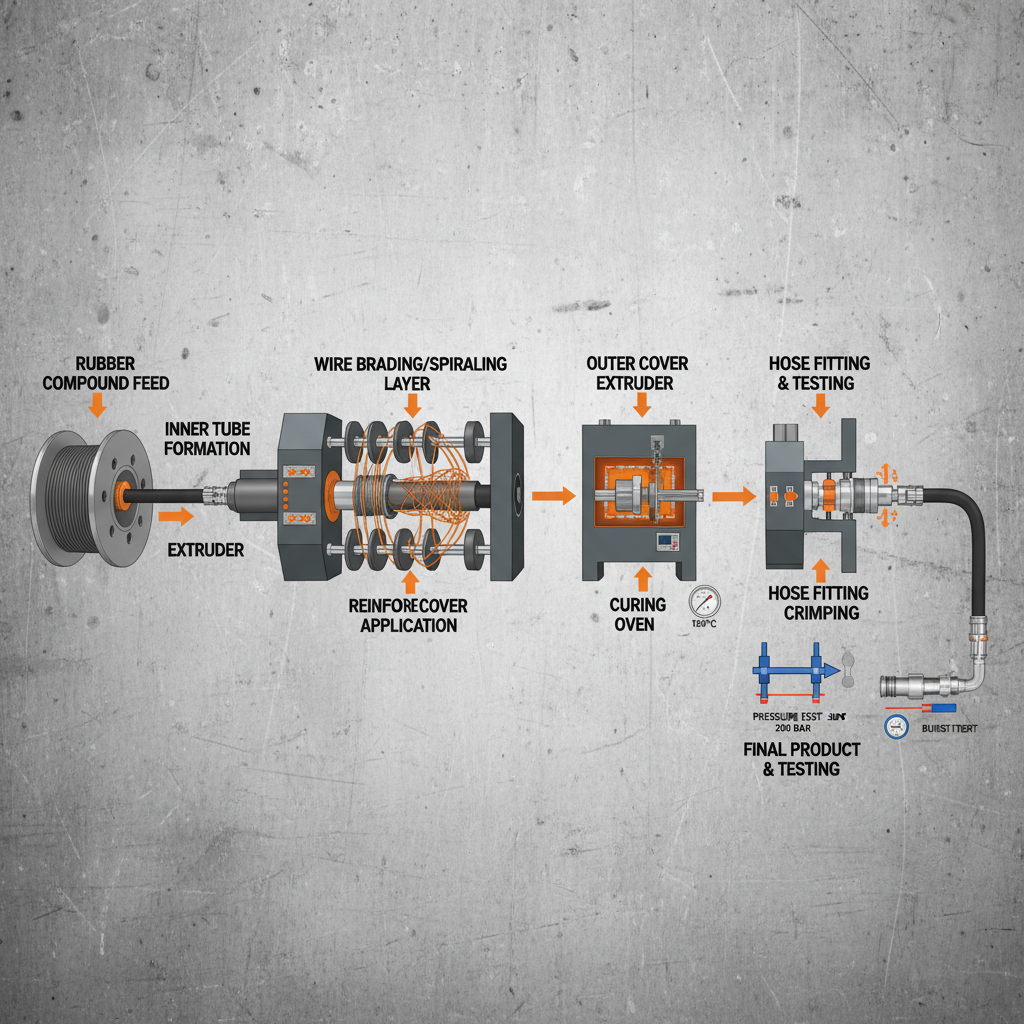
Comprehensive Guide to the Hydraulic Hose Manufacturing Process and Quality Control
Hydraulic hoses are essential components in numerous industries, powering everything from construction equipment to agricultural machinery. The quality and reliability of these hoses are paramount, and understanding the hydraulic hose manufacturing process is crucial for both manufacturers and end-users. This article delves into the intricacies of hose production, outlining the key steps and considerations involved in creating high-performance hydraulic hoses. We’ll explore each stage, from material selection to final testing, ensuring a comprehensive understanding of how these vital components are made. The foundation of a quality hydraulic hose lies in the selection of appropriate raw materials. Typically, hoses are constructed from a combination of rubber (synthetic or natural), reinforcing layers (steel wire or textile braid), and cover materials. The rubber compound is carefully formulated to resist abrasion, chemicals, and extreme temperatures. Steel wire provides high-pressure resistance, while textile braids offer flexibility. The preparation of these materials involves cleaning, pre-treating, and sometimes compounding rubber to achieve desired properties.Read more -
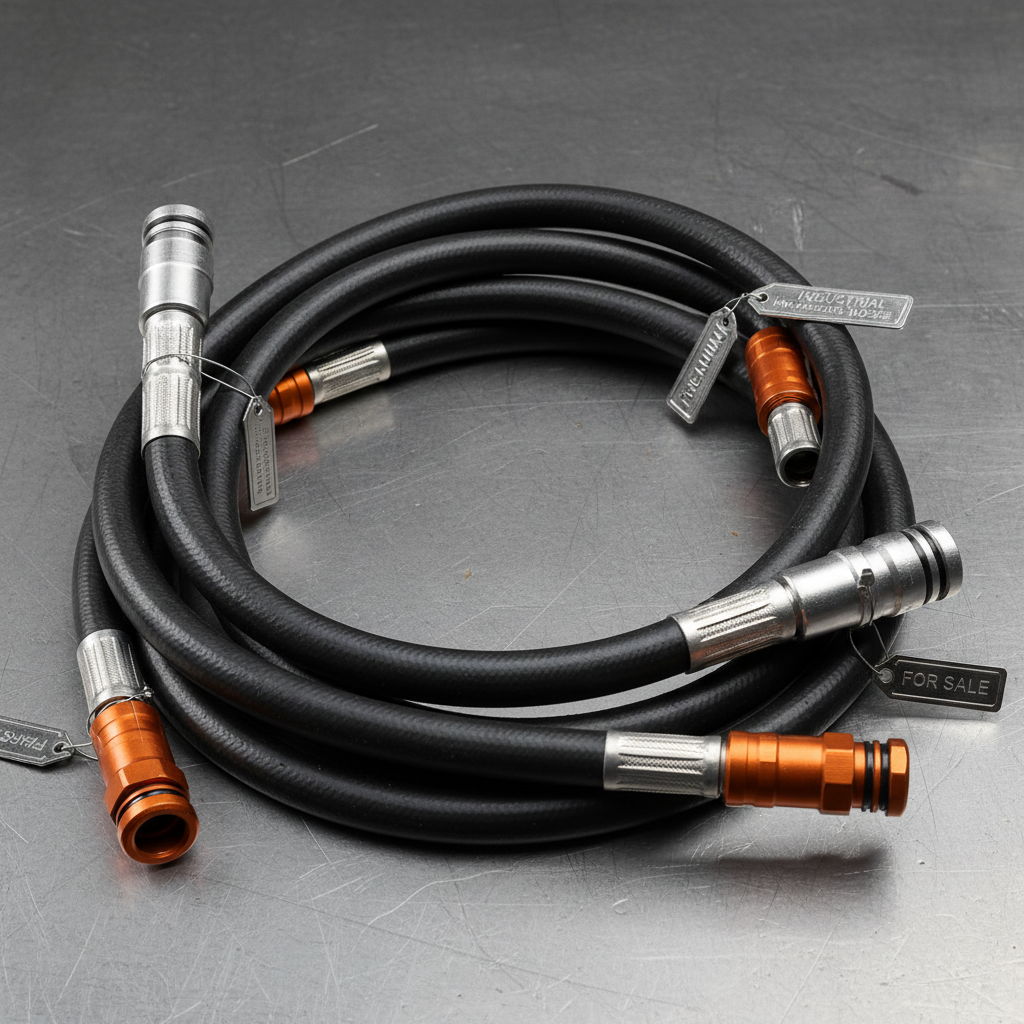
Find Reliable High Pressure Hoses for Sale and Expert Guidance
When tackling demanding industrial or commercial applications, selecting the right high pressure hoses is critical for safety and efficiency. At HydHoses.com, we specialize in providing a wide range of high-quality hoses to meet diverse needs. This article will delve into the types of high-pressure hoses available, key considerations when choosing the right hose, applications, and why choosing a reputable supplier like us is essential. Investing in the correct hose isn't just about immediate function; it's about longevity, safety, and preventing costly downtime. High pressure hoses aren’t a one-size-fits-all solution. They vary based on materials, construction, and intended application. Common types include hydraulic hoses (used for transmitting hydraulic fluid), pneumatic hoses (for compressed air), and specialized hoses designed for specific chemicals or extreme temperatures. Hydraulic hoses are typically reinforced with steel braiding for added strength, while pneumatic hoses may utilize rubber or thermoplastic materials. Choosing the correct hose type depends on the pressure requirements, fluid compatibility, and environmental conditions. We offer a comprehensive catalog including both hydraulic hoses and pneumatic hoses to fulfill your specific needs.Read more -
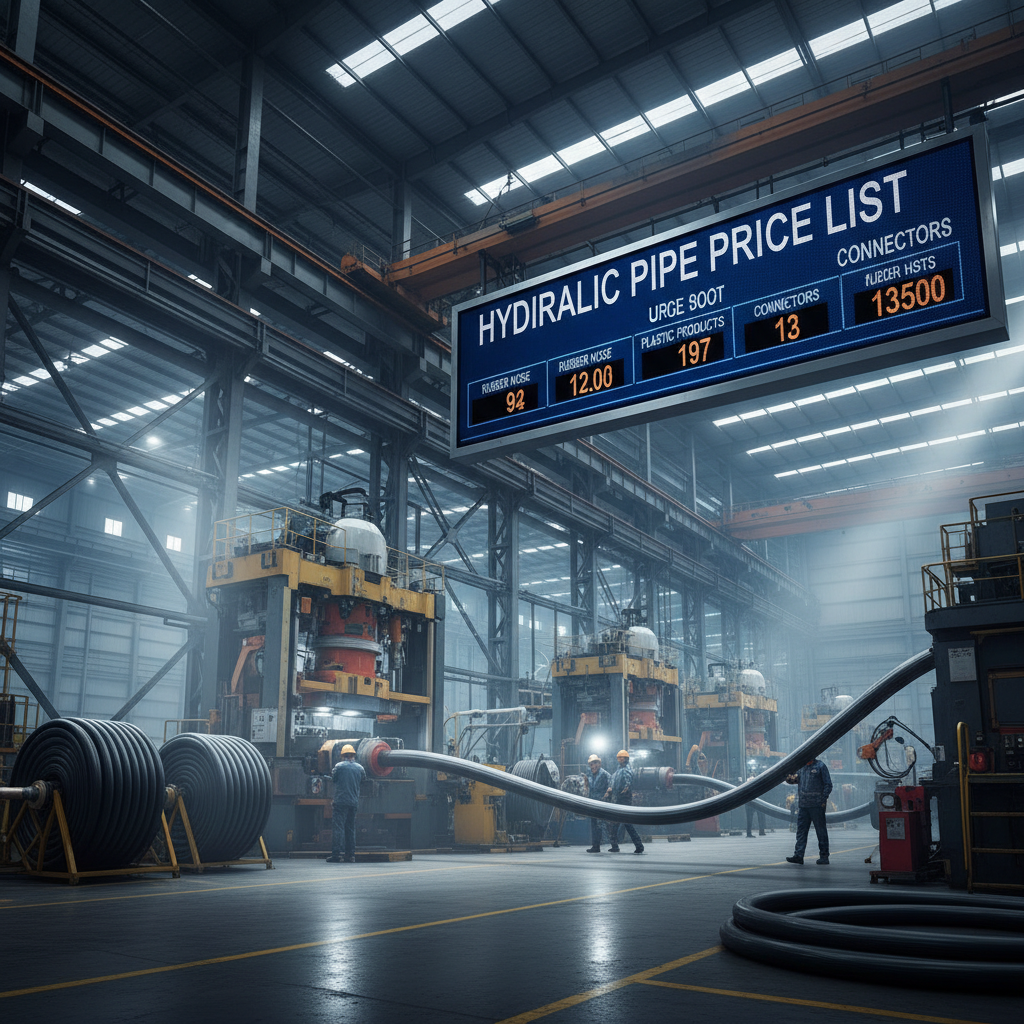
Understanding Hydraulic Pipe Price Factors for Effective Project Budgeting
When sourcing hydraulic systems, understanding hydraulic pipe price is crucial for budgeting and project planning. The cost can fluctuate significantly based on material, size, pressure rating, and supplier. This article provides a comprehensive overview of the factors that affect hydraulic pipe pricing, helping you make informed decisions. Accurate cost assessment is key to avoiding project delays and ensuring optimal performance. We'll explore the key elements that determine the price of these essential components. Several key factors contribute to the overall cost of hydraulic pipes. The material used is a primary determinant; carbon steel is generally more affordable than stainless steel or alloy options. Pipe diameter directly affects pricing, with larger diameters typically commanding higher costs. Pressure rating is another significant factor, as pipes designed for higher pressures require thicker walls and more robust materials. Furthermore, the length of the pipe and any required finishing processes, such as galvanization or coating, will impact the final price.Read more -
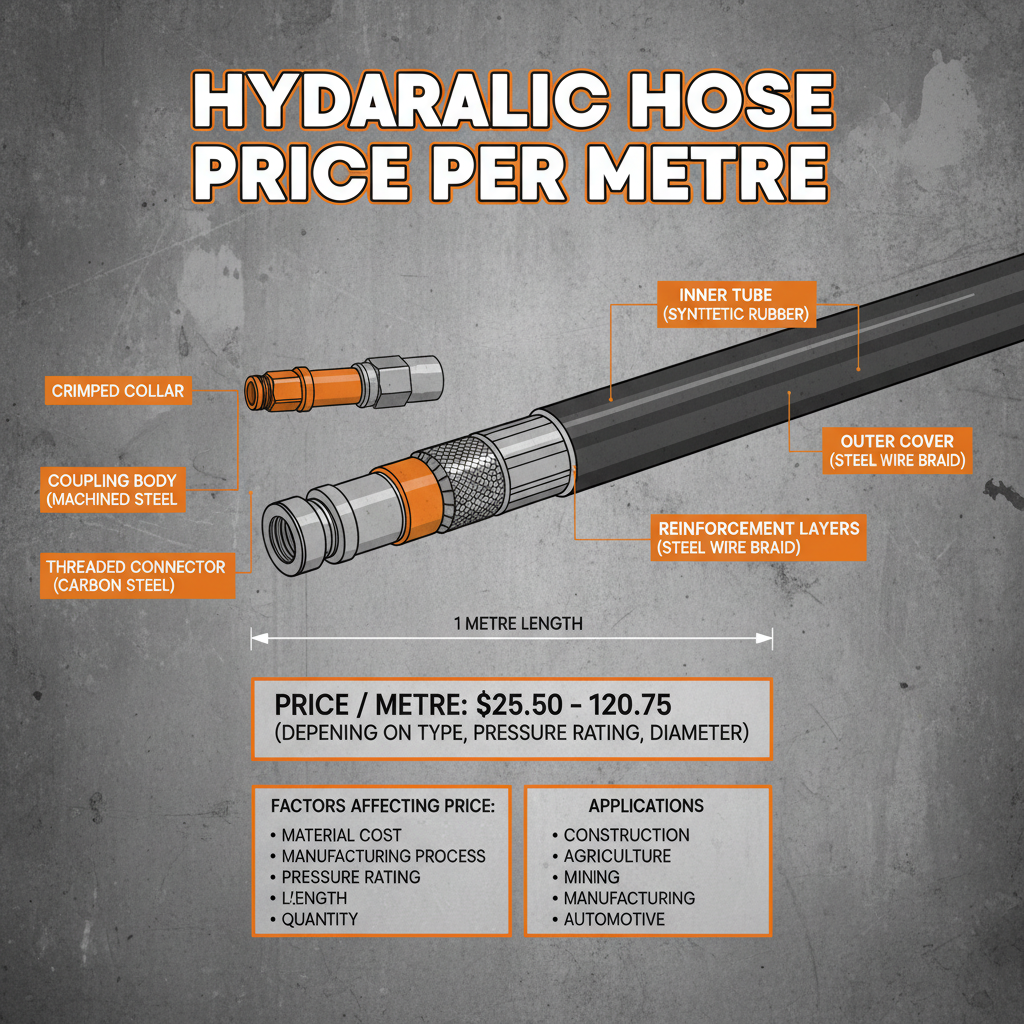
Comprehensive Guide to Hydraulic Hose Price Per Metre and Cost Factors
When sourcing hydraulic hoses for industrial applications, understanding the hydraulic hose price per metre is crucial for budgeting and project planning. Price varies significantly based on hose type, material, pressure rating, and supplier. This article will explore the factors influencing hydraulic hose costs, provide price ranges for common hose types, and offer guidance on obtaining the best value. We'll delve into the details so you can make informed purchasing decisions. Several key factors determine the hydraulic hose price per metre. The hose's construction – including the inner tube, reinforcement layers, and outer cover – plays a major role. Higher-quality materials like synthetic rubber and steel wire braiding increase durability and pressure capacity, resulting in a higher price. Pressure rating is another significant factor; hoses designed for higher pressures naturally command a premium.Read more -
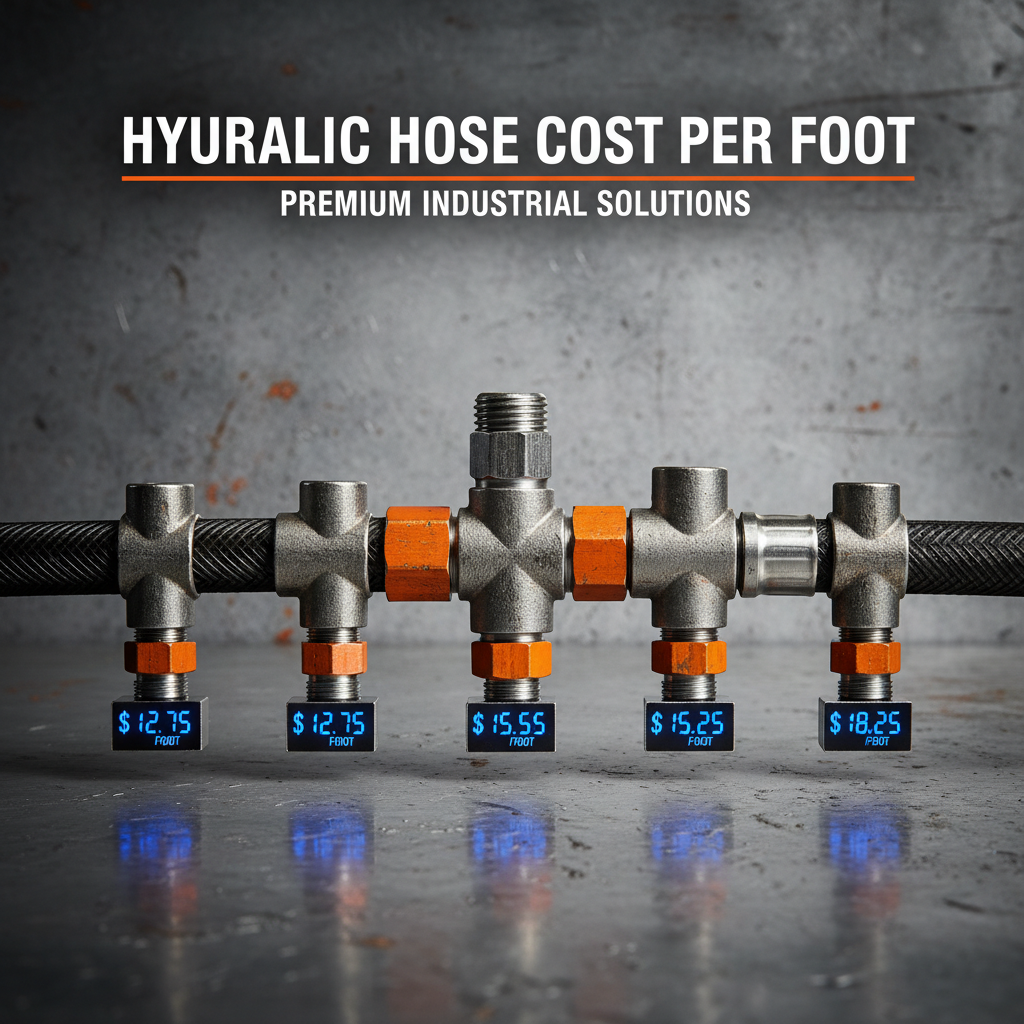
Understanding Hydraulic Hose Cost Per Foot for Effective Budgeting
Determining the hydraulic hose cost per foot is crucial for budgeting and project planning. The price can vary significantly based on hose type, size, pressure rating, and material. This article will delve into the factors influencing pricing, common hose types and their costs, and how to get the best value. We’ll cover everything you need to know to make informed decisions when purchasing hydraulic hoses for your needs. Several key factors contribute to the overall cost of a hydraulic hose. The most significant is the hose's construction – the materials used in the tube, reinforcement layers, and cover. Steel-wire reinforced hoses are generally more expensive than fabric-braided hoses due to their superior strength and durability. The hose's size (inner diameter) also plays a role; larger diameter hoses require more material and are therefore pricier. Pressure rating is another critical factor, as hoses designed for higher pressures necessitate more robust construction. Finally, specialized hoses, such as those designed for extreme temperatures or corrosive environments, will typically command a higher price.Read more -
Comprehensive Guide to Custom Made Hydraulic Hoses for Optimal Performance
In industries ranging from construction and agriculture to manufacturing and aerospace, hydraulic systems are vital for efficient operation. At the heart of these systems lie hydraulic hoses, and often, standard sizes simply won’t do. That’s where custom made hydraulic hoses come in. This article will explore the benefits of custom hoses, the factors influencing their design, materials used, applications, and how to choose the right provider. Investing in the right hose ensures optimal performance, reduces downtime, and improves safety. Opting for custom hydraulic hoses offers several key advantages over off-the-shelf solutions. Precise length eliminates wasted material and reduces the risk of kinking or strain. Specific end fittings ensure compatibility with existing systems, avoiding costly adapters. Furthermore, custom hoses allow for optimized pressure ratings and fluid compatibility, enhancing performance and longevity.Read more -
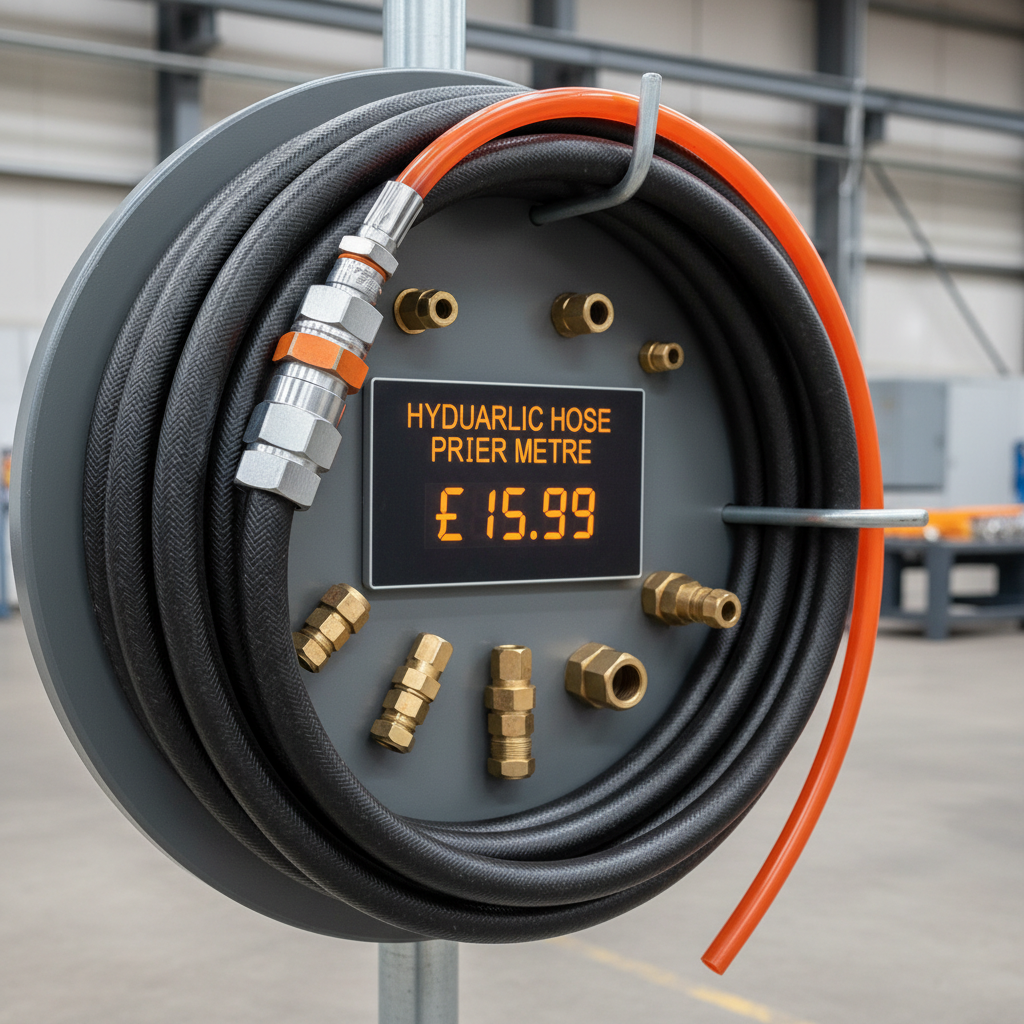
Understanding Hydraulic Hose Price A Comprehensive Guide to Costs and Selection
Determining the hydraulic hose price can be complex, as it depends on a multitude of factors. From the material and size of the hose to the specific fittings required, understanding these elements is key to budgeting accurately. At HydHoses.com, we specialize in providing high-quality hydraulic hoses and fittings at competitive prices. This article will break down the key aspects influencing hydraulic hose costs, helping you make informed decisions for your specific needs. Choosing the right hose at the right price is crucial for ensuring efficiency and safety in your operations. Several key factors directly impact the hydraulic hose price. These include the hose material (rubber, thermoplastic, or composite), the hose diameter and length, the pressure rating, and the type of fittings needed. Reinforcement layers, such as steel wire braiding, also contribute to the cost, as they increase the hose’s strength and durability. Furthermore, specialized hoses designed for specific applications (e.g., high-temperature or chemical resistance) typically command a higher price.Read more -
Understanding 1 2 Hydraulic Hose Specifications and Diverse Applications
Hydraulic hoses are critical components in a vast array of industries, from construction and agriculture to manufacturing and automotive. Choosing the right hose is paramount for efficiency, safety, and preventing costly downtime. This article focuses on the ‘1 2 hydraulic hose’ – a common size with diverse applications. We'll delve into its specifications, applications, types, and how to select the best hose for your needs. Investing in the correct hydraulic hose is a small price to pay for the longevity and efficiency of your equipment. You can find a wide selection of hydraulic hoses at Hydhoses.com. The designation "1 2 hydraulic hose" refers to the inner diameter of the hose, measured in inches. In this case, '1 2' means the hose has an internal diameter of one-half inch (0.5 inches or approximately 12.7 mm). This is a very common size due to its versatility and suitability for a wide range of applications. It’s important to understand that this refers to the internal diameter; the outer diameter will be larger to accommodate the hose’s construction (reinforcement layers, cover, etc.).Read more -
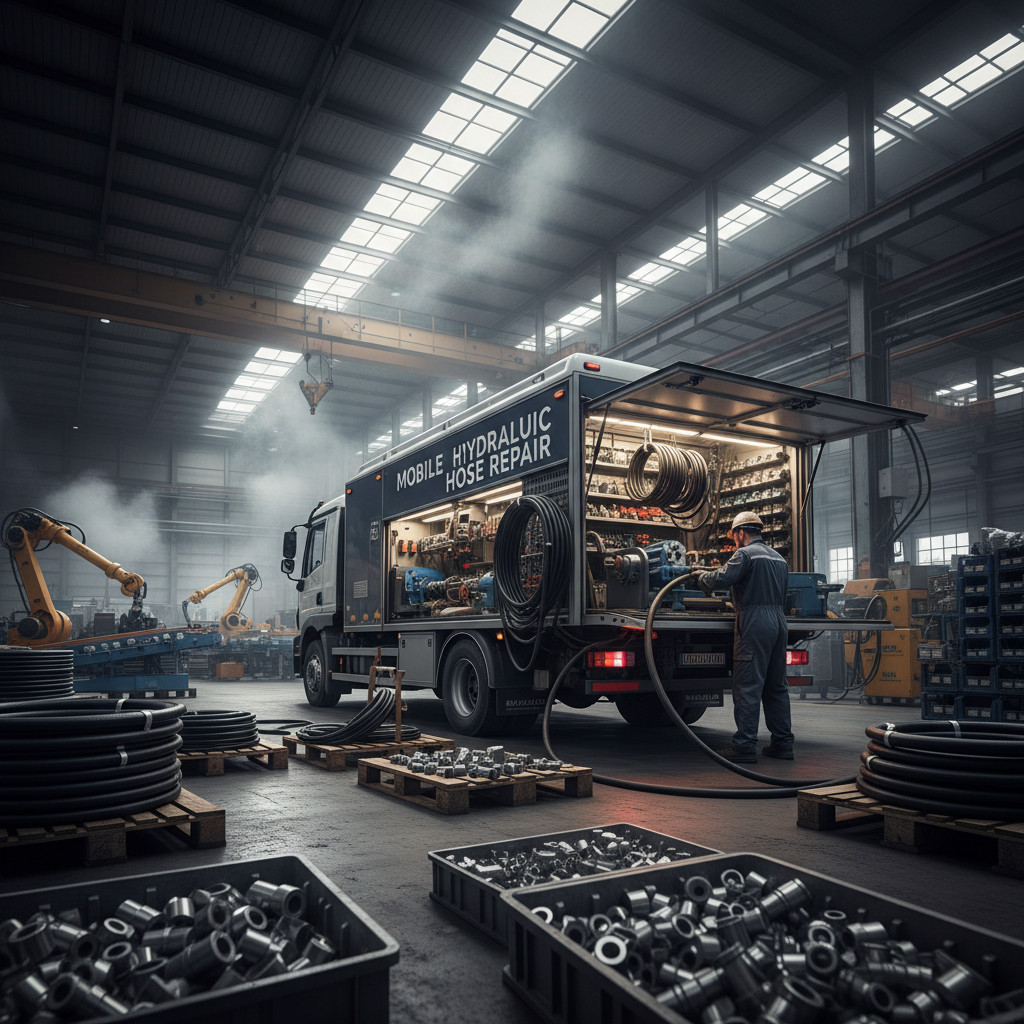
Comprehensive Guide to Mobile Hydraulic Hose Repair and Maintenance Services
When hydraulic systems fail, time is critical. A leaking or damaged mobile hydraulic hose can bring operations to a standstill, leading to costly downtime. That’s where prompt and reliable mobile hydraulic hose repair services become essential. This article provides a thorough overview of the services, benefits, and considerations for effective hose repair, ensuring your equipment is back up and running swiftly. We’ll explore the importance of choosing a qualified provider and the key factors impacting successful repairs. Hydraulic hoses are subjected to significant stress, including high pressure, temperature fluctuations, and physical abrasion. These factors contribute to wear and tear, leading to leaks, cracks, and ultimately, failure. The convenience of mobile hydraulic hose repair is undeniable. Instead of transporting heavy machinery to a repair shop, a qualified technician comes to you, minimizing downtime and associated costs. This is particularly valuable in industries like construction, agriculture, and mining, where equipment is often located in remote areas.Read more -
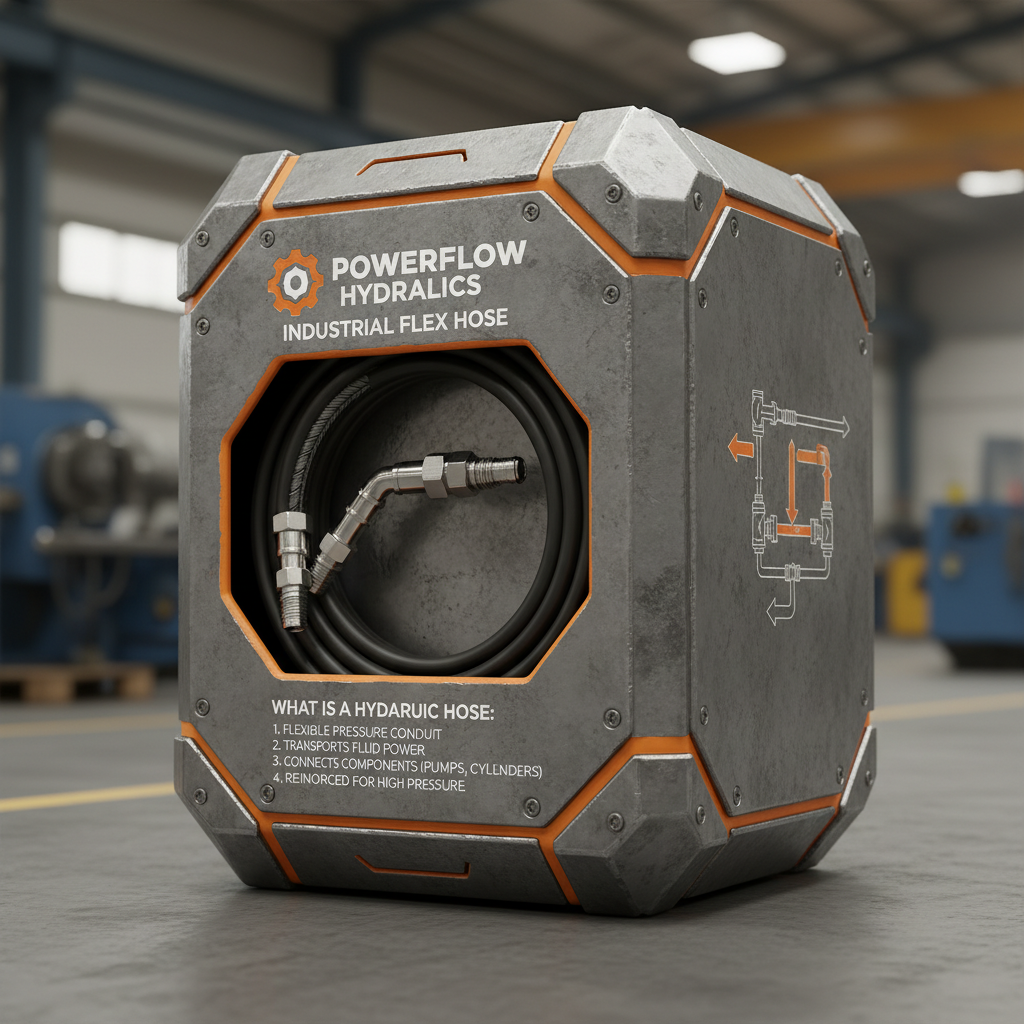
What is a Hydraulic Hose A Comprehensive Guide to Types and Applications
Hydraulic hoses are essential components in various industries, powering everything from construction equipment to agricultural machinery. They transmit fluid power, enabling efficient and controlled movement. Understanding hydraulic hoses – their types, construction, and applications – is crucial for anyone working with hydraulic systems. This article provides a detailed overview, covering everything you need to know about these vital tools. Ensuring you select the right hose for your needs is vital for safety and optimal performance. At its simplest, a hydraulic hose is a flexible conduit designed to carry pressurized hydraulic fluid – typically oil – to transmit power. This power is then used to operate cylinders, motors, and other actuators. The hose must withstand significant pressure, resist abrasion and corrosion, and maintain flexibility to accommodate movement and vibration. Without reliable hydraulic hoses, many critical industrial processes would grind to a halt.Read more -
Comprehensive Guide to 1 Inch Hydraulic Hose Applications and Selection
When it comes to hydraulic systems, the right hose is crucial for efficiency and safety. A 1 inch hydraulic hose is a common size used in a wide array of applications. This article will explore everything you need to know about these hoses, from their applications and construction to selecting the right type for your specific needs. We'll cover pressure ratings, materials, and best practices for maintenance, helping you ensure optimal performance and longevity of your hydraulic systems. A 1 inch hydraulic hose refers to a hose with an inner diameter of approximately 1 inch. These hoses are designed to transmit hydraulic fluid under high pressure, powering a variety of machinery and equipment. They’re constructed from multiple layers – an inner tube, reinforcement layers, and an outer cover – each contributing to the hose's strength, flexibility, and resistance to abrasion, chemicals, and temperature variations. Understanding these components is essential for choosing a hose that can withstand the specific demands of your application.Read more -
Comprehensive Guide to Selecting the Right Flexible Hydraulic Hose for Your Needs
Flexible hydraulic hose are crucial components in countless industries, transmitting power and enabling the operation of heavy machinery. Selecting the right hose is paramount for efficiency, safety, and longevity. This article provides a comprehensive overview of flexible hydraulic hose, covering their types, applications, key considerations when choosing a hose, and the benefits of sourcing from a reputable supplier like Hydhoses.com. We’ll delve into the vital aspects of these essential components, ensuring you have the knowledge to make informed decisions. There are several types of flexible hydraulic hose, each designed for specific applications and operating conditions. Common types include: Reinforced Hydraulic Hose, Non-Reinforced Hose, Synthetic Rubber Hose, and Thermoplastic Hose. The choice of hose type depends on factors such as working pressure, fluid compatibility, temperature range, and bend radius. Understanding these differences is crucial for optimal performance and safety.Read more
Your Trusted 24 Hours Service Provider!

-
 Call Us+86-158-0331-9351
 -
 Emailcarrie@sinopulse.cn
 -
 AddressHandan City, Hebei , China