

Brake Hose
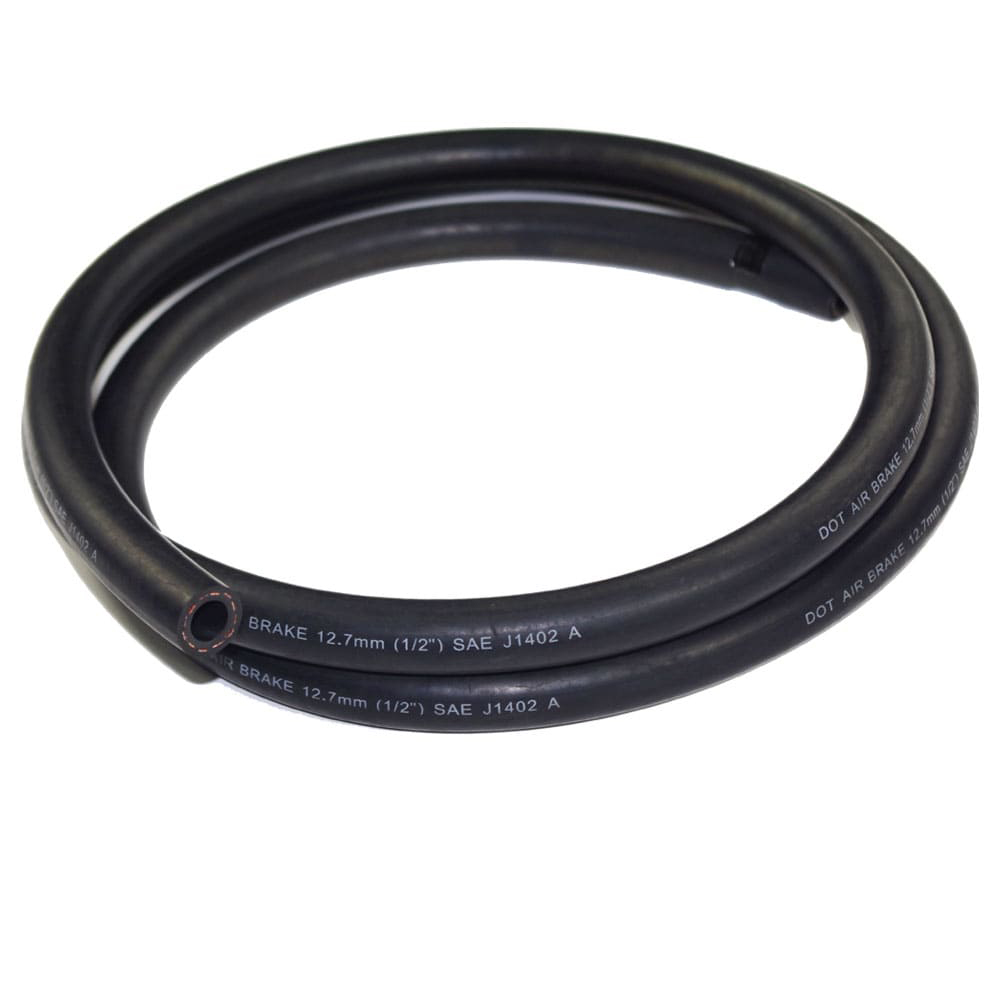
A brake hose is a vital comA brake hose is a vital component of a vehicle's braking system that carries brake fluid from the master cylinder to the brake calipers or wheel cylinders. It plays a crucial
role in transferring the hydraulic pressure that is needed to activate the brakes, allowing the vehicle to stop safely. Brake hoses are typically made from a combination of rubber or synthetic materials reinforced with braided steel or polyester for added strength and flexibility. These hoses are designed to withstand high-pressure conditions and the heat generated by the braking process. The importance of brake hoses lies in their ability to maintain consistent fluid pressure throughout the braking system, ensuring the brakes respond effectively when the driver applies pressure to the brake pedal. Over time, brake hoses are exposed to harsh conditions, such as high temperatures, road chemicals, and friction, which can cause wear and tear. If a brake hose is damaged or worn, it can lead to brake fluid leaks, reduced braking performance, or even brake failure, posing a serious safety risk. That’s why regular inspection and maintenance of brake hoses are essential for ensuring a vehicle's safety. It is also important to choose high-quality hoses that meet the required standards, as subpar hoses can degrade quickly and increase the risk of failure. In addition, the flexibility of brake hoses allows them to accommodate the movement of the suspension and steering components, ensuring that the braking system remains fully operational even as the vehicle is in motion.ponent of a vehicle's braking system that carries brake fluid from the master cylinder to the brake calipers or wheel cylinders. It plays a crucial role in transferring the hydraulic pressure that is needed to activate the brakes, allowing the vehicle to stop safely. Brake hoses are typically made from a combination of rubber or synthetic materials reinforced with braided steel or polyester for added strength and flexibility. These hoses are designed to withstand high-pressure conditions and the heat generated by the braking process. The importance of brake hoses lies in their ability to maintain consistent fluid pressure throughout the braking system, ensuring the brakes respond effectively when the driver applies pressure to the brake pedal. Over time, brake hoses are exposed to harsh conditions, such as high temperatures, road chemicals, and friction, which can cause wear and tear. If a brake hose is damaged or worn, it can lead to brake fluid leaks, reduced braking performance, or even brake failure, posing a serious safety risk. That’s why regular inspection and maintenance of brake hoses are essential for ensuring a vehicle's safety. It is also important to choose high-quality hoses that meet the required standards, as subpar hoses can degrade quickly and increase the risk of failure. In addition, the flexibility of brake hoses allows them to accommodate the movement of the suspension and steering components, ensuring that the braking system remains fully operational even as the vehicle is in motion.
How Do I Know When My Brake Hose Needs to Be Replaced?
Knowing when to replace your brake hose is critical for maintaining the safety and performance of your vehicle’s braking system. One of the most common signs that a brake hose needs replacement is visible wear and tear. If the hose appears cracked, frayed, or bulging, it may be compromised and unable to withstand the pressure required for effective braking. Another indication that the brake hose should be replaced is if there are signs of brake fluid leakage around the hose or at the connections. Any leakage of brake fluid can lead to a decrease in hydraulic pressure, resulting in poor braking performance or complete brake failure. If you notice a spongy feeling in the brake pedal or a decrease in braking response, this could also indicate a problem with the brake hose. A spongy brake pedal often means that there is air in the brake fluid system, which could be caused by a compromised brake hose. In some cases, the hose may be damaged internally without visible external damage, leading to the blockage or reduced flow of brake fluid. This can result in poor brake response or uneven braking force. Regularly checking the brake lines and hoses for signs of wear, such as discoloration, cracking, or hardening, is important for vehicle maintenance. Brake hoses that have reached their service life, typically around 6 to 10 years depending on usage, should also be replaced even if they don't show obvious damage. It’s important to have your brake hoses inspected during routine vehicle maintenance to ensure that the braking system is functioning properly and to avoid potential brake system failure.
What Materials Are Used to Make Brake Hoses, And How Do They Contribute to Their Performance?
Brake hoses are typically made from a combination of materials designed to provide strength, durability, and flexibility under high pressure. The primary material used for the inner lining of brake hoses is synthetic rubber, which is resistant to the corrosive effects of brake fluid, high temperatures, and aging. This rubber is often compounded with special additives to enhance its resistance to chemicals, oils, and environmental conditions. The outer layer of the hose is typically reinforced with braided steel, polyester, or aramid fibers, which provide additional strength and prevent the hose from expanding under pressure. The braided steel reinforcement is commonly used in high-performance brake hoses because it offers superior strength and durability, allowing the hose to withstand extremely high pressure while maintaining its flexibility. This reinforcement also helps to prevent the hose from bulging or expanding, which could compromise the braking system’s performance. Some brake hoses are also coated with a protective layer to guard against abrasion, UV damage, and exposure to harsh road chemicals like salt, oil, and fuel. The materials used in the construction of brake hoses are carefully selected to ensure that they can withstand the pressures and stresses encountered in a vehicle's braking system. The use of high-quality materials ensures that the hose remains intact even under extreme conditions, helping to maintain the integrity of the braking system and ensuring safe and reliable performance. The choice of materials also affects the longevity of the hose, with high-quality materials contributing to longer-lasting, more reliable brake hoses.