

Understanding 3 4 Inch Hydraulic Hose: A Comprehensive Guide
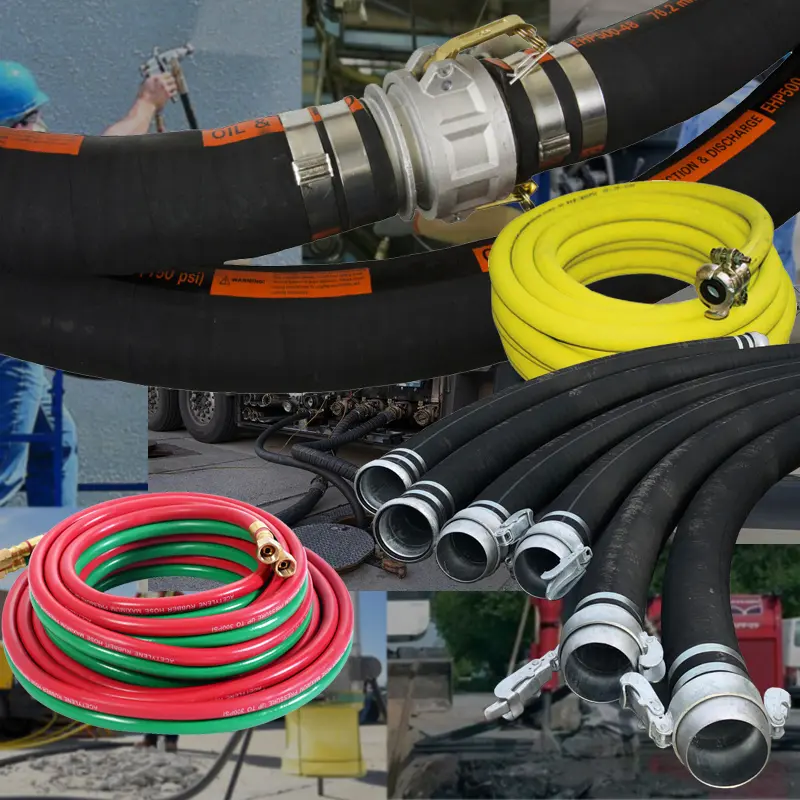
Hydraulic hoses are the lifelines of countless machines, transmitting power and enabling critical functions. Choosing the right hose is paramount for safety, efficiency, and longevity of your equipment. This article focuses on 3/4 inch hydraulic hose, exploring its applications, types, specifications, and factors to consider when making a purchase. We'll cover everything from pressure ratings to material considerations, helping you select the optimal hose for your specific needs. Proper hose selection minimizes downtime and ensures optimal performance.
Applications of 3/4 Inch Hydraulic Hose
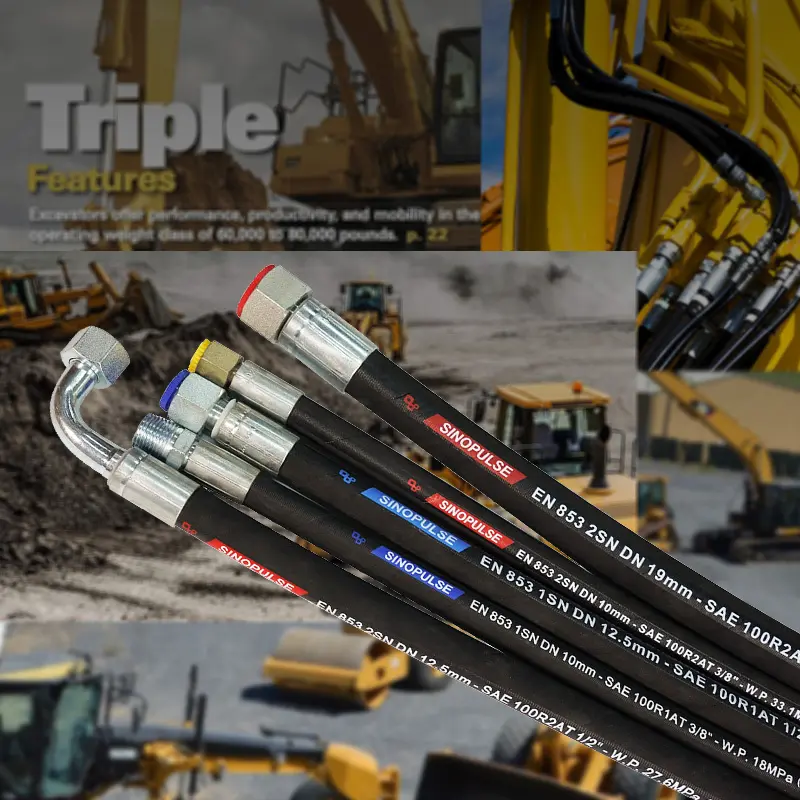
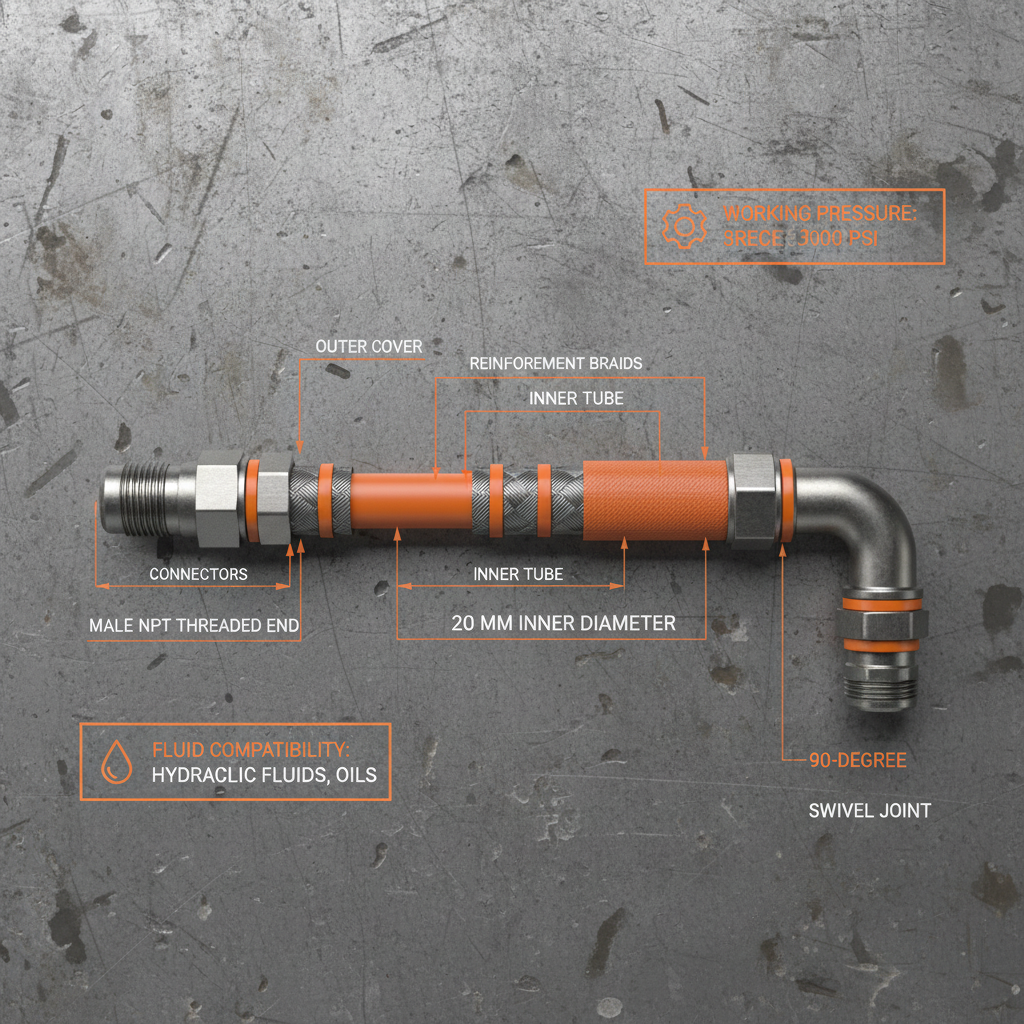
The 3/4 inch hydraulic hose is a versatile component widely used across various industries. It's commonly found in agricultural machinery like tractors and harvesters, providing the power for implements and attachments. In construction, it's integral to excavators, loaders, and bulldozers, driving hydraulic cylinders for lifting and digging. Manufacturing plants utilize these hoses in presses, injection molding machines, and other heavy equipment. Furthermore, industries like forestry, marine, and material handling rely on 3/4 inch hoses for their robust performance and reliability. The ability to handle moderate pressure and flow rates makes it a popular choice for numerous applications.
Key Takeaway: 3/4 inch hydraulic hoses excel in applications requiring reliable power transmission in moderate-pressure systems, making them ideal for diverse industrial machinery.
Types of 3/4 Inch Hydraulic Hose
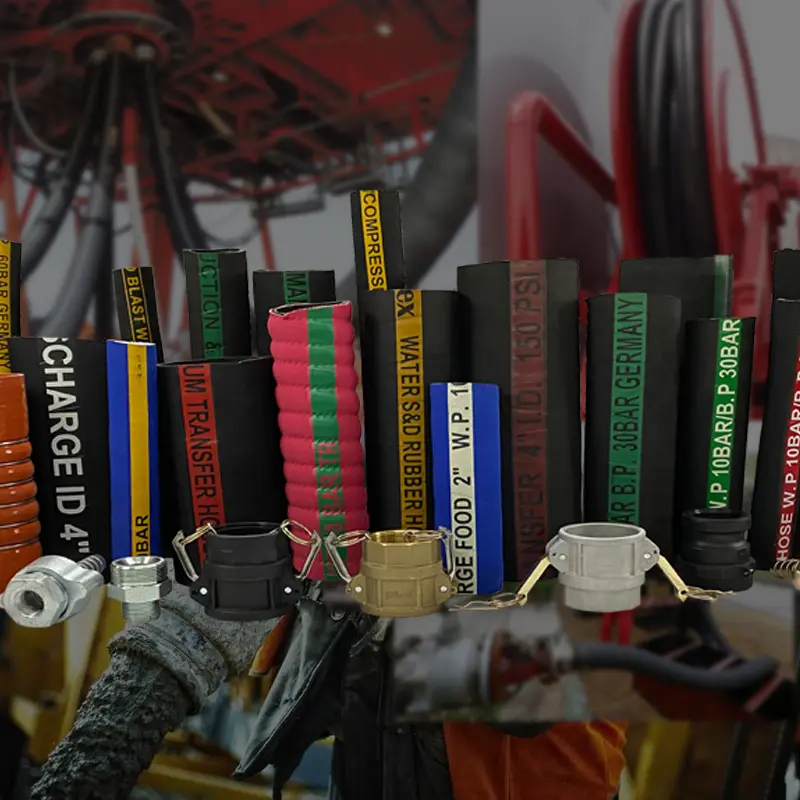
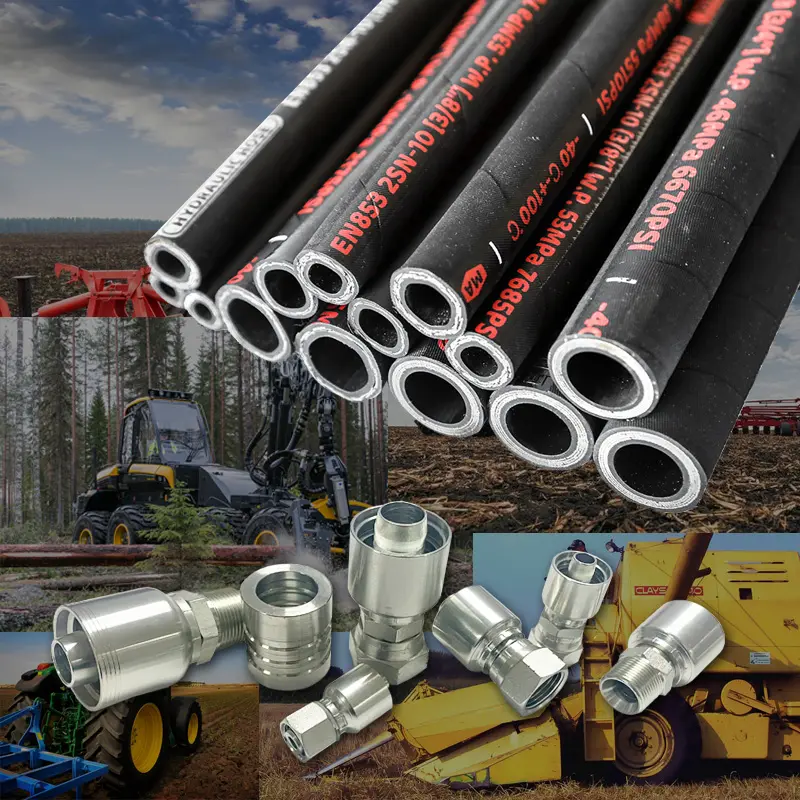
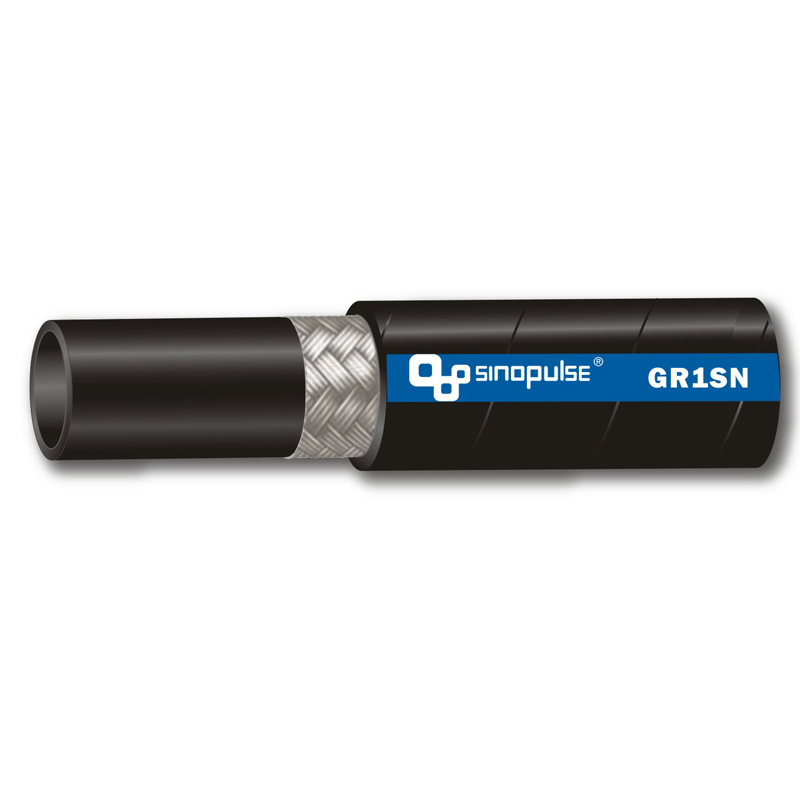
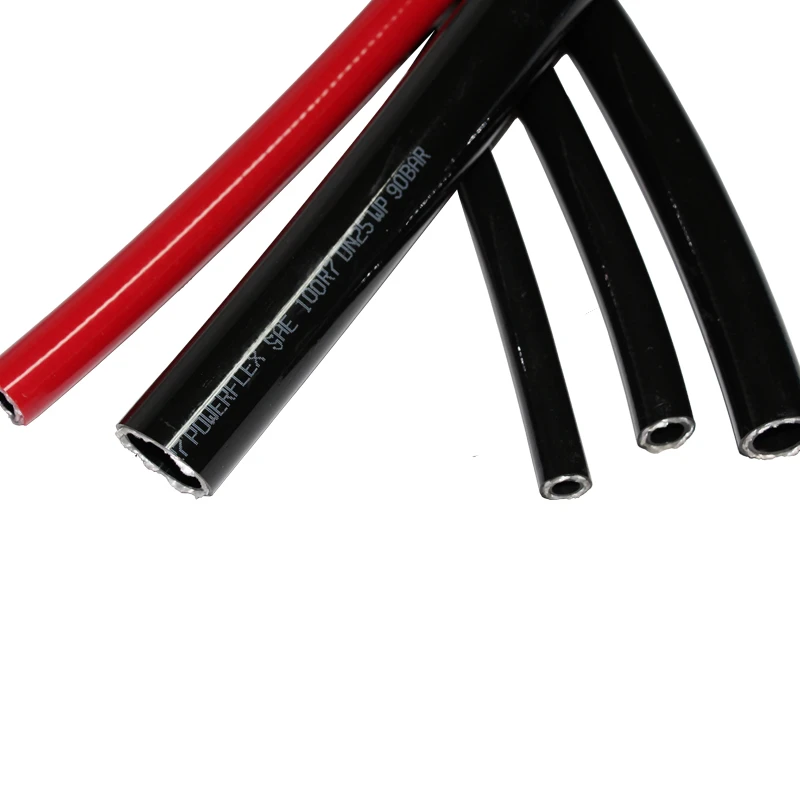
Several types of 3/4 inch hydraulic hose are available, each designed for specific operating conditions. Wire-braided hoses are the most common, offering excellent pressure capabilities and abrasion resistance. Spiral-wound hoses provide even higher pressure ratings and flexibility, making them suitable for demanding applications. Non-reinforced hoses are used for low-pressure applications like return lines. Thermoplastic hoses are lightweight and resistant to chemicals, while rubber hoses offer superior flexibility in cold temperatures. Selecting the appropriate type depends on factors like working pressure, temperature, fluid compatibility, and bend radius. Explore our comprehensive selection at HydHoses.com.
Hose Type Comparison:
• Wire-Braided: Excellent pressure, abrasion resistance
• Spiral-Wound: High pressure, high flexibility
• Non-Reinforced: Low pressure, return lines
• Thermoplastic: Lightweight, chemical resistance
3/4 Inch Hydraulic Hose: Pressure Ratings and Specifications
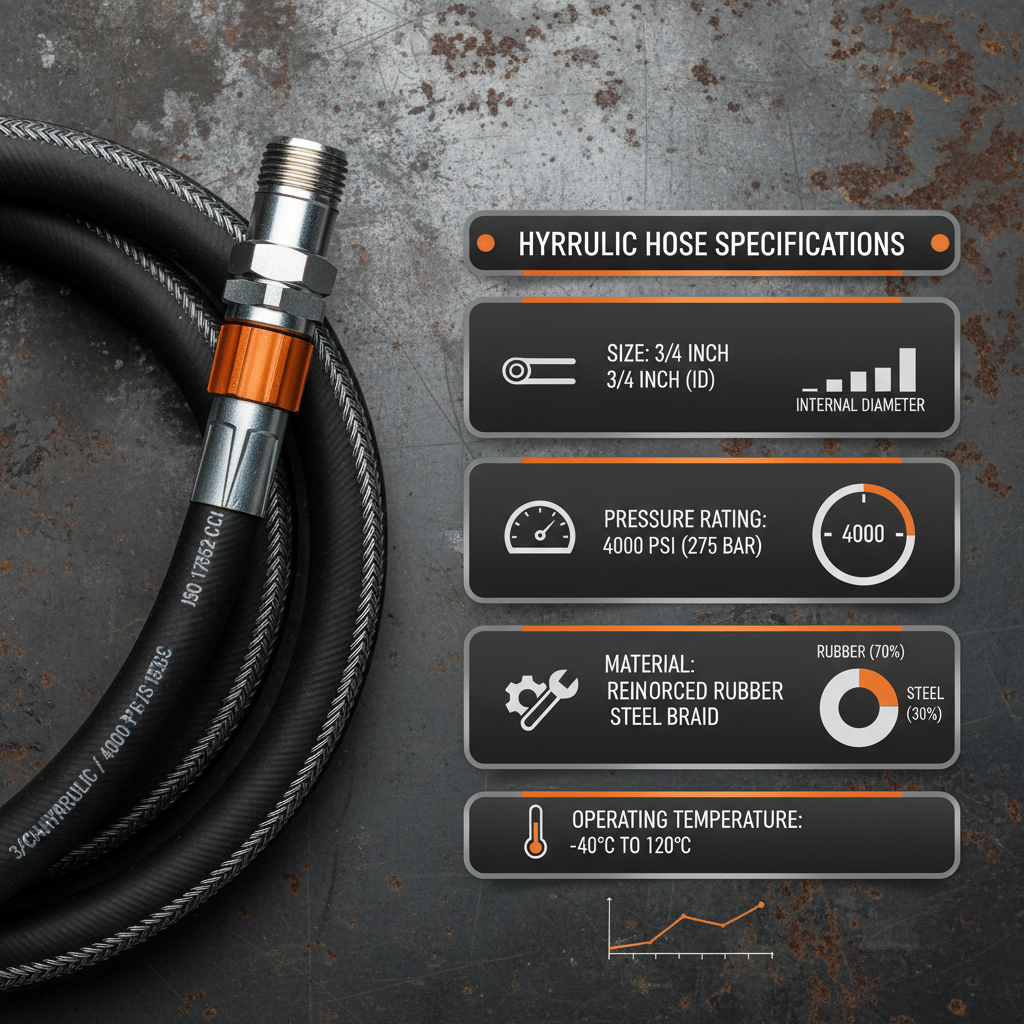
Understanding the specifications of a 3/4 inch hydraulic hose is crucial for safe and effective operation. Pressure ratings are typically expressed in PSI (pounds per square inch) or BAR. It’s vital to select a hose with a working pressure rating exceeding the maximum system pressure. Temperature range also plays a critical role, as extreme temperatures can affect the hose’s performance and lifespan. Common materials include synthetic rubber, nylon, and polyethylene. The hose's inner diameter and outer diameter must be compatible with the fittings being used.
Factors to Consider When Choosing a 3/4 Inch Hydraulic Hose
Selecting the right 3/4 inch hydraulic hose requires careful consideration of several factors. First, determine the maximum system pressure and choose a hose with a sufficient working pressure rating. Consider the fluid being transmitted, as certain fluids may require specific hose materials for compatibility. Evaluate the operating temperature and choose a hose rated for the expected temperature range. Also, consider the bend radius and the hose’s flexibility requirements to ensure it can navigate the system’s layout without kinking or damage. Finally, assess the environment for potential abrasion or exposure to chemicals and choose a hose with appropriate protective features. Consult with HydHoses.com for expert guidance.
Maintaining and Inspecting Your 3/4 Inch Hydraulic Hose
Proper maintenance and regular inspections are essential for ensuring the longevity and safe operation of your 3/4 inch hydraulic hose. Regularly inspect the hose for signs of wear, such as cracks, abrasions, blisters, or leaks. Check the fittings for corrosion or damage. Avoid kinking or twisting the hose, as this can weaken its structure. Ensure the hose is properly supported to prevent excessive strain. Clean the hose regularly to remove dirt and debris. Replace the hose immediately if any damage is detected. Following these simple steps can significantly extend the lifespan of your hose and prevent costly downtime.
Conclusion: Choosing the Right 3/4 Inch Hydraulic Hose
Investing in a high-quality 3/4 inch hydraulic hose is crucial for the reliable and efficient operation of your machinery. By carefully considering your application requirements, understanding the different hose types, and implementing a regular maintenance program, you can maximize the lifespan and performance of your hose. Don't compromise on quality – choose HydHoses for superior products and expert support.
Frequently Asked Questions (FAQs)
What is the best material for a 3/4 inch hydraulic hose used with petroleum-based fluids?
For applications involving petroleum-based fluids, a synthetic rubber hose, specifically nitrile rubber (NBR), is typically the best choice. NBR offers excellent resistance to oil, fuel, and other petroleum products, preventing degradation and ensuring a long service life. It maintains its flexibility and integrity even when exposed to these fluids. Avoid hoses made from materials that are incompatible with petroleum, as they can swell, crack, or leak, leading to system failure and potential safety hazards.
How often should I replace my 3/4 inch hydraulic hoses?
The replacement frequency depends on usage conditions and environment. As a general guideline, replace hoses every 3-5 years, even if they appear undamaged. More frequent replacement is needed for harsh environments (e.g., extreme temperatures, exposure to chemicals, abrasive conditions). Regular inspections are crucial. Replace immediately if you find cracks, abrasion, swelling, leaks, or damage to the fittings. Always refer to the hose manufacturer's recommendations.
What is the importance of using the correct fittings with a 3/4 inch hydraulic hose?
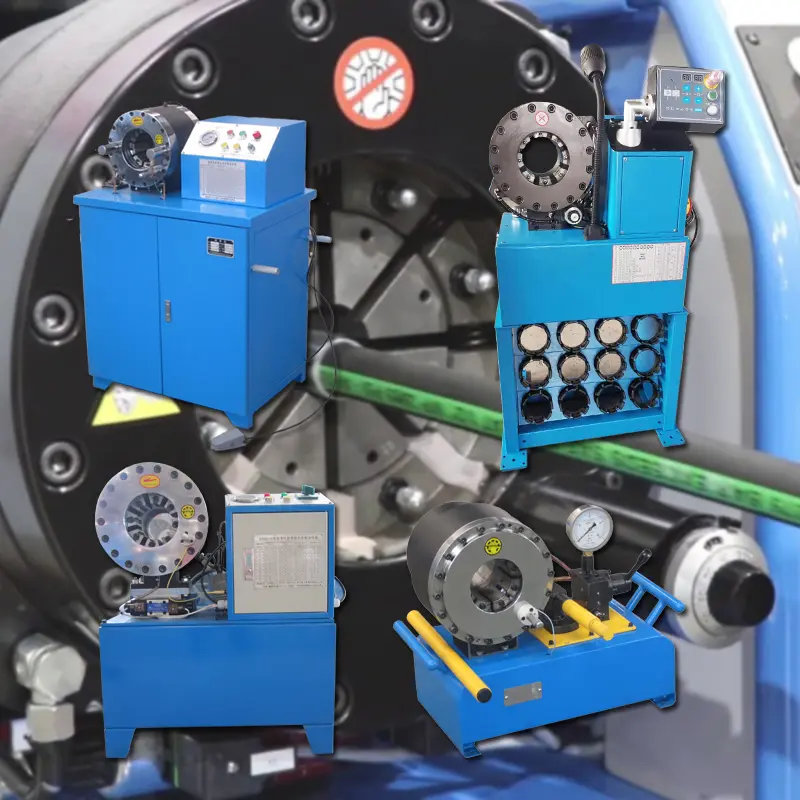
Using the correct fittings is absolutely critical for safety and performance. Incorrectly sized or incompatible fittings can lead to leaks, hose failure, and potential injury. Fittings must match the hose’s inner diameter, outer diameter, and pressure rating. Ensure the fittings are properly crimped or attached to the hose using the correct tools and procedures. Always use fittings specifically designed for hydraulic applications and avoid mixing different types of fittings. You can find compatible fittings at HydHoses.com.
Can a 3/4 inch hydraulic hose be repaired if it develops a small leak?
While minor damage might seem repairable, it's generally not recommended to repair a hydraulic hose with a leak. Hydraulic systems operate under high pressure, and even a small leak can worsen rapidly, leading to catastrophic failure. Any repair could compromise the hose’s structural integrity. The safest and most reliable course of action is to replace the damaged hose entirely. Attempting a repair can create a significant safety hazard and potentially damage other components in the system.
Product Application