

Understanding 1 4 Inch Hydraulic Hose: A Comprehensive Guide
Hydraulic hoses are critical components in various industries, from construction and agriculture to manufacturing and automotive. Among the various sizes available, the 1 4 inch hydraulic hose stands out for its versatility and widespread application. This article will delve into the features, applications, selection criteria, and maintenance of these essential hoses. We'll explore why choosing the right 1/4 inch hydraulic hose is crucial for optimal performance and safety.
Key Features of 1 4 Inch Hydraulic Hoses
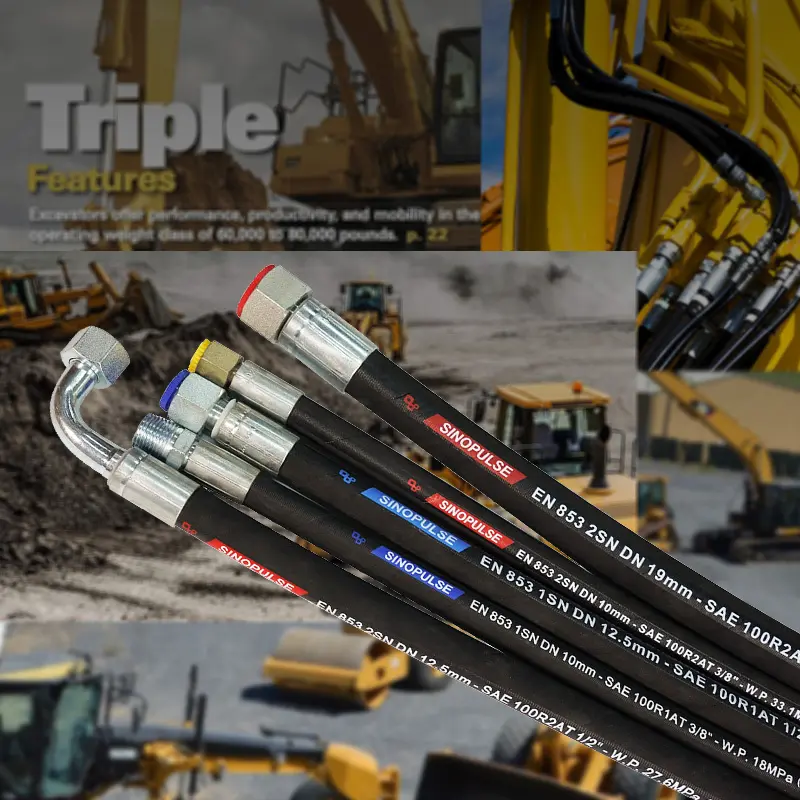
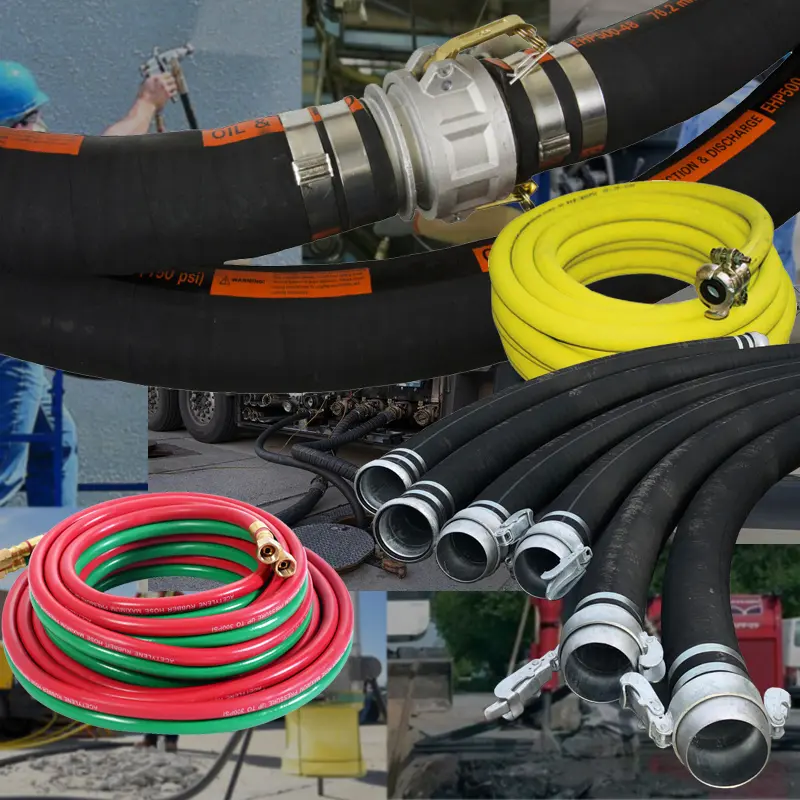
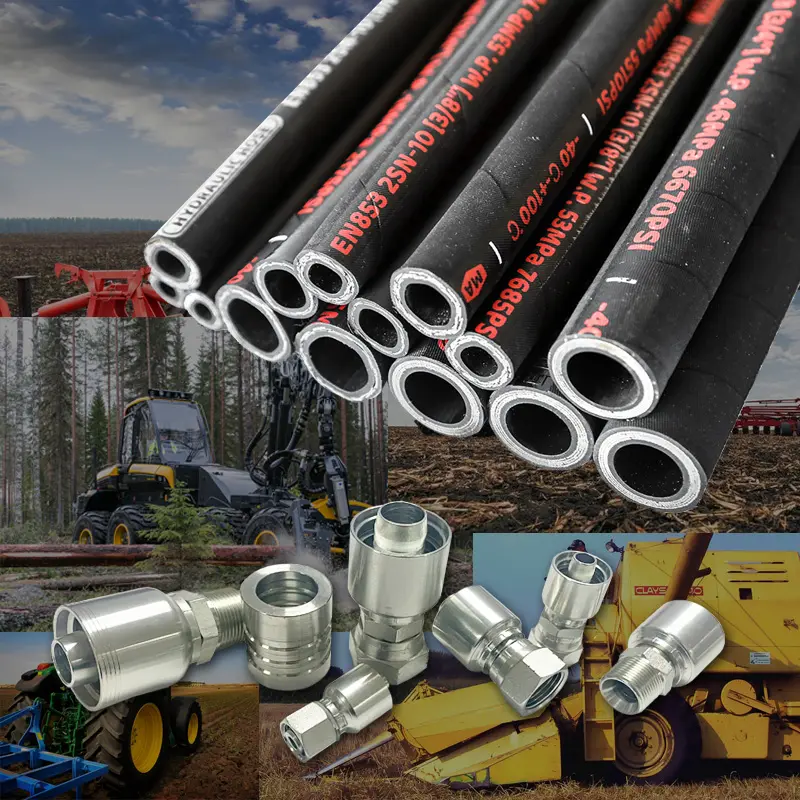
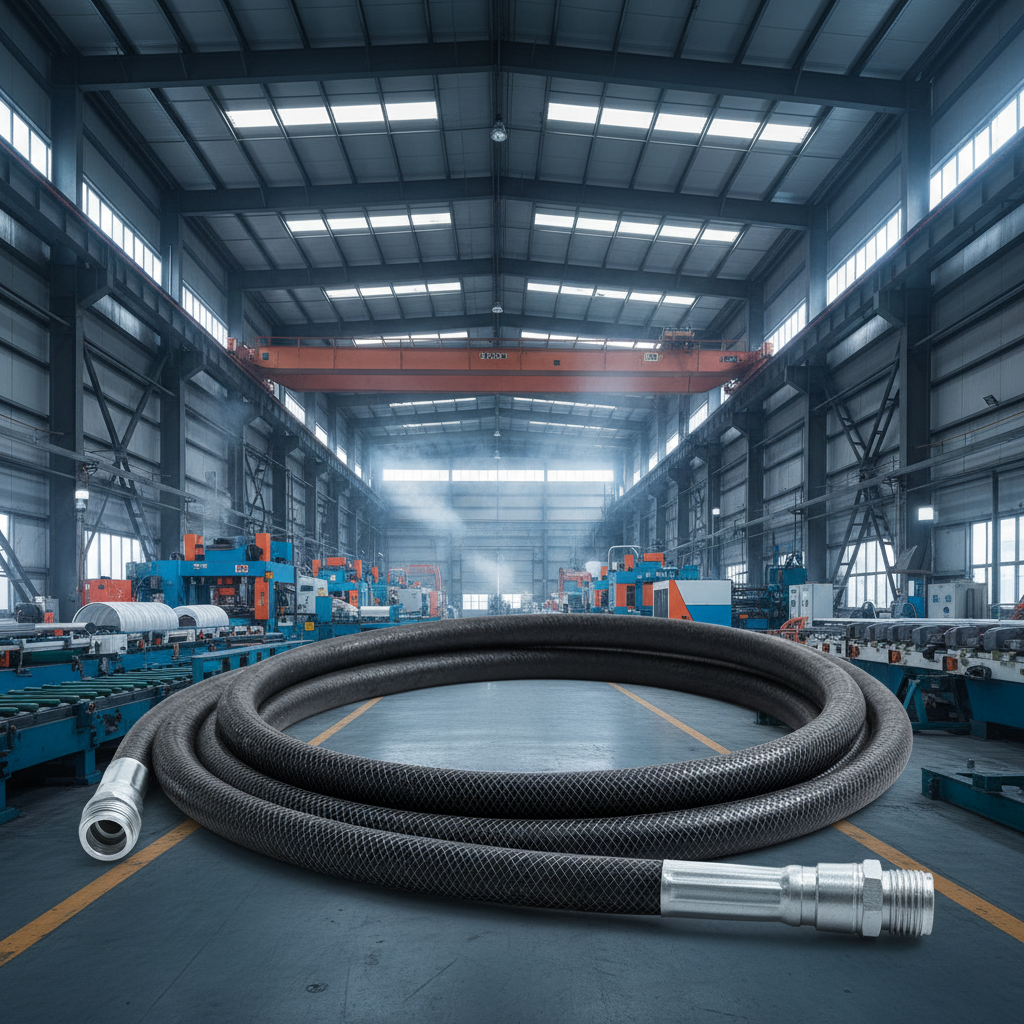
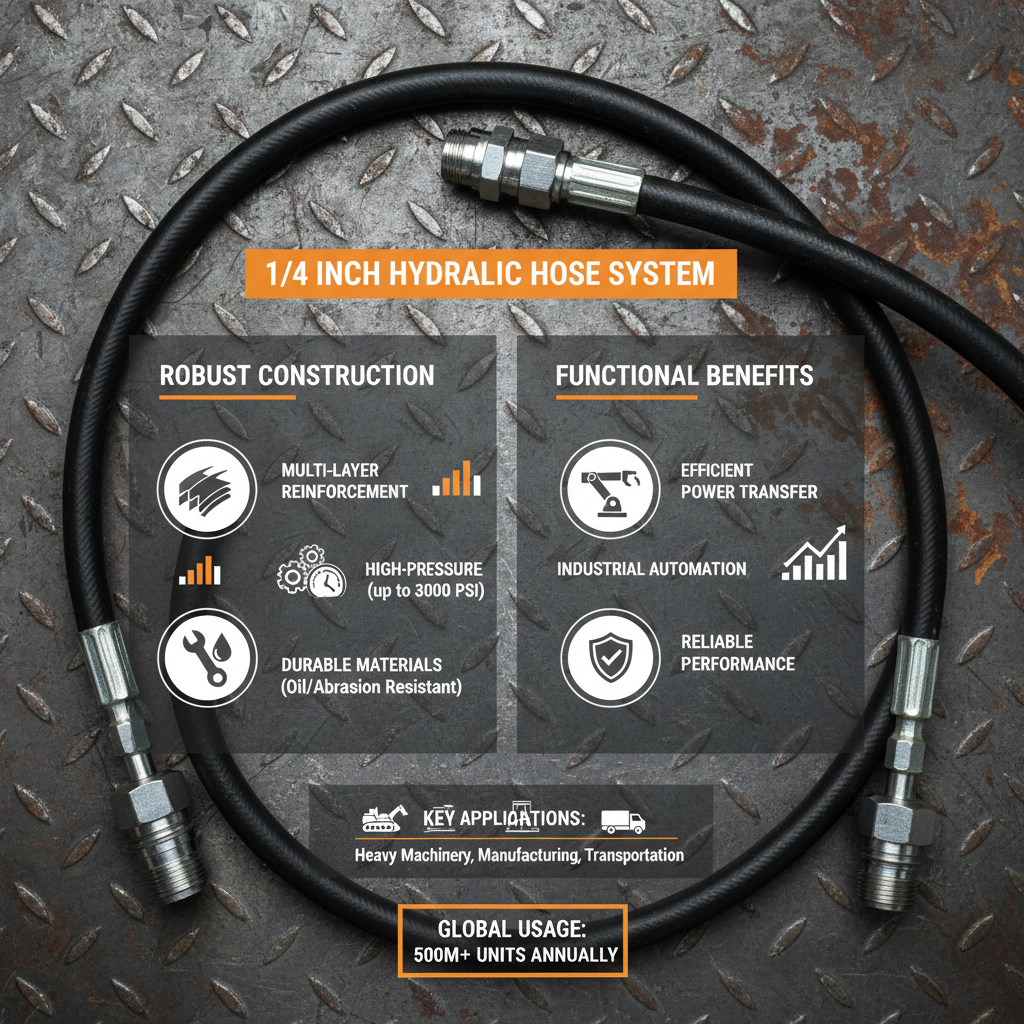
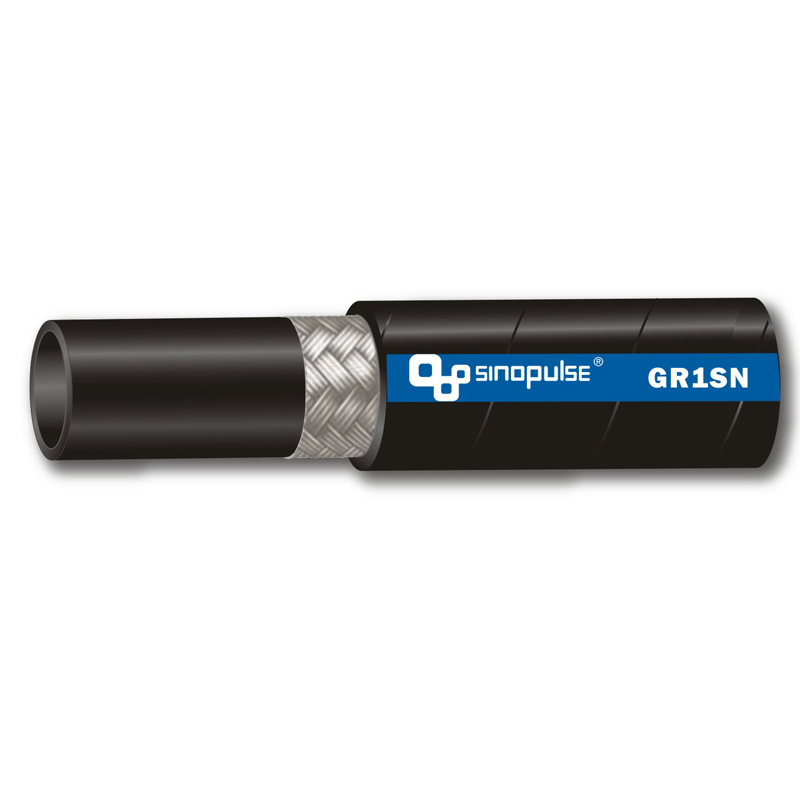
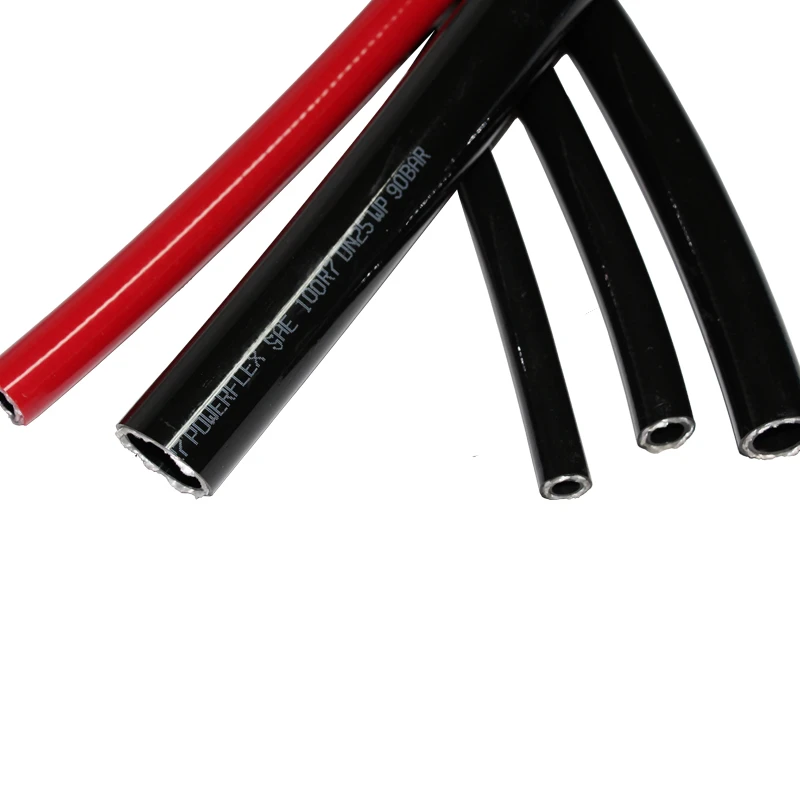
A 1/4 inch hydraulic hose, referring to its internal diameter, is a popular choice for applications requiring moderate flow rates and pressure capacity. They are typically constructed with multiple layers, including an inner tube resistant to hydraulic fluids, reinforcement layers for strength, and an outer cover for protection against abrasion and weathering. Common materials include synthetic rubber like nitrile or PVC for the inner tube, and steel wire or textile braiding for reinforcement. These hoses are designed to withstand high pressures and temperatures, ensuring reliable performance in demanding environments. The flexibility of these hoses allows for easy routing in tight spaces, making them ideal for a wide range of machinery and equipment. For more details, explore our selection at Hydhoses.com.
Key Highlights: Constructed with multiple layers for durability, offering resistance to hydraulic fluids, high pressures, and abrasive conditions. Ideal for applications demanding moderate flow rates and ease of routing.
Applications of 1 4 Inch Hydraulic Hose
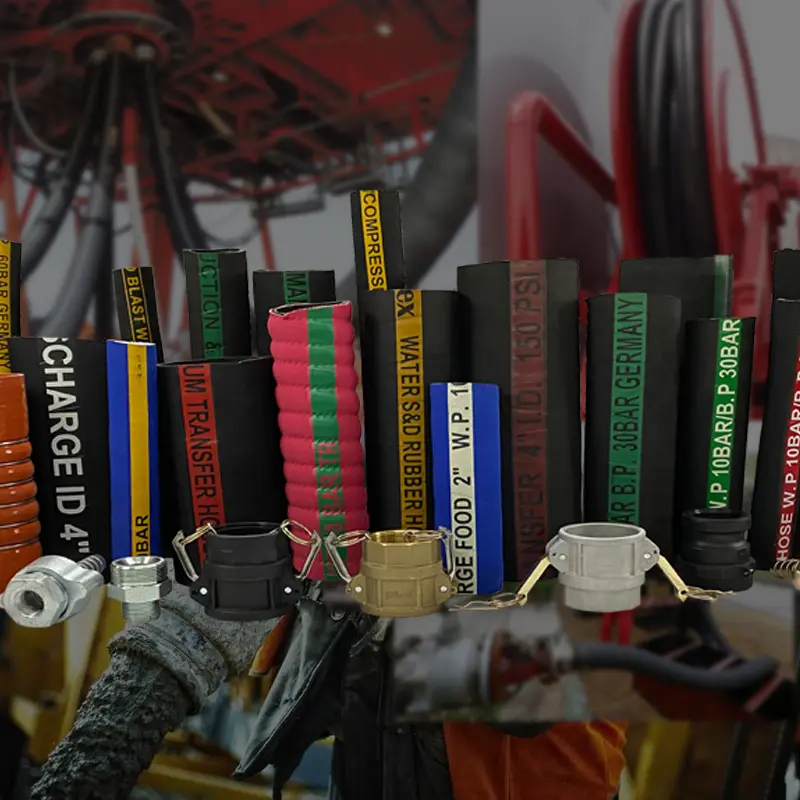
The versatility of a 1/4 inch hydraulic hose leads to its broad use across diverse industries. It’s commonly found in agricultural machinery for powering implements like loaders and backhoes. In construction, it’s essential for powering hydraulic tools such as jackhammers and compactors. Automotive repair shops utilize these hoses for hydraulic lifts and other equipment. Manufacturing plants rely on them in hydraulic presses and injection molding machines. Furthermore, they're employed in material handling equipment like forklifts and pallet jacks. The ability to transfer hydraulic fluid efficiently and reliably makes them invaluable in these applications.
Common Applications:
• Agricultural Machinery
• Construction Equipment
• Automotive Repair
• Manufacturing Plants
1/4 Inch Hydraulic Hose: Choosing the Right Type
Selecting the right 1/4 inch hydraulic hose requires considering several factors. First, determine the working pressure of your application – the hose must be rated to handle the maximum pressure. Next, consider the type of hydraulic fluid being used, as compatibility is crucial to prevent hose degradation. Reinforcement type (wire braid or spiral) affects flexibility and pressure capacity. Wire braid is generally more flexible, while spiral offers higher pressure ratings. Finally, consider the operating temperature and environmental conditions. Specialized hoses are available for extreme temperatures or exposure to chemicals. You can find a wide array of options tailored to specific needs at Hydhoses.com.
Proper Maintenance for Extended Hose Life
Regular maintenance is essential for maximizing the lifespan of your 1/4 inch hydraulic hose. Inspect hoses frequently for signs of wear and tear, such as cracks, abrasions, or leaks. Avoid sharp bends or kinks, as these can weaken the hose. Ensure that fittings are properly tightened and that there are no signs of corrosion. Clean hoses regularly to remove dirt and debris. Replace hoses immediately if any damage is detected. Following these simple maintenance steps will prevent costly downtime and ensure safe operation. For high-quality replacement hoses and fittings, visit Hydhoses.com.
Understanding Hydraulic Hose Standards and Safety
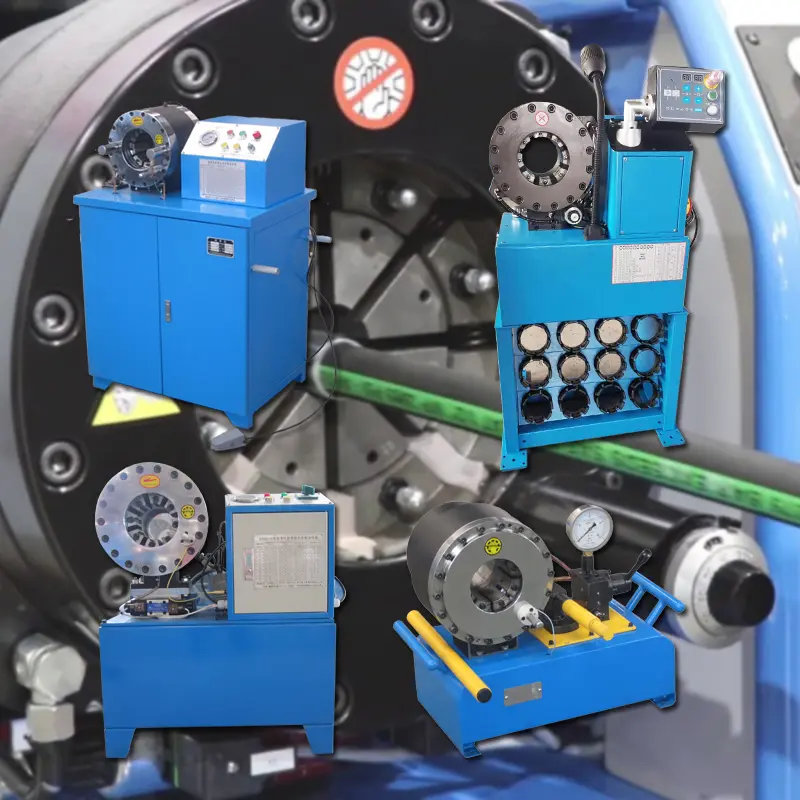
Hydraulic hoses must adhere to industry standards to ensure safety and performance. Standards like SAE J517 and ISO 6393 define specifications for hose construction, pressure ratings, and testing procedures. Always select hoses that meet these standards. Proper hose assembly is also crucial, utilizing the correct fittings and crimping techniques. Incorrect assembly can lead to hose failure and potential injury. Always follow manufacturer's recommendations for hose selection, assembly, and maintenance. Prioritizing safety is paramount when working with hydraulic systems.
Conclusion: Choosing the Right 1/4 Inch Hydraulic Hose
Selecting the appropriate 1/4 inch hydraulic hose involves considering application requirements, material compatibility, pressure ratings, and industry standards. Regular maintenance and adherence to safety guidelines are critical for maximizing hose lifespan and ensuring safe operation. By understanding these factors, you can choose a hose that delivers reliable performance and contributes to the efficiency of your hydraulic system.
Frequently Asked Questions (FAQs)
What is the maximum working pressure for a 1/4 inch hydraulic hose?
The maximum working pressure varies depending on the hose’s construction and reinforcement type. Wire-braided hoses typically have a working pressure of up to 2,000 PSI, while spiral-reinforced hoses can handle pressures exceeding 4,000 PSI. Always check the hose’s specification plate or product documentation to determine its maximum working pressure. Exceeding the rated pressure can lead to hose failure and serious injury. Choosing a hose with a safety factor appropriate for your application is crucial.
How often should I replace my 1/4 inch hydraulic hose?
The replacement frequency depends on usage and environmental conditions. A general guideline is to replace hoses every 3-5 years, even if they show no visible signs of damage. However, hoses exposed to harsh environments or used in demanding applications may need more frequent replacement. Regularly inspect hoses for cracks, abrasions, leaks, or loss of flexibility. Replace the hose immediately if any damage is detected.
What type of fluid is compatible with a standard 1/4 inch hydraulic hose?
Most standard 1/4 inch hydraulic hoses are compatible with mineral oils and petroleum-based hydraulic fluids. However, compatibility with other fluids, such as synthetic hydraulic fluids, brake fluid, or water, varies. Always check the hose manufacturer's specifications to ensure compatibility with the fluid you are using. Using an incompatible fluid can cause the hose to swell, degrade, or fail.
How do I properly store a 1/4 inch hydraulic hose?
Store hydraulic hoses in a cool, dry, and dark location, away from direct sunlight, heat sources, and chemicals. Avoid bending or kinking the hose during storage. If possible, store hoses on a reel or rack to prevent damage. Ensure the hose is clean and free of debris before storing it. Proper storage helps maintain the hose's flexibility and prolongs its lifespan.
Product Application