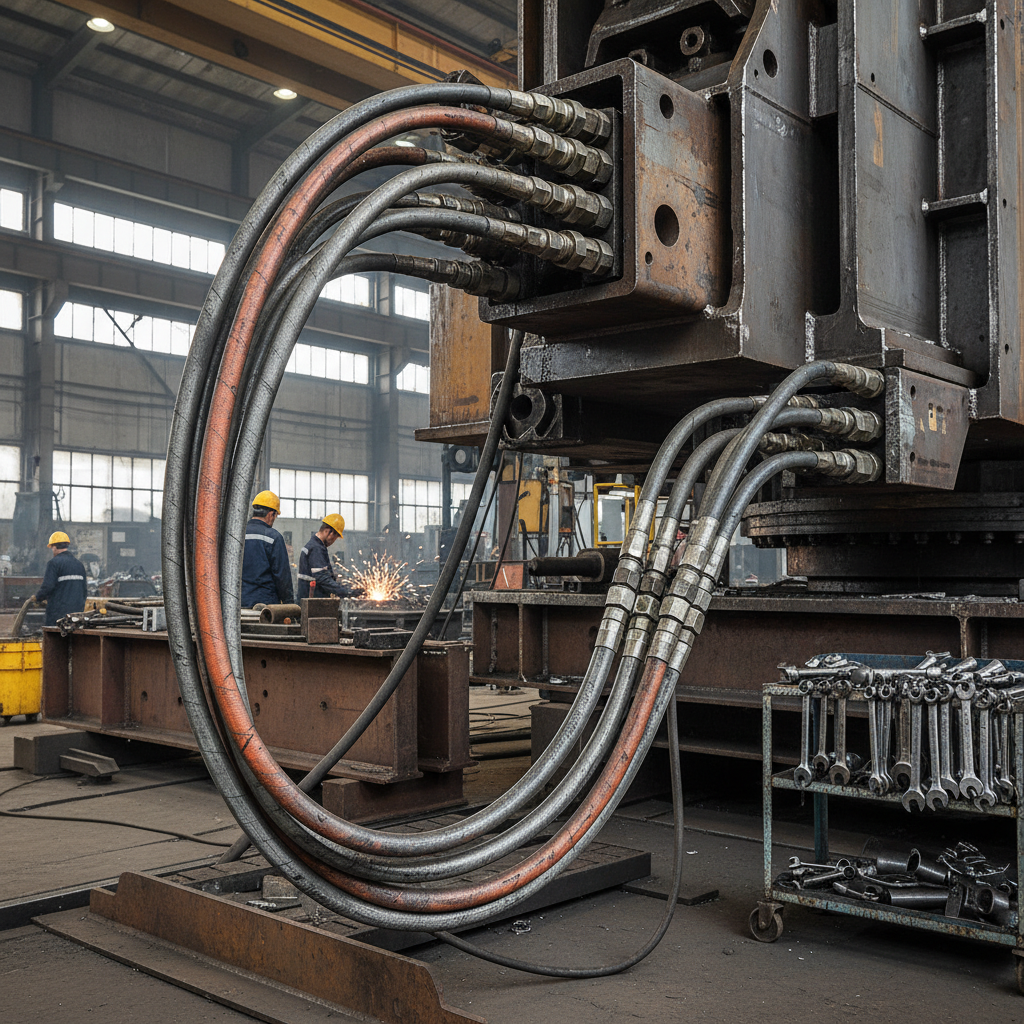
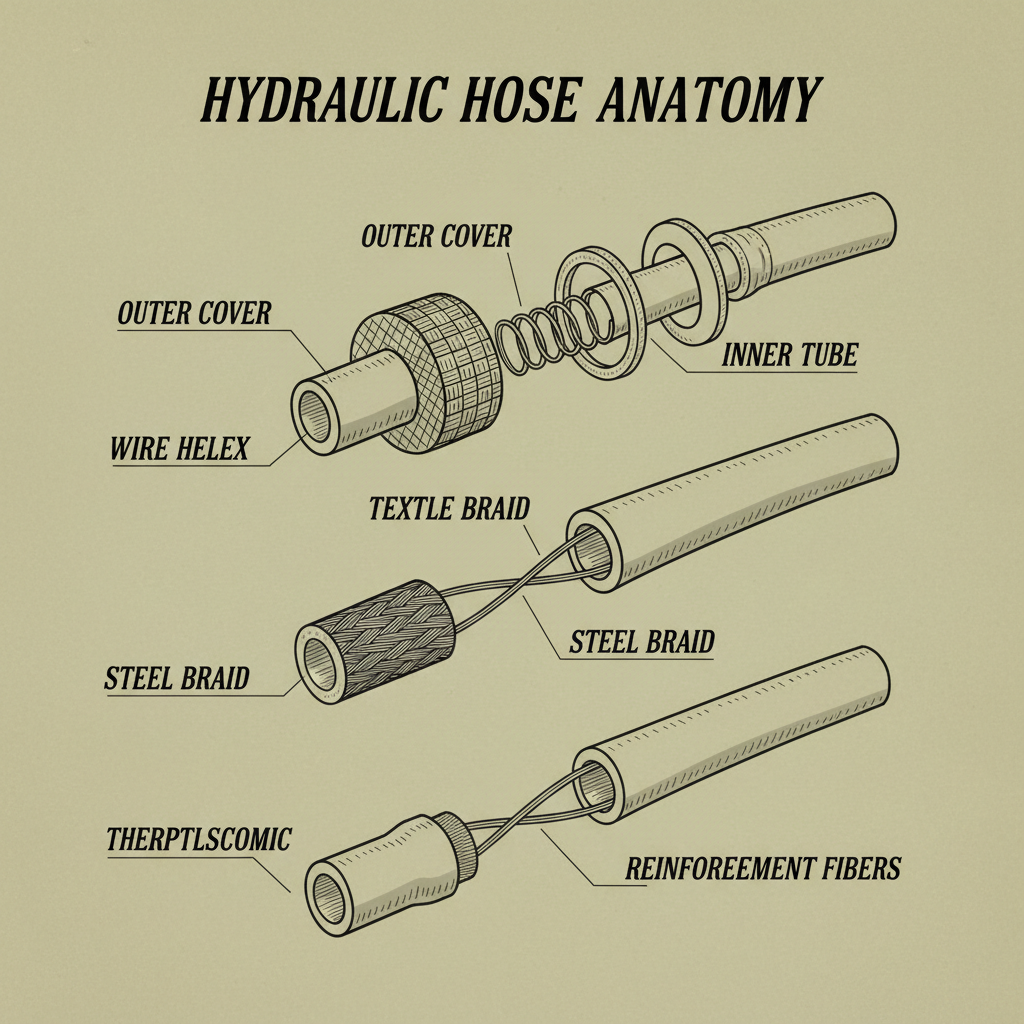
Understanding hydraulic pipe price is crucial in a world increasingly reliant on fluid power systems. From heavy machinery and industrial applications to aerospace and automotive engineering, the efficient and reliable transmission of hydraulic fluid is paramount. The cost of hydraulic piping – encompassing material, fabrication, and installation – significantly impacts project budgets and operational expenses. A thorough grasp of the factors influencing hydraulic pipe price allows for informed decision-making, optimized system design, and ultimately, reduced lifecycle costs.
The global market for hydraulic systems is substantial and continues to grow, driven by expanding industrialization and infrastructure development. According to reports, the global hydraulic equipment market was valued at over USD 14.5 billion in 2023 and is projected to reach USD 20.3 billion by 2032. This growth directly correlates to demand for hydraulic pipe, creating a complex interplay of supply, demand, and pricing dynamics. Fluctuations in raw material costs, geopolitical factors, and evolving industry standards all play a role in determining hydraulic pipe price.
Navigating this landscape requires a keen understanding of the various components that contribute to the overall cost. This understanding extends beyond simply comparing unit prices; it encompasses considerations such as pipe material, pressure rating, diameter, wall thickness, and the complexity of the fabrication process. Optimizing these factors can lead to significant savings and improved system performance. Furthermore, understanding the long-term implications of selecting different hydraulic pipe options is crucial for ensuring system longevity and minimizing maintenance costs.
Introduction to Hydraulic Pipe Price
The concept of hydraulic pipe price extends far beyond the simple cost of the material itself. It encompasses a comprehensive evaluation of the total cost of ownership, including manufacturing, transportation, installation, maintenance, and potential replacement costs. Different materials, such as carbon steel, stainless steel, and specialized alloys, each have their own inherent price points and performance characteristics. Understanding these trade-offs is vital for selecting the optimal solution for a given application.
Accurate assessment of hydraulic pipe price is particularly important in large-scale projects, where even minor cost savings per unit can translate into significant overall savings. A proactive approach to sourcing and procurement, combined with a detailed understanding of market trends, can help organizations secure competitive pricing and minimize project risks. hydraulic pipe price varies greatly depending on specification.
Defining Hydraulic Pipe Price
Hydraulic pipe price, in its simplest form, refers to the monetary value assigned to the tubing or piping used to convey hydraulic fluid within a system. However, a comprehensive definition must include not only the cost of the pipe itself but also associated expenses. These include the cost of fittings, connectors, seals, and any necessary coatings or treatments to enhance corrosion resistance or durability. The labor cost for cutting, bending, welding, and installing the pipe must also be factored in.
This price is deeply intertwined with modern industry. Hydraulic systems are the backbone of numerous sectors, from construction and manufacturing to agriculture and transportation. Efficient and affordable hydraulic piping is essential for the smooth operation of these industries. Reliable hydraulic systems contribute to increased productivity, reduced downtime, and improved safety.
Furthermore, the concept of hydraulic pipe price is also relevant to humanitarian needs. In disaster relief situations, hydraulic equipment is often used for critical tasks such as debris removal, search and rescue, and infrastructure repair. The availability of affordable and durable hydraulic piping can significantly improve the effectiveness of these relief efforts.
Key Factors Influencing Hydraulic Pipe Price
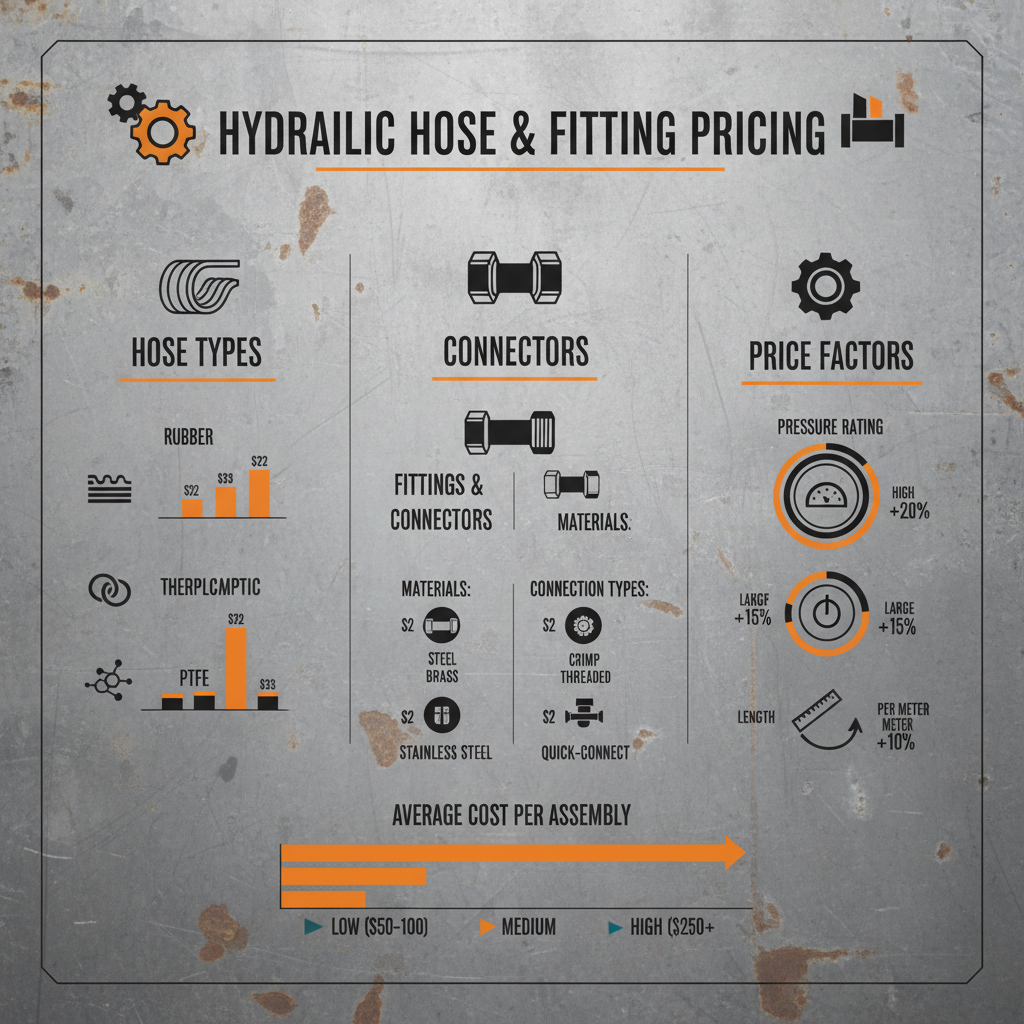
Several key factors directly impact hydraulic pipe price. The material composition is paramount; stainless steel, known for its corrosion resistance, commands a higher price than carbon steel. Pipe dimensions, including diameter and wall thickness, also contribute significantly – larger diameters and thicker walls necessitate more material and increase fabrication costs. The pressure rating required for the application is another critical factor, as higher pressure ratings demand stronger, more expensive materials and manufacturing processes.
Manufacturing techniques also play a crucial role. Seamless pipes, created through extrusion processes, are typically more expensive than welded pipes, due to the higher manufacturing costs. The complexity of the fabrication process, including bending, flanging, and welding, further impacts the final price. Supply chain dynamics, including raw material availability and transportation costs, can also introduce significant fluctuations in pricing. hydraulic pipe price is often negotiated based on volume.
Finally, certification and compliance requirements, such as those mandated by ISO standards or industry-specific regulations, can add to the overall cost. Meeting these standards requires rigorous testing and quality control procedures, which necessitate investment in specialized equipment and personnel. The sourcing location also impacts price; pipes manufactured in regions with lower labor costs may be more affordable.
Global Applications of Hydraulic Piping
Hydraulic piping finds applications across a vast spectrum of industries globally. In the construction sector, it’s essential for powering excavators, bulldozers, cranes, and other heavy machinery. The automotive industry relies heavily on hydraulic systems for power steering, braking systems, and suspension components. Aerospace applications utilize hydraulic piping for flight control surfaces, landing gear, and engine actuators.
The manufacturing sector leverages hydraulic systems for powering presses, injection molding machines, and robotic arms. In agriculture, hydraulic piping is integral to tractors, harvesters, and irrigation systems. Even in marine applications, hydraulic systems are employed for steering, anchoring, and cargo handling.
These applications span diverse geographical regions. In rapidly industrializing nations like China and India, the demand for hydraulic piping is soaring alongside infrastructure development. In established economies like the United States and Germany, hydraulic systems remain critical for maintaining productivity and efficiency in manufacturing and construction. In remote industrial zones like those in Australia and Canada, durable and reliable hydraulic piping is vital for supporting resource extraction and processing.
Comparison of hydraulic pipe price by Material
Advantages and Long-Term Value
Selecting the right hydraulic piping provides numerous tangible benefits. Cost efficiency is a primary advantage, as optimizing material selection and fabrication processes can significantly reduce project expenses. Sustainability is another key benefit, particularly with the increasing availability of eco-friendly materials and manufacturing techniques. A durable hydraulic system minimizes downtime and extends the lifespan of equipment, reducing maintenance costs and improving overall productivity.
Beyond the purely economic considerations, hydraulic piping contributes to safety and reliability. Properly designed and installed hydraulic systems are less prone to leaks and failures, minimizing the risk of accidents and ensuring consistent performance. The enhanced efficiency and precision offered by hydraulic systems foster innovation and contribute to increased operational effectiveness, building trust and fostering a reputation for quality.
Future Trends in Hydraulic Pipe Technology
The future of hydraulic pipe technology is poised for significant advancements. The development of new materials, such as advanced polymers and composites, promises to deliver lighter, more durable, and corrosion-resistant piping solutions. Digital technologies, including sensors and data analytics, are being integrated into hydraulic systems to monitor performance, detect potential problems, and optimize maintenance schedules.
Automation and robotic manufacturing processes are streamlining the fabrication of hydraulic piping, reducing costs and improving precision. Furthermore, the increasing focus on sustainability is driving the development of eco-friendly hydraulic fluids and manufacturing practices. These innovations will contribute to more efficient, reliable, and environmentally responsible hydraulic systems.
Challenges and Solutions in Hydraulic Pipe Procurement
Despite advancements in technology, several challenges remain in hydraulic pipe procurement. Supply chain disruptions, fluctuating raw material costs, and the increasing complexity of hydraulic systems can all create difficulties. Ensuring compliance with evolving industry standards and regulations can also be a significant hurdle.
To overcome these challenges, organizations should adopt a proactive approach to sourcing and procurement. Diversifying suppliers, establishing long-term contracts, and investing in robust supply chain management systems can mitigate risks. Collaborating with experienced hydraulic system integrators can help ensure that the correct piping solutions are selected and installed.
Furthermore, embracing digital technologies and data analytics can provide valuable insights into market trends and pricing dynamics, enabling more informed decision-making. Staying abreast of the latest industry standards and regulations is also crucial for ensuring compliance and avoiding costly rework.
Summary of Challenges and Solutions Regarding Hydraulic Pipe Procurement
| Challenge |
Impact on Hydraulic Pipe Price |
Proposed Solution |
Expected Cost Reduction (%) |
| Supply Chain Disruptions |
Increased lead times & higher prices |
Diversify suppliers & build strategic partnerships |
5-10% |
| Raw Material Price Volatility |
Unpredictable hydraulic pipe price fluctuations |
Long-term contracts & hedging strategies |
3-7% |
| Complex System Requirements |
Custom fabrication & specialized materials |
Early collaboration with system integrators |
2-5% |
| Regulatory Compliance Costs |
Increased testing & certification expenses |
Partner with certified manufacturers |
1-3% |
| Lack of Market Transparency |
Difficulty in obtaining competitive quotes |
Utilize online sourcing platforms & RFQ tools |
2-4% |
| Inadequate Quality Control |
Increased failure rates & maintenance costs |
Implement rigorous inspection & testing procedures |
4-8% |
FAQS
Several factors heavily influence hydraulic pipe price. These include the material type (carbon steel, stainless steel, etc.), pipe dimensions (diameter, wall thickness), pressure rating requirements, manufacturing processes (seamless vs. welded), and transportation costs. Current market conditions and supply chain dynamics also play a crucial role in determining the final price. Understanding these variables is vital for effective cost management.
Material selection has a direct and substantial impact on hydraulic pipe price. Stainless steel, offering superior corrosion resistance, is typically more expensive than carbon steel. Specialized alloys, designed for extreme temperatures or pressures, carry even higher costs. The chosen material must balance performance requirements with budgetary constraints. For applications where corrosion is a major concern, investing in a more expensive, corrosion-resistant material can ultimately save money by reducing maintenance and replacement costs.
Seamless hydraulic pipe is generally more expensive than welded pipe due to the more complex manufacturing process. Seamless pipes are created through extrusion, resulting in a smoother internal surface and superior strength. Welded pipes, on the other hand, are made by joining sections of steel, which can introduce potential weak points. However, modern welding techniques have significantly improved the reliability of welded pipes, making them a cost-effective option for many applications.
Several strategies can help reduce hydraulic piping costs. These include optimizing pipe dimensions to minimize material usage, selecting the appropriate material for the application, negotiating favorable pricing with suppliers, and streamlining the fabrication process. Working with an experienced hydraulic system integrator can also help identify potential cost savings. Consider using standardized components and exploring alternative materials where appropriate.
Fittings and connectors represent a significant portion of the overall cost of a hydraulic piping system. The type of fitting, its material, and its pressure rating all influence the price. Choosing the right fittings is crucial for ensuring a leak-free and reliable connection. It’s often wise to invest in high-quality fittings, as they can prevent costly failures and downtime. Consider using quick-disconnect fittings to reduce assembly time and maintenance effort.
Certifications, such as those from ISO or industry-specific bodies, often increase hydraulic pipe price due to the associated testing, quality control, and documentation requirements. However, these certifications provide assurance of product quality, reliability, and compliance with safety standards. While they add to the upfront cost, they can prevent costly failures and ensure long-term system performance, making them a worthwhile investment in many cases.
Conclusion
In conclusion, understanding hydraulic pipe price is not merely about identifying the lowest unit cost. It's about a holistic assessment that encompasses material selection, manufacturing processes, application requirements, and long-term operational considerations. By carefully evaluating these factors, organizations can optimize their hydraulic systems for cost-effectiveness, reliability, and sustainability. hydraulic pipe price optimization leads to project success.
Looking ahead, embracing innovation and staying informed about emerging trends in hydraulic technology will be crucial for maintaining a competitive edge. Investing in advanced materials, digital technologies, and skilled personnel will enable organizations to build more efficient, resilient, and environmentally responsible hydraulic systems. We encourage you to explore our range of hydraulic solutions and contact us for expert advice on selecting the right piping for your specific needs. Visit our website: www.hydhoses.com.

 Call Us+86-158-0331-9351
 Emailcarrie@sinopulse.cn
 AddressHandan City, Hebei , China