Understanding the hydraulic hose price per metre is crucial for industries reliant on fluid power, impacting operational costs, safety, and overall efficiency. From construction and agriculture to manufacturing and aerospace, the cost of these essential components significantly influences project budgets and maintenance schedules. Globally, the demand for hydraulic systems continues to rise alongside industrial growth, making accurate cost assessment and optimization of hydraulic hose expenditure increasingly important. This understanding empowers informed decision-making, reducing downtime and maximizing return on investment.
The hydraulic hose market is a substantial segment of the broader fluid power industry, valued at billions of dollars annually. Reports from organizations like the International Fluid Power Society (IFPS) highlight a consistent demand driven by infrastructural projects and equipment upgrades. Fluctuations in raw material prices (rubber, steel, polymers) and energy costs directly affect the hydraulic hose price per metre, creating a dynamic pricing landscape. Companies must navigate these challenges to secure competitive rates and reliable supply chains.
Addressing the challenge of unpredictable costs and ensuring the longevity of hydraulic systems necessitates a comprehensive understanding of the factors influencing hydraulic hose price per metre. This knowledge is not just beneficial for procurement teams, but also for engineers designing systems and technicians performing maintenance. Proactive planning and strategic sourcing are key to minimizing expenses and maintaining operational integrity.
Introduction: Global or Industry Context
The global demand for hydraulic systems, and consequently, hydraulic hoses, is deeply intertwined with industrial output and infrastructure development. Emerging economies, particularly in Asia and South America, are experiencing significant growth in construction, mining, and manufacturing, driving increased consumption. The hydraulic hose price per metre is a critical factor in project costing for these industries.
Factors like geopolitical stability, trade regulations, and raw material availability significantly impact the hydraulic hose price per metre. Supply chain disruptions, such as those experienced during the COVID-19 pandemic, demonstrated the vulnerability of relying on single-source suppliers and highlighted the importance of diversified sourcing strategies. Understanding these influences is paramount for businesses operating in the hydraulic hose market.
Definition & Meaning
The hydraulic hose price per metre refers to the cost of a single meter (or foot, depending on the region) of hydraulic hose, encompassing the base material, reinforcement layers, fittings, and manufacturing processes. It's a fundamental unit of cost for any application requiring fluid transfer under pressure, serving as a basis for budgeting and project estimation.
This metric isn’t simply a product cost; it’s an indicator of overall system reliability and performance. A cheaper hose per metre might seem appealing initially, but it could compromise durability and safety, leading to more frequent replacements and potential system failures. This definition underlines the importance of considering total cost of ownership rather than solely focusing on the initial purchase price.
The concept connects directly to modern industrial needs by enabling efficient fluid power transfer in a wide array of applications. From controlling heavy machinery in construction to powering robotic arms in automated factories, and providing crucial functionality in agricultural equipment, a reliable and cost-effective hydraulic hose is indispensable.
Key Factors or Core Components
Durability: A hose's resistance to abrasion, temperature extremes, and chemical exposure significantly impacts its lifespan and, consequently, the long-term hydraulic hose price per metre when considering replacements. High-quality materials and robust construction contribute to increased durability.
Pressure Rating: The maximum pressure a hose can safely withstand directly influences its application suitability and price. Higher pressure ratings require stronger materials and more complex manufacturing, increasing the hydraulic hose price per metre.
Material Composition: The type of rubber, reinforcement layers (steel wire, textile braid), and outer cover material all affect both the performance and cost of the hose. Specialty materials designed for specific environments (e.g., oil resistance, extreme temperatures) will increase the hydraulic hose price per metre.
Global Applications & Use Cases
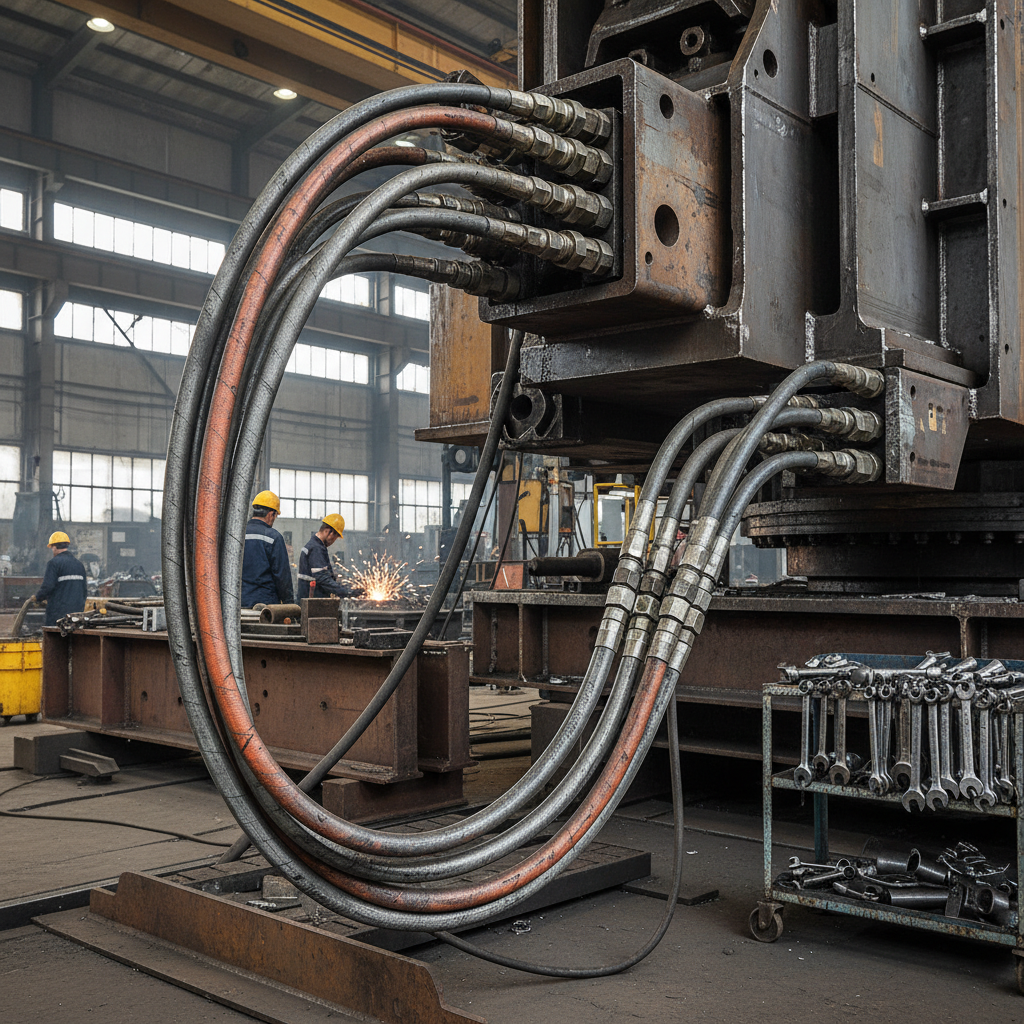
Hydraulic hoses are integral to the operation of construction equipment worldwide, from excavators and bulldozers to cranes and loaders. In regions undergoing rapid urbanization, like parts of Asia and Africa, demand for durable and reliable hoses is particularly high. The hydraulic hose price per metre is a key consideration for large-scale infrastructure projects.
The agricultural sector relies heavily on hydraulic systems for tractors, harvesters, and irrigation equipment. In North and South America, large-scale farming operations require significant quantities of hydraulic hoses, driving demand and influencing price fluctuations. The need for robust hoses capable of withstanding harsh environmental conditions is paramount.
In remote industrial zones, like oil and gas facilities in Siberia or mining operations in Australia, the cost of transporting and replacing hydraulic hoses can be substantial. Therefore, selecting high-quality, long-lasting hoses is crucial, justifying a potentially higher hydraulic hose price per metre to minimize downtime and maintenance expenses.
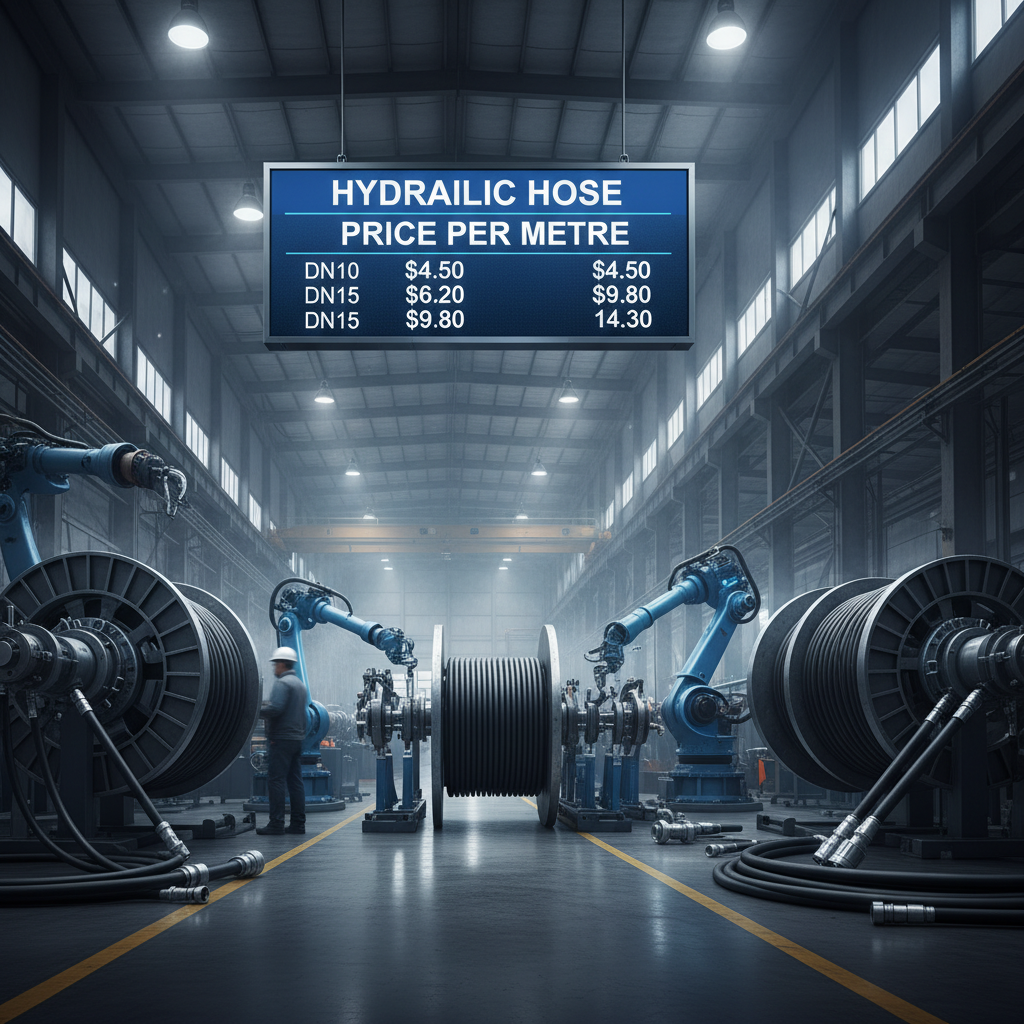
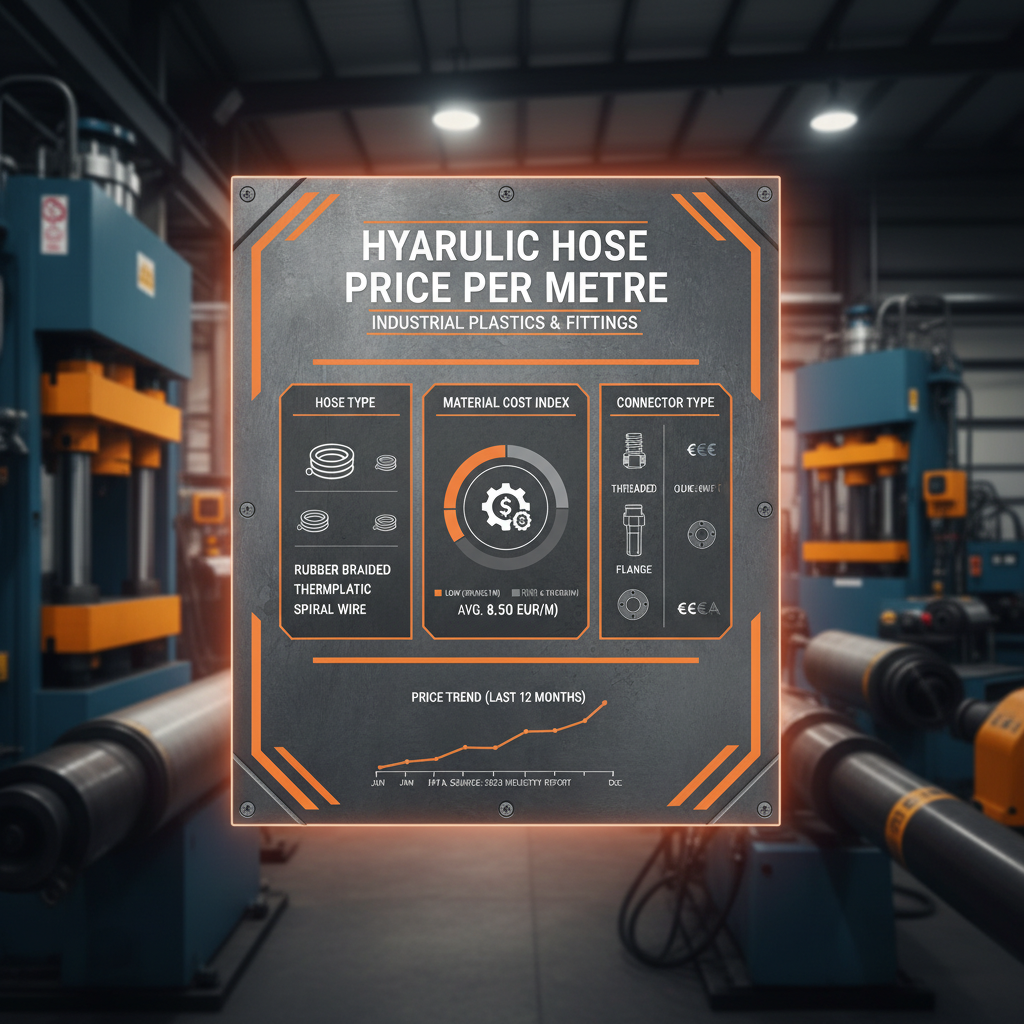
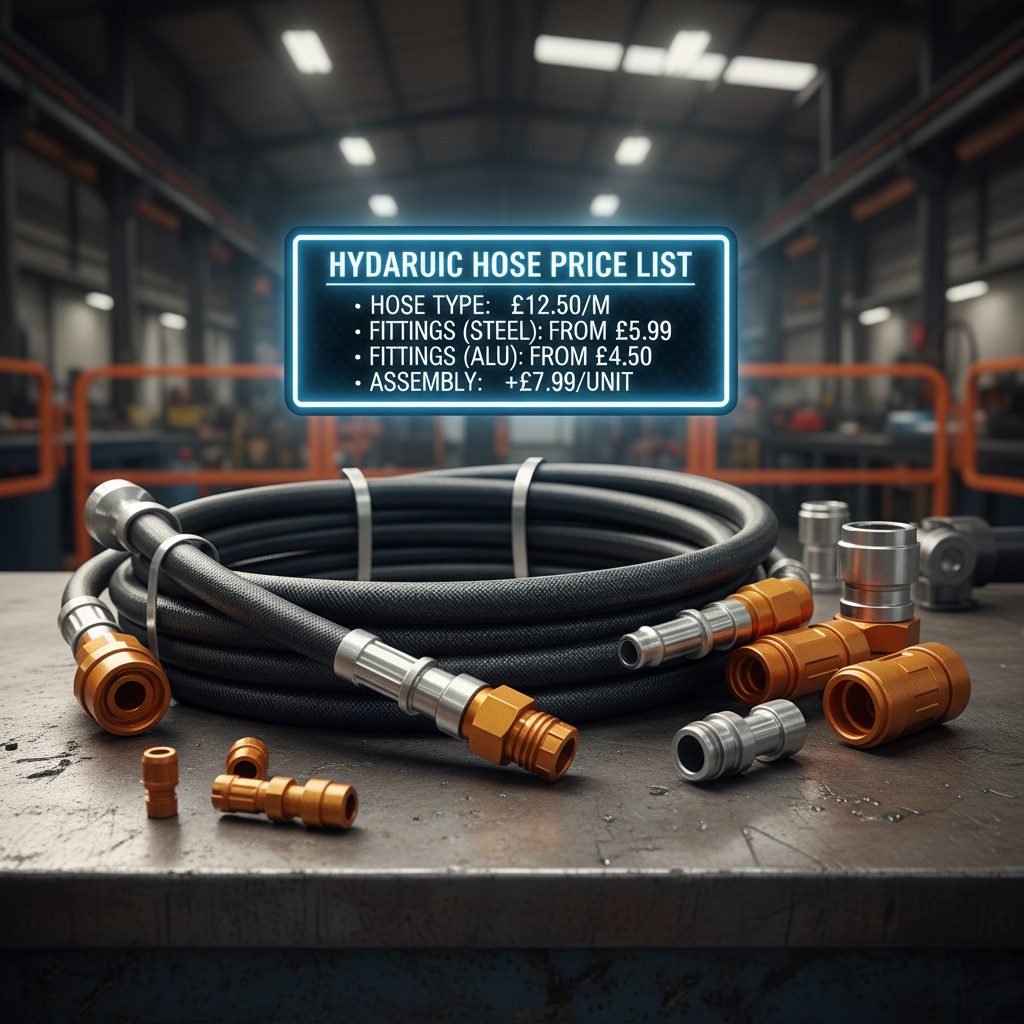
Average Hydraulic Hose Price per Metre by Type
Advantages & Long-Term Value
Investing in higher-quality hydraulic hoses, even if they have a higher initial hydraulic hose price per metre, often translates to significant cost savings over time. Reduced downtime due to fewer failures, lower maintenance requirements, and extended service life all contribute to a lower total cost of ownership.
Reliable hydraulic hoses enhance safety by minimizing the risk of leaks and catastrophic failures. A failure in a hydraulic system can lead to equipment damage, injuries, and even fatalities, making safety a paramount consideration. Choosing hoses with appropriate pressure ratings and durable construction demonstrates a commitment to operator safety and responsible operations.
Future Trends & Innovations
The development of new materials, such as advanced polymers and composite reinforcements, is poised to reshape the hydraulic hose market. These materials offer increased durability, reduced weight, and improved resistance to harsh environments, potentially lowering the long-term hydraulic hose price per metre through extended lifespan.
Digital technologies, including sensor integration and predictive maintenance, are emerging as key trends. Smart hoses equipped with sensors can monitor pressure, temperature, and wear, providing valuable data for optimizing maintenance schedules and preventing failures. This proactive approach will further reduce the overall cost of operation.
Challenges & Solutions
One of the primary challenges is the fluctuating cost of raw materials, particularly rubber and steel. Establishing long-term contracts with suppliers and exploring alternative materials can help mitigate price volatility. Diversifying sourcing is also a crucial strategy.
Ensuring consistent quality control across different manufacturers and regions is another significant hurdle. Implementing rigorous testing procedures and adhering to international standards (e.g., ISO standards) are essential for maintaining product reliability and minimizing the risk of premature failures.
Addressing the environmental impact of hydraulic hose production and disposal is gaining prominence. Developing sustainable materials and promoting recycling initiatives are crucial steps toward a more environmentally responsible industry.
Summary of Key Challenges & Potential Solutions for Hydraulic Hose Price per Metre
| Challenge |
Impact on Price |
Potential Solution |
Implementation Difficulty (1-10) |
| Raw Material Price Volatility |
Directly increases hydraulic hose price per metre |
Long-term supplier contracts, alternative materials |
6 |
| Quality Control Inconsistencies |
Leads to premature failure, increasing replacement costs |
ISO certification, rigorous testing |
7 |
| Supply Chain Disruptions |
Increased lead times and inflated hydraulic hose price per metre |
Diversified sourcing, strategic inventory |
5 |
| Environmental Concerns (Production) |
Potential for increased regulations and costs |
Sustainable materials, eco-friendly processes |
8 |
| Lack of Standardization |
Difficulty comparing prices and performance |
Industry-wide adoption of common standards |
9 |
| Limited Transparency in Pricing |
Difficulty in negotiating optimal hydraulic hose price per metre |
Online marketplaces, increased competition |
4 |
FAQS
Several key factors influence the hydraulic hose price per metre. These include the materials used (rubber, steel, polymers), the hose’s pressure rating, the manufacturing complexity, the diameter and length of the hose, and current market conditions surrounding raw material costs. Demand, supplier competition, and geographic location also play a role.
When comparing pricing, don't focus solely on the hydraulic hose price per metre. Consider the hose’s specifications – pressure rating, material composition, and reinforcement type. Also, assess the supplier’s reputation, lead times, and warranty offerings. Evaluate the total cost of ownership, including potential maintenance and replacement expenses.
The lifespan of a hydraulic hose varies greatly depending on its application, operating conditions, and quality. Generally, hoses can last anywhere from 2 to 10 years. A shorter lifespan directly increases the overall cost due to more frequent replacements. Investing in higher-quality hoses with increased durability can significantly reduce long-term expenses.
Yes, several emerging technologies hold promise. Advanced materials like thermoplastic composites and smart hose technology – incorporating sensors for condition monitoring – could extend hose life and reduce downtime. Predictive maintenance based on sensor data can optimize replacement schedules and minimize unplanned failures, ultimately lowering the cost.
Hose fittings are a critical component, and their quality significantly impacts both price and performance. Inferior fittings can lead to leaks, premature failure, and even catastrophic system malfunctions. Investing in high-quality, compatible fittings is essential, even if it slightly increases the initial cost, as it ensures a reliable and safe operation.
Environmental factors play a key role in hose selection and, therefore, price. Hoses operating in extreme temperatures, corrosive environments, or exposed to abrasion require specialized materials and construction, increasing the hydraulic hose price per metre. Choosing the right hose for the specific application is crucial for longevity and cost-effectiveness.
Conclusion
Understanding the hydraulic hose price per metre is far more than just knowing the cost of a component. It requires a holistic view encompassing material science, application-specific requirements, and long-term operational costs. By carefully considering these factors, businesses can optimize their hydraulic system performance, enhance safety, and maximize their return on investment.
Looking ahead, continued innovation in materials, sensor technology, and sustainable manufacturing practices will drive further improvements in hydraulic hose durability, reliability, and cost-effectiveness. Proactive investment in these advancements and a commitment to best practices will be essential for maintaining a competitive edge in the evolving fluid power industry. For competitive pricing and a wide selection, visit our website: www.hydhoses.com

 Call Us+86-158-0331-9351
 Emailcarrie@sinopulse.cn
 AddressHandan City, Hebei , China