The hydraulic hose manufacturing process is a critical component of countless industries, underpinning the functionality of heavy machinery across construction, agriculture, manufacturing, and more. Understanding this process, from material selection to quality control, is vital for ensuring safety, reliability, and optimal performance of hydraulic systems. The demand for durable and efficient hydraulic hoses continues to grow alongside industrial expansion, particularly in emerging economies. The sophistication of this manufacturing process is constantly evolving to meet stringent requirements and innovative applications.
Globally, the hydraulic hose market is a multi-billion dollar industry, driven by the continuous need for fluid conveyance solutions in a wide array of applications. According to industry reports, the market is expected to see consistent growth in the coming years, fueled by infrastructure development, increasing automation, and a rising demand for efficient power transmission. Meeting these demands requires ongoing advancements in the hydraulic hose manufacturing process, focusing on both cost-effectiveness and environmental sustainability.
The significance of a refined hydraulic hose manufacturing process extends beyond economic considerations; it directly impacts safety and operational efficiency across various sectors. A failure in a hydraulic hose can lead to costly downtime, environmental hazards, and even pose a risk to human life. Therefore, consistent quality control and adherence to industry standards are paramount, emphasizing the importance of comprehending the intricacies of the manufacturing stages.
Introduction to the hydraulic hose manufacturing process
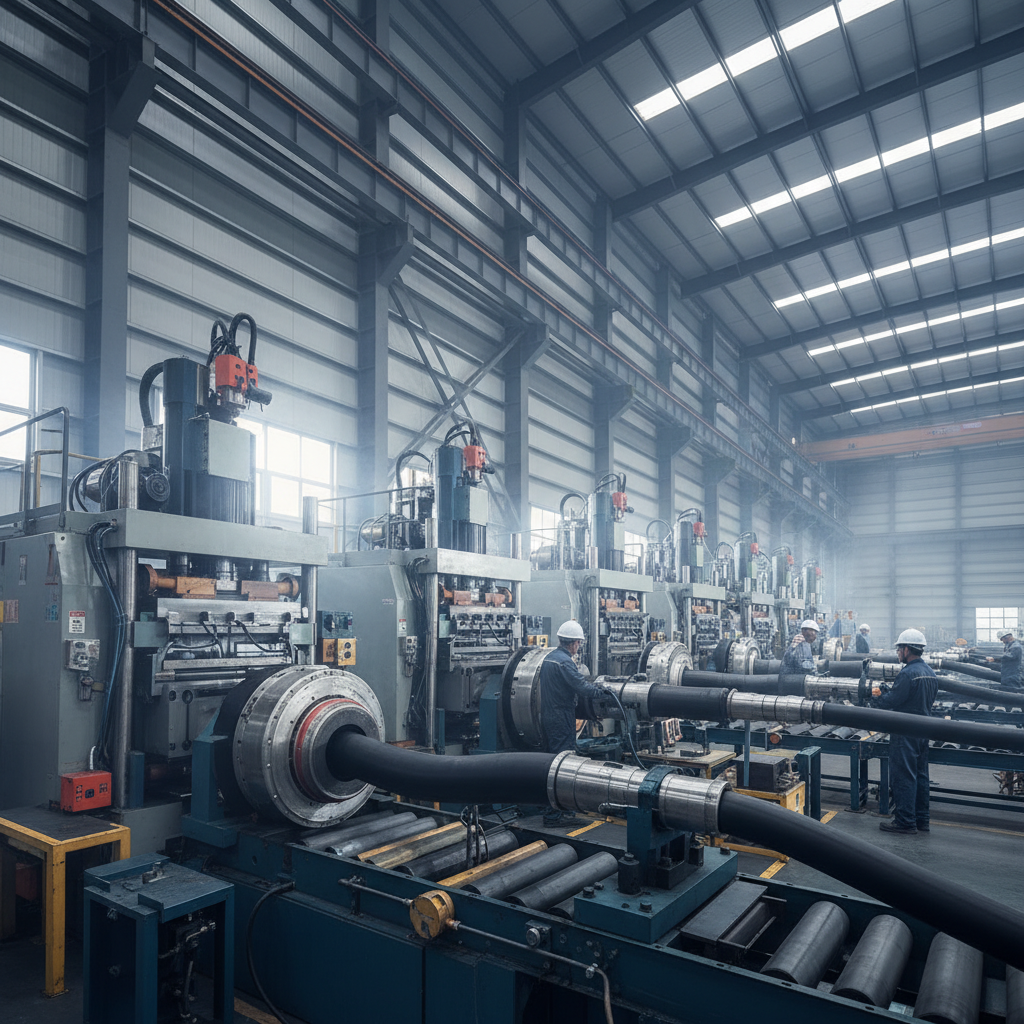
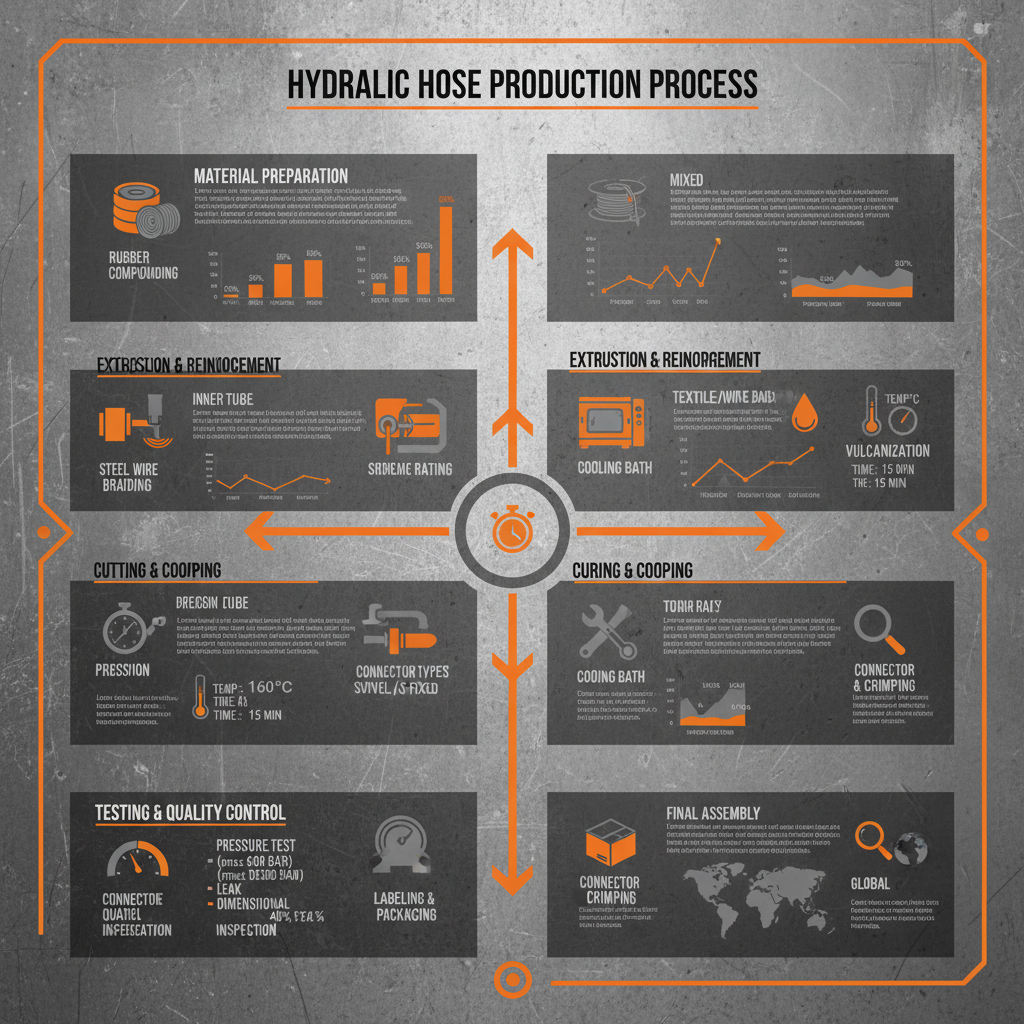
The hydraulic hose manufacturing process encompasses a series of carefully orchestrated steps designed to produce hoses capable of withstanding extreme pressures, temperatures, and environmental conditions. It’s a multi-faceted endeavor involving material science, engineering precision, and stringent quality assurance. The final product must meet specific performance criteria dictated by industry standards and the intended application.
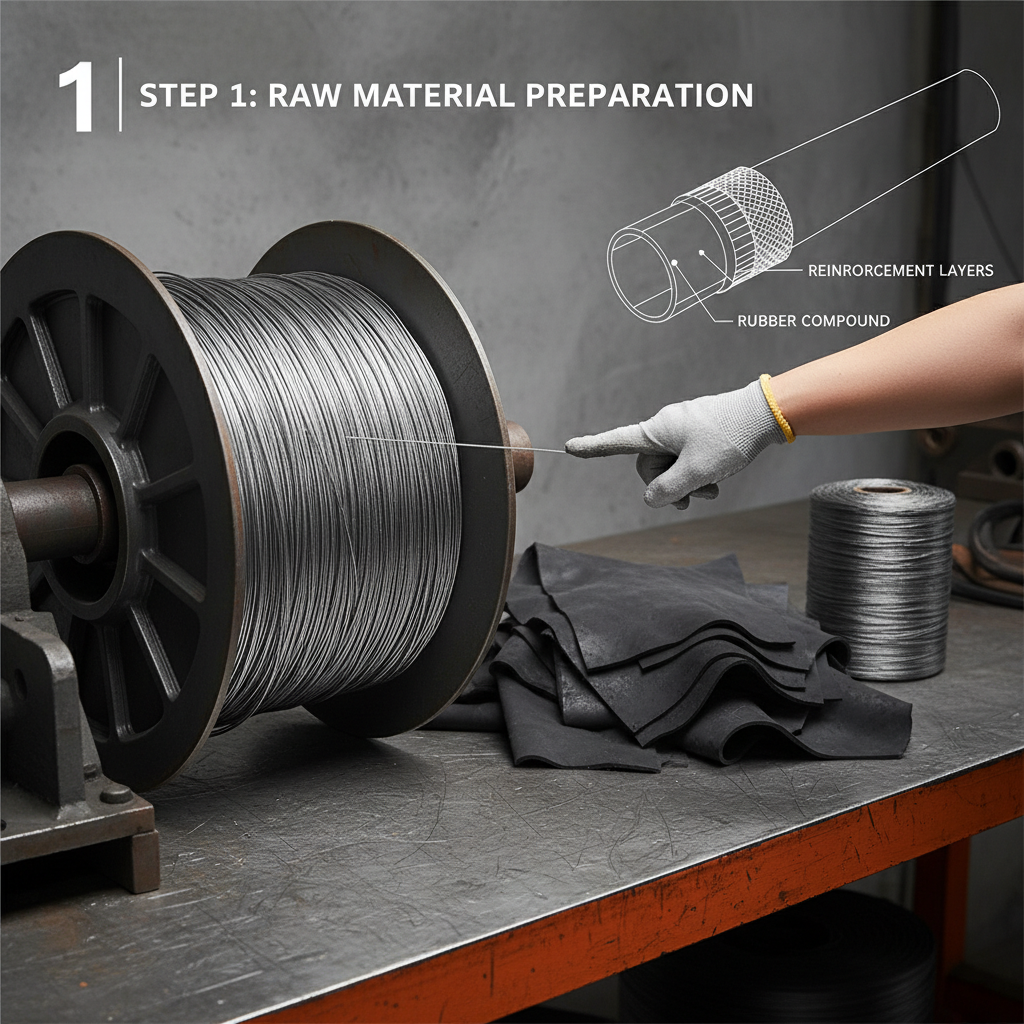
From the initial selection of raw materials – including synthetic rubbers, reinforcing fibers, and coupling materials – to the final testing and inspection procedures, each stage plays a crucial role in determining the hose’s overall durability and reliability. Modern manufacturing processes increasingly incorporate automation and advanced technologies to optimize efficiency and minimize defects.
Defining the Hydraulic Hose Manufacturing Process
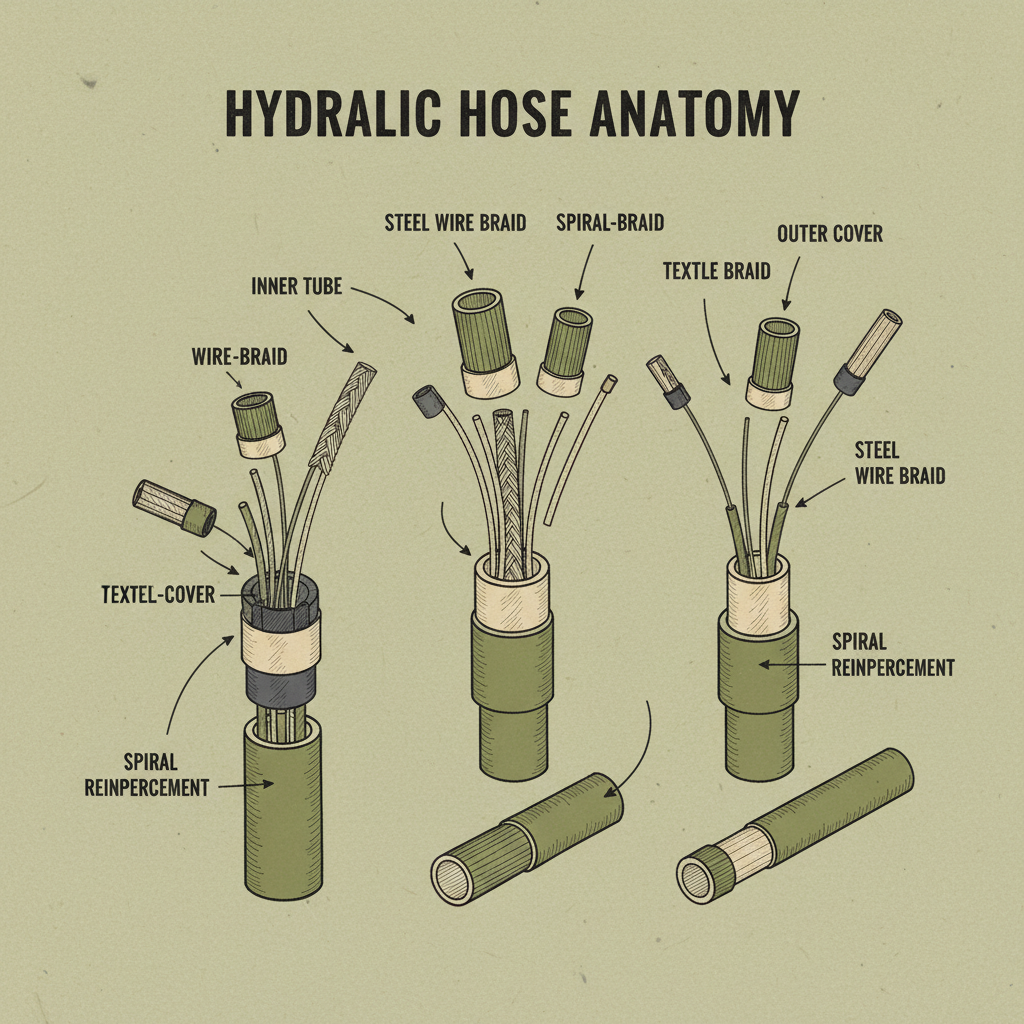
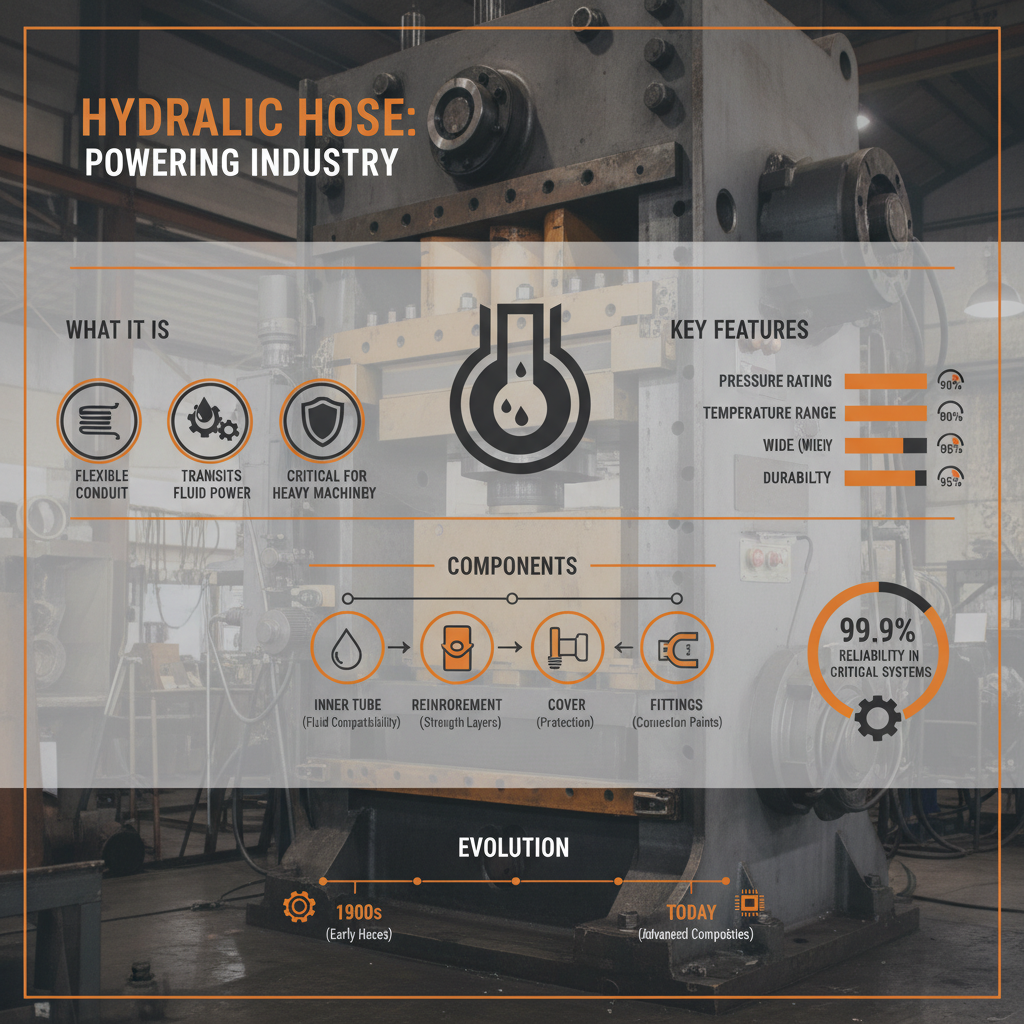
At its core, the hydraulic hose manufacturing process is the systematic creation of flexible conduits designed to safely and efficiently transmit hydraulic fluid under high pressure. These hoses aren't simply tubes; they’re engineered assemblies built to withstand dynamic forces, resist abrasion, and maintain integrity over extended periods. The process includes the extrusion of inner tube materials, application of reinforcement layers, and secure attachment of end fittings.
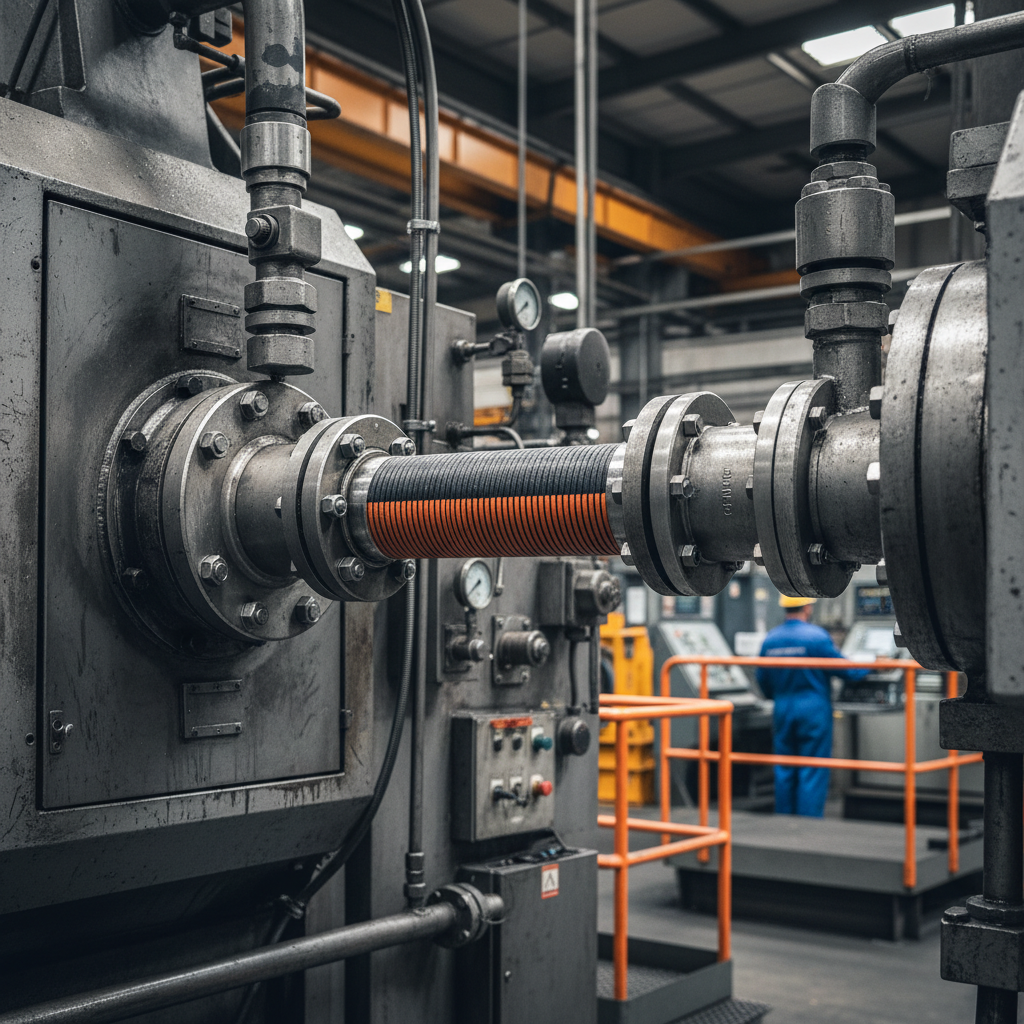
This process is integral to the functioning of countless machines, from excavators and loaders in construction to aircraft hydraulic systems and agricultural equipment. Without reliable hydraulic hoses, these systems would be unable to operate effectively, leading to significant downtime and productivity losses. The process must be adaptable to a wide range of specifications, catering to diverse applications and pressure requirements.
The connection to modern industry is undeniable. Hydraulic systems power much of the world’s infrastructure and manufacturing, and the reliability of these systems hinges on the quality of their hydraulic hoses. In humanitarian efforts, hydraulic hoses are essential for operating equipment used in disaster relief, water purification, and infrastructure repair, making this manufacturing process critically important for societal well-being.
Core Components of Effective Manufacturing
Durability: A key aspect of the hydraulic hose manufacturing process is ensuring long-term durability. This is achieved through the careful selection of materials and the implementation of robust manufacturing techniques, creating hoses that resist wear, tear, and degradation from exposure to harsh chemicals and environmental factors. Durability directly translates to reduced maintenance costs and prolonged operational life.
Pressure Resistance: The ability to withstand high pressure is fundamental to hydraulic hose performance. This requires a combination of strong inner tube materials, multiple layers of high-tensile reinforcement, and properly crimped or swaged end fittings. The manufacturing process must consistently deliver hoses that meet or exceed specified pressure ratings.
Flexibility: While durability and pressure resistance are crucial, the hose must also possess sufficient flexibility to accommodate routing within complex machinery. The manufacturing process balances the need for strength with the ability to bend and maneuver without kinking or compromising integrity.
Global Applications and Real-World Use Cases
Hydraulic hoses are ubiquitous in the construction industry, powering excavators, bulldozers, cranes, and other heavy machinery. In agriculture, they’re essential for operating tractors, harvesters, and irrigation systems. Manufacturing plants rely on hydraulic hoses to operate presses, molding machines, and automated assembly lines.
In the aerospace industry, hydraulic hoses play a vital role in controlling flight surfaces, landing gear, and braking systems. Marine applications utilize them for steering, winches, and other critical functions. Even in the oil and gas sector, hydraulic hoses are used in drilling, pumping, and refining operations.
In post-disaster relief operations, hydraulic hoses are used to power generators, pumps for water extraction, and heavy equipment for clearing debris. In remote industrial zones, where access to specialized repairs is limited, the durability and reliability of hydraulic hoses are paramount to maintaining operational continuity.
Comparing Hydraulic Hose Manufacturing Process Methods
Advantages and Long-Term Value Proposition
The benefits of a robust and well-managed hydraulic hose manufacturing process are multifaceted. Reduced downtime due to fewer hose failures translates directly into cost savings for businesses. Improved safety reduces the risk of accidents and injuries, protecting workers and the environment. The increased efficiency results in higher productivity and overall operational profitability.
From a sustainability perspective, durable hoses reduce the need for frequent replacements, minimizing waste and conserving resources. Investing in high-quality hoses contributes to a more reliable and efficient operation, fostering trust and confidence among customers. The long-term value proposition extends beyond immediate cost savings, encompassing safety, environmental responsibility, and enhanced operational performance.
Future Trends and Innovations in Manufacturing
The future of hydraulic hose manufacturing process is poised for significant innovation. The development of new materials, such as bio-based polymers and advanced composites, promises to deliver hoses with enhanced durability, reduced weight, and improved environmental profiles. Automation and robotics are playing an increasingly important role in streamlining production, enhancing precision, and reducing labor costs.
Digital transformation, including the integration of data analytics and machine learning, is enabling manufacturers to optimize processes, predict failures, and implement preventative maintenance programs. The integration of smart sensors into hoses will provide real-time data on pressure, temperature, and wear, enabling proactive management and extending operational life.
Challenges and Solutions in Production
One of the key challenges in hydraulic hose manufacturing process is maintaining consistent quality across high-volume production runs. Variations in material properties, extrusion processes, and crimping techniques can lead to defects and failures. Implementing rigorous quality control procedures, including regular testing and inspection, is essential to address this challenge.
Another challenge is minimizing waste and reducing the environmental impact of the manufacturing process. Exploring sustainable materials, optimizing production processes, and implementing recycling programs are crucial steps. Adapting to evolving industry standards and regulations also requires ongoing investment in research and development.
Expert insights suggest that leveraging advanced modeling and simulation techniques can help manufacturers optimize hose designs and manufacturing processes. Collaborating with material suppliers and research institutions can also accelerate the development of innovative solutions.
FAQS
Hydraulic hoses commonly utilize synthetic rubbers like nitrile, neoprene, or polyester for the inner tube, providing resistance to fluids and abrasion. Reinforcement layers are often constructed from high-tensile steel wire or synthetic fibers, offering strength and pressure resistance. The outer cover typically consists of a durable rubber compound that protects against environmental factors.
The reinforcement layer is critical for determining a hose’s maximum working pressure. Multiple layers of steel wire or tightly braided synthetic fibers increase the hose’s tensile strength and resistance to bursting. More layers and higher-strength materials directly correlate with a higher pressure rating.
Proper crimping of end fittings is essential for a secure and leak-proof connection. Incorrect crimping can lead to fitting slippage, hose failure, and potential safety hazards. The crimping process must be precise and consistent, using calibrated tooling and following manufacturer’s specifications.
Manufacturers employ a multi-stage quality control process, including raw material inspection, in-process monitoring of extrusion and braiding, dimensional checks, and rigorous pressure testing. Destructive testing, involving bursting hoses to failure, is also conducted to verify performance characteristics.
There’s a growing trend towards utilizing more sustainable and environmentally friendly materials, such as bio-based polymers and recycled rubber compounds. Additionally, advanced composite materials are being explored to enhance strength-to-weight ratios and improve resistance to harsh chemicals.
Extreme temperatures, both high and low, can significantly impact a hose’s lifespan. High temperatures can cause the rubber to degrade and lose flexibility, while low temperatures can make it brittle and prone to cracking. Selecting hoses rated for the specific operating temperature range is crucial.
Conclusion
In summary, the hydraulic hose manufacturing process is a complex and vital component of modern industry. Its success relies on a meticulous combination of material science, engineering precision, and stringent quality control. Understanding the core components, global applications, and future trends of this process is critical for ensuring safety, reliability, and sustainability.
Looking ahead, continued innovation in materials, automation, and digital technologies will drive further advancements in the hydraulic hose manufacturing process. Embracing these innovations will not only improve product performance but also reduce environmental impact and enhance operational efficiency. For more information about our range of hydraulic hoses and manufacturing capabilities, visit our website: www.hydhoses.com.

 Call Us+86-158-0331-9351
 Emailcarrie@sinopulse.cn
 AddressHandan City, Hebei , China