Understanding hydraulic hose specifications is fundamental for ensuring the safety and efficiency of any fluid power system. In an era where industrial automation and heavy machinery drive global productivity, the precision of a hose's internal diameter, pressure rating, and material composition determines whether a machine operates at peak performance or suffers a catastrophic failure. By mastering these specifications, engineers and procurement managers can optimize system longevity and reduce unplanned downtime.
Globally, the demand for high-performance fluid conveyance is surging across construction, agriculture, and aerospace sectors. Adhering to strict hydraulic hose specifications ensures that components from different manufacturers are compatible, facilitating seamless international trade and maintenance. The ability to accurately match a hose to its operating environment—considering temperature, chemical exposure, and pressure spikes—is what separates professional-grade installations from risky, makeshift repairs.
Ultimately, the correct application of hydraulic hose specifications provides a critical layer of risk management. From preventing environmental leaks of hydraulic oil to ensuring the safety of operators in the field, these technical standards are the backbone of industrial reliability. Whether you are dealing with steel wire braided hoses or thermoplastic alternatives, the specifications serve as the definitive guide for operational success and long-term cost efficiency.
Global Industry Context of Hydraulic Hose Specifications
The global industrial landscape relies heavily on the standardization of hydraulic hose specifications to maintain a cohesive supply chain. According to ISO (International Organization for Standardization) guidelines, the synchronization of pressure ratings and fitting dimensions allows machinery produced in Europe to be serviced with components manufactured in Asia or North America. This interoperability is crucial for the global construction and mining sectors, where equipment downtime can cost thousands of dollars per hour.
However, the industry faces a persistent challenge: the "specification gap" where outdated legacy systems are forced to integrate with modern, high-pressure components. When hydraulic hose specifications are misunderstood or ignored, the result is often premature hose failure, which not only disrupts production but poses significant safety risks. The drive toward higher efficiency in hydraulic systems has pushed operating pressures to new heights, making the strict adherence to modern specification standards more critical than ever before.
Defining Hydraulic Hose Specifications and Their Meaning
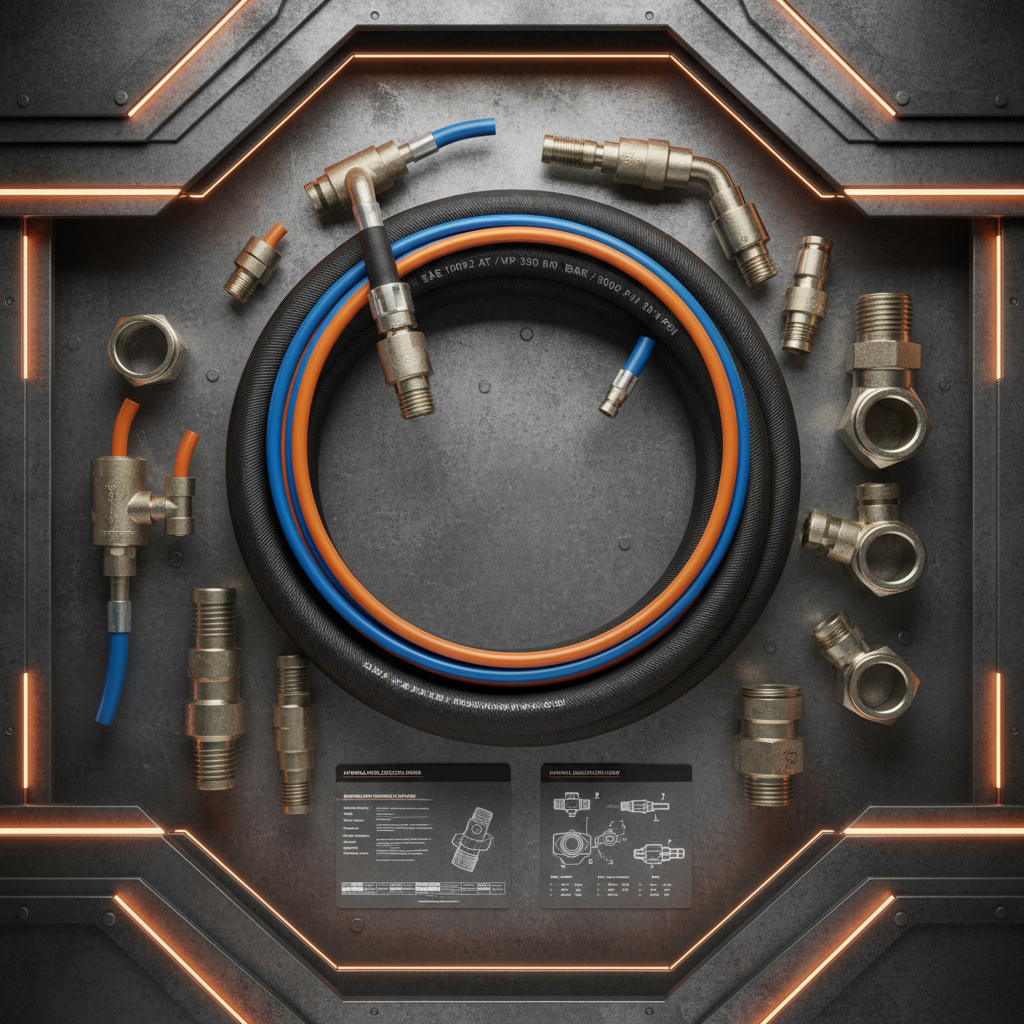
In simple terms, hydraulic hose specifications are a set of technical parameters that define the physical and performance characteristics of a hose. These include the Inner Diameter (ID), Outer Diameter (OD), working pressure, burst pressure, and the material composition of the tube, reinforcement, and cover. Essentially, these specifications tell an engineer exactly what the hose can handle in terms of fluid volume, pressure load, and environmental stress.
Beyond mere numbers, these specifications represent a commitment to safety and reliability. For example, a "two-wire braided" specification indicates a specific level of reinforcement that allows the hose to withstand high-pressure pulses without expanding or bursting. In modern industry, this means the difference between a crane operating smoothly at a skyscraper construction site and a hydraulic failure that could lead to a catastrophic accident.
Furthermore, specifications link the product to humanitarian and infrastructure needs. In remote industrial zones or disaster relief operations, where heavy lifting equipment is used to clear debris or build shelters, having hoses that meet exact hydraulic hose specifications ensures that equipment remains operational in harsh environments without the need for frequent, impossible-to-source replacements.
Key Factors Determining Hose Performance
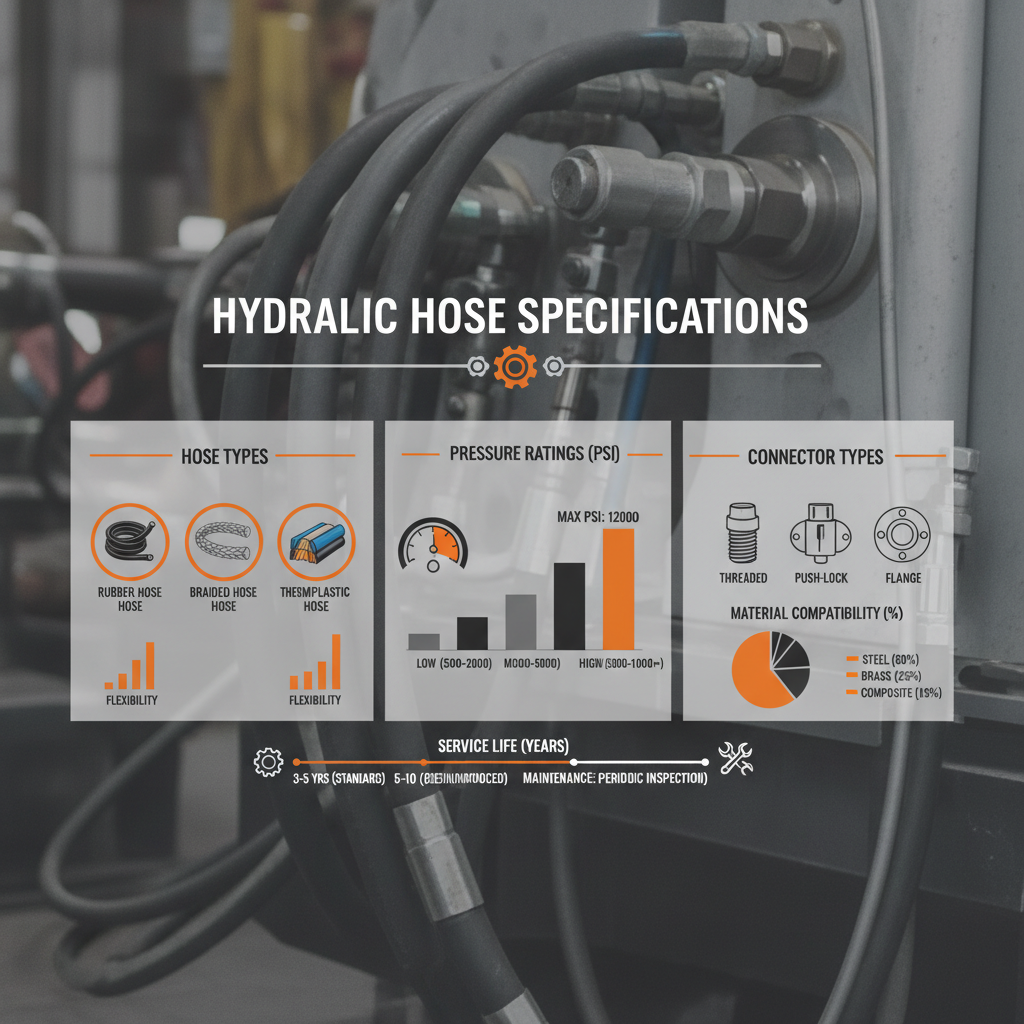
Pressure Rating is perhaps the most critical aspect of hydraulic hose specifications. It is divided into working pressure—the maximum pressure the hose can handle continuously—and burst pressure, which is typically four times the working pressure (the 4:1 safety factor). Ensuring the hose is rated for the maximum system pressure, including spikes, is essential for preventing blowouts.
Material Compatibility refers to the chemical relationship between the hose inner tube and the fluid it carries. Whether using mineral oil, synthetic fluids, or aggressive chemicals, the hydraulic hose specifications must specify a material—such as Nitrile, Viton, or PTFE—that will not degrade, swell, or crack over time, ensuring the seal remains intact and the fluid remains uncontaminated.
Temperature Resilience and Flexibility define how a hose behaves in extreme climates. A hose specified for arctic conditions must remain flexible at -40°C to avoid cracking, while a hose for steam or high-heat industrial processes must maintain its structural integrity at 200°C. These environmental specifications are what allow hydraulic machinery to operate in the Sahara Desert or the Siberian tundra with equal reliability.
Global Applications and Industrial Use Cases
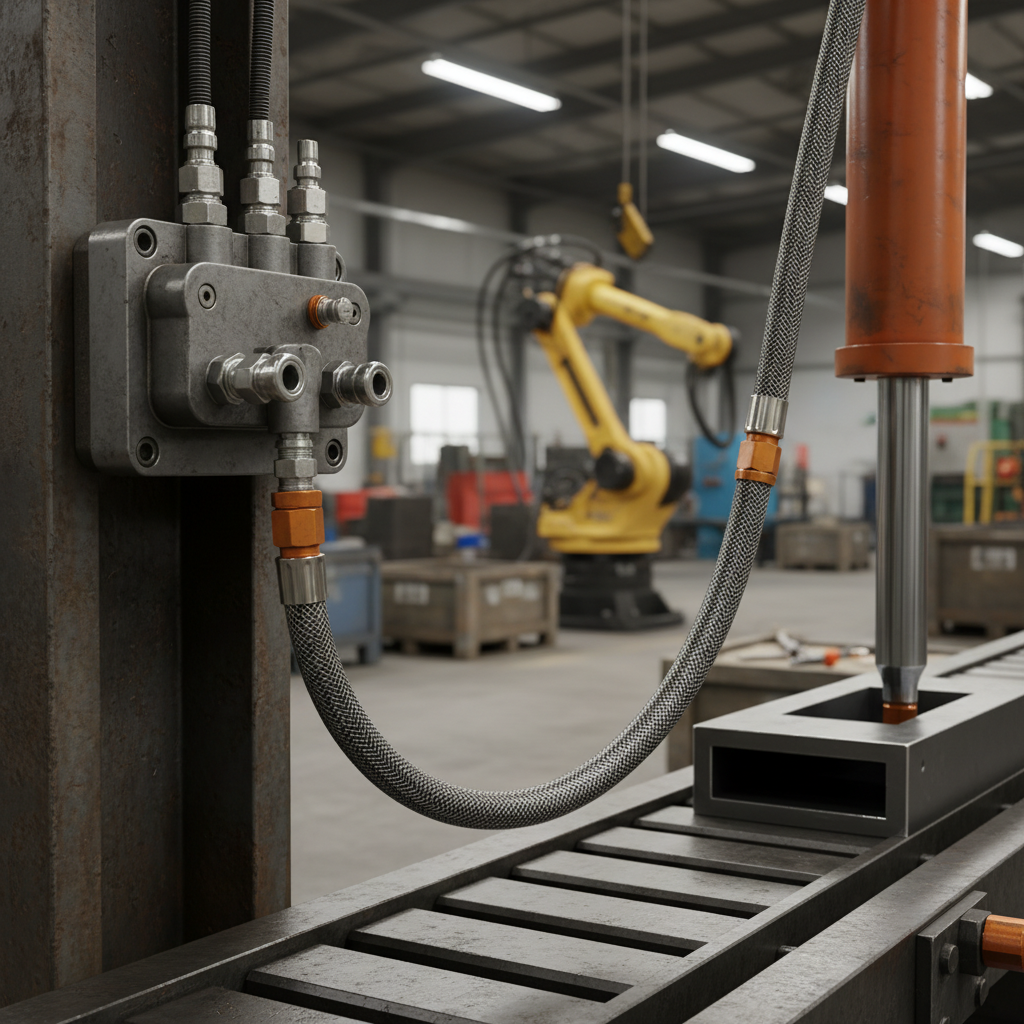
The practical application of hydraulic hose specifications varies wildly across different global industries. In the mining sector of Australia or Chile, steel wire spiral hoses are specified for their extreme abrasion resistance and ability to handle the massive pressures required for underground boring machines. In these environments, the specification isn't just about pressure; it's about the hose's ability to withstand external friction against rock and ore.
Conversely, in the food and beverage industry in Europe, "Food Grade" hydraulic hose specifications are paramount. Here, the focus shifts to non-toxic materials and FDA-compliant coatings that prevent contamination of consumables. Similarly, in the aerospace industry, PTFE stainless steel braided hoses are utilized for their lightweight properties and resistance to extreme temperature fluctuations during flight, proving that specifications are tailored to the specific mission of the machinery.
Comparison of Performance Metrics across Hydraulic Hose Specifications
Long-Term Value and Safety Advantages
Investing in high-quality hydraulic hose specifications yields significant long-term financial value. By selecting a hose that exceeds the minimum requirements of the system, companies can extend the mean time between failures (MTBF). This proactive approach reduces the cost of emergency replacements and prevents the secondary damage often caused by hose bursts, such as pump cavitation or environmental cleanup costs.
Beyond the balance sheet, the emotional and logical value lies in safety and trust. A technician working on a high-pressure line feels a sense of security knowing that the hydraulic hose specifications are strictly adhered to and verified. This trust in the equipment fosters a culture of safety and innovation, allowing operators to push the boundaries of machinery capability without fearing a catastrophic rupture that could jeopardize human life.
Future Trends in Hose Technology and Materials
The future of hydraulic hose specifications is moving toward "smart hoses" and sustainable materials. We are seeing the integration of embedded sensors within the hose walls that can monitor pressure and temperature in real-time, sending alerts to a central system before a failure occurs. This transition from reactive to predictive maintenance is a direct result of evolving digital transformation in the manufacturing sector.
Sustainability is also reshaping specifications. There is a growing demand for biodegradable covers and recycled reinforcement materials that do not compromise the burst pressure. As green energy initiatives take hold, hydraulic hose specifications are being updated to accommodate bio-based hydraulic fluids, which require different chemical compatibility standards than traditional petroleum-based oils.
Furthermore, the advent of additive manufacturing (3D printing) is allowing for the creation of customized hose fittings and complex geometries that were previously impossible. This means specifications will become more granular, allowing for "perfect-fit" solutions that reduce turbulence in the fluid flow and increase the overall energy efficiency of the hydraulic circuit.
Common Challenges and Expert Solutions
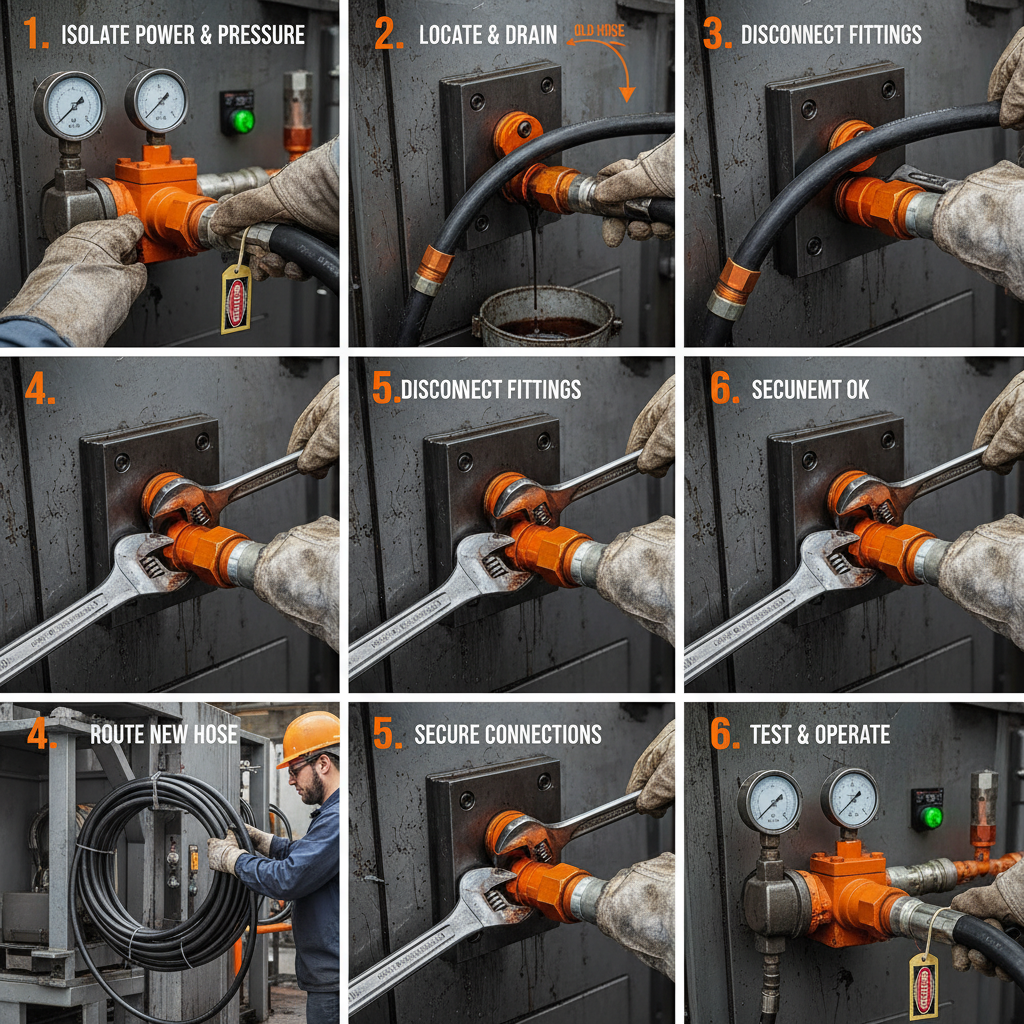
One of the most common challenges in the industry is the improper selection of hydraulic hose specifications due to a lack of technical training. Many users rely on "visual matching"—replacing a hose with one that looks similar—which often leads to using a hose with a lower pressure rating than required. The expert solution is the implementation of a standardized tagging system where every hose in a machine is labeled with its exact specification and installation date.
Another significant hurdle is the effect of "hose impulse" or pressure surges. Standard hydraulic hose specifications often list static pressure, but in real-world applications, pressure spikes can be significantly higher. To overcome this, experts recommend specifying hoses with a higher "impulse cycle" rating, ensuring the reinforcement layers can handle the repetitive expansion and contraction without fatigue.
Finally, environmental degradation—such as UV exposure and ozone cracking—often cuts the lifespan of a hose short. The solution lies in specifying specialized outer covers, such as those enhanced with synthetic polymers or protective sleeves. By aligning the hydraulic hose specifications with the actual external environment of the machine, companies can double the operational life of their fluid conveyance systems.
Core Analysis of Hydraulic Hose Specification Challenges and Solutions
| Challenge Category |
Root Cause |
Recommended Specification |
Reliability Impact |
| Pressure Failure |
Under-rating spikes |
4:1 Burst Factor |
High (9/10) |
| Chemical Leakage |
Material incompatibility |
PTFE / Viton Lining |
Extreme (10/10) |
| External Wear |
Abrasive environment |
Steel Spiral / TPU Cover |
High (8/10) |
| Thermal Cracking |
Extreme temperature shifts |
Low-Temp Synthetic Rubber |
Medium (7/10) |
| Installation Error |
Incorrect bend radius |
Flexible Bend Specs |
Medium (6/10) |
| Fluid Contamination |
Inner tube degradation |
Food-Grade / Low-Leach |
High (9/10) |
FAQS
To determine the correct specifications, you must first identify the maximum working pressure of your system, the type of fluid being transported, and the temperature extremes of the environment. Check the manufacturer's manual for the required Inner Diameter (ID) and the bend radius. Always include a safety margin by selecting a hose with a working pressure slightly higher than your system's peak, ensuring it meets ISO or SAE standards for your specific industry.
Working pressure is the maximum pressure a hose can safely handle during continuous operation without premature failure. Burst pressure is the pressure at which the hose physically ruptures. Most professional hydraulic hose specifications follow a 4:1 safety ratio, meaning the burst pressure is four times the working pressure. This gap is designed to protect operators from sudden spikes and material fatigue.
Yes, using a hose with a higher pressure rating is generally safe and can actually extend the life of the hose by reducing the stress on the reinforcement layers. However, be mindful of flexibility; hoses with very high pressure specifications often have thicker walls and more reinforcement, which makes them stiffer and harder to route through tight spaces, potentially increasing the risk of kinking.
Different fluids have different chemical properties that can cause rubber to swell, soften, or harden. For instance, a hose specified for mineral oil may degrade quickly if used with phosphate ester-based fire-resistant fluids. Selecting the correct material specification (e.g., Nitrile vs. EPDM) ensures that the inner tube remains chemically inert, preventing internal leaks and preserving the purity of the hydraulic fluid.
Specifications should be reviewed during every major system overhaul or whenever the operational environment changes (e.g., moving equipment to a colder climate). However, a visual inspection for "weeping" or outer cover cracks should be done daily. Most experts recommend a scheduled replacement based on the hose's specified "impulse life" or every 2-5 years, depending on the severity of the application.
Common signs include premature cracking of the outer cover, excessive expansion (bulging) during pressure cycles, or frequent leaks at the crimped fittings. If a hose feels abnormally stiff or becomes "gummy," it is a strong indicator that the material specifications do not match the fluid or temperature of the system, necessitating an immediate upgrade to the correct specifications.
Conclusion
Mastering hydraulic hose specifications is not merely a technical requirement but a strategic advantage in industrial operations. By meticulously aligning pressure ratings, material compatibility, and environmental resilience, companies can transform their fluid power systems from a source of potential failure into a pillar of reliability. The synergy between correct specifications and high-quality manufacturing ensures that machinery operates safely, efficiently, and with minimal environmental impact.
As the industry moves toward a future of smart sensing and sustainable materials, the importance of precise specifications will only grow. We encourage engineers and plant managers to move beyond "good enough" replacements and embrace a rigorous, specification-driven approach to hose management. For those seeking industry-leading components that adhere to the strictest global standards, we invite you to explore our comprehensive range of solutions. Visit our website: www.hydhoses.com

 Call Us+86-158-0331-9351
 Emailcarrie@sinopulse.cn
 AddressHandan City, Hebei , China