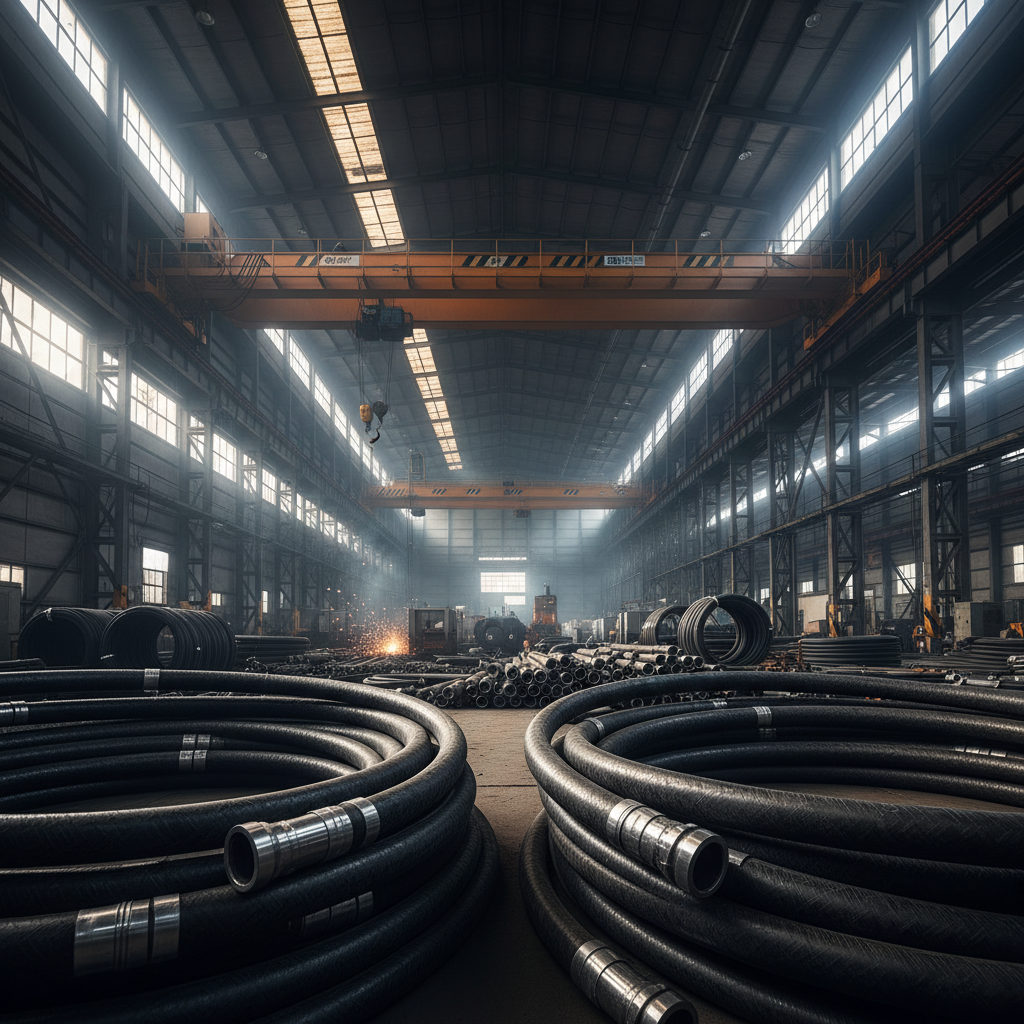
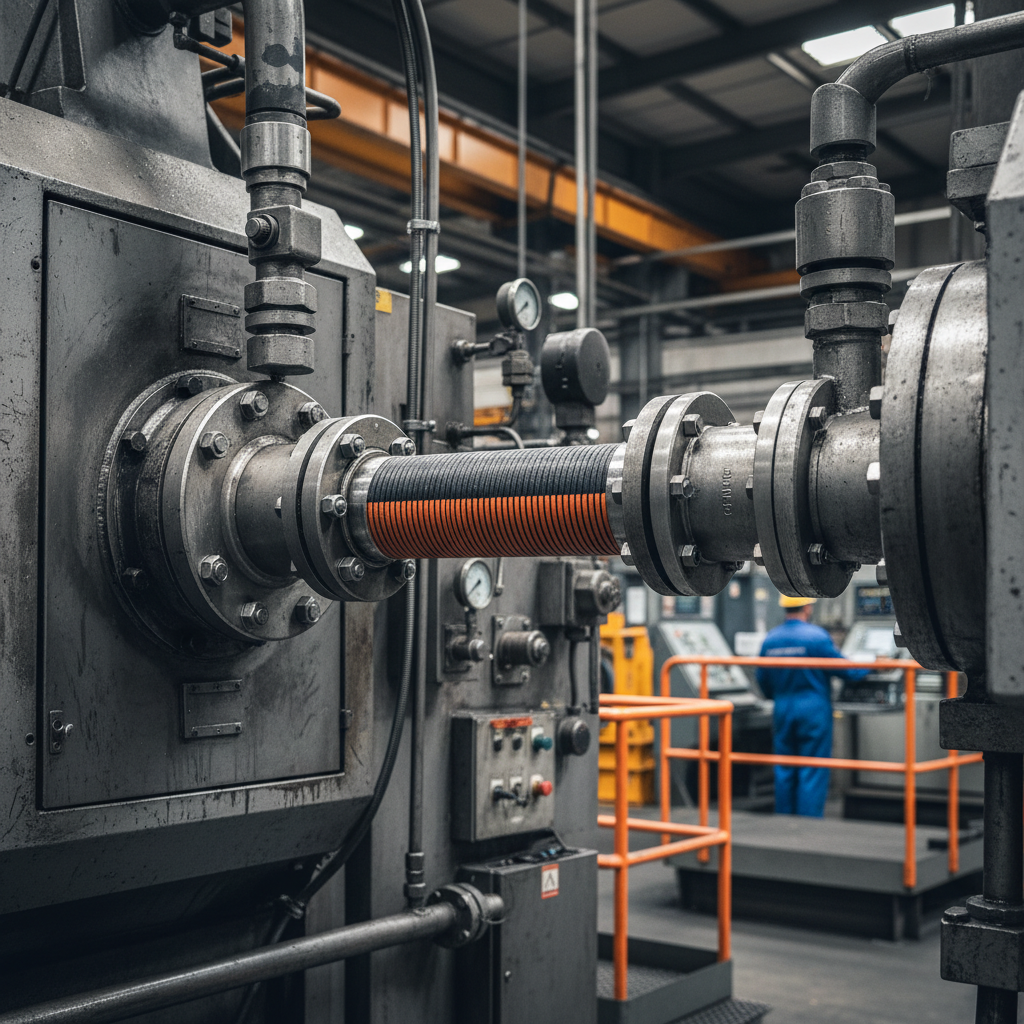
Look, I've been running around construction sites for fifteen years, dealing with all sorts of materials. These days, everyone’s talking about lightweight, high-strength hydraulic hoses, especially for those smaller machines. It's all about efficiency, you know? Less weight means better fuel economy, easier maneuvering… But honestly, a lot of guys chase the specs without thinking about how it actually works in the field.
Have you noticed, the younger engineers, they come out of school with all these fancy simulations, but they've never even touched a real hose? They design for ideal conditions, which… well, construction sites are never ideal. It’s always mud, heat, abrasion, something trying to kill your equipment. And that's where things get interesting.
The biggest trend I’m seeing is moving away from traditional rubber reinforced hoses to those with aramid fiber braiding. Feels different, you know? Rubber's got that…squish to it, that familiar weight. Aramid’s lighter, almost feels flimsy at first. But it’s tough stuff, seriously. I was at a factory in Ningbo last time, and they were testing these things to ridiculous pressures. Smells different too, less rubbery, more…synthetic? It's hard to explain.
Industry Trends & Common Design Pitfalls
To be honest, everyone's obsessed with burst pressure. They crank up the numbers, but forget about flex life. I've seen hoses with insane burst ratings fail after just a few weeks because the internal liner couldn't handle the constant bending. Strangely enough, a lower-rated hose with a more flexible inner tube will often outlast it.
Another pitfall? Fitting compatibility. They design these hoses with specific fittings, but guys in the field are using whatever they can get their hands on, often mismatched. It seems simple, but it’s a huge source of leaks and failures. And don't even get me started on improper hose routing – kinks, abrasion, the usual suspects.
Material Breakdown: What They're Made Of
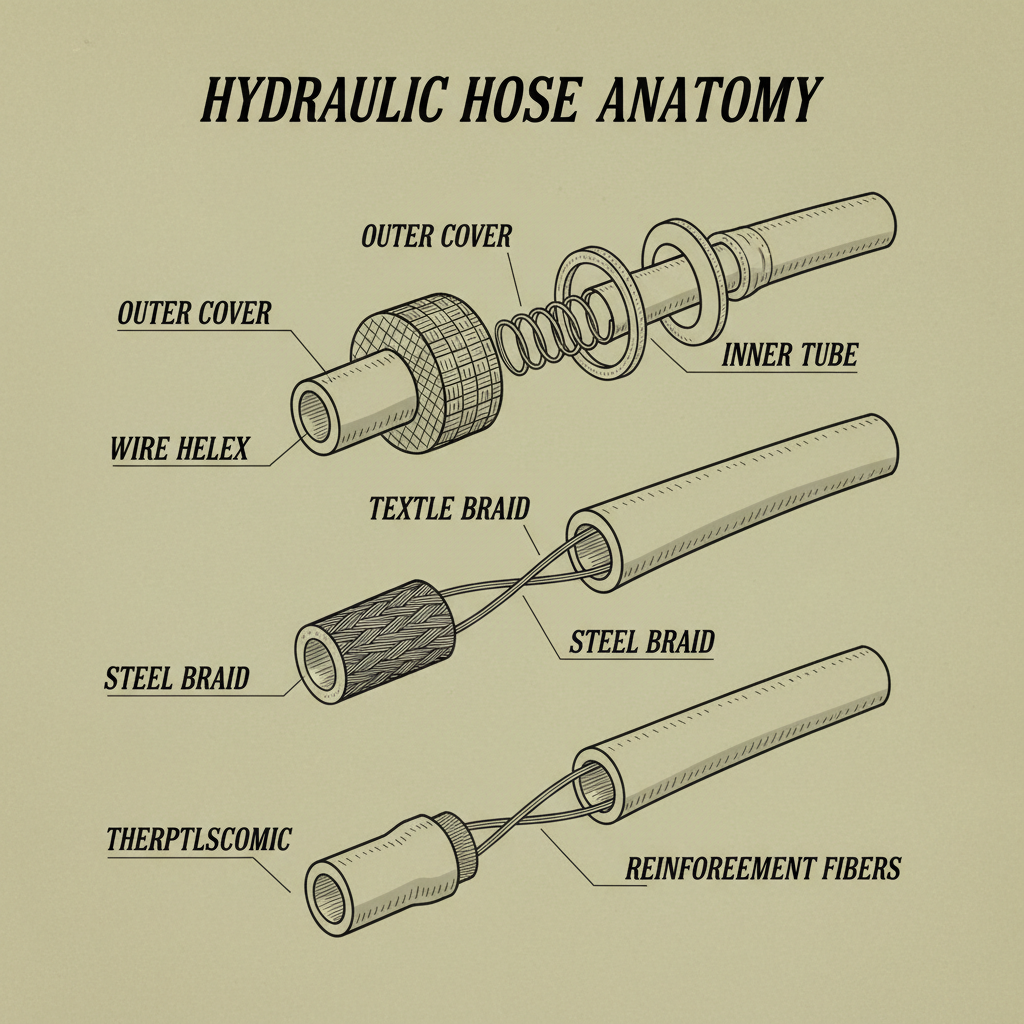
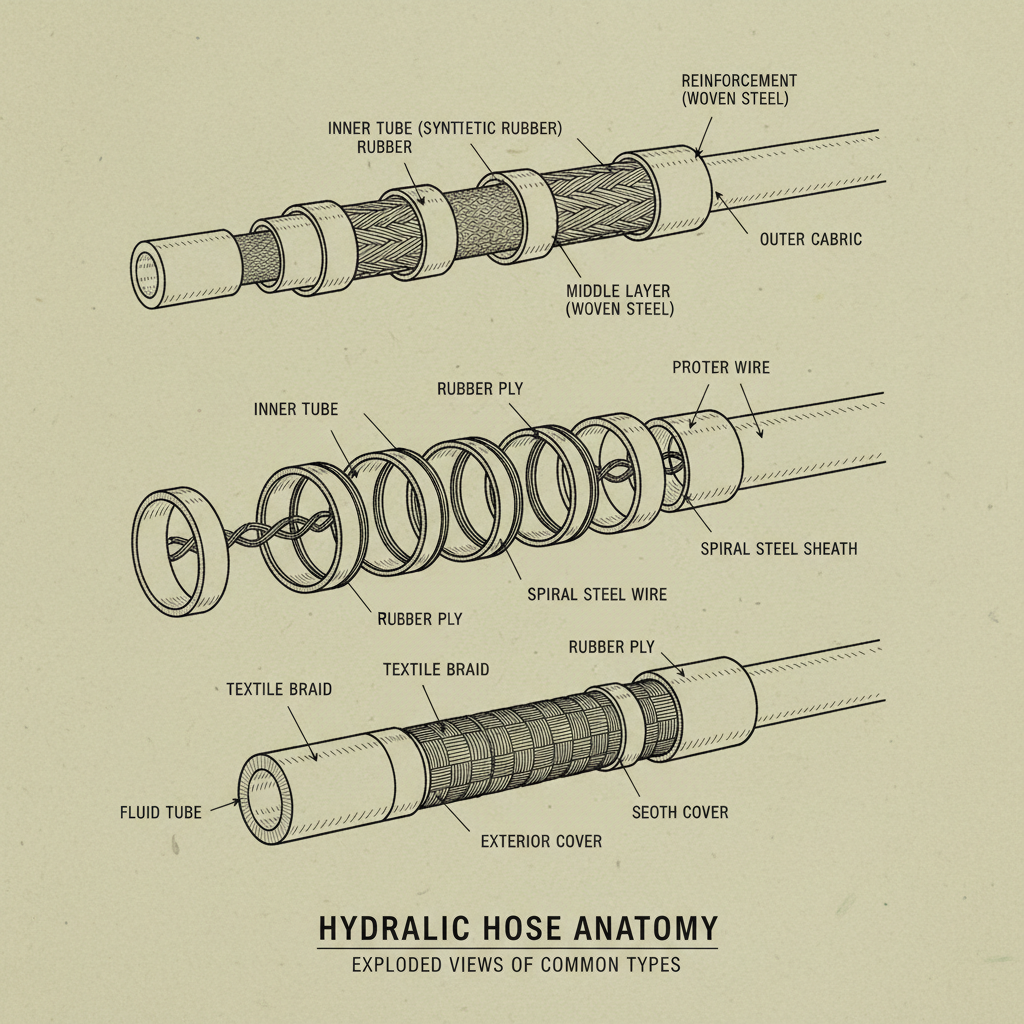
So, you’ve got your core material – usually synthetic rubber, often nitrile for oil resistance. Then you have the reinforcement. That’s where things get interesting. Steel wire is the old standard, reliable but heavy. Aramid fiber, like Kevlar, is lighter and stronger for its weight, but it's sensitive to bending and crushing. I’ve seen aramid hoses collapse if they get pinched too hard. Then there's polyester, a good middle ground, decent strength and flexibility.
The outer cover is usually a synthetic rubber blend designed to resist abrasion, weather, and chemicals. The quality of the cover really matters. Cheap covers crack and split, letting moisture in and ruining the reinforcement. I encountered this at a concrete plant last time. They were using the cheapest hoses they could find, and they were replacing them every month.
And you gotta talk about the fitting materials. Steel is still king, but aluminum's getting more popular for weight savings. Nickel plating on the steel fittings helps prevent corrosion, which is a big issue in coastal areas. Anyway, I think the choice of materials is a balancing act – cost versus performance, weight versus durability.
Real-World Testing & Failure Modes
Lab testing is fine, but it doesn’t tell you everything. You need to see how these hoses perform in the real world. We do a lot of field testing, subjecting hoses to the conditions they’ll actually encounter – extreme temperatures, constant bending, abrasion from rocks and debris, exposure to chemicals.
The most common failure mode? Abrasion. A hose rubbing against a sharp edge will wear through in no time. Kinking is another big one, especially with tighter-radius bends. Also, leaks at the fittings are frequent, usually caused by improper installation or corrosion. We've seen hoses fail due to internal corrosion, particularly when used with incompatible fluids.
We use a lot of burst testing, obviously, but we also do fatigue testing – cycling the hose under pressure to simulate real-world use. We’ll even bury hoses in mud and leave them for a week just to see how they hold up. It's not glamorous, but it's necessary.
User Application: The Surprising Truth
Here’s where things get interesting. You design a hose for a specific application, but users always find ways to use it differently. I've seen guys using hydraulic hoses as air lines, which is a terrible idea. The pressure ratings are different, and the internal materials aren't compatible with compressed air.
Another thing: They often exceed the maximum operating pressure. They crank up the pressure to get more power, even if it means shortening the hose’s lifespan. And they're surprisingly rough on equipment. They drag hoses across concrete, wrap them around sharp objects, and generally abuse them. It's frustrating, but it’s the reality.
They also underestimate the importance of proper hose routing. They’ll run a hose across a moving part, guaranteeing abrasion. Or they'll make tight bends that exceed the hose’s minimum bend radius. It’s always something.
Hydraulic Hose Performance Metrics
Advantages, Disadvantages & Customization
The biggest advantage of these newer hoses is the weight savings. Makes a huge difference when you're working in tight spaces or need to move equipment around. They’re also more resistant to corrosion than steel-reinforced hoses. But they're more expensive, and as I said earlier, they’re more susceptible to damage from kinking and abrasion.
Customization is possible, though it can be pricey. Last year, a customer wanted a hose with a specific outer cover material to resist a particularly nasty chemical. It wasn't a standard option, so we had to work with the manufacturer to develop a custom solution. It added a significant cost, but it solved the customer’s problem.
A Customer Story: Shenzhen and
Last month, that small boss in Shenzhen who makes smart home devices insisted on changing the interface to , and the result was… a nightmare. He wanted all the hydraulic connections on his robots to use connectors – thought it would look more modern, apparently. I tried to explain that hydraulic systems don't work like computers, but he wouldn't listen.
He ordered a batch of custom hoses with fittings, and they leaked like sieves. The fittings couldn’t handle the pressure. He ended up having to scrap the whole batch and go back to the standard fittings. It cost him a fortune, and it set his production schedule back by weeks. I told him, “Sometimes, you don’t mess with what works.” He didn’t appreciate my advice.
It’s a good reminder that aesthetics aren’t everything. Functionality and reliability always come first, especially in industrial applications.
Practical Performance Comparison
We often compare hoses based on a few key metrics: burst pressure, working pressure, flex radius, and abrasion resistance. It's a simple way to get a sense of their overall performance. But remember, these are just numbers. The real test is how they hold up in the field.
We track failure rates for different hose types and applications, and we use that data to improve our recommendations. We also collect feedback from our customers, which is invaluable. They tell us what's working and what's not, and that helps us refine our product selection.
Honestly, choosing the right hose is a bit of an art. You need to consider the specific application, the operating conditions, and the user's habits.
A Quick Comparison of Common Hydraulic Hose Characteristics
| Hose Type |
Typical Application |
Abrasion Resistance (1-10) |
Cost (Relative) |
| Rubber with Wire Braid |
General Purpose, Low Pressure |
6 |
Low |
| Rubber with Aramid Braid |
Medium Pressure, Weight Sensitive |
4 |
Medium |
| Thermoplastic with Wire Braid |
High Pressure, Chemical Resistance |
7 |
Medium-High |
| Thermoplastic with Aramid Braid |
Very High Pressure, Lightweight |
5 |
High |
| Rubber with Spiral Wire |
Heavy Duty, High Pressure |
5 |
Medium-High |
| Specialty Chemical Resistant |
Corrosive Environments |
6 |
Very High |
FAQS
Honestly? Ignoring the environment. They think about the pressure and flow, but forget about temperature, abrasion, chemical exposure… all the stuff that actually kills hoses in the real world. You gotta pick a hose that can handle everything the job throws at it, not just the ideal conditions. It’s about thinking ahead and anticipating problems.
Look for bulges, cracks, or any signs of wear on the hose and fittings. Check for leaks, obviously. If the hose feels stiff or brittle, it's probably time to replace it. And pay attention to any unusual noises – hissing, popping, anything out of the ordinary. Regular inspection is key, it’s cheaper than a catastrophic failure.
Big difference. Hydraulic hoses are designed for high pressure and oil-based fluids. Pneumatic hoses are for lower pressure and air. Using the wrong hose can be dangerous. The hose can burst, causing serious injury. It’s not worth the risk. Always double-check the specifications before connecting anything.
Not necessarily. Sometimes you're just paying for features you don't need. It depends on the application. A basic rubber hose with wire braid might be perfectly adequate for a simple task, while a high-performance thermoplastic hose is essential for demanding applications. It’s about finding the right balance between cost and performance.
Generally, no. It’s tempting to try to patch a leak, but it's usually a temporary fix that will ultimately fail. Hydraulic hoses are under high pressure, and a repaired hose is much more likely to rupture. It’s best to replace the entire hose. Safety first, always.
Store them in a cool, dry place away from direct sunlight and extreme temperatures. Avoid kinking or bending them too sharply. And keep them clean. Dirt and debris can contaminate the hydraulic fluid and damage the hose. Simple stuff, but it can make a big difference in their lifespan.
Conclusion
Look, there’s a lot to know about hydraulic hoses, more than most people realize. It's not just about picking the one with the highest burst pressure. It’s about understanding the application, the environment, and the user's habits. It's about choosing the right materials, ensuring proper installation, and performing regular inspections.
Ultimately, whether this thing works or not, the worker will know the moment he tightens the screw. And if he has to replace it next week? Well, then we’ve all learned something. That's just the way it goes. If you need help selecting the right hose for your application, visit our website. We've seen it all, and we're happy to share our expertise.

 Call Us+86-158-0331-9351
 Emailcarrie@sinopulse.cn
 AddressHandan City, Hebei , China