Hydraulic hose cost per foot is a critical factor across numerous industries, influencing project budgets, maintenance schedules, and operational efficiency. Understanding the nuances of this cost – from material variations to supplier dynamics – is paramount for businesses relying on hydraulic systems. This understanding extends beyond simple procurement; it encompasses lifecycle cost analysis, predicting failure rates, and optimizing hose selection for specific applications. In a world increasingly focused on cost optimization and sustainability, a firm grasp of hydraulic hose cost per foot is no longer optional but essential for maintaining a competitive edge.
Globally, the demand for hydraulic hoses is substantial, driven by sectors like construction, agriculture, manufacturing, and oil & gas. The UN estimates that infrastructure development alone will require trillions of dollars in investment over the next decade, a significant portion of which will involve hydraulic machinery. Accurate cost prediction of hydraulic hose components is vital for successful project execution and preventing budget overruns. Furthermore, in remote or disaster-stricken areas, quick and affordable access to replacement hoses can be a lifeline for essential services.
The cost-effectiveness of hydraulic hose systems directly impacts productivity and reliability across a wide spectrum of industries. Fluctuations in raw material prices, manufacturing processes, and transportation costs all contribute to the hydraulic hose cost per foot. A strategic approach to hose management, incorporating preventative maintenance and informed purchasing decisions, can dramatically reduce overall costs and ensure operational continuity.
Introduction to hydraulic hose cost per foot
Understanding the intricacies of hydraulic hose cost per foot is crucial for effective budget management and operational planning in industries reliant on hydraulic power. This cost isn’t simply a price tag; it’s a composite of material costs, manufacturing complexity, and performance characteristics. Careful consideration of these factors ensures optimal selection and avoids costly downtime.
The variations in hydraulic hose cost per foot can be significant, ranging from basic rubber hoses for low-pressure applications to high-performance synthetic hoses designed for extreme temperatures and pressures. Choosing the appropriate hose, balanced against its cost, is fundamental to system reliability and long-term operational savings.
Defining Hydraulic Hose Cost Per Foot
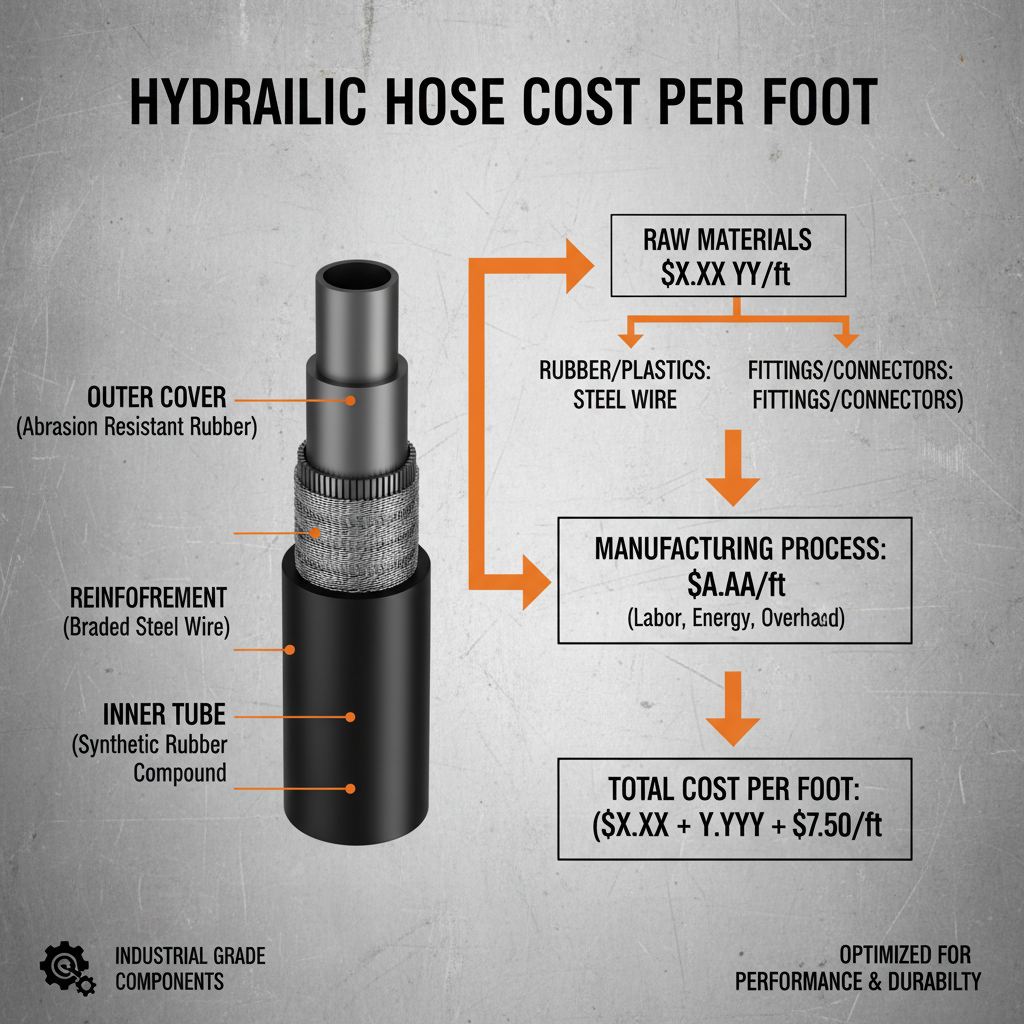
Hydraulic hose cost per foot represents the price charged for each linear foot of hydraulic hose, inclusive of the base material, reinforcement layers, and end fittings. It’s a standard metric used for comparing prices across different suppliers and hose types. However, simply comparing the cost per foot isn’t always sufficient, as factors like minimum order quantities and shipping costs can significantly impact the overall expense.
This metric is vital for project planning, allowing engineers and procurement specialists to accurately estimate the material costs for hydraulic systems. It's directly connected to modern industrial applications where hydraulic power is ubiquitous, from heavy machinery in construction to precision instruments in manufacturing. Proper budgeting, informed by accurate hydraulic hose cost per foot data, is essential for delivering projects on time and within budget.
It also has relevance to humanitarian needs. In disaster relief scenarios, the rapid deployment of hydraulic equipment is often critical. Knowing the hydraulic hose cost per foot assists in efficient resource allocation and ensures readily available replacement parts when repairs are needed in the field.
Key Factors Influencing Hydraulic Hose Cost Per Foot
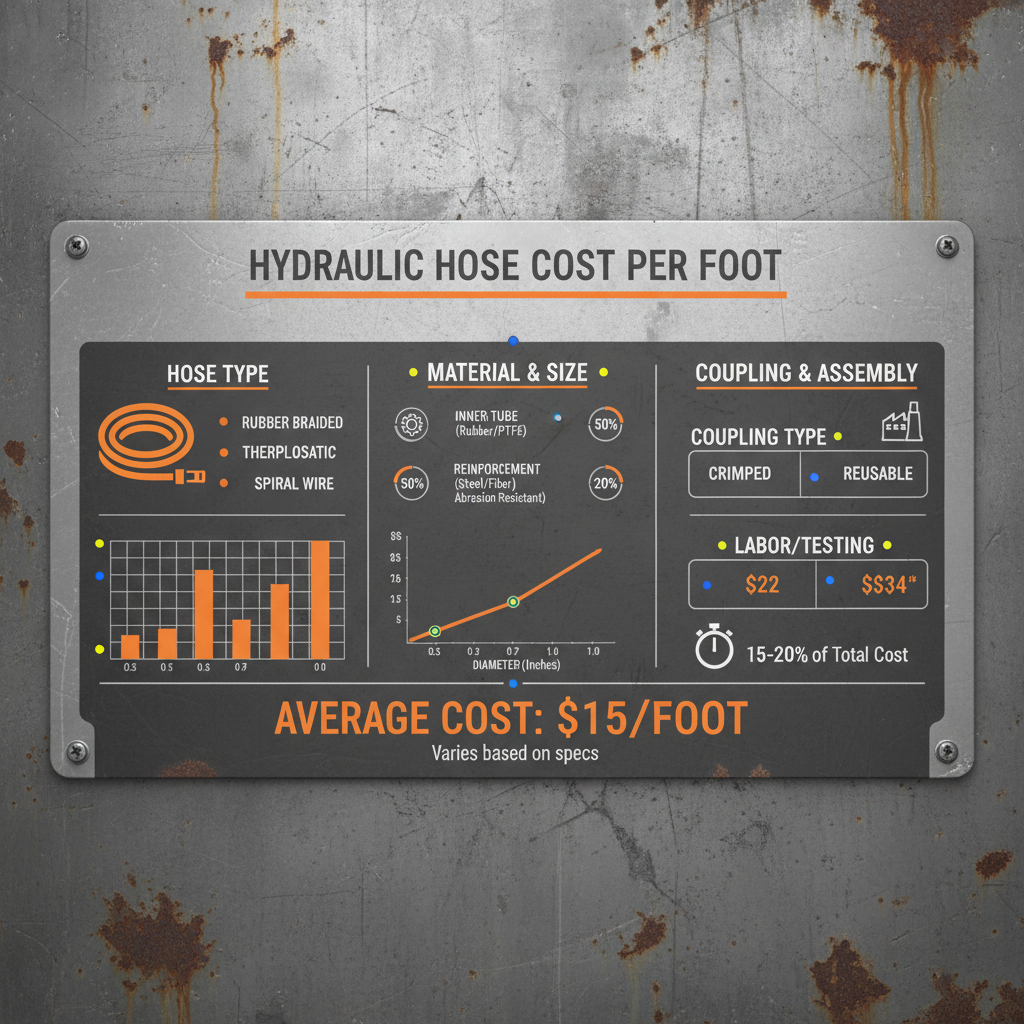
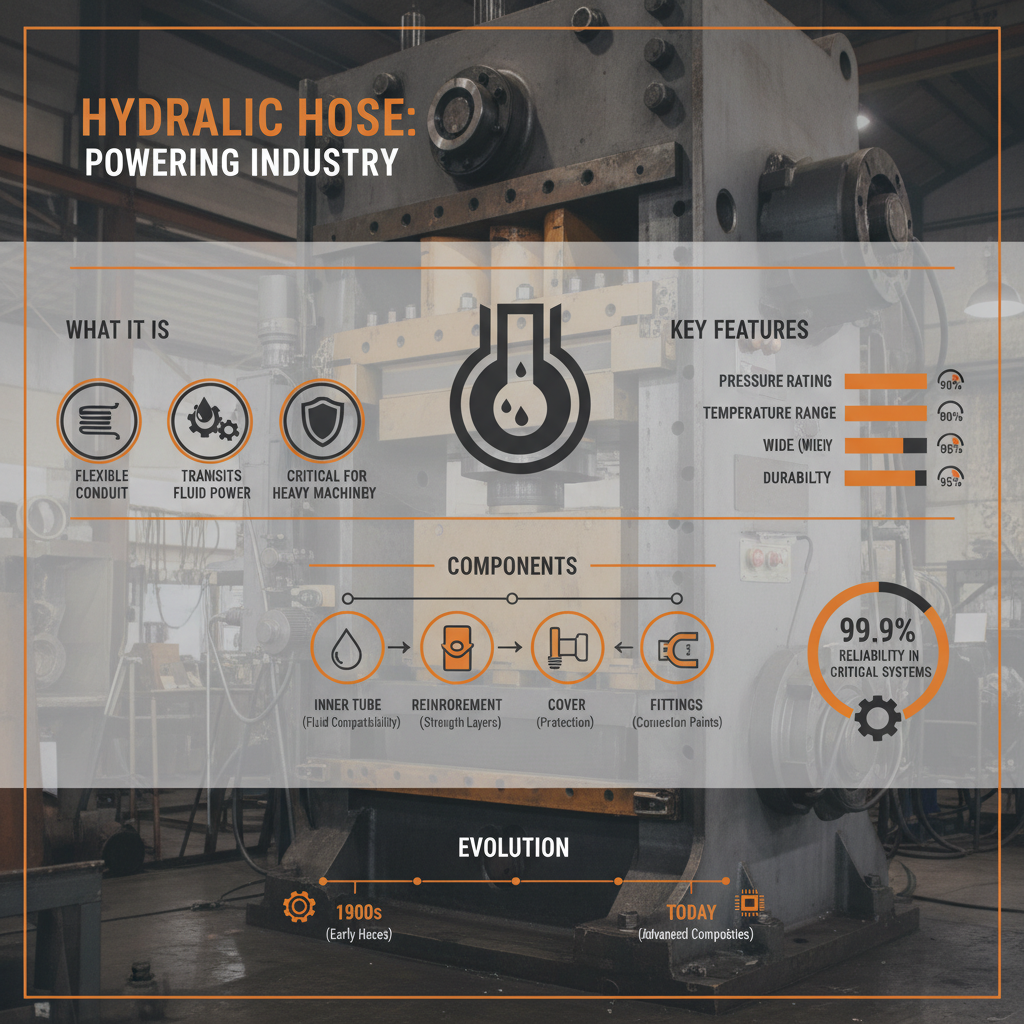
Several factors significantly influence the hydraulic hose cost per foot. Material composition is a primary driver – rubber hoses are typically less expensive than those made from synthetic polymers like PTFE or nylon. The reinforcement layers, such as spiral steel wire or braided textile, also contribute to the cost, with higher reinforcement levels increasing the hose’s pressure capacity and, subsequently, its price.
End fitting types and materials are another key consideration. Steel fittings are generally more durable but also more expensive than aluminum or plastic fittings. The complexity of the fitting design – such as whether it's a field-attachable or permanently crimped fitting – also affects the overall cost. Furthermore, the diameter and length of the hose directly impact the amount of material used, and thus the cost.
Finally, supplier pricing, order volume, and market conditions play a role. Larger orders often qualify for discounted rates, and fluctuations in raw material costs (oil, steel, etc.) can influence pricing. Shipping costs, especially for bulky or heavy hoses, can add a substantial amount to the total expense, impacting the hydraulic hose cost per foot when considering the full landed cost.
Global Applications and Use Cases
Hydraulic hoses are ubiquitous across numerous industries worldwide. In construction, they power excavators, bulldozers, and cranes, enabling heavy lifting and earthmoving operations. Agriculture relies on hydraulic systems in tractors, harvesters, and irrigation equipment. Manufacturing utilizes hydraulic hoses in injection molding machines, presses, and robotic arms.
The oil and gas industry employs hydraulic hoses in offshore drilling rigs, pipelines, and refining facilities, where high-pressure and harsh environments demand robust and reliable hoses. Mining operations use hydraulic systems for rock drilling, material handling, and conveyor systems. These applications span across regions including North America, Europe, Asia-Pacific, and South America.
In post-disaster relief operations, hydraulic hoses are crucial for operating rescue equipment, generators, and temporary infrastructure. In remote industrial zones, where access to specialized equipment is limited, readily available and affordable hydraulic hoses are essential for maintaining operational continuity. Effective understanding of hydraulic hose cost per foot supports efficient resource allocation in these vital applications.
Hydraulic Hose Cost Per Foot Comparison
Advantages and Long-Term Value
Choosing the right hydraulic hose, considering its cost per foot alongside its performance characteristics, provides tangible benefits. Reduced downtime resulting from fewer hose failures translates directly into increased productivity and revenue. Selecting durable hoses reduces the frequency of replacements, lowering lifecycle costs.
Sustainability is also a factor. Longer-lasting hoses reduce waste and minimize the environmental impact associated with manufacturing and disposal. The reliability of hydraulic systems contributes to worker safety, reducing the risk of accidents caused by hose bursts or malfunctions. Investing in quality hoses, even at a higher initial hydraulic hose cost per foot, often yields a greater return on investment in the long run.
Future Trends and Innovations
The future of hydraulic hoses is focused on enhanced durability, improved performance, and reduced environmental impact. Research is underway to develop new materials, such as bio-based polymers, that offer comparable performance to traditional synthetics but with a smaller carbon footprint. Digital technologies, such as embedded sensors, are being integrated into hoses to provide real-time monitoring of pressure, temperature, and wear, enabling predictive maintenance and preventing failures.
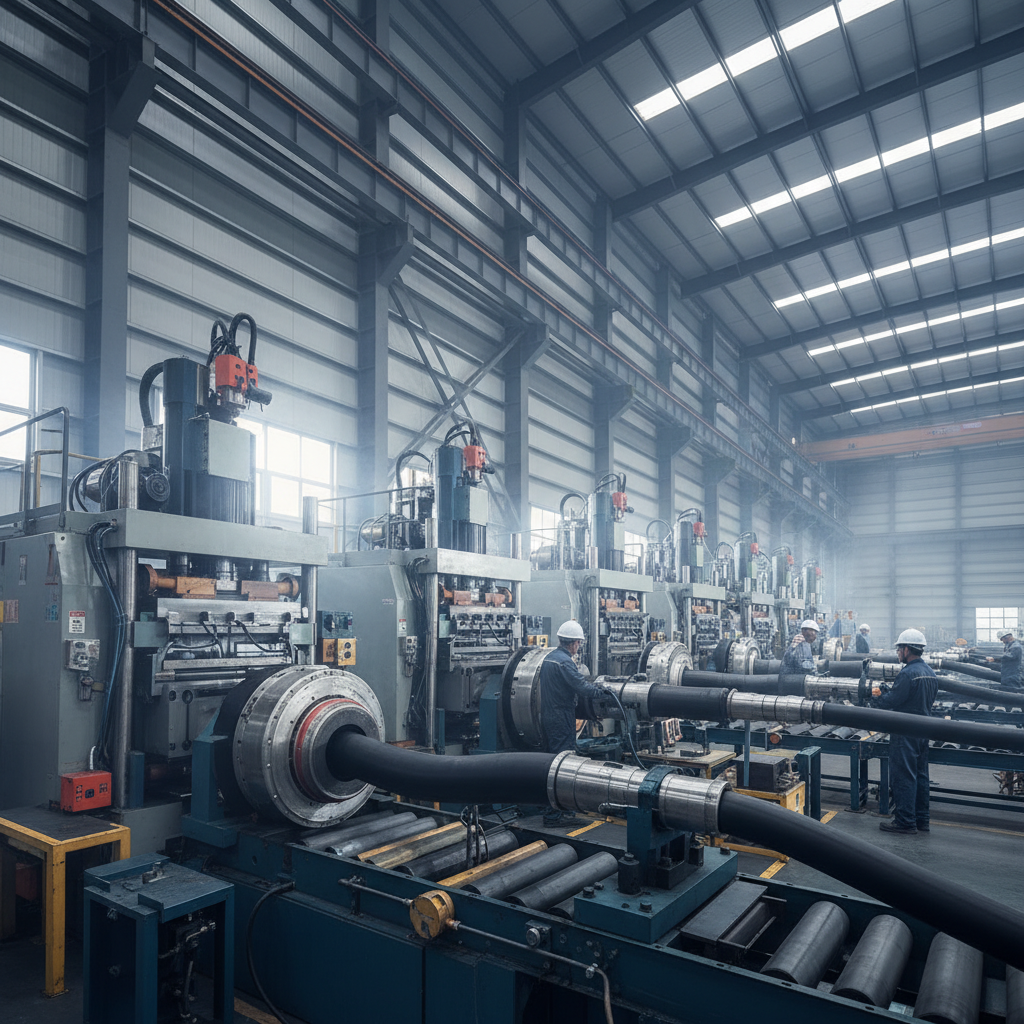
Automation and robotics are also influencing hose design and manufacturing. Automated hose assembly processes are increasing efficiency and reducing production costs. Furthermore, the trend towards electrification in many industries is driving the development of specialized hydraulic hoses for electric-powered hydraulic systems, optimizing energy efficiency and reducing emissions. Understanding how these innovations will affect the hydraulic hose cost per foot will be key for future planning.
Challenges and Solutions
One of the primary challenges is accurately predicting hose lifespan and identifying potential failure points. Factors like fluid compatibility, operating temperature, and pressure fluctuations can all contribute to premature failure. Another challenge is managing inventory and ensuring the availability of the right hoses when and where they are needed.
Solutions include implementing robust hose management programs that track hose usage, conduct regular inspections, and schedule preventative maintenance. Utilizing advanced diagnostic tools, such as ultrasonic leak detection, can help identify early signs of wear and tear. Leveraging data analytics to identify patterns of failure can inform hose selection and optimize maintenance schedules.
Furthermore, building strong relationships with reliable suppliers and negotiating favorable pricing agreements can help mitigate the impact of fluctuating raw material costs and ensure a consistent supply of quality hoses at a competitive hydraulic hose cost per foot.
Analysis of Hydraulic Hose Cost per Foot Based on Key Variables
| Hose Type |
Operating Pressure (PSI) |
Material Grade (1-10) |
Average Cost Per Foot (USD) |
| Rubber, Low Pressure |
500 |
3 |
1.25 |
| Synthetic, Medium Pressure |
1500 |
6 |
3.50 |
| Steel Wire Braid |
3000 |
8 |
6.75 |
| PTFE, High Temperature |
4000 |
9 |
11.50 |
| Composite, Ultra High Pressure |
6000 |
10 |
22.00 |
| Thermoplastic |
2000 |
7 |
4.00 |
FAQS
Several key factors influence the cost, including the hose’s material composition (rubber, synthetic, PTFE), reinforcement layers (steel wire, textile braid), operating pressure and temperature requirements, and the type and material of end fittings. Supplier pricing and order volume also play a role. Considering these components allows for informed purchasing decisions.
Implementing a proactive hose management program, including regular inspections, preventative maintenance, and proper hose selection for specific applications, can significantly reduce costs. Negotiating with suppliers, purchasing in bulk, and avoiding unnecessary hose replacements can also contribute to savings.
The lifespan varies widely depending on the hose type, operating conditions, and maintenance practices. Low-pressure rubber hoses may last several years, while high-pressure, high-temperature hoses may require replacement more frequently. Regular inspections are crucial for identifying wear and tear and predicting remaining lifespan.
Rubber hoses are generally the least expensive, while synthetic materials like PTFE or nylon are more costly due to their enhanced performance characteristics. PTFE offers superior temperature and chemical resistance, but comes at a premium. Material selection should align with the specific application requirements and budget constraints.
Higher-quality hoses generally offer increased durability, resistance to wear and tear, and improved safety. While the initial hydraulic hose cost per foot may be higher, they often result in lower lifecycle costs due to reduced replacements and downtime. They also minimize the risk of catastrophic failures and associated safety hazards.
Researching and vetting suppliers is crucial. Look for suppliers with a strong reputation, certifications (like ISO 9001), and a wide range of products. Online directories, industry trade shows, and recommendations from other professionals can help identify reliable suppliers.
Conclusion
In conclusion, understanding hydraulic hose cost per foot is paramount for efficient resource allocation, project budgeting, and operational reliability across diverse industries. The cost isn’t solely determined by the price per foot but by a complex interplay of material composition, reinforcement, operating conditions, and supplier dynamics. A strategic approach to hose selection, maintenance, and supplier management is essential for maximizing value and minimizing lifecycle costs.
Looking ahead, innovations in materials, sensor technology, and automation promise to further optimize hose performance and reduce costs. Proactive hose management programs, coupled with a commitment to sustainability, will be key to navigating future challenges and ensuring the long-term viability of hydraulic systems. For expert advice and a wide range of hydraulic hose solutions, visit our website: www.hydhoses.com.

 Call Us+86-158-0331-9351
 Emailcarrie@sinopulse.cn
 AddressHandan City, Hebei , China