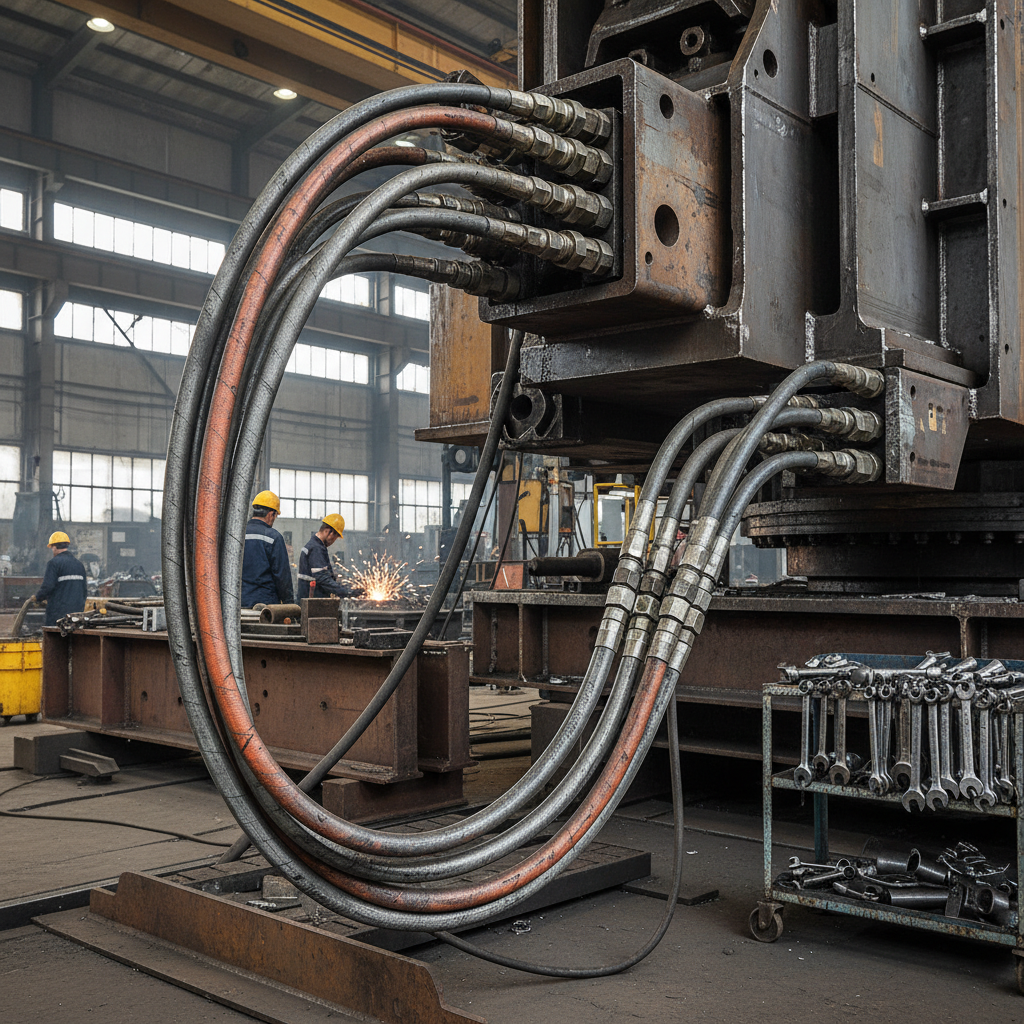
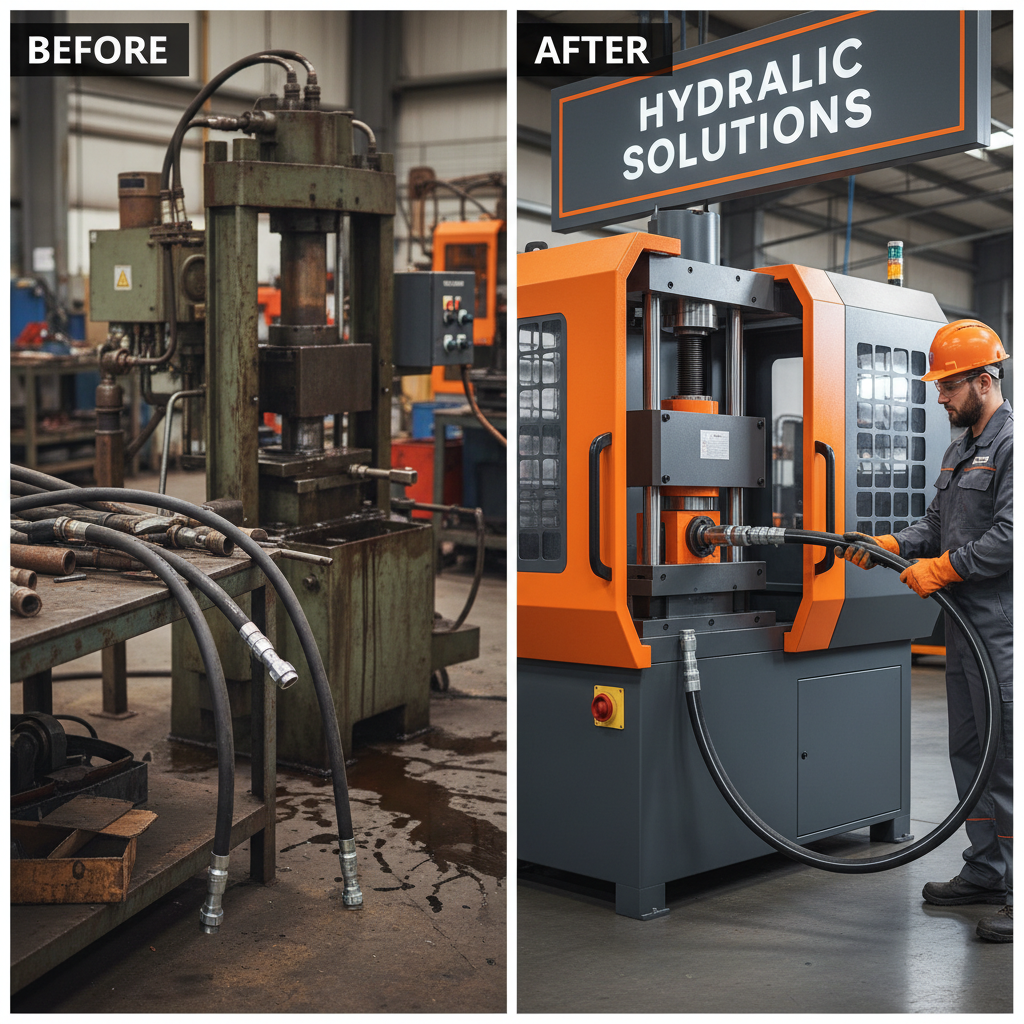
Hydraulic hoses are essential components in a vast array of industries, serving as the arteries that transmit power and facilitate operation in everything from construction equipment and agricultural machinery to aerospace systems and manufacturing processes. Understanding their construction, capabilities, and limitations is crucial for ensuring safety, efficiency, and reliability in these critical applications. The global demand for hydraulic hoses continues to grow alongside industrial expansion and technological advancements.
The increasing complexity of modern machinery necessitates increasingly sophisticated hydraulic systems, and consequently, high-performance hydraulic hoses. These hoses aren’t merely conduits; they are engineered solutions designed to withstand extreme pressures, temperatures, and environmental conditions. Their performance directly impacts the productivity and longevity of the equipment they serve, making careful selection and maintenance paramount.
From enabling precision control in heavy machinery to ensuring the smooth operation of critical infrastructure, hydraulic hoses play a fundamental role in supporting modern life and driving economic progress. Investing in knowledge about these vital components translates directly into cost savings, improved safety standards, and greater operational uptime.
The Importance of Hydraulic Hose Integrity
Maintaining the integrity of hydraulic hoses is paramount for operational safety and efficiency. A compromised hose can lead to catastrophic failures, resulting in downtime, costly repairs, and, more importantly, potential injury or loss of life. Regular inspection, proper installation, and adherence to manufacturer guidelines are critical preventative measures.
The consequences of hose failure extend beyond immediate safety concerns. Fluid leaks can cause environmental contamination, requiring expensive cleanup procedures. Premature hose degradation can also significantly reduce the overall lifespan of hydraulic systems, driving up long-term maintenance costs. Choosing the right hose for the application and implementing a proactive maintenance program are essential for mitigating these risks.
Defining Hydraulic Hoses and Their Role
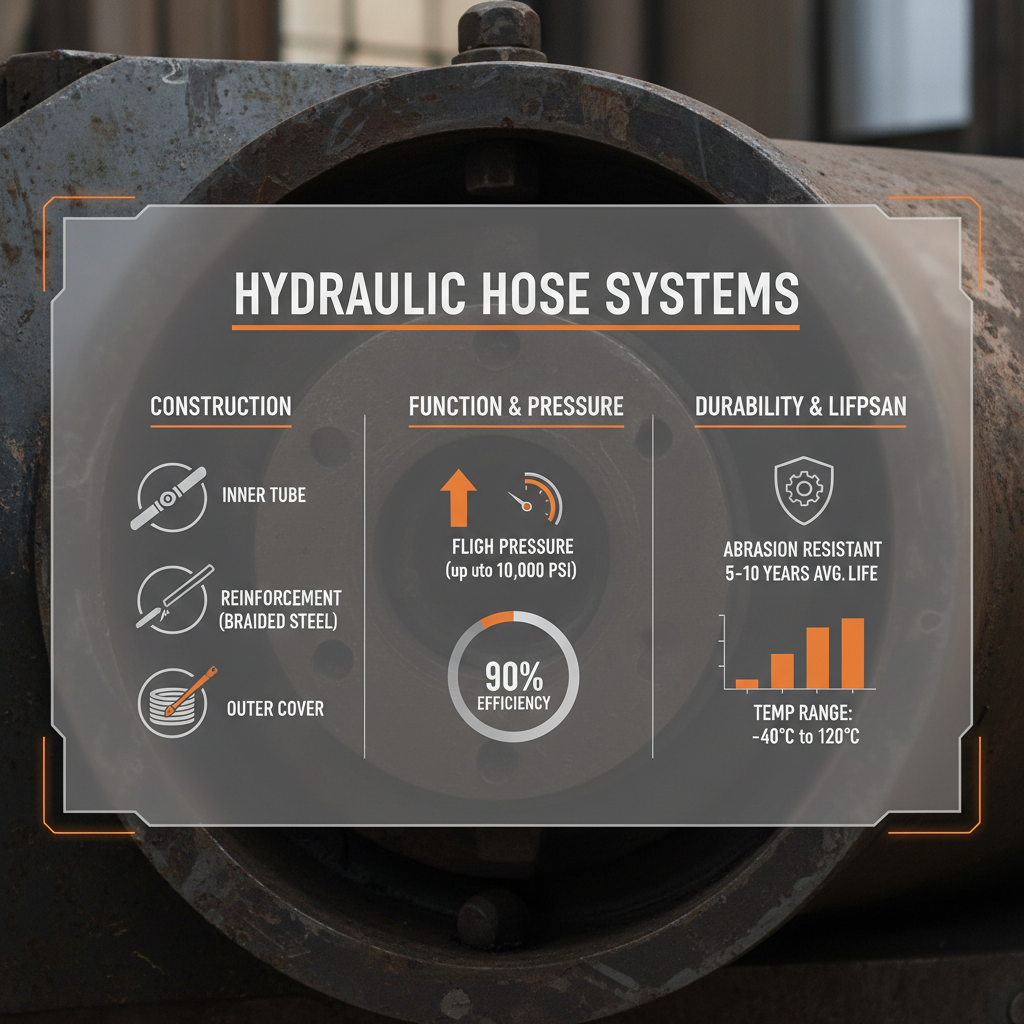
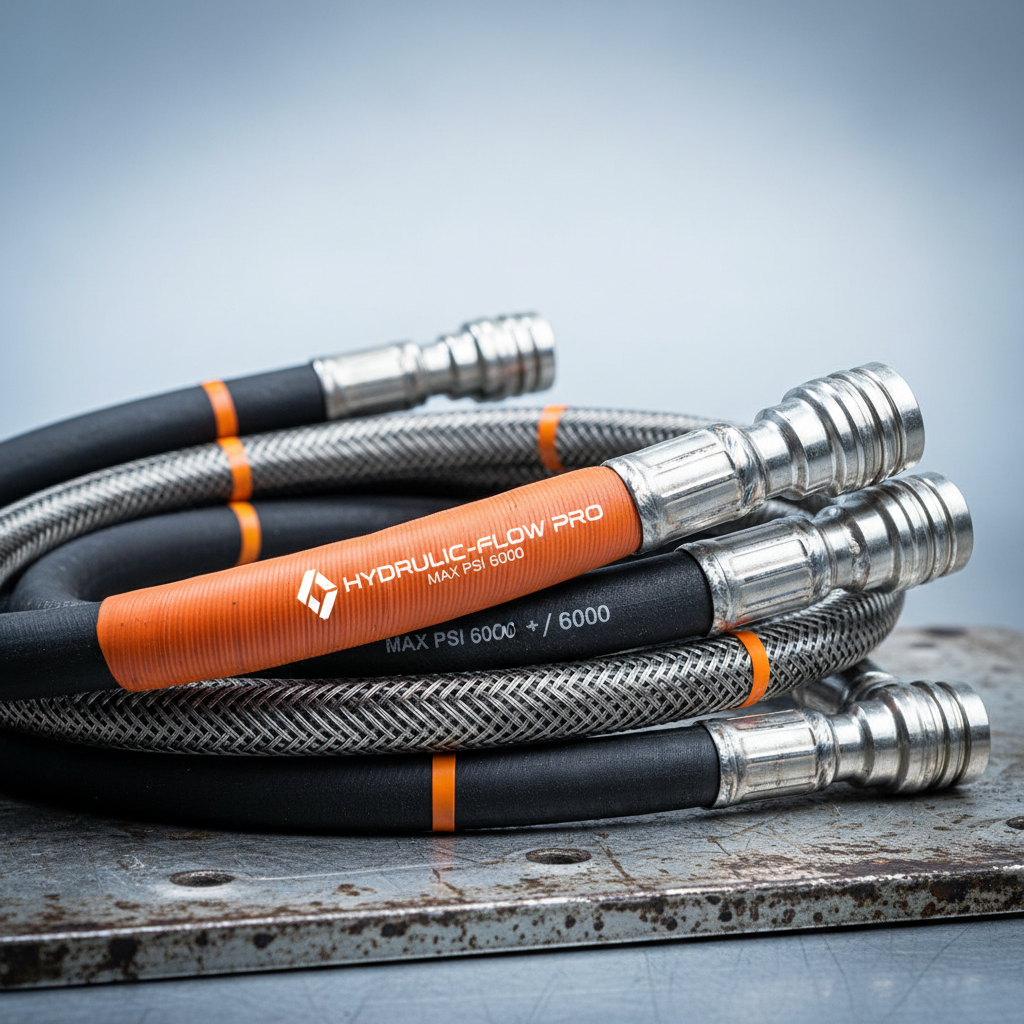
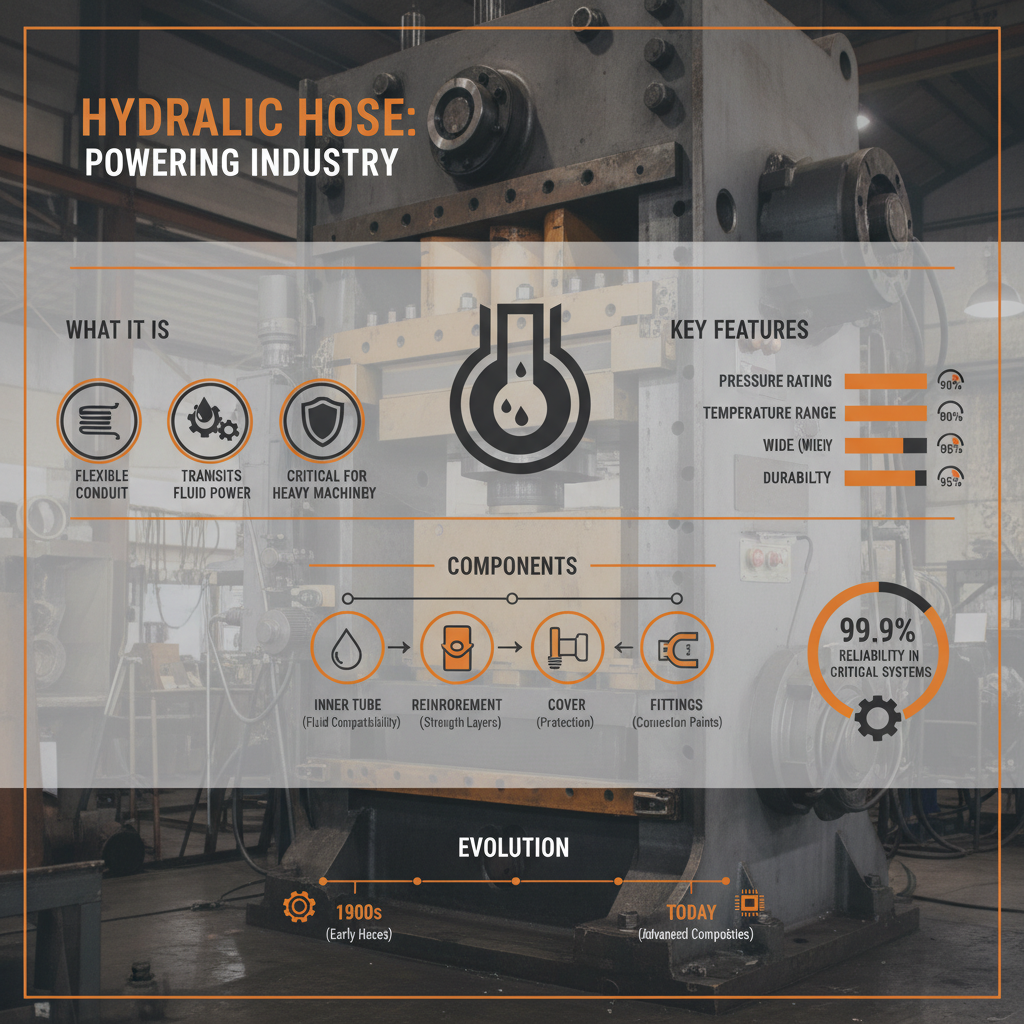
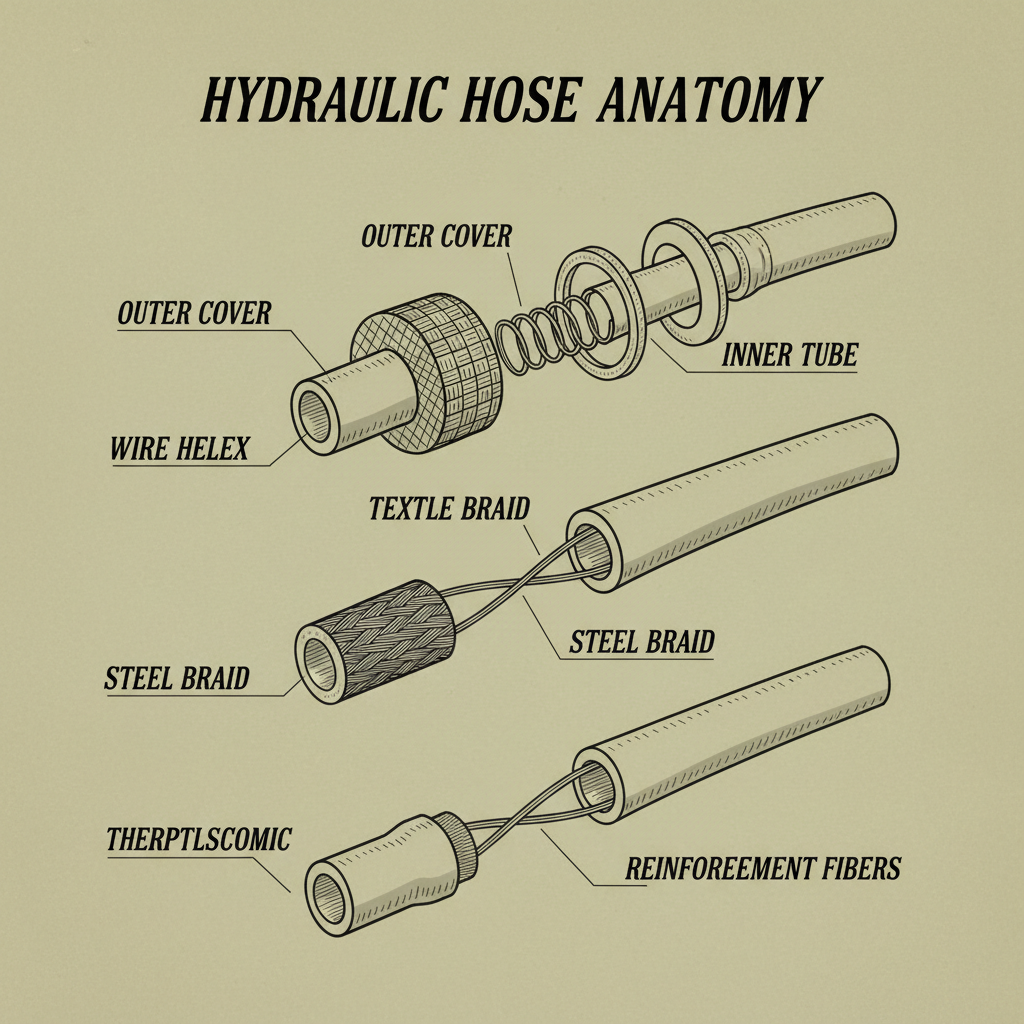
Hydraulic hoses are specifically engineered tubes designed to convey pressurized hydraulic fluid to transmit force and power within a hydraulic system. Unlike general-purpose tubing, hydraulic hoses are constructed with layers of rubber, reinforcement materials (like steel wire or synthetic fibers), and protective outer coverings to withstand high pressures and harsh operating conditions.
Their function is central to the operation of countless machines, enabling remote control, precise movements, and the application of immense force. They are integral to sectors like construction, manufacturing, agriculture, and even aerospace. The effectiveness of a hydraulic system is directly dependent on the quality and performance of its hydraulic hoses.
Hydraulic hoses connect components such as pumps, valves, cylinders, and reservoirs, creating a closed loop that allows for efficient power transmission. They effectively translate mechanical energy into fluid power, enabling a wide range of industrial and mobile applications.
Key Factors Influencing Hydraulic Hose Performance
Several key factors contribute to the performance and longevity of hydraulic hoses. Pressure rating is a primary consideration, as hoses must be capable of withstanding the maximum pressure generated within the hydraulic system. Temperature resistance is also crucial, particularly in applications where the hose is exposed to extreme heat or cold.
The type of hydraulic fluid used also plays a vital role. Different fluids have varying chemical compositions, and hoses must be compatible with the fluid to prevent degradation and swelling. Finally, the hose’s construction – including the materials used for the tube, reinforcement, and cover – significantly impacts its overall durability and resistance to abrasion, chemicals, and ozone.
Beyond material specifications, proper hose sizing is essential. An undersized hose will create excessive friction and heat, reducing efficiency and shortening its lifespan. Conversely, an oversized hose can lead to fluid velocity issues and potential pulsation. Careful consideration of these factors ensures optimal performance and reliability.
Global Applications and Diverse Use Cases
Hydraulic hoses are indispensable across a diverse range of global industries. In construction, they power excavators, bulldozers, and cranes, enabling large-scale projects. Agriculture relies heavily on hydraulic hoses in tractors, harvesters, and irrigation systems, increasing efficiency and productivity.
Manufacturing utilizes hydraulic hoses in injection molding machines, presses, and automated assembly lines, facilitating precision and control. The aerospace industry employs specialized hydraulic hoses in aircraft flight control systems and landing gear, where reliability is paramount. Even marine applications, such as steering systems and winch operations, depend on robust hydraulic hose technology.
In remote industrial zones, like mining operations in Australia or oil and gas facilities in the North Sea, hydraulic hoses provide reliable power transmission in challenging environments. Similarly, in post-disaster relief operations, hydraulic hoses are crucial for powering rescue equipment and supporting infrastructure rebuilding efforts.
Hydraulic Hose Application Ratings
Advantages and Long-Term Value Proposition
The advantages of utilizing high-quality hydraulic hoses extend far beyond immediate functionality. They offer significant cost savings through reduced downtime, minimized maintenance requirements, and extended equipment lifespan. Their reliability translates directly into increased productivity and efficiency.
From a sustainability perspective, durable hydraulic hoses reduce the need for frequent replacements, minimizing waste and lowering the environmental impact. Their robust construction enhances safety by reducing the risk of catastrophic failures and fluid leaks. Investing in superior hose technology fosters trust and confidence in the equipment’s performance.
Future Trends and Innovation in Hydraulic Hose Technology
The future of hydraulic hose technology is geared towards enhanced performance, increased sustainability, and smart integration. Developments in material science are leading to lighter, stronger, and more chemically resistant hose constructions. Biodegradable and recyclable hose materials are gaining traction, addressing growing environmental concerns.
Smart hoses, equipped with sensors that monitor pressure, temperature, and flow rate, are emerging as a key innovation. These sensors provide real-time data, enabling predictive maintenance, preventing failures, and optimizing system performance. Digital integration will also play a crucial role, allowing for remote monitoring and control of hydraulic systems.
Challenges and Solutions in Hydraulic Hose Implementation
Despite advancements, challenges remain in hydraulic hose implementation. Proper hose routing and support are critical to prevent abrasion and premature failure, but are often overlooked. Selecting the correct hose for the application, considering factors like fluid compatibility and operating pressure, can also be complex.
Solutions include providing comprehensive training for technicians on proper installation and maintenance procedures. Utilizing hose management systems, which track hose usage and schedule preventative maintenance, can significantly extend hose lifespan. Implementing stricter quality control measures during manufacturing and utilizing advanced materials can also address common failure points.
Furthermore, the adoption of standardized hose connection methods and the development of user-friendly diagnostic tools can streamline maintenance and reduce the risk of errors. Continuously adapting to new technologies and embracing best practices are essential for overcoming these challenges.
Summary of Common Hydraulic Hose Failure Modes and Mitigation Strategies
| Failure Mode |
Root Cause |
Severity (1-10) |
Mitigation Strategy |
| Bursting |
Excessive Pressure |
9 |
Pressure Relief Valves, Proper Hose Rating |
| Abrasion |
Rubbing Against Surfaces |
7 |
Hose Guards, Proper Routing |
| Kinking |
Sharp Bends |
6 |
Larger Bend Radius, Flexible Hose Assemblies |
| Chemical Degradation |
Incompatible Fluid |
8 |
Fluid-Resistant Hose Materials |
| Leakage |
Loose Connections |
5 |
Proper Torqueing, Regular Inspection |
| Hose Twisting |
Incorrect Installation |
4 |
Proper Swivel Assemblies |
FAQS
The lifespan of a hydraulic hose varies significantly depending on operating conditions, fluid compatibility, and maintenance practices. Generally, a well-maintained hose can last between 5 to 7 years, but in harsh environments or with improper use, it may need replacement much sooner. Regular inspection is key to determining when a hose should be replaced. Factors like exposure to UV light, extreme temperatures, and abrasion accelerate wear and tear.
Several visible signs indicate that a hydraulic hose needs replacing. These include cracks, bulges, abrasions, kinks, and any evidence of fluid leakage. Also, if the hose becomes excessively flexible or stiff, it’s a sign of internal degradation. Regular visual inspections, combined with pressure testing, can help identify potential issues before they lead to catastrophic failure. Ignoring these signs can result in costly downtime and safety hazards.
Proper storage is crucial for extending the life of hydraulic hoses. Store hoses in a cool, dry, and dark environment, away from direct sunlight, heat sources, and chemicals. Avoid bending or kinking the hoses during storage. Ideally, hoses should be stored on a reel or rack to prevent stress and maintain their shape. It’s also important to protect the hose ends to prevent contamination and damage.
Using the correct hydraulic fluid is paramount for the longevity and performance of both the hydraulic system and the hoses. Incompatible fluids can cause swelling, degradation, and ultimately, failure of the hose materials. Always refer to the manufacturer's specifications for the recommended fluid type. Using the wrong fluid can also compromise the system's efficiency and lead to increased wear and tear on other components.
While minor damage like a small abrasion can sometimes be addressed with appropriate repair sleeves, it’s generally recommended to replace hydraulic hoses rather than attempt repairs. Repairing a hose can compromise its structural integrity and pressure rating, increasing the risk of failure. For any significant damage, such as cracks, bulges, or kinks, replacement is the safest and most reliable option. Always prioritize safety and reliability over attempting a quick fix.
Working with hydraulic hoses requires strict adherence to safety precautions. Always relieve pressure from the system before disconnecting any hoses. Wear appropriate personal protective equipment (PPE), including safety glasses and gloves. Never search for leaks with your bare hands – use a piece of cardboard or wood instead. Ensure the work area is clean and well-lit. And always follow the manufacturer’s safety guidelines and best practices.
Conclusion
In conclusion, hydraulic hoses are indispensable components in a vast array of industries, facilitating power transmission and enabling critical operations. Understanding their construction, proper application, maintenance, and emerging trends is vital for maximizing performance, ensuring safety, and minimizing downtime. The long-term benefits of investing in quality hoses and adhering to best practices far outweigh the initial costs.
Looking ahead, the evolution of hydraulic hose technology promises even greater efficiency, sustainability, and intelligence. Embracing innovations in materials, sensor technology, and digital integration will be crucial for remaining competitive and addressing the evolving demands of modern industries. Visit our website at www.hydhoses.com to learn more about our range of hydraulic hose solutions and expert support.

 Call Us+86-158-0331-9351
 Emailcarrie@sinopulse.cn
 AddressHandan City, Hebei , China