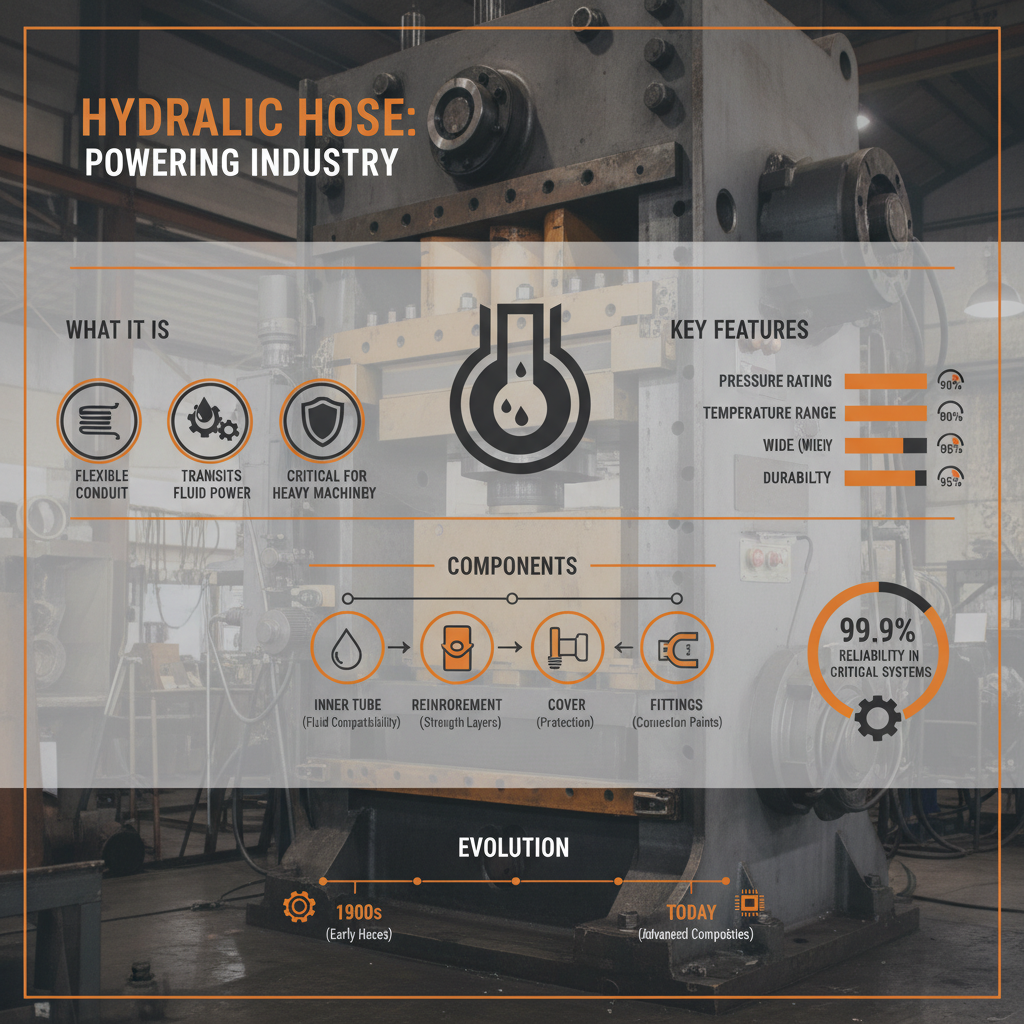
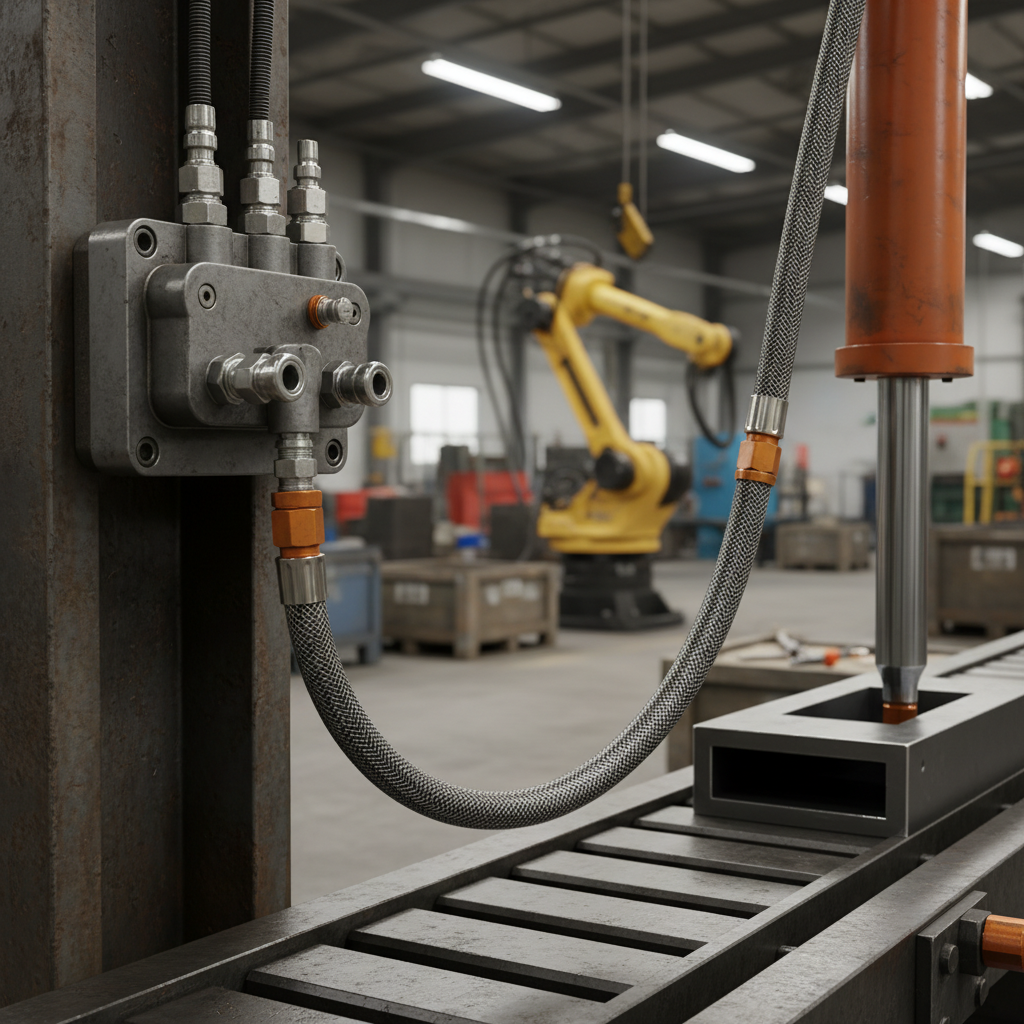
Look, I’ve been running around construction sites for fifteen years, getting my hands dirty with materials. Lately, everyone’s talking about prefabrication, modular builds, and speeding things up. It’s all about efficiency, right? But honestly, a lot of these “innovations” just shift the problems around. You solve one headache, create two more. It's a constant balancing act.
And the demand for higher-performing hydraulic hoses has been going through the roof. Not just for construction, but everything from mining to agriculture. These aren't the hoses your grandpa used, that's for sure. The pressure, the temperatures… everything's pushing the limits. I've seen hoses fail in the field and it’s never pretty.
The biggest thing I see is companies getting hung up on specs. They chase the highest burst pressure, the best temperature rating, but forget about real-world usability. A hose that's impossible to maneuver on a busy job site is worthless, no matter how strong it is. You need flexibility, durability, and something that won’t kink after five minutes. That's where a good hydraulic hose supplier comes in.
Industry Trends and Common Pitfalls
To be honest, the biggest trend isn't necessarily new materials, it's the push for longer hose life and reduced downtime. Everyone's squeezing suppliers for hoses that can handle more abuse and last longer between replacements. But you see a lot of manufacturers cutting corners, using cheaper reinforcement materials, or skimping on the cover. And then they wonder why their customers are complaining. It’s a classic case of penny-wise, pound-foolish.
A really common mistake? Ignoring the fitting. You can have the best hose in the world, but if the fitting fails, the whole thing is useless. I encountered this at a factory in Ningbo last time, they were using these incredibly cheap crimp fittings and they were literally popping off during pressure tests. It was a mess.
Material Breakdown: What We're Actually Using
Okay, let's talk materials. You’ve got your standard rubber, of course – typically nitrile for oil resistance. It smells… well, like rubber. You get used to it. Then you've got thermoplastic hoses, which are lighter and more flexible, but can be more susceptible to kinking. They’re a bit… plastic-y, I guess. And then there's PTFE lined hoses, which are fantastic for handling corrosive fluids, but they're expensive. Really expensive.
The reinforcement is where things get interesting. Steel wire is still the most common, but you're seeing more and more synthetic fibers like aramid. Aramid is lighter and offers excellent strength, but it’s a pain to work with – generates a lot of dust. You need proper ventilation and respirators. Have you noticed how dusty it gets when you cut aramid reinforced hoses? It's awful.
The cover is often polyurethane, offering abrasion and weather resistance. It feels… grippy, which is good. But a cheap cover will crack and split after a few months of sun exposure. That's when you start getting leaks and a whole world of trouble.
Real-World Testing: Beyond the Lab
Lab tests are fine, I guess. Burst pressure, fatigue testing… it all has its place. But it doesn't tell you how a hose will perform on a muddy construction site, exposed to the elements, getting bent and twisted all day long. We need field testing, and a lot of it.
Strangely, the best testing often happens by accident. A hose gets left in the sun, gets run over by a forklift, gets splashed with chemicals. That's when you really see what it's made of. We’ve started running our own simulated field tests – burying hoses in gravel, exposing them to UV light, flexing them repeatedly. It's not perfect, but it's a lot more realistic than a sterile lab environment.
A good hydraulic hose supplier doesn’t just provide test certificates, they're willing to show you real-world performance data. They’ve got hoses on sites, collecting feedback, and constantly improving their products.
How Users Actually Use Hydraulic Hoses
This is the part that always surprises engineers. They design hoses for a specific application, but users often find ways to misuse them. They bend them at too tight a radius, they expose them to incompatible fluids, they run them over with heavy machinery. It’s inevitable.
I've seen guys use hoses as makeshift tow ropes. Seriously. They’ll loop it around a tree and try to pull a stuck vehicle. It’s a disaster waiting to happen. And don't even get me started on using hoses for air lines. It'll blow up, I guarantee it.
Hydraulic Hose Failure Rates by Common Cause
Advantages, Disadvantages, and the Pain Points
The biggest advantage of modern hydraulic hoses? Reliability. A good hose will just work, and you won’t have to think about it. That’s worth a lot on a busy job site. But they’re not perfect. They can be bulky, especially in tight spaces. And they can be expensive.
The real pain point is downtime. A failed hose can shut down a whole operation. That’s why having a reliable hydraulic hose supplier who can deliver quickly is so critical. And it’s not just about having the hose in stock, it’s about having the right fittings, the right crimping tools, and the expertise to assemble it correctly.
Customization: When You Need Something Special
Look, standard hoses cover 90% of applications. But sometimes you need something custom. A different length, a specific fitting, a special material for a unique fluid. A good supplier will be able to accommodate those requests.
For example, we had a customer who needed a hose for a deep-sea mining operation. They needed a hose that could withstand extreme pressure and saltwater corrosion. We worked with the supplier to develop a custom hose with a special PTFE lining and a double-armored reinforcement. It wasn’t cheap, but it was the only thing that would work.
A Customer Story: The Debacle
Last month, that small boss in Shenzhen who makes smart home devices – really pushy guy – insisted on changing the interface to for his hydraulic testing setup. Said it was “more modern” and “appealed to his target market.” He wanted a tiny, flexible hose with a fitting on each end. I tried to explain it wouldn't work, the pressures were too high, the fitting wouldn’t hold… but he wouldn't listen.
He ordered them anyway, from some cheap online supplier. And guess what? They blew out during the first test. Sprayed hydraulic fluid all over his expensive electronics. He was not happy. He ended up calling me, begging for a traditional quick-connect setup. It cost him twice as much in the end, and a lot of lost time.
Anyway, I think it shows you can't always chase the latest trend. Sometimes, the tried-and-true methods are the best.
Summary of Hydraulic Hose Performance Factors
| Reinforcement Type |
Pressure Rating (PSI) |
Flexibility Score (1-10) |
Cost Factor (1-5) |
| Steel Wire Braid |
3000 |
6 |
2 |
| Single Aramid Braid |
4500 |
7 |
3 |
| Double Steel Wire Braid |
6000 |
5 |
3 |
| PTFE with Steel Braid |
5000 |
4 |
5 |
| Thermoplastic |
2000 |
9 |
2 |
| Aramid with Outer Wrap |
5500 |
8 |
4 |
FAQS
Honestly, it's focusing too much on pressure ratings and not enough on the application. People get hung up on “bigger is better” and forget to consider things like bend radius, fluid compatibility, and abrasion resistance. A hose that's too stiff will kink, a hose that's not chemically compatible will degrade, and a hose that's easily damaged will fail quickly. It's a whole system, not just a number on a spec sheet.
Look for cracks, bulges, or abrasions in the cover. Check the fittings for leaks or corrosion. If the hose feels soft or spongy, that’s a bad sign. And if you notice any fluid weeping from the hose, shut down the system immediately and replace the hose. Don't mess around with hydraulics – it can be dangerous.
Braided hoses are more common and generally more flexible. They’re good for applications with moderate pressure and bend requirements. Spiral hoses, on the other hand, have a spiral-wound reinforcement, making them stronger and more resistant to kinking. They're ideal for high-pressure applications where flexibility isn’t as critical.
Not necessarily. Price doesn't always equate to quality. Sometimes you're just paying for a brand name. A good hydraulic hose supplier will offer a range of options to fit your budget and application. The key is to find a hose that meets your specific needs, not just the most expensive one.
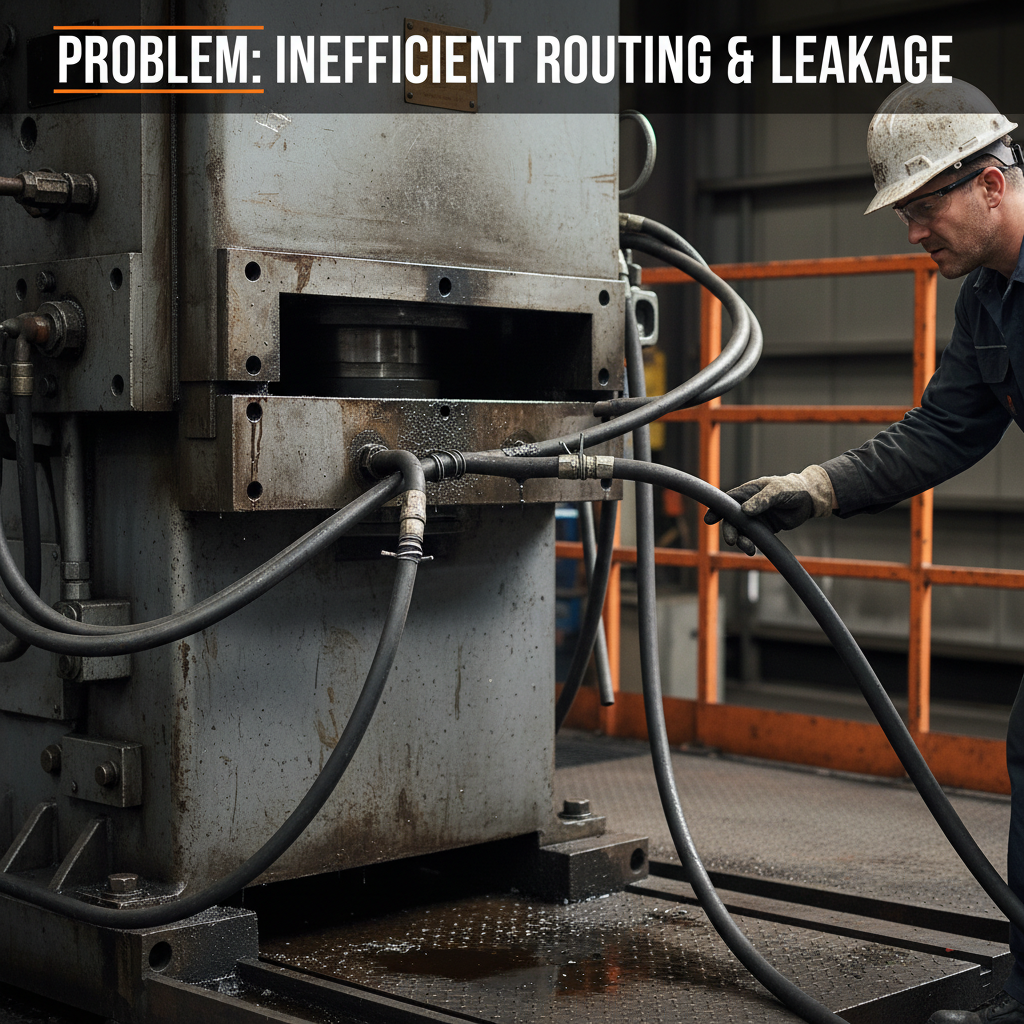
Hugely important. Avoid sharp bends, kinks, and abrasion points. Keep the hose away from heat sources and moving parts. Proper routing extends the life of the hose and prevents failures. It seems simple, but it's often overlooked on a busy job site.
It's generally not recommended. Temporary repairs can be dangerous and unreliable. The best practice is to replace the entire hose. A good hydraulic hose supplier can often provide a replacement quickly, minimizing downtime. Don't risk a serious accident trying to patch up a damaged hose.
Conclusion
So, what does all this boil down to? It's about understanding that hydraulic hoses aren’t just pipes. They’re critical components of complex systems, and choosing the right hose can make or break an operation. It's about finding a balance between performance, reliability, and cost. And it's about recognizing that the best technology in the world is useless if it's not properly applied and maintained.
Ultimately, whether this thing works or not, the worker will know the moment he tightens the screw. That's the bottom line. Find a hydraulic hose supplier who understands that, and you'll be in good shape.

 Call Us+86-158-0331-9351
 Emailcarrie@sinopulse.cn
 AddressHandan City, Hebei , China