Your Trusted 24 Hours Service Provider!

-
 Call Us+86-158-0331-9351
 -
 Emailcarrie@sinopulse.cn
 -
 AddressHandan City, Hebei , China


Custom hydraulic hoses are essential components in a vast array of industries, from construction and agriculture to manufacturing and aerospace. Their ability to transmit fluid power efficiently and reliably under demanding conditions makes them indispensable for operating heavy machinery, controlling complex systems, and ensuring the smooth functioning of critical processes. Understanding the nuances of custom hydraulic hoses – their design, materials, and applications – is therefore crucial for engineers, technicians, and anyone involved in these sectors.
The global market for hydraulic hoses is substantial and continually growing, driven by factors such as increasing industrialization, infrastructure development, and the demand for more efficient and powerful equipment. According to recent reports, the hydraulic hose market is projected to reach billions of dollars in the coming years, with a significant portion of this growth attributed to the customization of hoses to meet specific application requirements.
Investing in a thorough understanding of custom hydraulic hoses leads to improved system performance, reduced downtime, and enhanced safety. Choosing the right hose for a particular application is not merely a matter of selecting the correct size and pressure rating; it involves careful consideration of fluid compatibility, temperature extremes, abrasion resistance, and other critical factors.
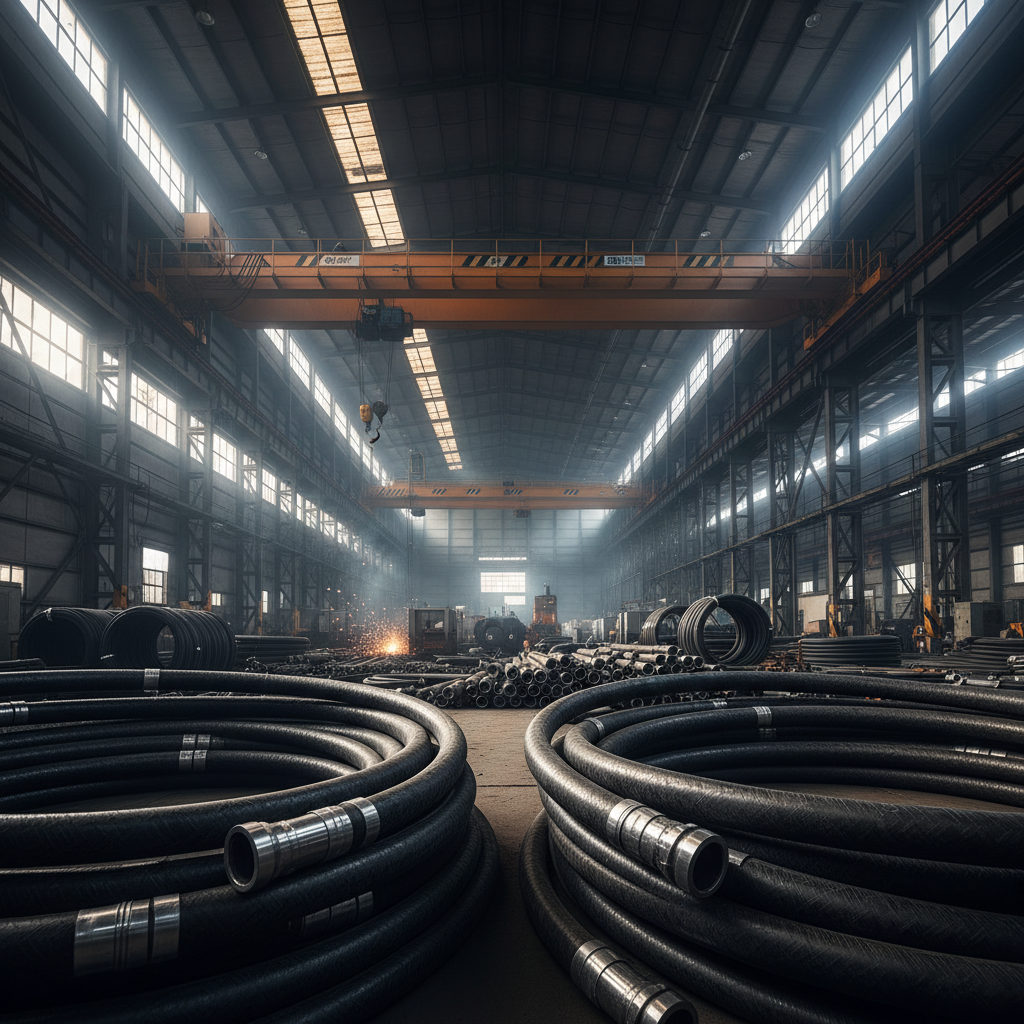
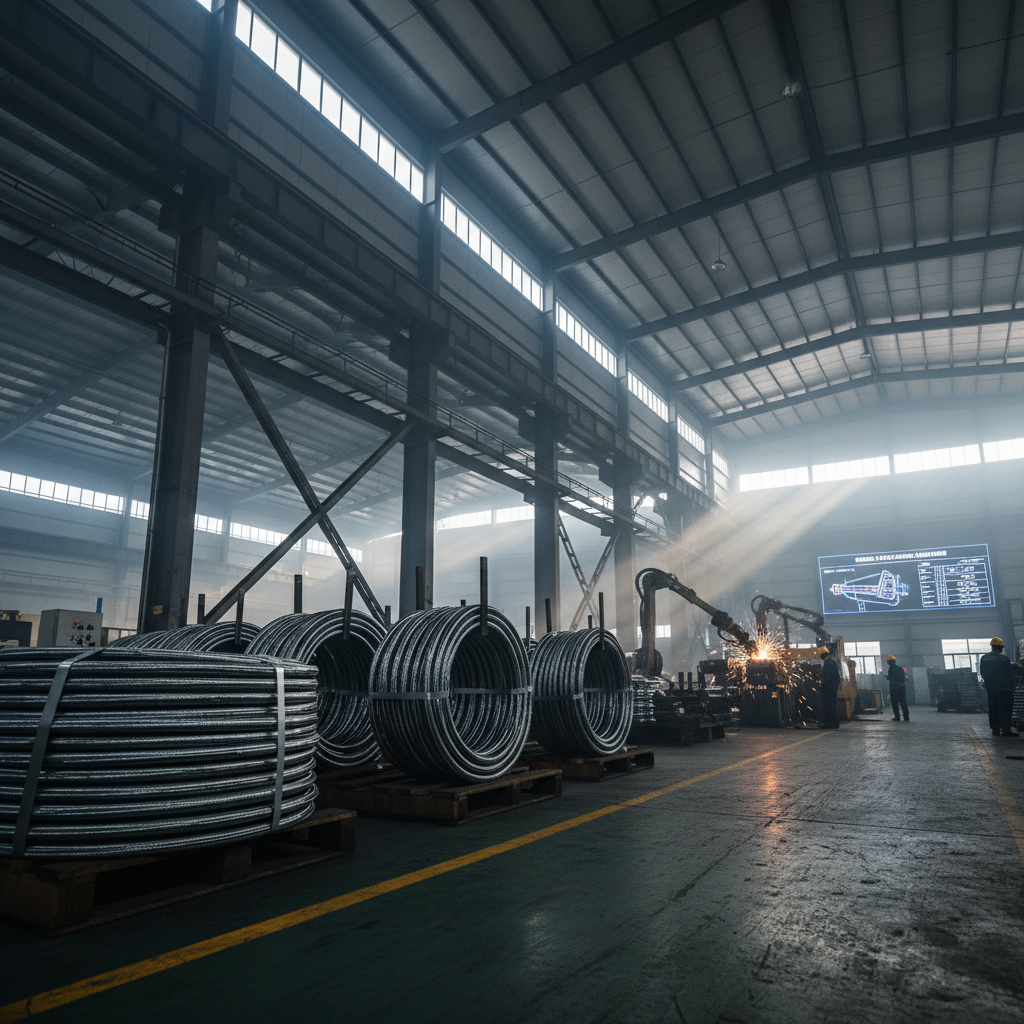
Custom hydraulic hoses aren't simply off-the-shelf components; they are engineered solutions tailored to meet the unique demands of specific applications. The advantages of customization range from improved efficiency and reliability to enhanced safety and reduced maintenance costs. Choosing to invest in a custom hydraulic hoses solution can often prevent costly downtime and system failures.
The process of creating custom hydraulic hoses involves careful consideration of several key factors, including the type of fluid being transported, the operating pressure, temperature fluctuations, and the surrounding environment. By working closely with a reputable hose manufacturer, end-users can ensure that their hoses are perfectly matched to their needs, optimizing performance and extending service life.
Custom hydraulic hoses offer a superior fit and performance compared to standard hoses. They are designed specifically for your application, ensuring optimal efficiency, durability, and safety. This customization can prevent leaks, reduce downtime, and extend the overall life of your hydraulic system. They provide flexibility in terms of length, fittings, and materials that standard hoses simply cannot match.
The lead time for a custom hydraulic hose depends on the complexity of the design and our current production schedule. Generally, simpler hoses can be delivered within 5-7 business days, while more complex designs may take 2-3 weeks. We prioritize clear communication and provide realistic timelines to ensure your project stays on track. Expedited options are also available for urgent requests.
To provide an accurate quote, we require details about the hose's intended application, operating pressure, fluid type, temperature range, desired length, fitting types, and any specific material requirements. Providing a detailed sketch or drawing of the hose assembly is also helpful. The more information you can provide, the more precise our quote will be.
Yes, we have extensive experience working with a wide range of hydraulic fluids, including those with specialized properties such as fire resistance, biodegradability, or compatibility with specific materials. We carefully select hose materials that are compatible with the intended fluid to prevent degradation and ensure long-term reliability.
Yes, we offer comprehensive testing and certification services to ensure that our custom hydraulic hoses meet the highest quality and safety standards. This includes pressure testing, burst testing, impulse testing, and material analysis. We can also provide documentation to demonstrate compliance with relevant industry regulations and standards.
It's crucial to select a hose with a pressure rating that exceeds the maximum operating pressure of your hydraulic system by a significant margin, typically 2-3 times. This safety factor accounts for pressure spikes, surges, and potential fluctuations. Consult with a qualified hydraulic engineer or our team to determine the appropriate pressure rating for your specific application.
In conclusion, custom hydraulic hoses represent a critical component in numerous industries, offering tailored solutions for fluid power transmission. From their ability to improve system performance and reduce downtime to their enhanced safety features and long-term cost savings, the benefits of customization are clear. Investing in high-quality, custom-engineered hoses is not merely a matter of selecting a component; it’s a strategic decision that can significantly impact overall operational efficiency and reliability.
Looking ahead, continued innovation in materials science, sensor technology, and automation will further enhance the capabilities of custom hydraulic hoses. By embracing these advancements and partnering with experienced manufacturers like hydhoses.com, businesses can ensure they remain at the forefront of hydraulic technology and unlock new levels of performance and productivity.