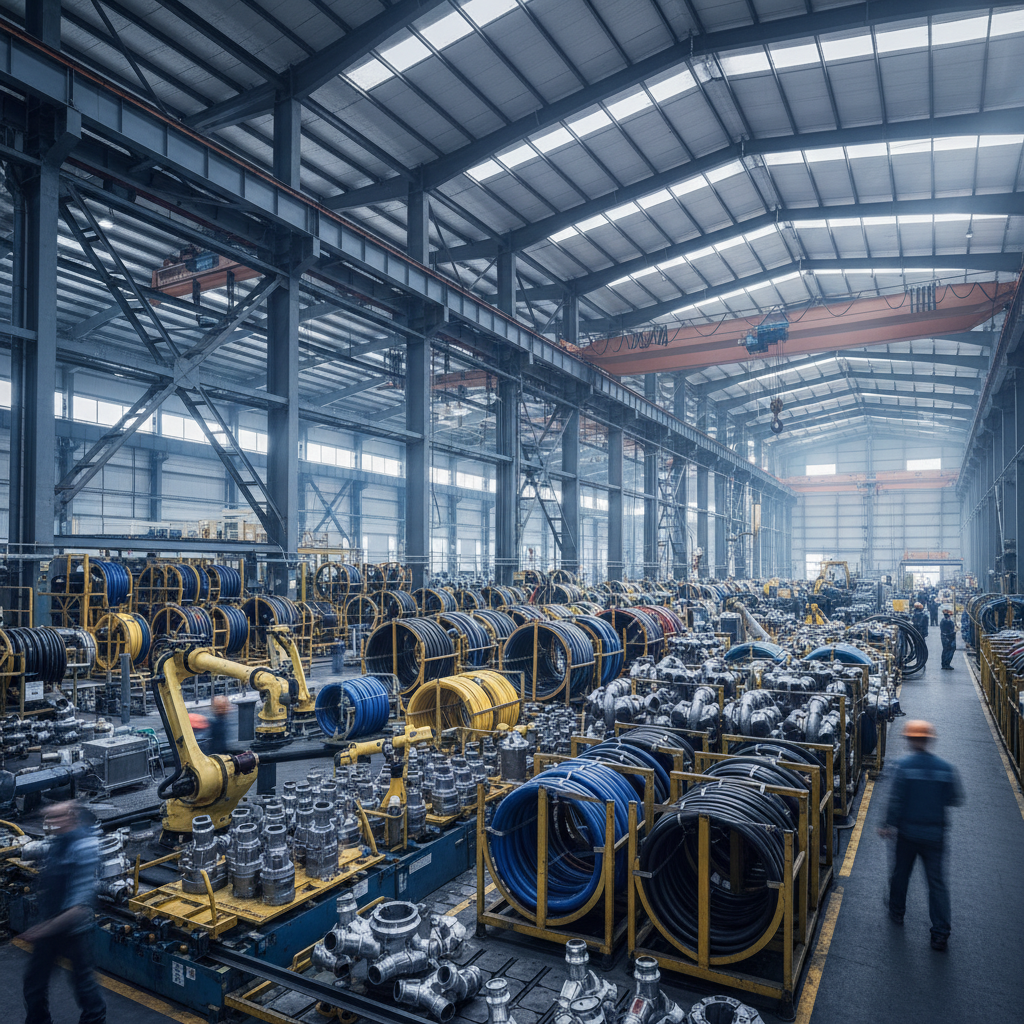
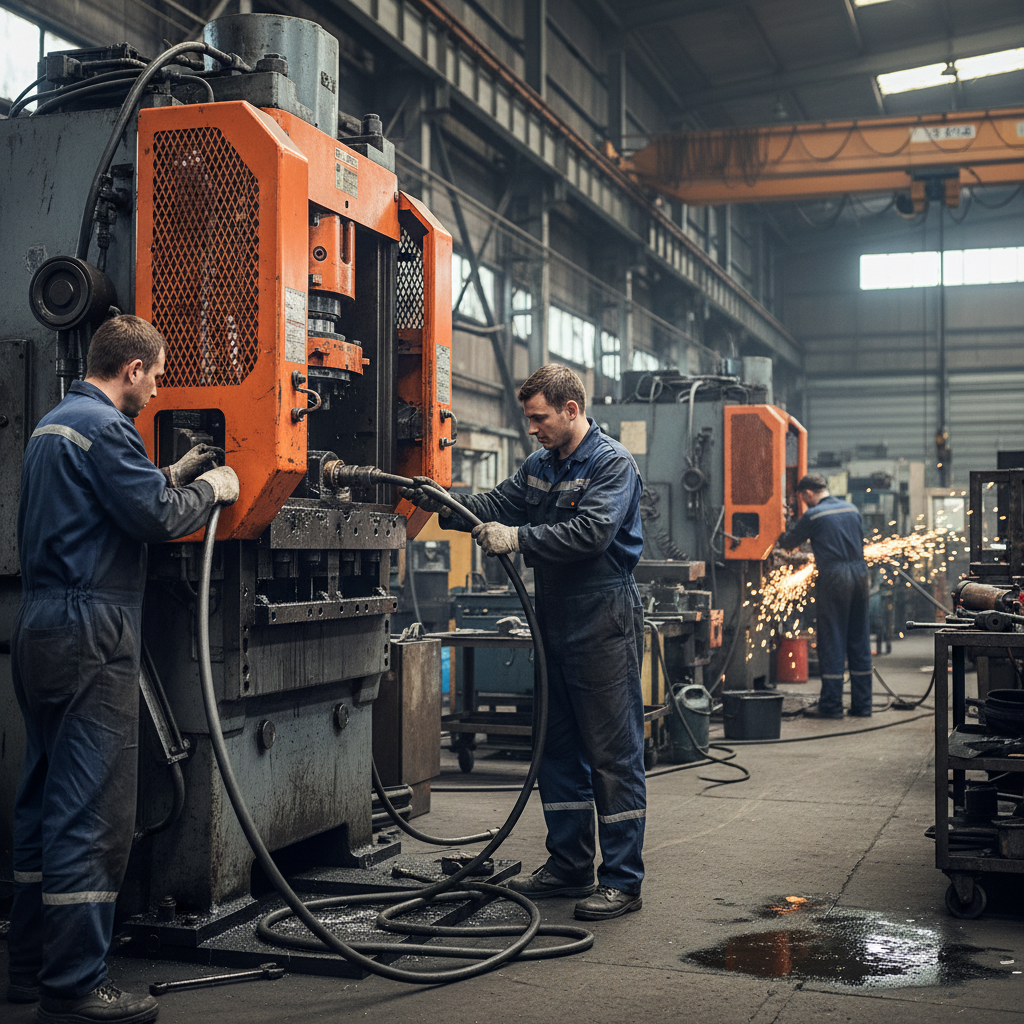
In the complex landscape of modern manufacturing, the reliability of fluid and gas transport systems is paramount. An efficient industrial hose and supply network serves as the circulatory system of a factory, ensuring that everything from hydraulic power to chemical reagents reaches its destination without leakages or failures. Understanding the nuances of material compatibility and pressure ratings is not just a technical requirement but a critical safety imperative for operational continuity.
Globally, the demand for specialized conduit solutions has surged as industries push the boundaries of temperature and pressure. From the depths of mining operations to the sterile environments of food processing plants, the right industrial hose and supply strategy reduces downtime and prevents catastrophic environmental spills. The integration of advanced polymers and reinforced braiding has transformed these components from simple tubes into engineered assets.
Selecting the correct hose assembly involves a balance of durability, flexibility, and cost-effectiveness. Whether dealing with abrasive sandblasting materials or volatile chemicals, the quality of the supply chain directly impacts the bottom line. This guide explores the critical dimensions of hose selection, maintenance, and the technological innovations driving the next generation of industrial fluid handling.
Global Relevance of Industrial Hose and Supply
The global industrial landscape relies heavily on the seamless transfer of fluids and gases, making the industrial hose and supply sector a cornerstone of international trade and production. According to ISO standards for fluid power, the precision of hose assemblies directly correlates with energy efficiency in hydraulic systems. In regions experiencing rapid industrialization, such as Southeast Asia and Latin America, the implementation of standardized hose supplies has been linked to a significant reduction in industrial accidents and environmental contamination.
The challenge often lies in the diversity of environments; a hose used in a Nordic oil rig must withstand arctic temperatures, while one in a Middle Eastern refinery must resist extreme heat and UV degradation. This global variability necessitates a sophisticated supply chain capable of providing specialized materials, from PTFE stainless steel braided hoses to high-pressure hydraulic suction lines, ensuring that infrastructure remains resilient regardless of geography.
Defining the Scope of Industrial Hose and Supply
At its core, industrial hose and supply refers to the comprehensive ecosystem of flexible conduits, couplings, fittings, and the machinery used to assemble them. Unlike domestic piping, industrial hoses are engineered to handle specific chemical compositions, extreme pressures, and repetitive mechanical stresses. This includes everything from the raw rubber extrusion to the final crimping process that secures a fitting to the hose wall.
The "supply" aspect of this term extends beyond the physical product to include the technical expertise required for selection. It encompasses the ability to match a hose's inner tube material—such as Nitrile, EPDM, or Viton—with the medium being transported. This intersection of material science and mechanical engineering ensures that the hose does not degrade, swell, or burst under operating conditions, thereby protecting both the workforce and the environment.
In the context of modern humanitarian and industrial needs, this supply chain is vital for emergency response. For instance, the rapid deployment of water purification systems or the fueling of remote power generators depends entirely on the availability of high-quality, portable industrial hoses. Thus, the scope of this industry is not merely about "pipes," but about the enablement of critical infrastructure across various sectors.
Core Components of a High-Performance Supply System
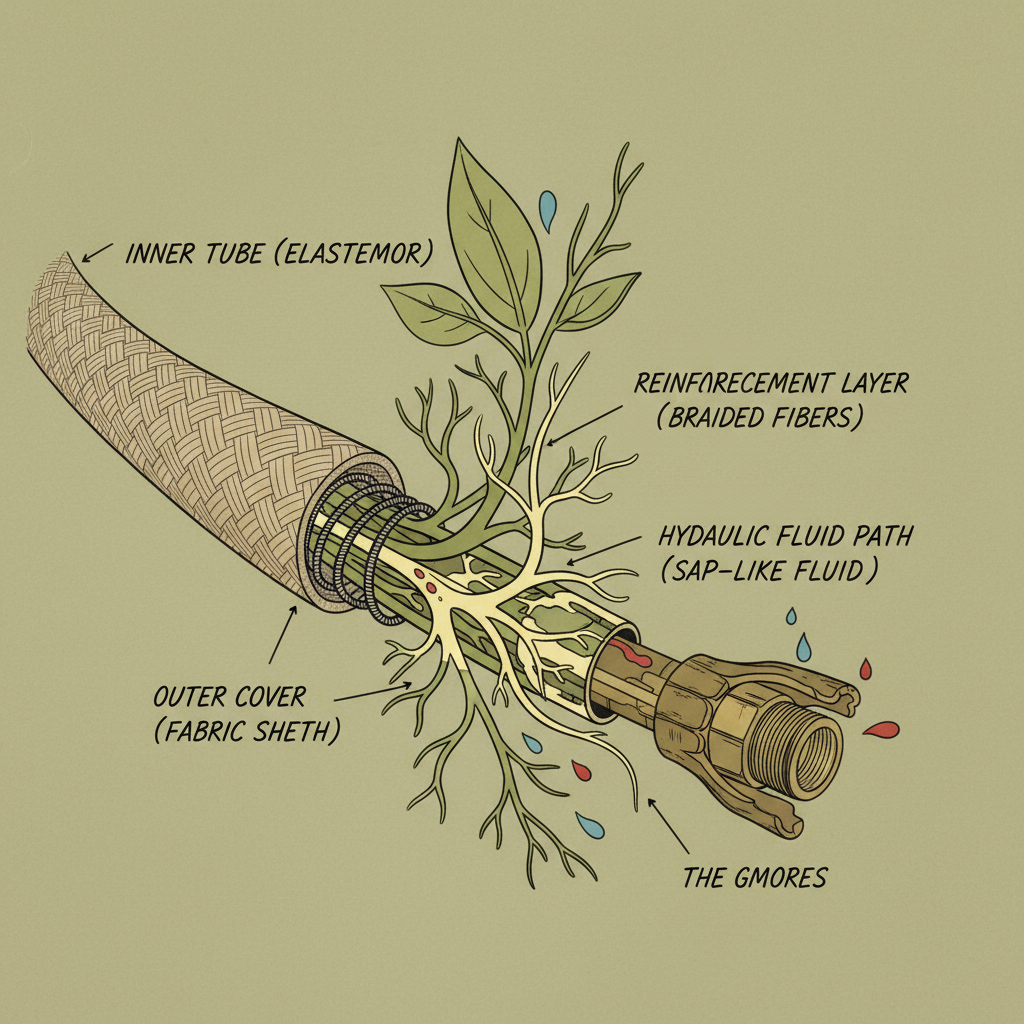
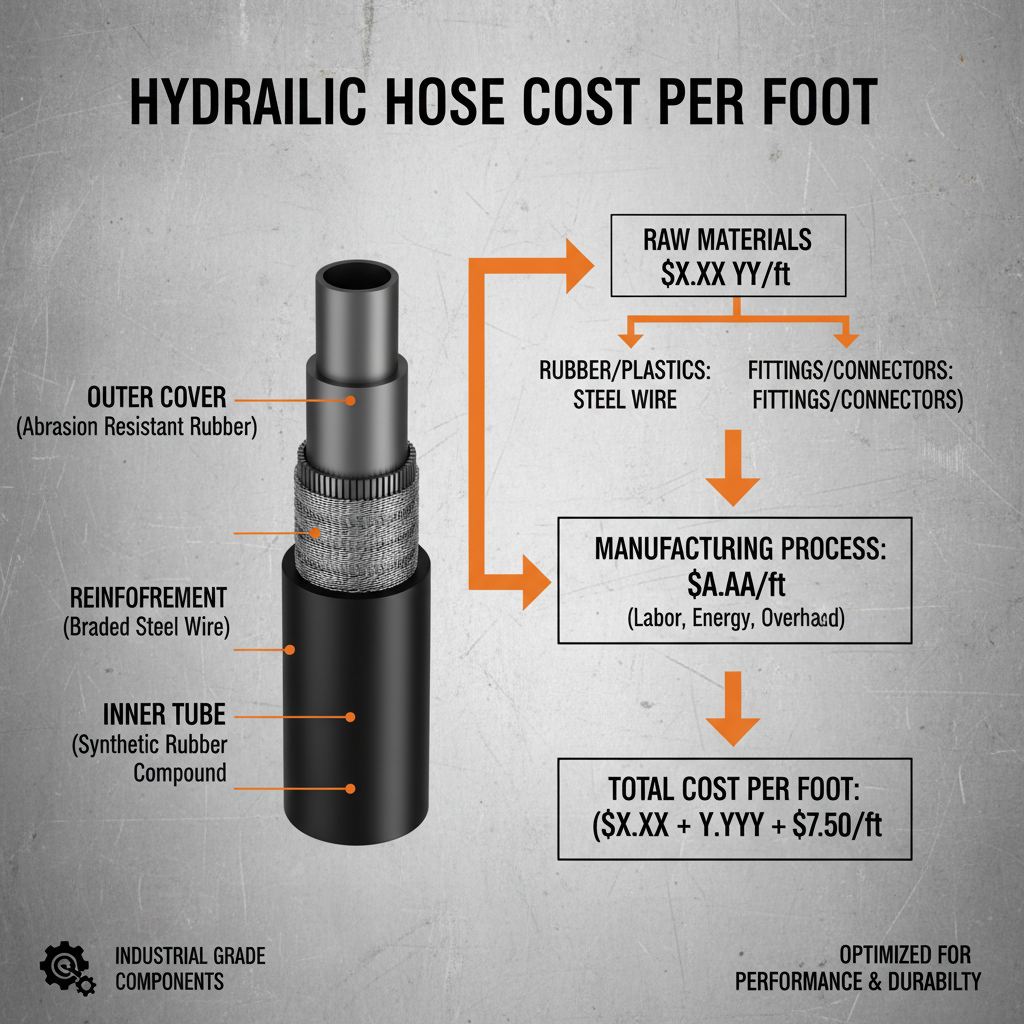
Durability is the primary benchmark for any industrial hose and supply system. This is achieved through a multi-layered construction: a chemical-resistant inner tube, a reinforcement layer (often steel wire braiding or textile), and an abrasion-resistant outer cover. This structure allows the hose to maintain its integrity while bending around machinery or dragging across concrete floors.
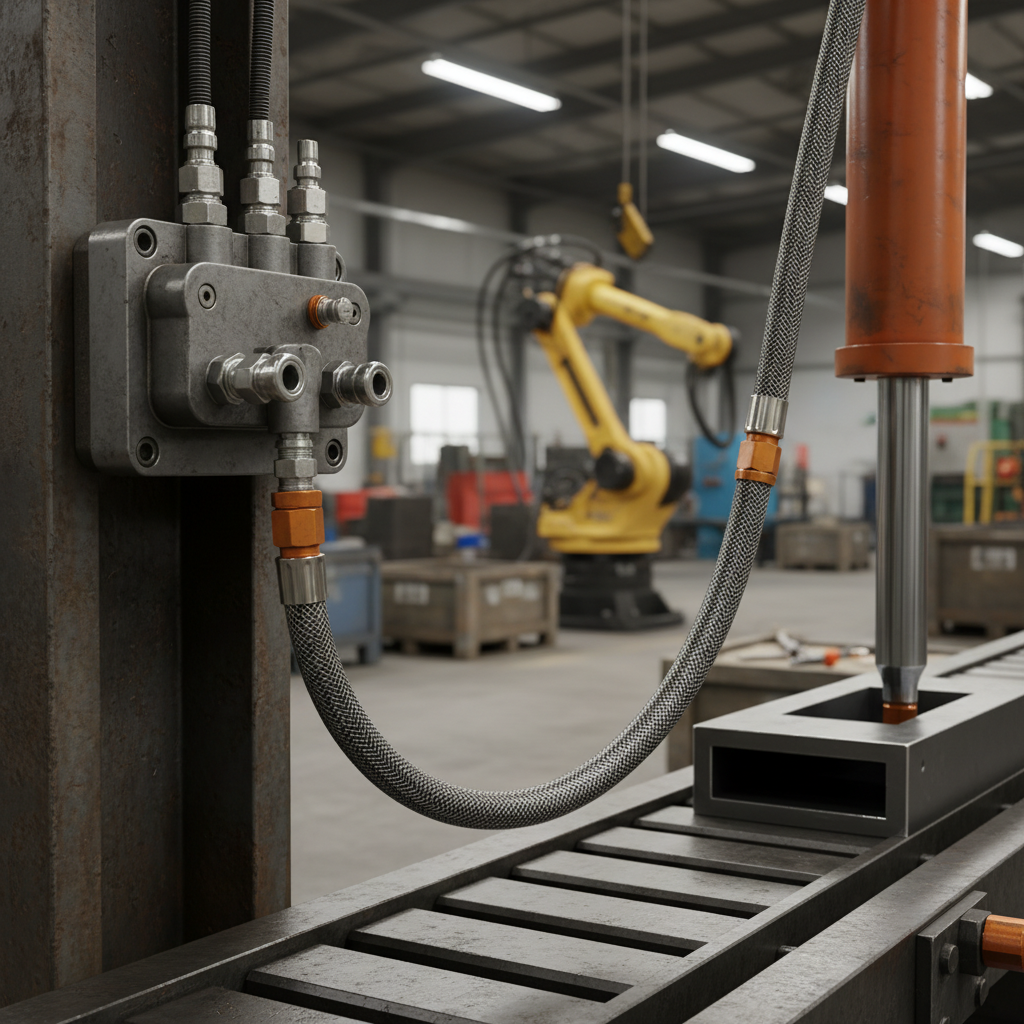
Scalability and versatility are equally crucial. A comprehensive supply system offers a range of diameters and pressure ratings, from low-pressure suction and discharge hoses to ultra-high-pressure hydraulic lines. The ability to quickly switch between different hose types using standardized fittings ensures that production lines can be reconfigured without extensive downtime, maximizing operational flexibility.
Cost efficiency in the long run is derived from precision assembly. Using professional equipment like hose crimping and skiving machines ensures a leak-proof seal that lasts years rather than months. By investing in high-grade industrial hose and supply components initially, companies avoid the exorbitant costs associated with emergency repairs and unplanned production halts.
Global Applications and Sector Use Cases
The application of industrial hose and supply spans virtually every heavy industry. In the automotive sector, brake hoses and A/C hoses must withstand constant vibration and temperature swings. In the chemical industry, PTFE-lined hoses are indispensable for transporting corrosive acids that would dissolve standard rubber, ensuring that hazardous materials are contained securely during transfer.
Beyond traditional factories, these solutions are critical in remote industrial zones. In mining operations, heavy-duty suction and discharge hoses are used for slurry transport, where the hose must resist both internal abrasion from minerals and external impact from heavy machinery. Similarly, in the food and beverage industry, food-grade hoses ensure that no contaminants leach into the product, adhering to strict FDA and international health regulations.
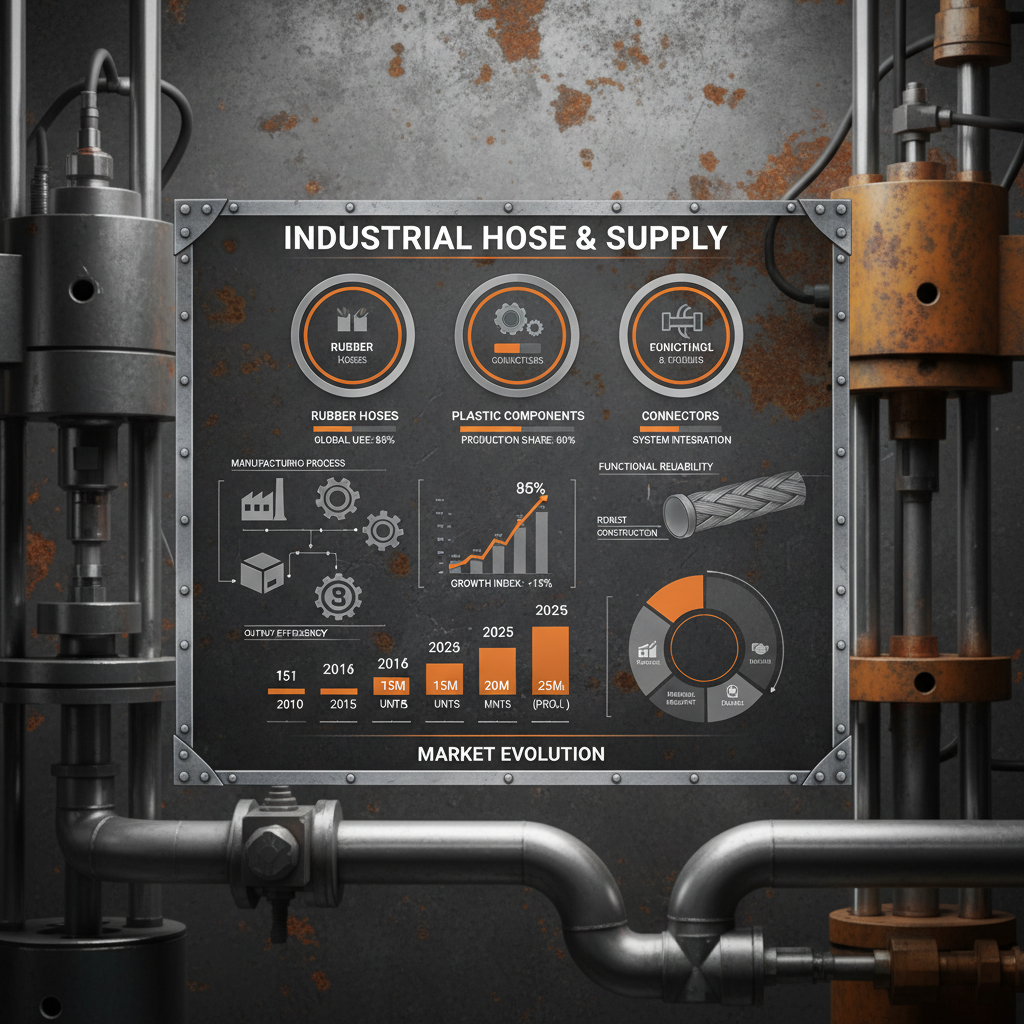
Efficiency Analysis of Various Industrial Hose and Supply Solutions
Tangible Advantages and Long-Term Value
The most immediate advantage of a premium industrial hose and supply system is the enhancement of workplace safety. High-pressure bursts can be lethal; by utilizing hoses with a safety factor of 4:1 (burst pressure vs. working pressure), companies drastically reduce the risk of catastrophic failure. This reliability fosters a culture of trust and stability within the production environment.
From a sustainability perspective, high-quality hoses offer a lower total cost of ownership. While cheaper alternatives may seem attractive, their shorter lifespan leads to frequent replacements and increased waste. Durable, reinforced hoses reduce the environmental footprint by minimizing rubber waste and preventing leaks that could contaminate soil or water, aligning industrial growth with ecological responsibility.
Future Trends in Hose Material Science
The future of industrial hose and supply is being shaped by the transition toward "Smart Hoses." Integration of embedded sensors is allowing operators to monitor pressure drops, temperature spikes, and wall thinning in real-time. This shift from reactive maintenance to predictive maintenance prevents failures before they occur, ensuring that industrial processes remain uninterrupted.
Furthermore, there is a significant push toward biodegradable and recyclable polymers. As the global community moves toward a circular economy, the development of thermoplastic hoses that can be fully recycled at the end of their lifecycle is becoming a priority. These materials are being engineered to match the performance of traditional vulcanized rubber while offering a much cleaner end-of-life process.
Automation in assembly is also transforming the supply side. The use of CNC-controlled hose cutting and crimping machines ensures a level of precision that eliminates human error. This standardization means that a hose assembled in one part of the world will fit perfectly into a machine in another, facilitating a more integrated and efficient global industrial network.
Overcoming Challenges in Hose Implementation
One of the most common challenges in industrial hose and supply is "hose mismatch," where the material is incompatible with the fluid it carries. This often leads to premature degradation or "ballooning." The solution lies in the implementation of a strict compatibility matrix and the use of expert consultation during the procurement phase to ensure the inner liner is chemically suited for the medium.
Another hurdle is the improper installation of fittings, which is the leading cause of leaks. To overcome this, industries are adopting rigorous testing protocols using hydraulic testing benches. By subjecting every assembly to a pressure test higher than its rated working pressure before installation, companies can ensure a 100% leak-free startup.
Finally, managing a vast inventory of different hose types can be an administrative nightmare. The adoption of digital inventory systems and standardized SKU coding allows for faster retrieval and precise tracking of hose lifecycles. This systematic approach ensures that old hoses are replaced proactively, maintaining a gold standard of operational safety.
Core Analysis of Industrial Hose and Supply implementation Challenges and Solutions
|
Failure Mode
|
Root Cause
|
Recommended Solution
|
Impact Score (1-10)
|
| Inner Tube Degradation |
Chemical Incompatibility |
Switch to PTFE or Viton |
9 |
| Fitting Leakage |
Improper Crimping Force |
Use Calibrated Crimping Machines |
8 |
| Outer Cover Cracking |
UV/Ozone Exposure |
Apply UV-Resistant Coating |
6 |
| Pressure Burst |
Exceeding Working Pressure |
Install Pressure Relief Valves |
10 |
| Kinking/Collapsing |
Too Tight Bend Radius |
Install Bend Restrictors |
7 |
| Internal Abrasion |
High Particle Concentration |
Use Steel Wire Spiral Hoses |
8 |
FAQS
Choosing the right hose requires analyzing the chemical compatibility of the inner tube. For high temperatures and corrosive chemicals, PTFE (Teflon) is the industry standard due to its inert nature and high thermal stability. You should also ensure the reinforcement is stainless steel braided to prevent the hose from expanding under pressure. Always consult a compatibility chart or a professional industrial hose and supply expert to verify the specific chemical interaction.
Braided hoses use interwoven wires or textiles, providing excellent flexibility and resistance to high internal pressures. They are ideal for hydraulic systems with frequent movement. Spiral hoses, however, use wrapped wire coils, which provide superior resistance to vacuum collapse and external crushing. Spiral reinforcement is typically preferred for suction and discharge applications where the hose may be subject to external impact or negative pressure.
Inspection frequency depends on the criticality of the application. For high-pressure hydraulic lines, monthly visual inspections for leaks, cracks, or bulging are recommended. A formal audit every six months is ideal. Replacement should occur immediately if any signs of reinforcement exposure or outer cover cracking are found. Implementing a "date-coded" system helps track the age of each hose, ensuring replacements happen before the material reaches its natural fatigue limit.
Absolutely not. Food-grade hoses are designed for purity and non-toxicity, not for chemical resistance. Many chemicals will react with the materials used in food-grade hoses, causing them to dissolve, swell, or burst rapidly. This not only leads to equipment failure but also poses a severe safety risk to personnel. Always match the hose material to the medium's chemical properties, regardless of the pressure rating.
Crimping machines create a permanent, high-pressure mechanical bond by compressing the fitting into the hose wall. This distributes the pressure evenly across the reinforcement layer, drastically reducing the chance of the fitting "blowing off" under load. Clamps are only suitable for very low-pressure applications. For any professional industrial hose and supply setup, crimping is the only way to ensure safety and long-term leak prevention.
The most common warning signs include "weeping" (tiny droplets of fluid appearing on the cover), visible kinking, or the appearance of the inner wire braiding through the outer rubber. Another sign is a noticeable change in the hose's diameter (bulging), which indicates a failure of the reinforcement layer. If any of these symptoms appear, the hose should be replaced immediately to avoid a high-pressure burst.
Conclusion
The strategic selection and maintenance of industrial hose and supply components are fundamental to the efficiency and safety of any modern manufacturing operation. By focusing on material compatibility, precise assembly through professional machinery, and a proactive maintenance schedule, companies can significantly reduce operational risks and environmental impact. From the high-pressure demands of hydraulic systems to the sterile requirements of food-grade conduits, the quality of the hose is the quality of the process.
Looking forward, the integration of smart monitoring and sustainable materials will redefine how industries handle fluid transport. We encourage operators to move away from "commodity thinking" and instead view their hose networks as engineered assets. Investing in a comprehensive, high-standard supply chain today ensures a safer, more productive, and more sustainable industrial tomorrow. Visit our website for professional solutions: www.hydhoses.com

 Call Us+86-158-0331-9351
 Emailcarrie@sinopulse.cn
 AddressHandan City, Hebei , China