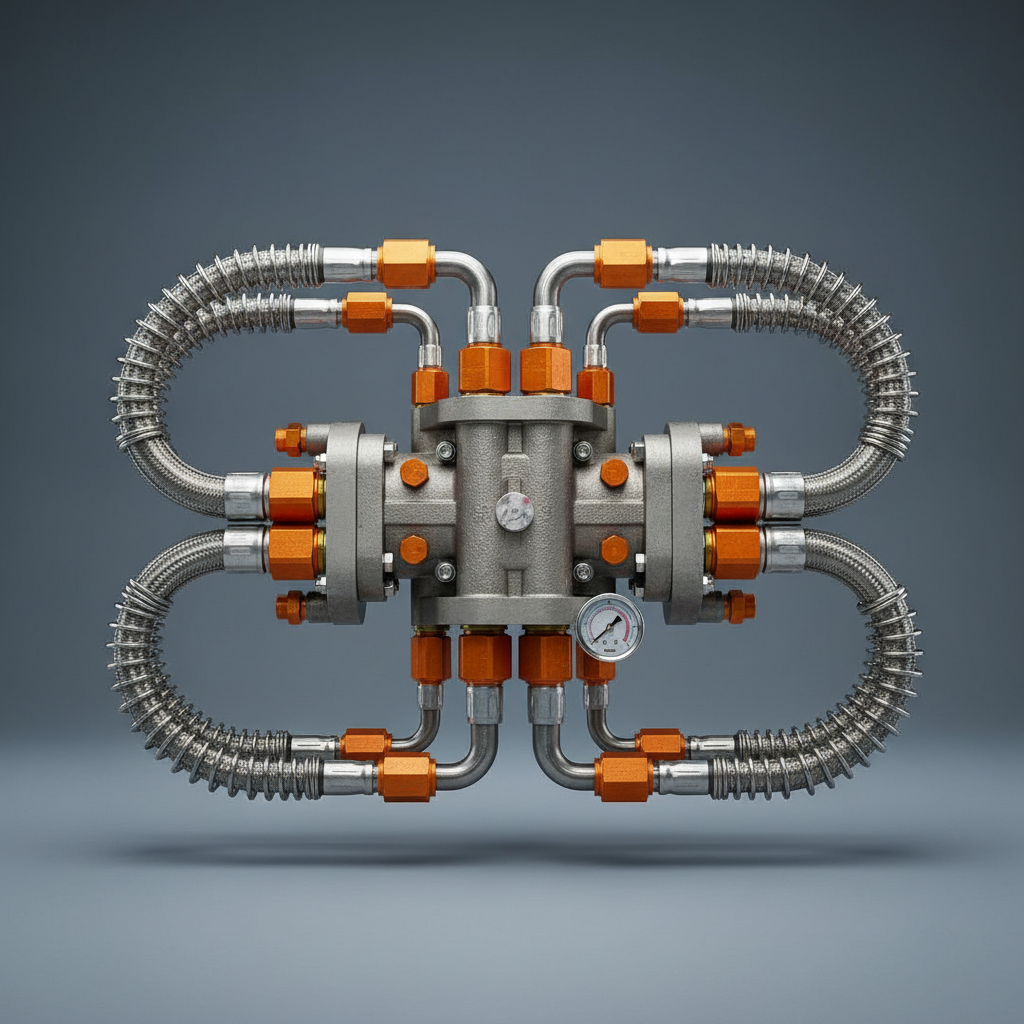
Look, hydraulic hose types… Honestly, it's a world of its own, and it’s been changing fast. You spend enough time on sites like I do, dodging forklifts and breathing in dust, and you start to notice patterns. It’s not just about specs on a datasheet, it’s about what actually holds up when the mud’s flying and the pressure's on. Everyone's chasing higher pressures, lighter weights, and, of course, lower costs. Seems simple, right? It's not.
What’s really been taking off is composite reinforced hose. Not just steel wire anymore. We’re seeing a lot of aramid fiber, even carbon fiber in some of the high-end stuff. Makes 'em lighter, more flexible. But…and there’s always a ‘but’…they can be a pain to repair in the field. Steel wire, you patch it. Composites? Generally, you're replacing the whole thing. It's a trade-off.
And the demand is everywhere. Construction, of course, but also agriculture, mining, even aerospace is pushing for more reliable, specialized hydraulic systems. The global market is huge, billions. I saw a report from the UN last year about infrastructure spending in developing countries—a massive chunk is going into machinery that needs these hoses. It’s not glamorous, but it's fundamental. If the hydraulics fail, everything stops.
Defining Hydraulic Hose Types
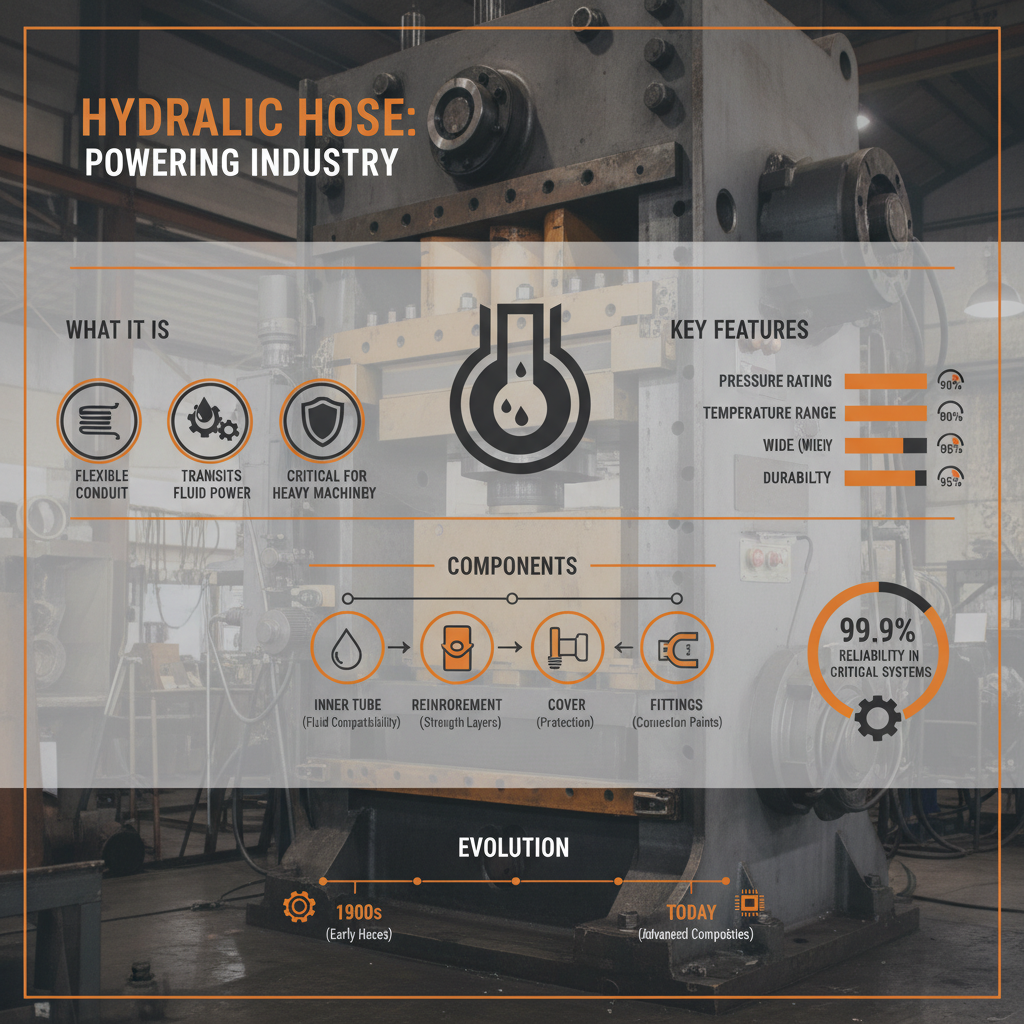
Basically, a hydraulic hose types is a flexible conduit designed to transmit hydraulic fluid under pressure. Simple enough, right? But the devil's in the details. It’s the circulatory system of heavy machinery, delivering power where it’s needed. Without it, excavators don’t dig, loaders don’t load, and presses don’t press. It's a surprisingly critical piece of equipment.
You wouldn't think much about it, but it’s directly tied to safety and efficiency. A burst hose isn't just downtime; it's a potential hazard. And these days, with everyone pushing for remote operation and automation, reliability is even more important. You’re talking about unmanned equipment relying on these things to function.
Core Material Considerations
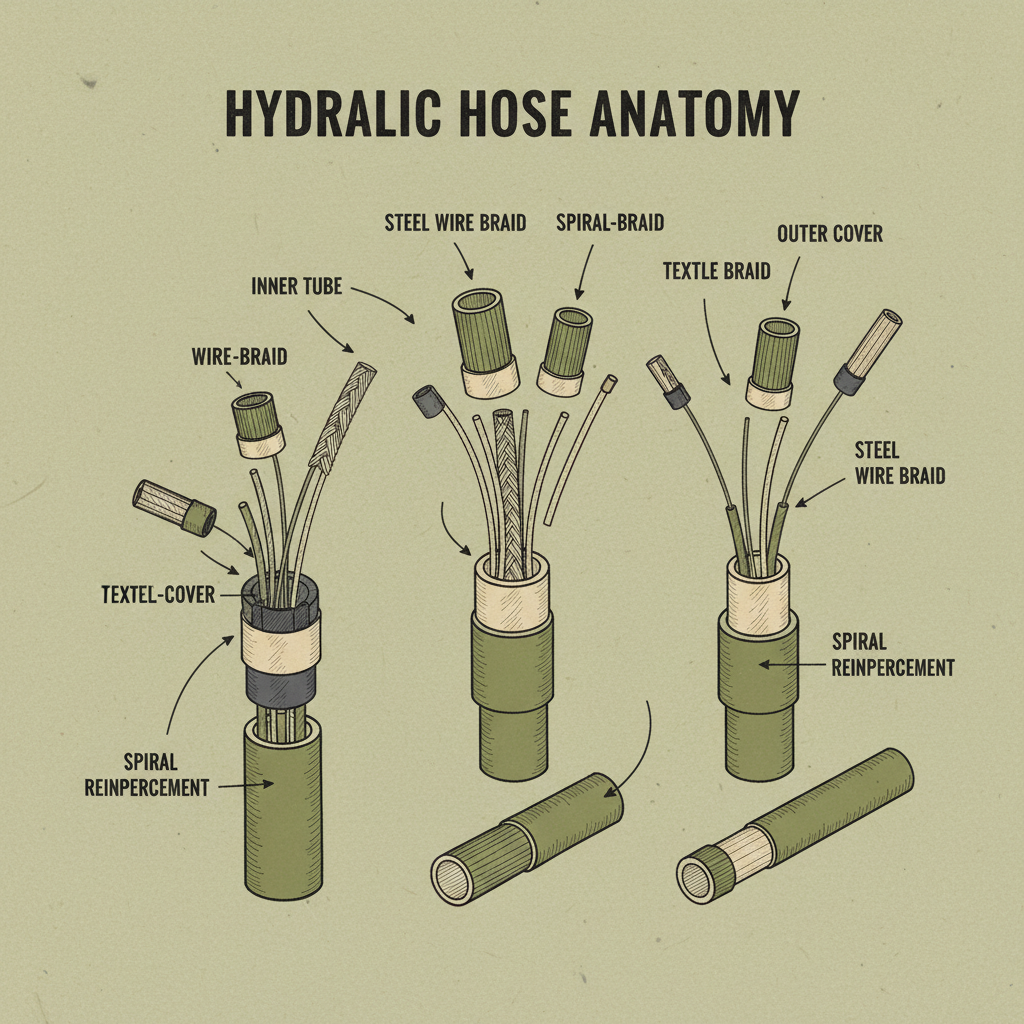
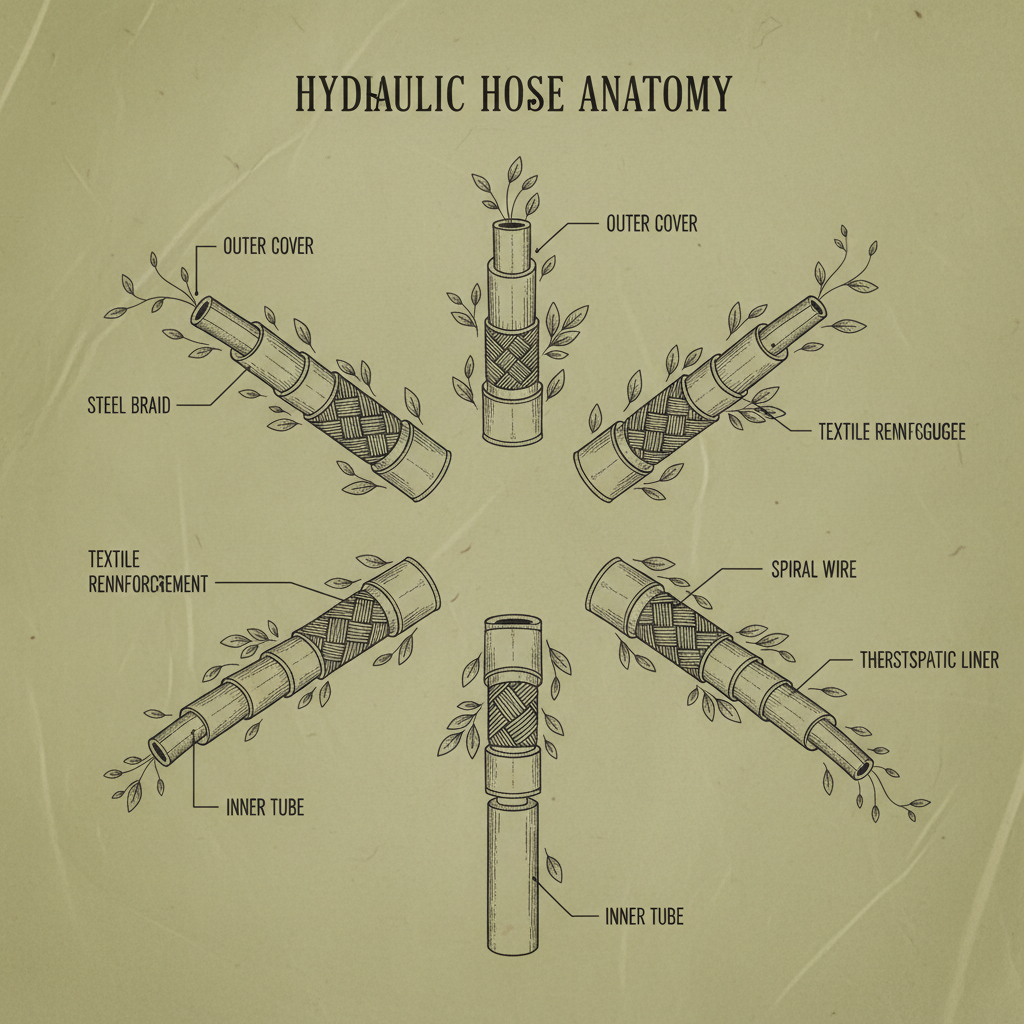
The core material…that’s where things get interesting. You've got your standard rubber, usually a blend of synthetic rubbers like nitrile, neoprene, and EPDM. Nitrile's good for oil resistance, neoprene for weathering, EPDM for high temperatures. Smell 'em—each one's got its own distinct odor. Honestly, after a while, you can tell just by the smell what kind of hose you’re dealing with.
Then you move into the reinforcement layers. That’s where you get your steel wire braids, spiral steel wire, or those composite materials I mentioned earlier. Steel's tough, but it adds weight and can corrode. Composites are lighter, but… well, they’re not always as forgiving. And strangely, some of the cheaper hoses, the ones you find at the discount stores? The reinforcement is just… lackluster. You can feel it when you flex the hose. It's a false economy, believe me.
The cover material is the last line of defense, protecting the hose from abrasion, weathering, and chemical exposure. Polyurethane is popular because it’s durable and flexible. But again, there's a wide range in quality.
Pressure and Temperature Ratings
Pressure ratings are obviously critical. You've got hoses rated for everything from a few hundred PSI to over 5,000 PSI. You need to know exactly what the system is operating at, and then add a safety margin. A lot of guys don’t bother with the margin, and that's when things go wrong. It's always a bit stressful.
Temperature also plays a huge role. Hydraulic fluid gets hot, especially in high-pressure systems. If the hose isn't rated for the temperature, the rubber degrades, and you’ve got a potential failure on your hands. I encountered this at a steel mill last time, a hose failed because the steel mill was running at full capacity. They hadn't accounted for the extra heat, and boom—downtime and a grumpy plant manager.
There’s also something called impulse pressure, which is the pressure spikes that happen when valves open and close rapidly. That’s what really stresses a hose. A hose might be rated for 3,000 PSI continuous, but if it's subjected to 5,000 PSI impulses, it’s going to fail prematurely.
Hose Construction Methods
You've got your braided hoses, spiral hoses, and bonded hoses. Braided hoses are the most common, relatively inexpensive, and good for moderate pressure applications. Spiral hoses can handle much higher pressures, but they're less flexible. Bonded hoses are the premium option, offering high pressure capacity and excellent flexibility, but they're also the most expensive.
Anyway, I think the choice of construction method depends heavily on the application. For a simple hydraulic jack, a braided hose is fine. But for a heavy-duty excavator working in extreme conditions, you need a spiral or bonded hose.
Pressure Capacity Comparison of hydraulic hose types
Real-World Applications Across Industries
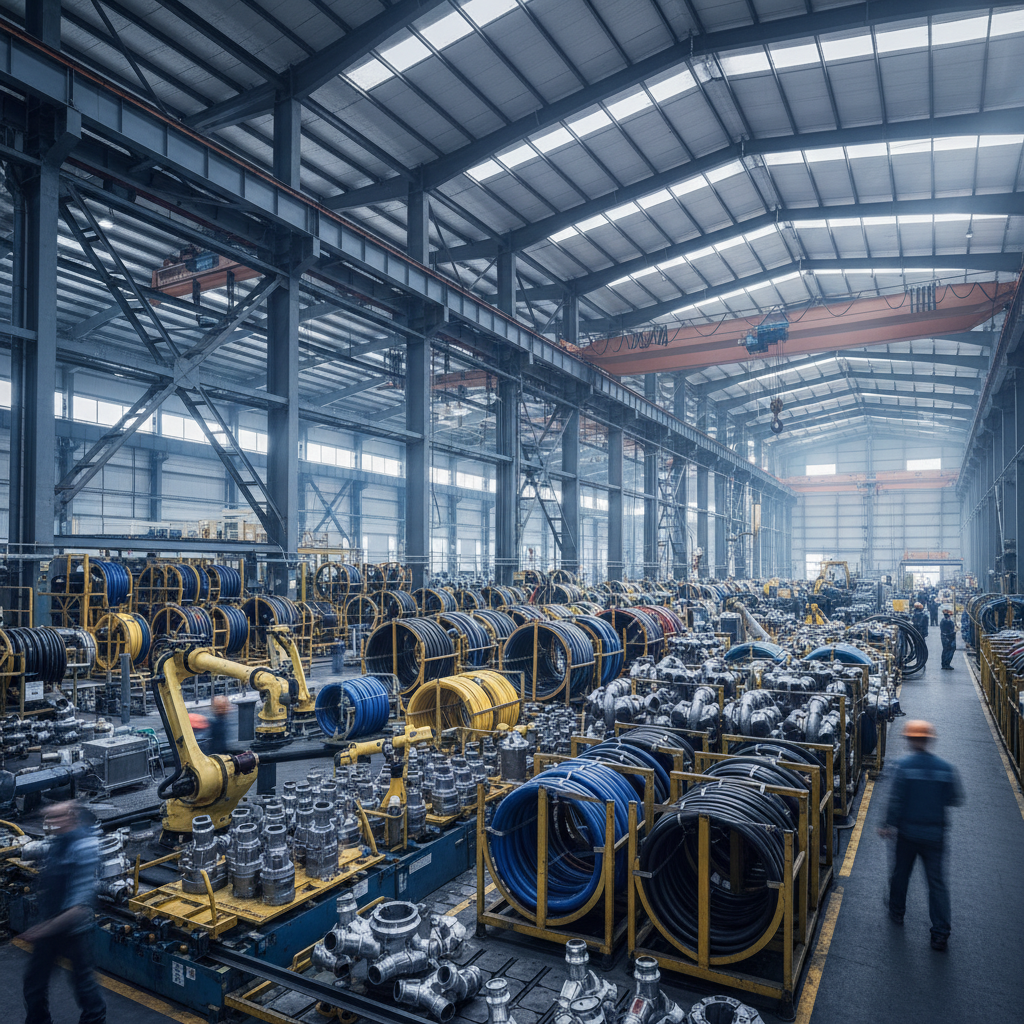
You see these things everywhere. Construction equipment, obviously—excavators, bulldozers, cranes. But also in agriculture, powering tractors and harvesters. Mining uses a ton of hydraulics, for drilling and material handling. And manufacturing, for presses, molding machines, and robotic arms.
I even saw them being used on a fish farm last year! Controlling the water flow and feeding systems. It's surprising how versatile they are.
Benefits and Drawbacks
The big benefit is power transmission. Hydraulics can deliver a lot of force in a small package. They’re also relatively simple to control. But there are downsides. Leaks are a major problem, and hydraulic fluid is messy and can be environmentally damaging. Plus, they can be noisy.
And don't even get me started on the maintenance. Hoses need to be inspected regularly for wear and tear. You need to check the fittings, look for cracks, and make sure they're properly supported. A lot of guys skip that step, and they regret it.
Customization Options and Future Trends
Customization is huge. You can specify the length, diameter, reinforcement type, and fitting type. Last month, that small boss in Shenzhen who makes smart home devices insisted on changing the interface to for his hydraulic robotic arm, and the result was a complete redesign of the whole system just to fit the connector. It was a headache. But that’s what they wanted.
As for future trends, I think we’ll see more and more emphasis on environmentally friendly hydraulic fluids. Biodegradable oils are becoming increasingly popular. And there’s a lot of research going into self-sealing hoses and wireless hydraulic systems. Honestly, I'm not sure how practical those are yet, but people are working on it.
Key Characteristics of Hydraulic Hose Performance
| Hose Type |
Pressure Rating (PSI) |
Temperature Range (°F) |
Typical Applications |
| Rubber Braided |
2000 |
-40 to 212 |
General hydraulic systems, agricultural equipment |
| Spiral Steel Wire |
5000 |
-40 to 250 |
Heavy-duty construction equipment, mining |
| Bonded Hose |
6000 |
-40 to 300 |
High-pressure hydraulic systems, aerospace |
| Composite Reinforced |
4500 |
-40 to 230 |
Automotive, off-highway vehicles |
| Thermoplastic Hose |
3000 |
-40 to 250 |
Industrial applications, chemical transfer |
| PTFE Lined Hose |
5000 |
-65 to 450 |
High-temperature, corrosive fluid applications |
FAQS
Braided hoses are generally more flexible and suitable for lower-pressure applications, using multiple layers of braided steel wire. Spiral hoses, utilizing a single layer of high-tensile steel wire wound in a spiral, excel in handling significantly higher pressures and are often favored in heavy-duty equipment. The difference boils down to pressure capacity and flexibility needs—it's always a trade-off.
I'd say at least every month, if not more frequently in harsh environments. Look for cracks, abrasions, bulges, and leaks at the fittings. Check for any signs of kinking or twisting. A proactive inspection schedule can save you a lot of downtime and potential hazards. Don’t trust a hose just because it looks okay.
Store them indoors, if possible, away from direct sunlight, heat, and chemicals. Avoid bending them sharply or kinking them. Coil them loosely and hang them up, or lay them flat. Proper storage extends their lifespan significantly. Seriously, a little care goes a long way.
They're getting there. Composites offer weight savings and corrosion resistance, but repairability is still a challenge. They’re also often more expensive. The technology is improving, and I think we’ll see wider adoption as the cost comes down and field repair methods are developed. It’s a matter of time and practicality.
Traditional hydraulic fluids can be harmful to the environment. Leaks can contaminate soil and water sources. Switching to biodegradable hydraulic fluids is a good start. Regular inspections and prompt repairs are crucial. And implementing containment systems to catch any leaks can minimize environmental impact.
The fitting needs to match the hose type, pressure rating, and fluid compatibility. There are different types of fittings—threaded, flanged, quick-disconnect. Make sure you get a fitting that's designed for hydraulic applications, and that it's properly installed and tightened. A mismatched or improperly installed fitting is a recipe for disaster.
Conclusion
Ultimately, hydraulic hose types are a surprisingly complex world. From material science to application engineering, there’s a lot going on under the hood. It's not just about picking the cheapest hose; it's about selecting the right hose for the job, ensuring proper installation and maintenance, and prioritizing safety.
And look, at the end of the day, whether this thing works or not, the worker will know the moment he tightens the screw. That's the real test. If it feels right, looks right, and holds pressure, then you've got a good hose. Visit our website at www.hydhoses.com for more information and to find the right hydraulic hose types for your needs.

 Call Us+86-158-0331-9351
 Emailcarrie@sinopulse.cn
 AddressHandan City, Hebei , China