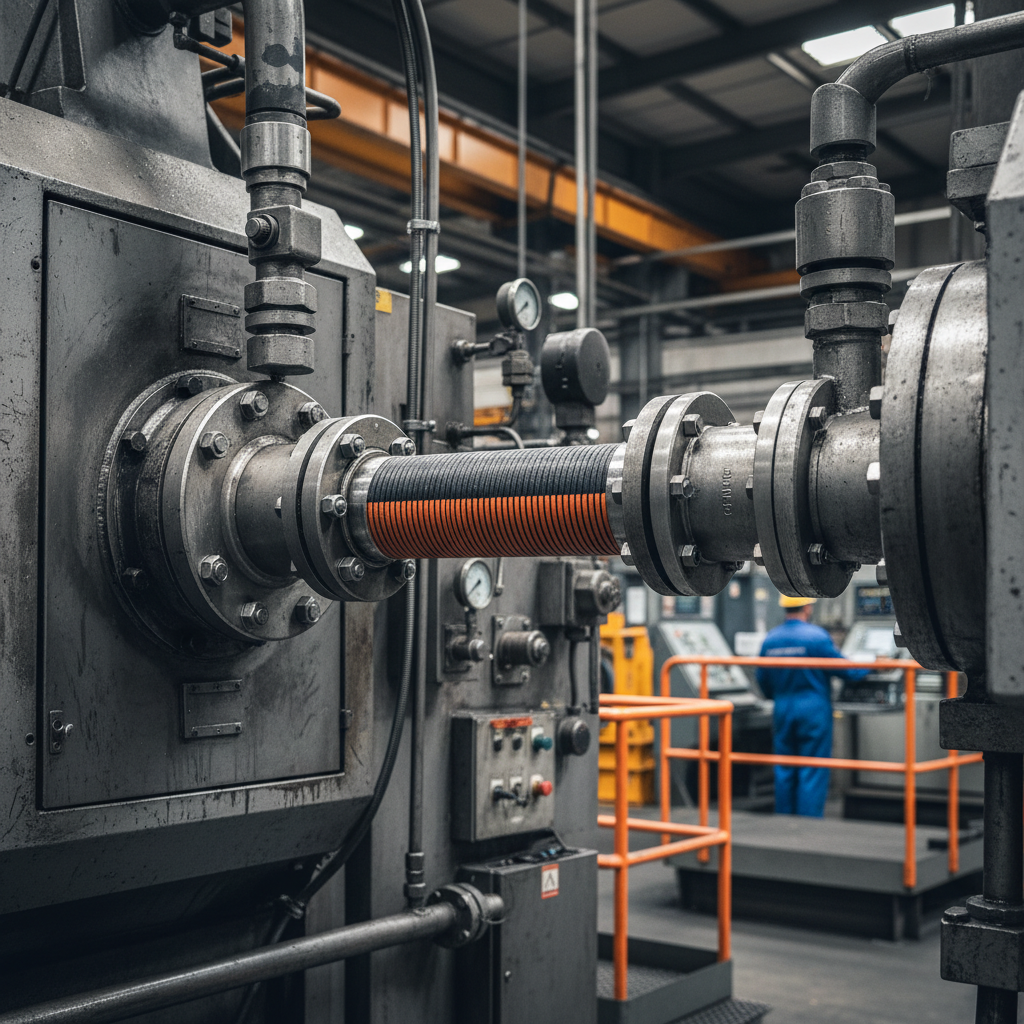
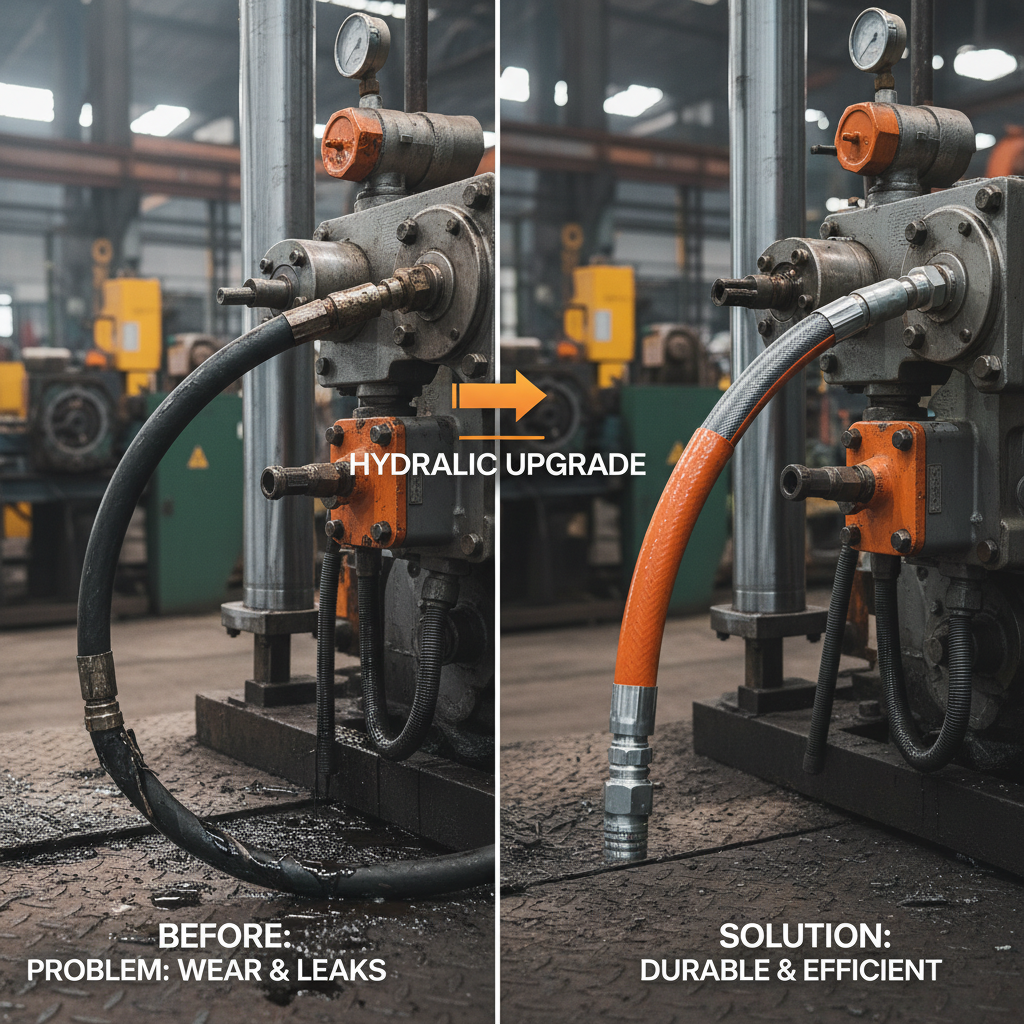
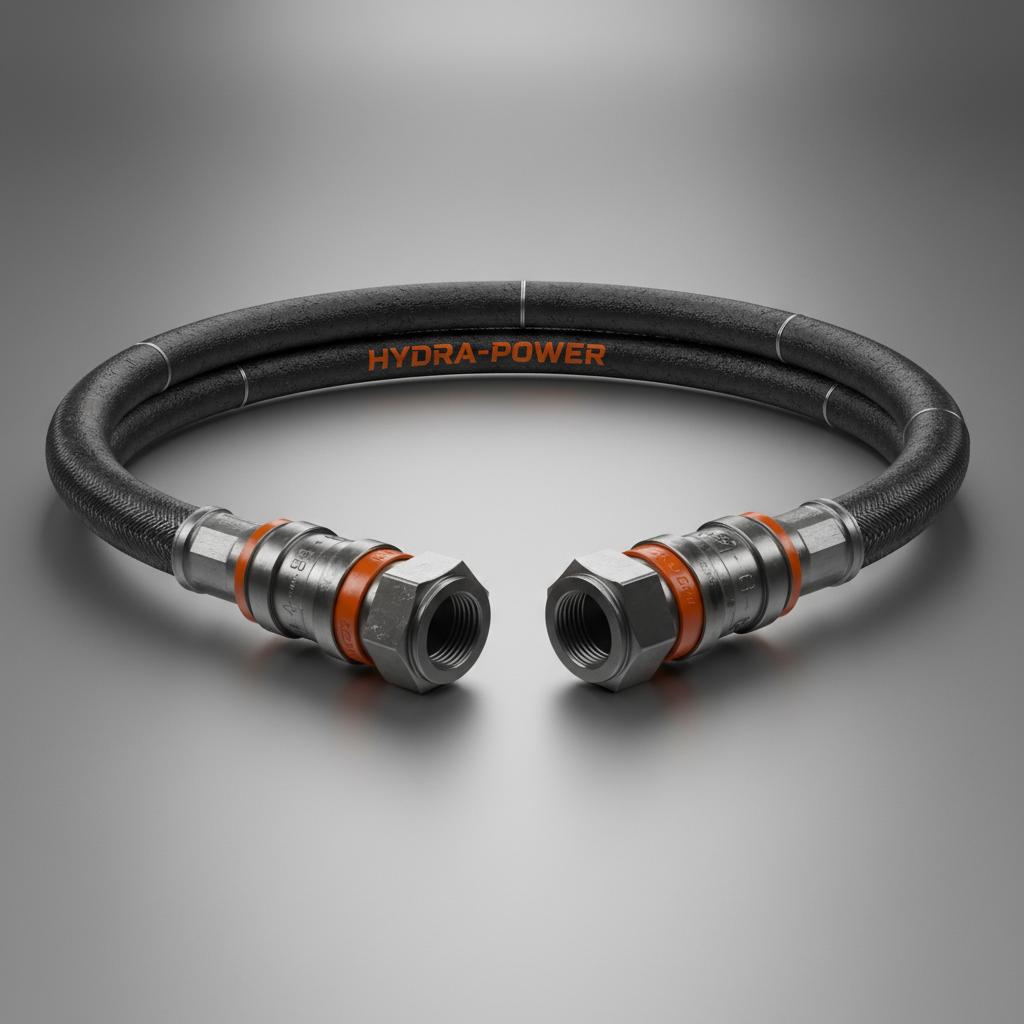
Look, I've spent years on dusty construction sites, wrestling with hoses, watching guys try to make things work. And let me tell you, a good hose isn't just a tube – it's the lifeline of a project. When things go south, and they always do, you need something reliable. That’s where non conductive hose comes in. It's about keeping your crew safe, your operations running, and frankly, avoiding a major headache. You don’t want a hose failing mid-flow, especially when you’re dealing with electricity or sensitive equipment.
We’re talking about real-world problems here. I’ve seen projects grind to a halt because of compromised hoses, leading to costly delays and safety concerns. The demand for durable, dependable solutions is only increasing as construction becomes more complex, and regulations become stricter. The push for safety, efficiency, and reduced downtime is driving the need for materials that can handle the challenges of modern work sites.
The industry is constantly evolving, with more and more equipment requiring reliable fluid transfer. It’s not just about water anymore. It's about hydraulic fluids, compressed air, chemicals, and increasingly, the safe delivery of power solutions. Choosing the right non conductive hose can be the difference between a smooth operation and a disaster.
The Importance of Non Conductive Hose in Modern Industry
These days, safety regulations are tighter than ever, and for good reason. Working around electricity is part of the job on most sites. A standard hose can become a conductor in the wrong conditions, and that's a risk nobody wants to take. Non conductive hose is designed specifically to eliminate that risk, providing a crucial layer of protection for workers and equipment.
It’s not just about preventing shocks, either. Think about the sensitive electronics used in modern machinery. A static discharge through a regular hose can fry a control system, costing you time and money. Investing in quality non conductive hose is an investment in preventing those costly breakdowns.
Understanding Non Conductive Hose Technology
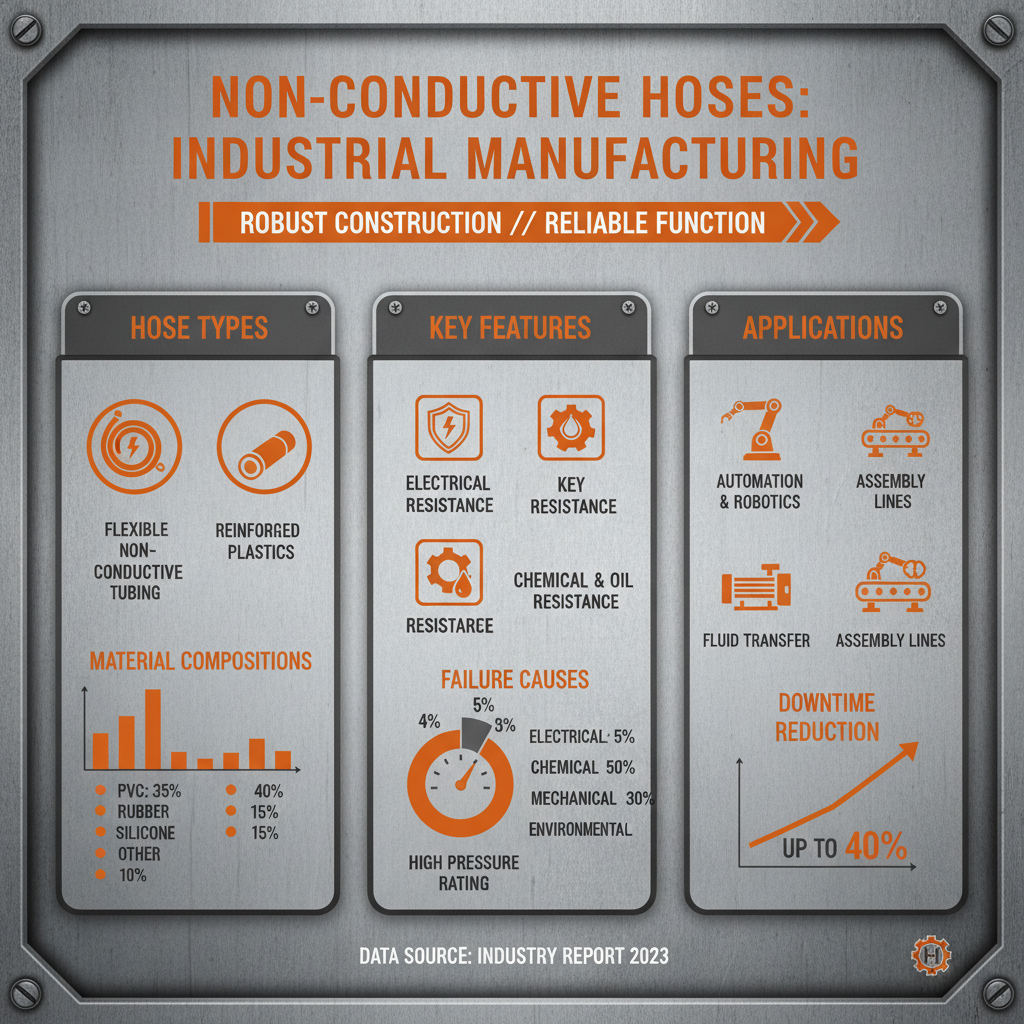
The key is the materials used in construction. We're talking about specialized polymers and reinforced composites that are engineered to resist the flow of electricity. It's not just a coating; the entire hose wall is designed to be non-conductive. Different materials offer different levels of protection, depending on the voltage and environment.
You’ve got your rubber compounds reinforced with synthetic fibers, and then there are thermoplastic options with excellent chemical resistance. The reinforcement layers are crucial – they provide the strength and durability needed for demanding applications, while maintaining the non-conductive properties.
Understanding the specific properties of each material is vital. Factors like temperature range, chemical compatibility, and abrasion resistance all play a role in selecting the right hose for the job. Don’t just grab the cheapest option; look for certifications and testing data.
Key Features of High-Quality Non Conductive Hose
Durability is paramount. These hoses take a beating – being dragged across concrete, exposed to harsh weather, and subjected to constant pressure. A high-quality hose will be reinforced to withstand those stresses, preventing bursts and leaks.
Flexibility is another big one. A stiff, inflexible hose is a pain to work with and can be more prone to damage. You want a hose that bends easily, even in cold weather, without kinking or cracking. Trust me, your crew will thank you.
Chemical resistance is often overlooked, but it’s crucial. Many construction sites deal with a variety of chemicals, and a hose that can't handle them will degrade quickly, leading to failure. Make sure the hose is compatible with the fluids it will be carrying.
Real-World Applications of Non Conductive Hose
I've seen these hoses used in everything from powering heavy machinery at remote construction sites to supplying water for concrete mixing. Electrical contractors rely on them heavily when working near power lines or in damp environments. They’re also essential for transferring fuels and chemicals safely.
Think about mining operations. They’re often dealing with explosive materials and high-voltage equipment. A non conductive hose is a critical safety component in those environments. Same goes for oil and gas operations, where flammable liquids are commonplace.
Non Conductive Hose Application Ratings
Advantages and Cost-Effectiveness of Non Conductive Hose
The upfront cost of non conductive hose might be higher than a standard hose, but that's a short-sighted view. The increased safety, reduced downtime, and prevention of equipment damage quickly offset that initial investment.
Plus, you can't put a price on peace of mind. Knowing your crew is safe and your operations are protected is invaluable. And let's be honest, the cost of an accident or a major repair will far exceed the cost of a good hose.
Future Trends and Innovations in Non Conductive Hose
We're seeing a lot of development in smart hoses with integrated sensors that can monitor pressure, temperature, and even detect leaks. This data can be used to optimize performance and prevent failures. The move towards sustainable materials is also gaining momentum, with manufacturers exploring bio-based polymers and recycled materials.
I also anticipate advancements in hose coatings that offer even greater protection against abrasion and chemical attack. As technology evolves, these hoses will become even more reliable and versatile, further enhancing safety and efficiency on construction sites.
The future of non conductive hose is about integration and intelligence – making them an even more vital part of the connected construction site.
Challenges and Considerations When Using Non Conductive Hose
One challenge is ensuring proper grounding. Even with a non-conductive hose, it's essential to maintain proper grounding procedures throughout the entire system. Complacency can be a killer.
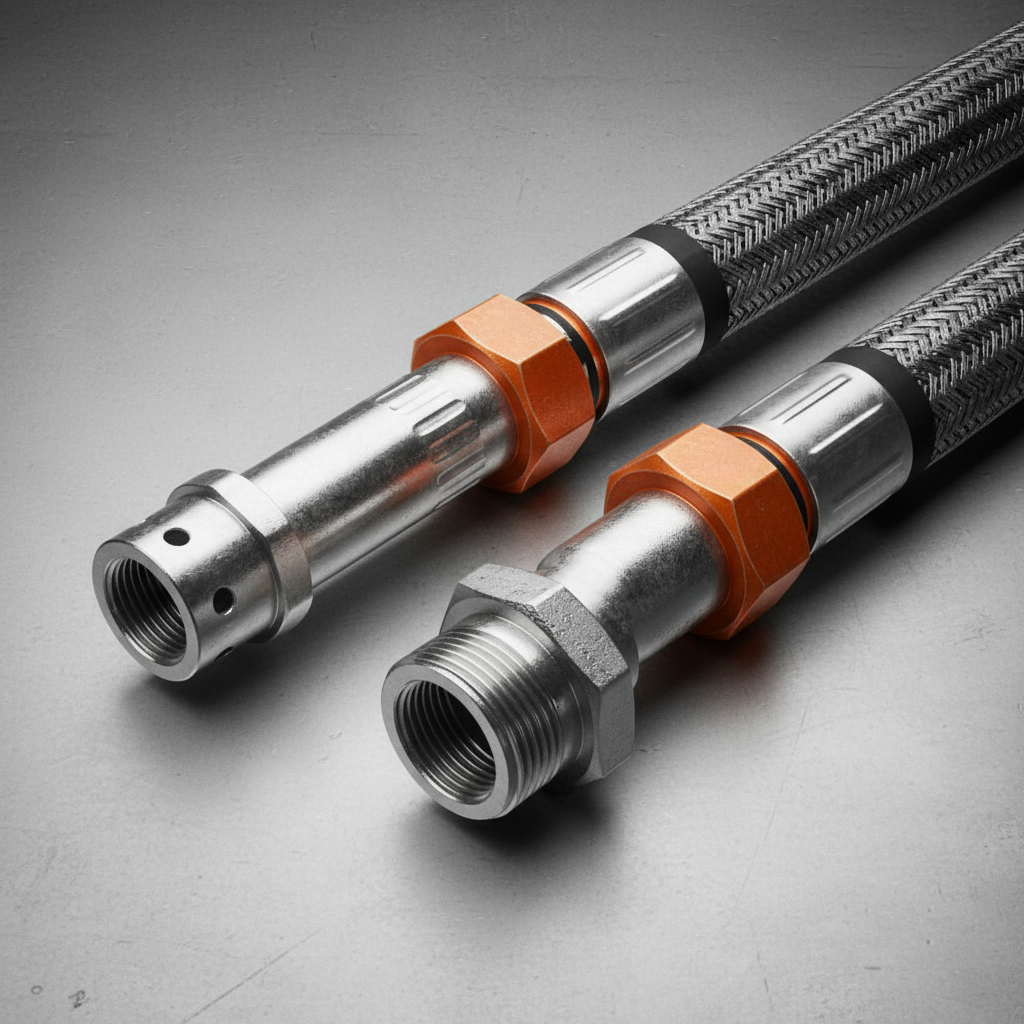
Another thing to watch out for is compatibility with fittings. Make sure the fittings are also non-conductive or appropriately insulated to maintain the integrity of the system. Don’t mix and match components without careful consideration.
Finally, proper storage and handling are crucial. Avoid exposing the hose to extreme temperatures or direct sunlight for prolonged periods, as this can degrade the materials over time. Regular inspection is key, and any signs of damage should be addressed immediately.
Summary of Key Considerations for Non Conductive Hose Implementation
| Application Environment |
Material Compatibility |
Installation Best Practices |
Maintenance & Inspection |
| Construction sites with electrical hazards |
Compatibility with hydraulic fluids, fuels, and chemicals |
Proper grounding and secure fitting connections |
Regular visual checks for wear and tear |
| Mining operations with explosive environments |
Resistance to abrasion and corrosive materials |
Avoid sharp bends and kinking during installation |
Pressure testing and leak detection |
| Oil and gas facilities with flammable liquids |
Resistance to fuels, solvents, and acids |
Compliance with relevant safety standards |
Scheduled replacement based on usage |
| Electrical contracting work |
High dielectric strength and insulation properties |
Proper grounding of all equipment |
Testing for electrical conductivity |
| Remote construction sites |
Durability to withstand harsh weather conditions |
Secure storage to prevent damage |
Regular inspection for cracks and leaks |
| Industrial fluid transfer |
Resistance to a broad range of industrial fluids |
Correct hose diameter for optimal flow |
Monitoring for fluid compatibility issues |
FAQS
That depends on your application! The voltage rating needs to exceed the highest potential voltage the hose might encounter. Don’t skimp here. Check the specifications carefully and err on the side of caution. A higher rating doesn’t hurt, but a rating that’s too low is a serious safety hazard. We often recommend a minimum of 1000V for general construction work, but higher ratings are necessary for specialized applications.
While designed to resist the flow of current, even non conductive materials can build up static charge. Proper grounding of the entire fluid transfer system is essential to dissipate any accumulated static. It’s not just about the hose; it’s about the whole setup. Grounding straps and bonding wires are your friends here. Regularly check the integrity of your grounding system.
Look for any visible signs of wear and tear: cracks, abrasions, blisters, or discoloration. Also, check for kinks or deformities. If you suspect damage, immediately take the hose out of service. Don’t risk it. Regular inspections are key – make it part of your daily routine. Consider pressure testing periodically to identify hidden weaknesses.
They’re not the same! Non conductive hoses are specifically designed to prevent the flow of electricity, providing a high level of insulation. Anti-static hoses dissipate static electricity, but they don’t necessarily block current flow. For applications where electrical isolation is critical, a non conductive hose is the way to go. Anti-static hoses are useful in environments where static buildup is a nuisance but not a life-threatening hazard.
Extreme temperatures can degrade the materials used in non conductive hoses, reducing their flexibility and increasing the risk of failure. Check the hose’s temperature rating before use. Avoid exposing the hose to temperatures outside of its recommended range. In cold weather, allow the hose to warm up before bending it. In hot weather, protect it from direct sunlight.
No. Standard metal fittings will conduct electricity, defeating the purpose of using a non conductive hose. You need to use fittings specifically designed for non conductive hoses – typically made from non-conductive polymers. Ensure the fittings are properly rated for the pressure and temperature of your application. Mixing incompatible fittings can create a safety hazard and compromise the integrity of the system.
Conclusion
In the end, non conductive hose isn’t just a product – it’s a critical component of a safe and efficient operation. It's about protecting your people, your equipment, and your bottom line. Choosing the right hose, understanding its limitations, and implementing proper maintenance procedures are all essential for ensuring long-term reliability.
Don’t underestimate the importance of this often-overlooked piece of equipment. Invest in quality, prioritize safety, and stay informed about the latest innovations. For the best solutions and expert advice, visit our website today: www.hydhoses.com. We’ve been in the trenches, and we’re here to help you get the job done safely and efficiently.

 Call Us+86-158-0331-9351
 Emailcarrie@sinopulse.cn
 AddressHandan City, Hebei , China