Flexible hydraulic hose plays a crucial role in modern industries, enabling the safe and efficient transfer of fluids in a wide range of applications. From heavy machinery and construction equipment to agricultural systems and automotive technologies, the demand for reliable and adaptable hydraulic solutions continues to grow. Understanding the properties, applications, and advancements in flexible hydraulic hose technology is vital for engineers, technicians, and professionals across numerous sectors, contributing to improved productivity, safety, and operational efficiency.
Globally, the market for hydraulic hose is substantial, driven by infrastructure development, manufacturing expansion, and the increasing complexity of modern machinery. According to recent industry reports, the hydraulic hose market is projected to reach billions of dollars in the coming years, with a significant portion of this growth attributed to the demand for flexible hydraulic hose. This underscores the importance of investing in research, development, and manufacturing processes to meet the evolving needs of industries worldwide.
The inherent adaptability and ease of installation of flexible hydraulic hose make it a preferred choice over rigid piping systems in many applications. Its ability to withstand high pressures, extreme temperatures, and harsh environmental conditions ensures operational reliability and minimizes downtime. This contributes significantly to overall project cost savings and long-term sustainability.
Introduction to flexible hydraulic hose
Flexible hydraulic hose, fundamentally, is engineered to convey hydraulic fluid under pressure, transmitting power to operate machinery. Unlike rigid metal tubing, its flexibility allows for movement and adaptation in dynamic systems. This adaptability is critical in applications where components are in motion or where space is constrained.
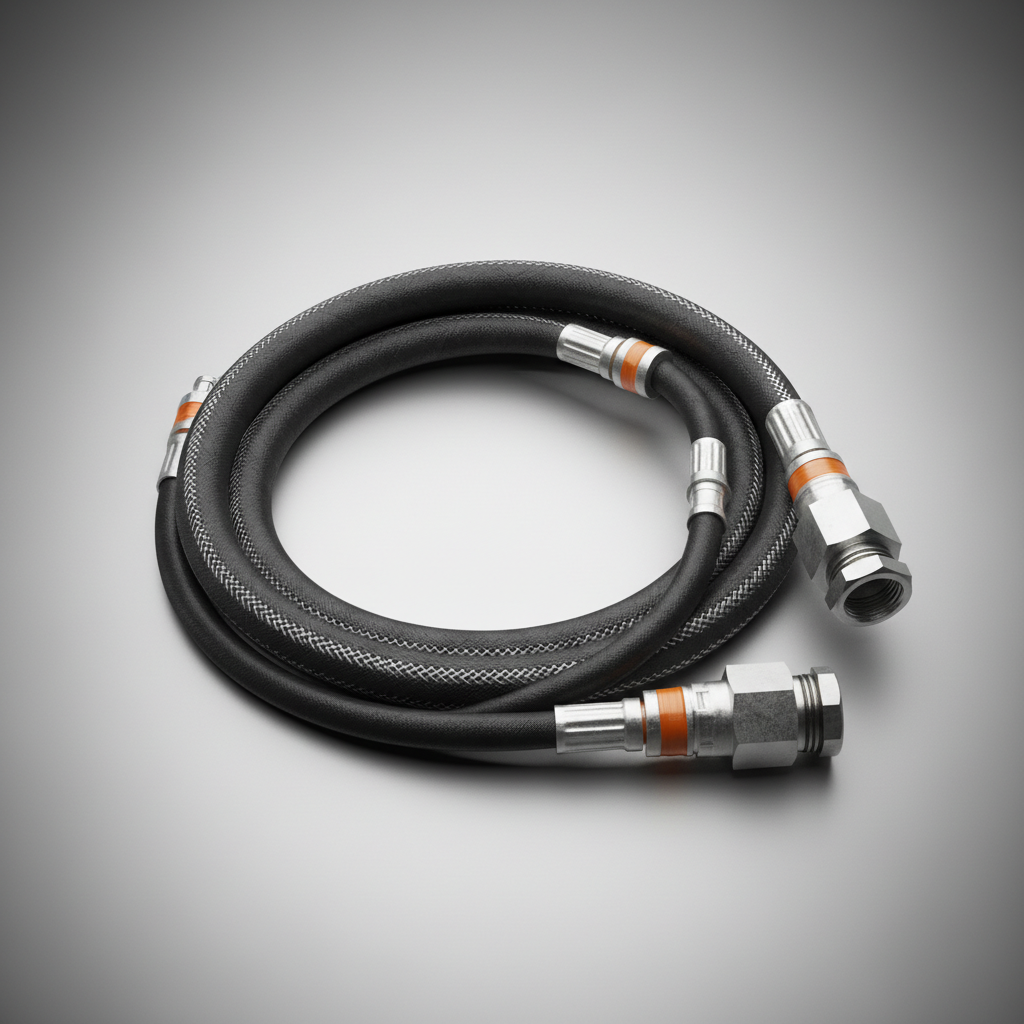
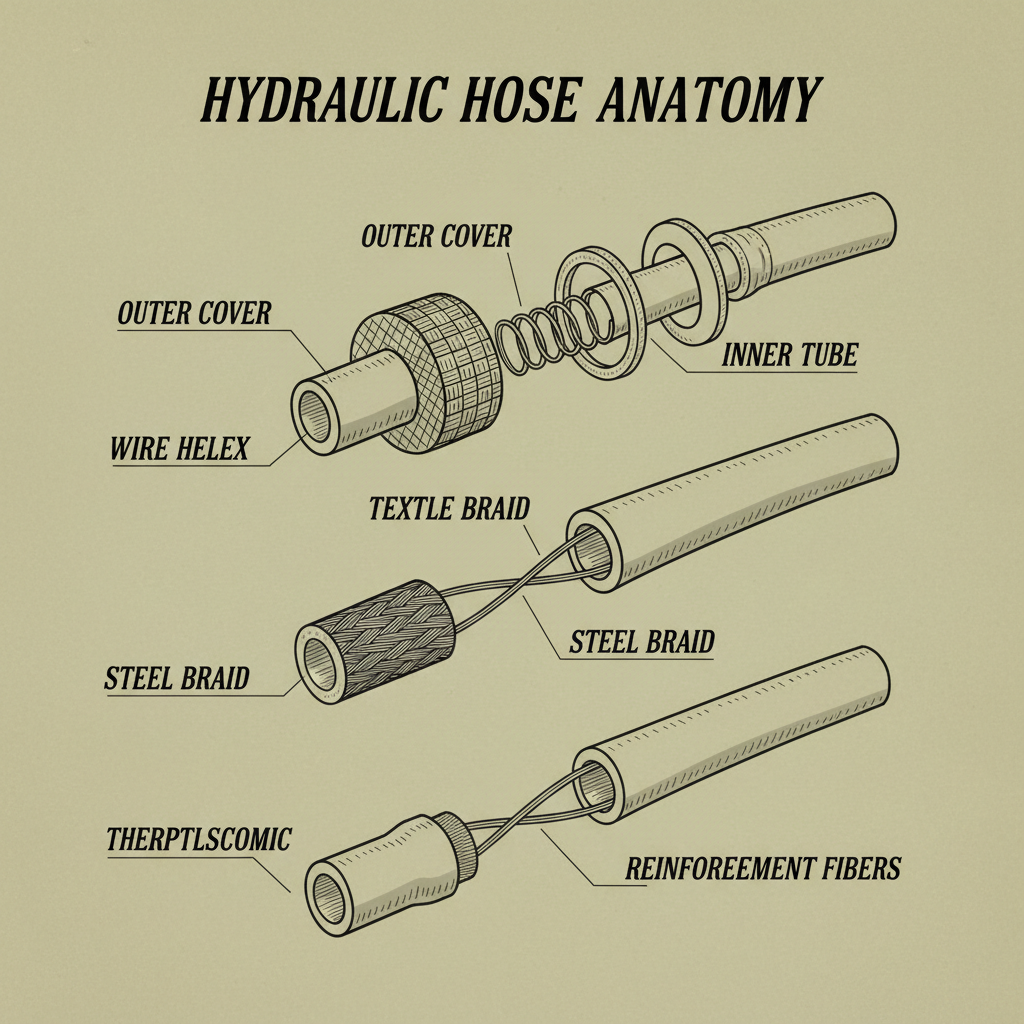
The composition of a flexible hydraulic hose typically includes an inner tube made of synthetic rubber or thermoplastic, reinforced with multiple layers of high-strength steel wire or textile braiding for pressure resistance, and an outer cover for protection against abrasion, chemicals, and environmental factors. The quality of these materials directly influences the hose's lifespan, performance, and safety.
Global Relevance of flexible hydraulic hose
The demand for flexible hydraulic hose is intrinsically linked to global industrial activity. Regions experiencing rapid economic growth, such as Asia-Pacific and South America, demonstrate a heightened need for efficient and reliable hydraulic systems. Infrastructure projects, manufacturing expansion, and the increasing use of heavy machinery in these areas drive demand for high-quality hydraulic hose. The United Nations Industrial Development Organization (UNIDO) emphasizes the importance of robust industrial infrastructure for sustainable development, highlighting the role of components like flexible hydraulic hose.
However, challenges exist. The industry faces issues related to material sourcing, environmental sustainability, and ensuring consistent quality across different manufacturing regions. Concerns regarding potential leaks and failures underscore the need for rigorous testing and adherence to international standards like those set by the International Organization for Standardization (ISO).
Furthermore, the increasing adoption of Industry 4.0 technologies, including automation and data analytics, is creating new opportunities for smart hydraulic hose solutions. These systems incorporate sensors and monitoring capabilities to optimize performance, predict maintenance needs, and enhance overall system efficiency. The integration of these technologies will be crucial for maintaining competitiveness in the global market.
Defining flexible hydraulic hose
At its core, a flexible hydraulic hose is a specialized conduit designed to transmit hydraulic fluid, typically oil, under significant pressure. This fluid acts as the medium for transferring power from a pump to hydraulic actuators – cylinders and motors – which perform work. What differentiates it from traditional piping is its ability to bend and flex without compromising its structural integrity or pressure-holding capacity.
The connection to modern industry is undeniable. Consider construction equipment like excavators and bulldozers, agricultural machinery, or even the braking systems in many vehicles – all rely on flexible hydraulic hose to function effectively. Beyond industrial applications, flexible hydraulic hose finds a place in aerospace, marine engineering, and specialized robotics, demonstrating its versatility.
In essence, flexible hydraulic hose facilitates the transmission of force, enabling complex mechanical operations. Without this technology, many essential industrial processes and systems would be considerably less efficient, reliable, or even impossible to implement.
Key Characteristics of flexible hydraulic hose
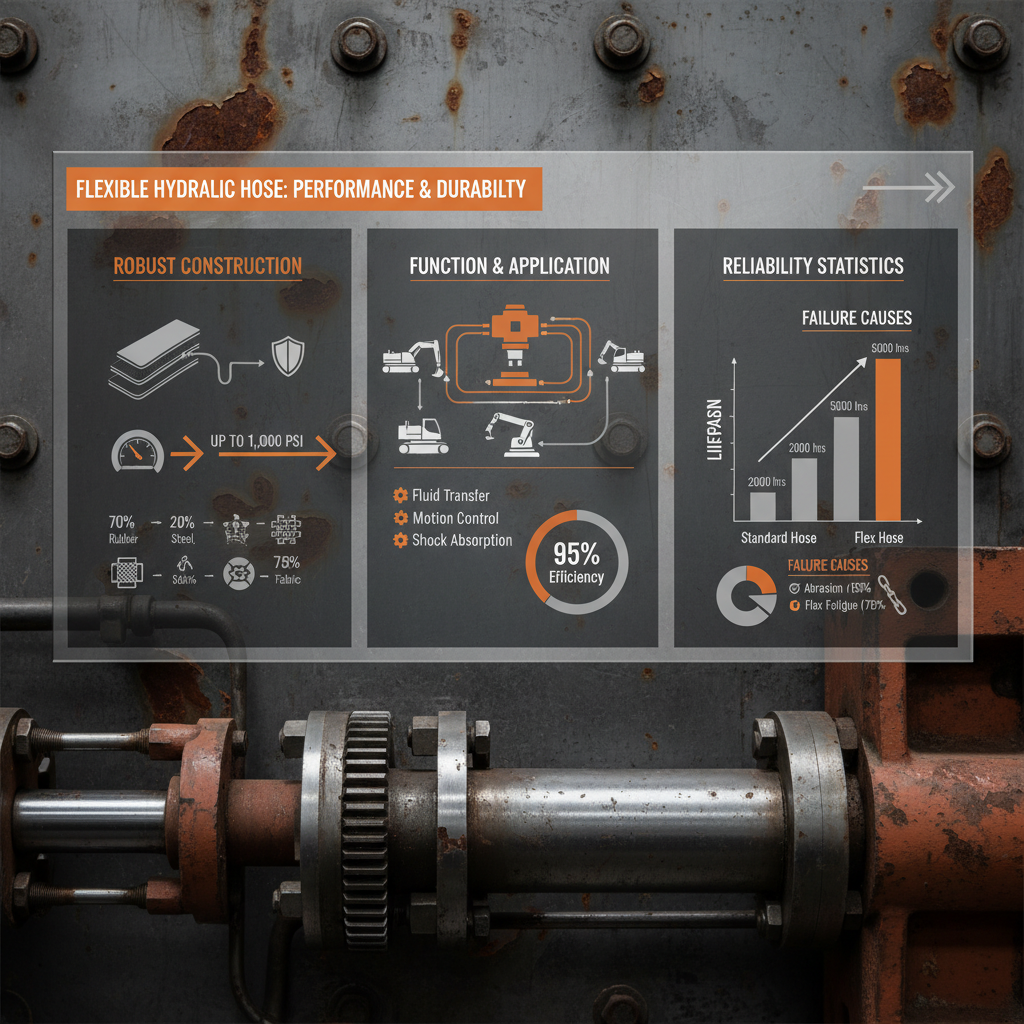
Durability is paramount. A quality flexible hydraulic hose must withstand repeated flexing, high pressures, and exposure to harsh environments without failing. This requires robust construction using materials resistant to abrasion, corrosion, and temperature extremes. Selection of appropriate materials directly correlates to the hose’s lifespan and overall cost-effectiveness.
Pressure Rating defines the maximum working pressure a hose can safely handle. Different applications demand different pressure capabilities, ranging from low-pressure systems in agricultural equipment to extremely high-pressure applications in heavy machinery. Selecting a hose with an appropriate pressure rating is crucial for safety and performance.
flexible hydraulic hose Performance Metrics
Applications of flexible hydraulic hose Worldwide
The construction industry is a major consumer of flexible hydraulic hose, utilizing it in excavators, loaders, cranes, and other heavy equipment. In post-disaster relief operations, hydraulic hoses are vital for powering rescue equipment, debris removal machinery, and temporary infrastructure. The ability to quickly deploy and connect these hoses makes them indispensable in emergency scenarios.
In remote industrial zones, where maintaining complex piping systems is challenging, flexible hydraulic hose offers a practical and cost-effective solution. Mining operations also heavily rely on hydraulic hoses to power drilling equipment, conveyor belts, and other critical machinery. The robust nature of these hoses allows them to withstand the demanding conditions of these environments.
Advantages and Long-Term Value of flexible hydraulic hose
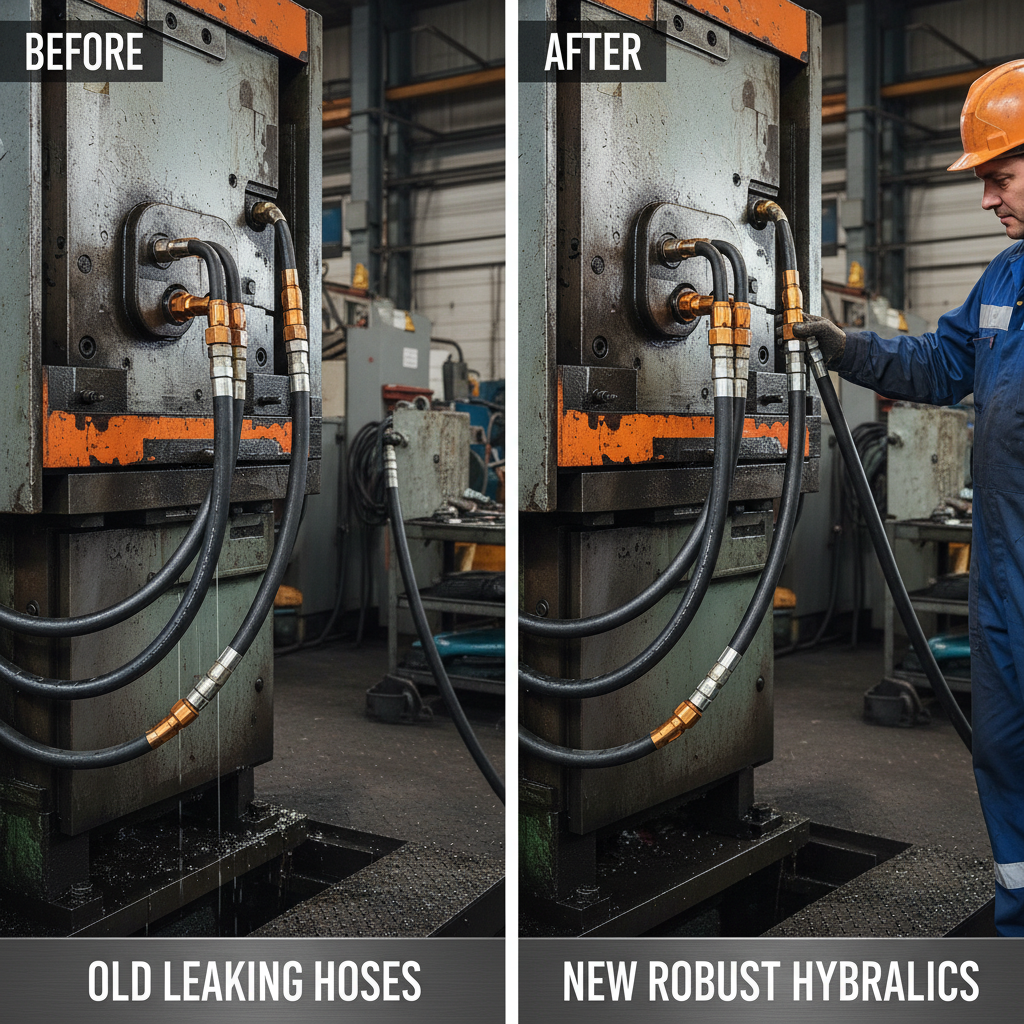
Cost-effectiveness is a significant benefit. While initial investment in high-quality flexible hydraulic hose may be higher, the reduced downtime, extended lifespan, and minimized maintenance requirements translate into substantial long-term savings. A leak-free system prevents costly fluid loss and environmental contamination.
Sustainability is increasingly important. Manufacturers are adopting more environmentally friendly materials and processes in the production of flexible hydraulic hose. Utilizing recycled materials and reducing waste contribute to a more circular economy. Furthermore, the reliability of these hoses reduces the need for frequent replacements, minimizing the overall environmental impact.
Future Trends in flexible hydraulic hose Technology
The integration of smart sensors into flexible hydraulic hose is a rapidly developing trend. These sensors can monitor pressure, temperature, and flow rate, providing real-time data for predictive maintenance and performance optimization. This data can be analyzed using artificial intelligence (AI) algorithms to identify potential issues before they lead to failures.
New materials, such as thermoplastic composites, are being explored to enhance the performance and durability of flexible hydraulic hose. These materials offer improved chemical resistance, higher temperature tolerance, and reduced weight compared to traditional rubber-based hoses. The development of bio-based hydraulic fluids, combined with compatible hose materials, further contributes to sustainability goals.
FAQS
The lifespan of a flexible hydraulic hose varies depending on the operating conditions, fluid type, and hose quality. Generally, a well-maintained hose can last between 5 to 10 years. However, factors like extreme temperatures, exposure to chemicals, and high pressure can significantly reduce its lifespan. Regular inspections and adherence to manufacturer recommendations are crucial for maximizing longevity.
Proper storage is essential for preventing damage and prolonging the life of a flexible hydraulic hose. Store hoses in a cool, dry, and dark location away from direct sunlight, heat sources, and ozone-generating equipment. Avoid bending or kinking the hoses during storage. Ideally, they should be stored on a reel or hung loosely to maintain their shape.
Hydraulic systems operate under high pressure, posing potential hazards. Always relieve pressure from the system before disconnecting or inspecting hoses. Wear appropriate personal protective equipment (PPE), including safety glasses, gloves, and protective clothing. Never attempt to repair a damaged hose; replace it immediately. Avoid exposing hoses to excessive heat, abrasion, or chemical contact.
Common causes of failure include exceeding the pressure rating, kinking or twisting the hose, abrasion from rubbing against surfaces, exposure to incompatible fluids, and degradation of the hose material due to age or environmental factors. Regular inspection for cracks, leaks, and bulges can help identify potential issues before they lead to catastrophic failure.
Yes, a wide variety of flexible hydraulic hoses are available, each designed for specific applications. Different hose constructions, materials, and pressure ratings cater to diverse needs, from general-purpose applications to specialized environments like high-temperature or chemical processing. Choosing the correct hose type is crucial for ensuring optimal performance and safety.
Regular inspection is vital for identifying potential issues before they escalate. Inspect hoses visually at least monthly, looking for cracks, abrasions, leaks, bulges, or any signs of damage. More frequent inspections are recommended for critical applications or harsh operating environments. Keep a log of inspections and any maintenance performed.
Conclusion
In conclusion, flexible hydraulic hose remains an indispensable component across a vast spectrum of industries. Its inherent flexibility, combined with its ability to withstand high pressures and harsh conditions, makes it the preferred choice for transmitting power in dynamic systems. Understanding the factors influencing hose performance, from material selection to proper maintenance, is critical for maximizing lifespan, ensuring safety, and minimizing operational costs.
Looking forward, advancements in materials science, sensor technology, and data analytics promise to revolutionize the field of flexible hydraulic hose. The integration of smart features will enable predictive maintenance, optimize performance, and enhance overall system reliability. Investing in research and development to address sustainability concerns and promote environmentally friendly materials will be key to shaping the future of this vital technology.

 Call Us+86-158-0331-9351
 Emailcarrie@sinopulse.cn
 AddressHandan City, Hebei , China