

What is a Hydraulic Hose? A Comprehensive Guide
Hydraulic hoses are essential components in various industries, powering everything from construction equipment to agricultural machinery. They transmit fluid power, enabling efficient and controlled movement. Understanding hydraulic hoses – their types, construction, and applications – is crucial for anyone working with hydraulic systems. This article provides a detailed overview, covering everything you need to know about these vital tools. Ensuring you select the right hose for your needs is vital for safety and optimal performance.
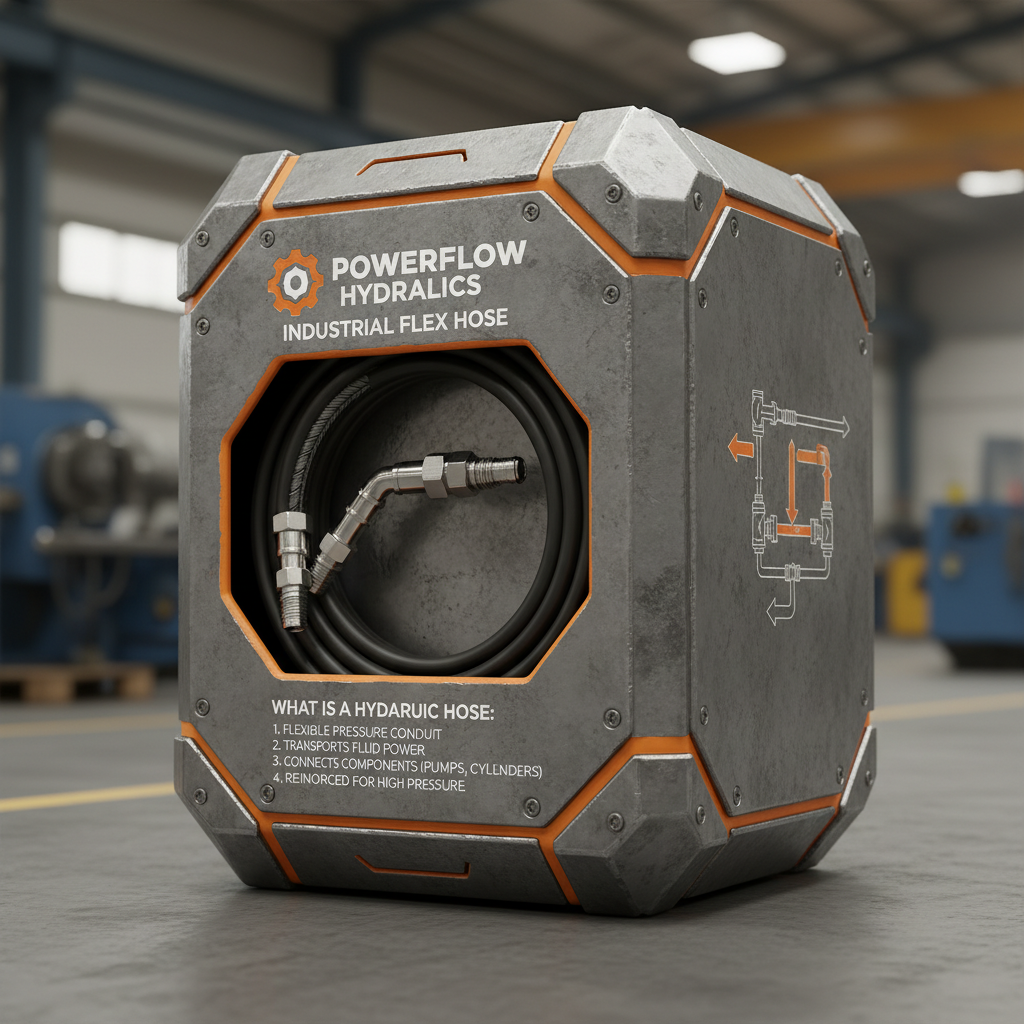
The Core Function of a Hydraulic Hose
At its simplest, a hydraulic hose is a flexible conduit designed to carry pressurized hydraulic fluid – typically oil – to transmit power. This power is then used to operate cylinders, motors, and other actuators. The hose must withstand significant pressure, resist abrasion and corrosion, and maintain flexibility to accommodate movement and vibration. Without reliable hydraulic hoses, many critical industrial processes would grind to a halt. The quality and construction of a hose directly impact the efficiency and longevity of the hydraulic system.
Key Role: Transmitting fluid power to operate hydraulic machinery efficiently and reliably.
Types of Hydraulic Hoses
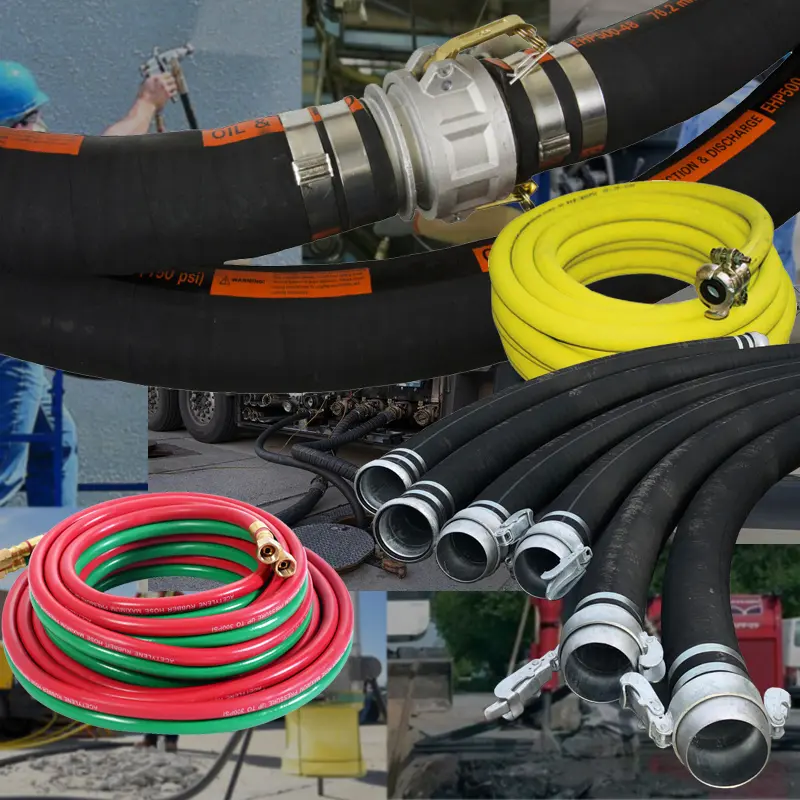
Hydraulic hoses come in several types, each suited for different applications and pressure requirements. The most common types include:
- Reinforced Hydraulic Hose: Offers moderate pressure capabilities, commonly used in general industrial applications.
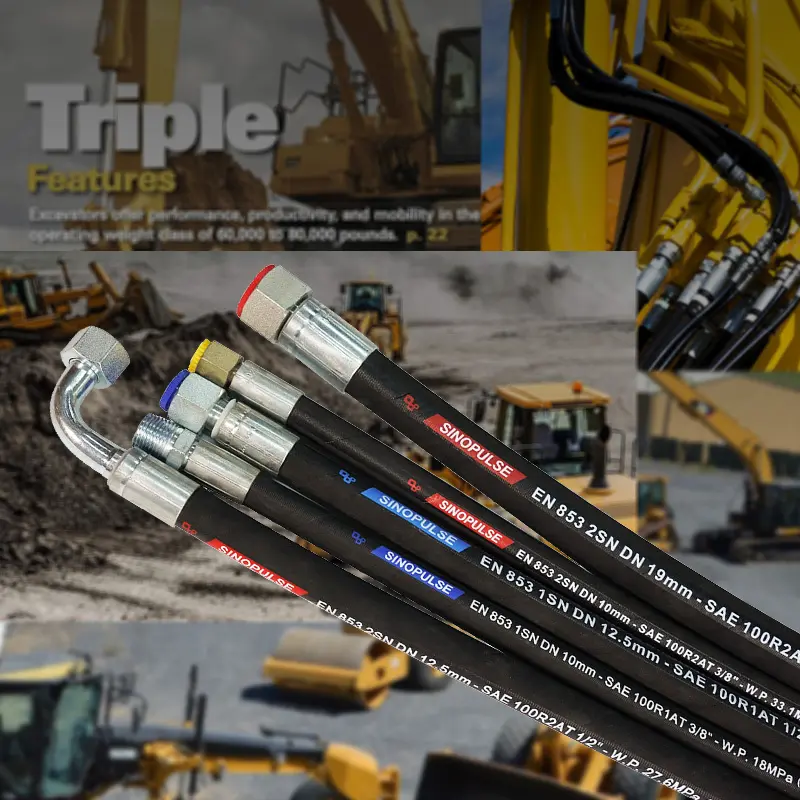
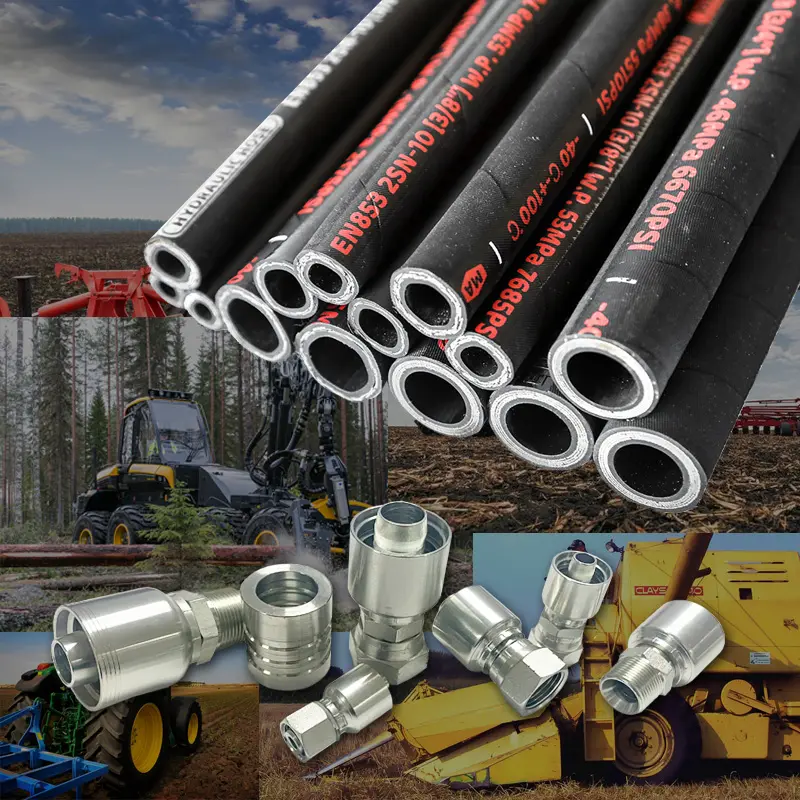
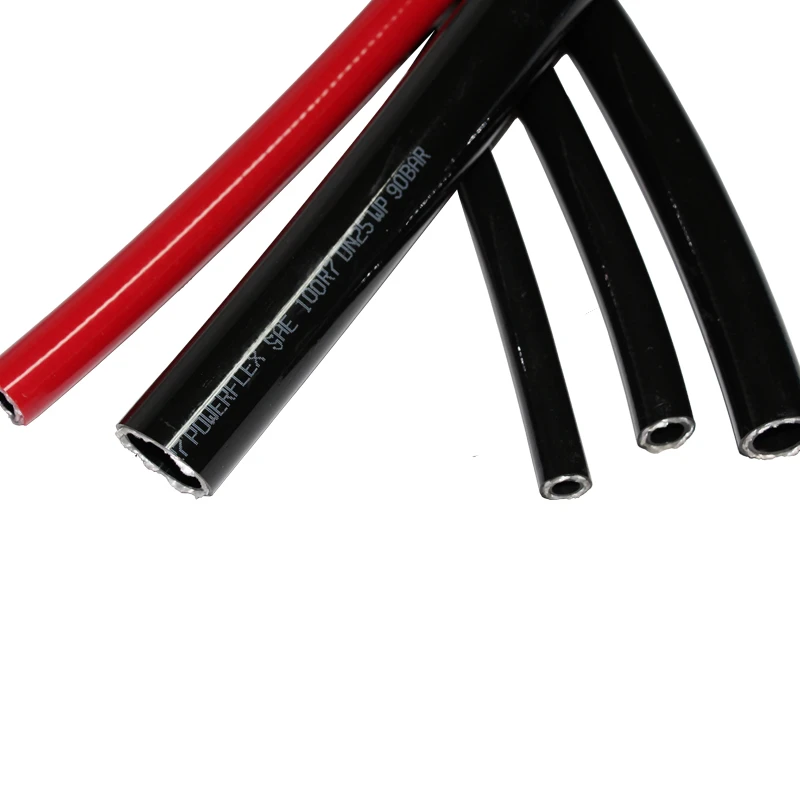
- Wire-Braided Hydraulic Hose: Provides higher pressure resistance due to the embedded wire braid. Ideal for demanding applications like heavy machinery.
- Wire-Spiral Hydraulic Hose: The highest pressure capacity, featuring a spiral wire reinforcement. Often used in construction, mining, and agricultural equipment.
- Thermoplastic Hydraulic Hose: Lightweight and flexible, suitable for lower-pressure applications and intermittent use.
Selecting the appropriate hose type is essential to ensure safety and optimal performance within a specific hydraulic system. For detailed specifications and assistance with hose selection, visit Hydhoses.com.
Hose Type Selection Considerations:
• Pressure requirements of the system
• Temperature range of the hydraulic fluid
• Application environment (exposure to abrasion, chemicals, etc.)
• Flexibility and bend radius needs
What are Hydraulic Hoses Made Of?
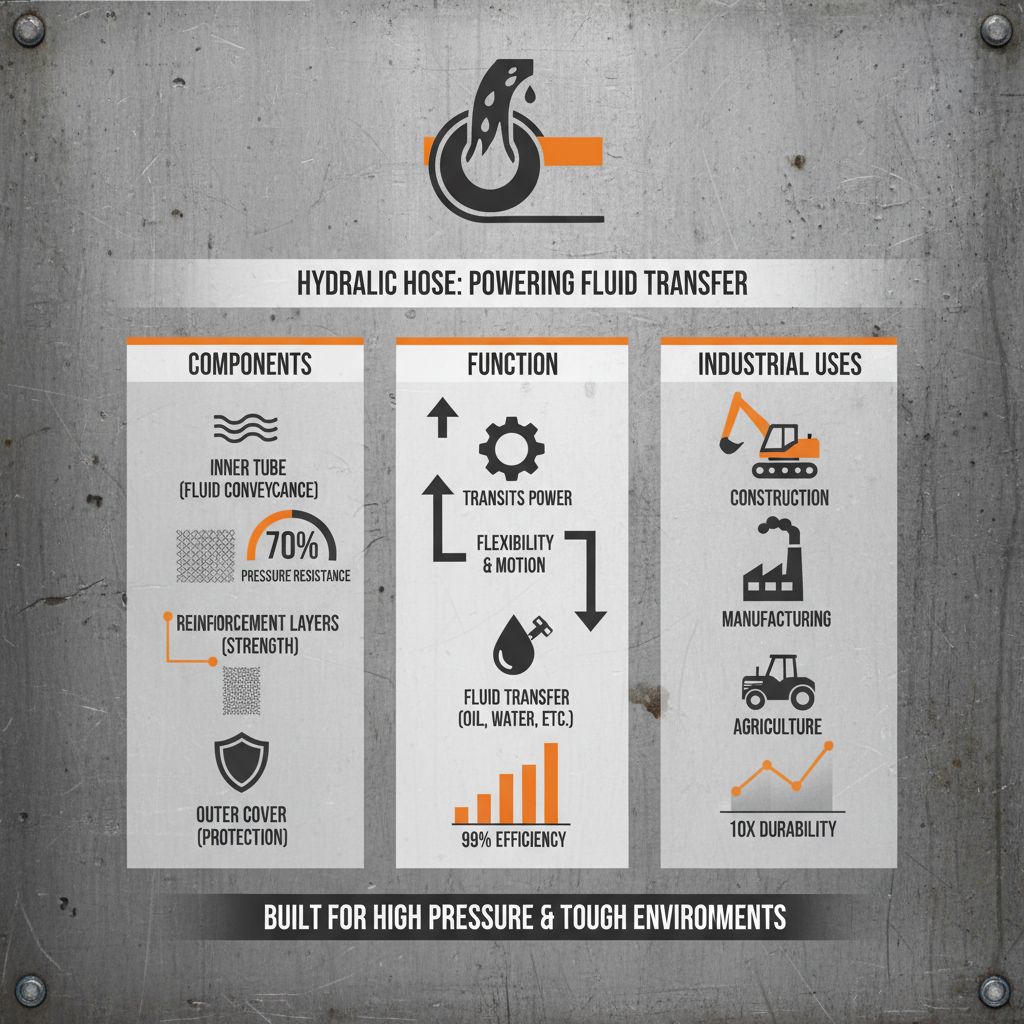
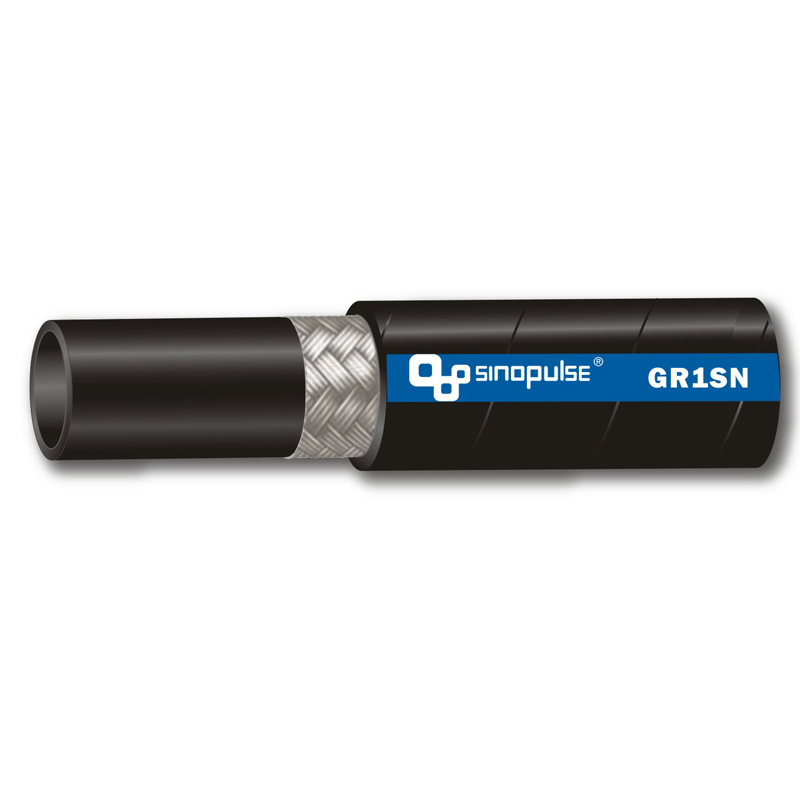
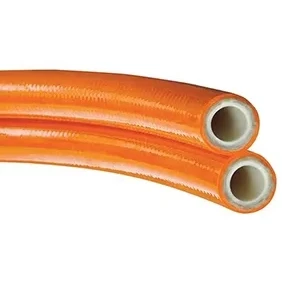
A typical hydraulic hose comprises several layers, each serving a specific purpose. The inner tube, usually made of synthetic rubber, provides a fluid-resistant barrier. The reinforcement layer, consisting of braided steel wire or spiral-wound steel, provides strength and withstands pressure. The outer cover, typically made of synthetic rubber, protects against abrasion, weathering, and chemical exposure. The combination of these materials determines the hose’s performance characteristics. The quality of these materials directly correlates with the hose's lifespan and reliability.
Applications of Hydraulic Hoses
Hydraulic hoses are ubiquitous across various industries. Key applications include:
- Construction Equipment: Excavators, bulldozers, loaders
- Agricultural Machinery: Tractors, harvesters, sprayers
- Manufacturing: Hydraulic presses, injection molding machines
- Automotive: Power steering, braking systems
- Mining: Drilling rigs, hydraulic rock breakers
The specific hose required will depend on the application's pressure, temperature, and environmental conditions. Hydhoses.com offers a wide range of hoses suitable for diverse applications.
Hydraulic Hose Safety and Maintenance
Proper maintenance and safe handling are crucial for hydraulic hose longevity and preventing accidents. Regularly inspect hoses for signs of wear, such as cracks, abrasions, and leaks. Avoid kinking or twisting hoses, as this can damage the reinforcement layers. Ensure hoses are properly secured to prevent them from whipping or disconnecting under pressure. Replace damaged hoses immediately. Following these guidelines will help ensure a safe and efficient hydraulic system.
Conclusion: Choosing the Right Hydraulic Hose
Understanding the fundamentals of hydraulic hoses – their types, construction, and applications – is vital for maintaining efficient and safe hydraulic systems. By selecting the appropriate hose for your needs and implementing proper maintenance practices, you can maximize performance and minimize downtime. Explore Hydhoses.com for a comprehensive selection of high-quality hydraulic hoses.
Frequently Asked Questions (FAQs)
What is the working pressure of a hydraulic hose?
The working pressure of a hydraulic hose varies significantly depending on its type and construction. Generally, hoses are rated for pressures ranging from 1,000 PSI to 5,000 PSI or higher. It's crucial to select a hose with a working pressure that exceeds the maximum pressure of the hydraulic system it will be used in. Always refer to the hose manufacturer’s specifications for accurate pressure ratings. Exceeding the hose’s pressure rating can lead to catastrophic failure, posing serious safety risks. Hydhoses.com provides detailed specifications for all our hoses.
How often should I replace hydraulic hoses?
The replacement frequency depends on usage, operating conditions, and regular inspection findings. As a general guideline, hoses should be replaced every 5-7 years, even if they appear to be in good condition. However, more frequent replacement is recommended for hoses exposed to harsh environments, extreme temperatures, or heavy abrasion. Any signs of damage, such as cracks, bulges, or leaks, require immediate replacement. Preventative maintenance and regular inspections are key to extending hose life and ensuring safety.
What causes hydraulic hose failure?
Several factors can contribute to hydraulic hose failure. Common causes include exceeding the pressure rating, improper installation (kinking or twisting), abrasion, exposure to extreme temperatures or chemicals, and internal corrosion. Regular inspection and preventative maintenance can help identify and address these issues before they lead to failure. Using the correct hose for the application and ensuring proper routing are also crucial for preventing premature wear and tear.
Product Application