

Understanding 1 Inch Hydraulic Hose: A Comprehensive Guide
When it comes to hydraulic systems, the right hose is crucial for efficiency and safety. A 1 inch hydraulic hose is a common size used in a wide array of applications. This article will explore everything you need to know about these hoses, from their applications and construction to selecting the right type for your specific needs. We'll cover pressure ratings, materials, and best practices for maintenance, helping you ensure optimal performance and longevity of your hydraulic systems.
What is a 1 Inch Hydraulic Hose?
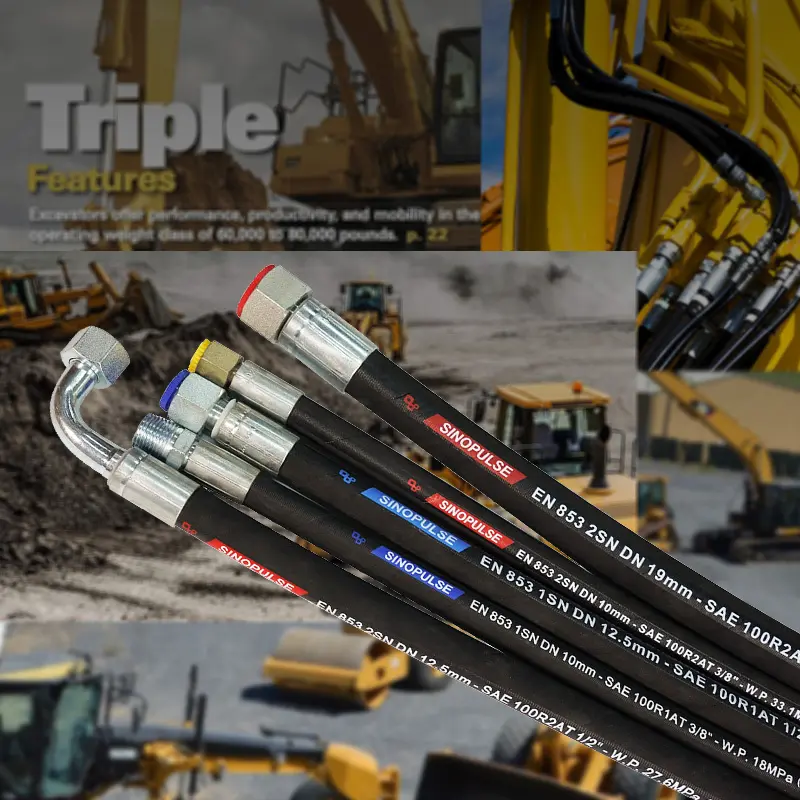
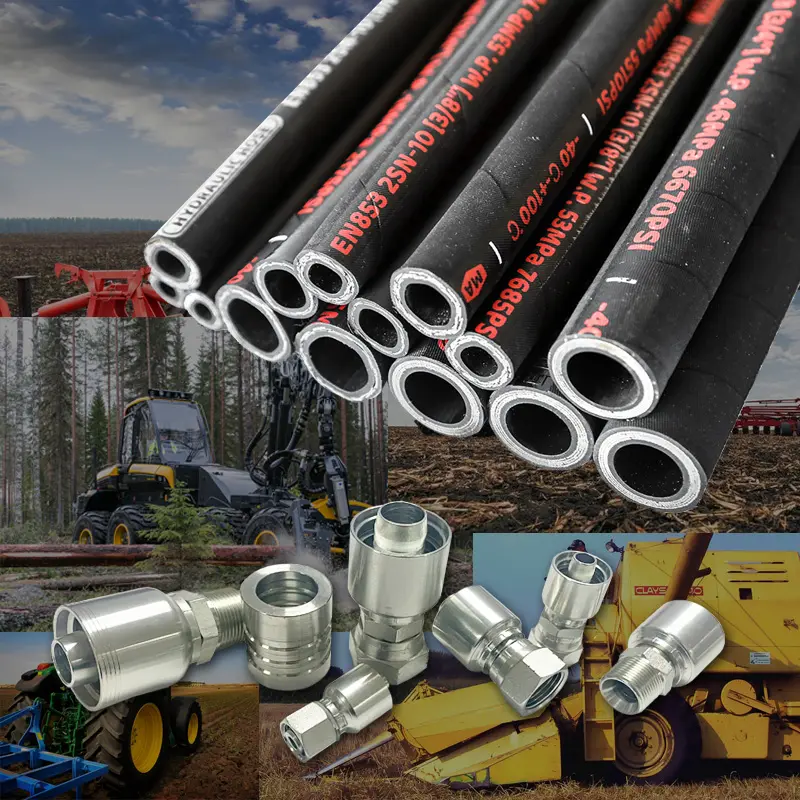
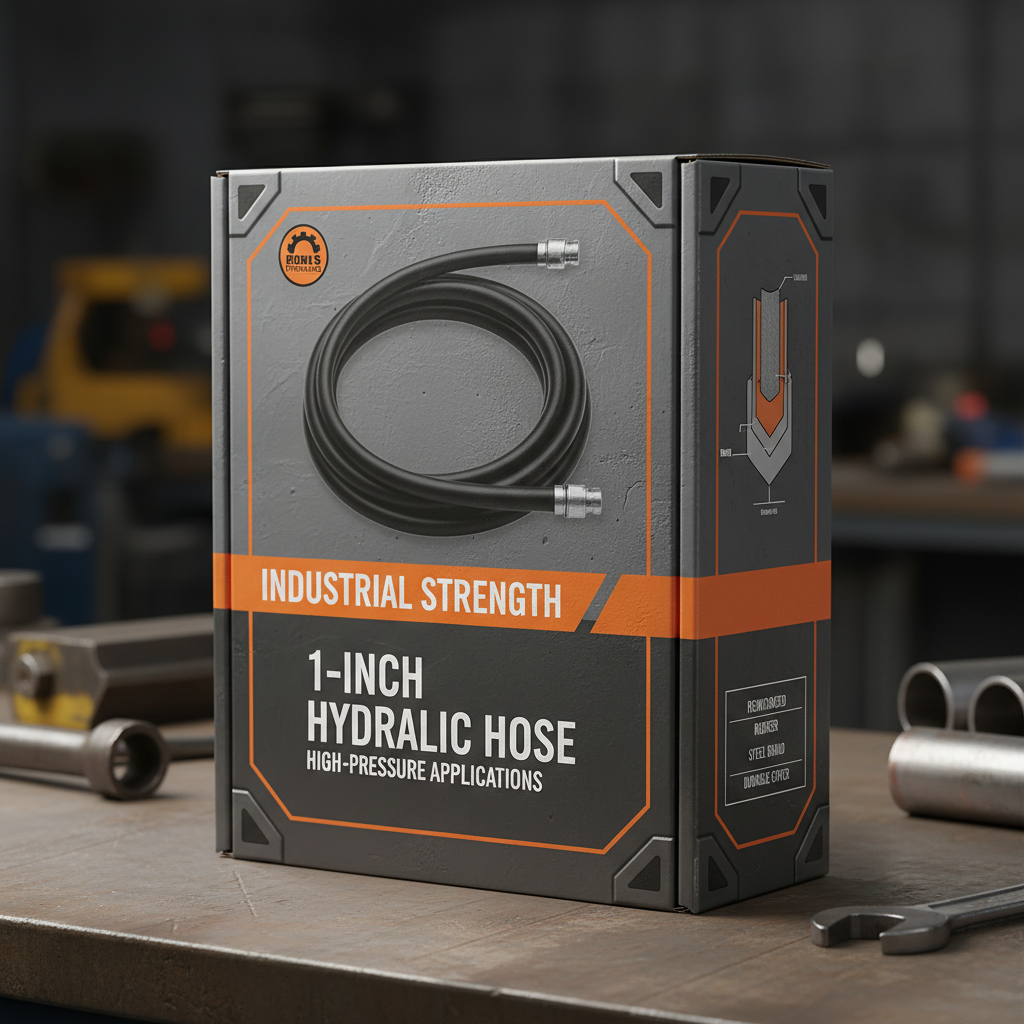
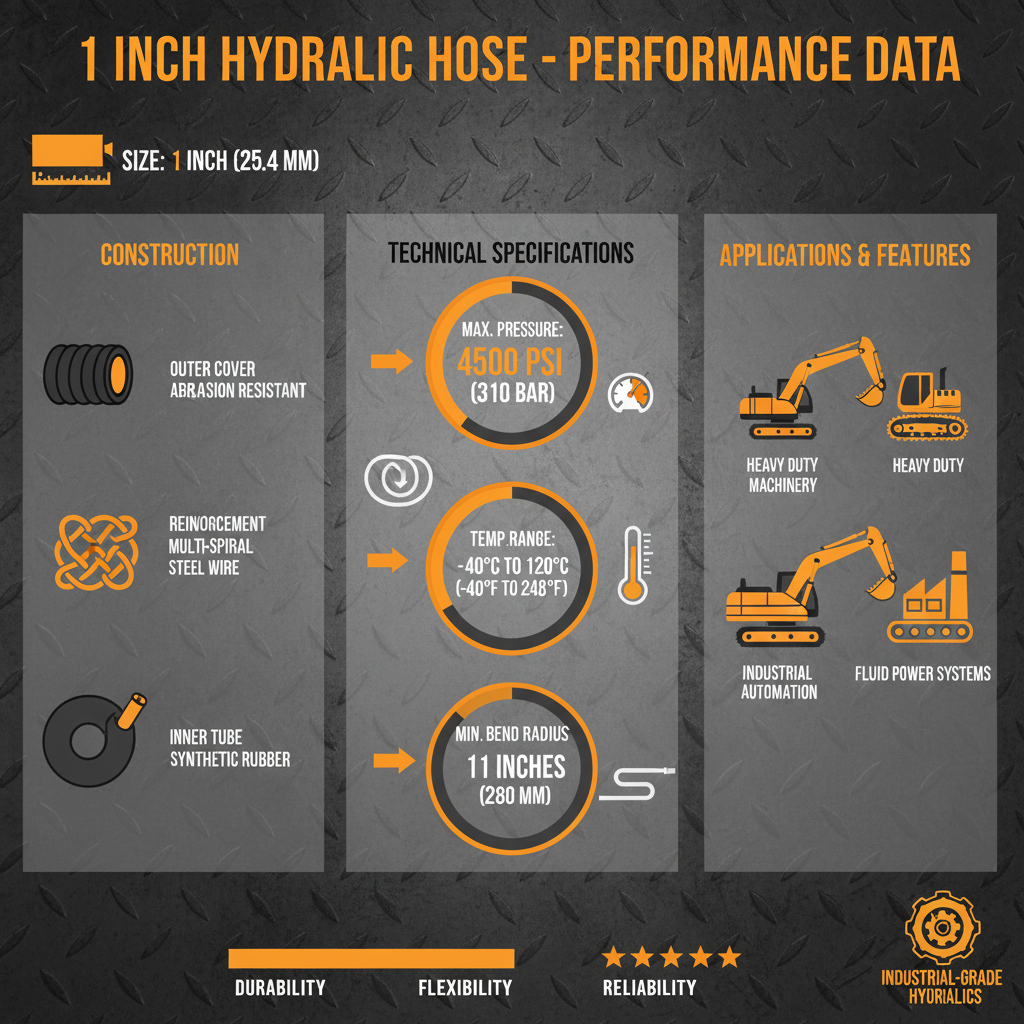
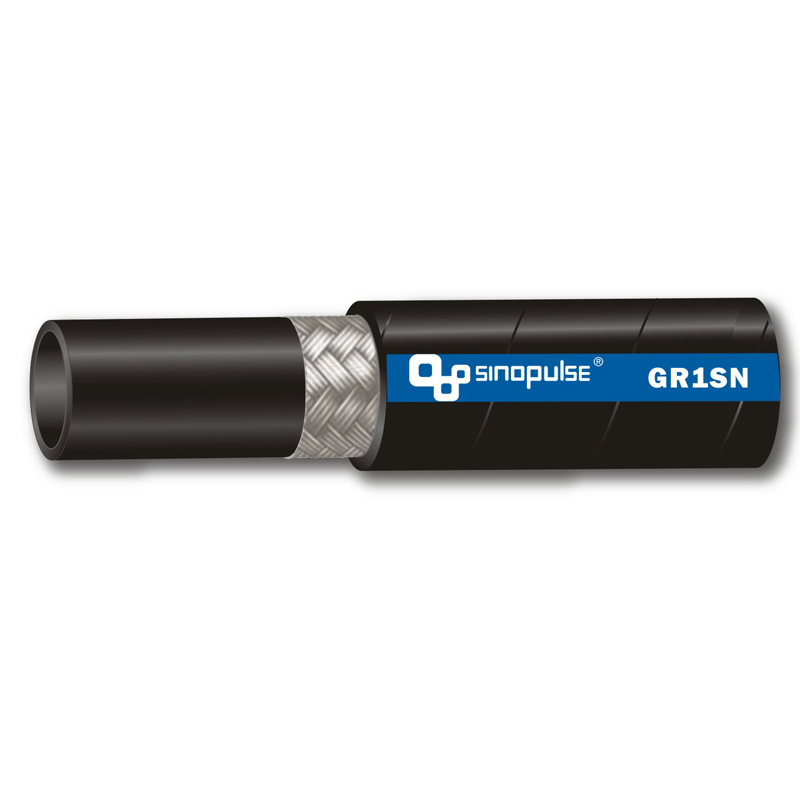
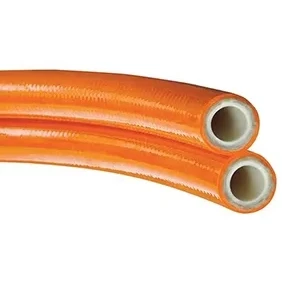
A 1 inch hydraulic hose refers to a hose with an inner diameter of approximately 1 inch. These hoses are designed to transmit hydraulic fluid under high pressure, powering a variety of machinery and equipment. They’re constructed from multiple layers – an inner tube, reinforcement layers, and an outer cover – each contributing to the hose's strength, flexibility, and resistance to abrasion, chemicals, and temperature variations. Understanding these components is essential for choosing a hose that can withstand the specific demands of your application. Selecting the right hydraulic hose for your needs is critical for safety and efficiency.
Key Highlights: Constructed from multiple layers – an inner tube, reinforcement layers, and an outer cover – each contributing to the hose's strength, flexibility, and resistance to abrasion, chemicals, and temperature variations.
Applications of 1 Inch Hydraulic Hose
1 inch hydraulic hoses are incredibly versatile and find applications across numerous industries. Common uses include powering construction equipment like excavators and loaders, operating agricultural machinery, driving hydraulic presses in manufacturing, and controlling hydraulic systems in marine applications. They are also utilized in material handling equipment, mining operations, and various industrial automation processes. Their robust construction and ability to handle high pressures make them a reliable choice for demanding applications. Consider the specific requirements of your equipment when selecting a 1 inch hydraulic hose.
Common Application Areas:
• Construction Equipment
• Agricultural Machinery
• Manufacturing (Hydraulic Presses)
• Marine Applications
Types of 1 Inch Hydraulic Hose and Their Specifications
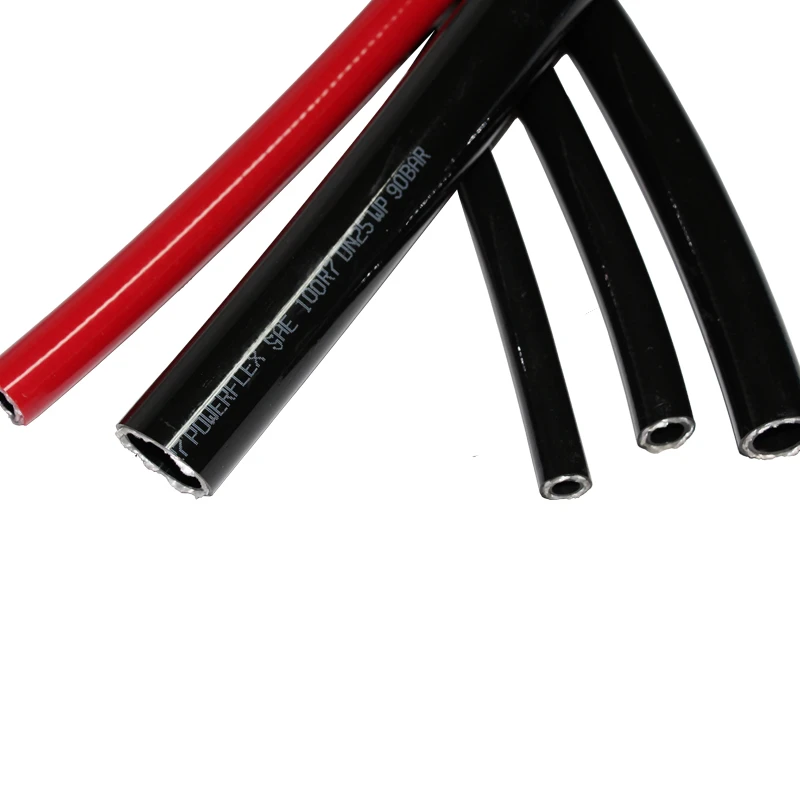
Several types of 1 inch hydraulic hoses are available, each designed for specific pressure ratings and applications. The most common include:
Selecting the Right 1 Inch Hydraulic Hose
Choosing the correct hose involves considering several factors. First, determine the maximum working pressure of your system. Select a hose with a pressure rating that exceeds this value by a safety margin. Next, consider the fluid type and temperature range. Ensure the hose material is compatible with the hydraulic fluid and can withstand the operating temperature. Finally, evaluate the application environment. If the hose will be exposed to abrasion, chemicals, or UV radiation, choose a hose with appropriate outer cover protection. Hydhoses.com offers expert guidance to help you select the perfect hose for your needs.
Maintenance and Safety Tips for 1 Inch Hydraulic Hoses
Proper maintenance is crucial for extending the life of your hydraulic hoses and preventing costly failures. Regularly inspect hoses for signs of wear, such as cracks, abrasions, or leaks. Ensure all connections are tight and free from corrosion. Avoid kinking or twisting the hose, as this can weaken the internal structure. Replace hoses immediately if any damage is detected. Remember to depressurize the system before disconnecting or replacing any hose. Following these safety guidelines will help prevent accidents and maintain optimal performance.
Conclusion: Ensuring Reliability with Quality Hydraulic Hoses
Investing in high-quality 1 inch hydraulic hoses from a reputable supplier like Hydhoses.com is essential for ensuring the reliability and efficiency of your hydraulic systems. By understanding the different types of hoses, selecting the right specifications, and implementing proper maintenance practices, you can minimize downtime, prevent costly repairs, and enhance the safety of your operations. Don't compromise on quality – choose hoses built to last.
Frequently Asked Questions (FAQs)
What is the recommended replacement schedule for 1 inch hydraulic hoses?
While there isn’t a strict timeline, it’s generally recommended to replace hydraulic hoses every 3-5 years, or sooner if signs of wear are observed. Factors like usage intensity, exposure to harsh environments, and fluid compatibility can impact the hose’s lifespan. Regular inspections are crucial to identify any deterioration and prevent unexpected failures. Look for cracking, bulging, or leaks, and replace the hose immediately if any of these are present. At Hydhoses.com, we provide hoses designed for longevity, but consistent monitoring is still key.
How do I determine the correct working pressure for my application?
The correct working pressure is determined by the maximum pressure generated by your hydraulic system. It’s crucial to select a hose with a pressure rating that exceeds the system’s maximum pressure by a safety factor, typically 4:1. Check the specifications of your hydraulic pump, valves, and actuators to identify the maximum pressure output. Always err on the side of caution and choose a hose with a higher pressure rating to ensure safe and reliable operation. Our experts can assist you in determining the right pressure rating for your specific application.
What are the common causes of hydraulic hose failure?
Common causes of hydraulic hose failure include exceeding the pressure rating, improper installation, abrasion, kinking, twisting, and exposure to incompatible fluids or extreme temperatures. Regular inspections can help identify potential issues before they lead to failure. Ensuring proper routing, support, and protection of the hose are also crucial preventative measures. Investing in high-quality hoses and fittings, and adhering to manufacturer’s recommendations can significantly reduce the risk of failure. Check Hydhoses.com for premium hoses and accessories.
Product Application