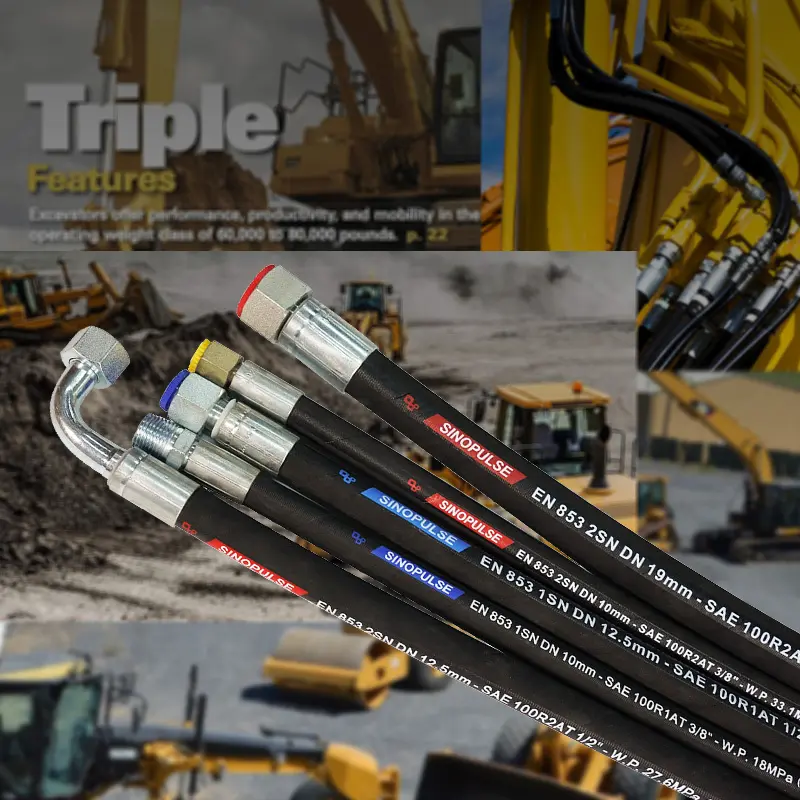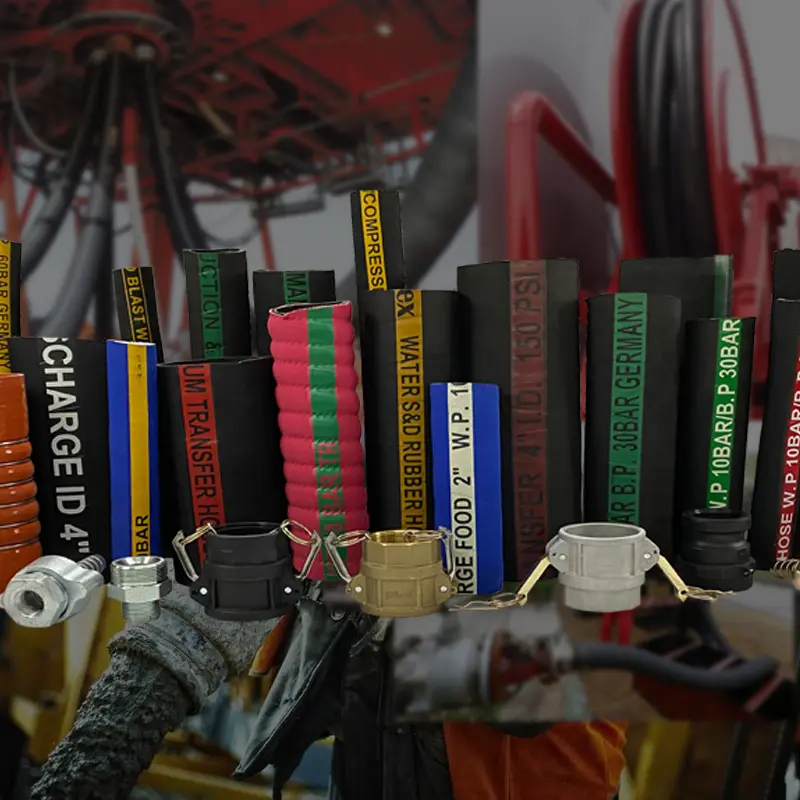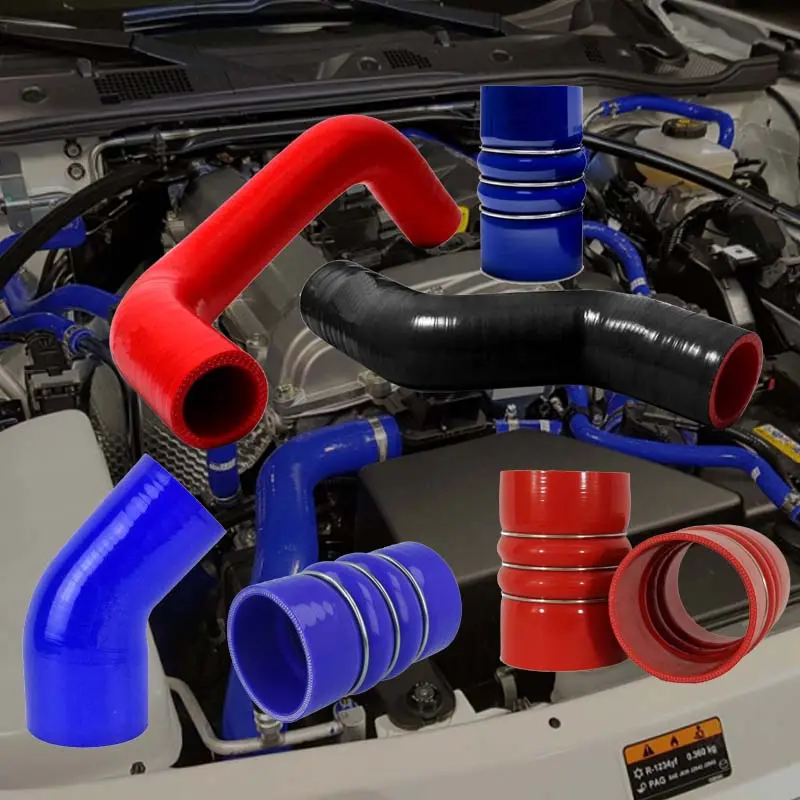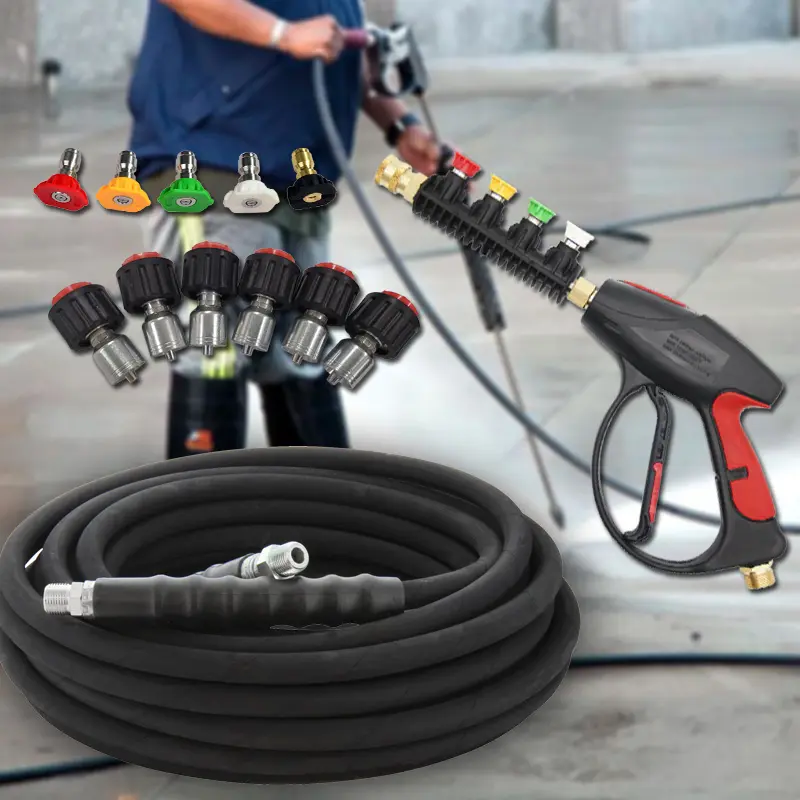


Understanding 1 2 Hydraulic Hose: A Comprehensive Guide
Hydraulic hoses are critical components in a vast array of industries, from construction and agriculture to manufacturing and automotive. Choosing the right hose is paramount for efficiency, safety, and preventing costly downtime. This article focuses on the ‘1 2 hydraulic hose’ – a common size with diverse applications. We'll delve into its specifications, applications, types, and how to select the best hose for your needs. Investing in the correct hydraulic hose is a small price to pay for the longevity and efficiency of your equipment. You can find a wide selection of <a href="https://www.hydhoses.com" style="color: #e74c3c; text-decoration: underline; font-weight: 600;">hydraulic hoses</a> at Hydhoses.com.
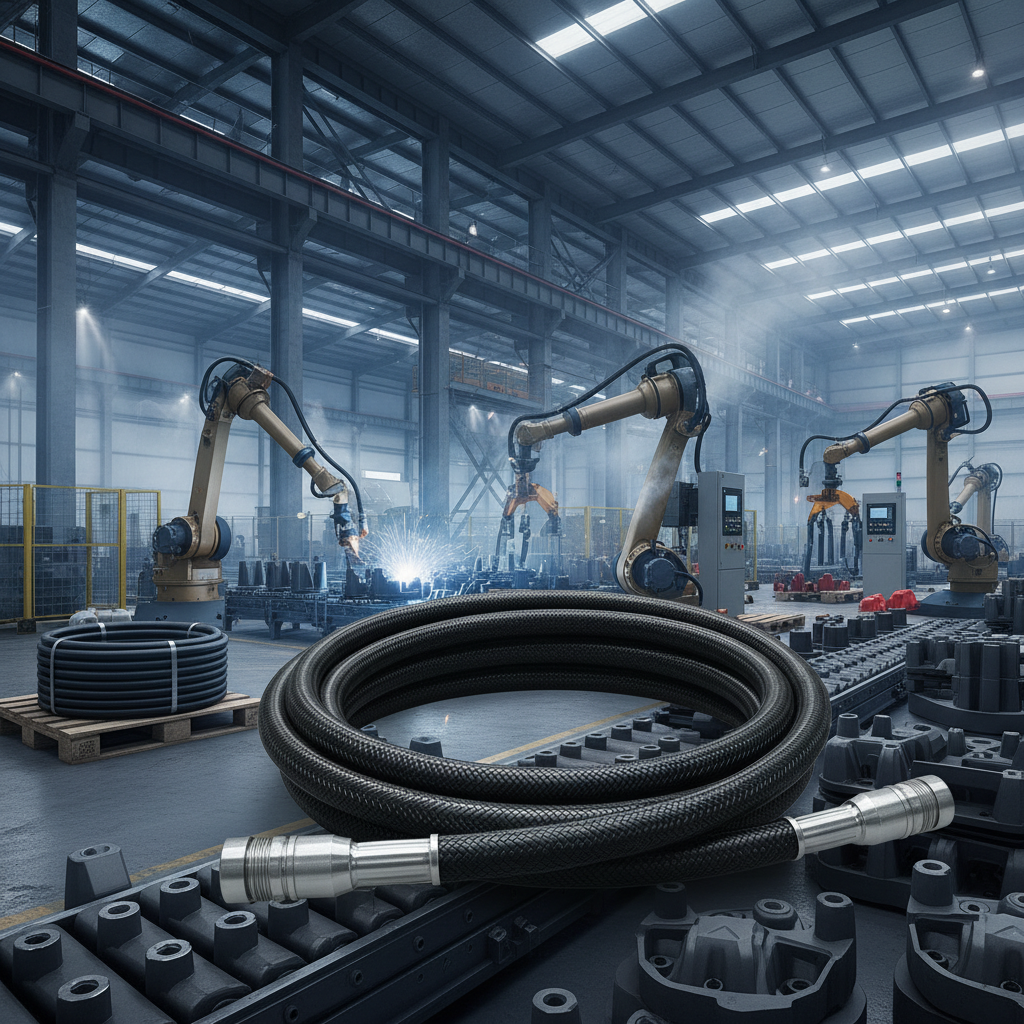
What Does '1 2 Hydraulic Hose' Actually Mean?
The designation "1 2 hydraulic hose" refers to the inner diameter of the hose, measured in inches. In this case, '1 2' means the hose has an internal diameter of one-half inch (0.5 inches or approximately 12.7 mm). This is a very common size due to its versatility and suitability for a wide range of applications. It’s important to understand that this refers to the internal diameter; the outer diameter will be larger to accommodate the hose’s construction (reinforcement layers, cover, etc.). Correctly identifying the inner diameter is crucial for ensuring compatibility with fittings and machinery. Hydhoses.com provides clear specifications for all its <a href="https://www.hydhoses.com" style="color: #e74c3c; text-decoration: underline; font-weight: 600;">hydraulic hose offerings</a>.
Key Takeaway: The '1 2' designation refers to the inner diameter of the hydraulic hose in inches.
Common Applications of 1 2 Hydraulic Hose
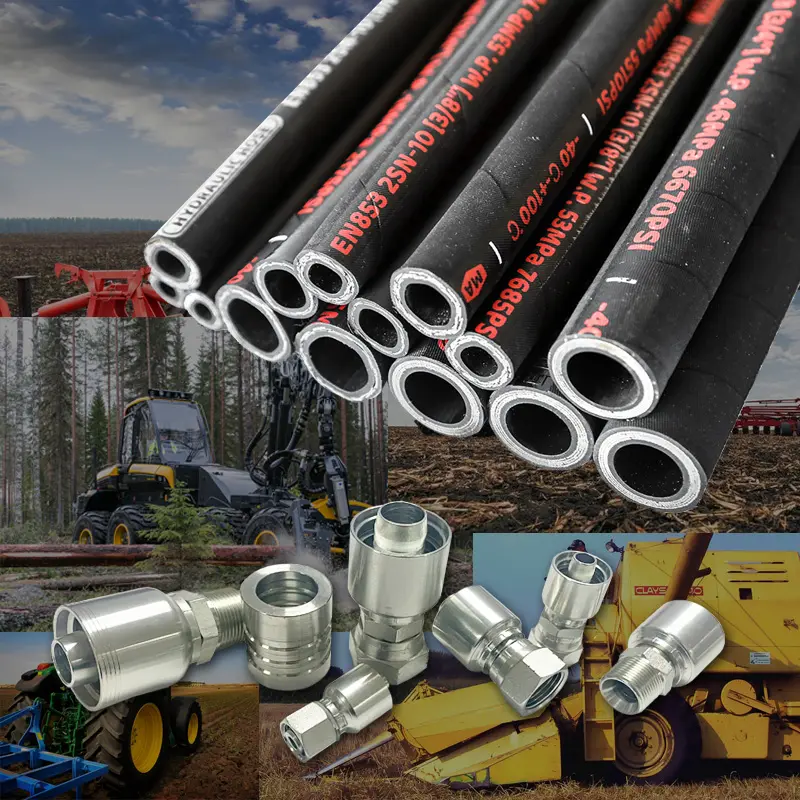
A 1 2 hydraulic hose is widely used across many sectors. In agriculture, it powers tractors, harvesters, and irrigation systems. In construction, you’ll find it operating excavators, loaders, and bulldozers. Manufacturing facilities rely on these hoses for powering presses, injection molding machines, and robotic arms. Automotive repair shops also utilize them for hydraulic lifts and testing equipment. The versatility of this hose size stems from its ability to handle moderate pressures and flow rates, making it suitable for a broad spectrum of hydraulic systems. Explore our selection of <a href="https://www.hydhoses.com" style="color: #e74c3c; text-decoration: underline; font-weight: 600;">1/2 inch hydraulic hoses</a> at Hydhoses.com.
Typical Applications:
• Agricultural Machinery
• Construction Equipment
• Manufacturing Hydraulics
• Automotive Lifts & Tools
Types of 1 2 Hydraulic Hose & Their Benefits
Not all 1 2 hydraulic hoses are created equal. Several types cater to different operating conditions and fluid compatibility needs. Common types include:
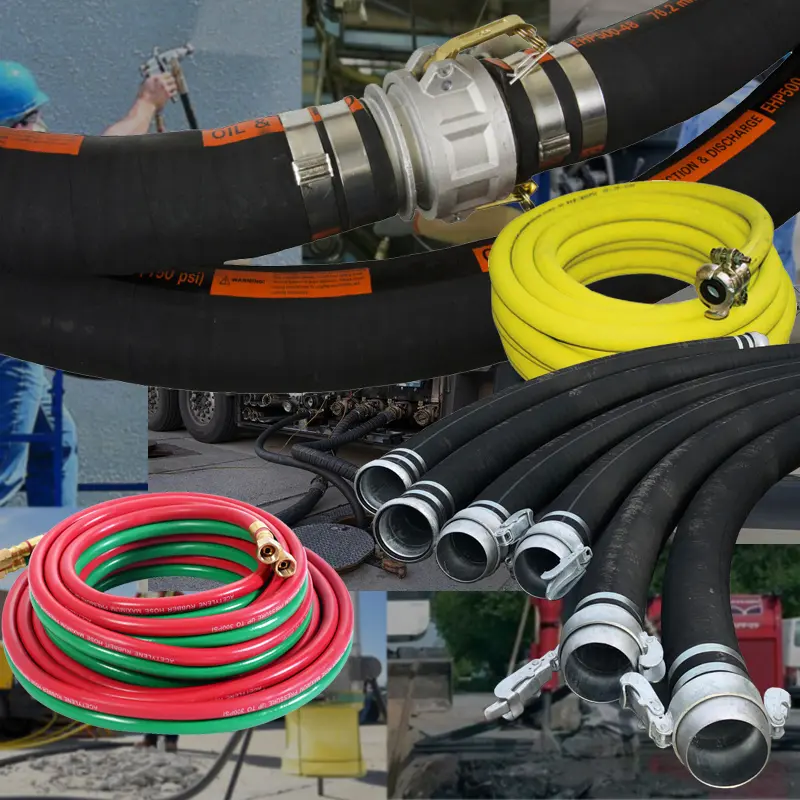
- Rubber Hose: Offers good flexibility and is suitable for general-purpose applications.
- Wire-Braided Hose: Provides increased pressure capacity and resistance to kinking.
- Spiral Hose: Designed for high-pressure applications and superior flexibility.
- Thermoplastic Hose: Lightweight and resistant to oil and abrasion.
Choosing the right type depends on the pressure, temperature, and fluid being conveyed. Hydhoses.com offers detailed product descriptions to help you select the ideal hose for your specific application.
1 2 Hydraulic Hose Specifications: A Comparison
Here's a comparison of common 1 2 hydraulic hose types, highlighting key specifications:
Choosing the Right 1 2 Hydraulic Hose: Key Considerations
Selecting the appropriate 1 2 hydraulic hose involves considering several factors: pressure requirements, fluid compatibility, operating temperature, and the environment in which it will be used. Always choose a hose with a working pressure rating that exceeds the maximum system pressure. Ensure the hose material is compatible with the hydraulic fluid to prevent deterioration. And, consider whether the hose will be exposed to abrasion, chemicals, or extreme temperatures. At Hydhoses.com, our team can provide expert guidance to help you choose the perfect hose for your needs.
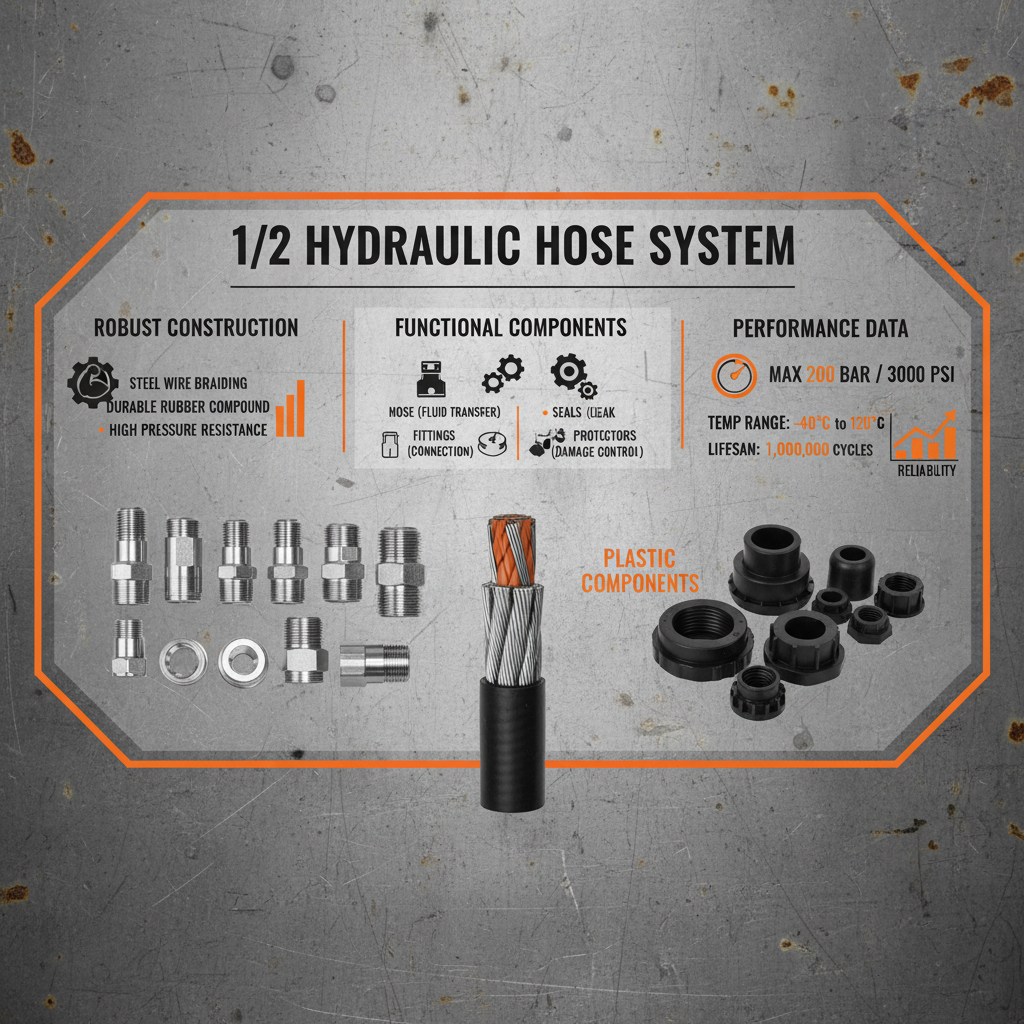
Conclusion: Finding the Perfect 1 2 Hydraulic Hose
Selecting the right 1 2 hydraulic hose is essential for ensuring the reliability and efficiency of your hydraulic systems. By understanding the different types, specifications, and factors to consider, you can make an informed decision. Explore our comprehensive selection of <a href="https://www.hydhoses.com" style="color: white; text-decoration: underline; font-weight: 600;">hydraulic hoses at Hydhoses.com</a> and contact our expert team for assistance.
Frequently Asked Questions (FAQs)
What is the maximum pressure a 1 2 hydraulic hose can handle?
The maximum pressure a 1 2 hydraulic hose can handle depends on its construction. Rubber hoses typically handle up to 3,000 PSI, while wire-braided hoses can reach 4,000 PSI or more, and spiral hoses can exceed 6,000 PSI. It's crucial to always check the hose's working pressure rating, clearly marked on the hose itself, and ensure it exceeds the maximum pressure of your hydraulic system. Exceeding the pressure limit can lead to hose failure and potential safety hazards. Hydhoses.com provides detailed pressure ratings for all our hoses.
How do I determine the correct length of 1 2 hydraulic hose I need?
Measuring the required hose length accurately is vital. Measure the distance between the two connection points, then add enough extra length to allow for bending and movement without stressing the hose. Generally, add at least 6-12 inches of extra length for flexible connections. Avoid excessive length as it can contribute to hose whip and potential damage. If unsure, it's always better to err on the side of slightly longer, rather than too short.
What should I do if my 1 2 hydraulic hose develops a leak?
If you notice a leak in your 1 2 hydraulic hose, immediately shut down the equipment to prevent further damage and potential injury. Do not attempt to repair the hose with tape or makeshift solutions. The hose must be replaced entirely. Inspect the fittings for damage as well. A leaking hose indicates a compromise in its integrity and continued use is dangerous. Contact Hydhoses.com to order a replacement hose and ensure the safety of your operations.
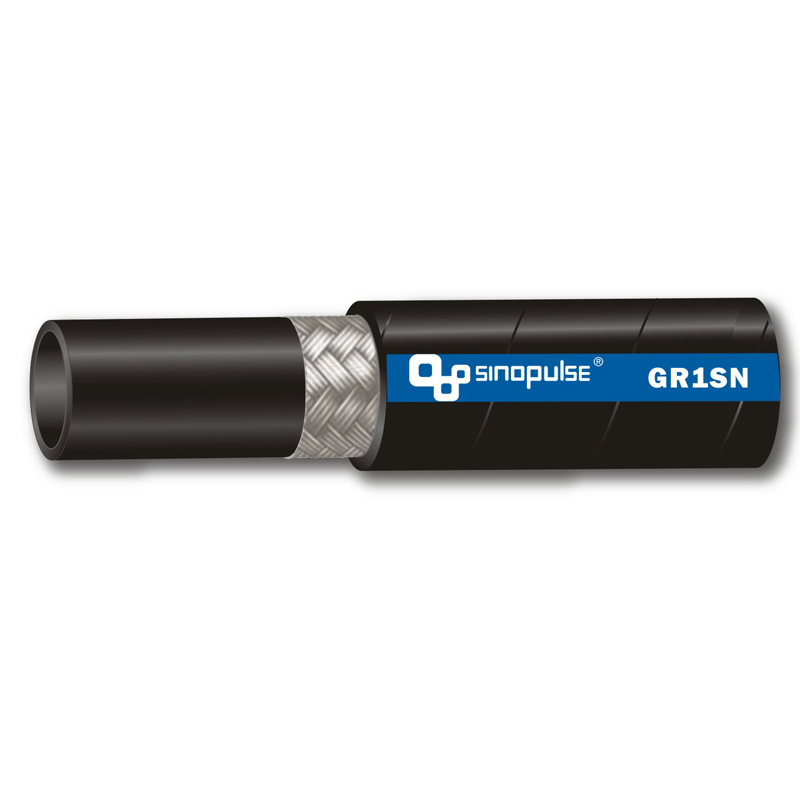
Product Application