

Understanding Flexible Hydraulic Hose: A Comprehensive Guide
Flexible hydraulic hose are crucial components in countless industries, transmitting power and enabling the operation of heavy machinery. Selecting the right hose is paramount for efficiency, safety, and longevity. This article provides a comprehensive overview of flexible hydraulic hose, covering their types, applications, key considerations when choosing a hose, and the benefits of sourcing from a reputable supplier like Hydhoses.com. We’ll delve into the vital aspects of these essential components, ensuring you have the knowledge to make informed decisions.
Types of Flexible Hydraulic Hose
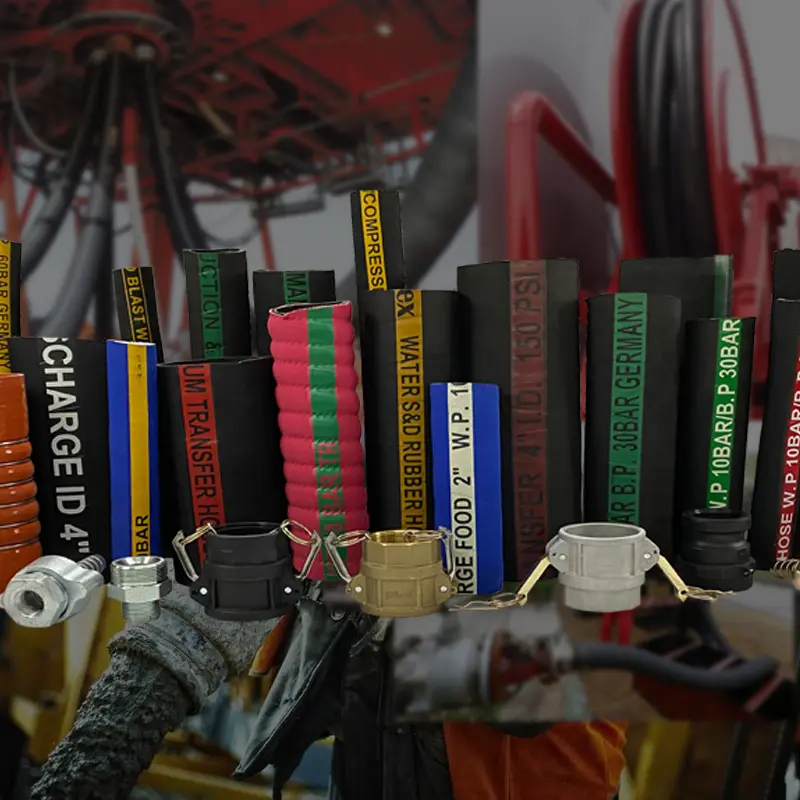
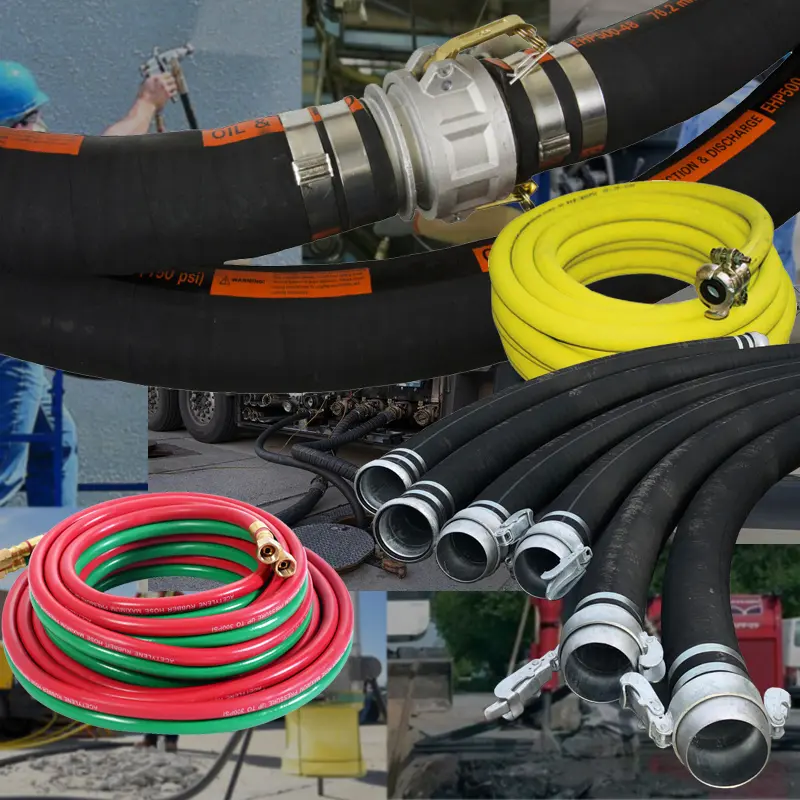
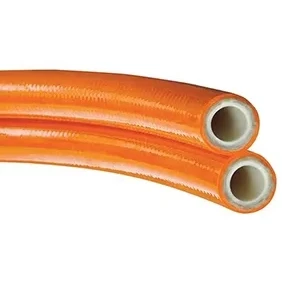
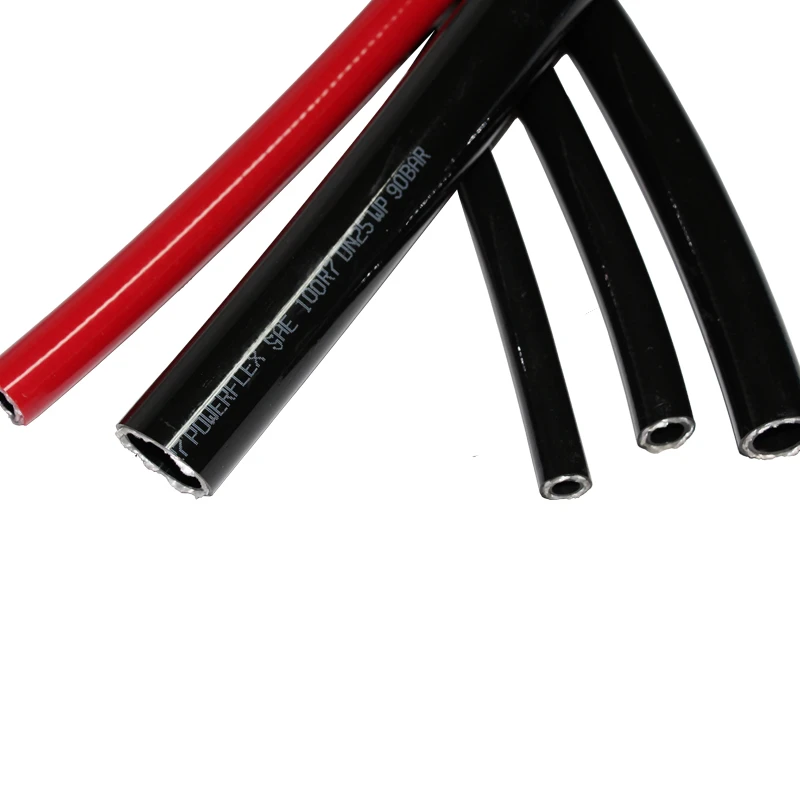
There are several types of flexible hydraulic hose, each designed for specific applications and operating conditions. Common types include:
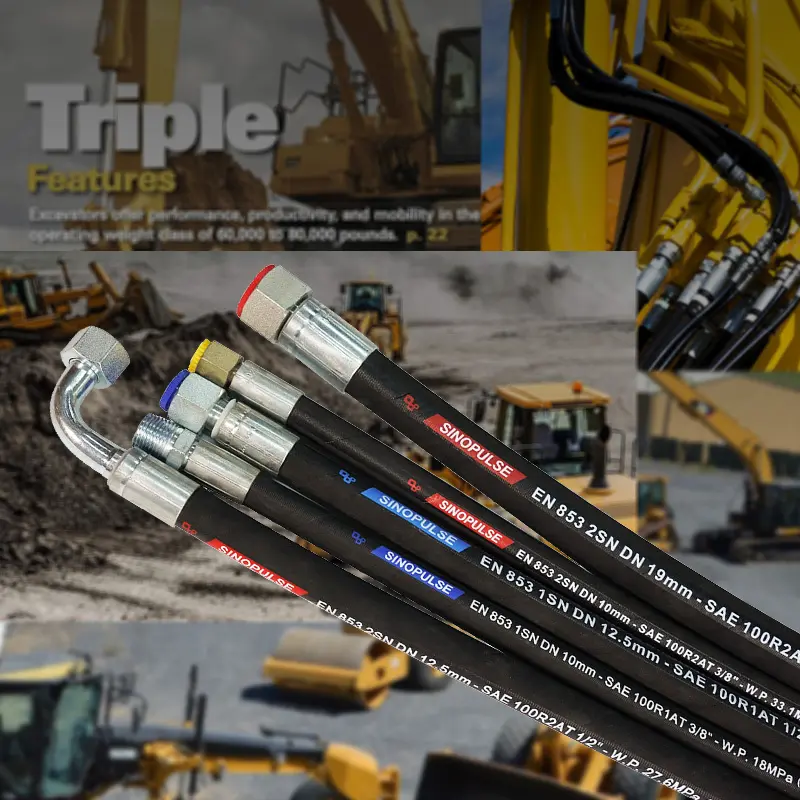
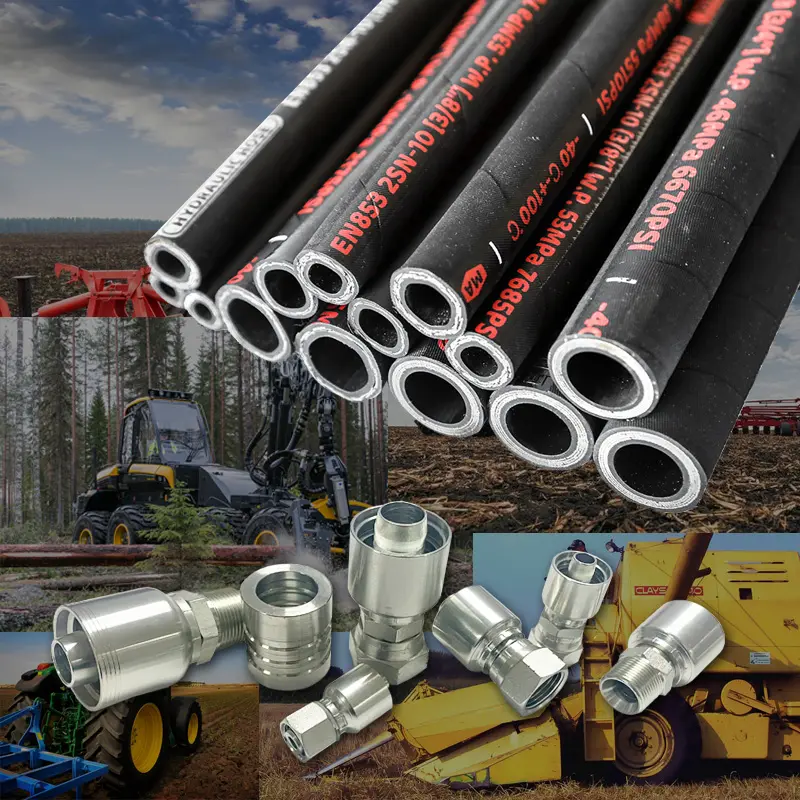
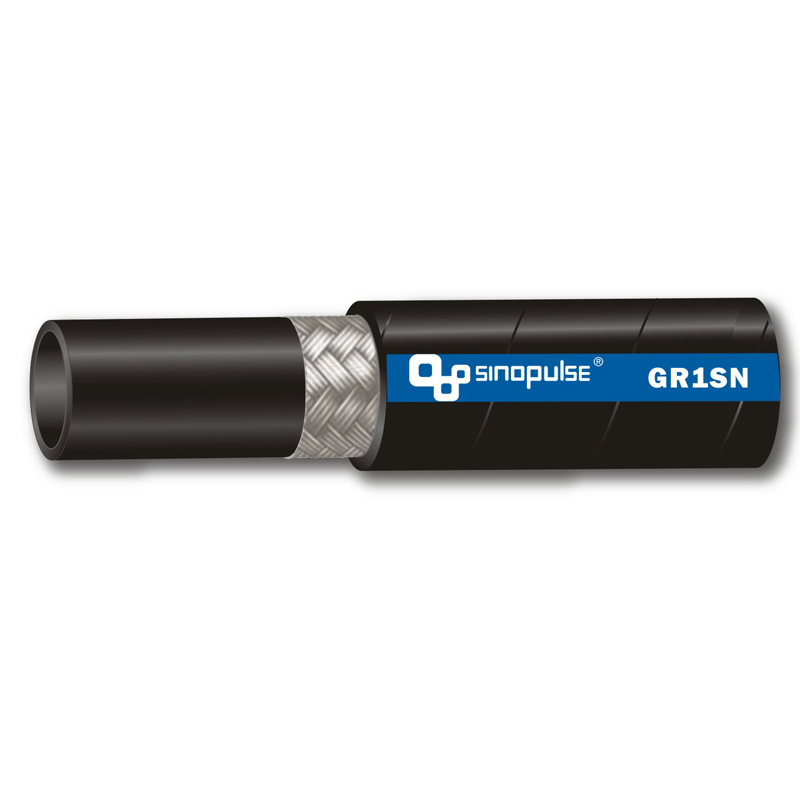
- Reinforced Hydraulic Hose: Constructed with multiple layers of rubber and high-strength steel wire reinforcement for high-pressure applications.
- Non-Reinforced Hose: Suitable for low-pressure applications like return lines and coolant hoses.
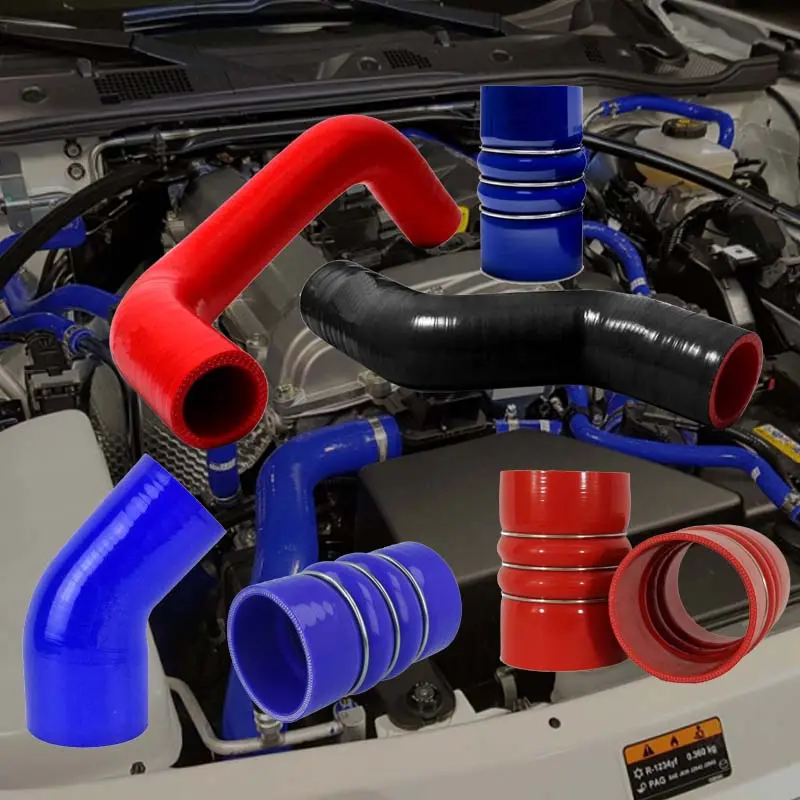
- Synthetic Rubber Hose: Offer excellent resistance to oil, abrasion, and temperature variations.
- Thermoplastic Hose: Lightweight and offer good chemical resistance, ideal for applications requiring flexibility.
The choice of hose type depends on factors such as working pressure, fluid compatibility, temperature range, and bend radius. Understanding these differences is crucial for optimal performance and safety.
Key Takeaway: Selecting the right hose type is vital for ensuring optimal performance, safety, and longevity of your hydraulic system.
Applications Across Industries
Flexible hydraulic hose are indispensable in a wide range of industries. Some key applications include:
- Construction Equipment: Excavators, bulldozers, loaders, and cranes rely on hydraulic hoses for various functions.
- Agriculture: Tractors, harvesters, and sprayers utilize hydraulic systems powered by flexible hoses.
- Manufacturing: Hydraulic presses, injection molding machines, and robotic arms require reliable hose connections.
- Automotive: Power steering, braking systems, and lifting equipment utilize hydraulic hoses.
- Marine: Steering systems, winches, and other onboard equipment depend on hydraulic hose.
The demands of each industry require hoses with varying specifications. For example, marine applications necessitate hoses resistant to saltwater corrosion, while construction equipment requires robust hoses capable of withstanding abrasive environments.
Important Considerations:
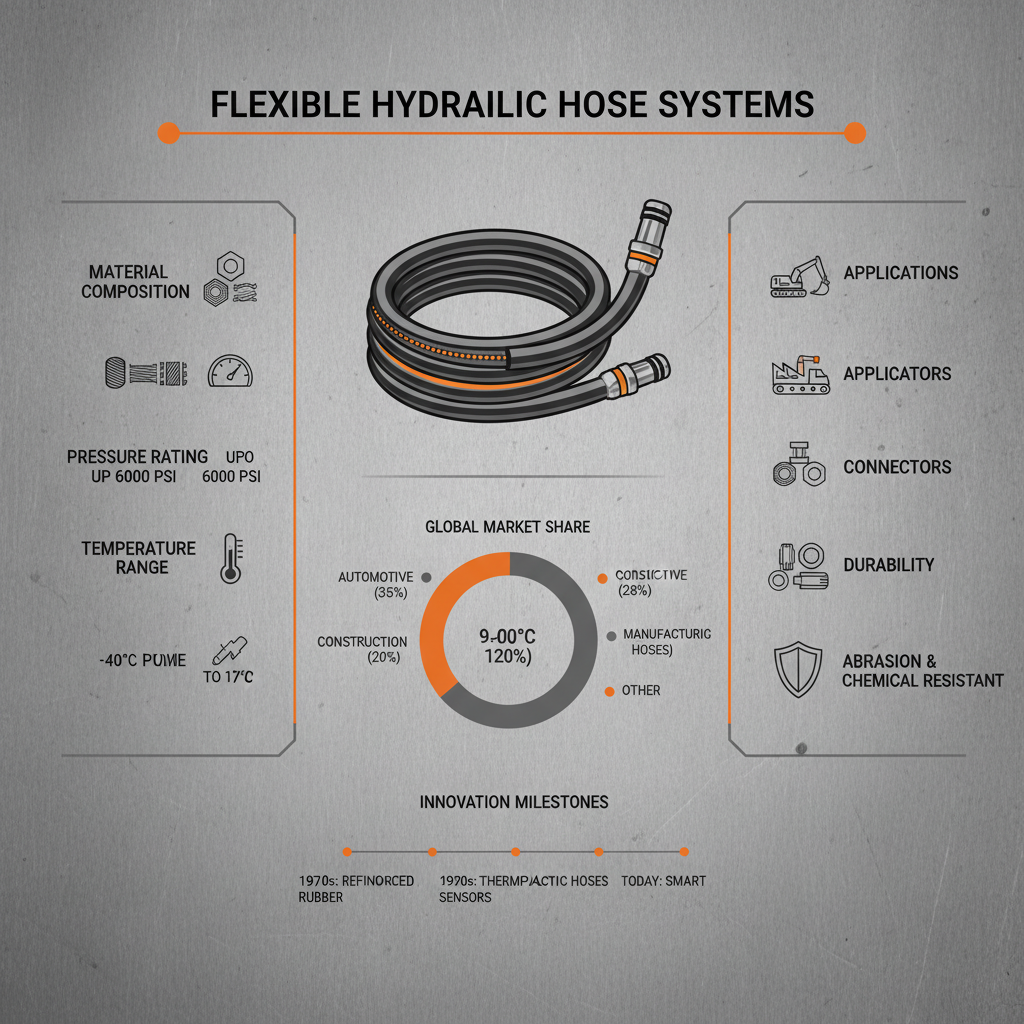
• Working Pressure: Choose a hose with a pressure rating exceeding the maximum system pressure.
• Fluid Compatibility: Ensure the hose material is compatible with the hydraulic fluid being used.
• Temperature Range: Select a hose that can withstand the operating temperature range of the system.
• Bend Radius: Adhere to the manufacturer's recommended bend radius to prevent hose damage.
Choosing the Right Flexible Hydraulic Hose: A Comparative Look
Selecting the correct hose requires careful consideration of several factors. Here's a comparison of common hose materials and their properties:
The Benefits of Sourcing from Hydhoses.com
Choosing a reliable supplier is critical for obtaining high-quality flexible hydraulic hose. Hydhoses.com offers:
- Extensive Inventory: A wide selection of hose types, sizes, and fittings to meet diverse needs.
- High-Quality Products: Hoses manufactured to meet or exceed industry standards.
- Competitive Pricing: Cost-effective solutions without compromising quality.
- Expert Support: Knowledgeable team to assist with hose selection and technical support.
- Fast Shipping: Prompt delivery to minimize downtime.
Partnering with Hydhoses.com ensures you receive superior products and exceptional service, contributing to the smooth and reliable operation of your hydraulic systems.
Conclusion: Investing in Quality and Reliability
Prioritize Performance and Safety
Selecting the right flexible hydraulic hose is a critical investment that impacts the performance, safety, and longevity of your hydraulic systems. By understanding the different types, applications, and key considerations, you can make informed decisions. Partnering with a reputable supplier like Hydhoses.com ensures you receive high-quality products and expert support. Don’t compromise on quality – choose reliability and efficiency.
Frequently Asked Questions (FAQs)
What is the recommended service life of a hydraulic hose?
The service life of a hydraulic hose depends on operating conditions, fluid compatibility, and adherence to proper installation and maintenance procedures. Generally, a hose should be inspected annually and replaced every 5-7 years, or sooner if signs of wear, damage, or degradation are observed. Regular pressure testing and visual inspections are essential. Factors like exposure to extreme temperatures, abrasion, and corrosive fluids can significantly shorten the lifespan. Proper hose routing and support can also extend its longevity. Always refer to the manufacturer's recommendations for specific service intervals.
How do I properly install a hydraulic hose?
Proper installation is crucial for safe and reliable operation. Ensure the hose is the correct length and diameter for the application. Avoid twisting the hose during installation, as this can cause premature failure. Use appropriate fittings that are compatible with the hose and fluid. Provide adequate support to prevent kinking, abrasion, and excessive bending. Avoid sharp bends and ensure the hose is routed away from hot surfaces and potential hazards. Torque the fittings to the manufacturer's recommended specifications. A properly installed hose will maximize its service life and minimize the risk of leaks or failures.
What are common causes of hydraulic hose failure?
Several factors can contribute to hydraulic hose failure. Common causes include: over-pressurization, exceeding the hose's temperature limits, improper installation (twisting, kinking), abrasion, chemical incompatibility, and aging. Regular inspection can help identify potential problems before they lead to failure. Look for signs of cracking, bulging, or leaks. Protecting hoses from physical damage and ensuring proper fluid compatibility are essential preventative measures.
Does Hydhoses.com offer custom hydraulic hose assemblies?
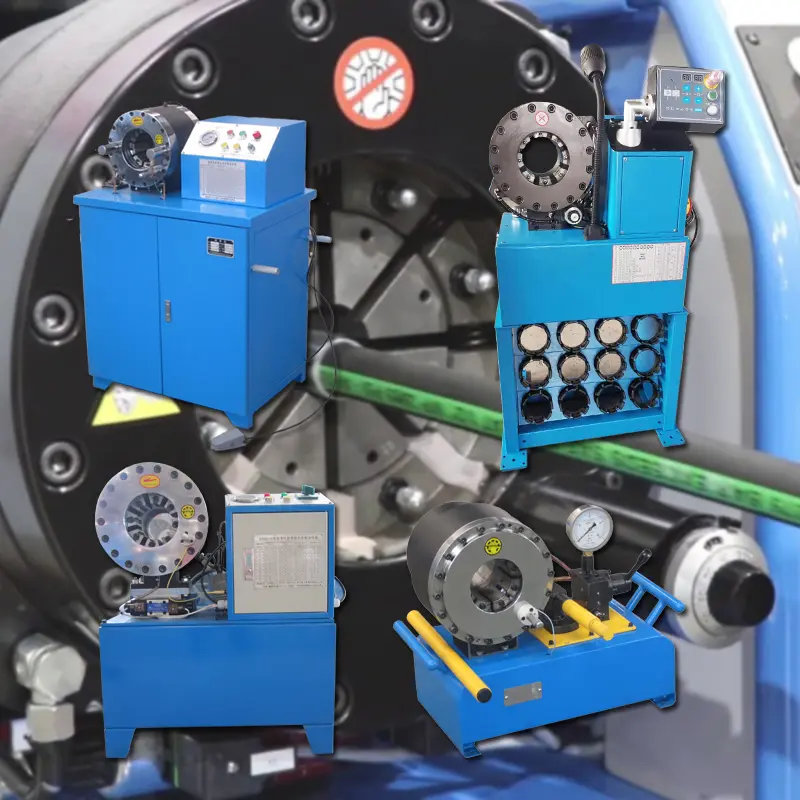
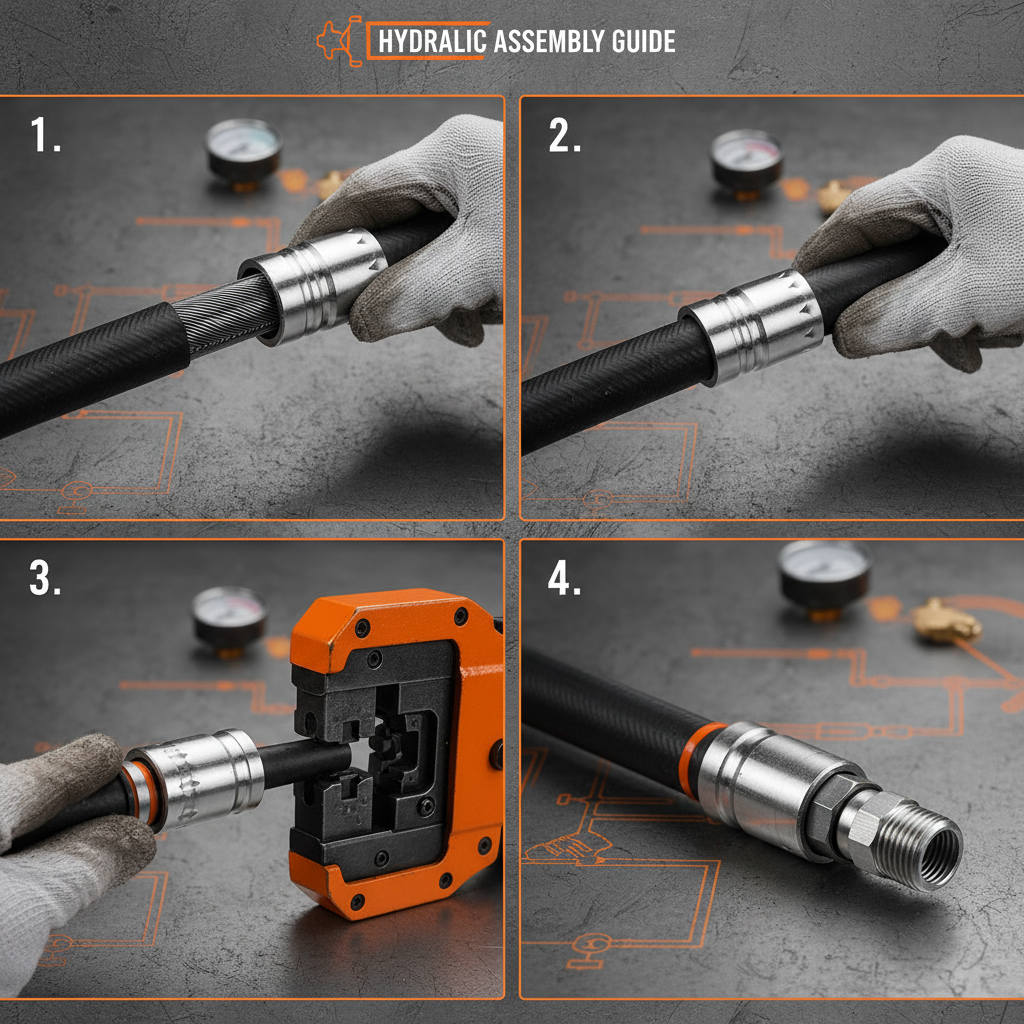
Yes, Hydhoses.com offers custom hydraulic hose assemblies tailored to your specific requirements. You can specify hose length, fittings, and end connections. Their experienced team can assist with hose selection and provide expert advice to ensure you receive the optimal solution for your application. This service eliminates the need for on-site cutting and crimping, saving you time and ensuring a reliable connection.
Product Application