

Understanding Hydraulic Hose Cost Per Foot
Determining the hydraulic hose cost per foot is crucial for budgeting and project planning. The price can vary significantly based on hose type, size, pressure rating, and material. This article will delve into the factors influencing pricing, common hose types and their costs, and how to get the best value. We’ll cover everything you need to know to make informed decisions when purchasing hydraulic hoses for your needs.
Factors Influencing Hydraulic Hose Cost
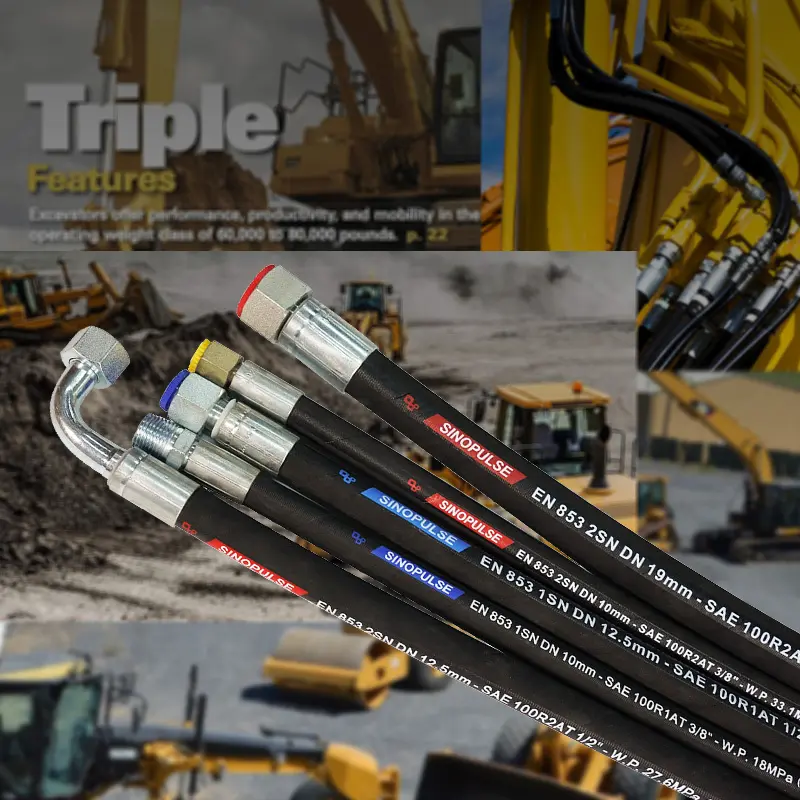
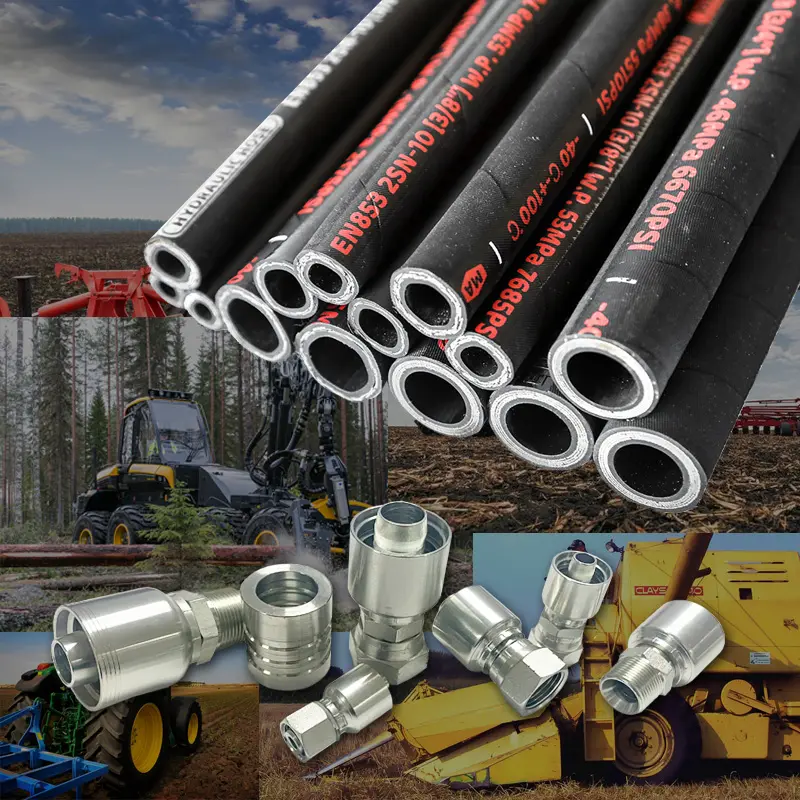
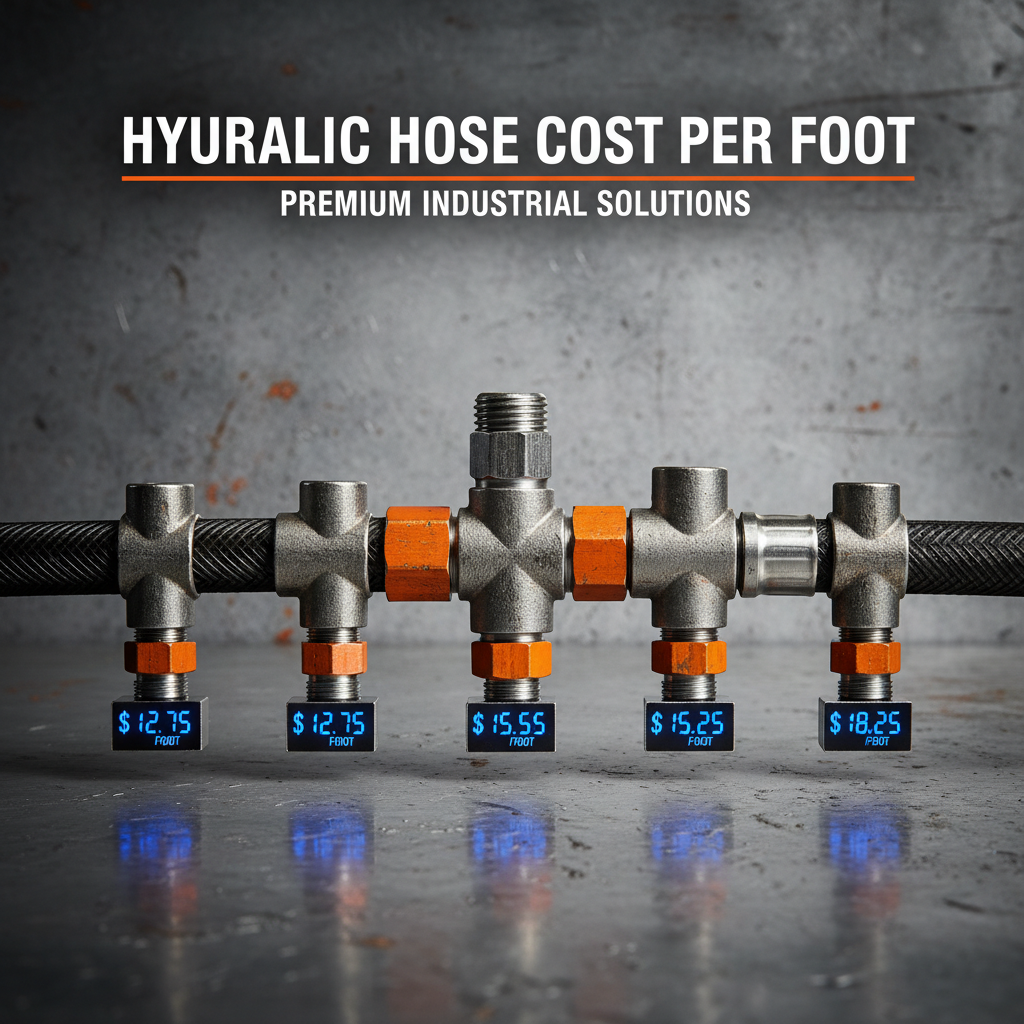
Several key factors contribute to the overall cost of a hydraulic hose. The most significant is the hose's construction – the materials used in the tube, reinforcement layers, and cover. Steel-wire reinforced hoses are generally more expensive than fabric-braided hoses due to their superior strength and durability. The hose's size (inner diameter) also plays a role; larger diameter hoses require more material and are therefore pricier. Pressure rating is another critical factor, as hoses designed for higher pressures necessitate more robust construction. Finally, specialized hoses, such as those designed for extreme temperatures or corrosive environments, will typically command a higher price. Understanding these factors will help you narrow down your options and find a hose that fits your budget and performance requirements.
Key Considerations: Hose material, reinforcement type, inner diameter, pressure rating, and specialized features all impact pricing.
Common Hydraulic Hose Types and Their Average Costs
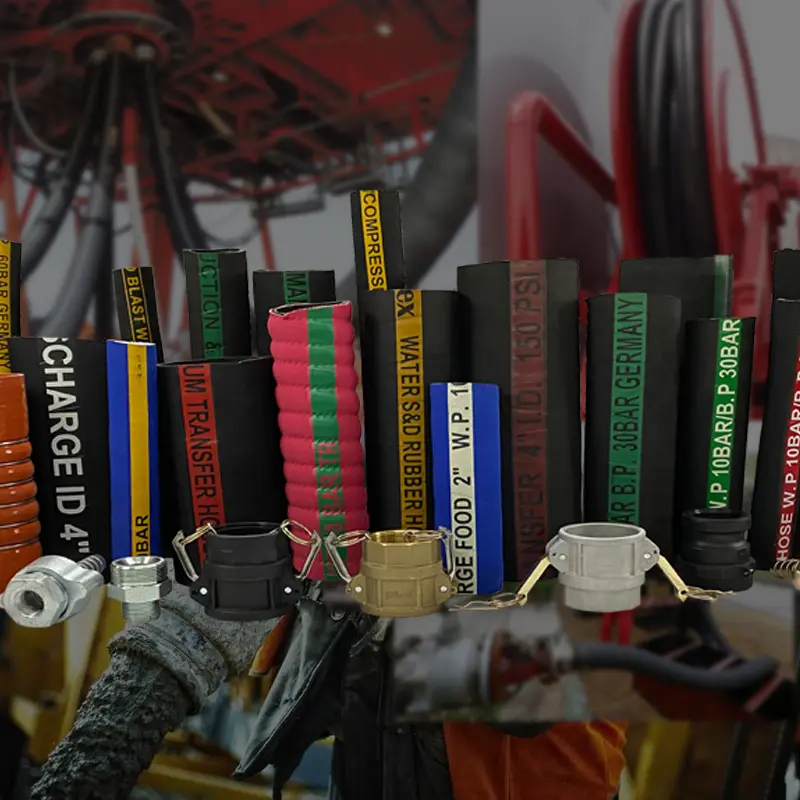
Different hose types cater to different applications and have corresponding price points. Here's a breakdown of some common types and their approximate cost per foot:
The Impact of Hose Size and Pressure Rating on Cost
As mentioned earlier, hose size and pressure rating significantly influence the price. Larger inner diameters require more material to manufacture, increasing the cost. Similarly, hoses designed to withstand higher pressures necessitate thicker walls and stronger reinforcement, leading to a higher price tag. Here's a simple illustration:
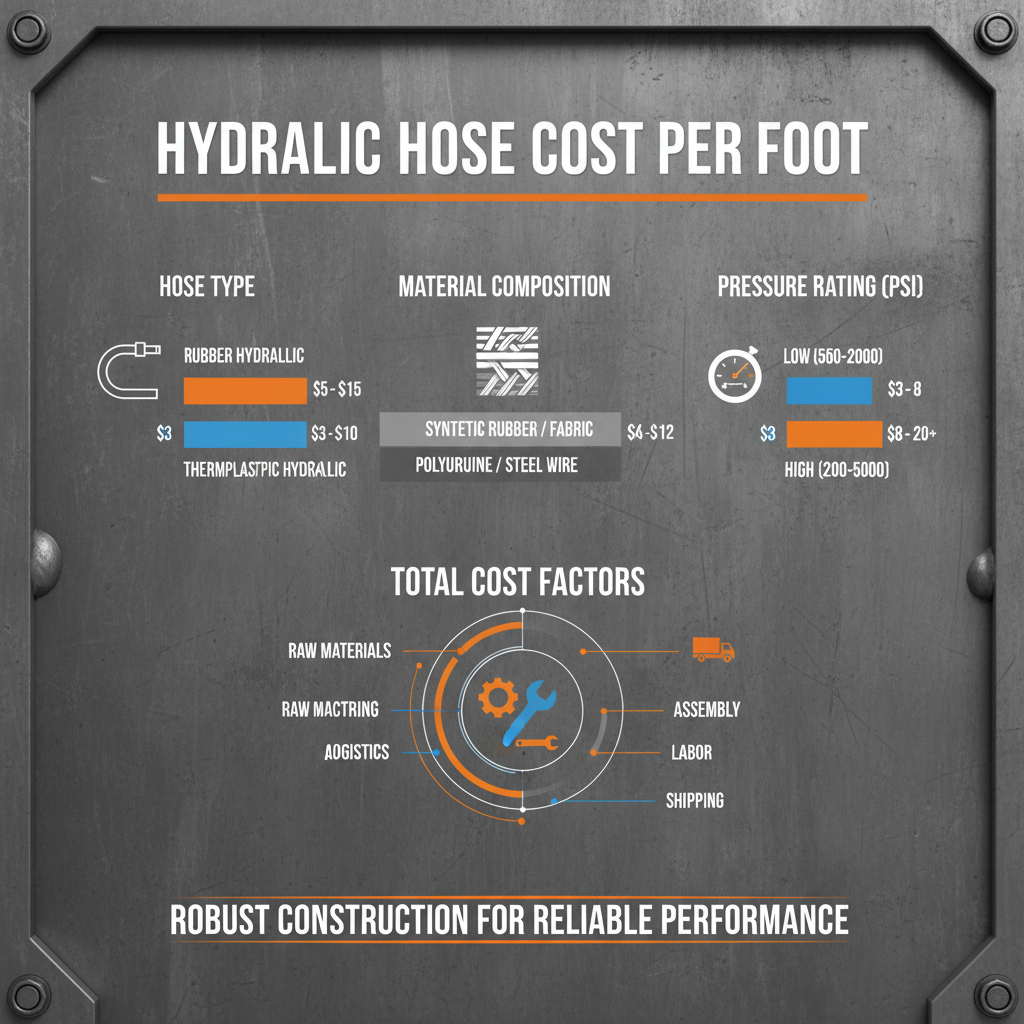
Choosing the correct size and pressure rating is vital. Overestimating can lead to unnecessary expense, while underestimating can compromise safety. Hydhoses.com provides tools and expertise to help you select the appropriate hose for your application.
Tips for Getting the Best Value on Hydraulic Hoses
Reducing hydraulic hose costs doesn’t always mean compromising quality. Here are some strategies to consider:
- Buy in Bulk: If you frequently use hydraulic hoses, purchasing in bulk can often result in significant discounts.
- Consider Hose Assemblies: Pre-assembled hoses with fittings can save you time and labor costs, and may be cheaper than buying components separately.
- Shop Around: Compare prices from different suppliers to ensure you’re getting a competitive rate.
- Choose the Right Hose for the Job: Don’t overspend on a hose with features you don’t need. Select a hose that meets the minimum requirements of your application.
- Maintenance and Inspection: Regular inspection and maintenance can extend the life of your hoses, reducing the frequency of replacements.
Finding the Right Hydraulic Hose at Hydhoses.com
At Hydhoses.com, we offer a wide selection of high-quality hydraulic hoses at competitive prices. Our experienced team can help you select the right hose for your specific application and provide expert advice on sizing, pressure ratings, and materials. We’re committed to providing our customers with exceptional value and reliable performance. Browse our extensive catalog today and experience the Hydhoses.com difference!
Conclusion: Smart Hose Selection for Cost-Effective Performance
Understanding the factors that influence hydraulic hose cost per foot is essential for effective budgeting and project success. By considering hose type, size, pressure rating, and supplier options, you can secure the right hose at the best possible price. Hydhoses.com is your trusted partner for all your hydraulic hose needs.
Frequently Asked Questions (FAQs)
What is the typical lifespan of a hydraulic hose?
The lifespan of a hydraulic hose varies depending on operating conditions, application, and quality of construction. Generally, a properly maintained hydraulic hose can last between 5 to 10 years. However, factors like exposure to extreme temperatures, abrasion, chemical exposure, and high pressure can significantly reduce its lifespan. Regular inspections are crucial to identify wear and tear, kinks, or leaks, and to replace hoses proactively. At Hydhoses.com, we recommend establishing a hose inspection and replacement schedule based on your specific application.
How does temperature affect hydraulic hose performance?
Temperature significantly impacts hydraulic hose performance. Extreme temperatures, both high and low, can degrade hose materials, leading to reduced flexibility, cracking, and eventual failure. High temperatures can cause the hose tube to soften and the reinforcement layers to lose strength. Low temperatures can make the hose brittle and prone to cracking. When selecting a hydraulic hose, it’s essential to consider the operating temperature range and choose a hose specifically designed for those conditions. Hydhoses.com offers hoses suitable for a wide range of temperatures.
Are there different types of fittings for hydraulic hoses?
Yes, there are various types of fittings used with hydraulic hoses, including threaded, flanged, and quick-disconnect couplings. The type of fitting used depends on the application, pressure requirements, and connection compatibility. Threaded fittings are common for general-purpose applications, while flanged fittings are used for high-pressure systems. Quick-disconnect couplings provide a convenient way to connect and disconnect hoses quickly. Hydhoses.com offers a comprehensive range of fittings to suit all your hydraulic hose needs.
What safety precautions should I take when working with hydraulic hoses?
Working with hydraulic hoses involves potential hazards. Always relieve pressure from the system before disconnecting any hoses. Wear appropriate personal protective equipment (PPE), including safety glasses and gloves. Never attempt to repair a damaged hose yourself – replace it immediately. Regularly inspect hoses for leaks, cracks, and other signs of wear. Proper hose routing and support are crucial to prevent abrasion and damage. If you're unsure about any aspect of hydraulic hose safety, consult a qualified professional.
Product Application