

Understanding Hydraulic Pipe Price and Factors Influencing It
When sourcing hydraulic systems, understanding hydraulic pipe price is crucial for budgeting and project planning. The cost can fluctuate significantly based on material, size, pressure rating, and supplier. This article provides a comprehensive overview of the factors that affect hydraulic pipe pricing, helping you make informed decisions. Accurate cost assessment is key to avoiding project delays and ensuring optimal performance. We'll explore the key elements that determine the price of these essential components.
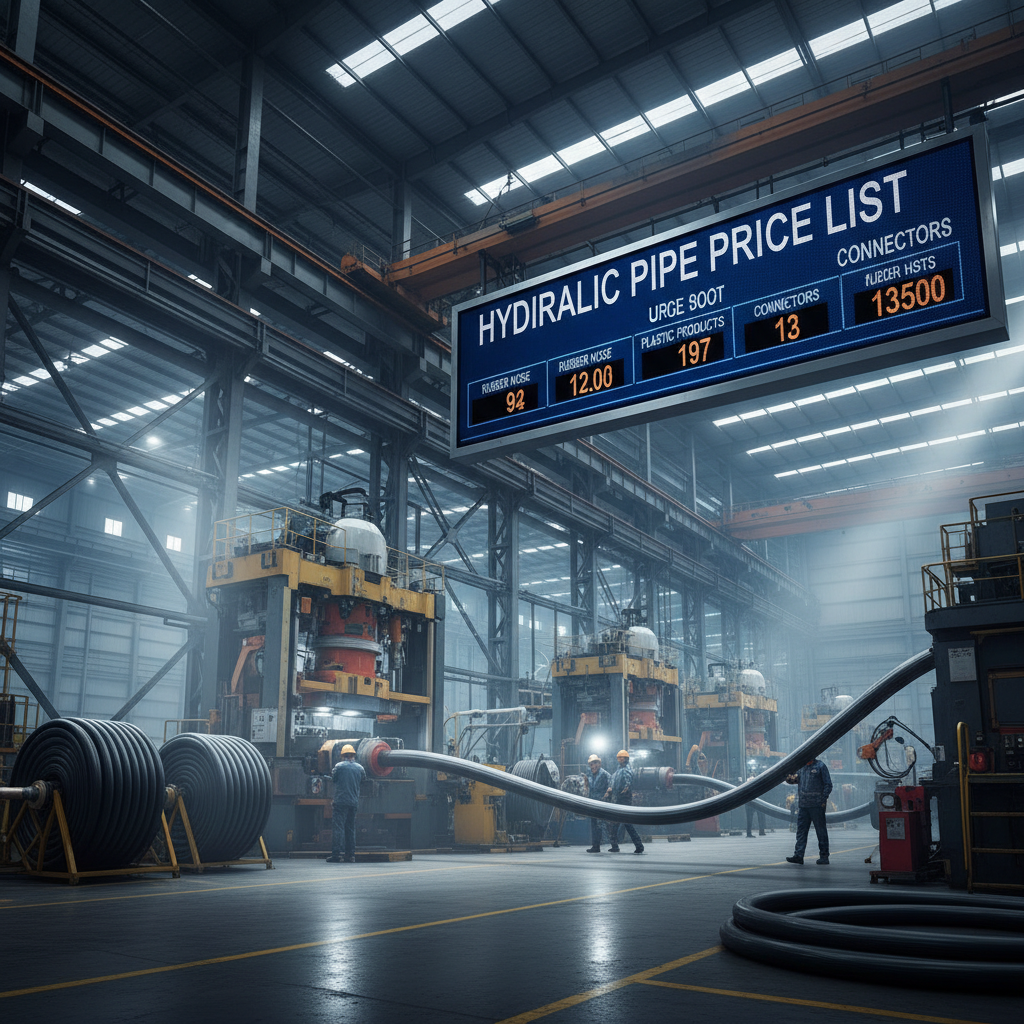
Key Factors Influencing Hydraulic Pipe Price
Several key factors contribute to the overall cost of hydraulic pipes. The material used is a primary determinant; carbon steel is generally more affordable than stainless steel or alloy options. Pipe diameter directly affects pricing, with larger diameters typically commanding higher costs. Pressure rating is another significant factor, as pipes designed for higher pressures require thicker walls and more robust materials. Furthermore, the length of the pipe and any required finishing processes, such as galvanization or coating, will impact the final price. Finally, geographical location and supplier markups also play a role. Understanding these components helps you negotiate effectively and secure competitive pricing.
Key Highlights: Material, diameter, pressure rating, length, and finishing processes all significantly impact the price of hydraulic pipes. Supplier location and markup also contribute to the final cost.
Material Selection and Its Impact on Cost
The material used to manufacture hydraulic pipes directly correlates with the price. Carbon steel is the most common and cost-effective option for general-purpose applications. Stainless steel, offering superior corrosion resistance, is significantly more expensive but ideal for harsh environments. Alloy steels provide enhanced strength and durability, but come at a higher price point. Consider the operating environment and fluid compatibility when selecting a material. For example, if the system will be exposed to corrosive fluids, stainless steel is a worthwhile investment despite the higher upfront cost. Ultimately, choosing the right material balances performance requirements with budgetary constraints.
Material Cost Comparison:
• Carbon Steel: Lowest cost, suitable for general applications.
• Stainless Steel: Higher cost, excellent corrosion resistance.
• Alloy Steel: Highest cost, superior strength and durability.
Comparing Hydraulic Pipe Prices by Diameter and Pressure Rating
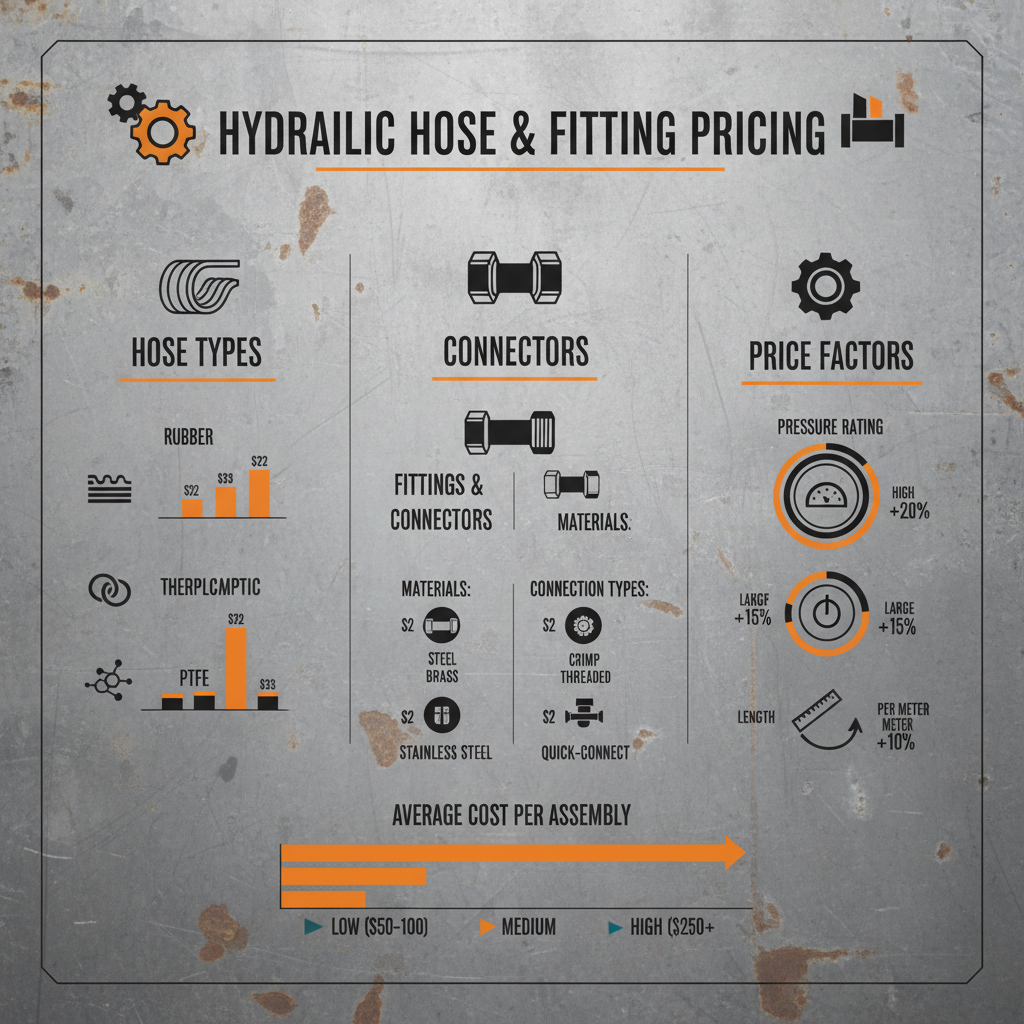
Pipe diameter and pressure rating significantly impact the hydraulic pipe price. Larger diameter pipes require more material, increasing their cost. Higher pressure ratings necessitate thicker walls, also adding to the expense. Here’s a comparative overview illustrating these differences. Consider your system's operating pressure when selecting a pipe, opting for a safety margin to avoid failures.
The Role of Suppliers and Geographic Location
The supplier you choose and your geographic location play a significant role in determining hydraulic pipe price. Suppliers with established relationships with manufacturers can often offer more competitive pricing. Shipping costs also vary depending on distance and weight. Sourcing from a local supplier can reduce shipping expenses and lead times. However, international suppliers may offer lower prices, particularly for large orders. Carefully evaluate supplier reputation, lead times, and shipping costs when making your decision. Hydhoses.com provides reliable sourcing solutions for a diverse range of hydraulic components.
Optimizing Your Hydraulic Pipe Procurement Strategy
To optimize your hydraulic pipe procurement strategy, consider bulk purchasing for potential discounts. Obtain quotes from multiple suppliers and compare pricing, lead times, and shipping costs. Clearly define your specifications, including material, diameter, pressure rating, and length, to ensure accurate quotes. Factor in potential additional costs, such as fittings, valves, and installation. Negotiate pricing with suppliers and explore long-term partnerships for better rates. By implementing these strategies, you can effectively manage your budget and secure the best possible hydraulic pipe price.
Conclusion: Informed Purchasing for Optimal Value
Understanding the factors influencing hydraulic pipe price is essential for successful project management. By carefully considering material, diameter, pressure rating, supplier options, and procurement strategies, you can secure the best value for your investment. Hydhoses.com offers a wide selection of high-quality hydraulic pipes and expert guidance to help you make informed decisions.
Frequently Asked Questions (FAQs)
What is the typical lead time for hydraulic pipe orders?
Lead times can vary significantly depending on the supplier, pipe specifications, and order volume. Standard sizes and materials are often in stock and can ship within 2-5 business days. Custom orders or pipes made from specialized materials may have lead times of several weeks. It's crucial to confirm lead times with your supplier before placing an order, especially for time-sensitive projects. Hydhoses.com provides transparent lead time estimates and efficient order processing.
Are fittings included in the quoted price of hydraulic pipes?
Generally, fittings are not included in the base price of hydraulic pipes. Fittings, such as elbows, tees, and adapters, are typically priced separately. Ensure you request a complete quote that includes all necessary fittings and accessories to avoid unexpected costs. The type of fitting and material will also influence the overall price. Clarifying this detail upfront with your supplier is essential for accurate budgeting.
What are the common payment terms for hydraulic pipe purchases?
Common payment terms for hydraulic pipe purchases include Net 30 (payment due within 30 days), credit card, and wire transfer. Some suppliers may require a deposit for large or custom orders. Negotiate payment terms with your supplier to find an arrangement that works for both parties. Establishing a strong credit relationship can often lead to more favorable terms. Hydhoses.com offers flexible payment options for your convenience.
How can I ensure the hydraulic pipes I receive meet my specifications?
Thoroughly communicate your specifications to your supplier, including material, diameter, pressure rating, length, and any required certifications. Request a material test report (MTR) to verify the pipe's composition and properties. Inspect the pipes upon arrival to ensure they meet your requirements and are free from defects. Working with a reputable supplier, like Hydhoses.com, can provide assurance of quality and adherence to specifications.
Product Application