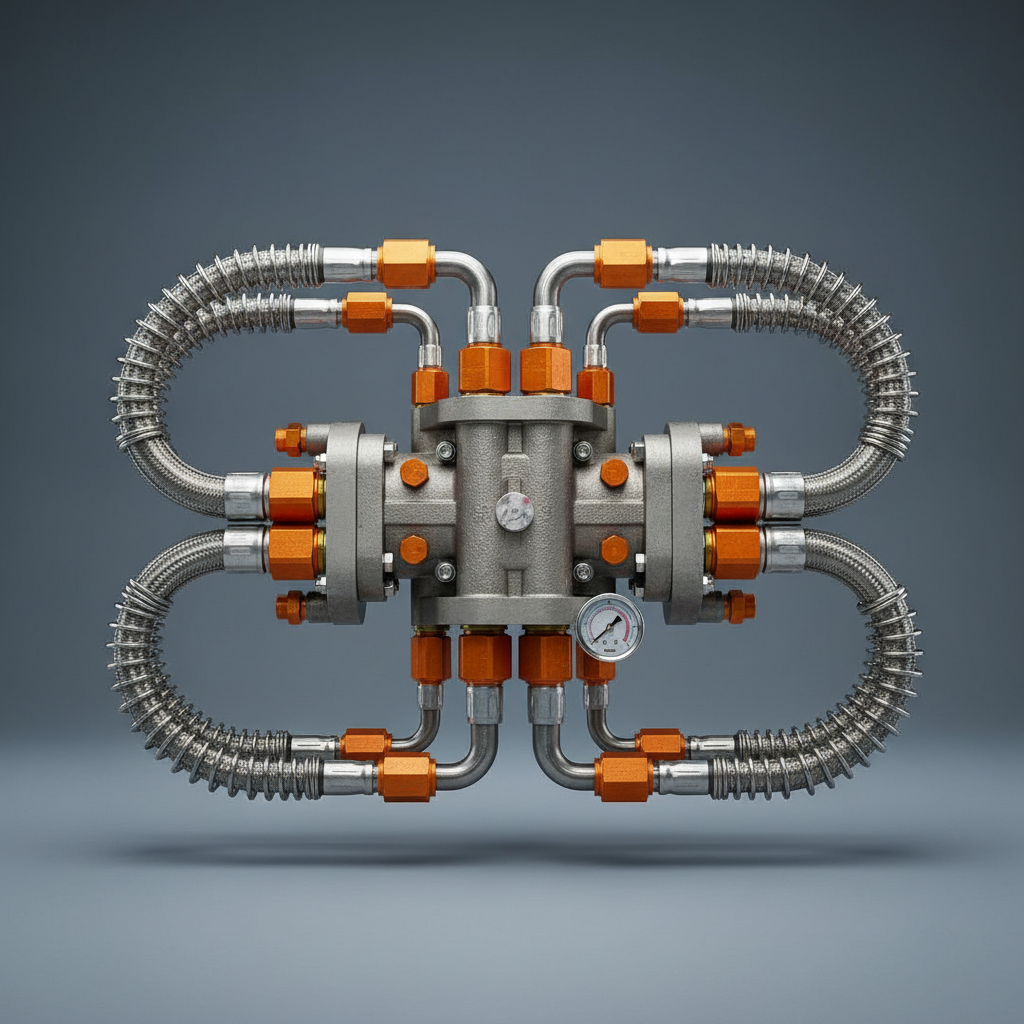
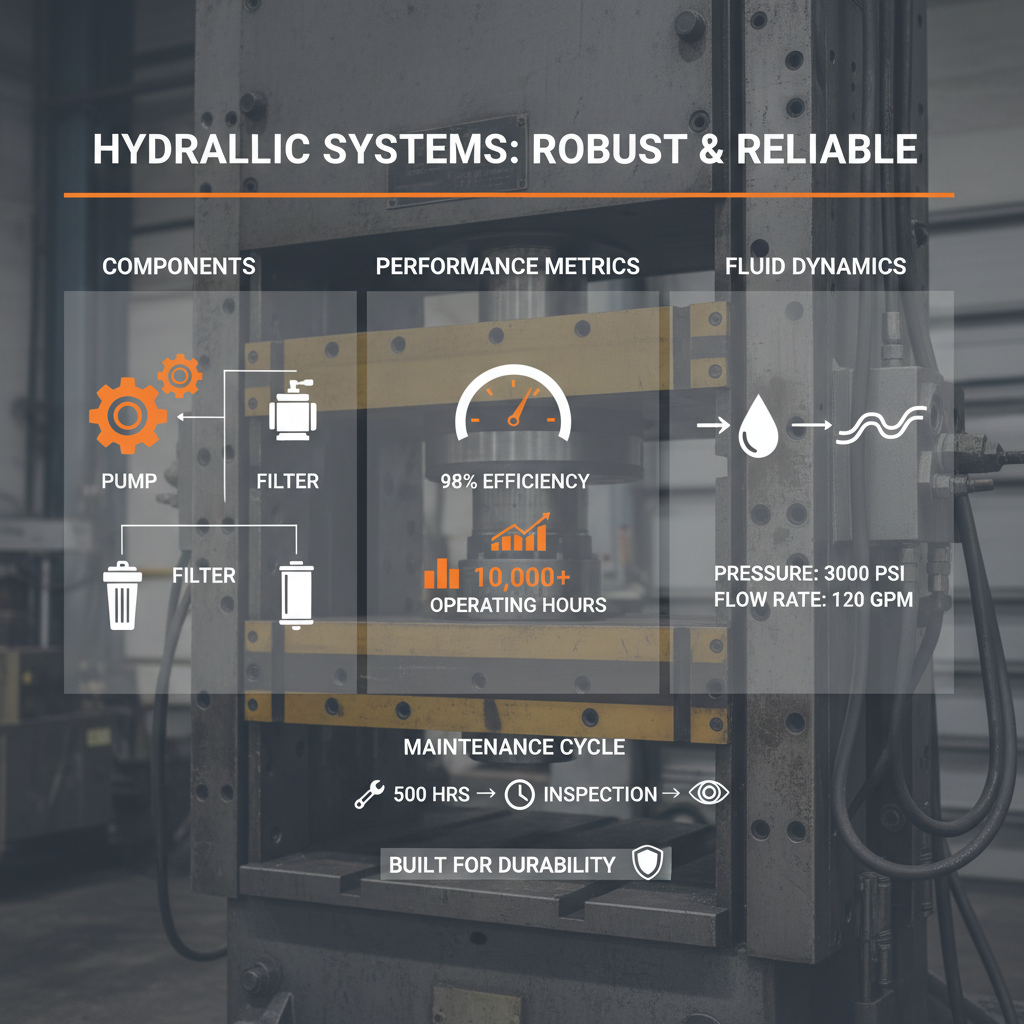
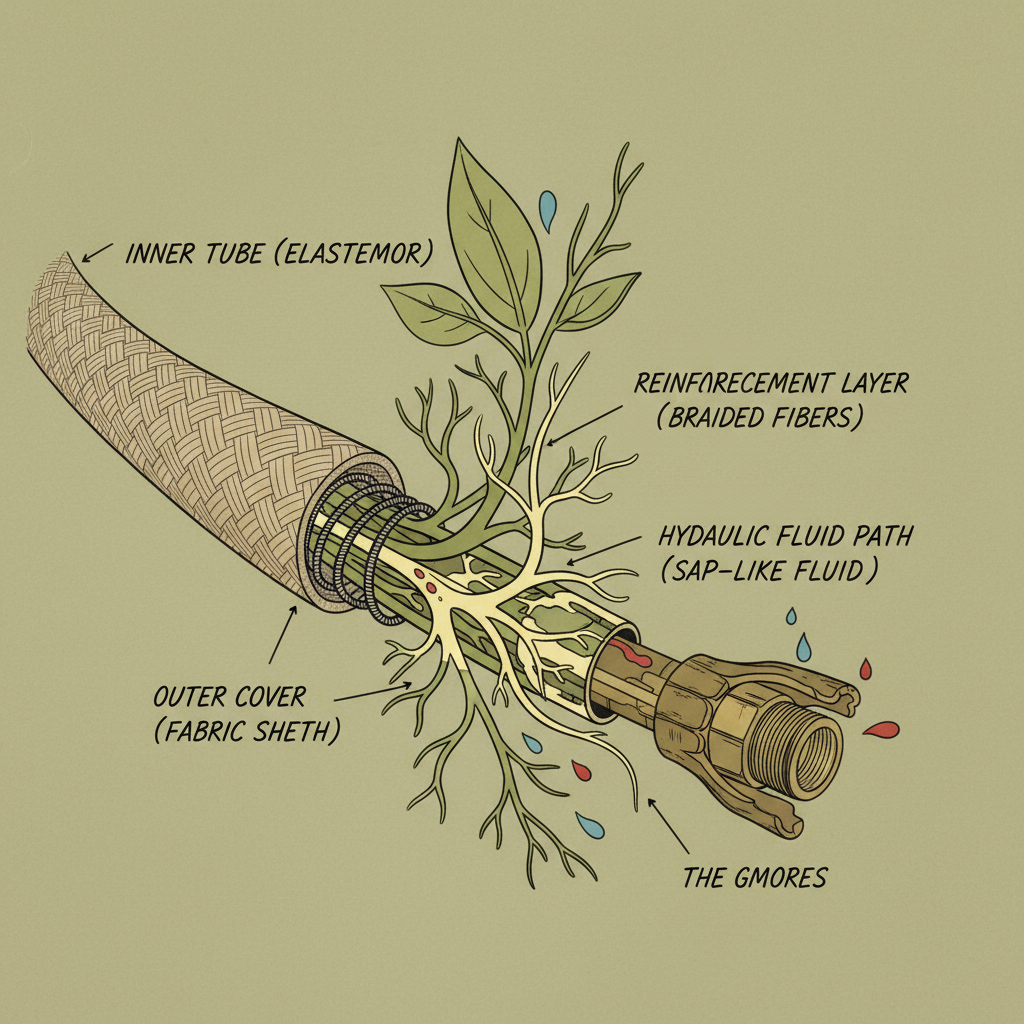
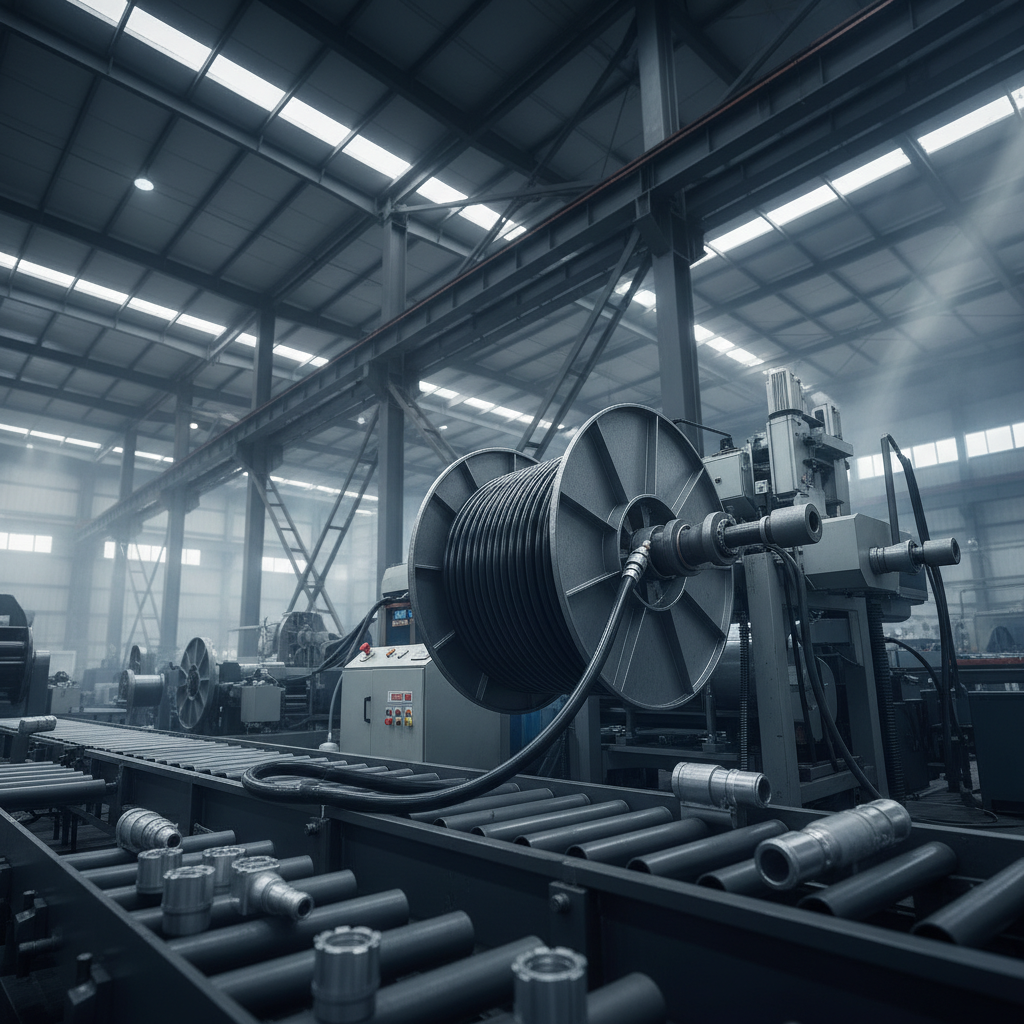
Hydraulic lines are the lifeblood of countless industries, quietly powering machinery and systems across the globe. From heavy construction equipment and agricultural vehicles to aircraft and manufacturing plants, these lines transmit fluid power, enabling critical functions and ensuring operational efficiency. Understanding the intricacies of hydraulic lines – their construction, materials, and proper application – is paramount for maintaining safety, maximizing performance, and minimizing downtime. The global demand for reliable and robust hydraulic solutions continues to rise, driven by industrial growth and technological advancements.
The relevance of hydraulic lines extends beyond purely industrial applications. They play a crucial role in emergency response systems, enabling the operation of rescue equipment like the “jaws of life.” In infrastructure projects, hydraulic lines are integral to controlling dams, operating locks, and managing water resources. Globally, the hydraulic components market was valued at USD 15.96 billion in 2023 and is projected to grow to USD 21.84 billion by 2030, exhibiting a CAGR of 4.79% during the forecast period (Fortune Business Insights, 2024). This growth underscores the critical and expanding role of these systems in modern society.
The challenge lies in ensuring these lines can withstand increasingly demanding conditions – high pressures, extreme temperatures, and corrosive environments – while maintaining leak-free operation and long-term reliability. The continuous development of new materials, manufacturing techniques, and testing protocols is essential to meet these challenges and optimize the performance of hydraulic lines.
Introduction to Hydraulic Lines
Hydraulic lines aren't merely conduits for fluid; they’re engineered systems designed to safely and efficiently transmit power. Their design and manufacturing are critical to the operation of everything from the brakes in your car to the massive machinery used in mining operations. Choosing the correct hydraulic lines—considering factors like pressure rating, material compatibility, and environmental conditions—directly impacts the longevity and reliability of the entire hydraulic system.
The evolution of hydraulic lines has paralleled advancements in materials science and engineering. Early lines were often constructed from basic metals like steel, susceptible to corrosion and pressure limitations. Today, we see a wide array of materials employed, including specialized alloys, composite materials, and thermoplastic polymers, each offering unique advantages for specific applications. Proper maintenance and regular inspection of hydraulic lines are vital to preventing failures and ensuring optimal performance.
Defining Hydraulic Lines
In its simplest form, a hydraulic line is a flexible or rigid tube used to carry pressurized hydraulic fluid—typically oil—from a pump to hydraulic actuators, such as cylinders and motors. These actuators then convert the fluid power into mechanical force to perform work. The lines themselves must be capable of withstanding significant pressures, often exceeding 5,000 PSI in demanding applications.
The connection between hydraulic lines and modern industry is undeniable. They are essential for automating processes, increasing efficiency, and enabling precise control in a wide range of operations. Without reliable hydraulic lines, many industries – including manufacturing, construction, agriculture, and aerospace – would be severely hampered.
Beyond industrial applications, hydraulic lines contribute to humanitarian efforts. Hydraulic systems are used in water purification equipment, disaster relief vehicles, and medical devices, providing critical support in challenging circumstances. Their robustness and ability to operate in remote locations make them invaluable tools in these scenarios.
Key Factors for Optimal Performance
Several key factors contribute to the optimal performance of hydraulic lines. Durability is paramount, as lines must withstand constant pressure fluctuations, temperature changes, and potential abrasion. The choice of material – whether steel, stainless steel, or a composite – directly influences durability.
Pressure Rating is another critical consideration. Lines must be rated to handle the maximum pressure generated by the hydraulic system, with a safety margin to prevent catastrophic failure. Incorrectly rated lines can lead to leaks, equipment damage, and even personal injury. Flexibility is also vital, especially in applications where lines need to accommodate movement or vibration.
Fluid Compatibility ensures the line material doesn’t react with the hydraulic fluid, preventing corrosion or degradation. Temperature Resistance dictates the line’s ability to maintain its integrity in extreme hot or cold environments. Finally, Leak Resistance is essential for maintaining system efficiency and preventing environmental contamination.
Applications Across Industries
Hydraulic lines are ubiquitous across diverse industries. In construction, they power excavators, bulldozers, cranes, and other heavy machinery, enabling earthmoving, lifting, and demolition tasks. Within the manufacturing sector, they control robotic arms, presses, and injection molding machines, driving automated production processes.
The agricultural industry relies on hydraulic lines for powering tractors, combines, sprayers, and irrigation systems, increasing crop yields and optimizing farming operations. In the aerospace industry, they control flight surfaces, landing gear, and braking systems, ensuring aircraft safety and performance. In remote industrial zones, such as oil rigs and mining operations, reliable hydraulic lines are essential for maintaining continuous operation.
Even in healthcare, hydraulic lines find application in specialized medical equipment, such as operating tables and diagnostic imaging systems. In post-disaster relief operations, hydraulic rescue tools—powered by hydraulic lines—are critical for extricating victims from collapsed structures.
Hydraulic Line Performance by Method
Advantages and Long-Term Value
The advantages of utilizing high-quality hydraulic lines extend far beyond immediate operational performance. Reduced downtime due to fewer leaks and failures translates directly into cost savings. The increased efficiency and precision offered by reliable hydraulic systems contribute to higher productivity and improved product quality. Furthermore, the extended lifespan of durable hydraulic lines minimizes the need for frequent replacements, lowering long-term maintenance expenses.
From a sustainability perspective, minimizing fluid leaks not only protects the environment but also reduces the consumption of valuable hydraulic oil. Investing in robust hydraulic lines fosters trust and reliability within supply chains, strengthening partnerships and ensuring consistent performance. Ultimately, prioritizing hydraulic line quality enhances safety for operators and personnel.
Future Trends in Hydraulic Line Technology
Several exciting trends are shaping the future of hydraulic line technology. The development of self-sealing hydraulic lines that can automatically repair minor leaks is gaining traction, promising increased reliability and reduced downtime. The integration of smart sensors within hydraulic lines allows for real-time monitoring of pressure, temperature, and fluid condition, enabling predictive maintenance and preventing catastrophic failures.
The growing emphasis on green energy is driving the development of biodegradable hydraulic fluids and lines made from sustainable materials. Advancements in additive manufacturing (3D printing) are enabling the creation of customized hydraulic lines with complex geometries and optimized performance characteristics. Automation and digital transformation are also impacting the field, with the increasing use of robotic systems for hydraulic line assembly and testing.
Challenges and Innovative Solutions
Despite significant advancements, challenges remain in the field of hydraulic lines. Corrosion, particularly in harsh environments, continues to be a major concern. Innovative solutions, such as the application of advanced coatings and the use of corrosion-resistant alloys, are being developed to address this issue.
Maintaining compatibility between different hydraulic fluids and line materials can also be problematic. Research into new materials and fluid formulations is crucial for overcoming this challenge. The high cost of specialized hydraulic lines, particularly those designed for extreme applications, can be a barrier to adoption. Efforts to streamline manufacturing processes and reduce material costs are essential for making these technologies more accessible.
Another challenge is the potential for contamination of hydraulic fluid, which can damage components and reduce system efficiency. The implementation of advanced filtration systems and the development of self-cleaning hydraulic lines are helping to mitigate this risk.
A Comparative Analysis of Hydraulic Line Materials
| Material Type |
Pressure Rating (PSI) |
Temperature Range (°C) |
Corrosion Resistance (1-10) |
| Carbon Steel |
3,000 |
-40 to 100 |
4 |
| Stainless Steel |
5,000 |
-60 to 200 |
8 |
| Thermoplastic (Nylon) |
2,000 |
-40 to 80 |
6 |
| Rubber (with reinforcement) |
2,500 |
-50 to 120 |
5 |
| Composite (Fiber-reinforced) |
6,000 |
-50 to 150 |
9 |
| Alloy Steel |
7,000 |
-70 to 250 |
7 |
FAQS
The lifespan of hydraulic lines in heavy machinery varies significantly depending on operating conditions, fluid quality, and line material. Generally, well-maintained steel-braided lines can last 5-10 years, while composite lines may offer an extended lifespan of 8-15 years. However, harsh environments, frequent flexing, and abrasive conditions can shorten these lifespans considerably. Regular inspections and preventative maintenance are crucial for maximizing the longevity of hydraulic lines.
Selecting the right hydraulic line requires careful consideration of several factors, including operating pressure, fluid type, temperature range, and environmental conditions. Determine the maximum pressure the line will experience and choose a line with a pressure rating exceeding that value. Ensure the line material is compatible with the hydraulic fluid being used. Consider the ambient temperature and select a line designed to withstand those temperatures. Finally, assess the environment for potential corrosion or abrasion and choose a line with appropriate resistance.
Several signs can indicate a failing hydraulic line. These include visible leaks, weeping around fittings, bulging or cracking in the line itself, and reduced system performance. Unusual noises, such as hissing or popping sounds, can also signal a problem. If any of these signs are observed, the line should be inspected immediately and replaced if necessary.
The frequency of hydraulic line inspections depends on the severity of the operating conditions. For critical applications and harsh environments, inspections should be conducted monthly or even weekly. For less demanding applications, quarterly or semi-annual inspections may be sufficient. It’s crucial to document all inspections and any maintenance performed.
Minor damage to hydraulic lines, such as small cuts or abrasions, may be repairable using appropriate patching materials. However, significant damage, such as cracks, bulges, or corrosion, typically requires complete line replacement. Attempting to repair severely damaged lines can compromise system integrity and pose a safety risk.
Working with hydraulic lines requires strict adherence to safety precautions. Always relieve pressure from the system before disconnecting any lines. Wear appropriate personal protective equipment (PPE), including safety glasses, gloves, and protective clothing. Be aware of the potential for fluid injection injuries, which can occur if fluid is sprayed under high pressure. Follow all manufacturer’s recommendations and safety guidelines.
Conclusion
Hydraulic lines are fundamental components of countless systems, quietly underpinning much of the modern world. Their durability, reliability, and adaptability make them essential for a vast range of applications, from heavy industry and agriculture to aerospace and emergency response. Understanding the intricacies of hydraulic line technology—from material selection and pressure ratings to maintenance and future trends—is vital for maximizing efficiency, ensuring safety, and driving innovation.
Looking ahead, the continued development of advanced materials, smart sensors, and sustainable solutions will further enhance the performance and longevity of hydraulic lines. By embracing these advancements and prioritizing preventative maintenance, we can ensure that these critical components continue to power our world for years to come. For all your hydraulic line needs, visit our website at www.hydhoses.com.

 Call Us+86-158-0331-9351
 Emailcarrie@sinopulse.cn
 AddressHandan City, Hebei , China