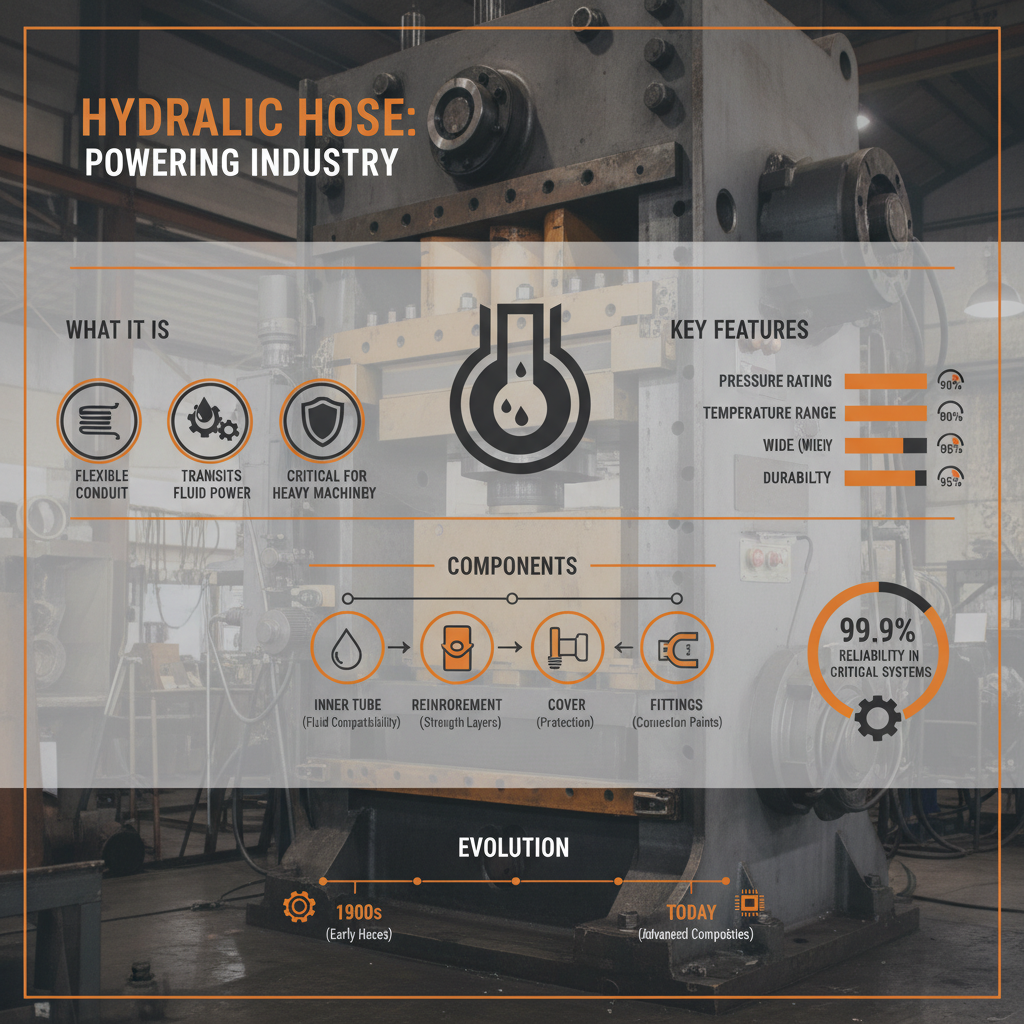
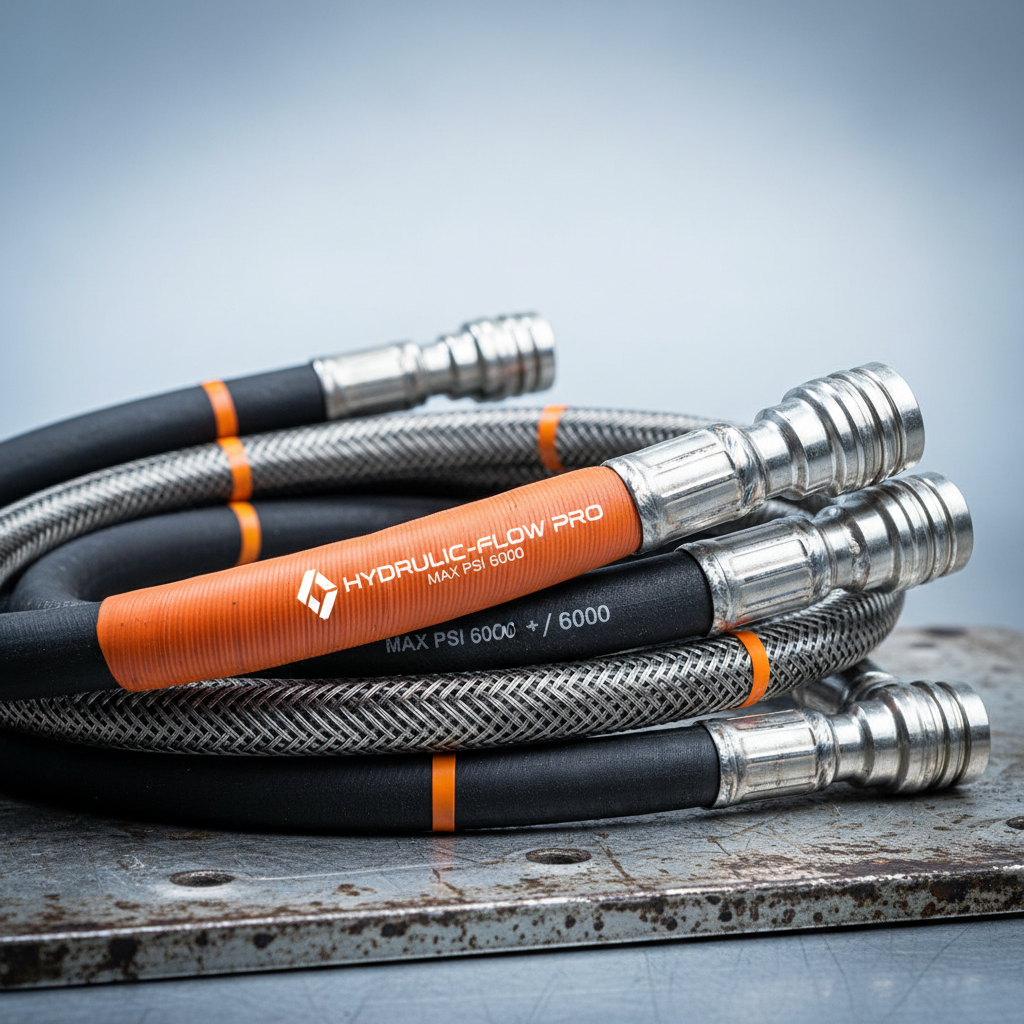
Hydraulic hoses are fundamental components in countless industries, responsible for safely and efficiently transmitting fluid power. Understanding what is a hydraulic hose is critical, as these seemingly simple tubes are the lifeline of heavy machinery, construction equipment, agricultural vehicles, and much more. Their reliability directly impacts operational efficiency, safety, and even environmental protection.
Globally, the demand for hydraulic hoses continues to grow, driven by industrial expansion, infrastructure development, and the increasing complexity of modern machinery. According to market research, the hydraulic hose market is projected to reach significant value in the coming years, indicating a sustained need for durable, high-performance solutions. This growth underscores the importance of understanding the nuances of what is a hydraulic hose – from its construction and materials to its proper selection and maintenance.
Beyond industrial applications, the principles behind hydraulic hoses extend into areas like aerospace, marine engineering, and even robotics. The ability to reliably transmit power through fluid mediums is a cornerstone of many technological advancements. Therefore, a clear grasp of what is a hydraulic hose is essential not just for engineers and technicians, but also for anyone involved in the design, operation, or maintenance of fluid power systems.
Defining What is a Hydraulic Hose
Simply put, what is a hydraulic hose is a specially engineered tube designed to convey hydraulic fluid under high pressure. This fluid, typically oil-based, is the medium through which power is transmitted in hydraulic systems. Unlike pneumatic systems that use compressed air, hydraulic systems rely on the incompressibility of liquids for precise and powerful operation.
The crucial role of hydraulic hoses stems from their ability to efficiently transfer force. They connect components like pumps, valves, cylinders, and actuators, enabling the operation of heavy machinery, braking systems, steering mechanisms, and a wide array of other applications essential to modern industry and infrastructure. Without reliable hydraulic hoses, many of the technologies we rely on daily would be impossible.
The Global Significance of Hydraulic Hoses
The global demand for hydraulic hoses is inextricably linked to economic growth, particularly in sectors like construction, manufacturing, and agriculture. Emerging economies are experiencing rapid industrialization, leading to increased investments in infrastructure and machinery, which in turn drives demand for reliable fluid power systems. This reliance means understanding what is a hydraulic hose is critical for sustained development.
According to the United Nations, investment in sustainable infrastructure is a key priority for achieving the Sustainable Development Goals (SDGs). Hydraulic hoses play a vital, often unseen, role in facilitating construction projects, resource extraction, and efficient agricultural practices – all essential components of sustainable development. The ISO standards governing hydraulic hose manufacturing ensure quality and safety across global supply chains.
A significant challenge facing the industry is the need for improved hose durability and lifespan. Premature hose failure can lead to costly downtime, environmental hazards (fluid leaks), and potential safety risks. Addressing this requires ongoing innovation in materials science and manufacturing processes, focusing on building more resilient and reliable what is a hydraulic hose.
Core Components and Construction
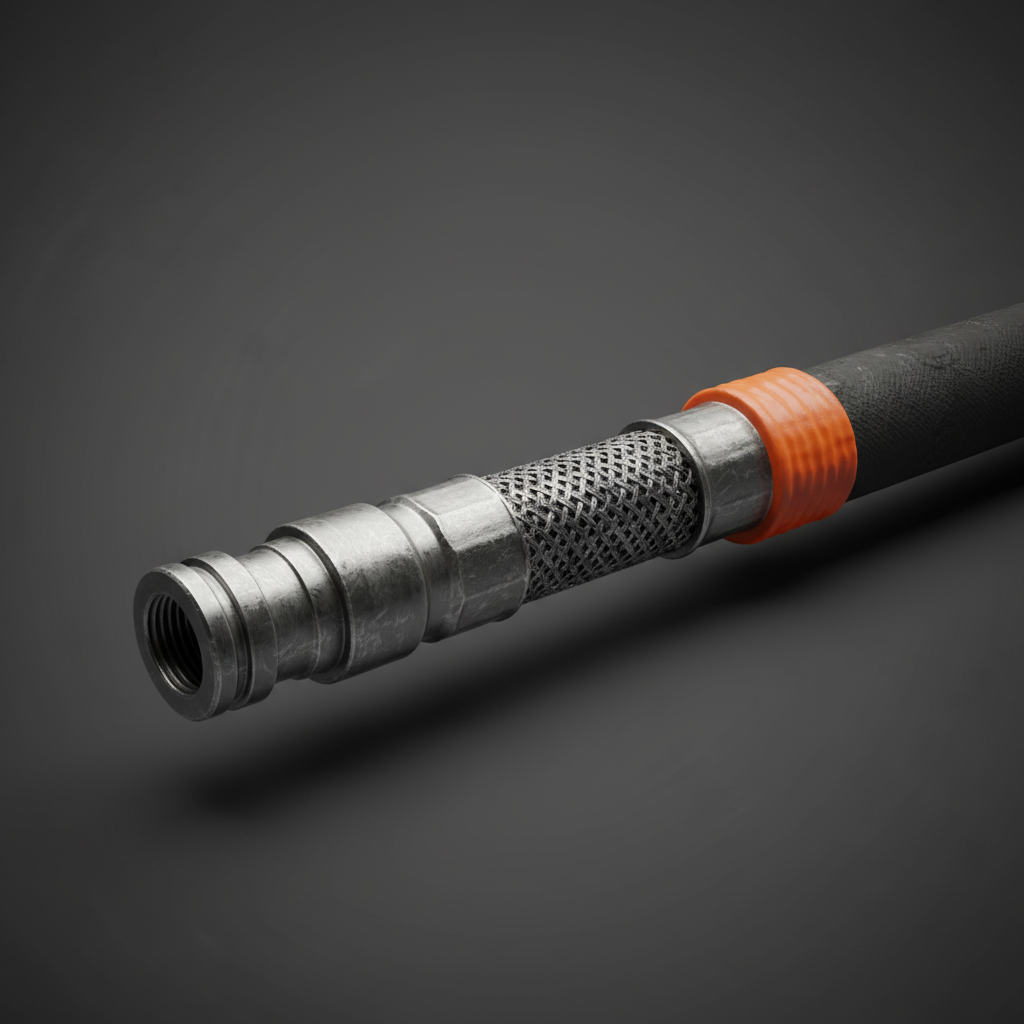
What is a hydraulic hose isn't just a simple tube; it’s a carefully constructed assembly of several critical layers. The innermost layer, the tube, is typically made from synthetic rubber compounds like nitrile or polyester, chosen for their compatibility with hydraulic fluids and resistance to degradation. This layer must withstand the corrosive effects of the fluid and maintain its integrity over time.
Surrounding the tube are layers of reinforcement, often consisting of high-tensile steel wire or synthetic fiber braids. These layers provide the hose with the strength and pressure resistance required for demanding applications. The number and configuration of these reinforcement layers directly impact the hose’s working pressure rating. Understanding the specific requirements of the application is critical when choosing the correct hose with appropriate reinforcement.
Finally, the outermost layer, the cover, provides protection against abrasion, weathering, and chemical exposure. It’s typically made from a durable rubber compound that can withstand harsh environmental conditions. The cover also plays a role in preventing fluid leakage and maintaining the hose’s flexibility. Proper selection of cover material is vital for ensuring longevity and safety when determining what is a hydraulic hose.
Key Performance Characteristics
Several key characteristics define the performance and suitability of what is a hydraulic hose. Perhaps the most important is its pressure rating, which indicates the maximum pressure the hose can safely withstand. This rating is typically expressed in pounds per square inch (PSI) or bars. Selecting a hose with a pressure rating exceeding the system’s maximum operating pressure is crucial for safety.
Another key characteristic is temperature range, encompassing both the minimum and maximum operating temperatures the hose can handle without degradation. Hydraulic fluids can heat up during operation, and extreme temperatures can affect the hose’s flexibility and pressure resistance. Flexibility, or bend radius, is also important, particularly in applications where the hose needs to navigate tight spaces.
Hydraulic Hose Performance Metrics
Applications Across Industries
The versatility of what is a hydraulic hose translates into widespread application across numerous industries. In construction, they power excavators, bulldozers, cranes, and other heavy equipment essential for building infrastructure. In manufacturing, they are used in injection molding machines, presses, and robotic systems.
The agricultural sector relies heavily on hydraulic hoses in tractors, harvesters, and irrigation systems. Marine applications include steering systems, winches, and hydraulic lifts. Even the aerospace industry utilizes hydraulic hoses in flight control systems and landing gear. In remote industrial zones, reliable hoses are critical for maintaining operations where access to replacements is limited.
Advantages and Long-Term Value
Choosing the right what is a hydraulic hose offers significant long-term benefits. High-quality hoses contribute to increased operational efficiency by minimizing downtime caused by failures. The enhanced reliability also improves safety, reducing the risk of accidents and injuries.
Furthermore, durable hoses contribute to environmental sustainability by reducing the risk of fluid leaks, which can contaminate soil and water sources. Investing in premium hoses, while potentially higher in initial cost, often results in lower lifecycle costs due to reduced maintenance and replacement frequency. The trust in a well-engineered system promotes confidence and peace of mind for operators and stakeholders.
Future Trends and Innovations
The future of what is a hydraulic hose is shaped by several emerging trends. One key area of innovation is the development of smart hoses equipped with sensors that monitor pressure, temperature, and wear. These sensors provide real-time data that can be used for predictive maintenance, preventing unexpected failures.
Another trend is the use of advanced materials, such as thermoplastic composites, to create lighter, more durable, and corrosion-resistant hoses. These materials offer significant advantages over traditional rubber compounds. The shift towards green energy and electric-hydraulic systems is also driving innovation, with a focus on developing hoses compatible with environmentally friendly fluids.
Digital transformation and automation are also playing a role, with the integration of hose management systems and automated inspection technologies. These advancements will help to optimize hose performance, reduce maintenance costs, and improve overall system reliability.
Challenges and Solutions
Despite advancements, challenges remain in the field of hydraulic hoses. One common issue is hose degradation due to exposure to harsh environmental conditions, such as extreme temperatures, UV radiation, and abrasive materials. Another challenge is preventing hose failure caused by improper installation or maintenance.
Solutions include utilizing hoses with enhanced protective covers, implementing regular inspection and maintenance programs, and providing comprehensive training for operators and technicians. The development of self-healing materials and coatings could also significantly extend hose lifespan and reduce the need for frequent replacements.
Furthermore, improving hose traceability through serialization and data logging can help identify potential issues and track performance over time. Adopting a proactive approach to hose management, coupled with continuous innovation in materials and design, is essential for overcoming these challenges.
Summary of Key Challenges and Solutions for Hydraulic Hose Performance
| Challenge |
Impact on System |
Proposed Solution |
Implementation Cost (1-10) |
| Environmental Degradation (UV, Heat) |
Reduced hose lifespan, increased failure rate |
UV-resistant hose covers, heat-shielding materials |
4 |
| Improper Installation |
Hose kinking, leakage, premature failure |
Technician training, clear installation guidelines |
3 |
| Fluid Incompatibility |
Hose swelling, cracking, chemical breakdown |
Selecting hoses compatible with hydraulic fluid |
2 |
| Abrasion and Physical Damage |
Hose wear, leaks, potential rupture |
Protective hose sleeves, routing away from abrasive surfaces |
5 |
| Lack of Preventative Maintenance |
Unnoticed wear, unexpected failures |
Regular visual inspections, pressure testing |
3 |
| Dynamic Flexing & Vibration |
Fatigue cracking, reduced lifespan |
High-flex hoses, vibration dampening supports |
6 |
FAQS
Hydraulic hoses are categorized by pressure ratings, construction materials, and reinforcement types. Reinforcement can be spiral wire, braid, or a combination. Pressure ratings range from low-pressure (typically under 2,000 PSI) to extremely high-pressure (exceeding 6,000 PSI). The tube material also varies—nitrile for standard oil-based fluids, polyester for phosphate ester fluids, and more. Understanding what is a hydraulic hose involves selecting the correct type for your specific application.
Regular inspection is crucial for ensuring safety and preventing downtime. Visually inspect hoses for cracks, abrasions, leaks, and kinking before each use. A thorough inspection, including pressure testing, should be conducted at least annually, or more frequently in harsh operating environments. Replace hoses immediately if any damage is detected, or if they reach the end of their recommended service life. Knowing what is a hydraulic hose also means understanding its lifespan.
Common causes of hydraulic hose failure include exceeding the pressure rating, exposure to extreme temperatures, abrasion, chemical attack, improper installation, and internal corrosion. Kinking, twisting, and flexing beyond the hose’s bend radius can also contribute to premature failure. Preventing these issues requires proper hose selection, installation, and maintenance. Understanding what is a hydraulic hose and its limits is vital to avoid these failures.
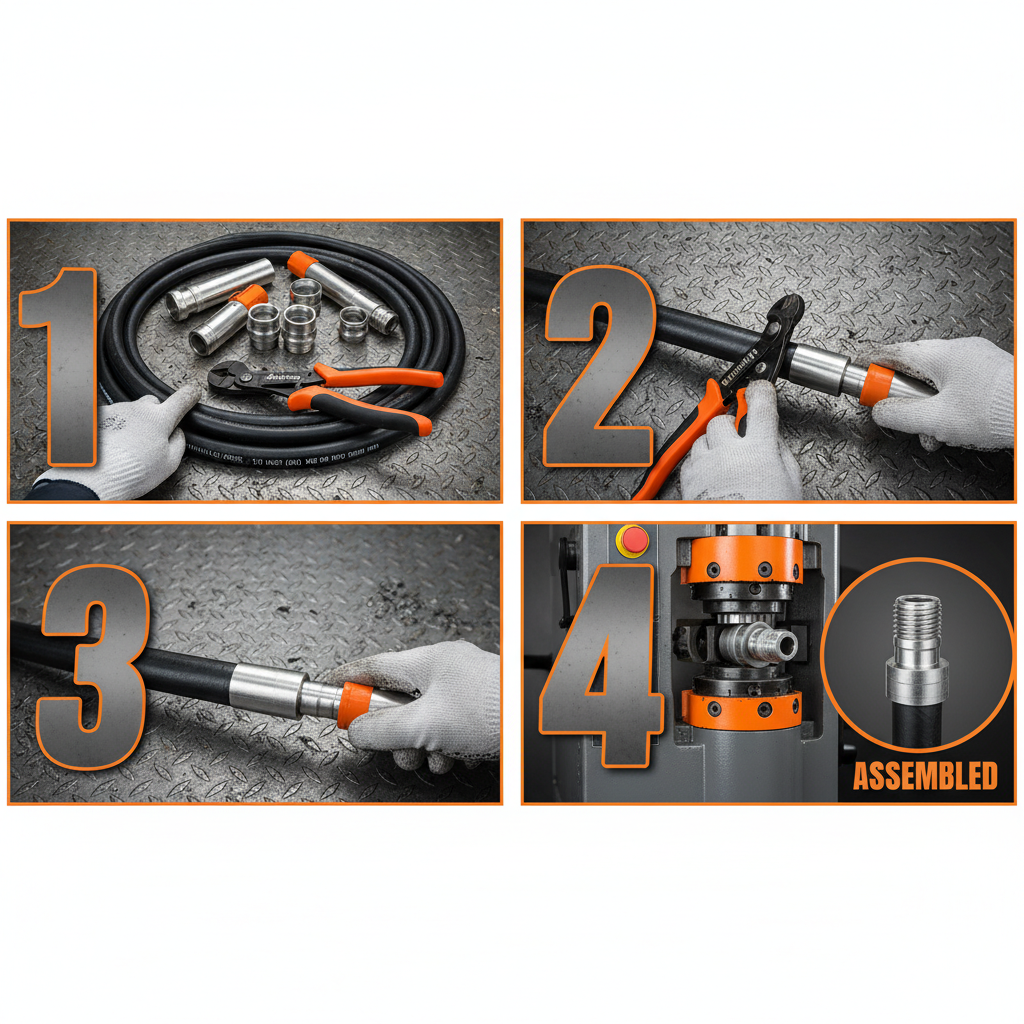
Before connecting or disconnecting a hose, always relieve the system pressure. Ensure the hose ends are clean and undamaged. Use the correct fittings and torque them to the manufacturer’s specifications. Avoid twisting the hose during installation. When disconnecting, contain any fluid spillage to prevent environmental contamination. Following these procedures will minimize the risk of leaks, injuries, and damage to what is a hydraulic hose.
Fittings are critical components that connect the hose to the hydraulic system. They must be compatible with the hose and the fluid being used. Fittings come in various types—threaded, flanged, and crimped—each designed for specific pressure ratings and applications. Proper fitting selection and installation are essential for preventing leaks and ensuring the integrity of the entire hydraulic system. Therefore, it's imperative to understand what constitutes a compatible fit alongside what is a hydraulic hose.
Yes, there's a growing trend towards environmentally friendly hydraulic fluids, such as biodegradable oils and water-glycol fluids. Similarly, manufacturers are developing hoses made from sustainable materials and designed to minimize fluid leakage. Choosing these options can reduce the environmental impact of hydraulic systems. Advancements in biodegradable hoses continue to refine what is a hydraulic hose and improve ecological sustainability.
Conclusion
Understanding what is a hydraulic hose extends far beyond simply recognizing a tube that carries fluid. It encompasses knowledge of materials science, engineering principles, safety protocols, and environmental considerations. From its critical role in powering industries to its impact on infrastructure development and technological innovation, the hydraulic hose remains an indispensable component of modern life.
Investing in high-quality hydraulic hoses, implementing regular inspection and maintenance programs, and embracing emerging technologies are crucial for maximizing efficiency, minimizing downtime, and ensuring safety. As industries continue to evolve, the demand for reliable and sustainable fluid power systems will only increase, reinforcing the importance of a thorough understanding of what is a hydraulic hose. Visit our website at www.hydhoses.com to learn more.

 Call Us+86-158-0331-9351
 Emailcarrie@sinopulse.cn
 AddressHandan City, Hebei , China