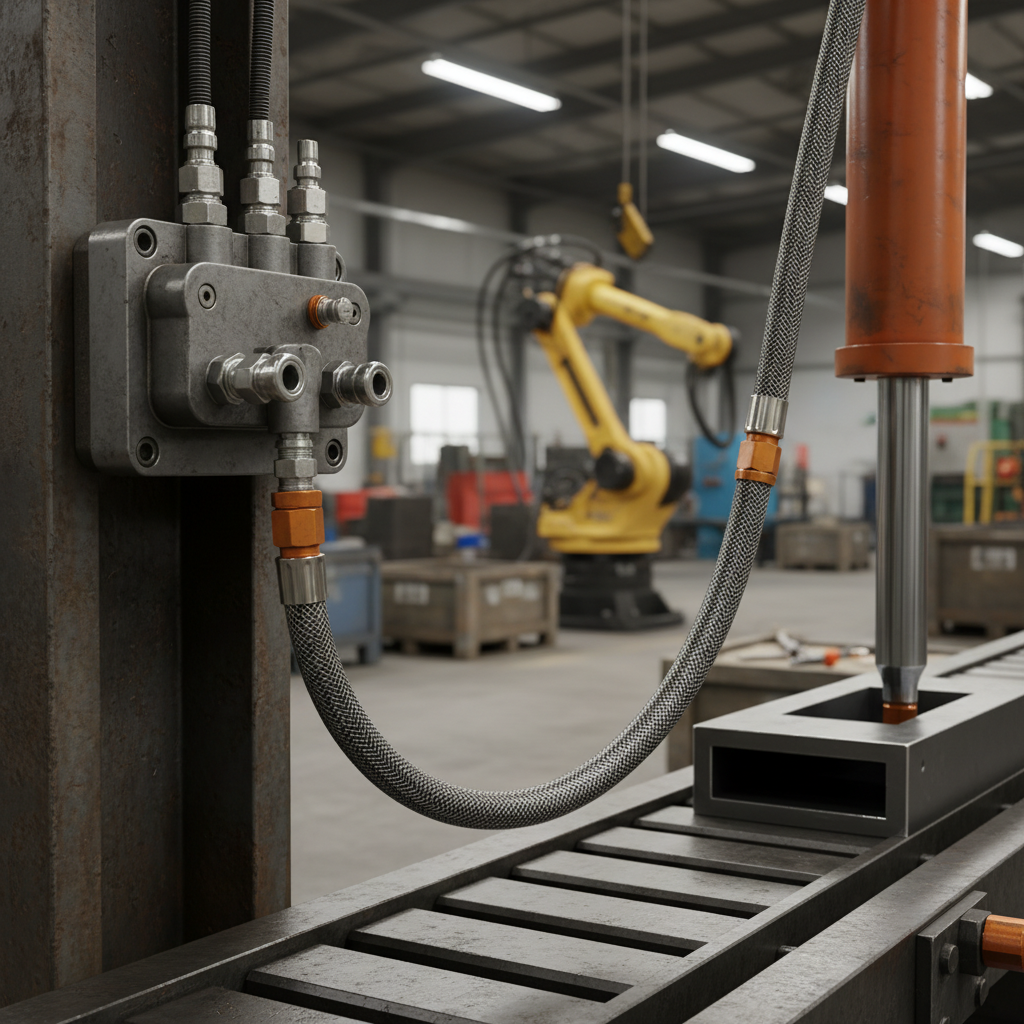
Hydraulic hoses are integral components in a vast array of industries, from construction and agriculture to manufacturing and aerospace. They are responsible for transmitting fluid power, enabling the operation of heavy machinery and critical systems. The reliability and performance of a single hydraulic hose can have significant implications for overall operational efficiency and safety. Understanding the nuances of 1 hydraulic hose – its construction, capabilities, and limitations – is therefore crucial for engineers, technicians, and anyone involved in maintaining and operating hydraulic systems.
The global demand for hydraulic hoses is driven by continuous industrial growth, particularly in emerging economies. According to a report by Market Research Future, the global hydraulic hose market is projected to reach USD 8.5 billion by 2028, growing at a CAGR of 4.5% during the forecast period. This growth is fueled by increasing investments in infrastructure development, expanding agricultural activities, and the rising demand for hydraulic equipment in various sectors. A key challenge is ensuring the longevity and safety of these hoses in demanding operating conditions.
1 hydraulic hose represents a fundamental element in power transmission, providing a flexible conduit for hydraulic fluid. Its availability and effectiveness impact numerous sectors, contributing to productivity gains and enabling complex operations. The design and materials used in 1 hydraulic hose directly influence its ability to withstand pressure, temperature fluctuations, and exposure to harsh environments, making it essential for maintaining operational uptime across diverse applications.
The Core Principles of 1 Hydraulic Hose
The fundamental principle behind 1 hydraulic hose lies in its ability to efficiently and safely transmit hydraulic fluid under pressure. This fluid acts as the medium for transferring force, enabling the operation of cylinders, motors, and other hydraulic actuators. The hose must maintain its integrity, preventing leaks and ensuring consistent performance throughout its lifespan.
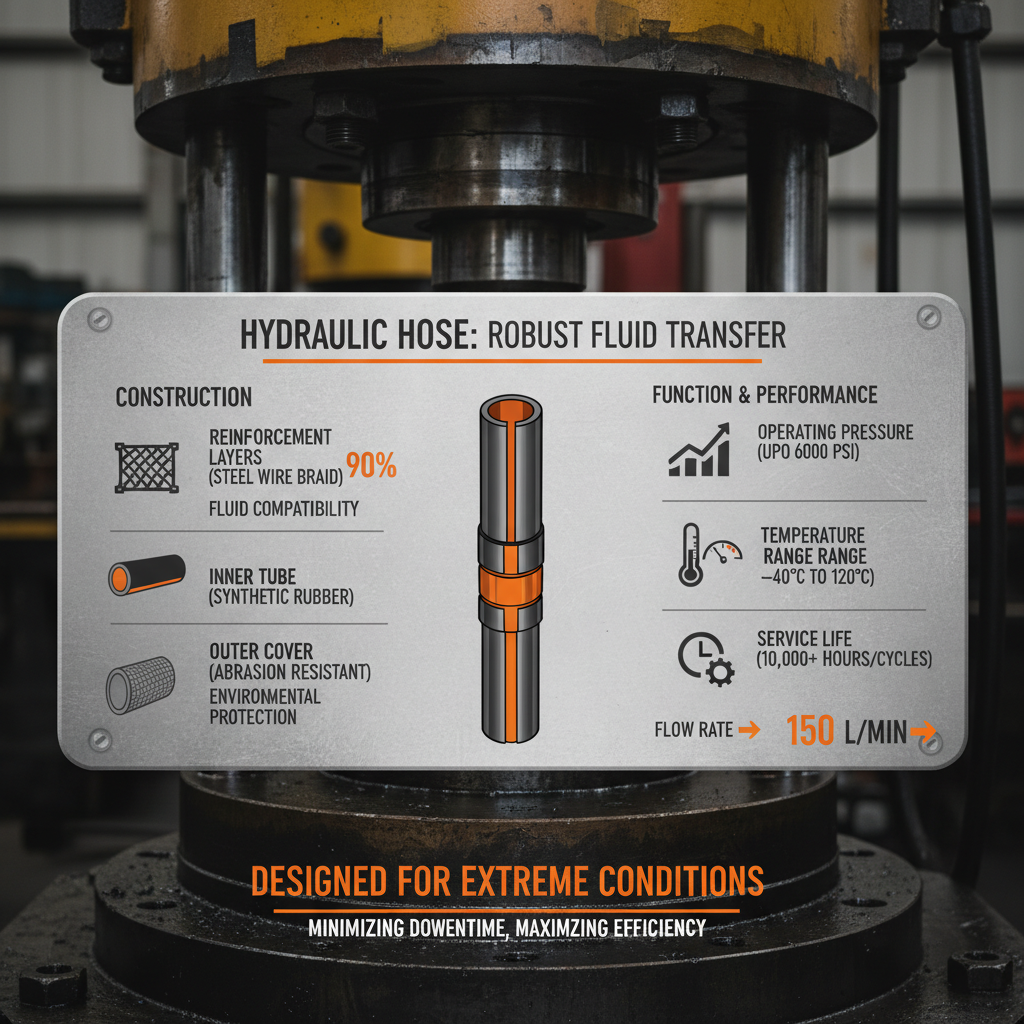
The design of 1 hydraulic hose typically involves multiple layers, each serving a specific purpose. These layers commonly include an inner tube for fluid containment, reinforcement layers for pressure resistance, and an outer cover for protection against abrasion and environmental factors. The selection of materials for each layer is critical, impacting the hose’s compatibility with different fluids, temperature range, and overall durability.
The Global Significance of 1 Hydraulic Hose
The demand for 1 hydraulic hose is deeply intertwined with the health of global manufacturing, construction, and agricultural sectors. These industries rely heavily on hydraulic equipment for their operations, and the consistent supply of reliable hydraulic hoses is essential for maintaining productivity and preventing costly downtime. The Asia-Pacific region currently represents the largest market for hydraulic hoses, driven by rapid industrialization and infrastructure development in countries like China and India.
The use of 1 hydraulic hose extends far beyond these core industries. In the energy sector, hydraulic hoses are vital for operating oil drilling equipment and maintaining pipelines. In the defense industry, they play a crucial role in controlling weapon systems and operating military vehicles. This widespread applicability underscores the importance of 1 hydraulic hose as a critical component in various essential systems worldwide.
Furthermore, advancements in hydraulic hose technology directly contribute to improved safety and environmental sustainability. Newer hoses are designed to withstand higher pressures, resist corrosion, and minimize the risk of leaks, thereby reducing potential hazards and minimizing environmental impact. This aligns with the growing global emphasis on responsible industrial practices.
Defining 1 Hydraulic Hose: A Technical Overview
1 hydraulic hose is a flexible tube designed to convey hydraulic fluid, typically oil or water-based fluids, to transmit power. It is a critical component in hydraulic systems, enabling the movement of fluid to actuators and other components. Crucially, 1 hydraulic hose isn’t merely a pipe; it's an engineered assembly constructed to withstand significant pressures and demanding operating conditions.
Its construction generally involves an inner tube (made of materials like synthetic rubber to resist fluid degradation), reinforcement layers (often steel wire or synthetic fibers to provide strength and prevent bursting), and an outer cover (providing abrasion and weather resistance). The specific materials and construction methods vary depending on the intended application and pressure requirements, making each 1 hydraulic hose uniquely suited to its task.
The connection points, or fittings, of 1 hydraulic hose are also integral to its performance. They must create a secure and leak-proof seal under pressure. Common fitting types include crimped fittings, swaged fittings, and threaded fittings, each with its own advantages and limitations. Selecting the correct fitting is as important as choosing the right hose itself.
Key Factors Influencing 1 Hydraulic Hose Performance
Several key factors determine the performance and longevity of 1 hydraulic hose. First, Pressure Rating is critical; a hose must withstand the maximum system pressure without bursting or leaking. Second, Temperature Range is important, as extreme temperatures can degrade the hose materials, leading to failure.
Third, Fluid Compatibility is essential; the hose material must be resistant to the chemical effects of the hydraulic fluid being used. Fourth, Abrasion Resistance impacts durability, particularly in applications where the hose is exposed to abrasive surfaces.
1 Hydraulic Hose Performance Metrics
Real-World Applications of 1 Hydraulic Hose
1 hydraulic hose is essential in construction equipment like excavators, bulldozers, and cranes, powering their hydraulic systems for lifting, digging, and moving heavy loads. In agriculture, they’re used in tractors, harvesters, and irrigation systems, ensuring efficient operation of farming machinery.
In the manufacturing sector, 1 hydraulic hose is ubiquitous in injection molding machines, presses, and robotic arms, contributing to automated production processes. Even in aerospace, specialized hydraulic hoses are used in aircraft flight control systems and landing gear mechanisms, where reliability is paramount.
The Advantages and Value Proposition of 1 Hydraulic Hose
The primary advantage of utilizing 1 hydraulic hose lies in its ability to efficiently transmit power over flexible distances. This allows for greater design freedom and facilitates the operation of machinery in complex configurations. Moreover, hydraulic systems powered by 1 hydraulic hose are known for their precision, controllability, and high power-to-weight ratio.
The long-term value proposition extends to reduced maintenance costs and increased operational uptime. High-quality 1 hydraulic hose, when properly installed and maintained, can provide years of reliable service, minimizing the need for frequent replacements. The safety benefits are also significant, as a well-maintained hydraulic system reduces the risk of leaks and equipment failures.
Beyond purely functional benefits, reliable 1 hydraulic hose contributes to the trust and confidence of operators, knowing their equipment will perform as expected. This, coupled with the overall efficiency gains, translates into a positive return on investment and enhanced productivity.
Future Trends and Innovations in 1 Hydraulic Hose Technology
The future of 1 hydraulic hose is shaped by trends towards greater sustainability, digitalization, and automation. Innovations in materials science are leading to the development of hoses that are lighter, more durable, and more resistant to environmental degradation. The use of bio-based and recyclable materials is also gaining traction, reducing the environmental footprint.
Smart hydraulic hoses, equipped with sensors and data analytics capabilities, are emerging as a key trend. These "intelligent" hoses can monitor pressure, temperature, and flow rate, providing valuable insights into system performance and enabling predictive maintenance. This data-driven approach can help prevent failures and optimize system efficiency.
Furthermore, the integration of 1 hydraulic hose technology with digital twins and remote monitoring systems is enhancing operational control and reducing downtime. These advancements are poised to transform the hydraulic hose industry, paving the way for more efficient, reliable, and sustainable hydraulic systems.
A Comparative Analysis of 1 Hydraulic Hose Attributes
| Hose Material |
Pressure Rating (PSI) |
Temperature Range (°C) |
Typical Application |
| Synthetic Rubber |
2000 |
-40 to +100 |
General Industrial |
| Thermoplastic |
4000 |
-50 to +150 |
High-Pressure Systems |
| Stainless Steel |
6000 |
-60 to +200 |
Corrosive Environments |
| Polyurethane |
3000 |
-30 to +80 |
Hydraulic Presses |
| PTFE (Teflon) |
5000 |
-70 to +260 |
Extreme Temperatures |
| Hybrid Construction |
4500 |
-40 to +120 |
Heavy Duty Applications |
FAQS
The lifespan of 1 hydraulic hose varies considerably based on operating conditions, fluid type, and maintenance practices. Generally, a well-maintained hose can last between 5 to 10 years. Factors like extreme temperatures, high pressure, and exposure to abrasive materials can significantly shorten its lifespan. Regular inspection for cracks, leaks, and abrasions is crucial for maximizing hose longevity.
Selecting the correct 1 hydraulic hose requires careful consideration of several factors. You need to determine the operating pressure, temperature range, and the type of hydraulic fluid being used. Additionally, consider the hose’s intended application – is it exposed to abrasion, chemicals, or UV radiation? Consult a hydraulic hose specialist to ensure compatibility and optimal performance.
Common causes of 1 hydraulic hose failure include exceeding the pressure rating, exposure to incompatible fluids, abrasion, twisting or kinking, and improper installation. Regular inspection can identify potential issues before they lead to catastrophic failure. Maintaining a clean hydraulic system and using appropriate fittings are also critical preventative measures.
Proper installation is crucial for ensuring the longevity and safety of 1 hydraulic hose. Ensure the hose is correctly sized for the application and that all fittings are compatible. Avoid twisting or kinking the hose during installation. Use a qualified technician to crimp or swage fittings properly. Always relieve pressure before disconnecting or connecting hoses.
Hydraulic systems operate under high pressure, so safety is paramount. Always relieve pressure before disconnecting any hose. Wear appropriate personal protective equipment (PPE), including safety glasses and gloves. Never search for leaks with your bare hands; use a piece of cardboard or wood. If a hose ruptures, immediately shut down the system and address the issue.
Repairing 1 hydraulic hose is generally not recommended for safety reasons, especially in critical applications. While temporary patches may seem feasible, they rarely provide a reliable long-term solution. Complete hose replacement is the preferred method to ensure system integrity and prevent potential failures. Always adhere to manufacturer recommendations.
Conclusion
In conclusion, 1 hydraulic hose is a fundamental component underpinning a wide range of industries and applications. Understanding its core principles, key performance factors, and emerging trends is essential for ensuring the efficiency, reliability, and safety of hydraulic systems. From construction and agriculture to manufacturing and aerospace, the proper selection, installation, and maintenance of 1 hydraulic hose contribute significantly to operational success.
Looking ahead, continued innovation in materials science, digitalization, and sustainable practices will shape the future of 1 hydraulic hose technology. By embracing these advancements, we can unlock even greater levels of performance, durability, and environmental responsibility. For expert guidance and high-quality hydraulic hose solutions, visit our website: www.hydhoses.com.

 Call Us+86-158-0331-9351
 Emailcarrie@sinopulse.cn
 AddressHandan City, Hebei , China