Your Trusted 24 Hours Service Provider!

-
 Call Us+86-158-0331-9351
 -
 Emailcarrie@sinopulse.cn
 -
 AddressHandan City, Hebei , China


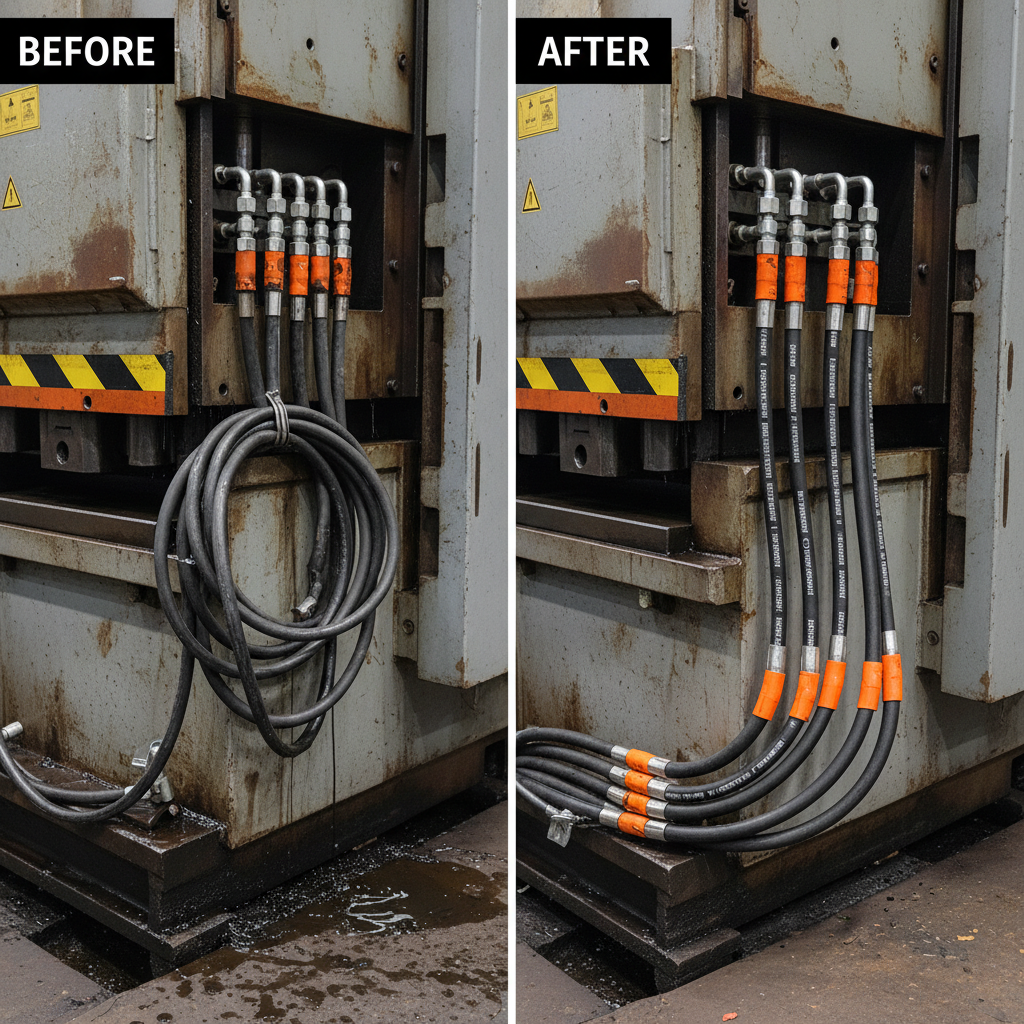
1 inch hydraulic hose are fundamental components across a vast range of industries, from construction and agriculture to manufacturing and automotive. Their ability to safely and efficiently transmit power makes them indispensable for operating heavy machinery, hydraulic systems, and various industrial equipment. Understanding their construction, applications, and maintenance is crucial for ensuring operational safety, minimizing downtime, and maximizing the lifespan of critical equipment. The consistent demand for reliable fluid power solutions globally underscores the importance of high-quality 1 inch hydraulic hose.
The global market for hydraulic hoses is substantial, driven by continued industrial growth and infrastructure development, particularly in emerging economies. According to recent industry reports, the hydraulic hose market is projected to experience steady growth in the coming years, fueled by increasing demand from sectors such as construction, mining, and oil & gas. The reliability and performance of a 1 inch hydraulic hose directly impact the productivity and safety of countless operations worldwide. Proper selection and implementation of these hoses are paramount to avoiding costly failures and ensuring operational efficiency.
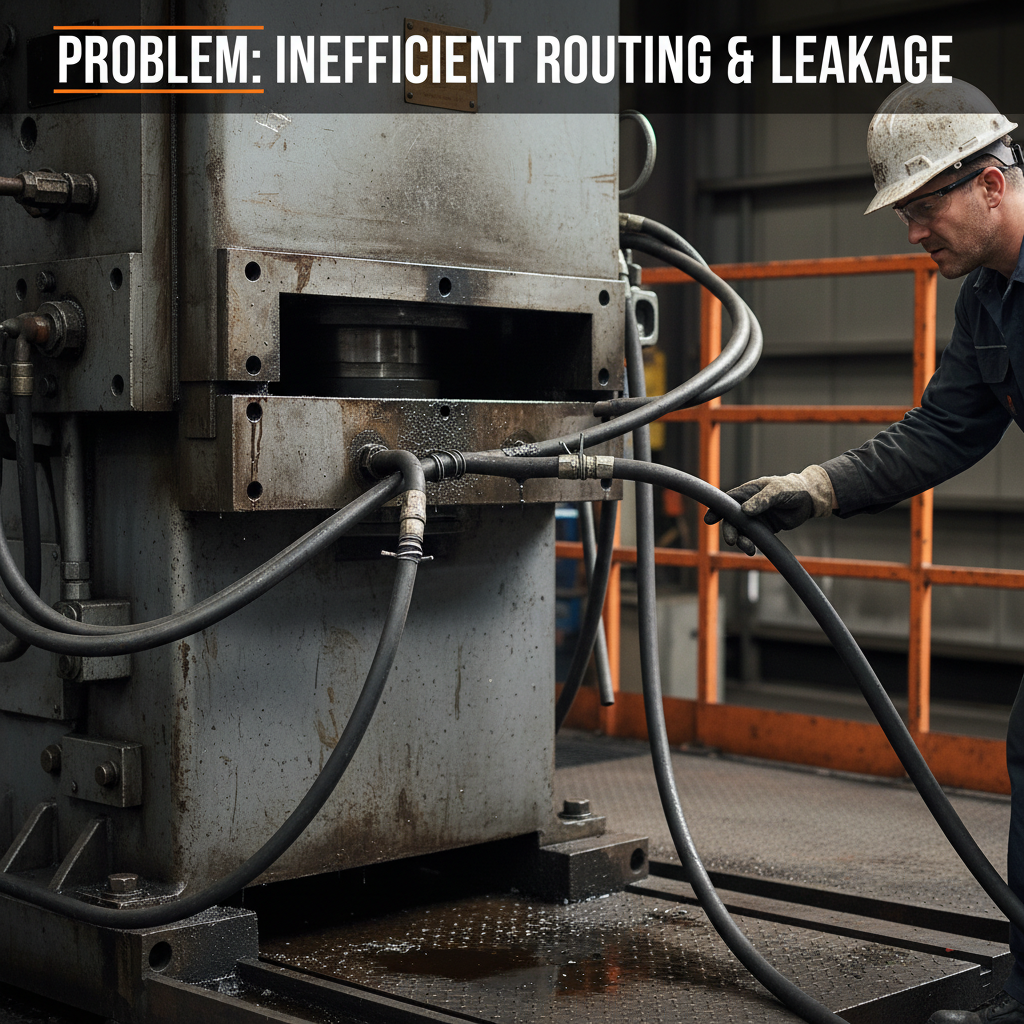
The challenge often lies in identifying the right 1 inch hydraulic hose for a specific application, considering factors like pressure ratings, fluid compatibility, temperature ranges, and environmental conditions. A failure in a hydraulic system can lead to significant downtime, safety hazards, and costly repairs. Choosing a hose that meets or exceeds these requirements is vital for long-term performance and reducing the risk of accidents.
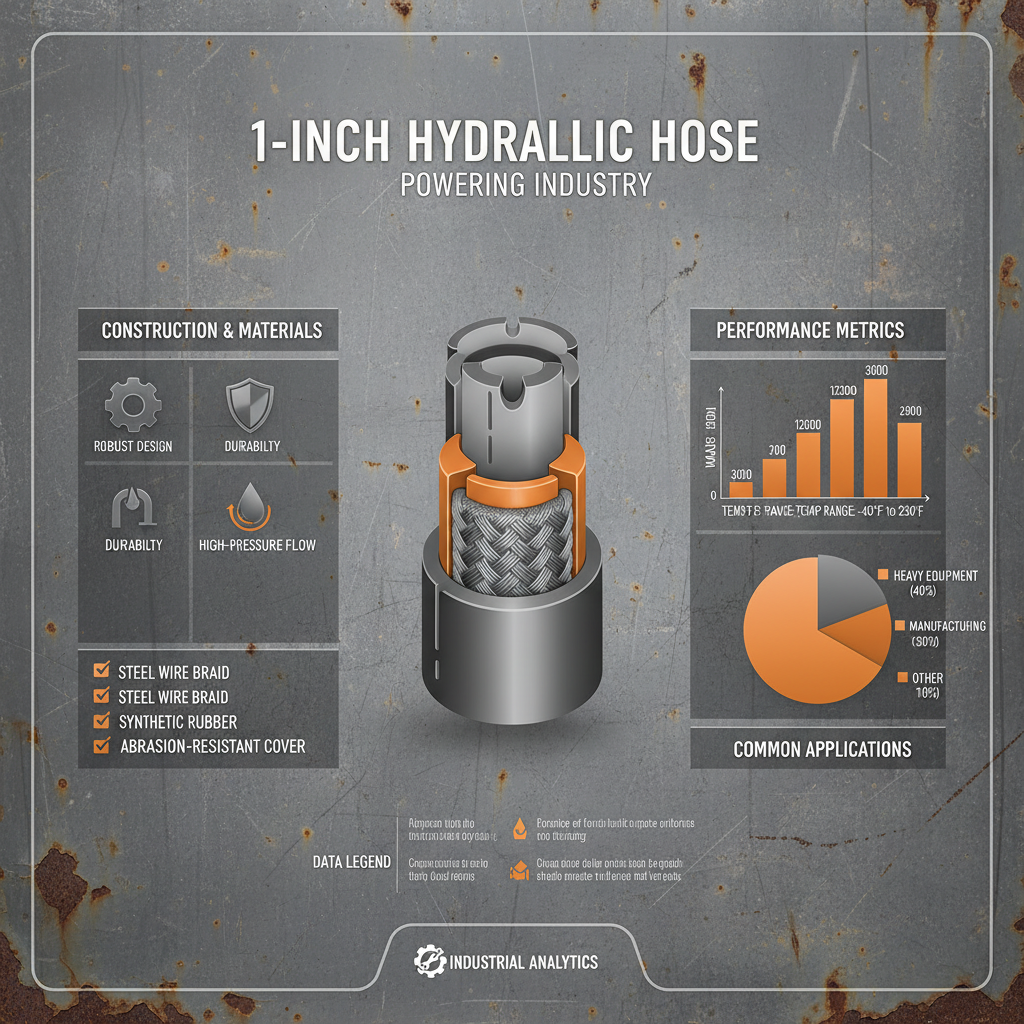
A 1 inch hydraulic hose is a reinforced tube designed to safely convey hydraulic fluid under high pressure. It’s a critical component in systems requiring the transmission of force, enabling the operation of machinery like excavators, loaders, and presses. The '1 inch' designation refers to the internal diameter of the hose, a key specification influencing flow rate and pressure capacity.
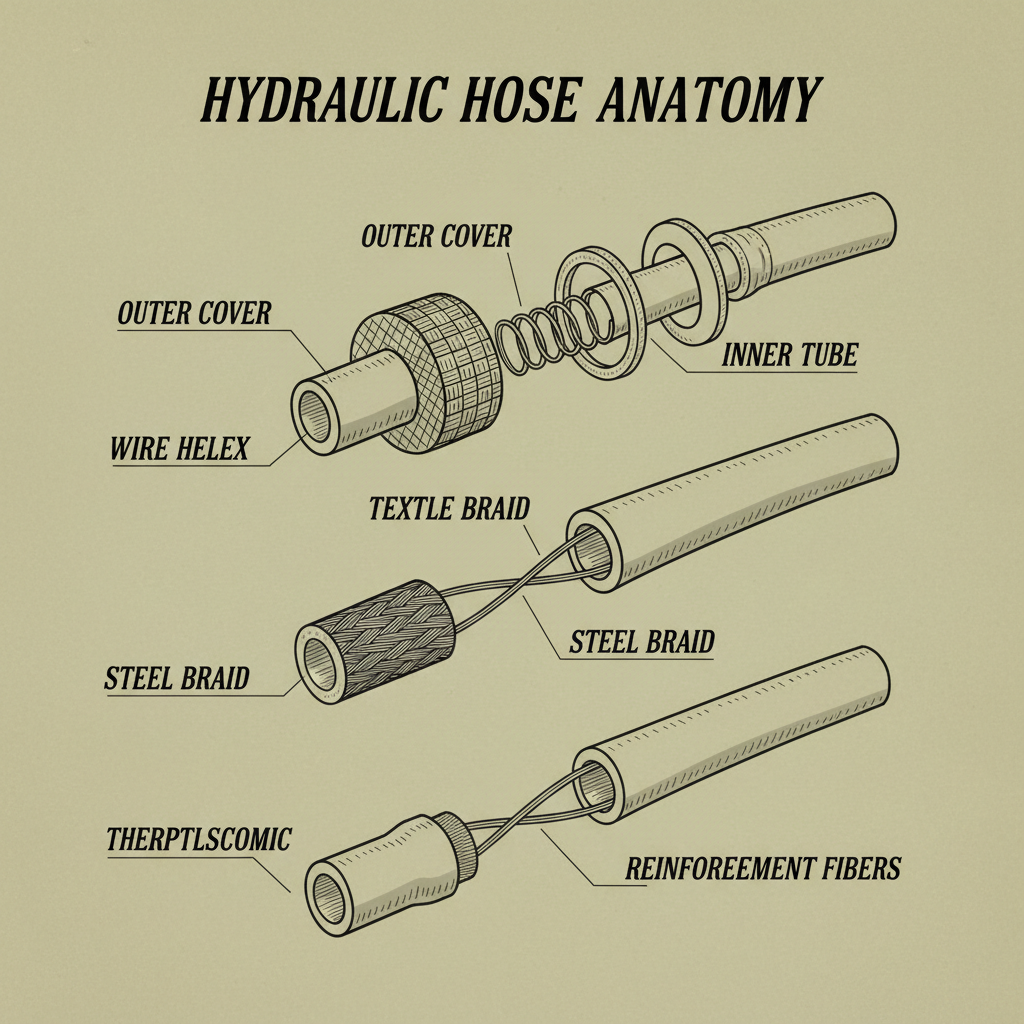
These hoses aren’t simply rubber tubes; they’re complex assemblies consisting of an inner tube (resistant to the hydraulic fluid), multiple layers of reinforcement (often steel wire or synthetic fiber), and an outer cover providing protection against abrasion, weather, and chemicals. The specific construction varies depending on the intended application, determining the hose’s pressure rating, flexibility, and overall durability.
The ideal pressure rating for a 1 inch hydraulic hose depends entirely on the maximum pressure of your hydraulic system. It’s crucial to choose a hose with a pressure rating that exceeds the system's peak pressure, providing a safety margin. Operating a hose consistently at or near its maximum pressure will significantly reduce its lifespan and increase the risk of failure. Consider the application and potential pressure surges when selecting a hose. Always consult your equipment manufacturer's specifications.
Most standard 1 inch hydraulic hoses are designed for use with petroleum-based hydraulic fluids. However, compatibility can vary depending on the hose’s inner tube material. If you’re using synthetic fluids, biodegradable fluids, or other specialized fluids, it’s essential to verify the hose’s compatibility. Using an incompatible fluid can cause the hose to swell, degrade, or fail prematurely. Check the hose manufacturer’s specifications or consult with a hydraulics expert.
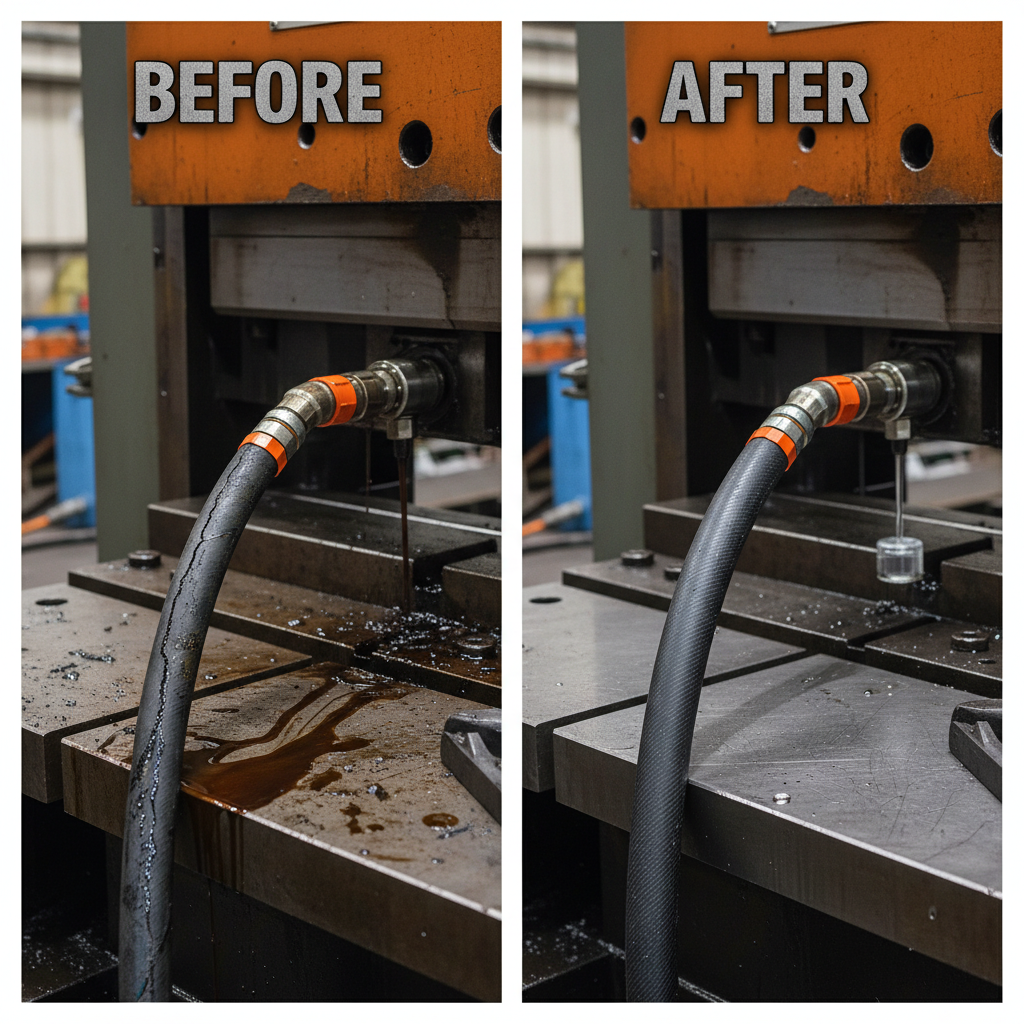
Regular inspection is vital for maintaining the safety and reliability of your hydraulic system. A 1 inch hydraulic hose should be visually inspected before each use for signs of abrasion, cuts, bulges, cracks, or leaks. More thorough inspections, including pressure testing, should be performed at least annually, or more frequently in demanding applications. Documenting these inspections can help track hose condition and identify potential issues early on.
Braided hoses use multiple layers of interwoven steel wire for reinforcement, offering good flexibility and resistance to kinking. Spiral-wound hoses feature a single, continuous wire spiraled around the hose, providing higher pressure ratings and greater abrasion resistance. Spiral-wound hoses tend to be less flexible than braided hoses. The best choice depends on the application's pressure requirements, flexibility needs, and operating environment.
While minor damage might seem easily fixable, repairing a 1 inch hydraulic hose is generally not recommended. The integrity of the hose is compromised, and even a seemingly small repair can create a weak point prone to failure under pressure. It’s always safer and more cost-effective to replace a damaged hose. Some certified hydraulic repair shops may offer hose splicing, but this should only be considered for non-critical applications and performed by qualified technicians.
Proper storage is crucial for extending the life of unused 1 inch hydraulic hose. Store hoses in a cool, dry, and dark location, away from direct sunlight, heat sources, and chemicals. Avoid kinking or bending the hoses excessively. Ideally, hoses should be stored on a reel or suspended to prevent stress and maintain their shape. Ensure the hose ends are capped to prevent contamination from dust and debris.
In conclusion, the 1 inch hydraulic hose, despite its seemingly simple construction, is a critical component in a vast array of industrial and commercial applications. Understanding its construction, key performance factors, and proper maintenance is paramount for ensuring safety, reliability, and operational efficiency. From construction and agriculture to manufacturing and disaster relief, the demand for high-quality 1 inch hydraulic hose remains consistently high.
Looking ahead, innovations in materials, sensor technology, and sustainable manufacturing practices will continue to drive advancements in 1 inch hydraulic hose design. Proactive maintenance, coupled with the adoption of these new technologies, will be key to maximizing performance and minimizing downtime. For reliable hydraulic hose solutions, visit our website to explore our comprehensive range of products and expert support.