Hydraulic hoses are fundamental components in countless industries, quietly powering the machinery that keeps our world moving. The 1 4 hydraulic hose, specifically, represents a critical size for a wide array of applications, from compact construction equipment to agricultural machinery and even specialized industrial processes. Understanding its specifications, applications, and proper maintenance is crucial for ensuring operational efficiency and safety across these sectors.
Globally, the demand for reliable hydraulic solutions continues to grow, driven by industrial expansion and infrastructure development in emerging economies. The 1 4 hydraulic hose is a cornerstone of this demand, offering a balance of flexibility, pressure capacity, and cost-effectiveness. However, challenges remain in terms of material sustainability, hose longevity, and ensuring consistent quality standards worldwide.
Investing in knowledge about 1 4 hydraulic hoses isn't just about technical proficiency; it's about contributing to a more reliable, efficient, and ultimately safer operating environment. It’s a small component with a large impact on productivity and minimizing downtime. Proper selection and care directly translate into reduced operational costs and prolonged equipment life.
The Significance of 1 4 Hydraulic Hose
The 1 4 hydraulic hose is a widely used size due to its versatility in handling moderate pressures and flow rates. It’s commonly found in applications where space is limited or where a more compact hydraulic system is required. Selecting the correct 1 4 hydraulic hose involves careful consideration of factors like working pressure, temperature range, and fluid compatibility.
The significance of a properly selected and maintained 1 4 hydraulic hose extends beyond immediate functionality. It impacts the overall reliability of the system, minimizing the risk of costly downtime and potentially hazardous failures. This makes it a critical component for industries relying on consistent and safe operation.
Global Relevance and Industry Context
The global hydraulic hose market is a multi-billion dollar industry, with the 1 4 size representing a substantial portion of overall sales. Growth is particularly strong in developing nations undergoing rapid industrialization, where investments in infrastructure and manufacturing are driving demand. According to recent reports, the Asia-Pacific region accounts for the largest share of the hydraulic hose market, followed by North America and Europe.
Several industries heavily rely on 1 4 hydraulic hose, including construction, agriculture, manufacturing, mining, and material handling. In construction, it powers excavators, loaders, and other heavy machinery. In agriculture, it’s essential for powering tractors, combines, and irrigation systems. Manufacturing utilizes these hoses in a variety of applications, from plastic injection molding to metal forming.
A key challenge facing the industry is the increasing demand for more durable and environmentally friendly hydraulic hoses. Concerns about hose failures leading to environmental contamination and safety hazards are driving innovation in materials and manufacturing processes. Meeting evolving industry standards (like ISO certifications) is also critical for global competitiveness.
Defining the 1 4 Hydraulic Hose
A 1 4 hydraulic hose refers to a hose with a nominal inner diameter of one-quarter inch (1/4”). This measurement dictates the volume of fluid it can convey. These hoses are constructed from multiple layers, typically including an inner tube (resistant to the hydraulic fluid being used), a reinforcement layer (providing strength and pressure resistance), and an outer cover (protecting the hose from abrasion and environmental factors).
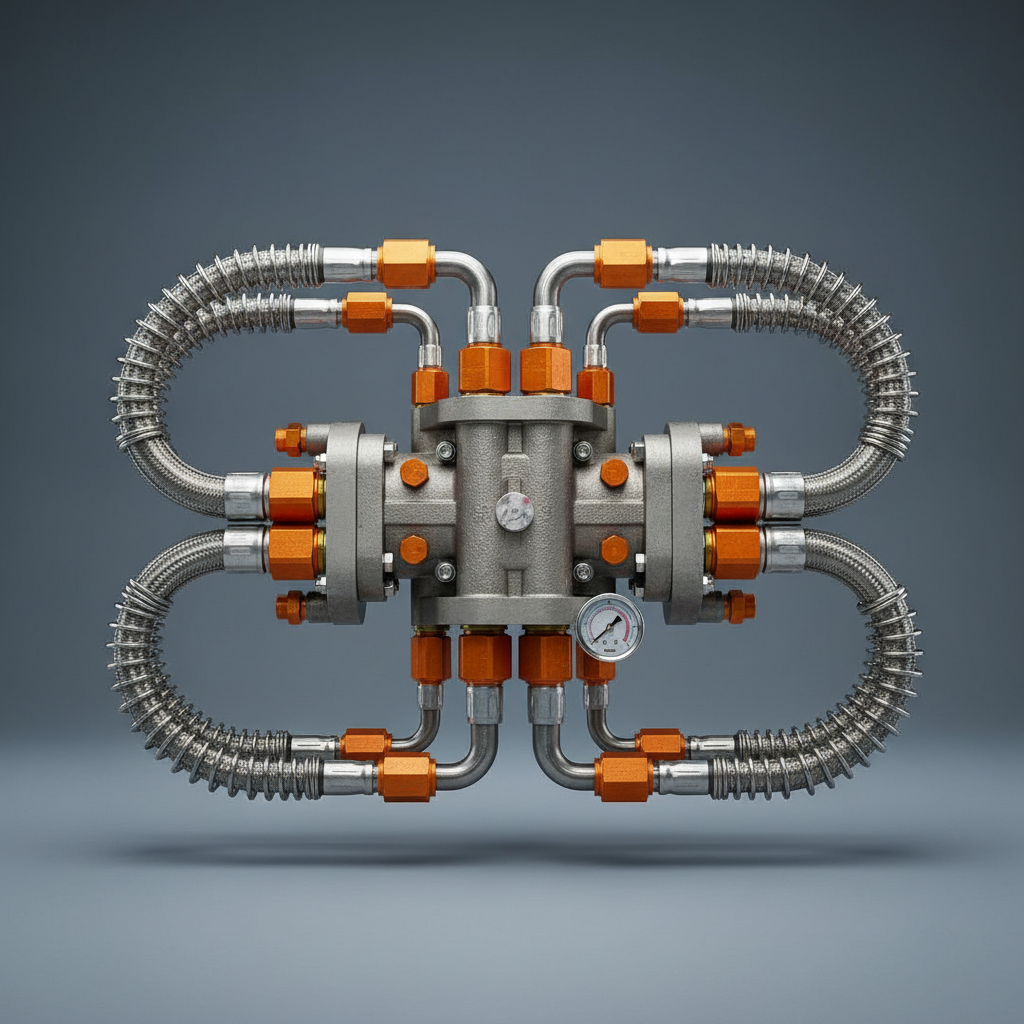
The connection of a 1 4 hydraulic hose to hydraulic systems often involves specialized fittings, such as crimped fittings, which ensure a secure and leak-proof seal. The choice of fitting material (steel, stainless steel, etc.) depends on the application and the fluid being used. Properly installed and maintained fittings are as vital as the hose itself for system integrity.
Its connection to modern industry is undeniable. Hydraulic systems have revolutionized manufacturing, construction, and transportation, allowing for powerful and precise control of machinery. The 1 4 hydraulic hose, being a core component of these systems, plays a crucial role in enabling these advancements and enhancing operational efficiency.
Key Characteristics of 1 4 Hydraulic Hose
Durability is paramount. A high-quality 1 4 hydraulic hose must withstand constant pressure, temperature fluctuations, and exposure to various environmental elements. The reinforcement layer, typically made of braided steel wire, plays a significant role in determining the hose’s burst pressure and overall lifespan.
Flexibility is another critical characteristic, allowing the hose to navigate tight spaces and absorb vibrations without kinking or compromising its structural integrity. This is particularly important in mobile applications, where the hose is subject to constant bending and movement.
1 4 Hydraulic Hose Performance Metrics
Real-World Applications of 1 4 Hydraulic Hose
In the agricultural sector, 1 4 hydraulic hoses are integral to powering the hydraulic systems of tractors, combine harvesters, and sprayers, enabling precise control of implements and maximizing crop yields. Their compact size makes them ideal for the tight spaces found on many agricultural machines.
Construction equipment, such as mini-excavators and skid steer loaders, frequently utilize 1 4 hydraulic hoses to power their hydraulic cylinders and motors, providing the force needed for digging, lifting, and maneuvering materials. These applications often demand hoses that can withstand demanding conditions and frequent use.
Advantages and Long-Term Value Proposition
Choosing a high-quality 1 4 hydraulic hose translates into reduced downtime and maintenance costs. Durable hoses require less frequent replacement, minimizing disruptions to operations and lowering overall expenses. This represents a significant return on investment for businesses reliant on hydraulic systems.
Beyond cost savings, utilizing reliable 1 4 hydraulic hoses enhances safety. Preventing hose failures reduces the risk of fluid leaks, which can create hazardous working conditions and potentially cause environmental contamination. Investing in safety is a moral and ethical imperative, and a well-maintained hydraulic system is a cornerstone of a safe workplace.
Future Trends and Innovations in 1 4 Hydraulic Hose Technology
The development of bio-based hydraulic fluids is gaining traction, driving demand for 1 4 hydraulic hoses compatible with these environmentally friendly alternatives. These hoses must exhibit the same level of performance and durability as those designed for conventional hydraulic fluids.
Smart hydraulic hoses, equipped with sensors to monitor pressure, temperature, and leakage, are emerging as a potential game-changer. These “intelligent” hoses can provide real-time data on system performance, enabling predictive maintenance and preventing catastrophic failures.
Further research into advanced materials, such as thermoplastic composites, promises to yield 1 4 hydraulic hoses that are lighter, stronger, and more resistant to corrosion. These advancements will contribute to increased fuel efficiency and reduced environmental impact.
FAQS
The lifespan of a 1 4 hydraulic hose varies depending on operating conditions, fluid compatibility, and quality of the hose. Generally, a well-maintained hose can last between 5 to 10 years. However, factors such as excessive heat, pressure spikes, and abrasion can significantly shorten its lifespan. Regular inspection for signs of wear and tear is crucial for maximizing longevity.
Most standard 1 4 hydraulic hoses are compatible with petroleum-based hydraulic fluids. However, compatibility can vary, so it’s essential to consult the hose manufacturer’s specifications. Using an incompatible fluid can lead to hose degradation, leakage, and system failure. When using synthetic or biodegradable fluids, specifically verify hose compatibility beforehand.
Common signs of damage include cracks, blisters, abrasions, kinks, or oil leakage. Regularly inspect the hose for these visual cues. Also, check the fittings for corrosion or looseness. A hose that feels stiff or has reduced flexibility should also be replaced. Prompt detection and replacement of damaged hoses prevent potentially hazardous failures.
Store 1 4 hydraulic hoses in a cool, dry, and dark place, away from direct sunlight and extreme temperatures. Avoid bending or kinking the hose during storage. Ideally, store hoses in a coiled position to prevent damage to the reinforcement layers. Protect the hose ends with caps or plugs to prevent contamination.
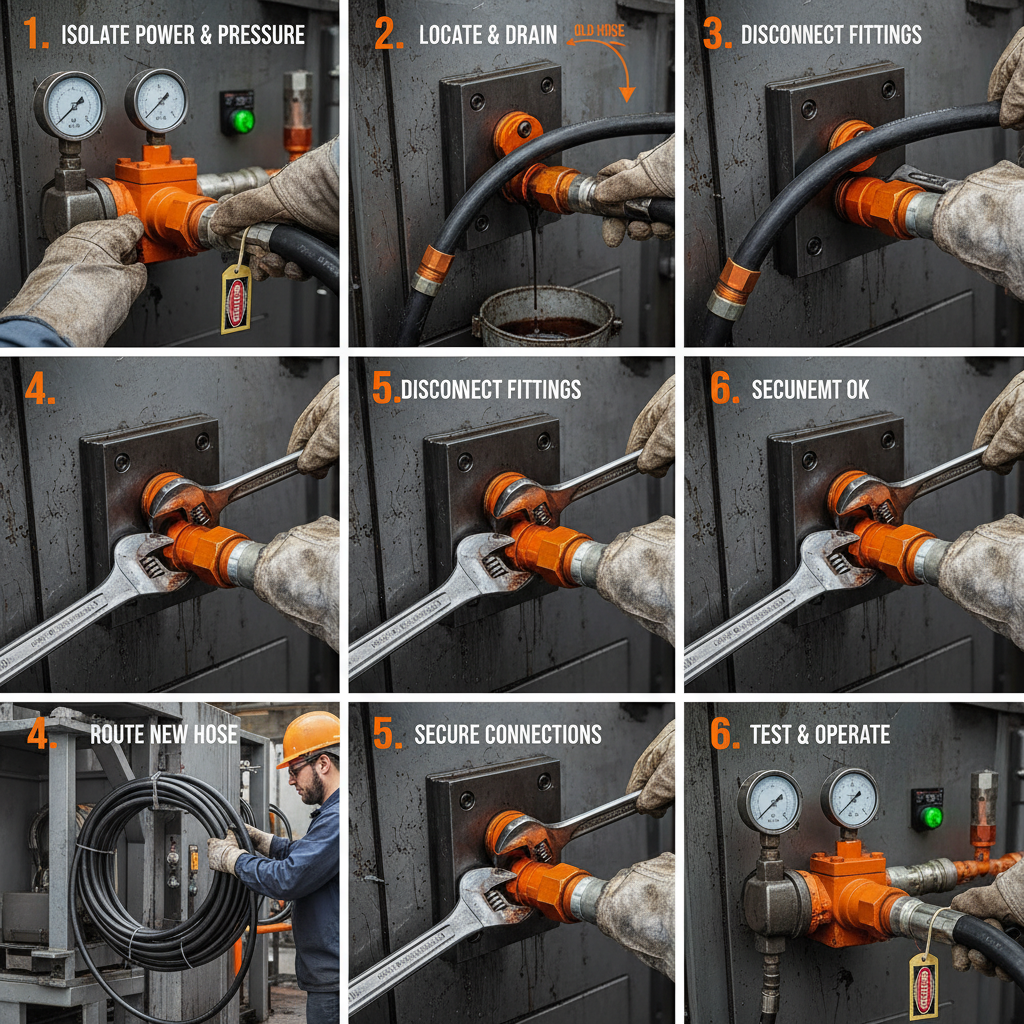
Always depressurize the hydraulic system before disconnecting or connecting hoses. Wear appropriate personal protective equipment (PPE), including safety glasses and gloves. Never attempt to repair a damaged hose; replace it instead. Ensure the hose is properly routed and secured to prevent chafing and kinking. Be aware of the potential for high-pressure fluid injection injuries.
Braided hoses have reinforcement layers woven in a braided pattern, providing good flexibility and moderate pressure resistance. Spiral-wrapped hoses have reinforcement layers wound in a spiral, offering higher pressure ratings but potentially reduced flexibility. The choice depends on the specific application and pressure requirements. Spiral-wrapped hoses are often preferred for high-pressure systems.
Conclusion
The 1 4 hydraulic hose, while seemingly a small component, is a vital element in a vast range of industries. Its performance characteristics – durability, flexibility, and compatibility – directly impact operational efficiency, safety, and cost-effectiveness. Understanding the nuances of 1 4 hydraulic hose selection, maintenance, and emerging technologies is crucial for anyone involved in hydraulic systems.
Looking ahead, innovation in materials, sensor technology, and fluid compatibility will continue to shape the future of 1 4 hydraulic hoses. Embracing these advancements and prioritizing proactive maintenance practices will be key to maximizing the lifespan, reliability, and sustainability of hydraulic systems worldwide. For all your 1 4 hydraulic hose needs, visit our website: www.hydhoses.com

 Call Us+86-158-0331-9351
 Emailcarrie@sinopulse.cn
 AddressHandan City, Hebei , China