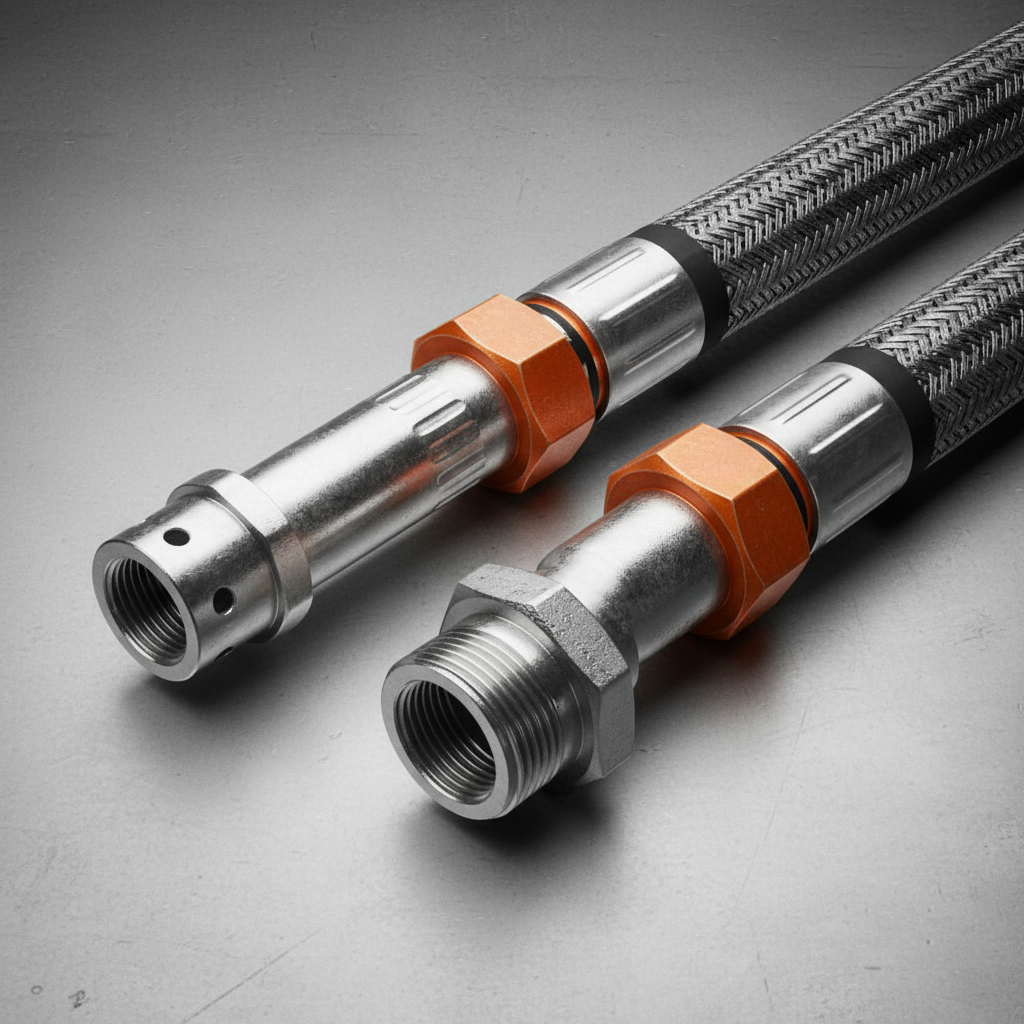
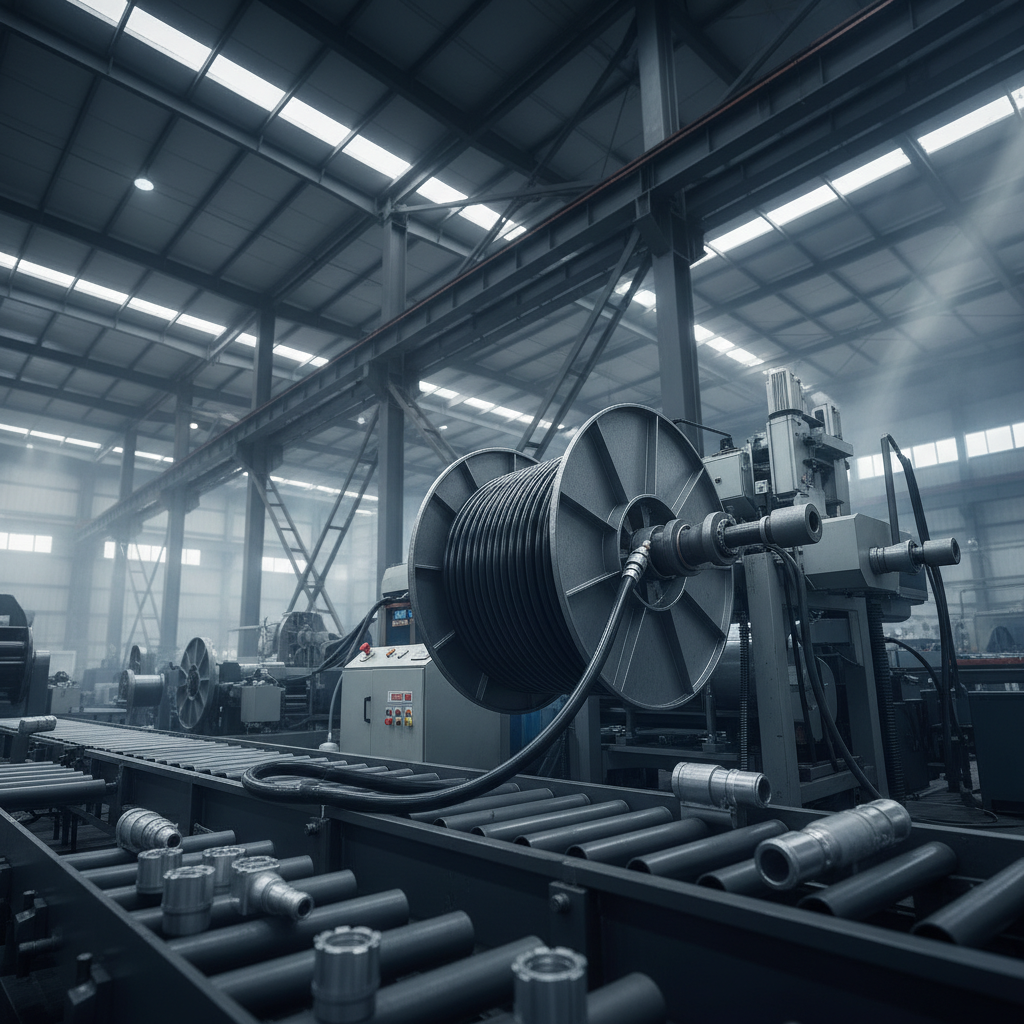
Hydraulic hose suppliers are the backbone of numerous industries, providing critical components for power transmission and fluid conveyance. Globally, the demand for reliable and high-performance hydraulic hoses is continuously increasing, driven by growth in construction, manufacturing, agriculture, and automotive sectors. This demand necessitates robust supply chains and innovative solutions from dedicated hydraulic hose suppliers. Understanding the nuances of this market is crucial for businesses seeking operational efficiency and reduced downtime.
The modern industrial landscape relies heavily on hydraulic systems, and consequently, the quality and availability of hydraulic hoses are paramount. Factors like pressure ratings, material compatibility, and environmental resistance directly impact system performance and longevity. A reliable network of hydraulic hose suppliers ensures businesses have access to the right hoses for their specific applications, minimizing risk and maximizing productivity. The economic impact of a disrupted hose supply can be significant, highlighting the importance of strategic sourcing.
As industries evolve and demand more specialized solutions, hydraulic hose suppliers are adapting through advanced materials, custom fabrication, and value-added services such as hose assembly and testing. This commitment to innovation and customer support ensures that hydraulic systems remain at the forefront of efficiency and reliability.
The Significance of Hydraulic Hose Suppliers
The availability of dependable hydraulic hose suppliers is fundamental to the smooth operation of countless industries. From heavy machinery in construction to the precise controls of aerospace equipment, hydraulic systems are ubiquitous. These systems depend on hoses that can withstand extreme pressures, temperatures, and corrosive environments. A skilled supplier doesn’t merely provide a product; they offer a solution tailored to the specific needs of the application.
Effective hydraulic hose suppliers contribute to increased operational efficiency, reduced downtime, and improved safety. Poorly manufactured or improperly selected hoses can lead to catastrophic failures, resulting in costly repairs, production delays, and potential hazards. Selecting a supplier committed to quality control and rigorous testing is, therefore, a crucial investment.
Defining Hydraulic Hose Suppliers
Hydraulic hose suppliers are businesses that specialize in the sourcing, manufacturing, and distribution of hydraulic hoses and related components. They cater to a diverse clientele, including original equipment manufacturers (OEMs), maintenance and repair organizations (MROs), and end-users across a wide range of industries. Beyond simply providing the hoses themselves, many suppliers offer comprehensive services such as custom hose assembly, crimping, testing, and technical support.
The role of a modern hydraulic hose supplier extends beyond basic product provision. They act as vital partners, offering expert advice on hose selection, material compatibility, and system design. A quality supplier will possess in-depth knowledge of industry standards, safety regulations, and emerging technologies.
Furthermore, effective suppliers prioritize inventory management and logistics to ensure timely delivery of products, minimizing disruptions to their clients' operations. This logistical expertise is often a critical differentiator in competitive markets where downtime can be exceptionally costly.
Key Characteristics of Reliable Suppliers
Reliable hydraulic hose suppliers are characterized by several key attributes. Firstly, a commitment to quality is paramount, evidenced by adherence to industry standards such as ISO 9001 and rigorous testing procedures. Secondly, a broad product portfolio, encompassing a variety of hose types, materials, and sizes, allows them to cater to diverse application requirements.
Another crucial characteristic is technical expertise. A knowledgeable team capable of providing guidance on hose selection, installation, and troubleshooting is invaluable to customers. Finally, efficient logistics and inventory management are essential for ensuring timely delivery and minimizing disruptions to operations.
Beyond these core attributes, responsiveness to customer needs, competitive pricing, and a proactive approach to problem-solving are also hallmarks of a dependable hydraulic hose supplier. These factors contribute to long-term partnerships built on trust and mutual benefit.
Global Applications of Hydraulic Hose Solutions
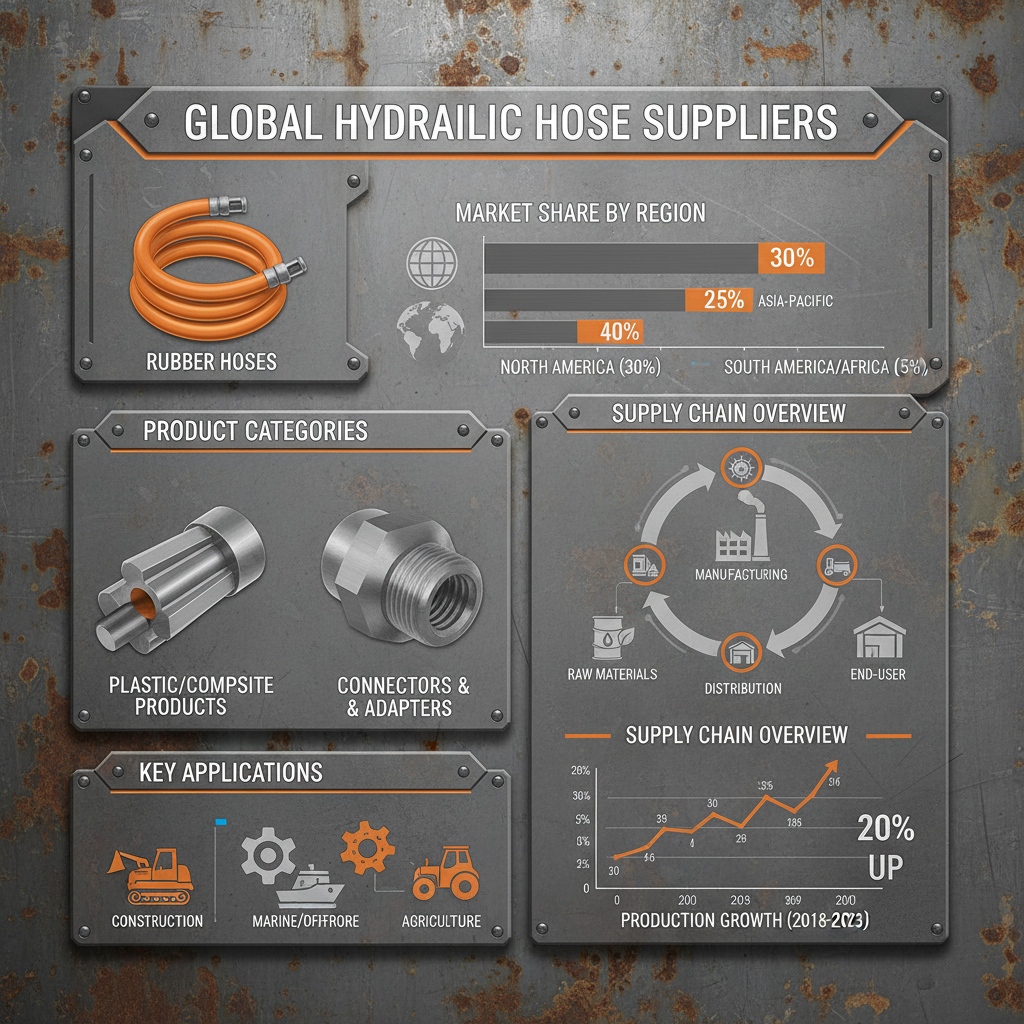
Hydraulic hose solutions supplied by reputable vendors are integral to numerous industries worldwide. In construction and mining, they power heavy machinery like excavators, bulldozers, and cranes, enabling efficient material handling and site preparation. In manufacturing, hydraulic hoses are used in injection molding machines, presses, and automated assembly lines, driving precision and productivity.
The agricultural sector relies on hydraulic systems for tractors, harvesters, and irrigation equipment, optimizing crop yields and reducing labor costs. Furthermore, hydraulic hoses are critical components in aerospace applications, powering flight control surfaces and landing gear. In remote industrial zones, access to a reliable hydraulic hose supplier can be the difference between continued operation and costly downtime.
Hydraulic Hose Applications by Industry
Advantages of Partnering with Specialized Suppliers
Partnering with a specialized hydraulic hose supplier offers numerous advantages. These include access to a wider range of products, including specialized hoses designed for demanding applications, and the expertise of engineers and technicians who can provide guidance on optimal hose selection and system design.
Specialized suppliers often offer value-added services such as custom hose assembly, crimping, and testing, saving customers time and resources. Furthermore, they are typically more responsive to customer needs and better equipped to handle complex technical challenges.
Future Trends in Hydraulic Hose Supply
The hydraulic hose supply industry is evolving rapidly, driven by advancements in materials science, manufacturing techniques, and sustainability concerns. The development of more durable and lightweight hoses, utilizing materials like thermoplastic polymers and advanced composites, is a key trend. Smart hoses equipped with sensors for monitoring pressure, temperature, and flow are also gaining traction.
Increasingly, hydraulic hose suppliers are adopting digital technologies to streamline their operations, improve inventory management, and enhance customer service. This includes online ordering portals, real-time tracking of shipments, and data analytics for predicting demand.
Sustainability is also becoming a major focus, with suppliers exploring eco-friendly materials and manufacturing processes, and offering recycling programs for used hoses.
Challenges and Mitigation Strategies for Hydraulic Hose Procurement
Procuring hydraulic hoses can present several challenges, including long lead times, fluctuating material costs, and the risk of counterfeit products. Supply chain disruptions, such as those experienced during the recent pandemic, can also create significant hurdles.
To mitigate these challenges, businesses should diversify their supplier base, establish strategic partnerships with reputable hydraulic hose suppliers, and implement robust quality control procedures. Investing in inventory management software and demand forecasting tools can also help to optimize stock levels and minimize disruptions.
Furthermore, staying informed about industry trends and emerging technologies is crucial for identifying potential risks and opportunities. Regularly auditing supplier performance and conducting on-site inspections can help to ensure compliance with quality standards and ethical sourcing practices.
Core Considerations in Selecting Hydraulic Hose Suppliers
| Product Range |
Technical Support |
Lead Time & Logistics |
Pricing & Payment Terms |
| Diversity of hose types (e.g., spiral, braided, thermoplastic) |
Availability of engineering expertise for hose selection. |
Average delivery time for standard and custom orders. |
Competitive pricing structure and available discounts. |
| Availability of specialized hoses for specific applications. |
Access to troubleshooting guides and technical documentation. |
Shipping options and associated costs. |
Accepted payment methods and credit terms. |
| Stock levels of commonly used hose sizes and configurations. |
On-site support for hose assembly and testing. |
Ability to handle urgent requests and expedited shipping. |
Transparency in pricing and cost breakdowns. |
| Compliance with relevant industry standards and certifications. |
Training programs for hose installation and maintenance. |
Inventory management solutions for streamlined procurement. |
Volume discounts for long-term contracts. |
| Ability to provide custom hose fabrication services. |
Access to a knowledge base of hydraulic system best practices. |
Real-time tracking of shipments and order status. |
Flexible payment options to accommodate budget constraints. |
| Availability of eco-friendly and sustainable hose options. |
Dedicated account manager for personalized support. |
Proactive communication regarding potential delays or issues. |
Clear return policies and warranty coverage. |
FAQS
When choosing a hydraulic hose supplier, prioritize product range, technical expertise, lead times, and pricing. Assess their ability to provide custom solutions, support documentation, and responsive customer service. Verify their adherence to industry standards and certifications to ensure quality and reliability. Consider their inventory management capabilities and logistical network for timely delivery.
Provide your supplier with detailed specifications regarding pressure, temperature, fluid compatibility, and operating environment. Request data sheets and testing reports to verify hose performance. Collaborate with their technical team to ensure the selected hose material and construction are appropriate for your application. Consider requesting a sample hose for testing before placing a large order.
Lead times for custom hydraulic hose assemblies vary depending on the complexity of the assembly, the availability of components, and the supplier’s workload. Typically, lead times range from 3 to 10 business days, but can be longer for specialized or high-volume orders. Confirm lead times with your supplier upfront and plan accordingly.
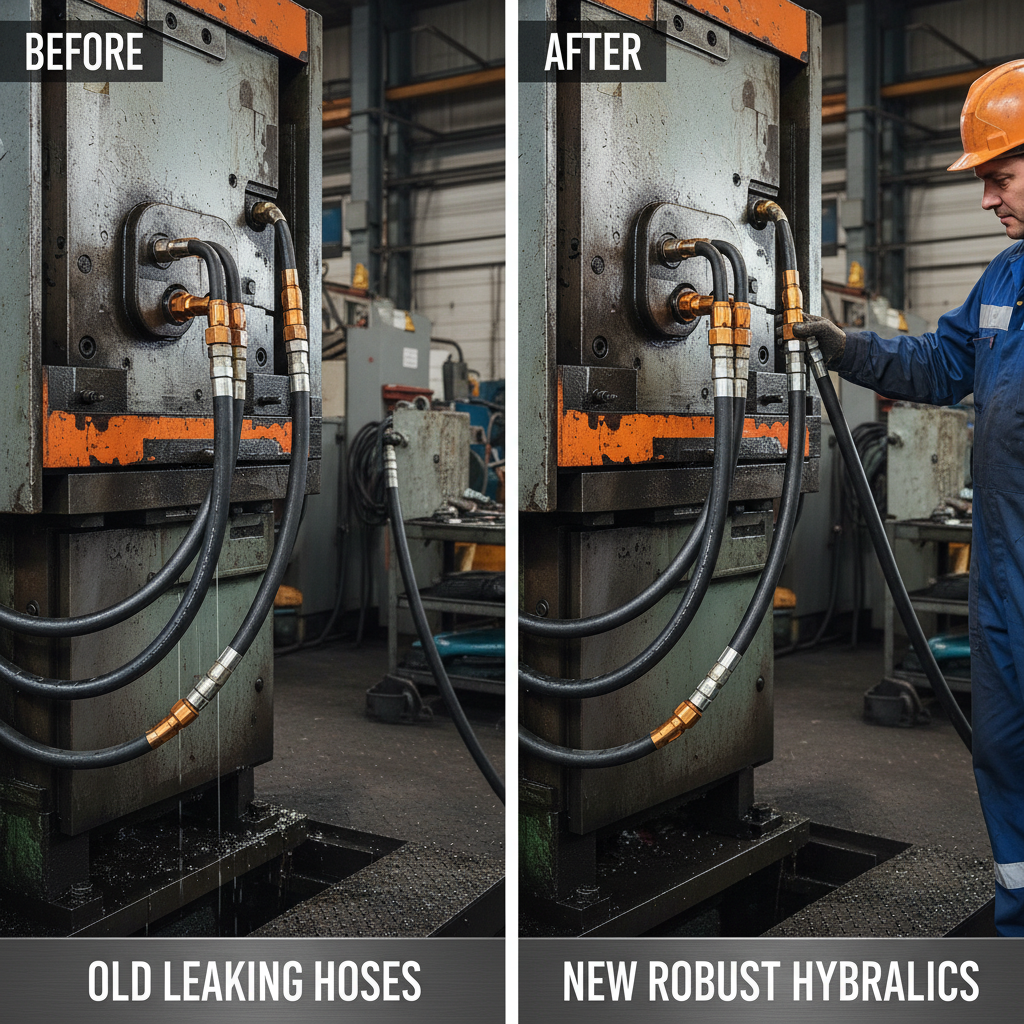
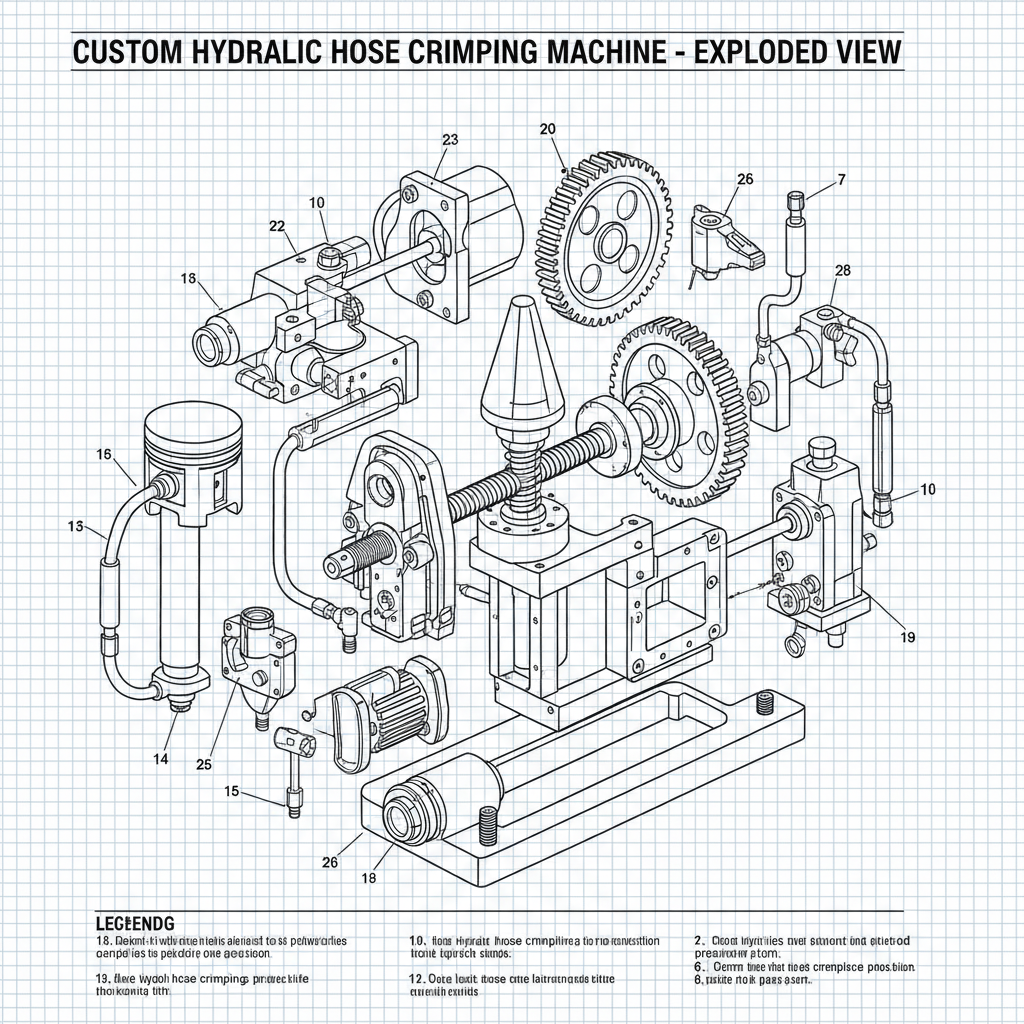
Utilizing a supplier offering hose crimping services ensures accurate and reliable hose terminations, maximizing safety and performance. Proper crimping is critical for preventing leaks and failures under pressure. A supplier with crimping expertise will use calibrated equipment and follow industry best practices to deliver high-quality assemblies.
Look for suppliers with ISO 9001 certification or other relevant quality accreditations. Request references from existing customers and conduct thorough due diligence. Inquire about their quality control procedures, testing capabilities, and warranty policies. Consider conducting a site visit to assess their facilities and operations.
Immediately contact your hydraulic hose supplier and document the defect with photos or videos. Follow their return policy for obtaining a replacement or refund. Investigate the cause of the defect to prevent recurrence, and provide feedback to your supplier to help them improve their quality control processes.
Conclusion
In conclusion, selecting the right hydraulic hose supplier is a critical decision that impacts operational efficiency, safety, and overall profitability. By carefully evaluating factors such as product quality, technical expertise, and logistical capabilities, businesses can forge strong partnerships that deliver reliable solutions and long-term value. Understanding the evolving landscape of the hydraulic hose industry, including emerging technologies and sustainability trends, is essential for making informed procurement decisions.
As industries continue to demand more sophisticated and reliable hydraulic systems, the role of hydraulic hose suppliers will only become more critical. Proactive engagement with suppliers, a commitment to continuous improvement, and a focus on innovation will be key to unlocking the full potential of hydraulic technology and driving success in the years to come. Visit our website at www.hydhoses.com to learn more about our extensive range of hydraulic hose solutions.

 Call Us+86-158-0331-9351
 Emailcarrie@sinopulse.cn
 AddressHandan City, Hebei , China