Your Trusted 24 Hours Service Provider!

-
 Call Us+86-158-0331-9351
 -
 Emailcarrie@sinopulse.cn
 -
 AddressHandan City, Hebei , China


Hydraulic hose supply is a critical component of countless industries globally, from construction and agriculture to manufacturing and emergency services. The reliable transfer of hydraulic power depends on the quality, durability, and availability of these hoses. A robust hydraulic hose supply chain ensures operational efficiency, minimizes downtime, and ultimately contributes to economic productivity. Understanding the nuances of this supply – from material science and manufacturing processes to logistics and maintenance – is paramount for businesses relying on hydraulic systems.
The demand for hydraulic hose supply is intrinsically linked to global industrial activity and infrastructure development. Emerging economies, in particular, are driving significant growth in this sector, fueled by increased investment in construction, energy, and manufacturing. However, challenges such as fluctuating raw material prices, stringent safety regulations, and the need for environmentally sustainable solutions are shaping the future of hydraulic hose supply. Effective management of these challenges is key to ensuring a consistent and dependable supply for end-users.
The importance of a consistent hydraulic hose supply extends beyond simple functionality. It directly impacts safety, preventing potential accidents caused by hose failure, and contributes to the overall lifespan and efficiency of hydraulic equipment. Investing in high-quality hoses and a reliable supply network is therefore a strategic decision for any organization dependent on hydraulic power.
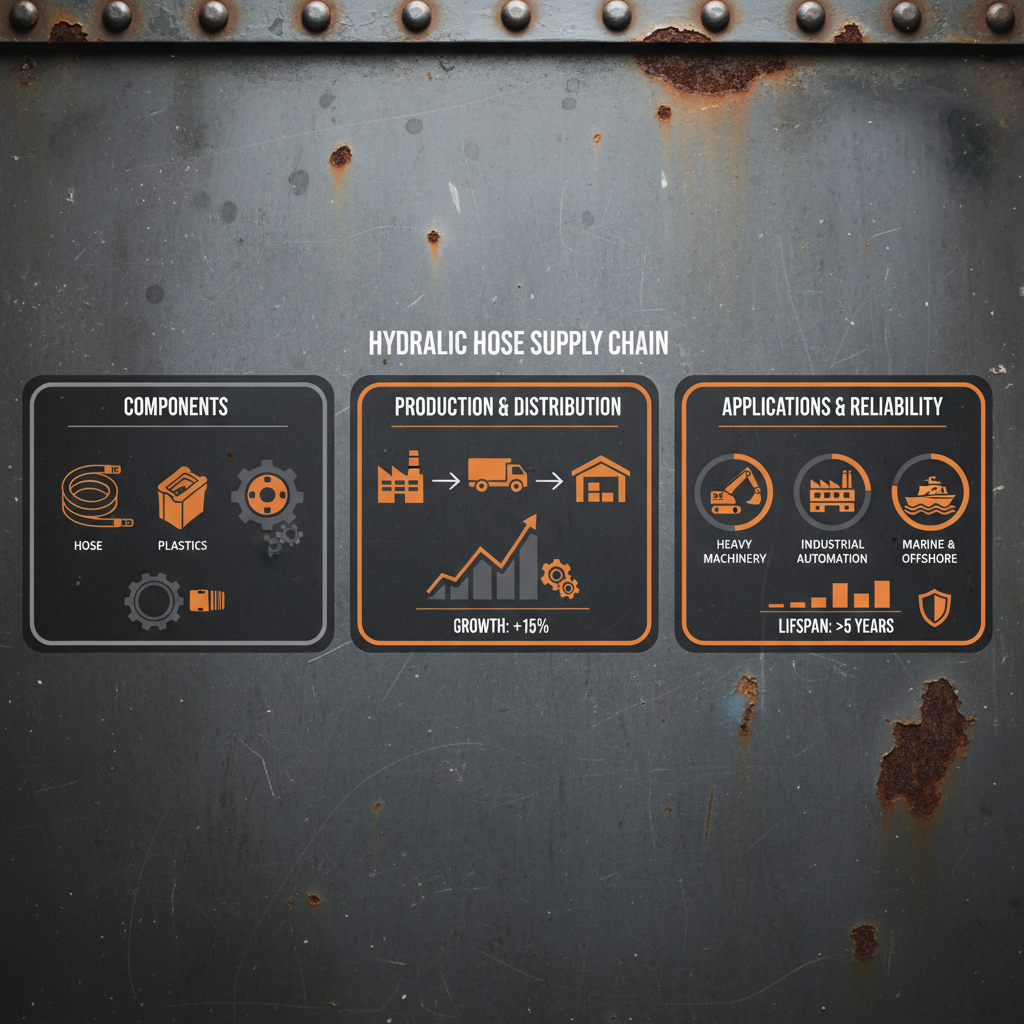
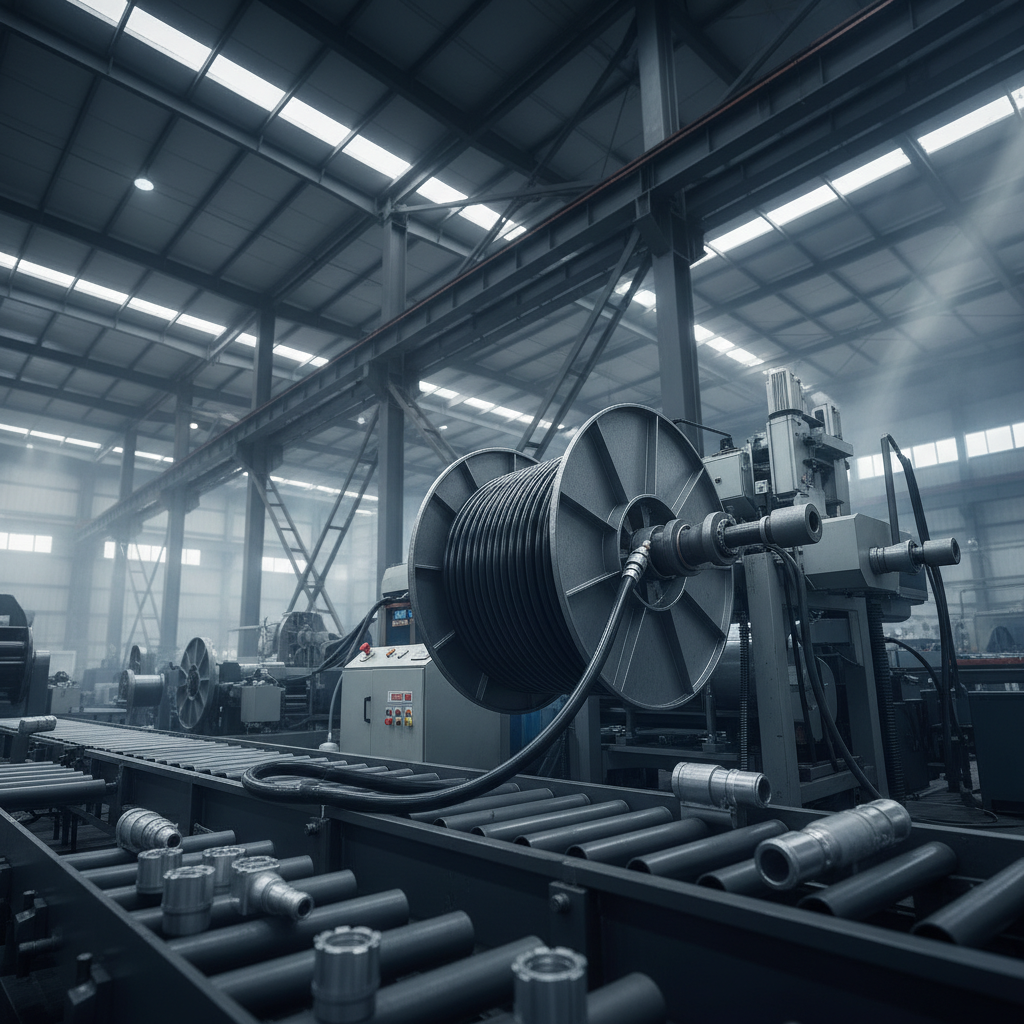
Hydraulic hose supply is a cornerstone of modern industry, facilitating the operation of heavy machinery across diverse sectors. The global market for hydraulic hoses is substantial and continues to expand, driven by infrastructure development, industrial automation, and the demand for efficient power transmission. According to recent industry reports, the global hydraulic hoses market was valued at USD 8.2 billion in 2023 and is projected to reach USD 10.5 billion by 2030, growing at a CAGR of 3.6% from 2024 to 2030 (source: Global Market Insights).
A disrupted hydraulic hose supply can have cascading effects, halting production lines, delaying projects, and increasing operational costs. Consequently, businesses are increasingly prioritizing supply chain resilience and seeking reliable partners who can guarantee timely delivery of high-quality hoses.
When choosing a supplier for your hydraulic hose supply needs, consider their product range, quality certifications, lead times, pricing, and customer support capabilities. Look for a supplier with a proven track record, a commitment to quality, and the ability to meet your specific requirements. Check for ISO certifications, material traceability, and rigorous testing procedures.
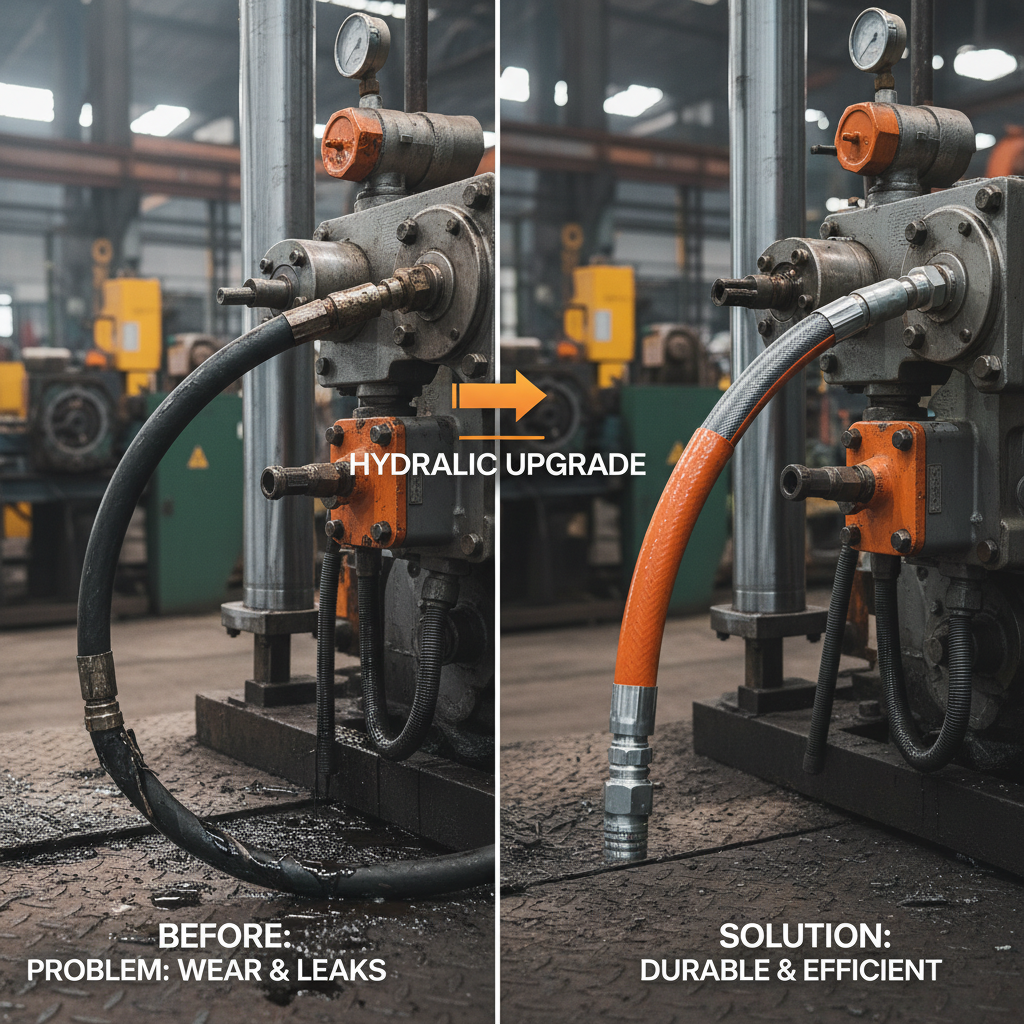
Regular inspection is vital for maintaining the integrity of your hydraulic hoses. Inspect hoses visually for cracks, abrasions, leaks, and kinks. The frequency of inspection depends on the application and operating conditions, but a good rule of thumb is to inspect hoses monthly or after every 100 hours of operation. Replace hoses if any damage is detected or if they reach their recommended service life.
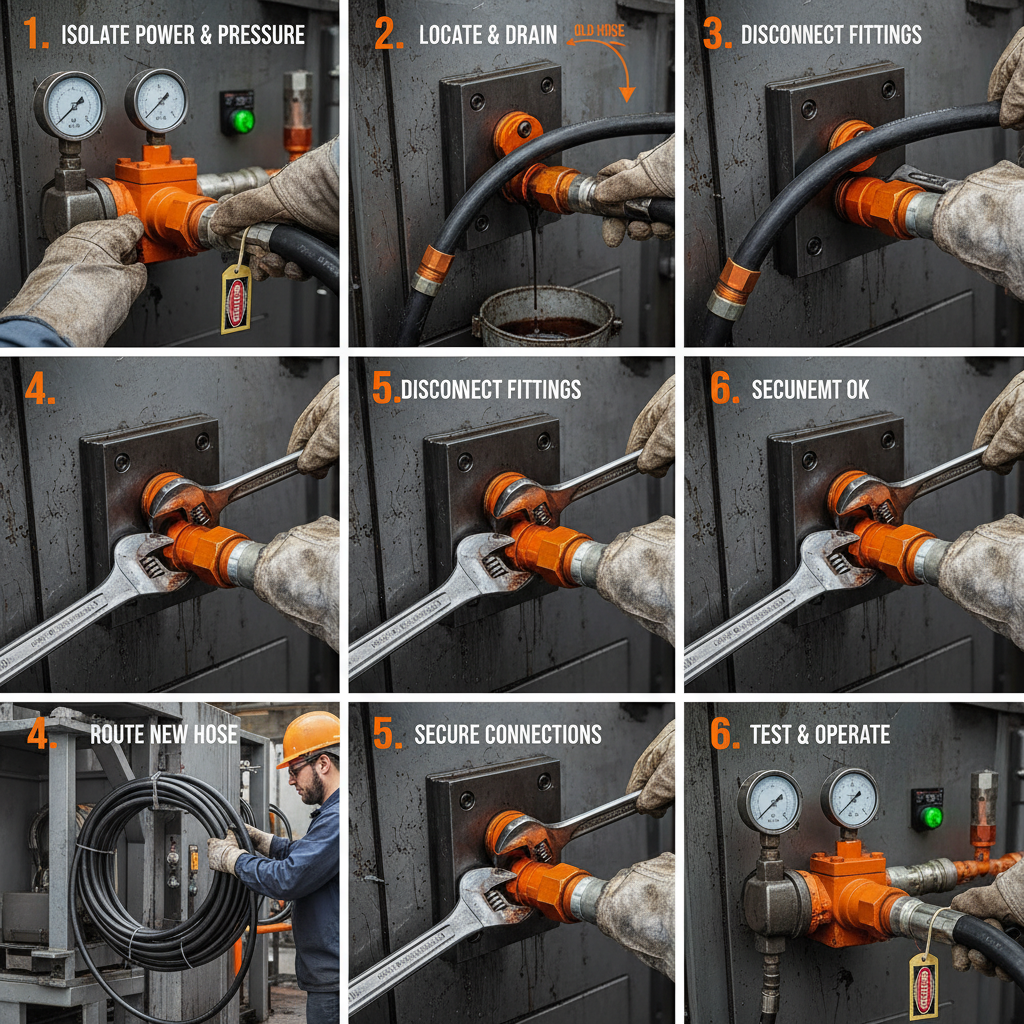
Proper hose assembly and crimping are critical for ensuring the reliability and safety of hydraulic systems. Incorrectly assembled hoses can fail prematurely, leading to costly downtime and potential hazards. Always use certified crimping tools and follow the manufacturer's specifications for crimp size and pressure. Ensure the fittings are compatible with the hose and fluid.
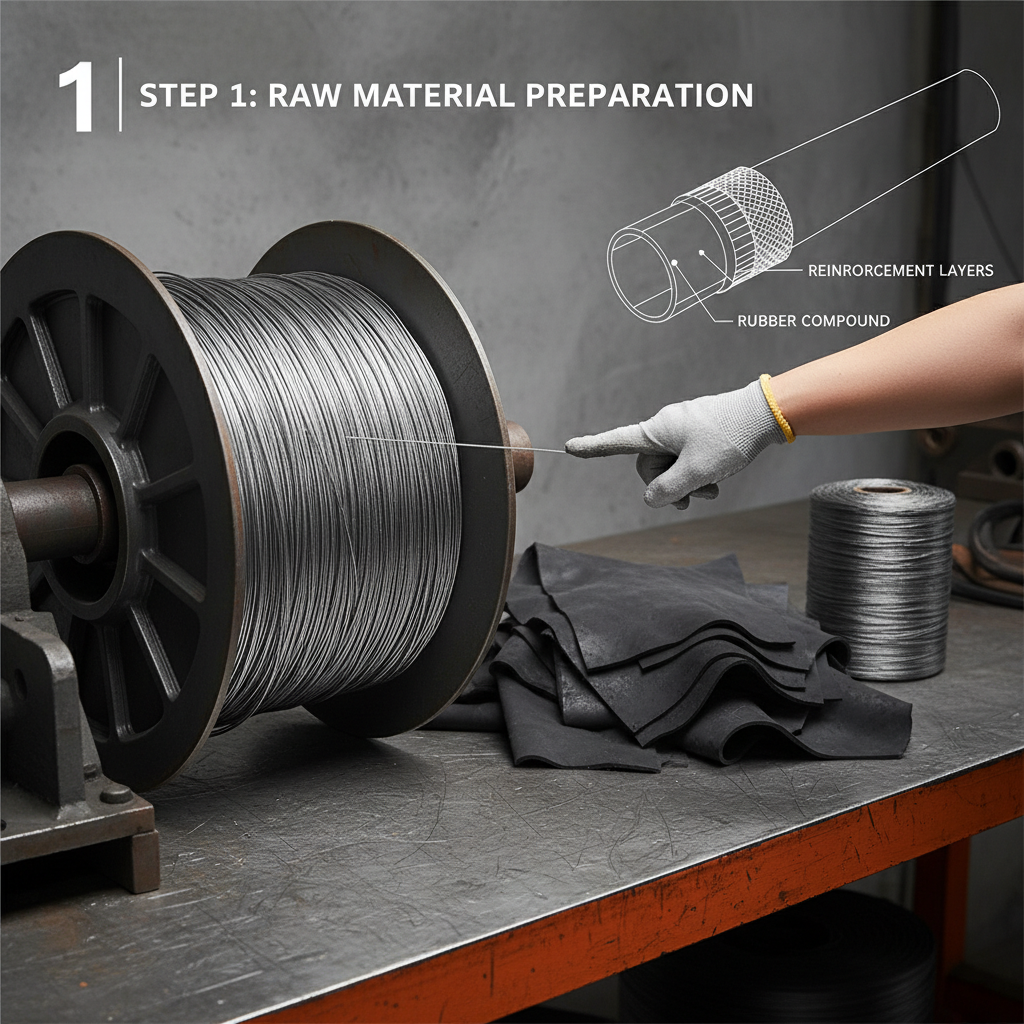
Various materials are used in hydraulic hose construction, including rubber, thermoplastic, and PTFE. Rubber hoses are cost-effective and suitable for general-purpose applications. Thermoplastic hoses offer excellent abrasion resistance and are ideal for high-pressure systems. PTFE hoses provide superior chemical resistance and are often used in demanding environments. The best material depends on the fluid type, pressure, temperature, and operating conditions.
Extend the lifespan of your hydraulic hoses through proper installation, regular inspection, and preventative maintenance. Avoid sharp bends and abrasions, use protective sleeves where necessary, and ensure the hoses are routed correctly. Select hoses that are compatible with the hydraulic fluid and operating conditions. Avoid over-pressurization and excessive heat.
Innovations in hydraulic hose technology include the development of smart hoses with integrated sensors, advanced materials with enhanced durability and chemical resistance, and improved manufacturing processes for greater precision and quality. 3D printing is also emerging as a potential technology for creating customized hoses on demand. These advancements are driving efficiency and reliability in hydraulic systems.
In conclusion, a robust and reliable hydraulic hose supply is paramount for the smooth and efficient operation of countless industries globally. From ensuring safety and minimizing downtime to enhancing sustainability and driving innovation, the benefits of prioritizing a dependable supply chain are undeniable. Understanding the key factors influencing hose performance, embracing emerging technologies, and proactively addressing potential challenges are essential for long-term success.
Investing in quality hoses, establishing strategic partnerships with reputable suppliers, and implementing a comprehensive maintenance program will yield significant returns. By prioritizing a dependable hydraulic hose supply, businesses can unlock greater operational efficiency, reduce costs, and maintain a competitive edge in today’s dynamic marketplace.