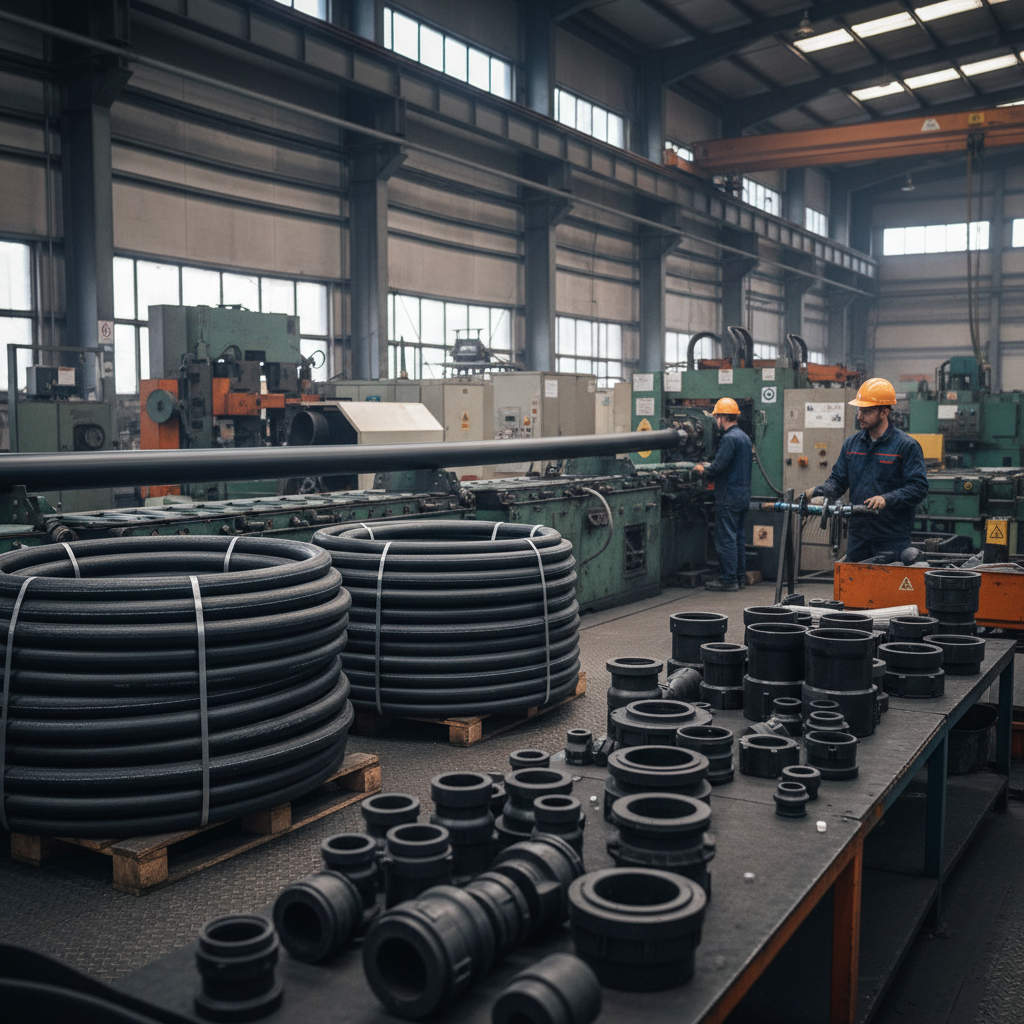
To be honest, the whole hydraulic hose business has been…interesting lately. Everyone's talking about smart hydraulics, IoT integration, predictive maintenance – fancy words, right? But out on the sites, the guys just want a hose that doesn't burst when they're running a backhoe in the mud. Still, you gotta keep an eye on those trends. We’re seeing a big push for lighter materials, more flexible hoses, and, surprisingly, a return to some of the older, simpler designs. People are realizing sometimes the complicated stuff just adds more points of failure.
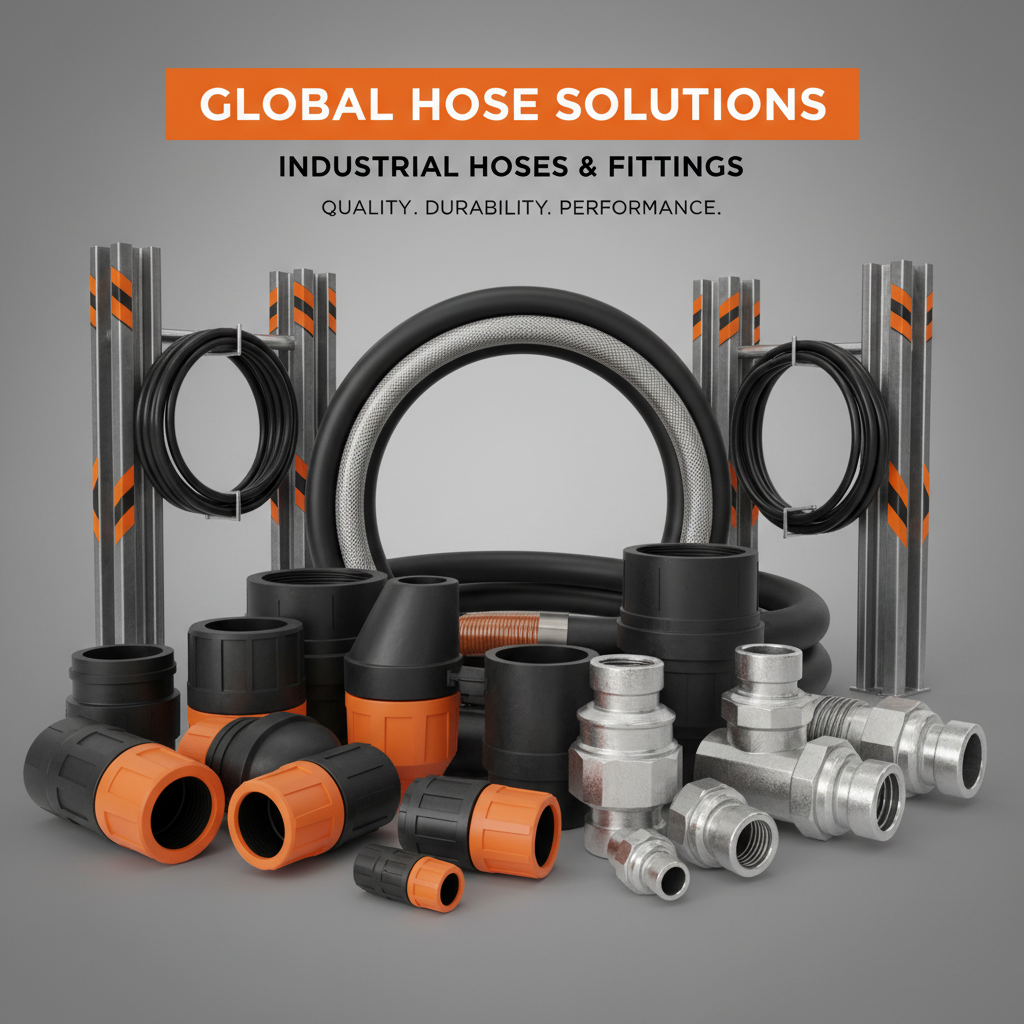
Have you noticed how many companies fall into the trap of over-engineering the fittings? They’ll spend a fortune on exotic alloys and precision machining, and then the rubber hose itself is…well, just rubber. It’s like putting a Ferrari engine in a beat-up old pickup truck. The connection is crucial, obviously, but if the hose can’t handle the pressure, the fancy fitting is just spinning its wheels. It's about balance, something a lot of designers forget when they're staring at CAD models all day.
And speaking of rubber, that's where things get real. We’re primarily using a blend of synthetic rubbers – nitrile for oil resistance, EPDM for weathering, and sometimes a bit of neoprene for extra durability. Smell it, you can tell the difference between a good compound and a cheap one. A good nitrile hose has this slightly sweet, almost plastic smell. A cheap one…well, it just smells like burnt rubber. Handling them, the good ones are pliable, smooth. The cheap ones feel grainy, brittle. You can tell just by feel if it's going to last.
The Evolving Landscape of hydraulic hose
Strangely enough, the demand for incredibly high-pressure hoses is actually decreasing. More and more applications are moving towards lower-pressure systems, focused on efficiency and control rather than brute force. It's not always about bigger, you know? It’s about smarter. That being said, the extreme-duty stuff – mining, heavy construction, offshore oil rigs – that still demands the absolute best, and we’re constantly pushing the limits of what’s possible.
And then there’s the environmental side. People are asking for more sustainable materials, biodegradable options, hoses that can be easily recycled. It's a challenge, honestly. Finding materials that meet the performance requirements and are environmentally friendly is tough. But it’s a direction we have to go.
Design Pitfalls and the Importance of Balance
I encountered this at a factory in Ningbo last time. They were making these incredibly complex hoses with layers upon layers of reinforcement. Looked beautiful on the blueprint. But when they actually put them on a machine and started cycling them, they delaminated after only a few hundred cycles. Too much complexity, too many different materials expanding and contracting at different rates. Simple is often better.
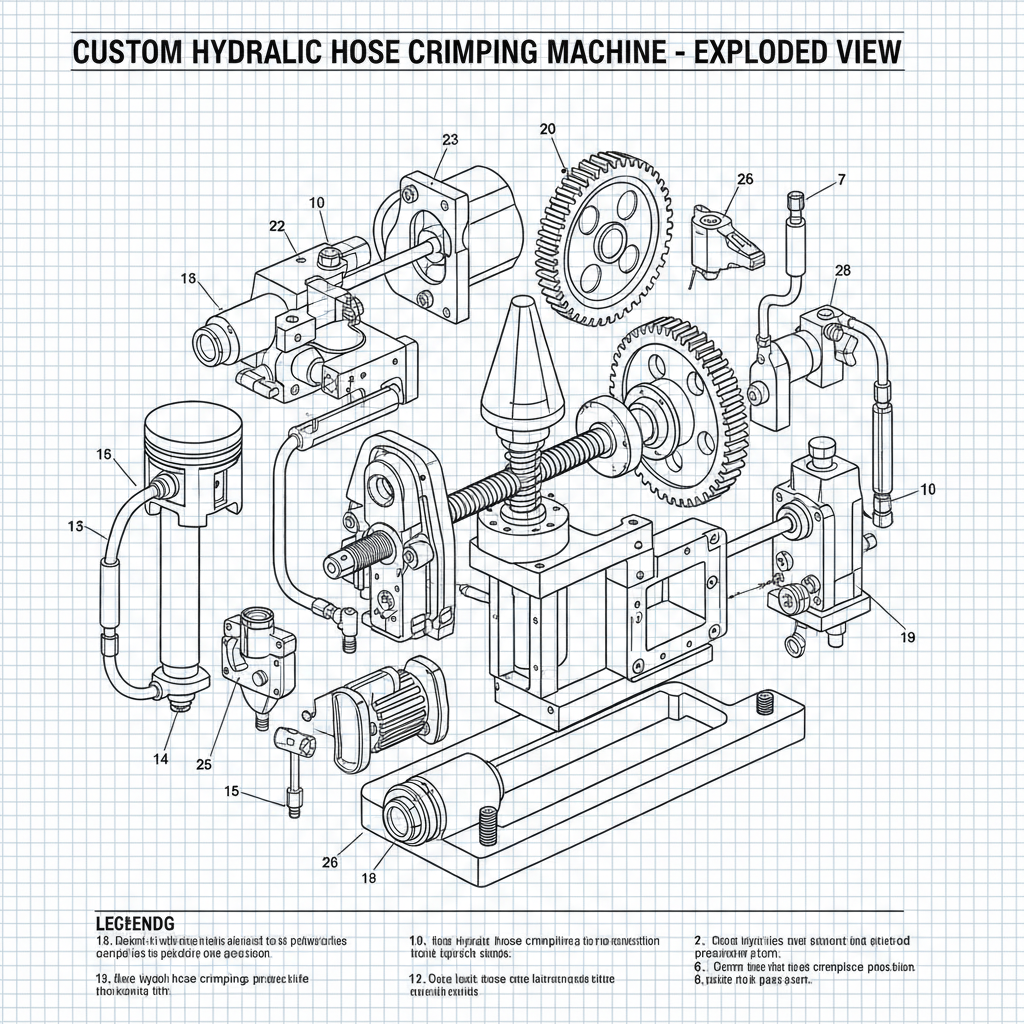
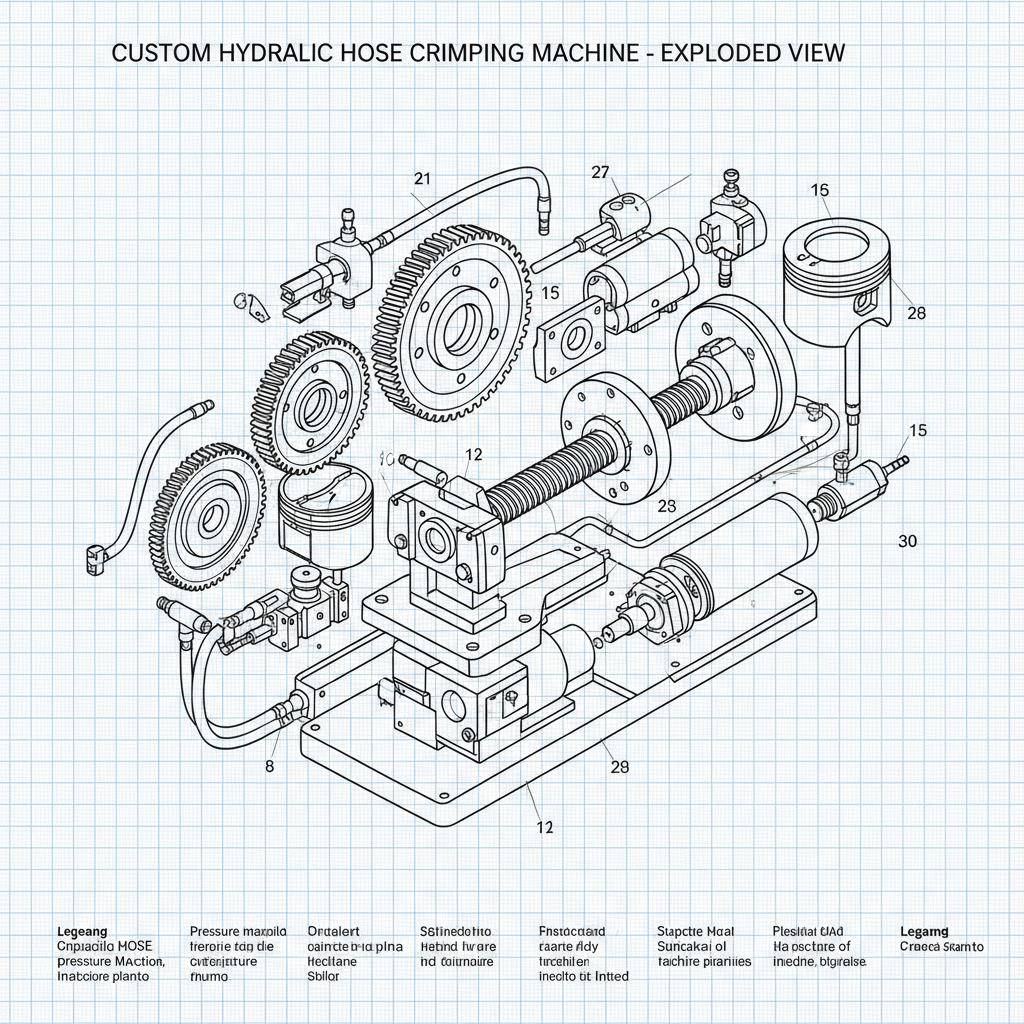
The biggest mistake I see is neglecting the end fittings. A weak fitting will always be the point of failure, no matter how good the hose itself is. And it’s not just about the material – it’s about the crimping process, the geometry of the fitting, the proper sealant. A bad crimp can create stress concentrations that lead to premature failure.
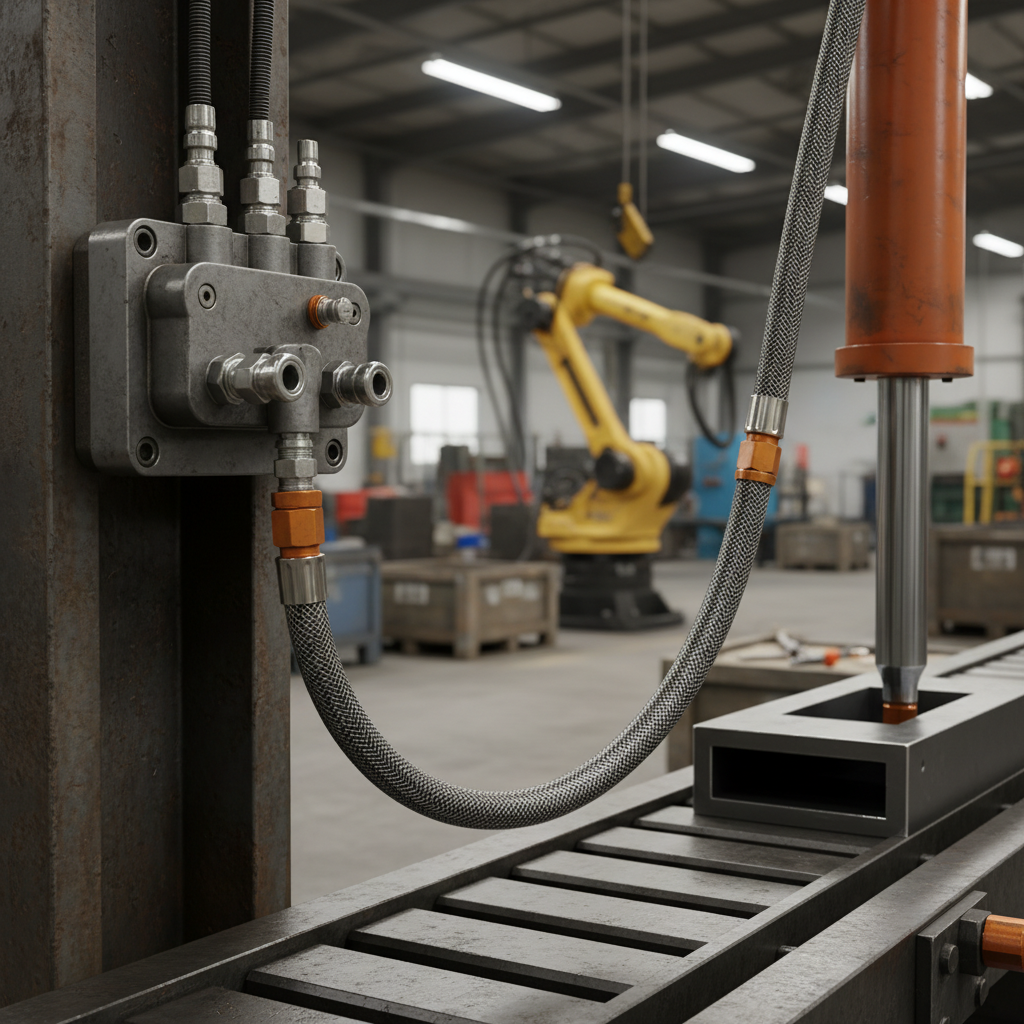
Anyway, I think a lot of these engineers forget that these hoses aren't going to live in a pristine lab. They're going to get dragged through dirt, exposed to chemicals, bent at awkward angles. They need to be robust, forgiving.
Material Selection: It's More Than Just Rubber
It’s not just about the type of rubber, it's about the reinforcement. We use steel wire, textile braiding, and sometimes even spiral wire reinforcement for high-pressure applications. Each one has its pros and cons. Steel is strong, but it’s heavy and can corrode. Textile is lighter, but it’s not as strong. Spiral wire gives you flexibility and strength, but it’s expensive.
And the inner tube material… that’s critical. If you're dealing with petroleum-based fluids, you need nitrile. If you're dealing with water-based fluids, EPDM is the way to go. Mixing them up is a recipe for disaster. You’ll get swelling, cracking, and ultimately, a hose that fails. And don’t even get me started on the different grades of rubber. There’s a huge difference between a cheap, low-grade nitrile and a premium, high-grade nitrile.
Then there are the additives – antioxidants, stabilizers, flame retardants. These things aren’t glamorous, but they’re essential for extending the life of the hose and ensuring its safety. It's a surprisingly complex science, really.
Real-World Testing: Beyond the Lab
Lab testing is important, sure. Burst pressure, tensile strength, elongation… but it only tells you part of the story. I’ve seen hoses pass all the lab tests and still fail miserably on the job site. That's why we do a lot of field testing. We put hoses on actual machines, in actual applications, and see how they hold up.
We run impulse tests – repeatedly pulsing pressure to simulate the stresses of hydraulic systems. We do bend tests – bending the hose at various angles to see how it resists kinking and cracking. We expose hoses to extreme temperatures, chemicals, and UV radiation. It’s not pretty, but it’s necessary.
hydraulic hose Performance Metrics
Usage Patterns: What Users Actually Do
You know what drives me crazy? People assume users will follow the instructions. They’ll design a hose for a specific application, write a detailed instruction manual, and then…the users will just do whatever they want. They’ll bend it at the wrong angle, over-pressurize it, expose it to incompatible fluids. It’s inevitable.
That’s why we try to design for abuse. We build in safety margins, use robust materials, and try to anticipate how users might misuse the hose. It’s not always possible, but it’s something we always keep in mind.
Advantages, Disadvantages, and the Pursuit of Improvement
The biggest advantage of a good hydraulic hose? Reliability. If it doesn’t leak, doesn’t burst, and doesn’t fail, it saves the customer time, money, and a whole lot of headaches. Simple as that. The disadvantages? Well, they can be expensive, especially the high-performance ones. And they’re not always easy to repair in the field.
But we’re always looking for ways to improve. New materials, better manufacturing processes, smarter designs. It's a constant process of refinement. We've been looking into self-sealing hoses lately, hoses that can automatically seal minor leaks. It's still in the early stages of development, but it shows promise.
Customization Options and a Customer Story
We do a lot of customization. Different lengths, different fittings, different materials. Last month, that small boss in Shenzhen who makes smart home devices insisted on changing the interface to for all his hydraulic connections. Said it was more “future-proof.” The result was a nightmare. The connectors kept getting clogged with grease and dirt, and the hoses kept failing. He ended up switching back to a standard quick-connect fitting. Sometimes, “future-proof” just means overcomplicated.
Anyway, I think the key is to listen to the customer, understand their needs, and then provide them with a solution that’s both reliable and cost-effective. And don’t be afraid to tell them when their ideas are…well, let's just say impractical.
Summary of Key Hydraulic Hose Performance Characteristics
| Performance Metric |
Testing Procedure |
Typical Range |
Acceptable Limit |
| Burst Pressure (PSI) |
Hydrostatic pressure test until failure |
2000-5000 |
Minimum 1.5x working pressure |
| Flex Radius (inches) |
Bend test to observe kinking |
6-12 |
No kinking or cracking |
| Temperature Resistance (°F) |
Exposure to high and low temperatures |
-40 to 250 |
No degradation of material |
| Oil Resistance |
Immersion in various oils |
Excellent |
Minimal swelling or degradation |
| Abrasion Resistance |
Taber abrasion test |
50-100 mg loss |
Maximum 150 mg loss |
| Impulse Pressure |
Cyclic pressure testing |
100,000+ cycles |
No leaks or failures |
FAQS
Braided hoses are more flexible and cost-effective for lower-pressure applications. Spiral hoses offer higher pressure ratings and are more resistant to kinking, making them ideal for demanding environments. Essentially, braided is your everyday workhorse, while spiral is for heavy-duty jobs. It's about matching the hose to the application. You don't need a spiral hose to power a lawnmower, right?
You need to know the maximum pressure of the hydraulic system, and then add a safety factor. A general rule of thumb is to use a hose with a working pressure at least four times the maximum system pressure. It’s better to over-engineer it than to risk a catastrophic failure. And remember to factor in pressure spikes – those sudden surges of pressure that can happen when valves close quickly.
A lot of things! Over-pressurization, improper installation, abrasion, kinking, chemical exposure, and simply age. Sometimes it’s a combination of factors. Regular inspection is key. Look for cracks, bulges, leaks, and any signs of wear and tear. Replacing a hose before it fails is a lot cheaper than dealing with the downtime and potential damage from a catastrophic failure.
It depends. Minor damage, like a small abrasion, can sometimes be repaired with a protective sleeve. But if the hose is cracked, bulging, or has internal damage, it should always be replaced. Trying to repair a severely damaged hose is just asking for trouble. The integrity of the hose is paramount.
Keep them out of direct sunlight, away from extreme temperatures, and in a clean, dry place. Coiling them loosely is better than tightly winding them, as tight winding can cause kinking. And don't store them near ozone-generating equipment, like electric motors, as ozone can degrade the rubber.
We’re seeing some development in bio-based rubbers and recyclable hose materials, but it's still early days. The challenge is finding materials that meet the performance requirements without compromising durability or safety. It’s a growing area of research, though, and I expect to see more options become available in the next few years.
Conclusion
Ultimately, hydraulic hoses aren’t glamorous. They’re the unsung heroes of countless industries, quietly doing their job day in and day out. But they’re also critical components, and a failure can have serious consequences. Selecting the right hose, installing it correctly, and maintaining it properly are essential for ensuring safety, reliability, and efficiency.
And let's be real, whether this thing works or not, the worker will know the moment he tightens the screw. That’s the final test. That's where all the engineering, the material science, and the testing come down to. If it holds, it's good. If it doesn't…well, back to the drawing board.

 Call Us+86-158-0331-9351
 Emailcarrie@sinopulse.cn
 AddressHandan City, Hebei , China