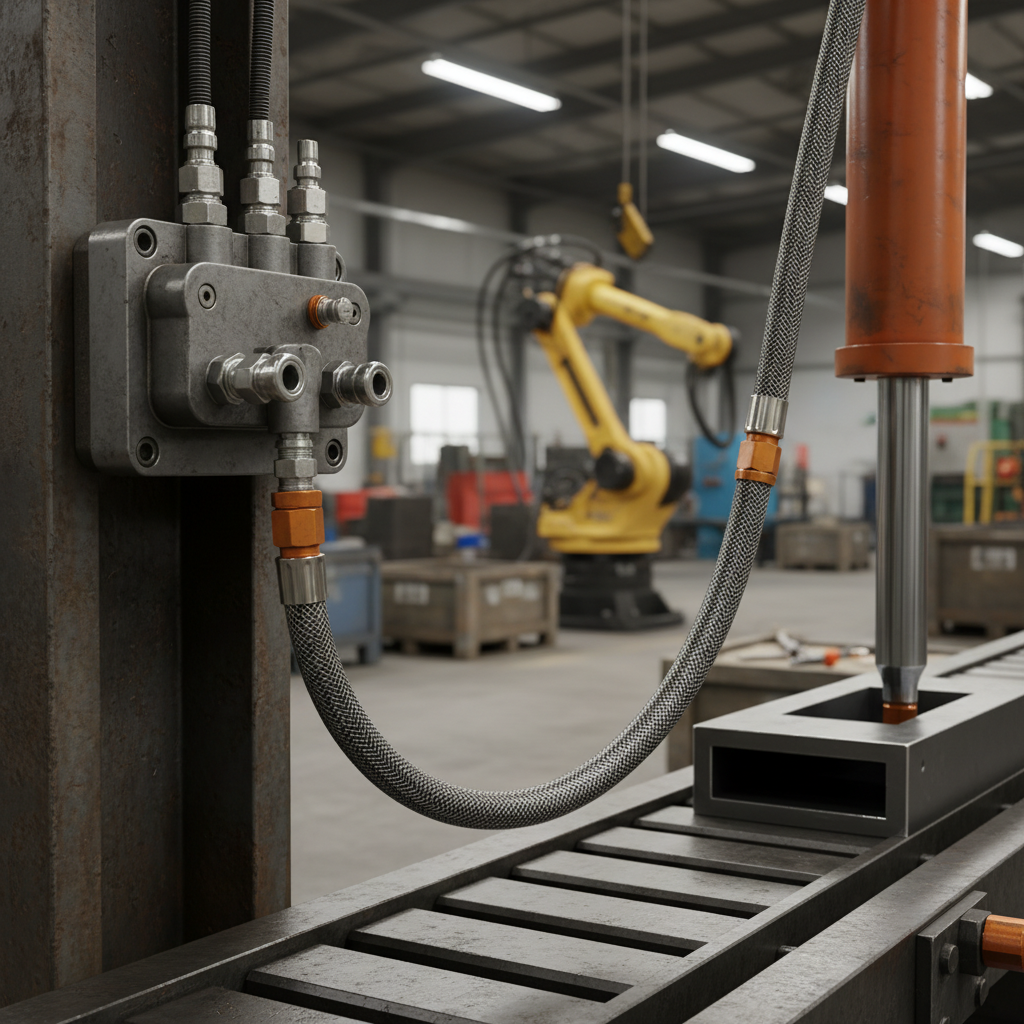
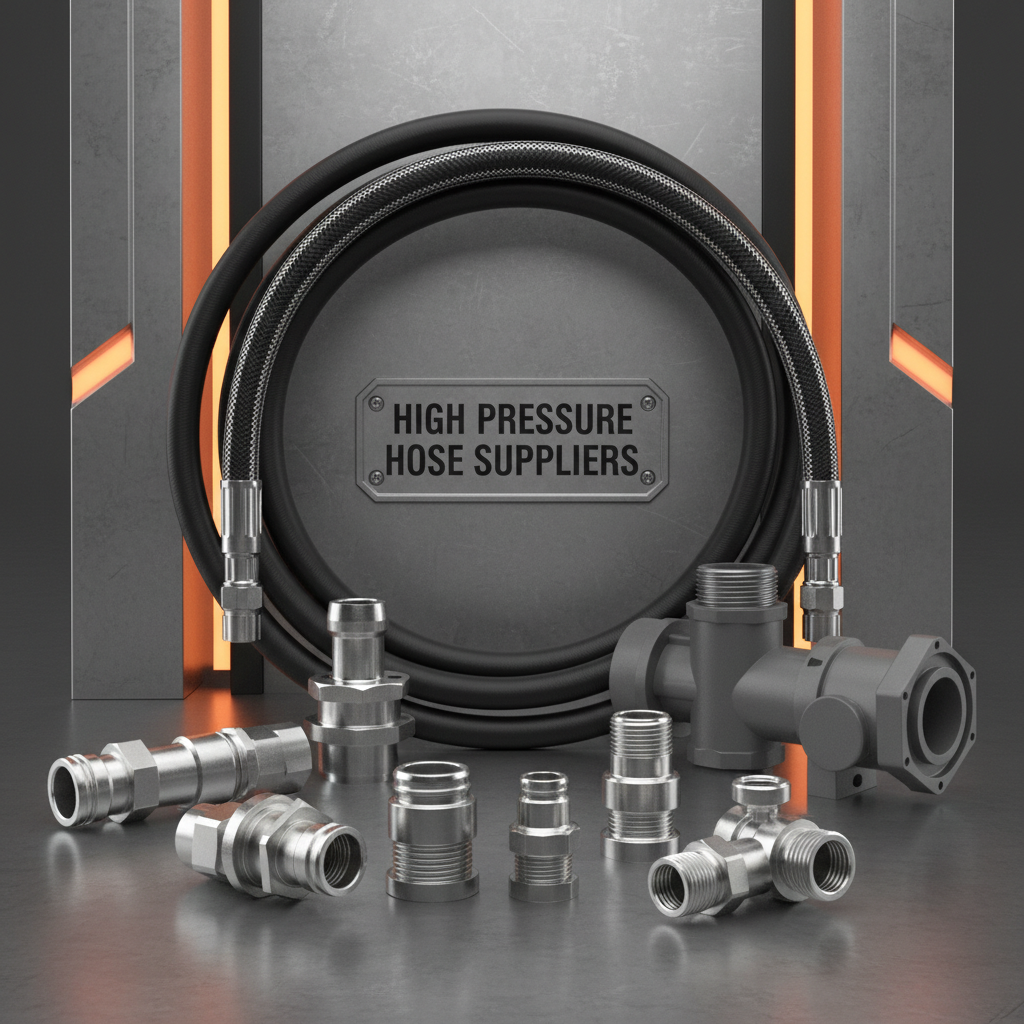
High pressure hydraulic hose are essential components in a vast array of industries globally, powering everything from heavy machinery in construction and mining to critical systems in aerospace and marine applications. Their ability to safely and efficiently transmit fluid power makes them indispensable for modern industrial operations. Understanding the nuances of these hoses – their construction, capabilities, and limitations – is crucial for ensuring operational safety, maximizing performance, and minimizing downtime.
The global market for hydraulic hoses is significant, driven by ongoing industrialization and infrastructure development. According to recent reports, the hydraulic hose market is projected to reach substantial growth in the coming years, particularly in emerging economies. This growth is fueled by increasing demand in sectors like agriculture, oil & gas, and manufacturing. However, this demand also presents challenges related to material sourcing, quality control, and adherence to stringent safety standards.
Investing in a thorough understanding of high pressure hydraulic hose is not just a technical necessity, it's a strategic advantage. Choosing the right hose for a specific application can significantly impact productivity, reduce maintenance costs, and enhance overall system reliability. Moreover, advancements in hose technology are continually offering improved performance characteristics, such as increased pressure ratings, extended service life, and enhanced resistance to harsh environmental conditions.
Introduction to High Pressure Hydraulic Hose
High pressure hydraulic hose are specialized tubes designed to convey pressurized fluids, typically hydraulic oil, to transmit power. They are a critical element in hydraulic systems, enabling the operation of a wide range of machinery and equipment. The selection of the appropriate hose is paramount, considering factors like pressure rating, fluid compatibility, temperature range, and application environment.
These hoses aren’t simply conduits; they’re engineered components that directly influence system efficiency and safety. Failures can lead to costly downtime, environmental hazards, and even pose a risk to personnel. Therefore, proper installation, maintenance, and replacement procedures are essential for ensuring reliable operation.
Defining High Pressure Hydraulic Hose
A high pressure hydraulic hose is fundamentally a flexible conduit engineered to safely transmit pressurized hydraulic fluid. Unlike standard hoses, these are specifically constructed to withstand extreme pressures – often exceeding 3,000 psi and reaching upwards of 6,000 psi or more – without bursting or leaking. They’re commonly used in systems where rigid piping is impractical or impossible due to movement, vibration, or complex geometries.
The connection to modern industry is undeniable. From the massive hydraulic excavators used in construction to the intricate control systems in aircraft, high pressure hydraulic hose are the backbone of countless operations. They enable precise and powerful movements, facilitating efficient and reliable performance across a spectrum of applications. Their role extends even to humanitarian applications, powering equipment used in disaster relief and emergency response.
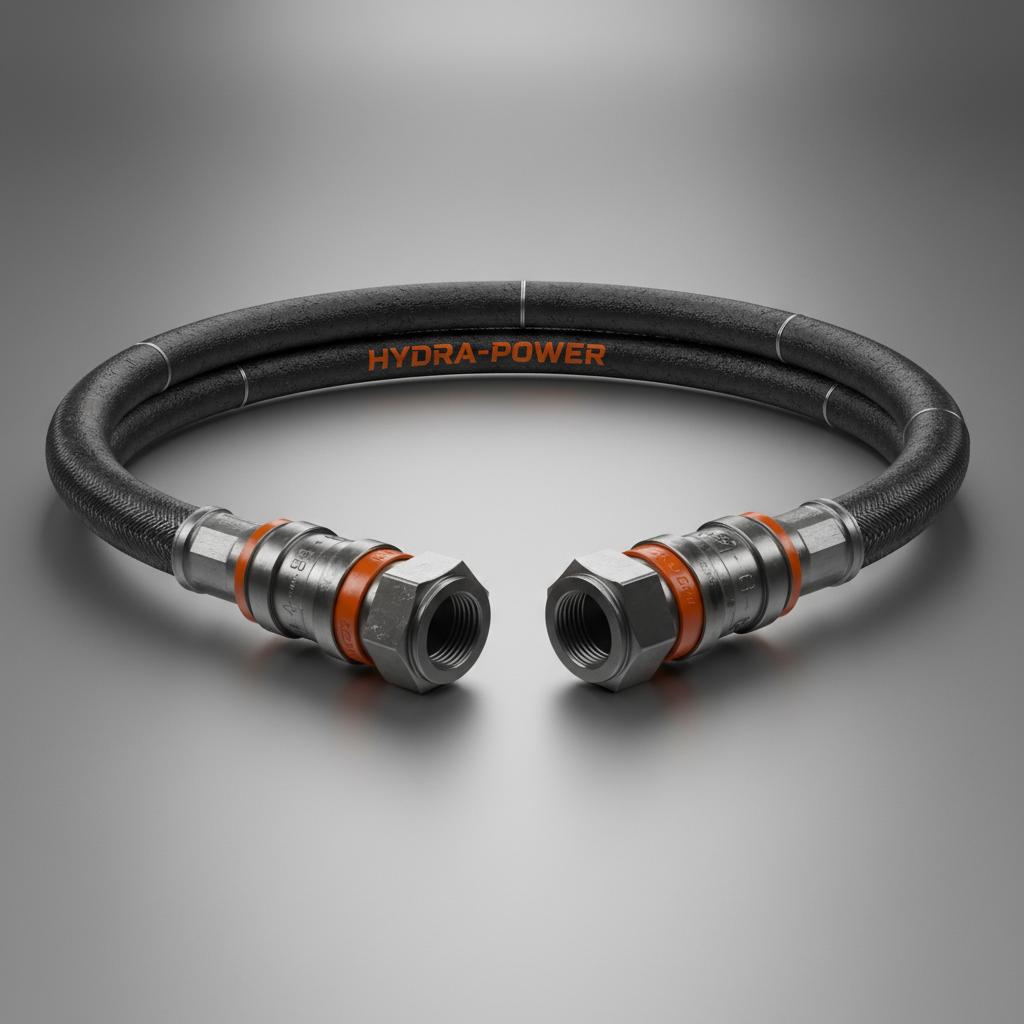
The defining characteristic of a "high pressure" hose lies in its robust construction. This typically involves multiple layers of reinforcement, including high-tensile steel wire braiding or spiraling, encased within a durable inner tube and outer cover designed to resist abrasion, chemicals, and extreme temperatures.
Core Components and Construction
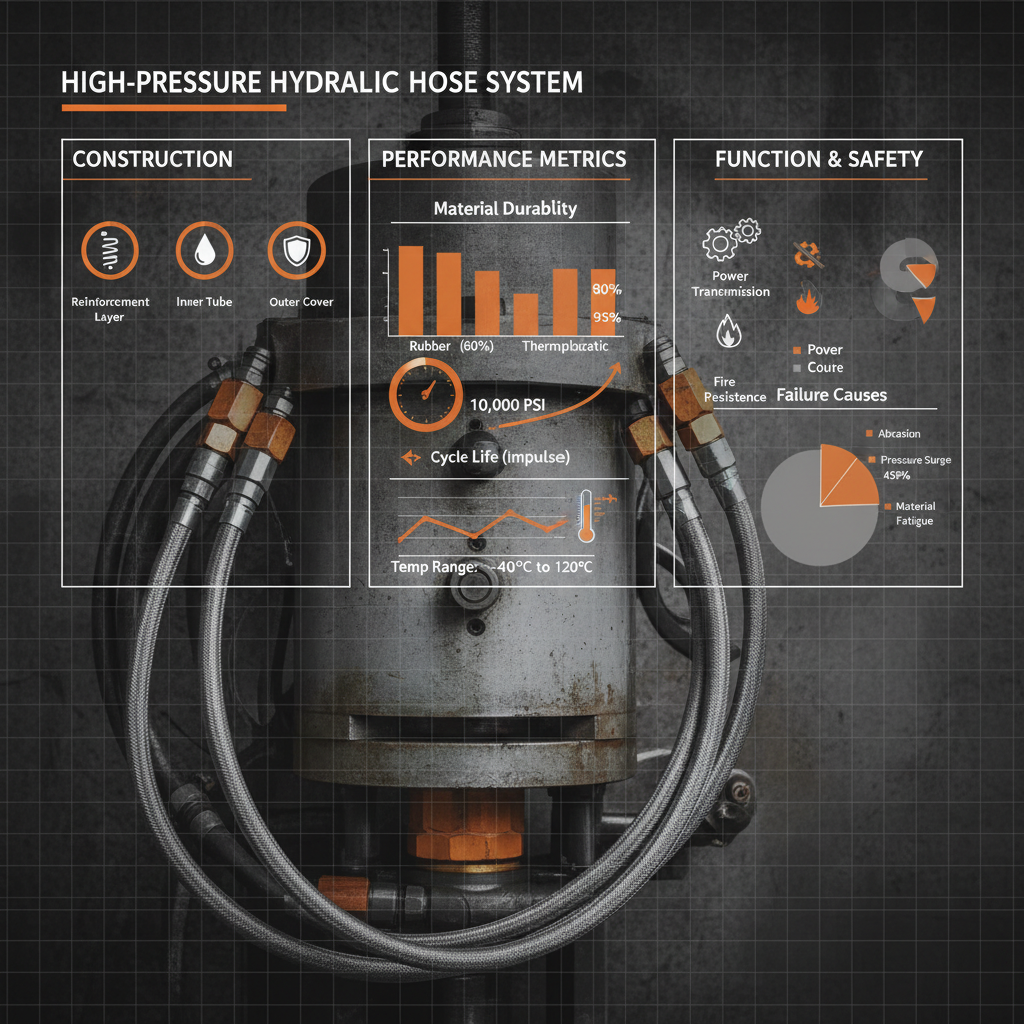
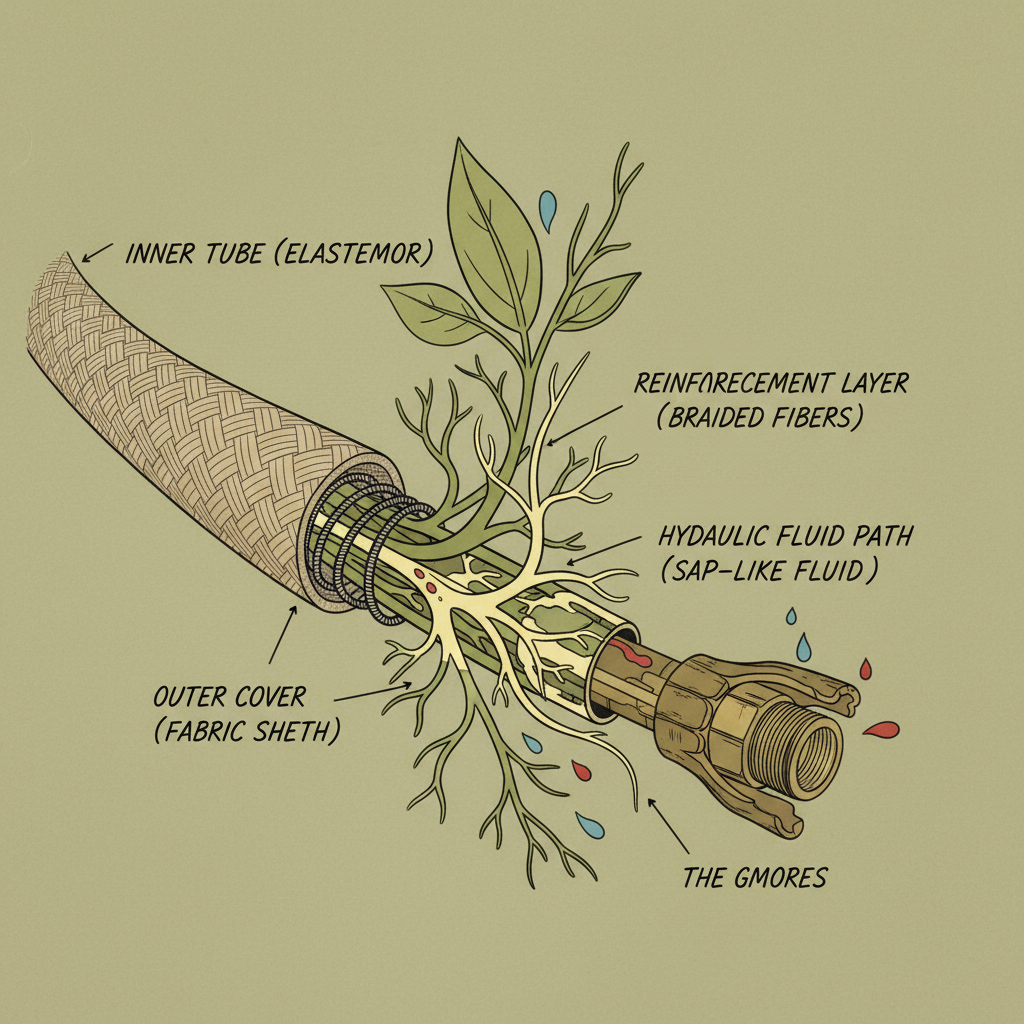
Understanding the construction of a high pressure hydraulic hose is key to appreciating its capabilities. Generally, a hose consists of four primary components: the inner tube, reinforcement layers, the outer cover, and the end fittings. The inner tube must be compatible with the hydraulic fluid being used, resisting degradation and maintaining flexibility.
The reinforcement layers are critical for withstanding high pressures. These layers are typically constructed from multiple braids or spirals of high-tensile steel wire, providing the strength and flexibility necessary to prevent bursting. The number and configuration of these layers directly impact the hose's pressure rating. The outer cover provides protection against abrasion, weather, and chemical exposure, extending the hose’s service life.
Finally, the end fittings – typically made of steel or stainless steel – are crimped or swaged onto the hose, providing a secure and leak-proof connection to the hydraulic system. The proper selection and installation of these fittings are crucial for safety and performance.
Key Performance Characteristics
Several key performance characteristics define the suitability of a high pressure hydraulic hose for a specific application. These include pressure rating, temperature range, fluid compatibility, and abrasion resistance. The pressure rating indicates the maximum pressure the hose can safely withstand without bursting, and must exceed the system’s operating pressure with a sufficient safety factor.
Temperature range defines the operating limits of the hose, as extreme temperatures can affect its flexibility and strength. Fluid compatibility ensures that the hose materials won’t degrade or swell when exposed to the hydraulic fluid being used. Abrasion resistance is crucial in applications where the hose may come into contact with abrasive surfaces.
Comparison of High Pressure Hydraulic Hose Methods
Global Applications and Industry Impact
The applications of high pressure hydraulic hose are incredibly diverse, spanning nearly every industry. In construction, they power excavators, bulldozers, and cranes, enabling heavy lifting and earthmoving operations. In agriculture, they control the operation of tractors, harvesters, and irrigation systems, optimizing crop yields. In manufacturing, they drive hydraulic presses, injection molding machines, and robotic arms, ensuring precise and efficient production processes.
The impact extends to specialized sectors as well. In aerospace, high pressure hydraulic hose are used in flight control systems and landing gear. In marine applications, they power steering systems, winches, and hydraulic cranes. Even in the oil and gas industry, they are crucial for controlling wellheads, operating offshore platforms, and transporting fluids.
Advantages and Long-Term Value Proposition
The advantages of utilizing high quality high pressure hydraulic hose extend beyond simply enabling hydraulic power. Properly selected and maintained hoses contribute significantly to cost savings by reducing downtime, minimizing leaks, and extending equipment lifespan. Investing in durable, reliable hoses translates to increased productivity and reduced maintenance expenditures.
Furthermore, advancements in hose technology are driving improvements in safety and sustainability. New materials and designs are enhancing resistance to environmental factors, reducing the risk of failures and environmental contamination. The long-term value proposition lies in the combined benefits of increased efficiency, reduced costs, enhanced safety, and environmental responsibility.
Future Trends and Innovations in Hydraulic Hose Technology
The future of high pressure hydraulic hose is marked by a drive towards enhanced performance, sustainability, and integration with digital technologies. Research and development are focused on creating hoses with higher pressure ratings, improved flexibility, and greater resistance to extreme temperatures and corrosive fluids.
One emerging trend is the development of “smart” hoses, incorporating sensors that monitor pressure, temperature, and flow rate, providing real-time data for predictive maintenance and system optimization. Another key focus is on utilizing bio-based and recycled materials to reduce the environmental impact of hose production. These innovations will continue to push the boundaries of hydraulic system performance and efficiency.
Challenges and Solutions
Despite advancements, challenges remain in the realm of high pressure hydraulic hose. Common issues include hose failure due to improper installation, exceeding pressure ratings, or exposure to harsh environments. Another challenge is the difficulty in inspecting hoses for internal damage, potentially leading to catastrophic failures. Furthermore, ensuring compatibility between hoses and hydraulic fluids remains a critical consideration.
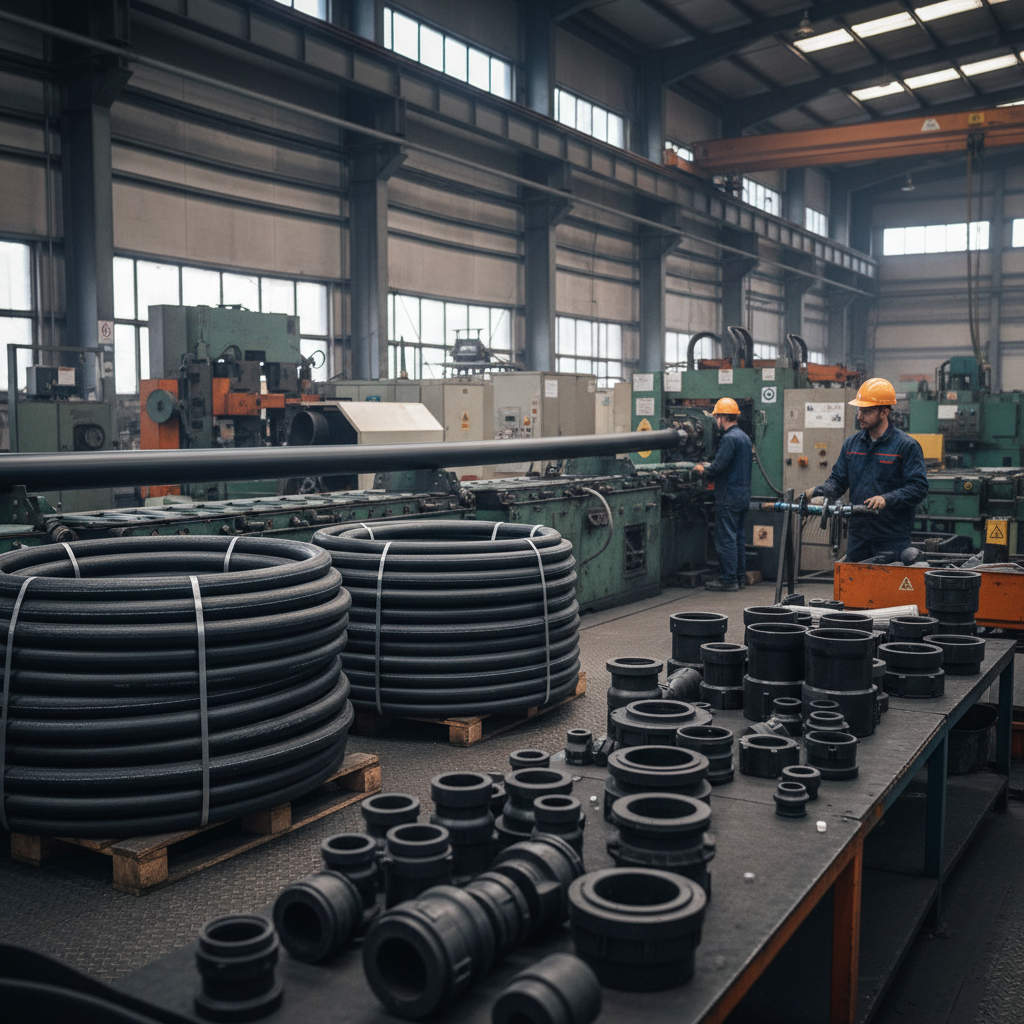
Solutions involve implementing rigorous quality control procedures, providing comprehensive training for installers and maintenance personnel, and utilizing advanced inspection techniques such as ultrasonic testing. Developing hoses with improved self-diagnostic capabilities and incorporating predictive maintenance algorithms can further enhance reliability and safety.
Finally, standardization of hose dimensions and fitting types can improve interchangeability and reduce the risk of errors during installation and maintenance.
Summary of Challenges and Solutions for High Pressure Hydraulic Hose
| Challenge |
Impact on System |
Potential Solution |
Implementation Cost (1-10) |
| Improper Installation |
Reduced hose lifespan, leaks |
Comprehensive training programs |
4 |
| Pressure Exceedance |
Catastrophic failure, safety hazards |
Pressure relief valves, hose selection |
6 |
| Environmental Exposure |
Degradation of hose materials |
Hose with protective outer cover |
5 |
| Internal Damage |
Unexpected failure, downtime |
Ultrasonic testing, regular inspections |
7 |
| Fluid Incompatibility |
Swelling, degradation, leaks |
Proper hose material selection |
3 |
| Lack of Standardization |
Interchangeability issues, errors |
Industry-wide standardization efforts |
8 |
FAQS
The lifespan of a high pressure hydraulic hose varies greatly depending on operating conditions, fluid type, and frequency of use. However, under normal conditions, a well-maintained hose can last between 3 to 7 years. Regular inspection for wear, abrasion, and leaks is crucial for maximizing lifespan and preventing catastrophic failure. Factors like excessive heat, chemical exposure, and pressure surges can significantly reduce service life.
Correct hose sizing is vital for optimal performance and safety. You need to determine the required flow rate, working pressure, and burst pressure. The hose ID (Inner Diameter) should be sufficient to handle the flow rate without excessive pressure drop. The working pressure should be at least 4:1 of the system’s operating pressure, and the burst pressure should be at least 3:1. Consider temperature and fluid compatibility when selecting the hose material. Consulting with a hydraulic specialist is recommended for complex applications.
Common causes of failure include exceeding the pressure rating, improper installation (twisting, kinking), abrasion, chemical attack, and exposure to extreme temperatures. Internal corrosion due to fluid contamination can also weaken the hose over time. Regular inspection and preventative maintenance, such as replacing worn hoses and ensuring proper fluid filtration, can minimize the risk of failure.
Always de-pressurize the hose before disconnecting it from the system. Avoid twisting or kinking the hose during handling. Store hoses in a cool, dry, and dark location, away from direct sunlight and extreme temperatures. Protect hoses from abrasion and damage during storage. When coiling hoses, avoid sharp bends, and consider using hose reels for long-term storage.
The fittings must be compatible with the hose material and rated for the system’s operating pressure. Common fitting types include crimped fittings, swaged fittings, and field-attachable fittings. Ensure the fittings are properly installed and torqued to the manufacturer’s specifications. Using incorrect fittings can lead to leaks, failures, and potential safety hazards.
Braided hoses use multiple layers of interwoven steel wire, offering good flexibility and resistance to kinking. Spiraled hoses use a single continuous wire wound around the hose, providing higher pressure ratings and greater resistance to abrasion. The choice between braided and spiraled hoses depends on the specific application requirements, with spiraled hoses typically preferred for higher-pressure systems.
Conclusion
High pressure hydraulic hose are indispensable components of modern industry, powering a vast range of machinery and equipment. Their ability to safely and efficiently transmit fluid power makes them essential for applications across construction, agriculture, manufacturing, aerospace, and more. Understanding their construction, performance characteristics, and proper maintenance procedures is crucial for ensuring operational safety, maximizing efficiency, and minimizing downtime.
Looking ahead, innovations in materials, design, and sensor technology promise to further enhance the performance and reliability of high pressure hydraulic hose. Embracing these advancements and prioritizing preventative maintenance will be key to unlocking the full potential of hydraulic systems and ensuring sustainable operations. For all your high pressure hydraulic hose needs, visit our website: www.hydhoses.com.

 Call Us+86-158-0331-9351
 Emailcarrie@sinopulse.cn
 AddressHandan City, Hebei , China