Your Trusted 24 Hours Service Provider!

-
 Call Us+86-158-0331-9351
 -
 Emailcarrie@sinopulse.cn
 -
 AddressHandan City, Hebei , China


Hose and hydraulics are integral to modern infrastructure and industrial operations, impacting nearly every facet of daily life. From the delivery of essential resources like water and fuel to the operation of heavy machinery and emergency response systems, these systems are foundational. Understanding the principles and advancements in hose and hydraulics is crucial for engineers, technicians, and anyone involved in maintaining and improving these critical systems. The global demand for efficient and reliable fluid power solutions continues to rise, driving innovation and requiring a skilled workforce.
The economic impact of hose and hydraulic technology is substantial, supporting industries ranging from manufacturing and construction to agriculture and transportation. Efficient hydraulic systems reduce energy consumption, enhance productivity, and minimize downtime, leading to significant cost savings and increased profitability. Moreover, advancements in material science and design are leading to more durable, sustainable, and environmentally friendly hose and hydraulic components.
Furthermore, the reliability of these systems directly affects public safety. In emergency situations, hydraulic rescue tools and fire suppression systems are often life-saving. Proper design, maintenance, and operation of hose and hydraulic systems are therefore paramount, demanding continuous education and adherence to industry standards.
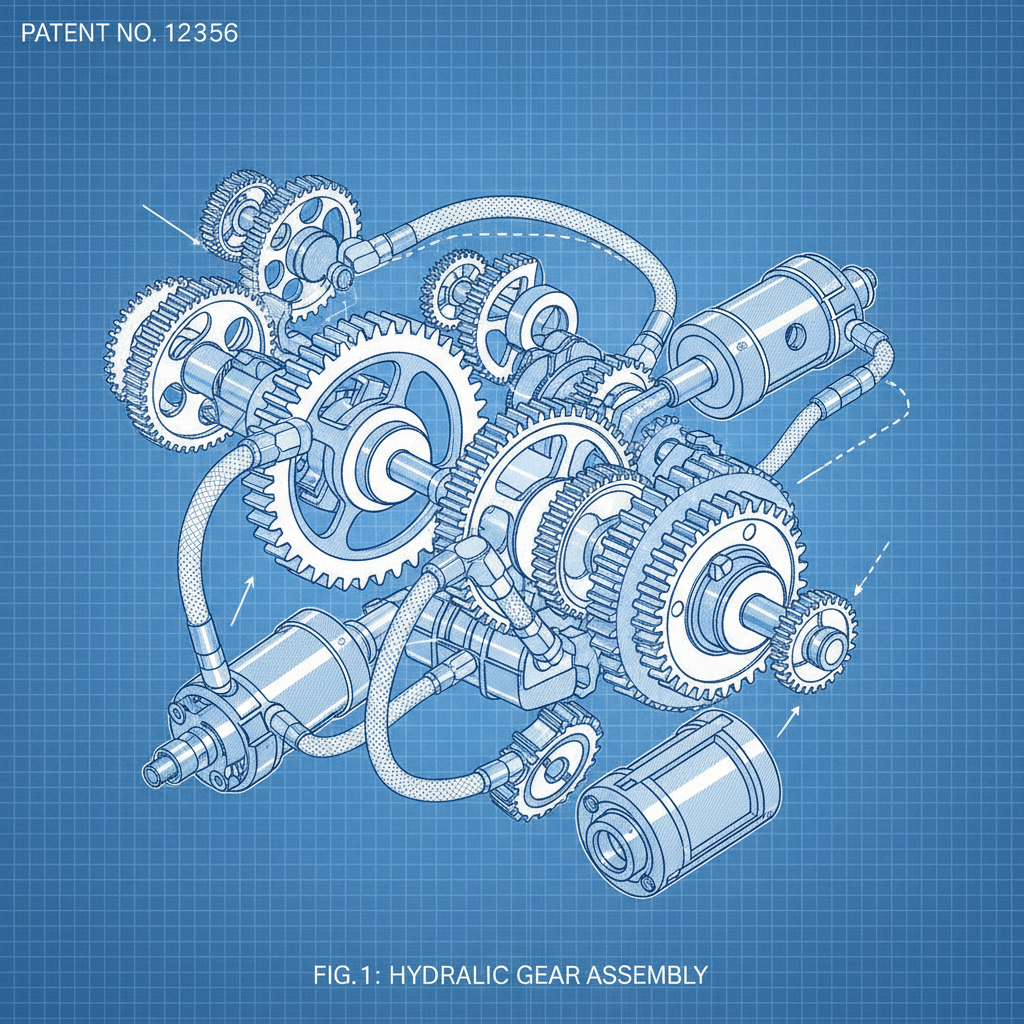
At its core, hose and hydraulics leverages the power of pressurized fluid – typically oil – to transmit force and perform work. This technology offers a significant advantage over mechanical or electrical systems in situations requiring high force, precise control, and compact design. The hoses themselves act as the conduits for this power, and their integrity is crucial for safe and efficient operation.
The foundational principle rests on Pascal’s Law, which states that pressure applied to a confined fluid is transmitted equally in all directions. This allows for the amplification of force through different sized cylinders, creating powerful movements for a variety of applications. Understanding these basic principles is the first step to appreciating the sophistication of modern hose and hydraulic systems.
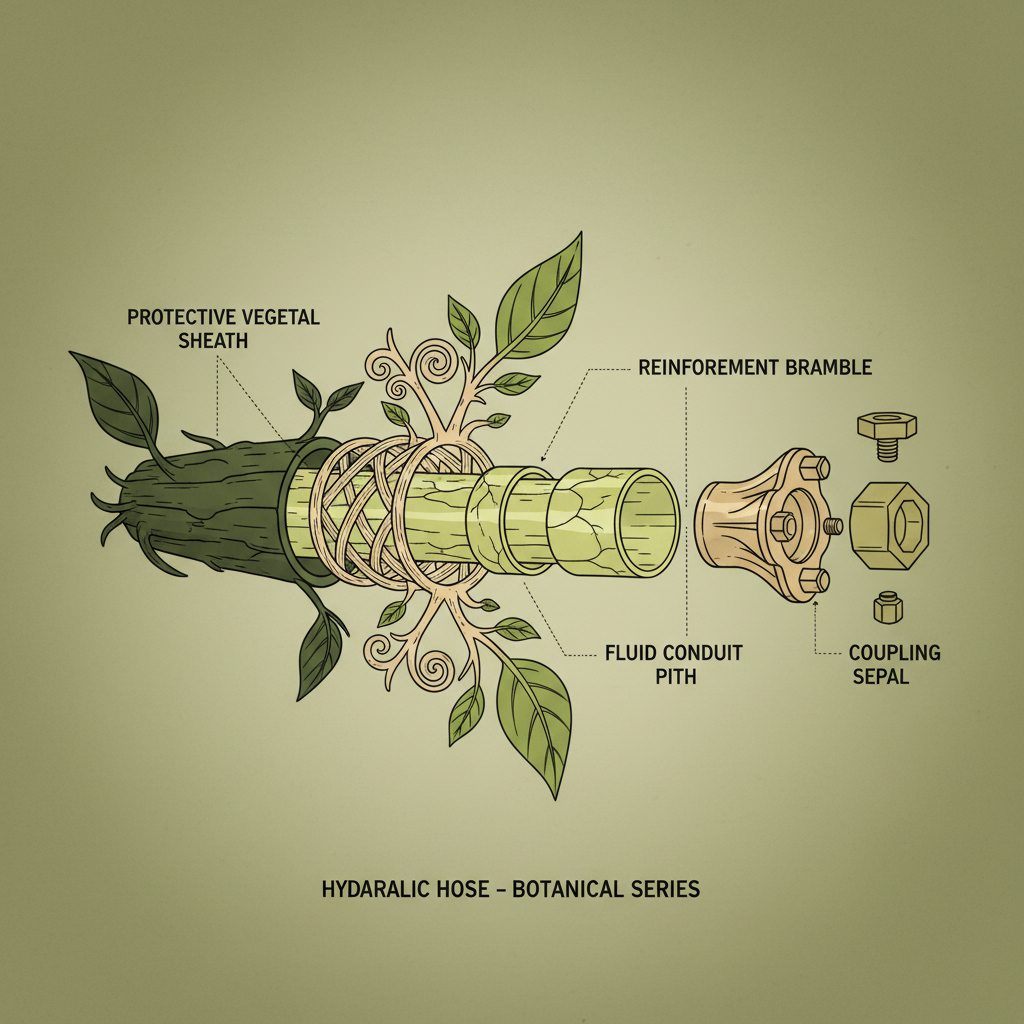
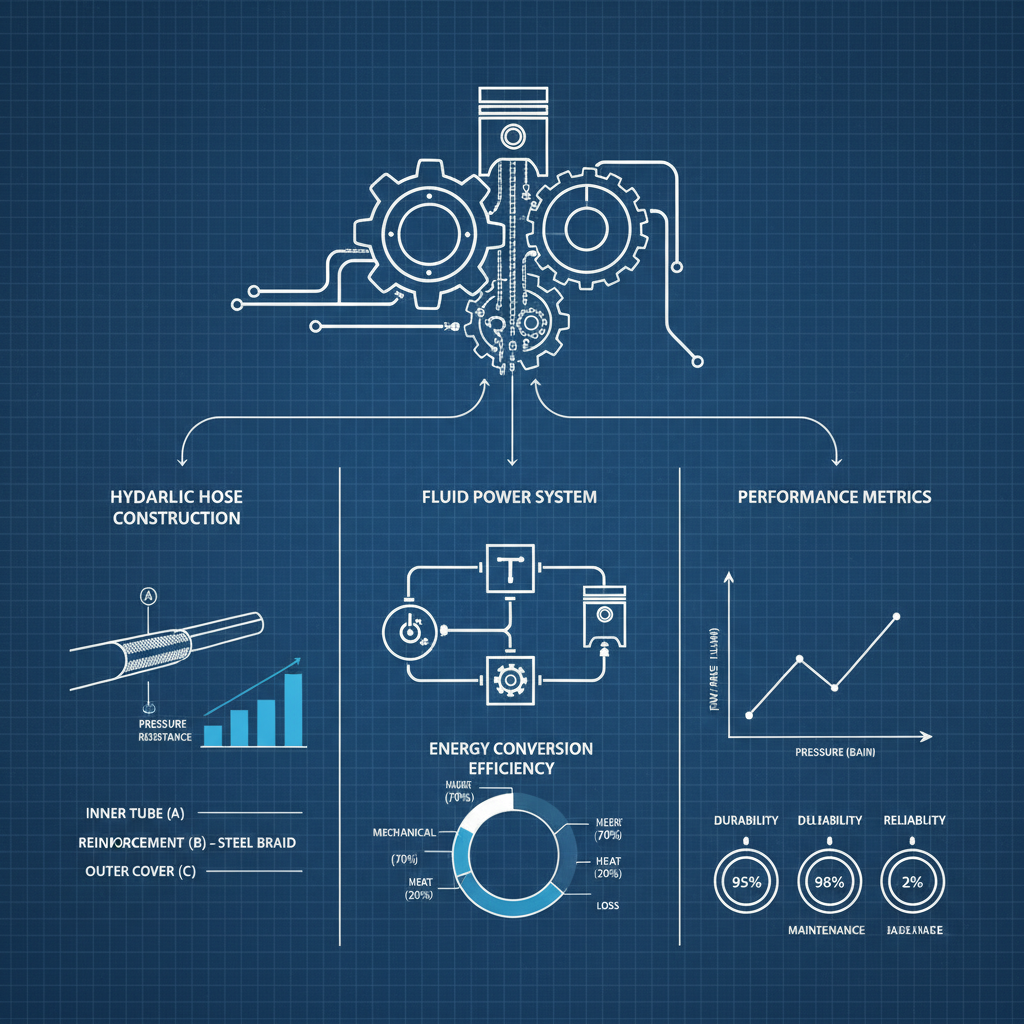
The pressure rating of a hydraulic hose is determined by several factors, including the hose’s construction materials (inner tube, reinforcement layers, and outer cover), its diameter, and the manufacturing process. Reinforcement layers, such as braided steel wire or spiral wound steel, significantly contribute to pressure resistance. Higher pressure applications necessitate hoses with multiple reinforcement layers and specialized materials. It’s vital to select a hose with a rating exceeding the maximum operating pressure of the system for safety and longevity.
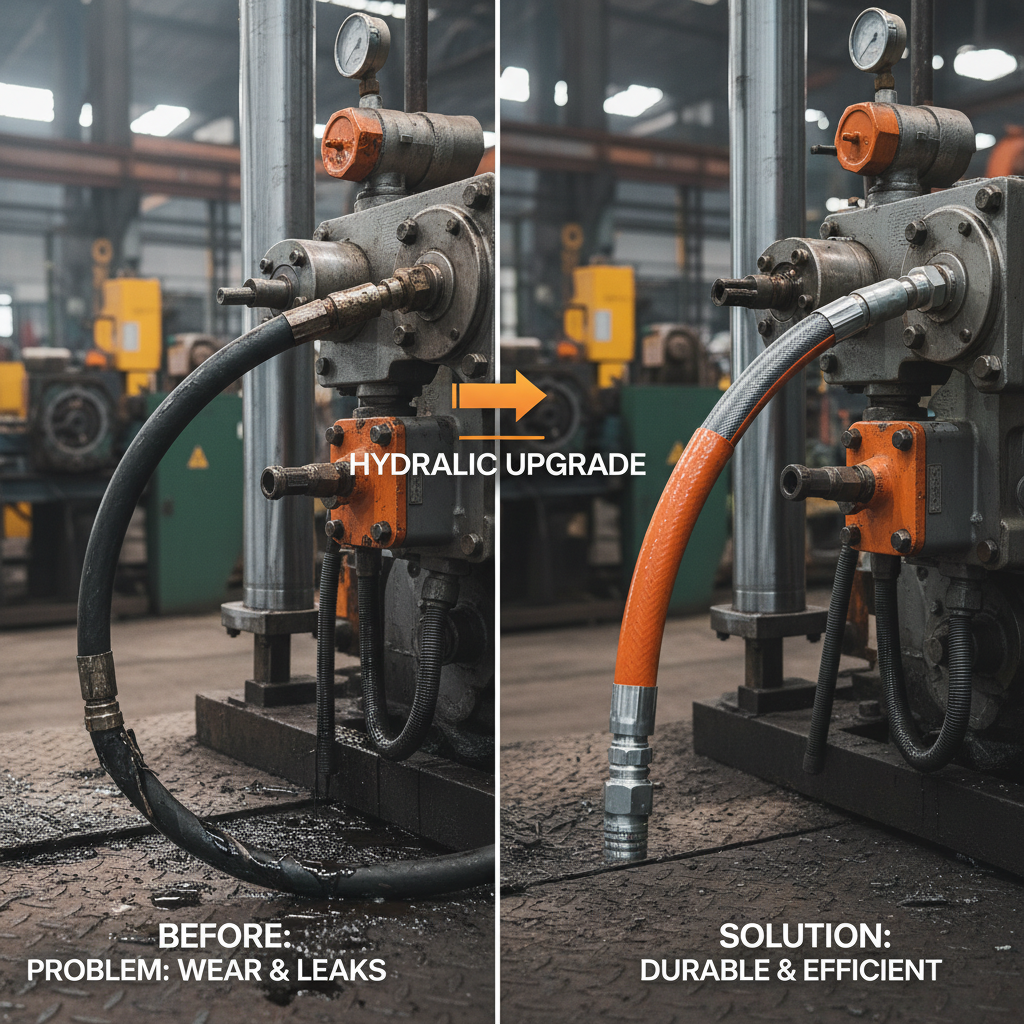
Hydraulic hoses should be inspected regularly, ideally as part of a preventative maintenance schedule. Visual inspections should occur at least monthly, looking for signs of wear, abrasion, cracking, bulging, or leaks. The replacement frequency depends on operating conditions, but generally, hoses should be replaced every 5-7 years, or sooner if any damage is detected. Severe operating environments, like those with extreme temperatures or exposure to corrosive fluids, require more frequent inspections and replacements.
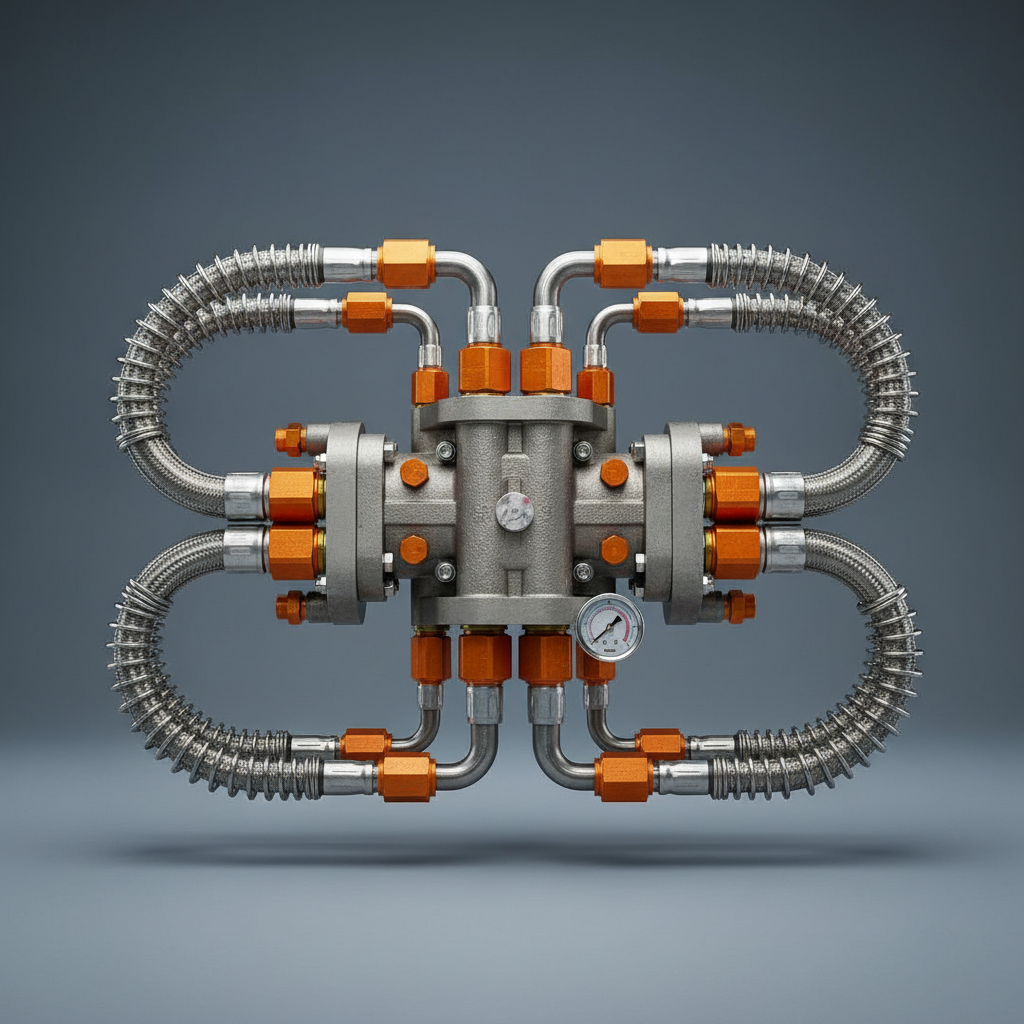
Several types of hydraulic hose fittings are available, including crimped, threaded, and flanged. Crimped fittings are the most common, providing a secure and reliable connection. Threaded fittings are suitable for lower-pressure applications and are easily assembled and disassembled. Flanged fittings are used for high-pressure and high-temperature applications, offering a robust and leak-proof seal. The correct fitting type must be selected based on the hose’s specifications and the system’s operating conditions.
Temperature significantly impacts hydraulic hose performance. Excessive heat can degrade the hose materials, leading to reduced flexibility, increased susceptibility to cracking, and ultimately, failure. Cold temperatures can make hoses brittle and prone to damage upon bending. It’s crucial to select hoses specifically rated for the operating temperature range of the system. Using appropriate heat shields or insulation can help mitigate temperature-related issues.
Using the correct hydraulic fluid is critical for optimal system performance and longevity. Different fluids have varying viscosity, lubricity, and compatibility with hose materials. Using an incompatible fluid can cause swelling, degradation, or corrosion of the hose, leading to leaks and failures. Always refer to the manufacturer’s recommendations for the appropriate fluid type for your specific hydraulic system and hose construction.
Working with hydraulic systems requires strict adherence to safety precautions. Always relieve pressure from the system before disconnecting any hoses. Wear appropriate personal protective equipment (PPE), including safety glasses and gloves. Never expose hoses to excessive bending, twisting, or kinking. Regularly inspect hoses for leaks and damage, and promptly replace any defective components. Improper handling of hydraulic systems can result in serious injury due to high-pressure fluid injection.
In summary, hose and hydraulics represent a cornerstone of modern industrial and technological infrastructure. From their foundational principles rooted in fluid mechanics to the cutting-edge advancements in digital control and sustainable materials, these systems continue to evolve and address critical global challenges. Understanding the intricacies of hose and hydraulic design, application, and maintenance is essential for ensuring efficiency, safety, and environmental responsibility.
Looking ahead, continued innovation in materials science, control systems, and data analytics will further enhance the capabilities and sustainability of hydraulic technologies. Investing in training and education will be crucial to develop a skilled workforce capable of adapting to these advancements. By embracing these opportunities, we can unlock the full potential of hose and hydraulics to drive progress and improve lives worldwide. Visit our website: www.hydhoses.com