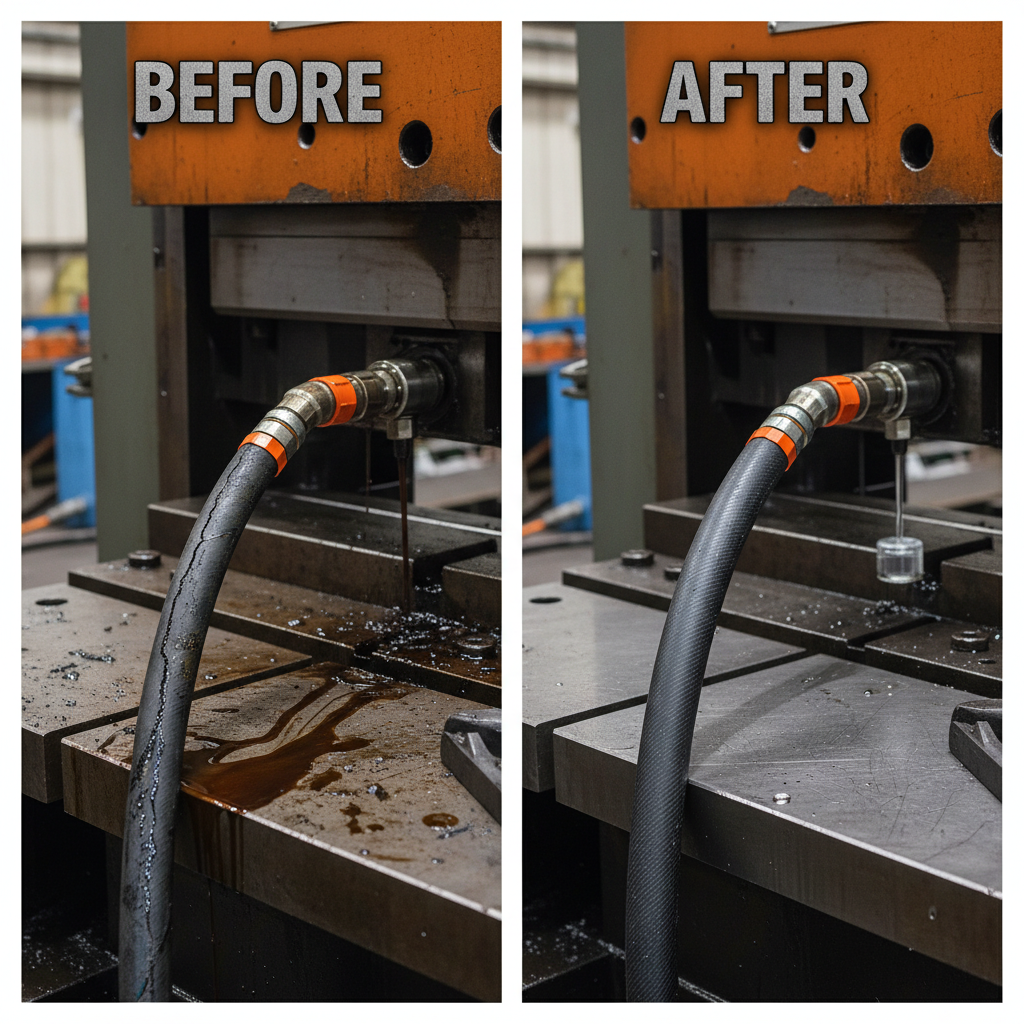
Finding reliable high pressure hose suppliers is a critical strategic decision for any industrial operation involving fluid power or chemical transport. Whether it is for hydraulic systems in heavy machinery or specialized conduits in food-grade processing, the integrity of a high-pressure hose directly correlates with the safety of the workforce and the efficiency of the production line.
Across the global manufacturing landscape, the demand for precision-engineered hoses has surged as industries push the boundaries of pressure limits and temperature extremes. From the depths of offshore oil rigs to the sterile environments of pharmaceutical plants, the ability to source components that meet rigorous ISO and SAE standards is what separates a seamless operation from a catastrophic failure.
Understanding the nuances of material science, braiding techniques, and coupling compatibility allows procurement managers to vet high pressure hose suppliers more effectively. By focusing on E-E-A-T principles—Experience, Expertise, Authoritativeness, and Trustworthiness—businesses can secure a supply chain that offers not just a product, but a long-term reliability partnership.
The Global Significance of High Pressure Hose Suppliers
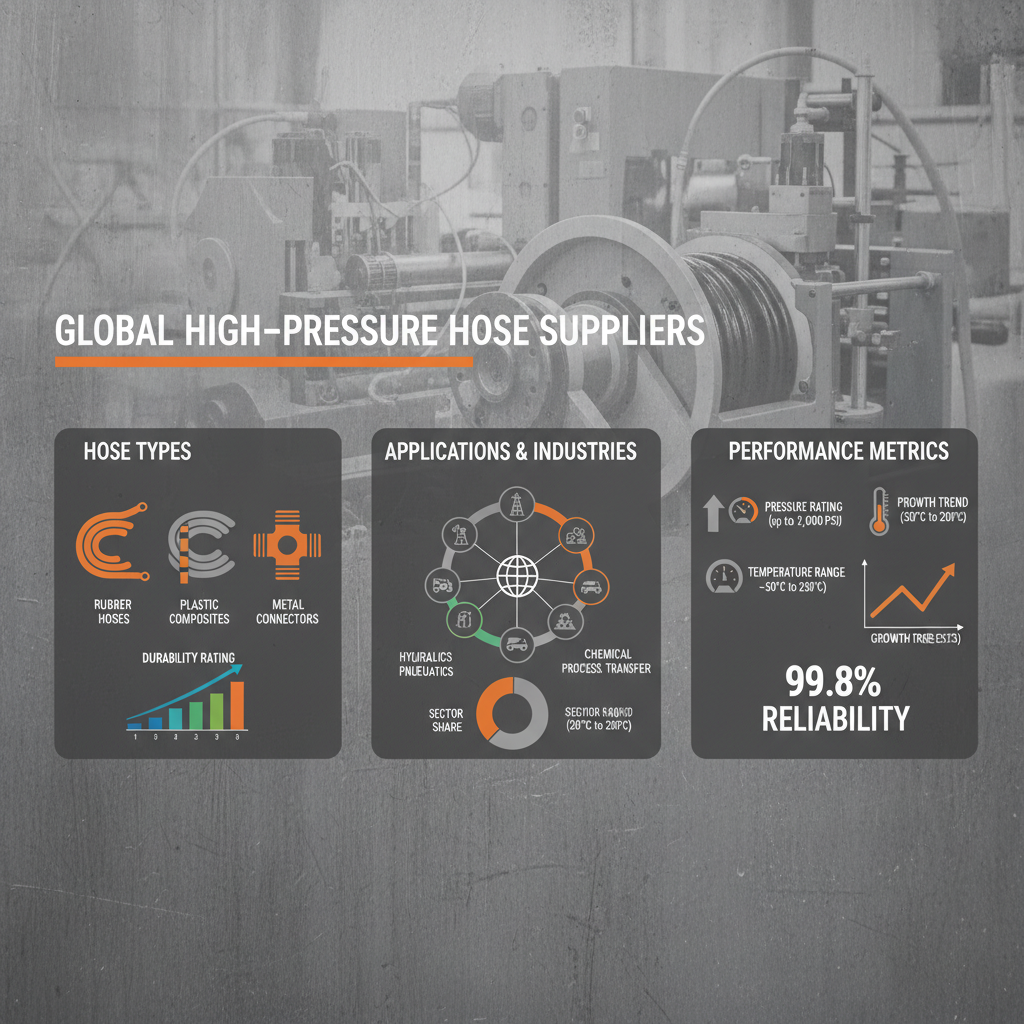
In the current global industrial climate, high pressure hose suppliers act as the unsung backbone of infrastructure. From the construction of skyscrapers to the operation of mining equipment, the ability to move fluids under extreme pressure without leakage is paramount. The global hydraulic hose market has seen steady growth, driven by the expansion of automated manufacturing and the increasing complexity of automotive systems, requiring suppliers who can provide both standard and bespoke solutions.
The challenge lies in the volatility of raw material costs and the stringent environmental regulations imposed by international bodies. Suppliers must navigate the shift toward sustainable elastomers while maintaining the burst-pressure ratings required for safety. Consequently, the role of a supplier has evolved from a mere vendor to a technical consultant who ensures that the chosen hose—be it a steel wire braided hydraulic hose or a PTFE stainless steel braided hose—is perfectly matched to the operating environment.
Defining Quality Standards for High Pressure Hose Suppliers
When we define the role of high pressure hose suppliers, we are talking about entities capable of engineering multi-layered conduits designed to withstand internal pressures that can exceed 60,000 PSI. These suppliers must integrate advanced rubber compounds, synthetic polymers, and high-tensile reinforcement layers to prevent catastrophic rupture and ensure fluid containment.
Beyond the physical product, a quality supplier is defined by their adherence to international certification standards such as ISO 1436, EN 853, or SAE 100R series. This standardization ensures that a hose purchased from a supplier in one region will perform identically and fit perfectly with couplings sourced from another, enabling global scalability for multinational corporations.
Modern industry relies on these suppliers to bridge the gap between raw chemical engineering and practical mechanical application. Whether providing food-grade hoses for the dairy industry or chemical-resistant hoses for oil refineries, the supplier's expertise in compatibility charts is what prevents material degradation and ensures the longevity of the equipment.
Key Performance Factors in Hose Selection
Durability is the foremost metric when evaluating high pressure hose suppliers. The ability of a hose to resist abrasion, ozone, and extreme temperature fluctuations determines the mean time between failures (MTBF), which is a critical KPI for maintenance managers aiming to reduce unplanned downtime.
Material Compatibility is another cornerstone; reputable high pressure hose suppliers provide detailed technical data sheets specifying how different inner tubes—such as Nitrile, EPDM, or PTFE—react with specific hydraulic oils, acids, or steam to prevent internal erosion and premature leaking.
Finally, the precision of the crimping and fitting process is where the expertise of the supplier truly shows. Even the highest-quality hose can fail at the connection point if the hose crimping machine is not calibrated correctly, making the supplier's manufacturing precision just as important as the raw materials used.
Global Applications and Industrial Use Cases
The application of products from high pressure hose suppliers spans virtually every heavy industry. In the mining sector of Australia or the oil fields of Texas, steel wire spiral hydraulic hoses are indispensable for heavy-duty drilling rigs where high impulse loads and extreme pressures are the norm.
In the realm of food and beverage processing in Europe, the focus shifts to hygiene and non-toxicity. Here, food-grade hoses that meet FDA standards are required to transport liquids without contamination, demonstrating the versatility required of top-tier hose providers to serve diverse regulatory landscapes.
Comparative Performance Metrics of Hose Supplier Categories
Long-Term Value and Operational Advantages
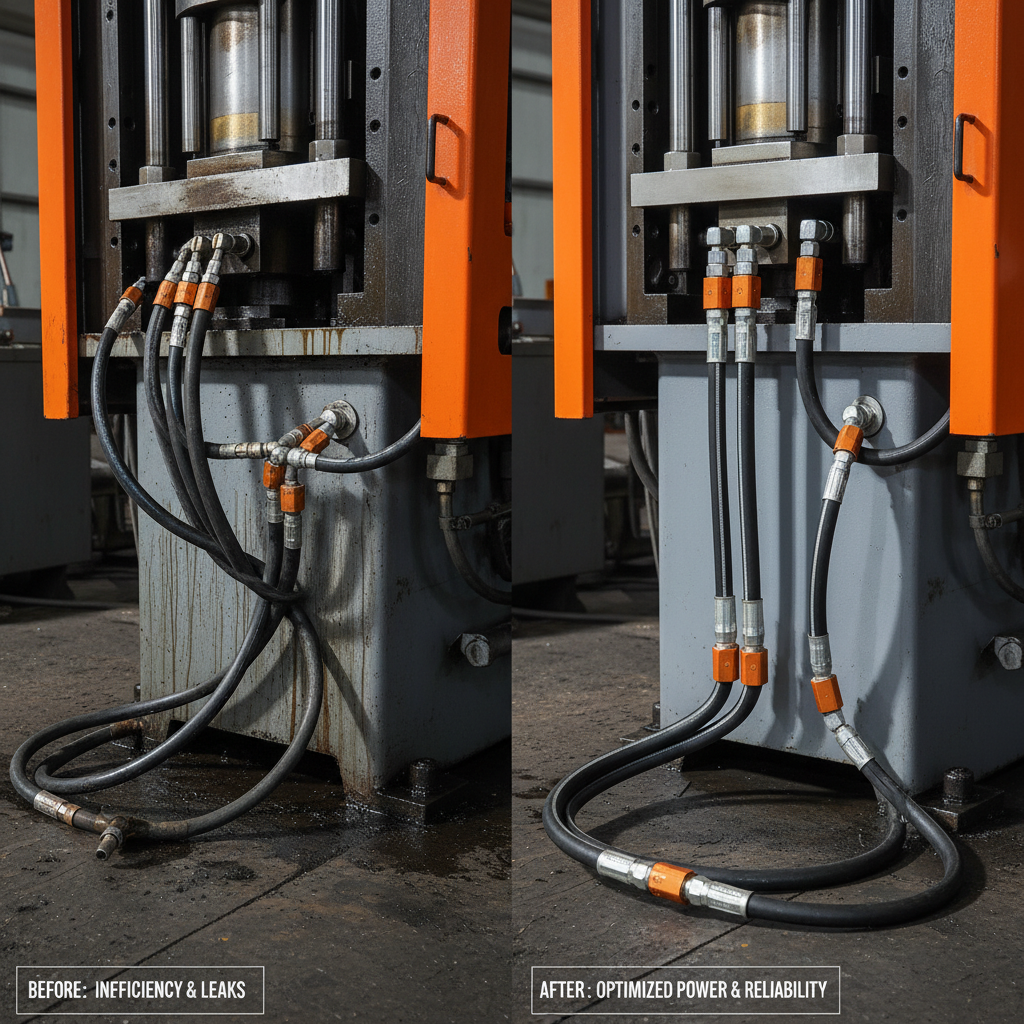
Partnering with premium high pressure hose suppliers yields tangible financial benefits through the reduction of Total Cost of Ownership (TCO). While budget options may appear cheaper upfront, the costs associated with frequent replacements, emergency downtime, and potential environmental cleanup from leaks far outweigh the initial savings of high-grade conduits.
Moreover, there is an emotional and psychological value in reliability. When engineers trust their components, they can focus on innovation and optimization rather than crisis management. This peace of mind, backed by certified safety ratings, fosters a culture of safety and professionalism within the plant, ensuring that every operator feels secure in their environment.
Future Innovations in Pressure Conduit Technology
The future of high pressure hose suppliers is being shaped by the integration of "Smart Hoses." By embedding sensors within the hose walls, suppliers are now developing products that can monitor pressure spikes, temperature changes, and wall thickness in real-time, alerting maintenance teams before a failure occurs.
Sustainability is also driving a revolution in materials. We are seeing a shift toward bio-based elastomers and recycled high-tensile steels that do not compromise on burst pressure. This movement aligns with the global push toward carbon neutrality, forcing suppliers to innovate in the chemistry of rubber and thermoplastic compounds.
Furthermore, automation in the assembly process—such as AI-driven hose cutting and precision skiving machines—is reducing human error. This ensures that every hose produced meets a microscopic tolerance level, which is essential for the next generation of high-precision aerospace and medical hydraulic systems.
Overcoming Common Challenges with Expert Suppliers
One of the most persistent challenges in the industry is "hose fatigue" caused by repetitive bending and pressure surges. Expert high pressure hose suppliers solve this by recommending textile braided hydraulic hoses for flexibility or steel wire spiral options for rigid, high-pressure stability, depending on the specific application.
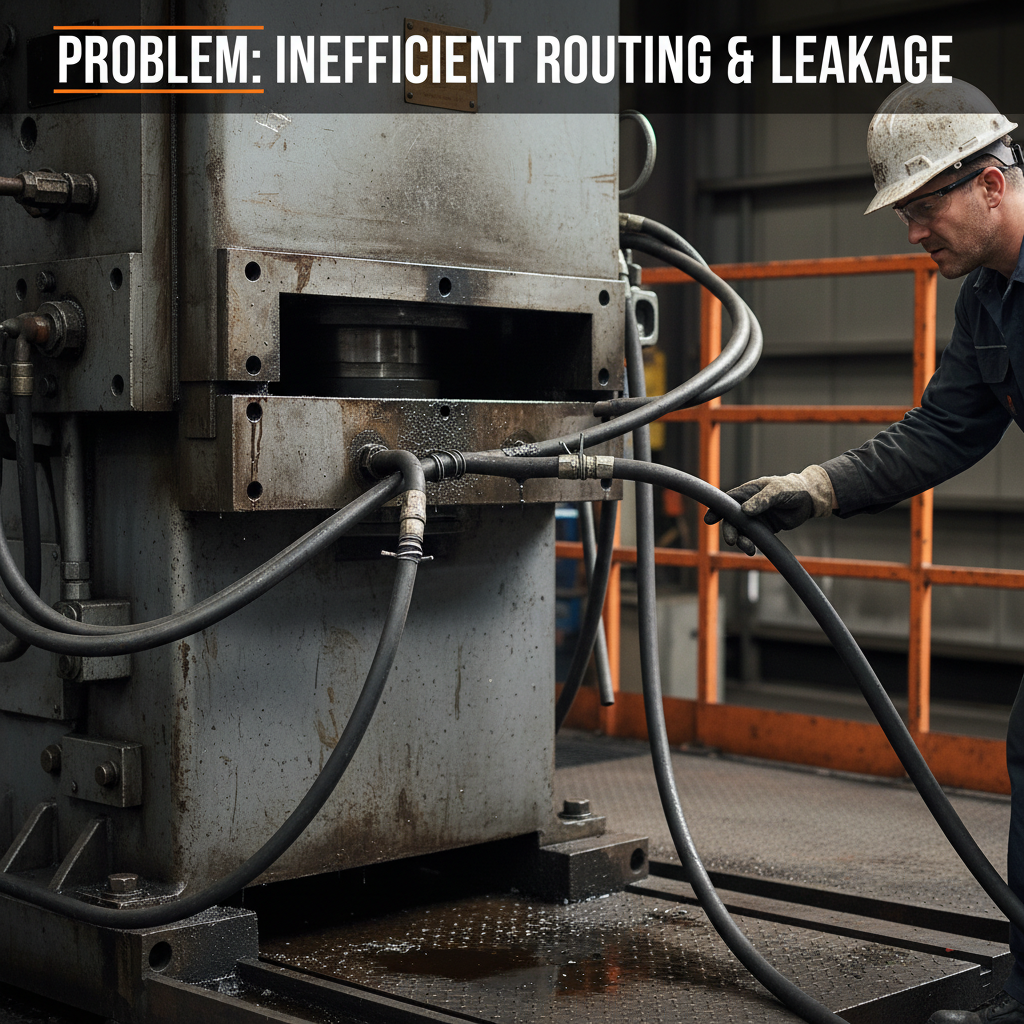
Another common pain point is the mismatch between hose and fitting, leading to "blow-offs." Leading suppliers mitigate this risk by offering comprehensive hose testing benches that simulate real-world stress conditions, ensuring that the coupling is mathematically and physically optimized for the hose's specific diameter and wall thickness.
Finally, supply chain disruptions often leave companies stranded. The most reliable suppliers have adopted a decentralized warehousing strategy and "just-in-time" delivery models, ensuring that critical replacement parts are available within hours, not weeks, thereby safeguarding the client's operational continuity.
Core Analysis of Hose Supplier Selection Criteria
| Supplier Tier |
Certification Level |
Lead Time Avg. |
Reliability Score |
| Tier 1 Global Lead |
ISO 9001, SAE, EN |
2-5 Days |
9.8/10 |
| Specialized Boutique |
FDA, ASTM, Custom |
7-14 Days |
9.2/10 |
| Regional Distributor |
Local Standards |
1-2 Days |
8.1/10 |
| OEM Factory Direct |
In-house QA |
15-30 Days |
8.9/10 |
| Budget Wholesaler |
Basic Compliance |
3-7 Days |
6.4/10 |
| Custom Prototype Shop |
Application Specific |
20+ Days |
8.5/10 |
FAQS
You should request current ISO or SAE certifications and ask for a "Burst Pressure Test Report" for the specific hose batch. A reputable supplier will provide a certificate of conformance (CoC) and can demonstrate their testing process using a calibrated hose testing bench. Always check for third-party audits or industry references to ensure their quality claims are verified by external entities.
Braided hoses consist of interwoven wires, making them more flexible and ideal for applications with frequent movement. Spiral hoses use wires wrapped in a spiral pattern, providing significantly higher pressure resistance and better stability against pulsing, though they are stiffer. Your supplier should help you choose based on the "flex-cycle" requirement of your specific machinery.
Yes, professional suppliers offer full customization. This includes precision cutting using hose cutting machines, skiving the outer cover for better grip, and using specialized hose crimping machines to attach the exact fitting required for your port. Customization ensures a tighter seal and reduces the need for adapters, which are often the weakest point in a high-pressure system.
While there is no universal timeline, a "preventative replacement" schedule is recommended. Factors like temperature, chemical exposure, and pressure spikes dictate the lifespan. Most experts suggest a visual inspection every month and a complete replacement every 2-5 years, or immediately if any "weeping," cracking, or bulging is observed on the outer jacket.
For chemical applications, PTFE (Teflon) is generally superior due to its near-universal chemical inertness and higher temperature tolerance. However, rubber hoses (like Nitrile) are more flexible and cost-effective for standard hydraulic oils. A top supplier will analyze your fluid's pH level and operating temperature to determine which material offers the best longevity.
To optimize costs, consider ordering in bulk reels rather than pre-cut assemblies to save on volume space. Additionally, ensure your supplier uses optimized packaging that prevents kinking without adding excessive weight. Many large-scale suppliers also offer regional distribution hubs to shorten the final leg of delivery and reduce freight expenses.
Conclusion
In summary, the selection of high pressure hose suppliers is not merely a procurement task but a critical engineering decision. By prioritizing certified quality standards, material compatibility, and technical expertise, businesses can ensure operational safety and significantly reduce long-term maintenance costs. The synergy between high-tensile reinforcement and precision fitting is what maintains the integrity of industrial fluid systems globally.
As we move toward an era of Industry 4.0, the integration of smart sensing and sustainable materials will further redefine the value provided by these suppliers. We recommend that companies transition from reactive replacement to a proactive, data-driven maintenance strategy in partnership with their hose providers. For those seeking industry-leading reliability and precision-engineered solutions, visit our website: www.hydhoses.com

 Call Us+86-158-0331-9351
 Emailcarrie@sinopulse.cn
 AddressHandan City, Hebei , China