Your Trusted 24 Hours Service Provider!

-
 Call Us+86-158-0331-9351
 -
 Emailcarrie@sinopulse.cn
 -
 AddressHandan City, Hebei , China


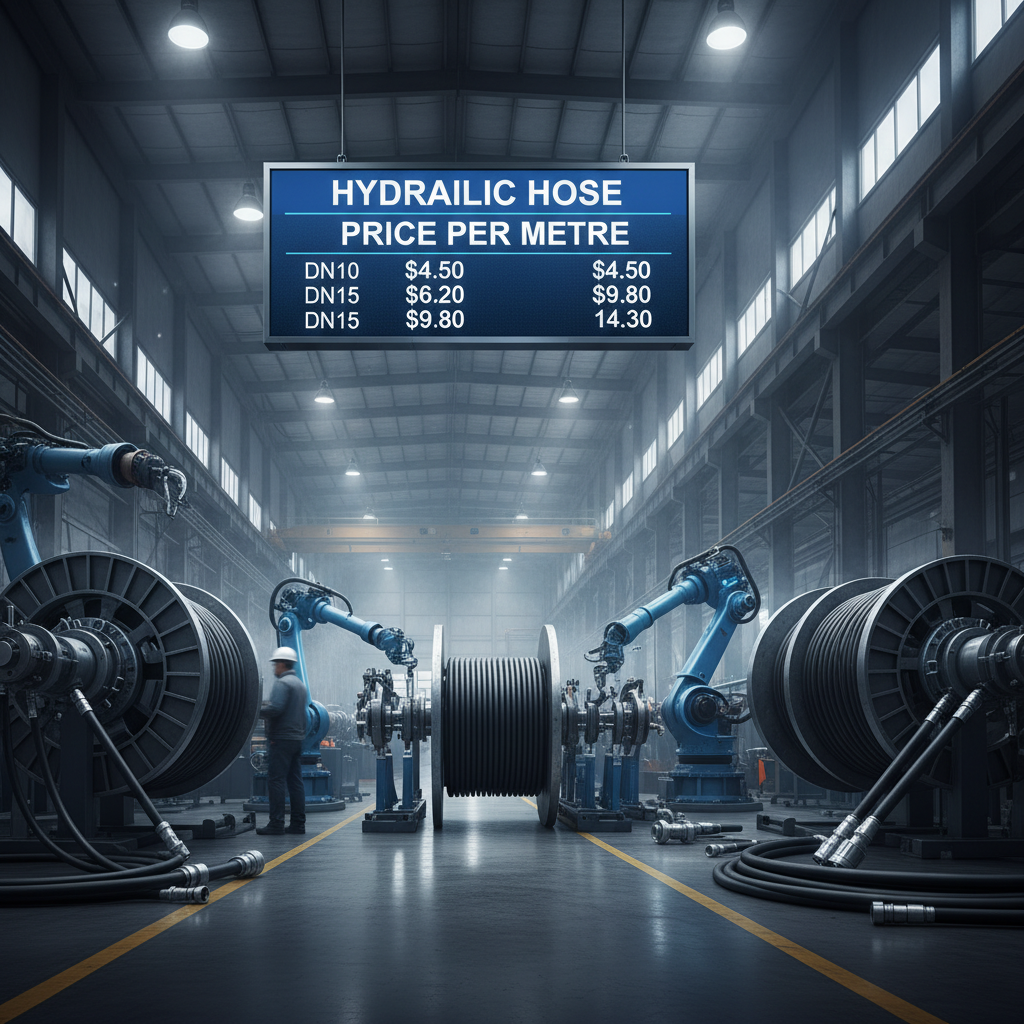
Hydraulic hose manufacturers are the backbone of countless industries, quietly enabling everything from heavy construction and agriculture to manufacturing and emergency response. They aren’t glamorous, but without reliable hydraulic systems – and the hoses that deliver that power – things simply grind to a halt. We’re talking about keeping excavators digging, loaders lifting, and presses pressing. It's a global business, vital to infrastructure and economic activity worldwide. hydraulic hose manufacturers play a crucial role in maintaining this infrastructure.
The sheer scale of the hydraulic hose market is significant. According to recent industry reports, the global hydraulic hose market is projected to reach billions of dollars in the coming years, driven by increasing demand from the construction, oil & gas, and manufacturing sectors. The ISO standards governing hose production are constantly evolving, reflecting a push for greater safety and performance. But the real challenge isn't just producing hoses; it’s ensuring they can withstand the demanding conditions they’re often subjected to. I've seen hoses fail in the field due to extreme temperatures, abrasion, and chemical exposure, and the consequences can be significant – downtime, repairs, and even safety hazards.
Put simply, hydraulic hose manufacturers design, produce, and distribute the flexible conduits that transmit pressurized hydraulic fluid, powering a massive range of machinery. It's a critical component in modern industry, allowing for precise control and immense power in a compact package. From the smallest power steering system in your car to the largest hydraulic cylinders used in mining equipment, these manufacturers are essential to making things work. And it's not just about industrial applications anymore – we're seeing hydraulic systems used increasingly in specialized applications like robotics and even sustainable energy technologies.
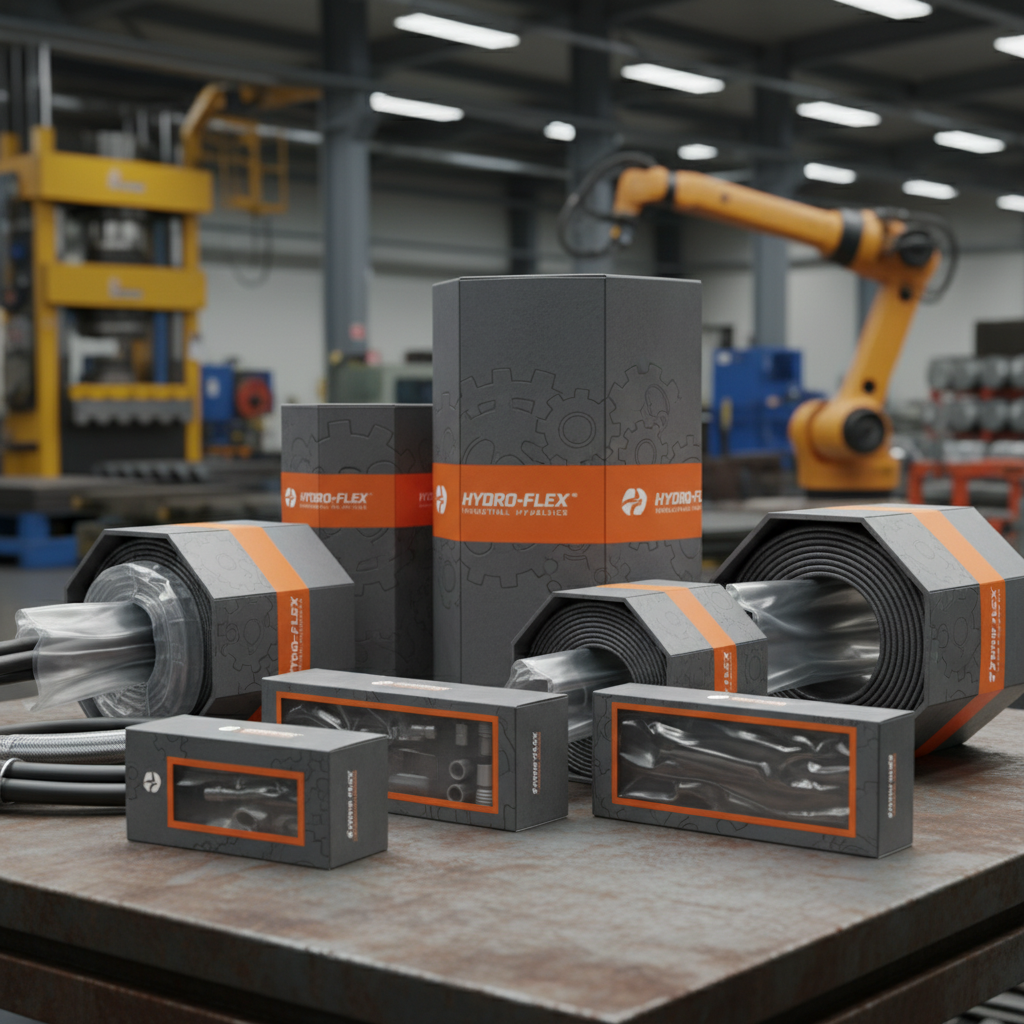
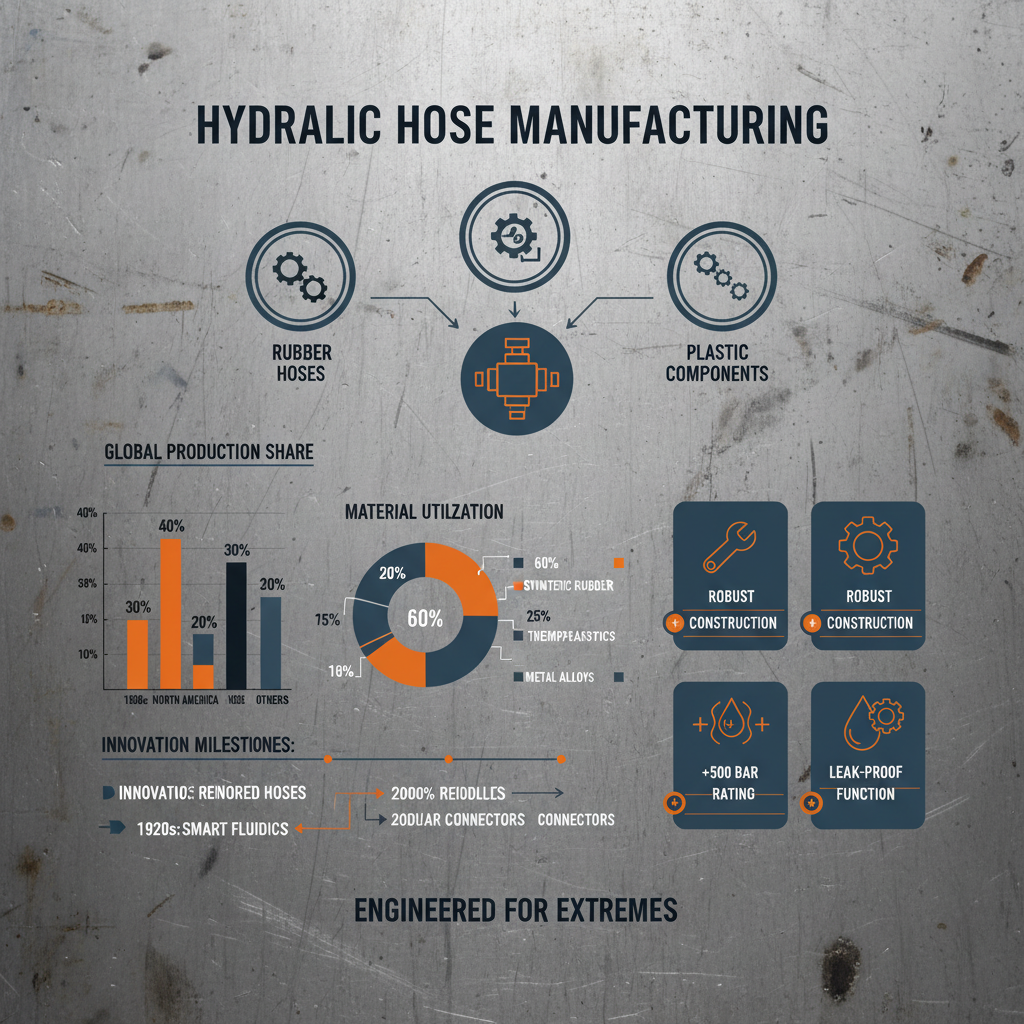
Choosing the right hydraulic hose manufacturer isn’t just about price. You need to look at certifications – ISO standards are a must. I always ask about their testing procedures. Do they pressure test every hose? What about impulse testing? A hose that fails under pressure isn’t just an inconvenience; it’s a safety hazard. And it’s going to cost you more in the long run with downtime and repairs. hydraulic hose manufacturers that invest in quality control are worth their weight in gold.
Beyond testing, material selection is crucial. Different applications demand different hose constructions. Synthetic rubber blends for oil resistance, wire-braided reinforcements for high pressure, thermoplastic hoses for flexibility and chemical compatibility – the options are vast. A good manufacturer will work with you to understand your specific needs and recommend the best hose for the job. They’ll consider factors like operating temperature, fluid type, and expected lifespan.
The reach of hydraulic hoses is surprisingly broad. You’ll find them in construction equipment – excavators, bulldozers, cranes – powering everything from digging and lifting to grading and demolition. In agriculture, they’re essential for tractors, harvesters, and irrigation systems.
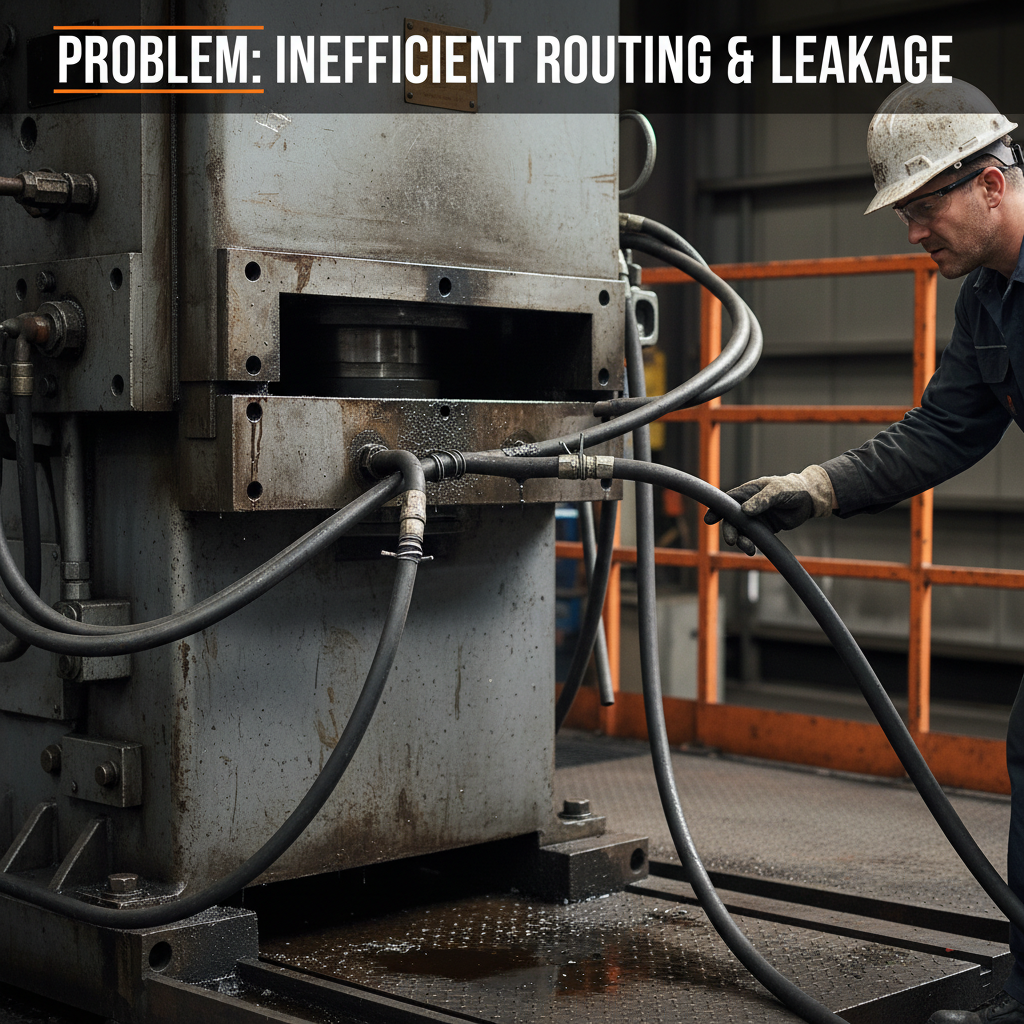
But it doesn’t stop there. Manufacturing plants rely on hydraulic hoses for presses, molding machines, and robotic arms. The oil and gas industry uses them for offshore drilling and pipeline maintenance. Even the aerospace industry utilizes hydraulic systems for flight controls and landing gear. It really is ubiquitous.
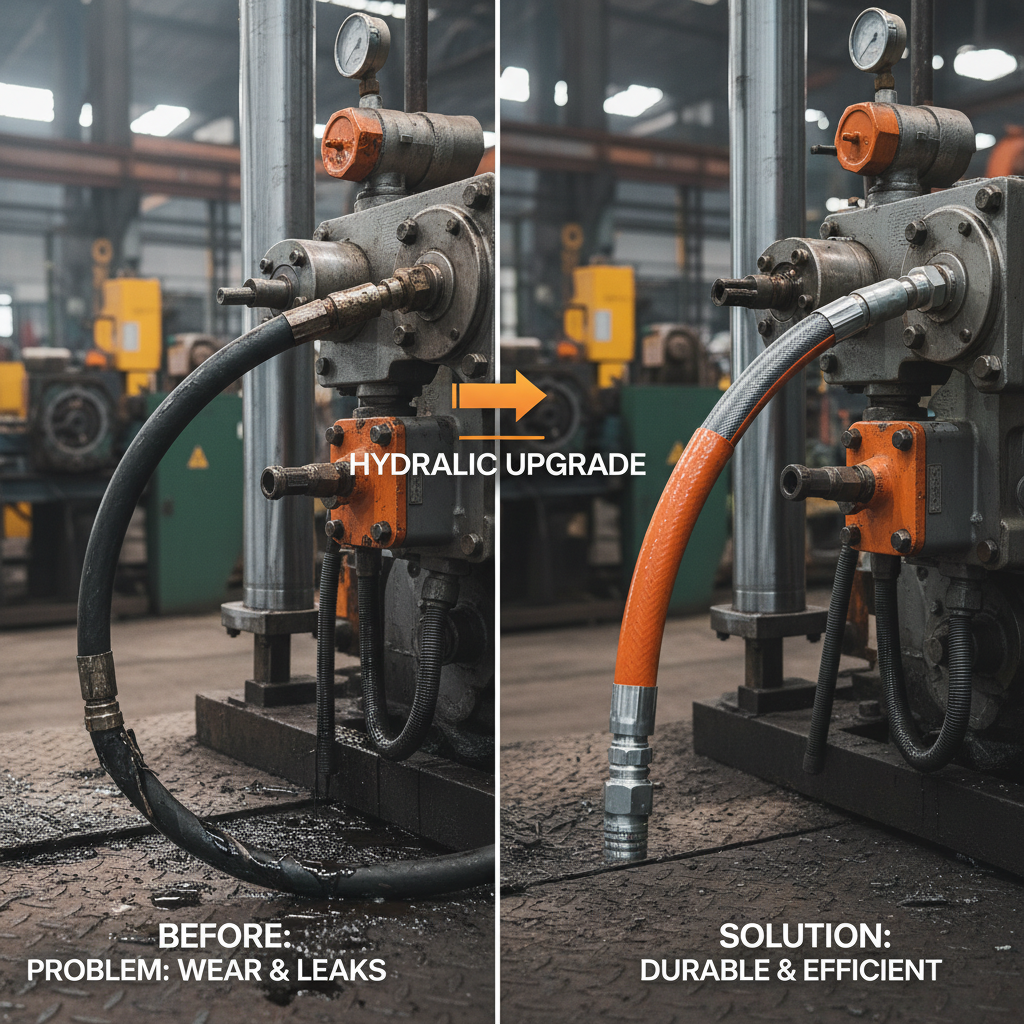
Investing in quality hydraulic hoses from a reputable manufacturer is a long-term cost saver. Sure, cheaper hoses might seem appealing upfront, but they often fail prematurely, leading to downtime, repairs, and potential safety issues. A reliable hose will last longer, require less maintenance, and ultimately provide a better return on investment.
Beyond the cost savings, there’s the peace of mind that comes with knowing your hydraulic systems are operating safely and efficiently. A good manufacturer will stand behind their products and offer technical support to help you troubleshoot any issues. It’s about building a partnership, not just completing a transaction.
And let's not forget the environmental impact. Higher quality hoses are often manufactured with more sustainable materials and processes, reducing waste and minimizing their carbon footprint. It's a win-win for your business and the planet.
We're seeing a lot of innovation in the hydraulic hose industry right now. Smart hoses with integrated sensors are starting to emerge, providing real-time data on pressure, temperature, and flow rate. This allows for predictive maintenance, preventing failures before they occur. I’m seeing a shift toward more sustainable materials as well.
There’s also a growing focus on lightweight hoses made from advanced polymers, offering improved flexibility and reduced weight. This is particularly important in applications where space and weight are critical, such as aerospace and robotics. And, of course, the integration of Industry 4.0 technologies – like IoT and data analytics – is transforming the way hydraulic hose manufacturers operate, optimizing production processes and improving quality control.
Additive manufacturing (3D printing) is also showing promise, allowing for the creation of custom hose designs on demand. This could revolutionize the industry, enabling manufacturers to respond more quickly to changing customer needs and produce highly specialized hoses for niche applications.
| Material Composition | Manufacturing Process | Quality Control Metrics | Sustainability Practices |
|---|---|---|---|
| Rubber Blend (NBR, EPDM) | Extrusion and Braiding | Pressure Testing (9/10) | Recycled Material Usage (6/10) |
| Thermoplastic Polymer | Injection Molding | Impulse Testing (8/10) | Waste Reduction Initiatives (7/10) |
| Steel Wire Reinforcement | Spiral Winding | Burst Pressure Analysis (9.5/10) | Energy Efficiency Measures (8/10) |
| Synthetic Textile Braid | Overbraiding | Leakage Rate Monitoring (7.5/10) | Responsible Sourcing of Raw Materials (6.5/10) |
| Fluoropolymer Lining | Chemical Bonding | Dimensional Accuracy Checks (8.5/10) | Carbon Footprint Reduction (7/10) |
| Composite Materials | Layered Construction | Fatigue Testing (9/10) | Circular Economy Principles (7.5/10) |
Lead times for custom orders can vary significantly depending on the complexity of the design, material availability, and the manufacturer's current workload. Generally, you can expect a lead time of 4-8 weeks, but it's always best to check with the manufacturer directly for a more accurate estimate. Planning ahead is crucial, especially for large or complex projects.
Selecting the right pressure rating is critical for safety and performance. You need to consider the maximum system pressure, as well as any pressure spikes or surges that may occur. A good rule of thumb is to choose a hose with a pressure rating that is at least four times the maximum system pressure. Consult with the manufacturer’s engineering team if you’re unsure.
Thermoplastic hoses are generally lighter, more flexible, and offer better chemical resistance, making them ideal for applications where these properties are important. Rubber hoses are typically more durable and can withstand higher temperatures. The best choice depends on your specific application requirements. Consider the fluid compatibility, temperature range, and pressure requirements.
Fluid compatibility is essential to prevent hose degradation and failure. Always check the manufacturer's compatibility charts to ensure the hose material is compatible with the specific hydraulic fluid you're using. Different fluids can react differently with different hose materials, causing swelling, softening, or cracking.
Look for manufacturers with ISO 9001 certification, which demonstrates a commitment to quality management. Other relevant certifications include ISO 14001 for environmental management and IATF 16949 for automotive applications. Certifications provide assurance that the manufacturer meets industry standards and best practices.
Store hoses in a cool, dry, and dark place, away from direct sunlight, heat sources, and chemicals. Avoid bending or kinking the hoses during storage. Properly cap the ends to prevent contamination. Regularly inspect stored hoses for signs of damage or degradation. Proper storage extends the lifespan of hydraulic hoses.
Hydraulic hose manufacturers are truly the unsung heroes of modern industry. They deliver a critical component that powers countless applications, from heavy machinery to precision instruments. Selecting a reliable manufacturer isn’t just about finding the lowest price; it’s about investing in quality, durability, and expertise. Understanding the key factors – material selection, manufacturing processes, quality control, and sustainability – is essential for making informed decisions.
Looking ahead, innovation will continue to drive the industry forward. Smart hoses, advanced materials, and Industry 4.0 technologies will transform the way hydraulic systems are designed, manufactured, and maintained. By embracing these advancements, hydraulic hose manufacturers can help their customers improve efficiency, reduce costs, and enhance safety. For more information and to explore our range of high-quality hydraulic hoses, visit our website: www.hydhoses.com.