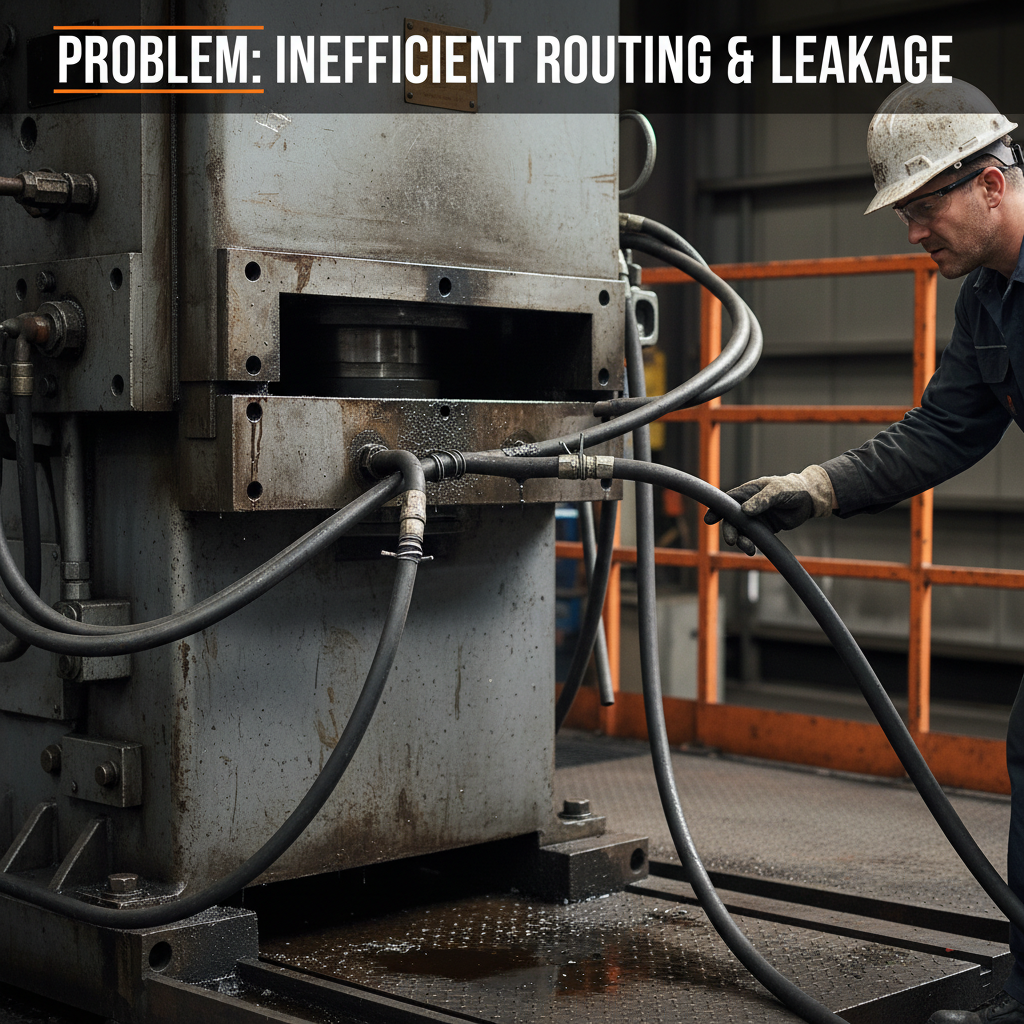
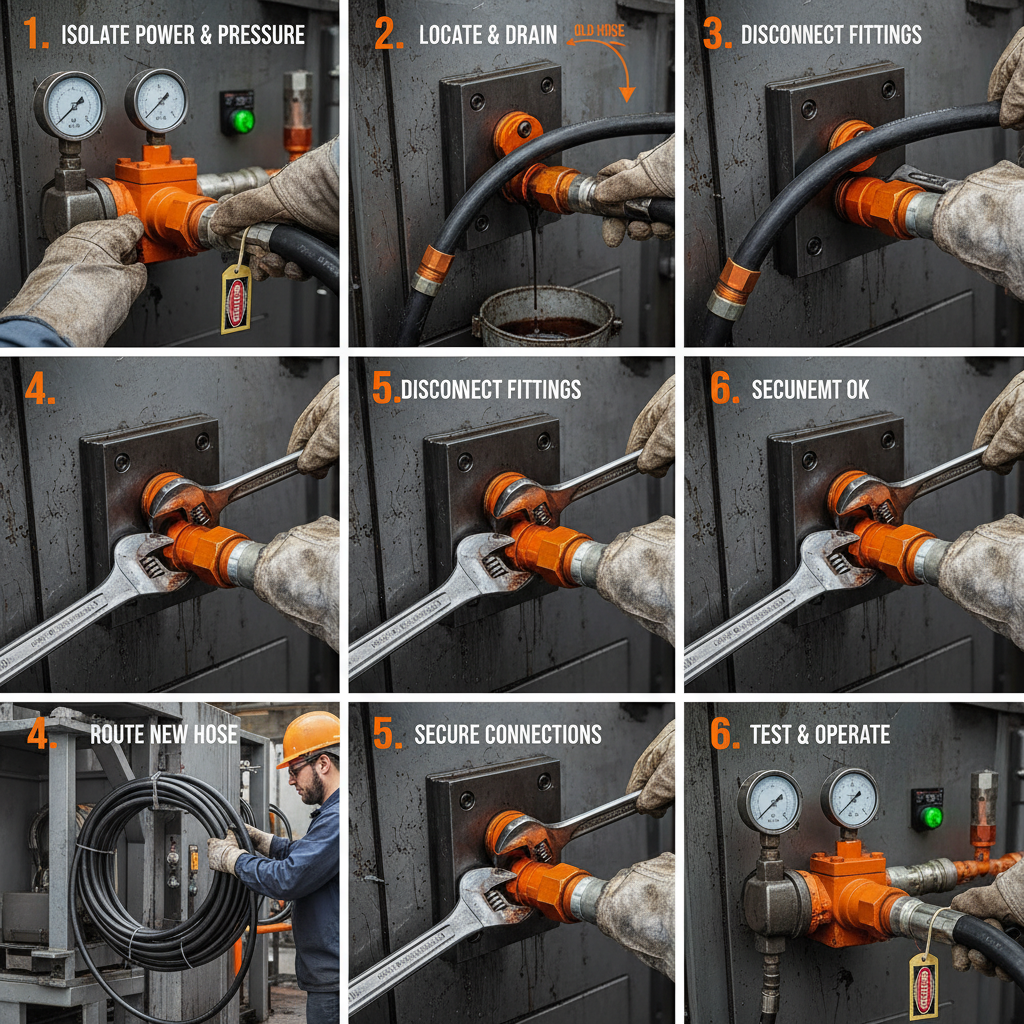
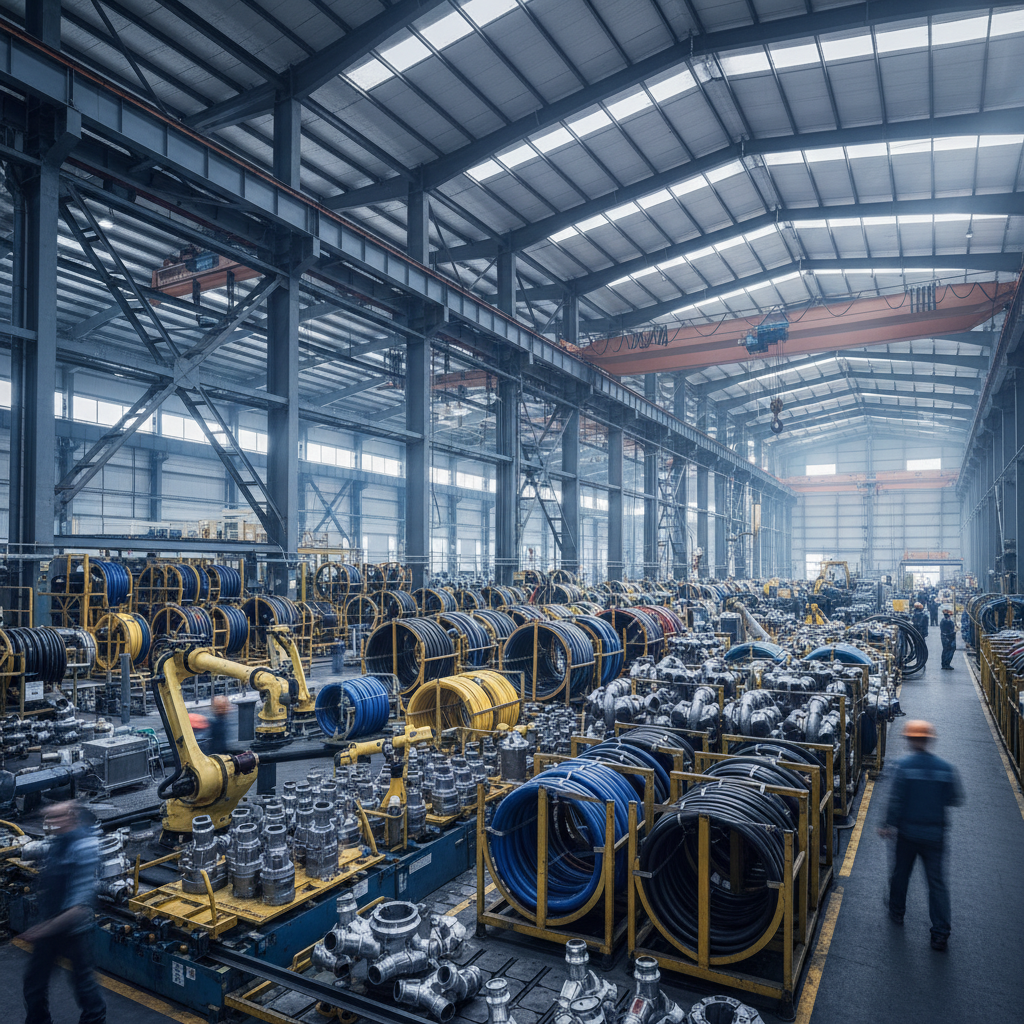
Hydraulic hose custom solutions are becoming increasingly vital across a diverse range of industries, from heavy machinery and construction to agriculture and manufacturing. The ability to tailor hydraulic hoses to specific operational requirements – pressure ratings, temperature tolerances, fluid compatibility, and length – directly translates to increased efficiency, reduced downtime, and enhanced safety. This customization isn’t merely about convenience; it's about optimizing performance and protecting critical assets.
The global demand for hydraulic systems is steadily rising, fueled by infrastructure development in emerging economies and the ongoing need for robust and reliable fluid power in established markets. Standard hydraulic hoses often fall short in meeting the unique challenges presented by specialized applications. This gap is driving the demand for hydraulic hose custom fabrication, empowering businesses to overcome limitations and unlock new levels of operational capability. The UN estimates a continued increase in global infrastructure spending, particularly in developing nations, further bolstering this need.
Furthermore, recent advancements in materials science and manufacturing techniques allow for increasingly sophisticated and cost-effective custom hose designs. This has made hydraulic hose custom accessible to a wider range of businesses, enabling them to compete more effectively and innovate within their respective sectors.
Introduction to hydraulic hose custom
Hydraulic hose custom involves the design and fabrication of hydraulic hoses tailored to meet very specific operational demands. Unlike standard hoses produced in fixed sizes and specifications, custom hoses are engineered to address unique challenges like extreme temperatures, aggressive fluids, high pressures, or limited space. hydraulic hose custom enables optimization and improved system performance.
This process often begins with a detailed analysis of the application, followed by material selection, hose construction, and rigorous testing to ensure reliability and safety. The benefits extend beyond simply fitting a specific space; they encompass increased efficiency, reduced maintenance, and prolonged equipment lifespan, leading to significant cost savings over time.
Defining Hydraulic Hose Customization
Hydraulic hose customization is the process of modifying or creating hydraulic hoses to deviate from standard industry specifications. This can involve alterations in hose length, diameter, reinforcement layers, end fittings, or the materials used in construction. The goal is always to perfectly match the hose’s characteristics to the requirements of the application, optimizing its performance and longevity.
It's crucial to distinguish customization from simple assembly. Assembly involves attaching pre-made hoses and fittings, while customization fundamentally alters the hose itself. This often requires specialized equipment and expertise in hydraulic engineering and materials science.
Modern hydraulic hose custom isn't simply about "making do;" it's a proactive approach to maximizing system efficiency and preventing costly failures. It acknowledges that a one-size-fits-all solution rarely delivers optimal results in demanding industrial environments.
Core Components of hydraulic hose custom
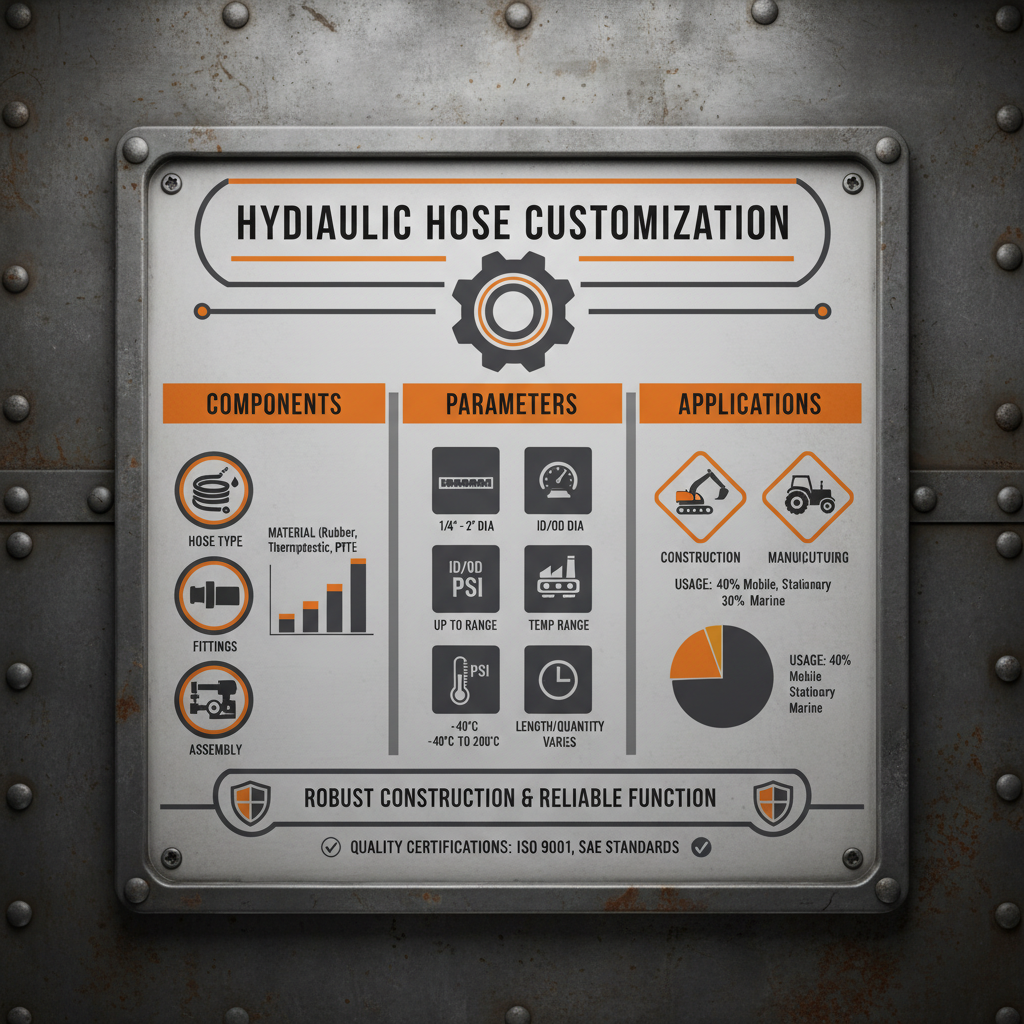
Several core components contribute to effective hydraulic hose custom. First, material selection is paramount. Different applications require different hose materials – rubber, thermoplastic, or even composite materials – to withstand specific fluids, temperatures, and pressures. The choice is driven by the chemical compatibility, flexibility, and durability required.
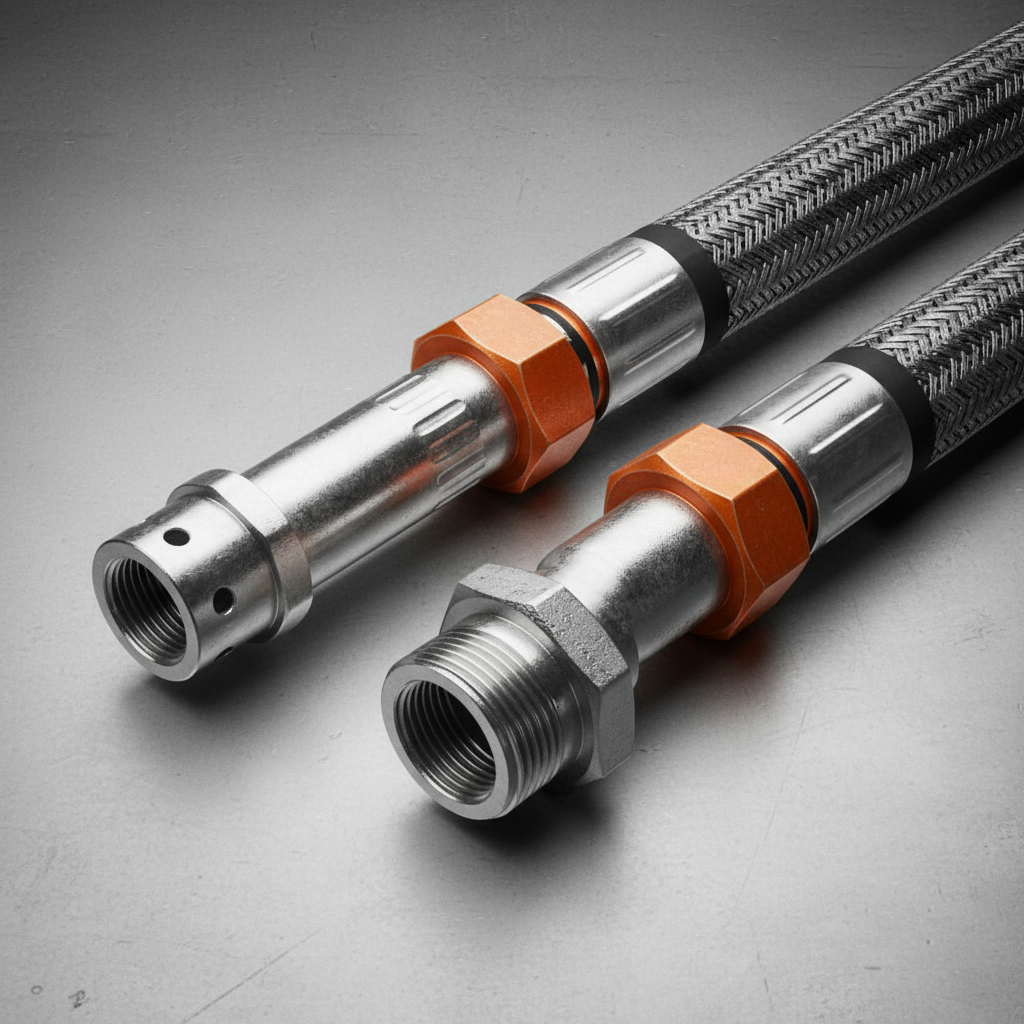
Secondly, reinforcement layers dictate the hose’s pressure rating and burst strength. These layers, typically composed of steel wire or synthetic fibers, are strategically wound to provide the necessary structural integrity. Customization here involves adjusting the number, type, and helix angle of these layers. Thirdly, end fittings – the connections that attach the hose to the hydraulic system – must be precisely selected and securely crimped to prevent leaks and ensure a reliable connection.
Finally, hose diameter and length are critical parameters. Customization allows for precise dimensions, accommodating space constraints and optimizing fluid flow. Incorrect sizing can lead to reduced efficiency, increased pressure drop, and premature hose failure, underscoring the importance of accurate specifications.
Application and Use Cases of hydraulic hose custom
The applications of hydraulic hose custom are widespread. In the construction industry, customized hoses are essential for heavy machinery like excavators, bulldozers, and cranes, where extreme conditions and demanding workloads necessitate robust and reliable fluid power. hydraulic hose custom supports demanding needs.
In agriculture, custom hoses provide precise control of hydraulic systems in tractors, harvesters, and irrigation equipment, optimizing efficiency and minimizing downtime. Manufacturing facilities utilize customized hoses for robotics, injection molding machines, and other automated systems, ensuring smooth and precise operation.
Hydraulic Hose Custom Performance Metrics
Advantages and Long-Term Value of hydraulic hose custom
The advantages of hydraulic hose custom extend beyond simply addressing immediate needs. A properly customized hose significantly reduces the risk of premature failure, leading to decreased downtime and maintenance costs. This translates to increased productivity and improved profitability. Furthermore, a tailored hose contributes to a safer working environment by minimizing the potential for leaks and equipment malfunctions.
From a long-term perspective, investing in custom hoses demonstrates a commitment to quality and reliability. It's a proactive approach that protects valuable assets and reduces the total cost of ownership over the lifespan of the equipment. This proactive investment also contributes to enhanced operational efficiency and a stronger competitive edge.
Future Trends in hydraulic hose custom
Several emerging trends are shaping the future of hydraulic hose custom. The development of new materials, such as advanced polymers and composite materials, is enabling the creation of lighter, stronger, and more durable hoses. These materials offer improved resistance to abrasion, corrosion, and extreme temperatures.
Digitalization is also playing a key role, with the integration of sensors and data analytics allowing for real-time monitoring of hose performance and predictive maintenance. This helps identify potential issues before they lead to failures, further minimizing downtime and extending hose lifespan.
Furthermore, the demand for environmentally friendly solutions is driving the development of biodegradable hose materials and more sustainable manufacturing processes. This reflects a growing commitment to reducing the environmental impact of hydraulic systems.
Challenges & Solutions in hydraulic hose custom
Despite the benefits, hydraulic hose custom faces certain challenges. One significant hurdle is the complexity of specifying the correct hose for a particular application. This requires a deep understanding of hydraulic principles, material properties, and operating conditions. Another challenge is the lead time associated with custom fabrication, which can be longer than that for standard hoses.
Solutions include investing in advanced design software and simulation tools to accurately model hose performance. Collaborating with experienced hydraulic hose manufacturers who offer engineering support and rapid prototyping can also streamline the customization process and reduce lead times. Utilizing modular design approaches and standardized components can further improve efficiency.
Finally, ongoing training and education for hydraulic technicians are essential to ensure the correct installation and maintenance of customized hoses, maximizing their lifespan and preventing costly failures.
Summary of Challenges and Potential Solutions in hydraulic hose custom
| Challenge |
Impact on Operations |
Potential Solution |
Implementation Cost (1-10) |
| Complex Specifications |
Incorrect hose selection, premature failure |
Advanced design software & expert consultation |
7 |
| Long Lead Times |
Project delays, increased downtime |
Rapid prototyping & standardized components |
6 |
| Material Compatibility |
Hose degradation, leaks |
Thorough fluid compatibility testing |
5 |
| Installation Errors |
Leaks, reduced hose lifespan |
Technician training & certification |
4 |
| Cost of Customization |
Higher initial investment |
Life-cycle cost analysis & value justification |
3 |
| Quality Control |
Potential for defects and failures |
Rigorous testing and inspection procedures |
8 |
FAQS
The lead time for a fully hydraulic hose custom order varies depending on the complexity of the design, material availability, and current production workload. Generally, you can expect a lead time of 2-4 weeks. However, simpler customizations may be completed within a week, while more complex projects could take up to 6 weeks. We always strive to provide an accurate estimate upfront.
We offer a wide range of materials for custom hydraulic hoses, including various types of rubber (synthetic, natural), thermoplastic (polyester, nylon, polyethylene), and composite materials. The best material for your application depends on factors such as fluid compatibility, temperature range, pressure requirements, and abrasion resistance. Our team can help you select the optimal material for your specific needs.
We offer a comprehensive selection of fitting options, including threaded fittings (NPT, BSP), flange fittings, crimp fittings, and quick-disconnect couplings. Fittings are available in various materials, such as steel, stainless steel, brass, and aluminum. We ensure that all fittings are compatible with the hose material and are securely crimped to prevent leaks and maintain optimal performance.
Yes, we offer comprehensive testing and certification services for our custom hydraulic hoses. We can perform pressure testing, burst testing, impulse testing, and other specialized tests to ensure that the hoses meet or exceed industry standards. We also provide documentation and certification to verify the hose’s performance and safety.
To provide an accurate quote, we typically require detailed specifications, including hose length, diameter, material requirements, fitting types, pressure rating, operating temperature range, and the fluid being conveyed. Detailed drawings or sketches are also helpful. The more information you provide, the more accurate our quote will be.
The minimum order quantity for hydraulic hose custom orders can vary depending on the complexity of the design and material requirements. While we strive to accommodate projects of all sizes, there is generally a minimum order quantity of 25 hoses. However, we encourage you to contact us to discuss your specific needs, as we may be able to offer flexibility for smaller quantities in certain cases.
Conclusion
Hydraulic hose custom represents a powerful solution for optimizing performance, enhancing safety, and reducing costs in a wide range of industrial applications. By tailoring hoses to meet specific operational demands, businesses can overcome limitations imposed by standard products, improve efficiency, and protect valuable assets. From material selection and reinforcement layers to fitting types and precise dimensions, customization offers unparalleled flexibility and control.
Looking ahead, the integration of advanced materials, digitalization, and sustainable practices will continue to drive innovation in hydraulic hose custom. Investing in this technology and collaborating with experienced manufacturers is crucial for staying ahead of the curve and unlocking the full potential of hydraulic systems. To learn more about how hydraulic hose custom can benefit your organization, visit our website today!

 Call Us+86-158-0331-9351
 Emailcarrie@sinopulse.cn
 AddressHandan City, Hebei , China