Hydraulic hose repair is a critical component of maintaining operational efficiency and safety across a vast array of industries, from construction and agriculture to manufacturing and transportation. The integrity of hydraulic systems relies heavily on the condition of their hoses, making prompt and effective repair essential to prevent costly downtime and potential hazards. Understanding the nuances of hydraulic hose repair – including proper inspection techniques, material compatibility, and appropriate repair methods – is paramount for professionals and operators alike.
Globally, the demand for reliable hydraulic systems is consistently high, driven by infrastructure development, increasing mechanization in various sectors, and the need for robust equipment in challenging environments. Failures in hydraulic hoses can lead to significant economic losses, environmental damage, and even pose risks to human life. As a result, the field of hydraulic hose repair continues to evolve, with advancements in materials, techniques, and diagnostic tools.
Effective hydraulic hose repair extends beyond simply fixing a leak; it encompasses a proactive approach to system maintenance, preventing future failures and maximizing the lifespan of valuable equipment. This not only reduces operational costs but also contributes to sustainable practices by minimizing waste and promoting responsible resource utilization. Mastering hydraulic hose repair is therefore a skill with far-reaching implications.
The Importance of Hydraulic Hose Repair
Hydraulic hose repair isn't merely a reactive measure taken when a system fails; it's a proactive component of a comprehensive maintenance strategy. Neglecting even seemingly minor hose issues can escalate into major problems, causing equipment downtime, production delays, and potentially hazardous situations. Prioritizing regular inspection and timely repair of hydraulic hoses significantly minimizes these risks.
The economic impact of hydraulic system failures can be substantial. Lost production, the cost of replacing damaged components, and the expense of emergency repairs all contribute to significant financial losses. Investing in skilled technicians and proper repair procedures is a cost-effective approach that ensures long-term reliability and minimizes these potential expenditures.
Defining Hydraulic Hose Repair
Hydraulic hose repair encompasses the process of diagnosing, fixing, and restoring damaged or deteriorated hydraulic hoses to their original working condition. This can range from simple tasks like tightening fittings and replacing damaged end fittings to more complex procedures like patching small pinholes or completely replacing sections of the hose. The goal is to ensure the hose can safely and efficiently transmit hydraulic fluid under pressure.
Crucially, hydraulic hose repair isn't limited to just fixing leaks. It also includes thorough inspection for signs of wear, abrasion, kinking, or chemical exposure. Understanding the specific operating conditions and fluid types used in a hydraulic system is essential for selecting the appropriate repair methods and materials.
In modern industry and humanitarian efforts, hydraulic hose repair is essential for maintaining critical equipment functionality. From heavy machinery used in construction and mining to vital systems in healthcare and disaster relief, ensuring the reliable operation of hydraulic hoses is paramount.
Core Components of Effective Repair
Effective hydraulic hose repair hinges on several core components. First, accurate diagnosis is paramount – identifying the root cause of the problem, whether it's a faulty fitting, a damaged hose wall, or internal corrosion. Second, proper material selection is critical, ensuring the replacement hose or fitting is compatible with the hydraulic fluid and operating pressure.
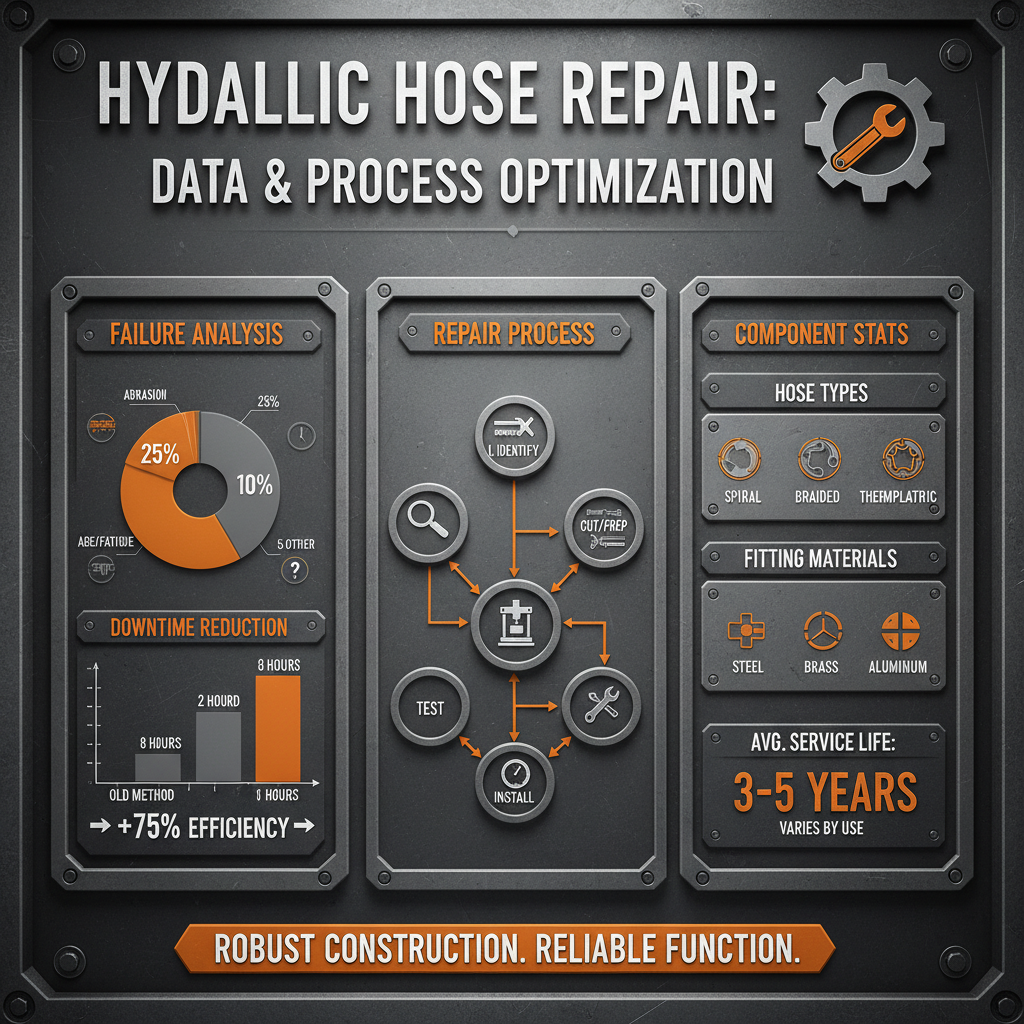
The third component is the application of correct repair techniques. This includes using the appropriate tools, following established procedures for crimping and fitting installation, and adhering to safety protocols. Finally, thorough testing is essential to verify the repair's integrity and ensure the system operates reliably under pressure.
Often overlooked, training and certification play a vital role. Properly trained technicians are equipped with the knowledge and skills to perform repairs safely and effectively, minimizing the risk of further damage or injury. Investing in ongoing training and professional development ensures technicians stay abreast of the latest advancements in hydraulic hose repair technology.
Beyond the technical aspects, maintaining a well-stocked inventory of hoses, fittings, and repair tools is crucial for minimizing downtime. Having the necessary components readily available allows for quick and efficient repairs, keeping equipment operational and reducing production losses.
Key Factors Influencing Repair Success
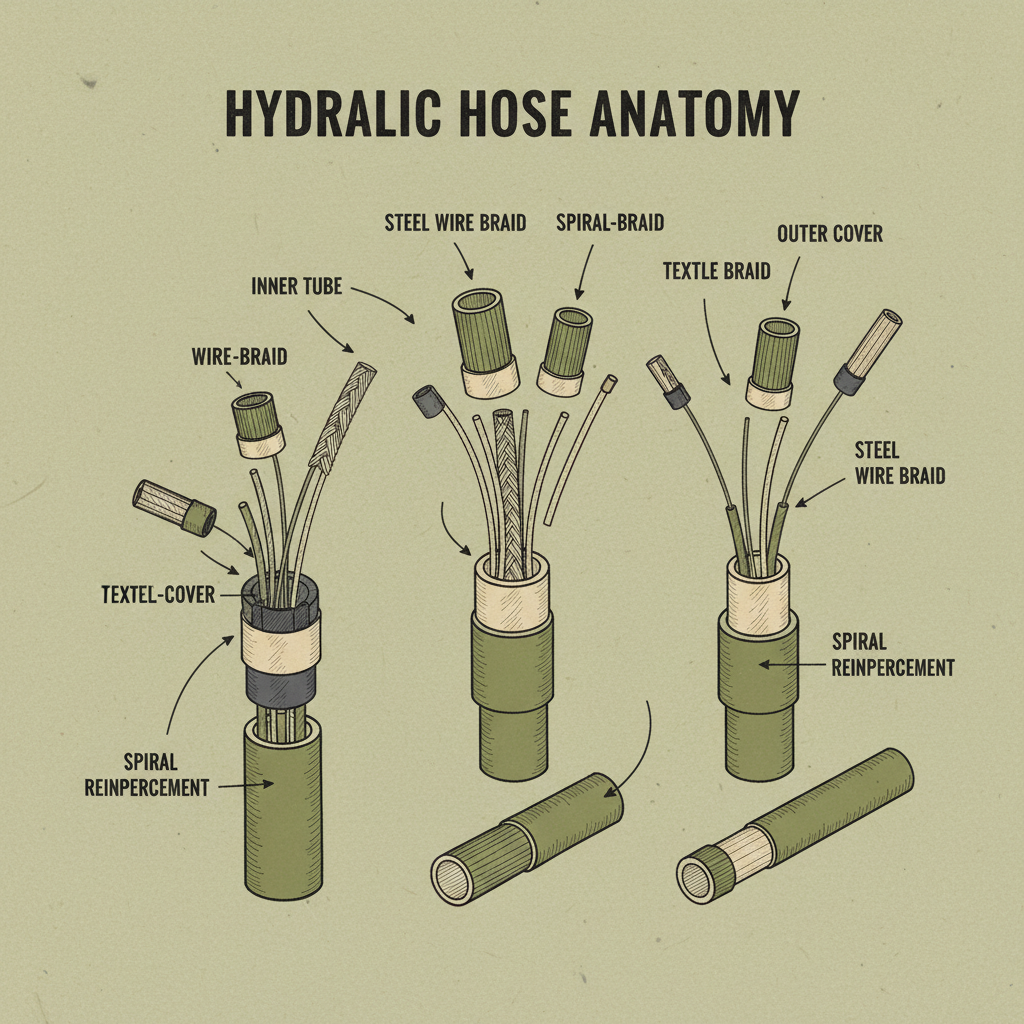
Several key factors contribute significantly to the success of hydraulic hose repair. Pressure rating compatibility is vital; the repaired hose must be able to withstand the system's maximum operating pressure without failure. Fluid compatibility ensures the hose material doesn’t degrade or swell when exposed to the hydraulic fluid.
Environmental factors also play a crucial role. Temperature extremes, exposure to chemicals, and physical abrasion can all impact hose life and repair effectiveness. Selecting materials and repair methods that can withstand these conditions is essential for long-term reliability.
Hydraulic Hose Repair Method Effectiveness
Global Applications and Industry Relevance
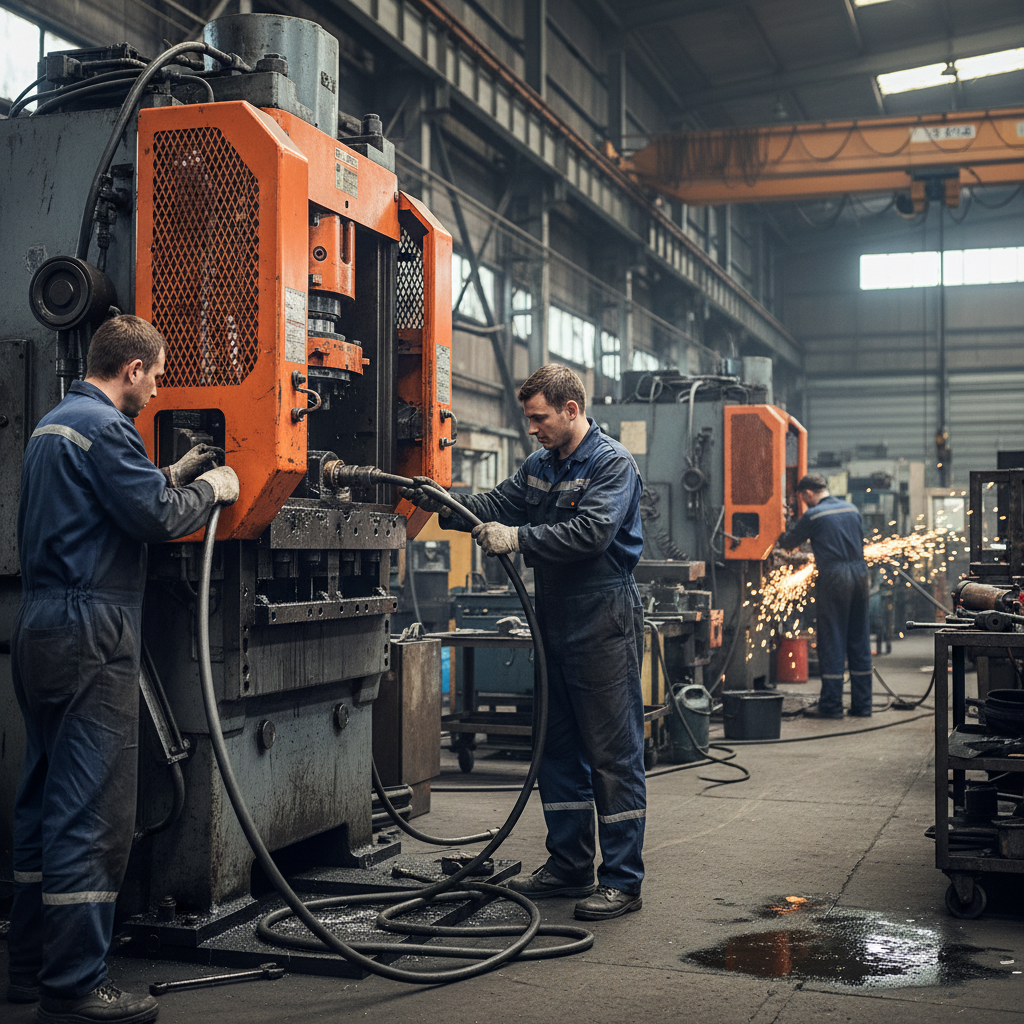
Hydraulic hose repair finds widespread application across diverse industries globally. In construction, it's critical for maintaining excavators, bulldozers, and cranes. Agriculture relies on it for tractors, harvesters, and irrigation systems. Manufacturing utilizes it in injection molding machines, presses, and robotic arms.
In remote industrial zones, skilled technicians specializing in hydraulic hose repair are highly valued, as downtime can have significant operational consequences. Similarly, in post-disaster relief operations, the ability to quickly repair hydraulic equipment – such as generators and heavy lifting machinery – can be life-saving.
Advantages and Long-Term Value
The advantages of proficient hydraulic hose repair extend far beyond immediate cost savings. Preventing catastrophic failures reduces the risk of costly equipment damage and potential injuries, creating a safer work environment. Furthermore, extending the lifespan of hydraulic hoses through proper repair minimizes waste and promotes sustainable practices.
Reliable hydraulic systems translate to increased productivity and operational efficiency. Minimizing downtime and ensuring consistent performance contribute to higher output and reduced operational expenses. This long-term value makes investing in quality repair services and training a sound business decision.
Future Trends and Innovations in Hydraulic Hose Repair
The field of hydraulic hose repair is undergoing continuous innovation. Advancements in materials science are leading to the development of more durable and chemically resistant hose materials. Digital diagnostics, utilizing sensors and data analytics, are enabling proactive monitoring of hose condition and predicting potential failures.
Automation is also playing an increasing role, with robotic systems being developed to perform complex hose repair tasks. These technologies not only improve efficiency but also enhance safety by reducing human exposure to hazardous environments. Sustainability is another key driver, with a growing focus on developing biodegradable hose materials and implementing closed-loop recycling systems.
Challenges and Solutions
Despite advancements, several challenges remain in hydraulic hose repair. Identifying the root cause of a failure can be complex, requiring specialized knowledge and diagnostic tools. Maintaining a sufficient inventory of hoses and fittings to meet diverse customer needs can be logistically challenging.
A key solution lies in investing in comprehensive training programs for technicians, equipping them with the skills to accurately diagnose problems and perform effective repairs. Utilizing digital inventory management systems can streamline parts ordering and reduce lead times. Furthermore, collaborative partnerships between hose manufacturers and repair service providers can foster knowledge sharing and drive innovation.
Core Challenges and Solutions in Hydraulic Hose Repair
| Challenge |
Severity (1-10) |
Potential Impact |
Proposed Solution |
| Inaccurate Failure Diagnosis |
8 |
Increased Downtime, Recurring Issues |
Advanced Diagnostic Tools & Training |
| Limited Parts Availability |
7 |
Delayed Repairs, Production Losses |
Digital Inventory Management System |
| Lack of Skilled Technicians |
9 |
Poor Repair Quality, Safety Risks |
Enhanced Training & Certification Programs |
| Material Compatibility Issues |
6 |
Premature Hose Failure, System Contamination |
Strict Material Selection Protocols |
| Environmental Contamination |
5 |
Hose Degradation, System Damage |
Protective Hose Guards & Regular Inspection |
| Improper Crimping Techniques |
7 |
Leakage, Hose Rupture, Safety Hazard |
Automated Crimping Machines & Training |
FAQS
The most frequent causes of hydraulic hose failure include exceeding pressure limits, improper installation (kinking or twisting), abrasion from external factors, exposure to extreme temperatures or incompatible fluids, and simply age-related degradation of the hose material. Regular inspection and adherence to manufacturer specifications are crucial for preventing these failures.
The frequency of hydraulic hose inspection depends on the operating environment and the severity of the application. As a general guideline, hoses should be visually inspected before each use and undergo a more thorough inspection at least annually. High-pressure systems or those operating in harsh conditions may require more frequent inspections – perhaps quarterly or even monthly.
Minor pinholes or small cracks in the hose cover may be temporarily patched using approved repair kits, but this is generally considered a short-term solution. For significant damage – such as cuts, abrasions, or internal degradation – complete hose replacement is always the recommended course of action to ensure safety and reliability. Patching should only be performed by qualified technicians.
Safety is paramount during hydraulic hose repair. Always relieve system pressure completely before disconnecting any hoses. Wear appropriate personal protective equipment (PPE), including safety glasses, gloves, and protective clothing. Be mindful of potential fluid spray and avoid contact with hydraulic fluid. Ensure the work area is well-ventilated and free of ignition sources.
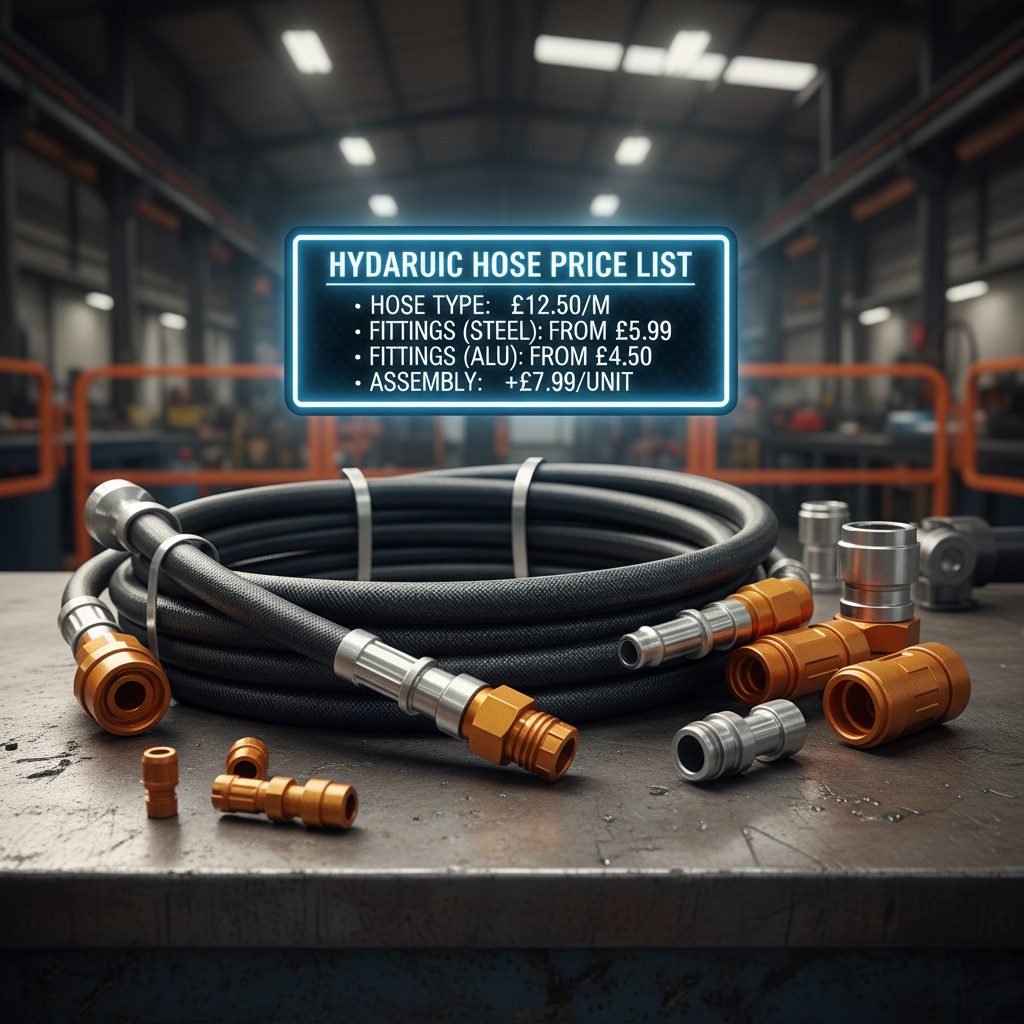
Using the correct hose fittings is critical for a secure and reliable connection. Incorrectly sized or incompatible fittings can lead to leaks, pressure drops, and even catastrophic hose failure. Fittings must be rated for the system's maximum operating pressure and be compatible with the hose material and hydraulic fluid. Always follow manufacturer's recommendations for fitting selection.
You can extend the lifespan of hydraulic hoses through proactive maintenance, including regular inspections, proper routing and support to prevent kinking and abrasion, using the correct hydraulic fluid, and avoiding overpressure situations. Implementing a hose management program with scheduled replacements based on operating hours or calendar time can also significantly improve hose longevity.
Conclusion
Hydraulic hose repair is an indispensable skill and practice, vital for the efficient and safe operation of countless industries worldwide. From ensuring the reliable functionality of heavy machinery to supporting critical infrastructure and emergency response efforts, proficiency in this area is paramount. By embracing proactive maintenance, utilizing advanced diagnostic techniques, and investing in skilled personnel, we can minimize downtime, reduce costs, and enhance safety.
Looking ahead, advancements in materials science, automation, and digital technologies promise to further revolutionize the field of hydraulic hose repair. Continued innovation, coupled with a commitment to sustainability and responsible practices, will pave the way for more durable, reliable, and environmentally friendly hydraulic systems. For expert assistance and high-quality solutions, visit our website: www.hydhoses.com.

 Call Us+86-158-0331-9351
 Emailcarrie@sinopulse.cn
 AddressHandan City, Hebei , China