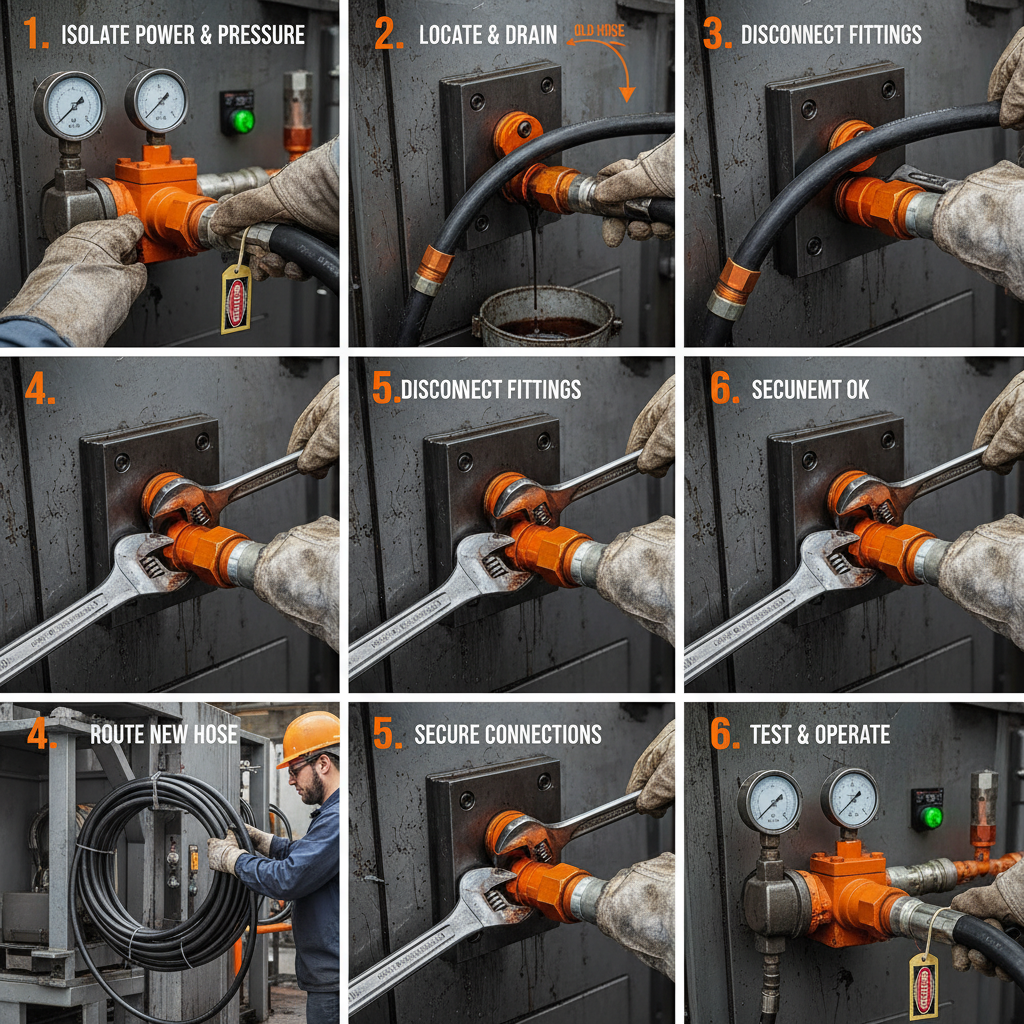
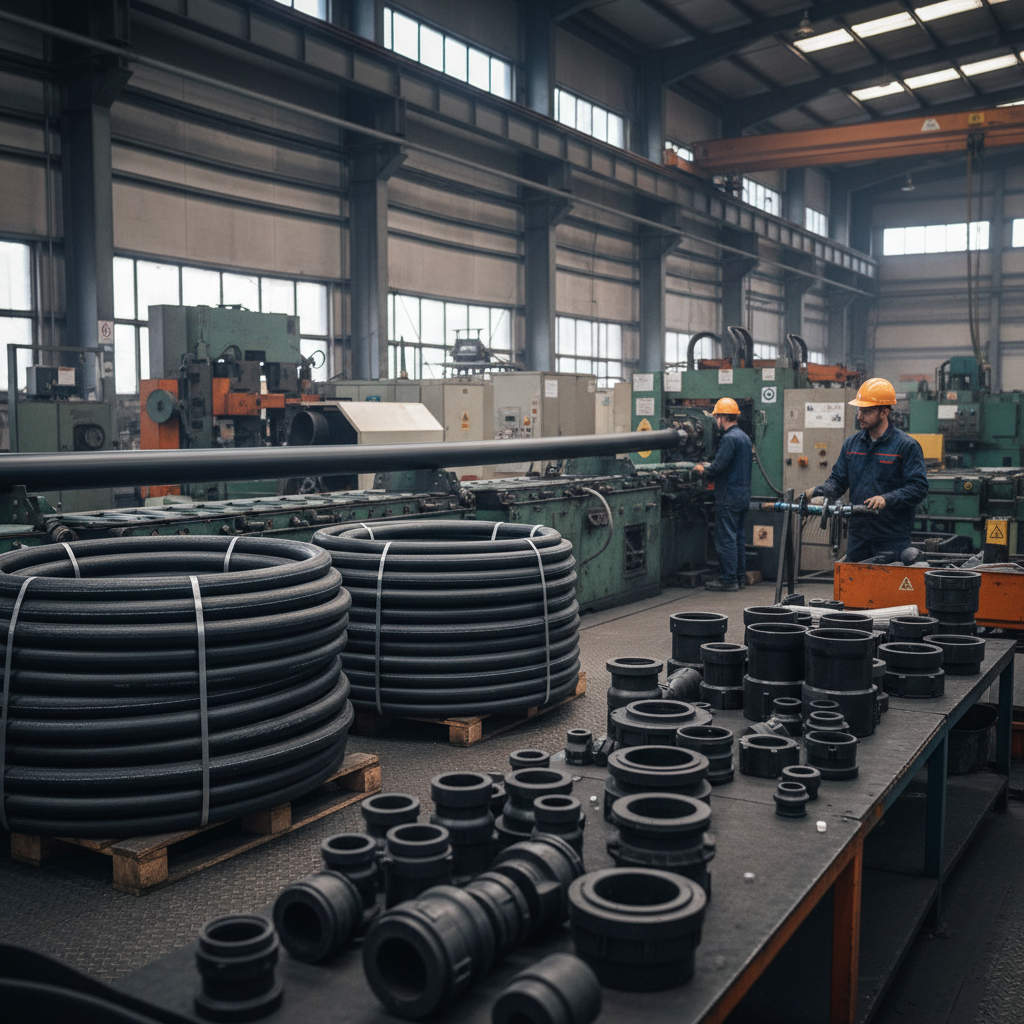
Selecting the right industrial hose suppliers is a critical decision for any operation involving fluid conduction, gas transport, or material handling. In an era of tightening safety regulations and extreme operational environments, the quality of a hose is not just a matter of efficiency, but a cornerstone of site safety and environmental protection.
From hydraulic systems in heavy machinery to chemical transfer in pharmaceutical plants, the reliability of these components prevents catastrophic failures and costly downtime. Understanding the nuances of material science—such as the difference between PTFE, nitrile, and EPDM—allows procurement managers to optimize their supply chain and reduce long-term maintenance costs.
Ultimately, partnering with experienced industrial hose suppliers ensures that every connection is engineered for the specific pressure, temperature, and chemical compatibility of the application. This guide explores the global landscape of hose procurement and the technical standards that define industry excellence.
The Global Role of Industrial Hose Suppliers
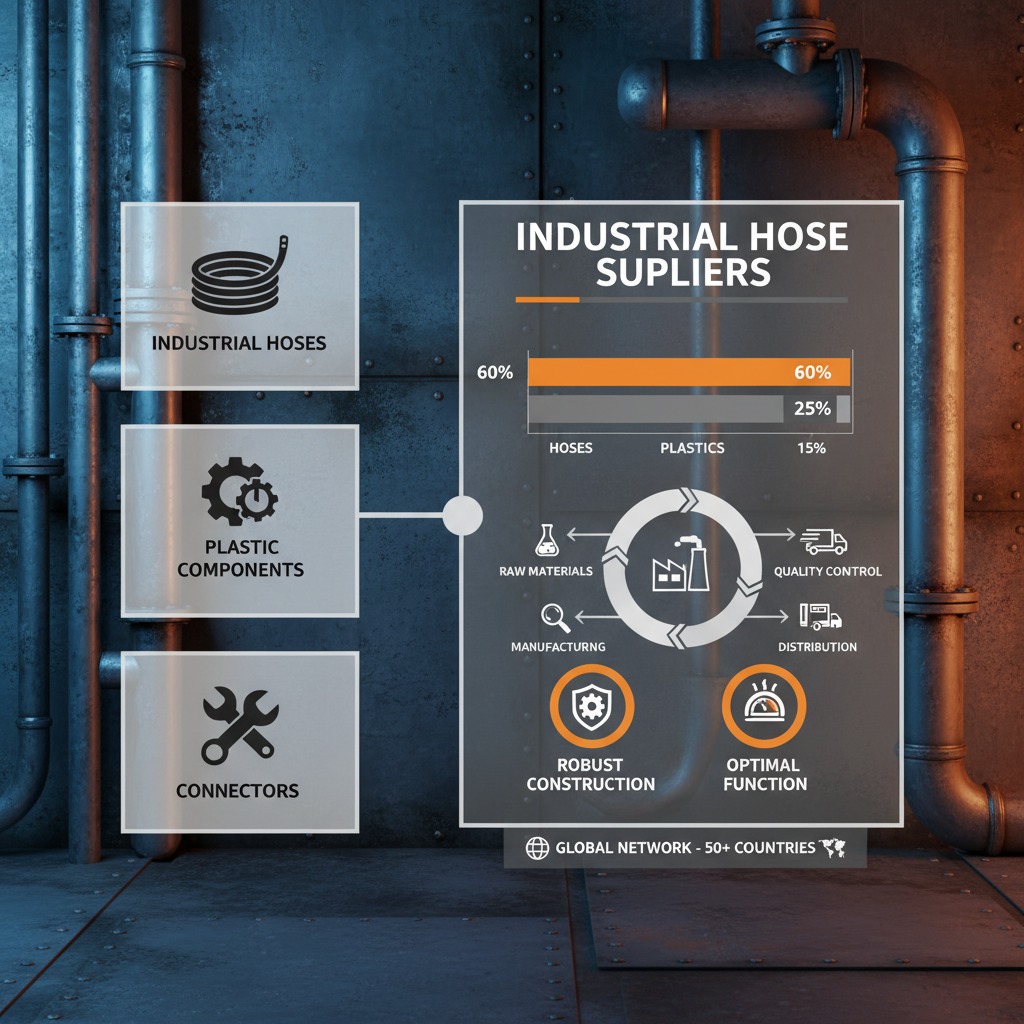
On a global scale, industrial hose suppliers act as the circulatory system of the manufacturing world. Whether it is the oil and gas sector in the Middle East or the automotive hubs in Germany and China, the demand for high-pressure hydraulic hoses and chemical-resistant piping is constant. ISO standards (such as ISO 18752) provide a baseline, but the actual implementation depends on the supplier's ability to customize products for extreme climates and volatile substances.
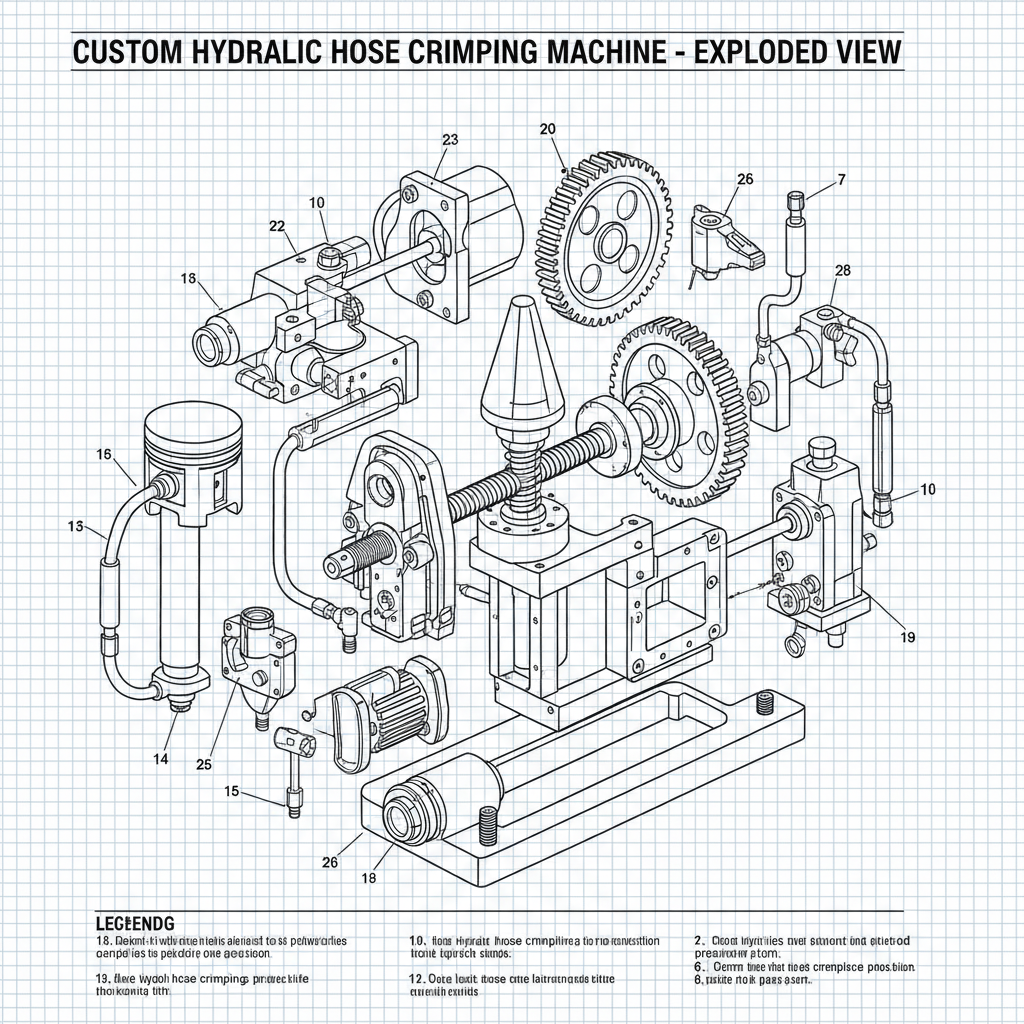
The challenge today lies in the fragmentation of the supply chain. Many enterprises struggle to find partners who can provide not only the hose but also the accompanying machinery, such as Hose Crimping Machines and Skiving Machines, to ensure a leak-proof assembly. This integration is what separates a mere vendor from a strategic partner in industrial productivity.
Defining the Scope of Modern Hose Supply
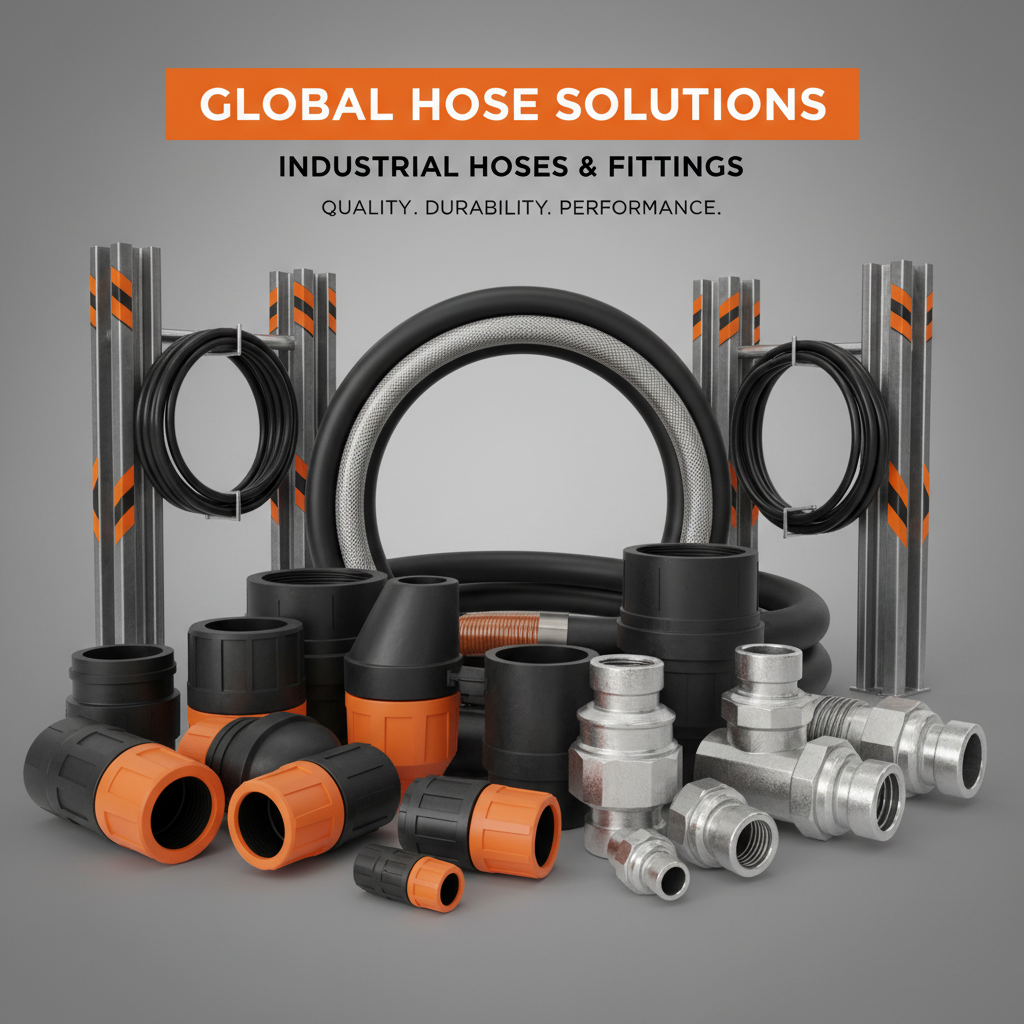
Industrial hose suppliers are specialized entities that design, manufacture, and distribute flexible conduits used to transport fluids, gases, and granular materials. Unlike standard consumer tubing, these products are engineered to withstand specific stresses, including surge pressures, abrasive wear, and thermal expansion. A comprehensive supplier typically manages a vast portfolio ranging from simple suction and discharge hoses to complex PTFE stainless steel braided hoses.
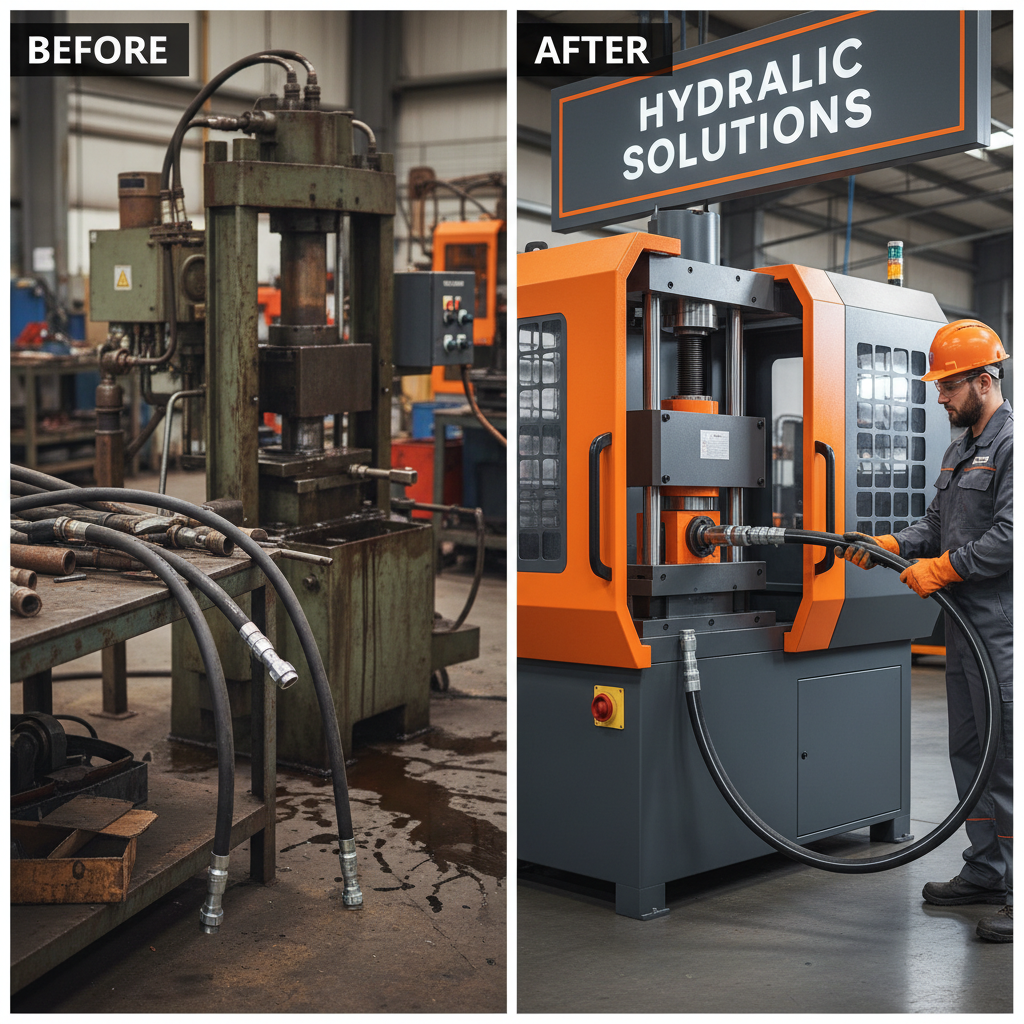
In the context of modern industry, these suppliers are essential for maintaining "Just-In-Time" (JIT) manufacturing. A single burst in a hydraulic line can halt an entire assembly line, costing thousands of dollars per minute. Therefore, the role of the supplier has evolved from selling a product to providing "uptime assurance" through rapid delivery and precision engineering.
Furthermore, the connection to humanitarian and infrastructure needs is profound. In disaster relief, heavy-duty suction hoses are used for flood control and water purification, while in the medical field, food-grade and pharmaceutical hoses ensure the sterile transport of life-saving fluids. This versatility makes the sector a pillar of global resilience.
Core Factors in Hose Selection and Quality
Durability is the primary metric evaluated when vetting industrial hose suppliers. This involves analyzing the reinforcement layer—whether it is a textile braid for medium pressure or a steel wire spiral for high-vacuum suction. The exterior cover must also be rated for UV resistance and abrasion to prevent premature degradation in outdoor environments.
Chemical Compatibility is equally critical. A mistake in selecting a hose material can lead to "chemical attack," where the inner tube softens or cracks upon contact with the medium. Expert industrial hose suppliers provide comprehensive compatibility charts to ensure that a Chemical Hose or Oil Hose is perfectly matched to the specific pH and temperature of the fluid being transported.
Cost Efficiency and Scalability round out the core requirements. While the initial purchase price is a factor, the "Total Cost of Ownership" (TCO) includes the frequency of replacement and the cost of unplanned downtime. Suppliers who offer precision cutting and crimping services help clients reduce waste and ensure that hoses are fitted perfectly to their machinery, enhancing overall system longevity.
Global Applications and Use Case Analysis
The application of products from industrial hose suppliers spans every continent. In North American mining operations, Steel Wire Spiral Hydraulic Hoses are used to move abrasive slurries under immense pressure. In Southeast Asian agricultural sectors, thermoplastic and textile braided hoses are essential for efficient irrigation and pesticide application.
A poignant example of their necessity is found in remote industrial zones or post-disaster relief operations. When infrastructure is destroyed, modular pumping systems relying on high-quality suction and discharge hoses are deployed to clear debris or provide potable water. In these high-stakes environments, the reliability of the hose becomes a matter of survival and recovery speed.
Performance Analysis of Industrial Hose Suppliers by Category
Tangible Advantages of Strategic Sourcing
The most immediate benefit of working with top-tier industrial hose suppliers is the dramatic increase in operational safety. High-pressure leaks can lead to "hydraulic injection" injuries or environmental contamination. By sourcing hoses that exceed minimum safety factors and are tested on professional Hose Testing Benches, companies protect their workers and their reputation.
Beyond safety, there is a strong logical and emotional value in trust and innovation. When a company knows their supplier can provide a customized solution—such as a hybrid PTFE hose for a specific corrosive chemical—it empowers the engineering team to innovate without fear of component failure. This reliability fosters a culture of stability and confidence within the production facility.
Future Trends in Hose Material Technology
The landscape of industrial hose suppliers is currently being reshaped by the drive toward sustainability. We are seeing a shift toward bio-based elastomers and recyclable thermoplastic polymers that maintain high pressure ratings while reducing the carbon footprint of the manufacturing process. Green energy projects, particularly hydrogen transport, are driving the demand for ultra-low permeation hoses.
Digital transformation is also entering the field via "Smart Hoses." Integration of embedded sensors allows for real-time monitoring of pressure drops, temperature spikes, and wear levels. This transition from reactive replacement to predictive maintenance is a game-changer for heavy industry, as it allows technicians to replace a hose before it fails.
Automation in the fabrication process is the final frontier. Modern suppliers are implementing robotic Hose Cutting and Crimping systems to eliminate human error in assembly. This precision ensures that every fitting is seated perfectly, maximizing the lifespan of the hose and ensuring total compatibility across global fleets of machinery.
Overcoming Common Procurement Challenges
One of the most persistent challenges when dealing with industrial hose suppliers is "over-specification," where buyers purchase hoses that are far more expensive than necessary for the task. Conversely, "under-specification" leads to premature failure. The solution lies in a consultative approach where the supplier performs a full system audit to recommend the exact material—be it an Auto Rubber Hose or a heavy-duty Sandblasting Hose.
Lead times and supply chain volatility also pose significant risks. To mitigate this, industry leaders are moving toward regional hub sourcing and maintaining "critical spares" inventories. By establishing long-term agreements with suppliers who stock a wide range of Hose Machinery and parts, companies can insulate themselves from global shipping delays.
Lastly, the gap in technical knowledge among procurement staff can lead to ordering errors. The best solution is a partnership with suppliers who provide educational resources, technical data sheets, and on-site training for assembly and installation. This collaborative model transforms the procurement process from a transaction into a technical partnership.
Comparative Analysis of Hose Material Performance in Industrial Contexts
| Material Type |
Pressure Rating |
Chemical Resistance |
Typical Lifespan |
| PTFE Stainless Braided |
Very High |
Excellent |
8-12 Years |
| Nitrile Rubber (NBR) |
Medium-High |
Good (Oils) |
3-5 Years |
| EPDM Rubber |
Medium |
Good (Weather/Steam) |
4-7 Years |
| Thermoplastic |
Medium |
Moderate |
2-4 Years |
| Steel Wire Spiral |
Ultra High |
Moderate |
5-8 Years |
| Textile Braided |
Low-Medium |
Moderate |
2-3 Years |
FAQS
When choosing suppliers for high-pressure applications, focus on their certification (ISO, SAE) and their testing capabilities. A reputable supplier should provide pressure test certificates for every batch and offer a wide range of reinforcement options, such as multiple layers of high-tensile steel wire braiding. Always ask for a "burst pressure" vs "working pressure" ratio to ensure a sufficient safety margin for your specific operation.
Yes, professional suppliers typically offer full-service fabrication. This includes precision cutting using Hose Cutting Machines and secure termination using Hose Crimping Machines. By providing a detailed blueprint or a sample hose, you can receive a custom-engineered assembly that fits your machinery perfectly, reducing the risk of kinks or stress points that lead to premature failure.
While rubber hoses are excellent for general-purpose oil and water transport, PTFE (Teflon) braided hoses offer far superior chemical resistance and temperature tolerance. PTFE is virtually inert, making it the gold standard for transporting corrosive acids or extremely hot fluids. The stainless steel braiding provides the necessary structural strength to handle high pressures that would otherwise cause the PTFE liner to expand.
Replacement intervals depend on the environment and usage. However, a proactive "Preventative Maintenance" schedule is recommended. Hoses in abrasive or high-heat environments should be inspected monthly for "checking" (small cracks) or bulging. Generally, critical hydraulic hoses are replaced every 2-5 years regardless of appearance to avoid the catastrophic costs of an unexpected burst during operation.
Absolutely. Food-grade hoses are manufactured from non-toxic, FDA-compliant materials that prevent leaching and are designed for easy cleaning (CIP - Clean-In-Place). They usually have a smooth internal bore to prevent bacteria buildup. Using a standard industrial hose in a food or pharma environment can lead to contamination and severe regulatory penalties.
Verify their quality by requesting a sample for "destructive testing" and asking for their Quality Management System (QMS) documentation. Check if they provide a full traceability log for the materials used in the hose construction. Furthermore, a supplier that invests in its own Hose Testing Benches is generally more reliable than one that simply resells third-party products without verification.
Conclusion
In summary, the role of industrial hose suppliers extends far beyond the simple delivery of rubber and plastic tubes. It is a sophisticated discipline involving material science, precision engineering, and a deep understanding of global safety standards. By prioritizing durability, chemical compatibility, and strategic partnerships, businesses can ensure their operations remain safe, efficient, and sustainable in an increasingly demanding industrial landscape.
Looking forward, the integration of smart sensors and eco-friendly polymers will redefine the industry, shifting the focus from replacement to prediction. We recommend that procurement managers move away from "lowest-bidder" sourcing and instead embrace a value-based approach that prioritizes long-term reliability and technical support. For high-performance solutions and expert guidance, visit our website: www.hydhoses.com

 Call Us+86-158-0331-9351
 Emailcarrie@sinopulse.cn
 AddressHandan City, Hebei , China