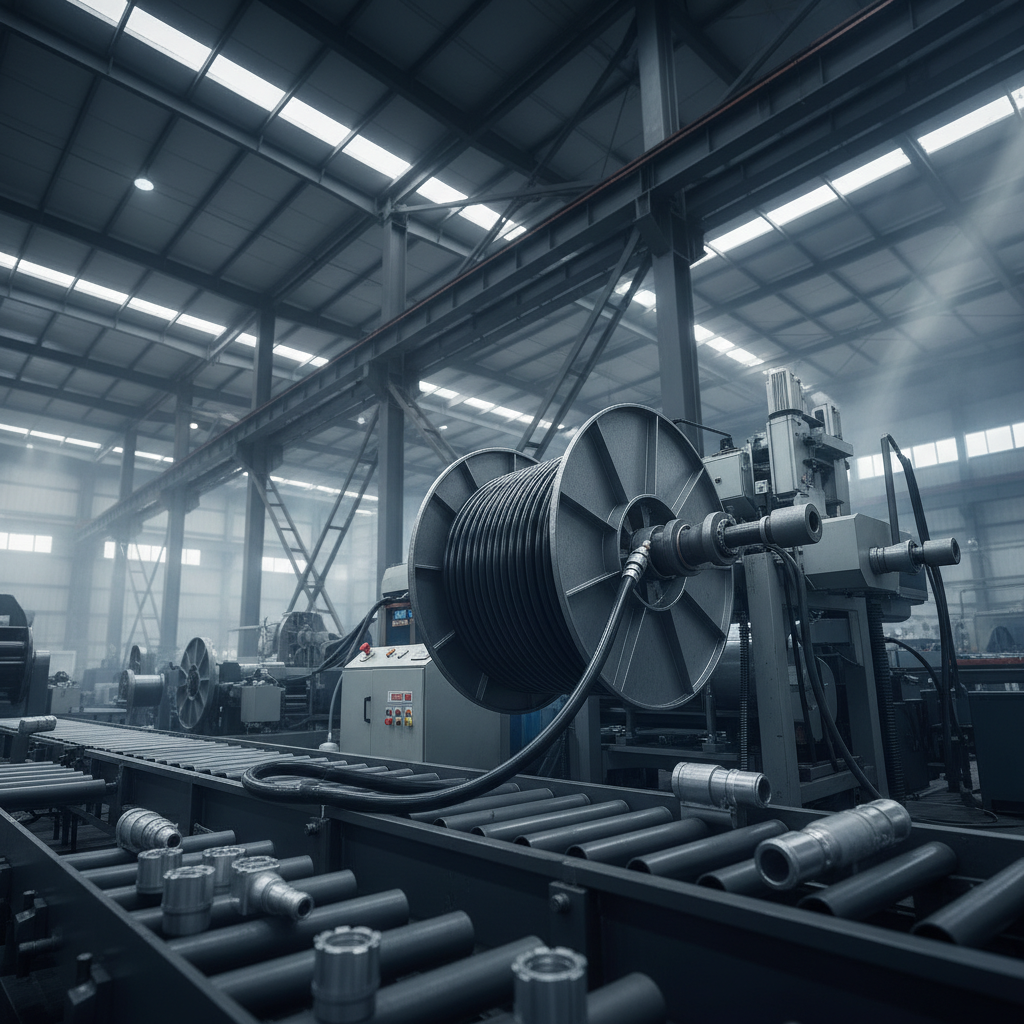
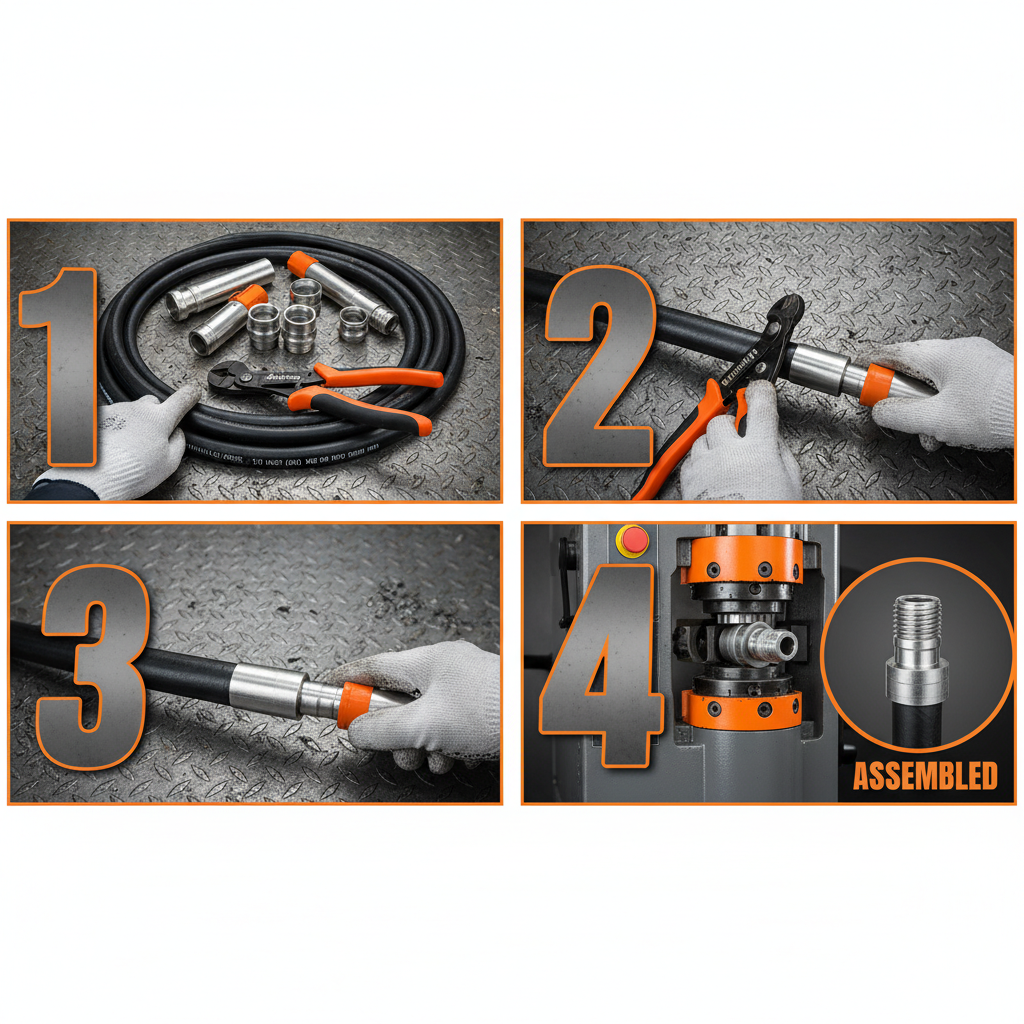
The 1 2 inch hydraulic hose is a crucial component in a vast array of industries, from construction and agriculture to manufacturing and aerospace. Its ability to reliably transmit fluid power makes it indispensable for operating heavy machinery, controlling complex systems, and ensuring the efficient functioning of countless applications. Understanding the specifications, applications, and maintenance of a 1 2 inch hydraulic hose is essential for professionals across these fields.
Globally, the demand for hydraulic hoses, including the 1 2 inch variety, is steadily increasing, driven by continued industrialization and infrastructure development. According to market research reports, the hydraulic hose market is projected to reach significant growth in the coming years. This demand is particularly strong in emerging economies where infrastructure projects are rapidly expanding. Reliable hydraulic systems are foundational to these advancements.
The core benefit of a well-chosen and properly maintained 1 2 inch hydraulic hose lies in its ability to deliver consistent performance and minimize downtime. This translates to increased productivity, reduced operational costs, and enhanced safety for workers. Selecting the appropriate hose for a specific application is paramount to preventing failures and ensuring long-term reliability.
Introduction to 1 2 inch hydraulic hose
The 1 2 inch hydraulic hose is a versatile component commonly used in applications requiring moderate flow rates and pressures. Its relatively small diameter makes it suitable for tight spaces and applications where flexibility is paramount. A proper understanding of its construction and capabilities is crucial for ensuring its effective use.
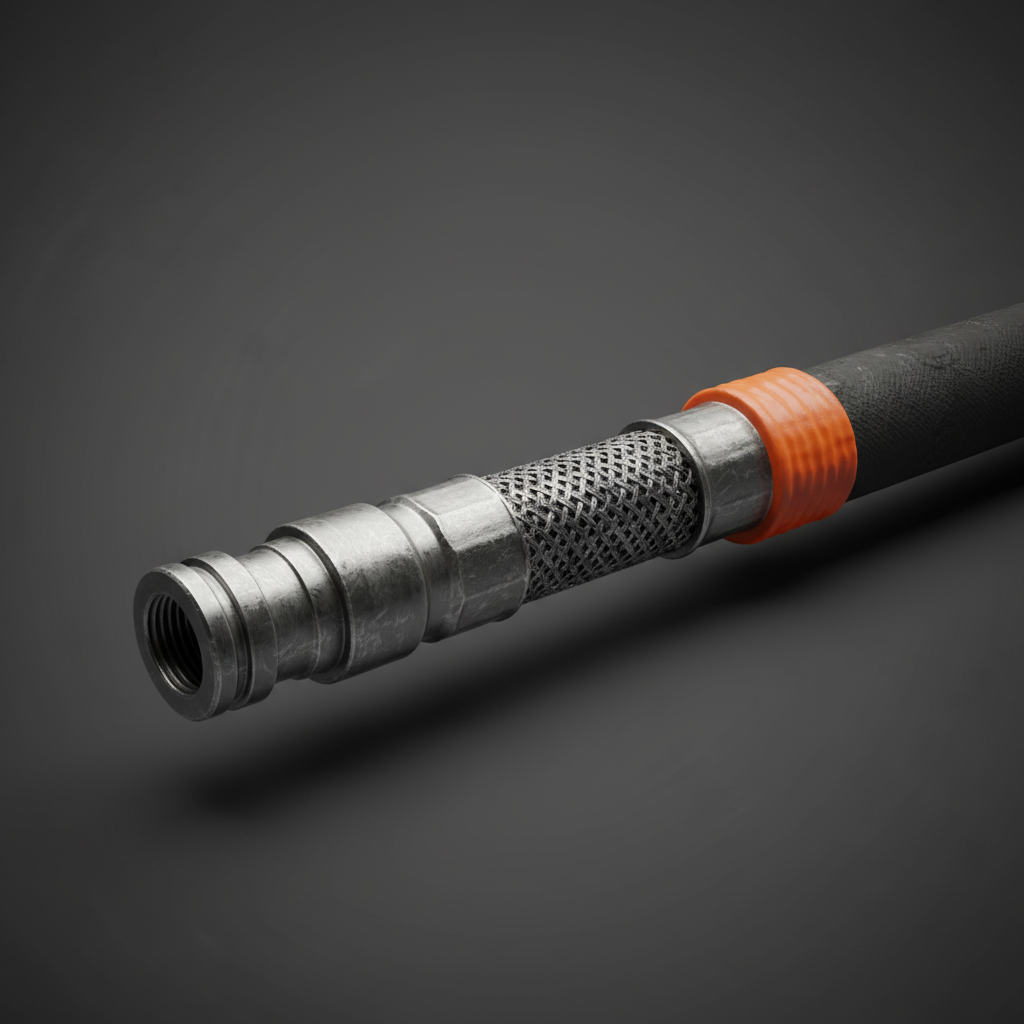
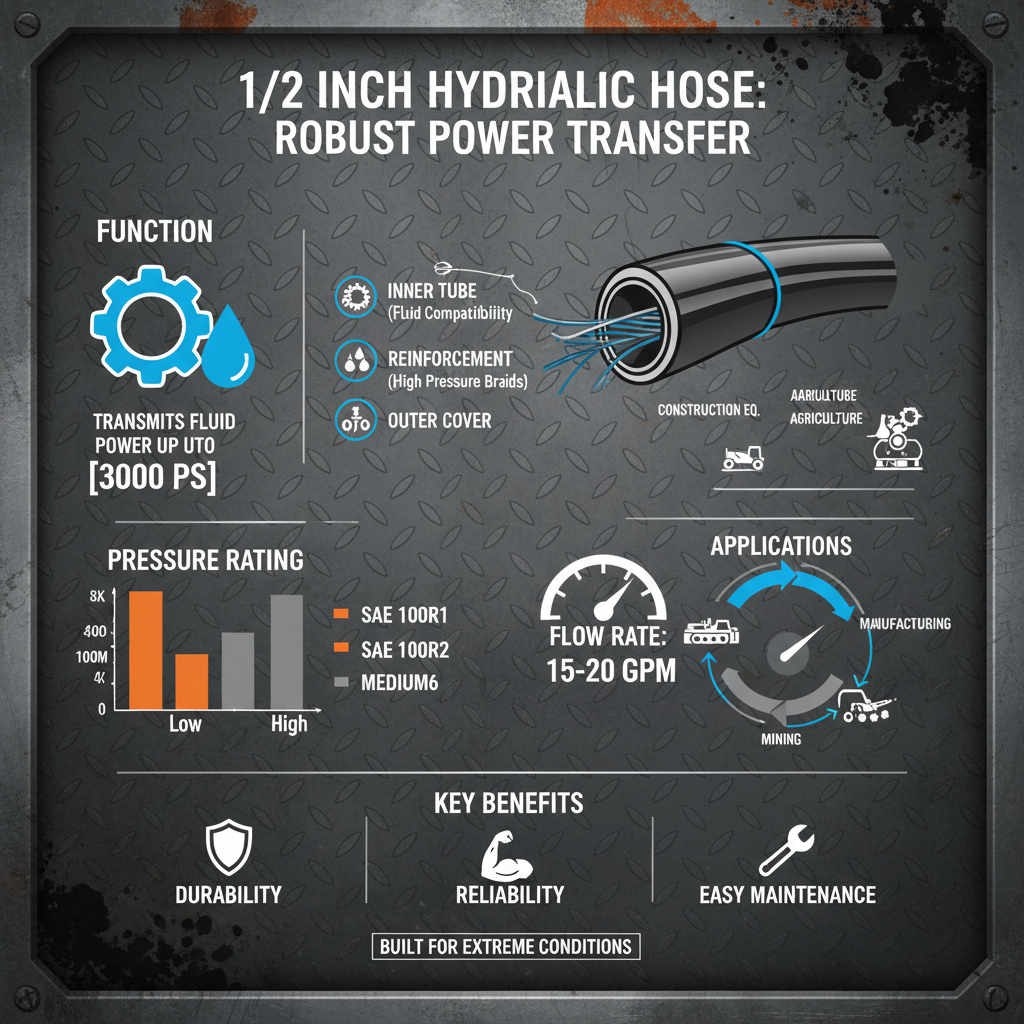
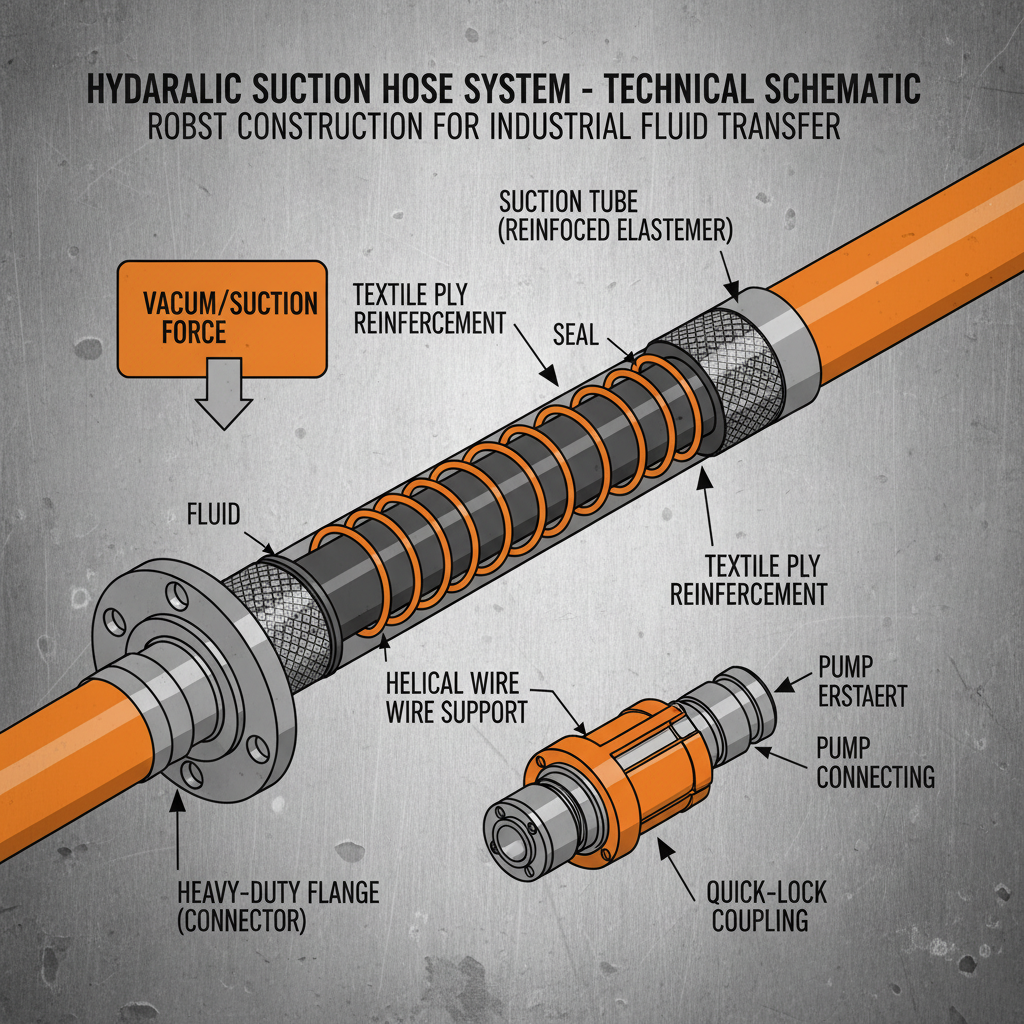
These hoses are constructed with a combination of inner tubes, reinforcement layers, and outer coverings, designed to withstand demanding operating conditions. The materials used in their construction vary depending on the application, ranging from synthetic rubbers to thermoplastic polymers, and steel wire reinforcement.
Global Relevance and Industry Context
The global hydraulic hose market is heavily influenced by the performance of key industries like construction, agriculture, and manufacturing. The UN’s Sustainable Development Goals, particularly those related to infrastructure development (Goal 9) and sustainable agriculture (Goal 2), indirectly contribute to the demand for these hoses. Efficient hydraulic systems are fundamental to achieving these goals.
A significant challenge facing the hydraulic hose industry is the increasing demand for higher-performing and more durable products. As machinery becomes more sophisticated and operates under more extreme conditions, the need for hoses that can withstand these demands grows. Addressing this requires ongoing innovation in materials and manufacturing processes.
Furthermore, the pressure to reduce environmental impact is driving the development of more eco-friendly hydraulic fluids and hose materials. The reduction of leaks and spills is a critical concern, leading to a greater emphasis on hose reliability and the use of biodegradable fluids.
Defining the 1 2 inch Hydraulic Hose
A 1 2 inch hydraulic hose is, fundamentally, a flexible conduit designed to transmit hydraulic fluid under pressure. This fluid acts as a medium for transferring power, enabling the operation of hydraulic machinery. The ‘1 2 inch’ refers to the internal diameter of the hose, influencing its flow capacity and pressure handling capabilities.
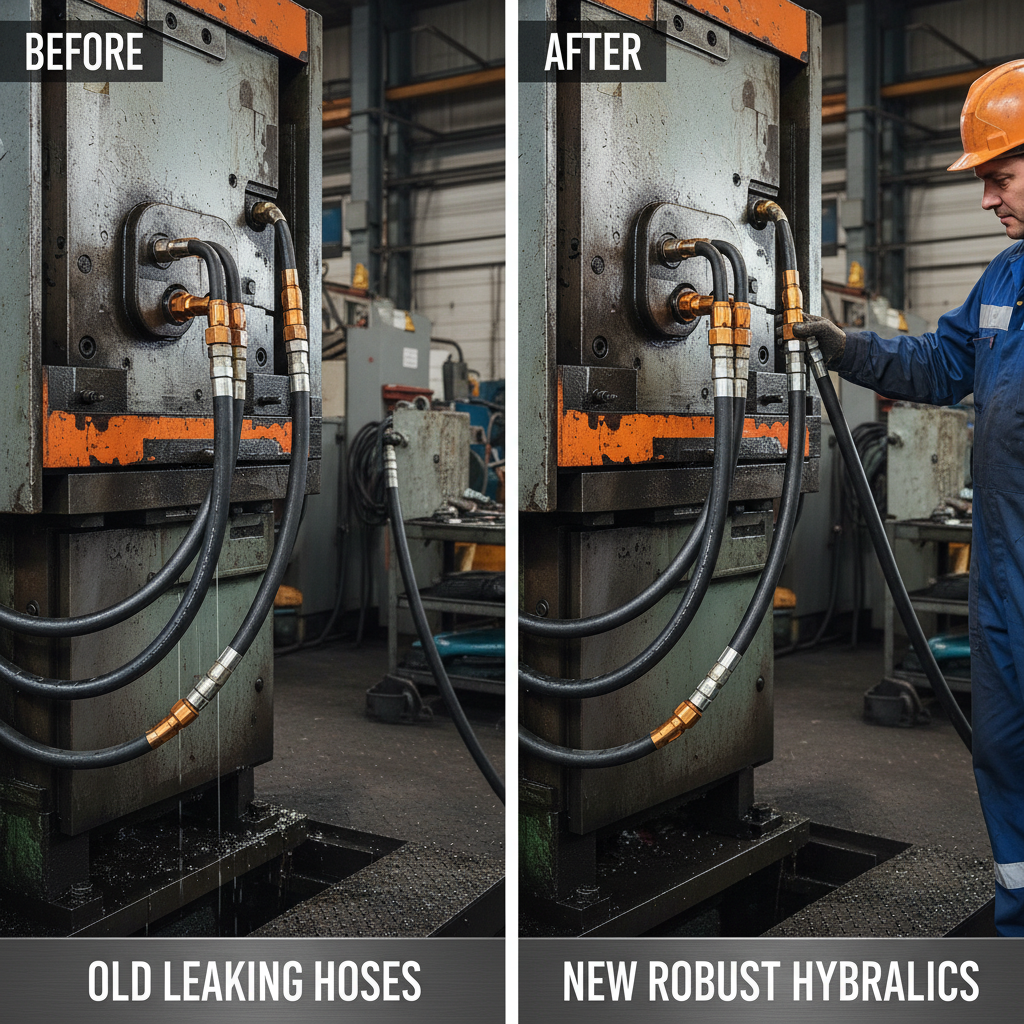
Its connection to modern industry is undeniable. From excavators and loaders on construction sites to hydraulic presses in manufacturing plants and agricultural machinery, the 1 2 inch hydraulic hose plays a vital role in powering essential operations. It’s a key element in countless hydraulic systems.
The use of a 1 2 inch hydraulic hose extends beyond purely industrial applications, finding use in emergency response equipment, marine applications, and even specialized tools. The hose’s ability to efficiently and reliably transmit power makes it a crucial component in diverse scenarios requiring controlled force.
Key Factors and Core Components
Durability: The durability of a 1 2 inch hydraulic hose is paramount, dictated by the quality of its materials and construction. Resistance to abrasion, corrosion, and extreme temperatures are critical factors.
Pressure Rating: Each hose has a maximum working pressure, which must be carefully considered when selecting a hose for a specific application. Exceeding this pressure can lead to catastrophic failure.
Flexibility: The flexibility of the hose determines its ability to navigate tight bends and complex routing scenarios. This is particularly important in mobile equipment.
Temperature Resistance: Hydraulic systems can operate at varying temperatures. The hose must be able to withstand these fluctuations without degrading.
Fluid Compatibility: The hose material must be compatible with the hydraulic fluid being used. Incompatibility can lead to swelling, softening, or chemical degradation.
Reinforcement Type: The type of reinforcement (e.g., spiral wire, braided fiber) significantly impacts the hose’s strength and burst pressure.
Pressure Ratings of Common 1 2 inch Hydraulic Hose Constructions
Global Applications and Use Cases
In the construction industry, a 1 2 inch hydraulic hose is commonly used to power excavators, backhoes, and skid steer loaders, enabling tasks like digging, lifting, and grading. These hoses are vital for the efficient operation of these machines.
Within the agricultural sector, these hoses are utilized in tractors, harvesters, and irrigation systems, providing the hydraulic power necessary for planting, harvesting, and water management. They contribute to increased crop yields and agricultural productivity.
In post-disaster relief operations, portable hydraulic tools powered by 1 2 inch hydraulic hoses are indispensable for cutting through debris, lifting heavy objects, and rescuing trapped individuals. Their portability and reliability are crucial in emergency situations.
Advantages and Long-Term Value
The primary advantage of using a quality 1 2 inch hydraulic hose lies in its cost-effectiveness over the long term. While initial costs may be comparable to alternatives, reduced downtime, fewer replacements, and increased efficiency translate to significant savings.
From a sustainability perspective, choosing durable hoses reduces waste and minimizes the environmental impact associated with frequent replacements. Investing in high-quality hoses is a step towards responsible resource management.
Future Trends and Innovations
The development of smart hydraulic hoses equipped with sensors to monitor pressure, temperature, and leakage is a significant emerging trend. These sensors provide real-time data, enabling predictive maintenance and preventing catastrophic failures.
Research into biodegradable and more sustainable hose materials is gaining momentum, driven by growing environmental concerns. These materials offer a reduced carbon footprint and minimize the impact of hose disposal.
The integration of artificial intelligence (AI) and machine learning (ML) in hydraulic system design will lead to optimized hose selection and performance, further enhancing efficiency and reliability.
Summary of Key Innovations in 1 2 inch Hydraulic Hose Technology
| Innovation Area |
Technology Description |
Potential Impact |
Adoption Rate (1-10) |
| Smart Sensors |
Integrated pressure, temperature, and leakage sensors. |
Predictive maintenance, reduced downtime, improved safety. |
6 |
| Biodegradable Materials |
Use of plant-based or biodegradable polymers in hose construction. |
Reduced environmental impact, sustainable disposal. |
4 |
| AI-Powered Design |
AI algorithms optimizing hose selection and performance. |
Increased efficiency, reduced material waste, improved reliability. |
5 |
| Self-Healing Polymers |
Materials that can automatically repair minor damage. |
Extended hose lifespan, reduced maintenance costs. |
3 |
| Wireless Monitoring |
Remote data transmission via wireless communication. |
Real-time performance tracking, proactive issue detection. |
7 |
| Advanced Reinforcement |
New materials and braiding techniques for enhanced strength. |
Increased pressure capacity, improved durability. |
8 |
FAQS
The lifespan of a 1 2 inch hydraulic hose varies significantly depending on operating conditions, fluid type, and the quality of the hose itself. Generally, with proper maintenance and within specified operating parameters, a hose can last between 3 to 7 years. However, factors like exposure to extreme temperatures, abrasion, and chemical degradation can shorten this lifespan considerably. Regular inspections are crucial.
Determining the correct pressure rating is critical for safety and performance. You must know the maximum system pressure, including any pressure spikes. Select a hose with a working pressure rating at least four times the maximum system pressure. Always refer to the manufacturer's specifications and ensure the hose is appropriately rated for your application. Ignoring this can lead to catastrophic failure.
Common causes of failure include exceeding the pressure rating, improper installation (kinking or twisting), abrasion, exposure to incompatible fluids, and damage from extreme temperatures. Regular inspections can identify potential issues before they escalate into failures. Also, check for cracks, bulges, or leaks.
Compatibility depends on the hose material. Most standard 1 2 inch hydraulic hoses are compatible with petroleum-based hydraulic fluids. However, synthetic fluids (like phosphate ester) require hoses specifically designed for those fluids. Always consult the hose manufacturer’s compatibility chart before use to avoid degradation and failure. Using the incorrect fluid can significantly shorten the hose’s lifespan.
Inspections should be conducted regularly, ideally before each use, and at least monthly. Look for signs of wear, such as cracks, abrasions, bulges, leaks, or kinking. Pay close attention to hose ends and fittings. Document all inspections and replace hoses that show any signs of damage. A proactive inspection routine prevents unexpected downtime.
Minor leaks may sometimes be temporarily patched, but it's generally not recommended as a long-term solution. Repairs can compromise the hose’s integrity and create a potential safety hazard. Replacement is almost always the safest and most reliable option. A damaged hose is a potential failure point and should be replaced promptly.
Conclusion
The 1 2 inch hydraulic hose remains a critical component across numerous industries, enabling efficient and reliable power transmission. Understanding its specifications, potential applications, and the importance of regular maintenance is crucial for maximizing performance and minimizing downtime. Investing in quality hoses and adhering to best practices ensures long-term value and safety.
Looking ahead, innovations in materials, sensor technology, and AI-driven design will further enhance the capabilities of 1 2 inch hydraulic hoses. Embracing these advancements will be key to meeting the evolving demands of modern industries and ensuring sustainable, efficient operations. For all your hydraulic hose needs, visit our website: www.hydhoses.com.

 Call Us+86-158-0331-9351
 Emailcarrie@sinopulse.cn
 AddressHandan City, Hebei , China