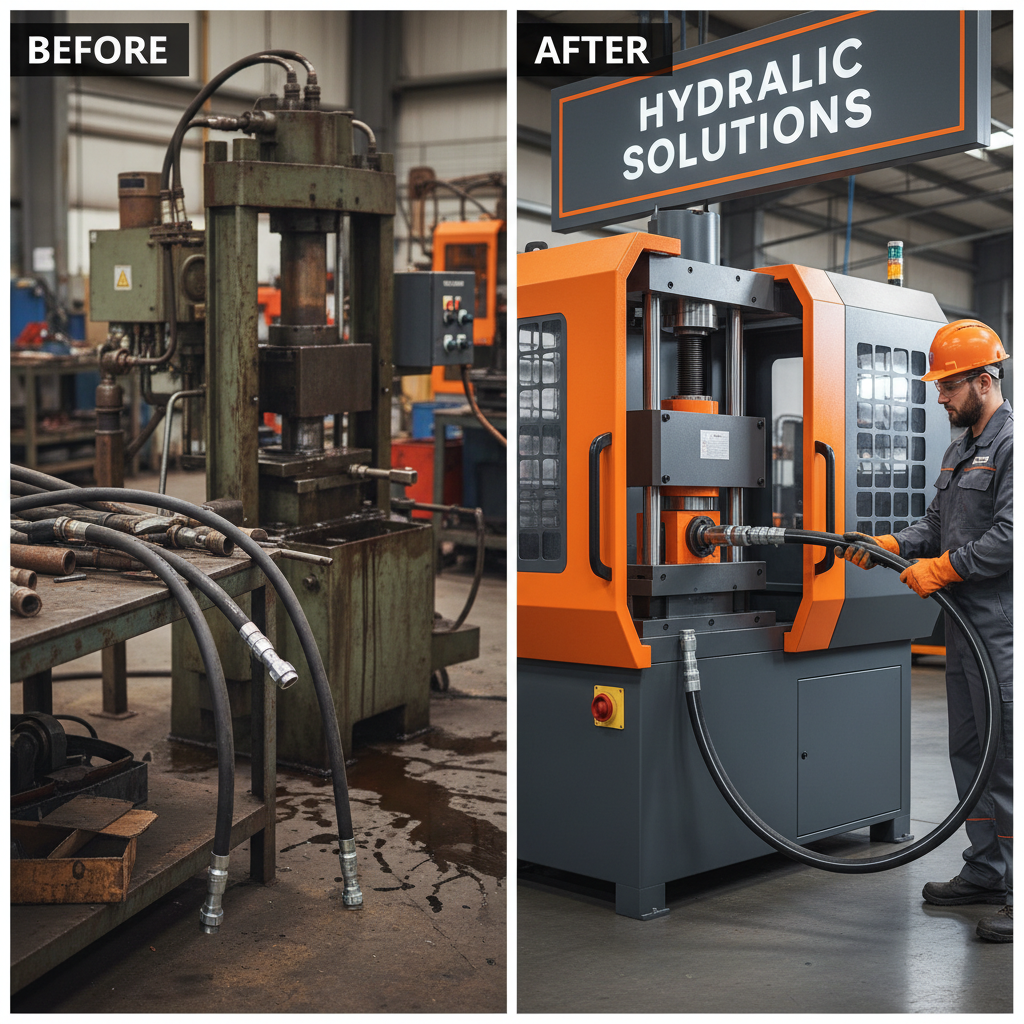
Hydraulic suction hose plays a crucial role in a wide range of industries, from agriculture and construction to oil and gas. Its primary function is to efficiently transfer fluids, often under pressure, and its reliability is paramount to the safe and effective operation of countless processes. Understanding the nuances of hydraulic suction hose – its materials, construction, and applications – is essential for professionals and end-users alike seeking optimal performance and longevity.
The global demand for hydraulic suction hose is steadily increasing, driven by the growth of these key industries and the rising need for efficient fluid handling. According to industry reports, the market is projected to continue expanding in the coming years, fueled by infrastructure development in emerging economies and the demand for specialized hoses in advanced applications. Addressing challenges such as material degradation and compatibility is key to fulfilling this demand.
Beyond industrial applications, advancements in hydraulic suction hose technology are also impacting critical areas like emergency response and environmental remediation. Specialized hoses are now utilized for tasks like oil spill cleanup and hazardous material transfer, demonstrating the versatility and importance of this often-overlooked component.
Introduction to Hydraulic Suction Hose
Hydraulic suction hose is engineered to withstand the rigors of fluid transfer, particularly in applications involving negative pressure. Its construction incorporates reinforced layers designed to prevent collapse under suction, ensuring consistent flow and preventing air intake which can damage hydraulic systems. Choosing the right hydraulic suction hose for a specific application is vital for maintaining system efficiency and safety.
The importance of quality extends beyond functionality. A poorly constructed hose can lead to catastrophic failure, resulting in fluid leaks, equipment damage, and potential injury. Therefore, a thorough understanding of hose specifications, including pressure ratings, temperature limits, and fluid compatibility, is paramount for all stakeholders involved in hydraulic system design, maintenance, and operation.
Defining Hydraulic Suction Hose
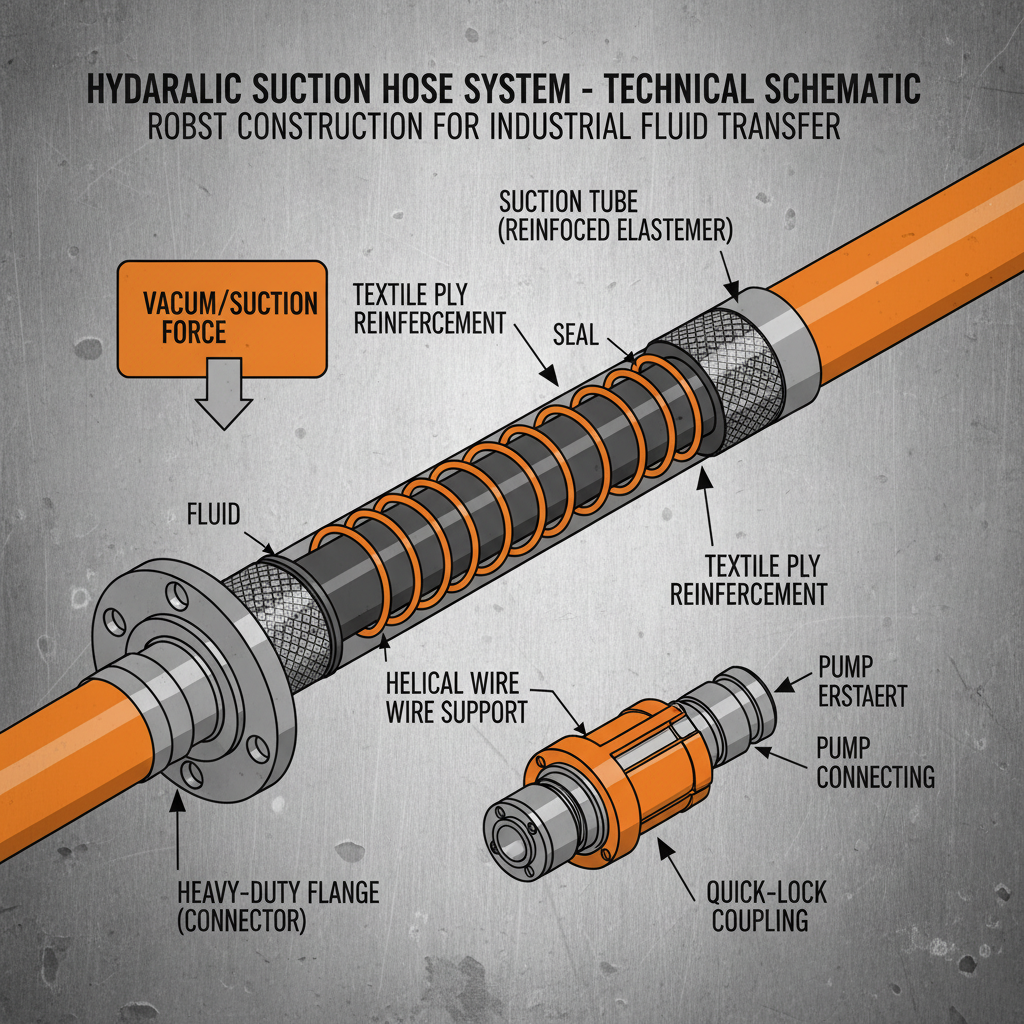
A hydraulic suction hose is a specialized flexible conduit designed specifically to draw fluids into a hydraulic system. Unlike pressure hoses which are engineered to withstand positive pressure, suction hoses must resist collapsing under vacuum or negative pressure. This is achieved through robust construction, often incorporating internal reinforcement like steel wire helixes or multi-layered polymer structures.
Its connection to modern industry is undeniable. From heavy machinery in construction and mining to the intricate hydraulic systems found in aircraft and manufacturing facilities, hydraulic suction hose forms a critical link in maintaining fluid circulation. Without a reliable suction hose, these systems would quickly become inoperable.
Beyond industrial applications, hydraulic suction hoses have humanitarian uses. They’re utilized in water purification systems, emergency pumping operations, and disaster relief efforts, highlighting their versatility and essential role in various societal needs. The ability to quickly and efficiently move fluids is often crucial in emergency situations.
Core Components & Material Science
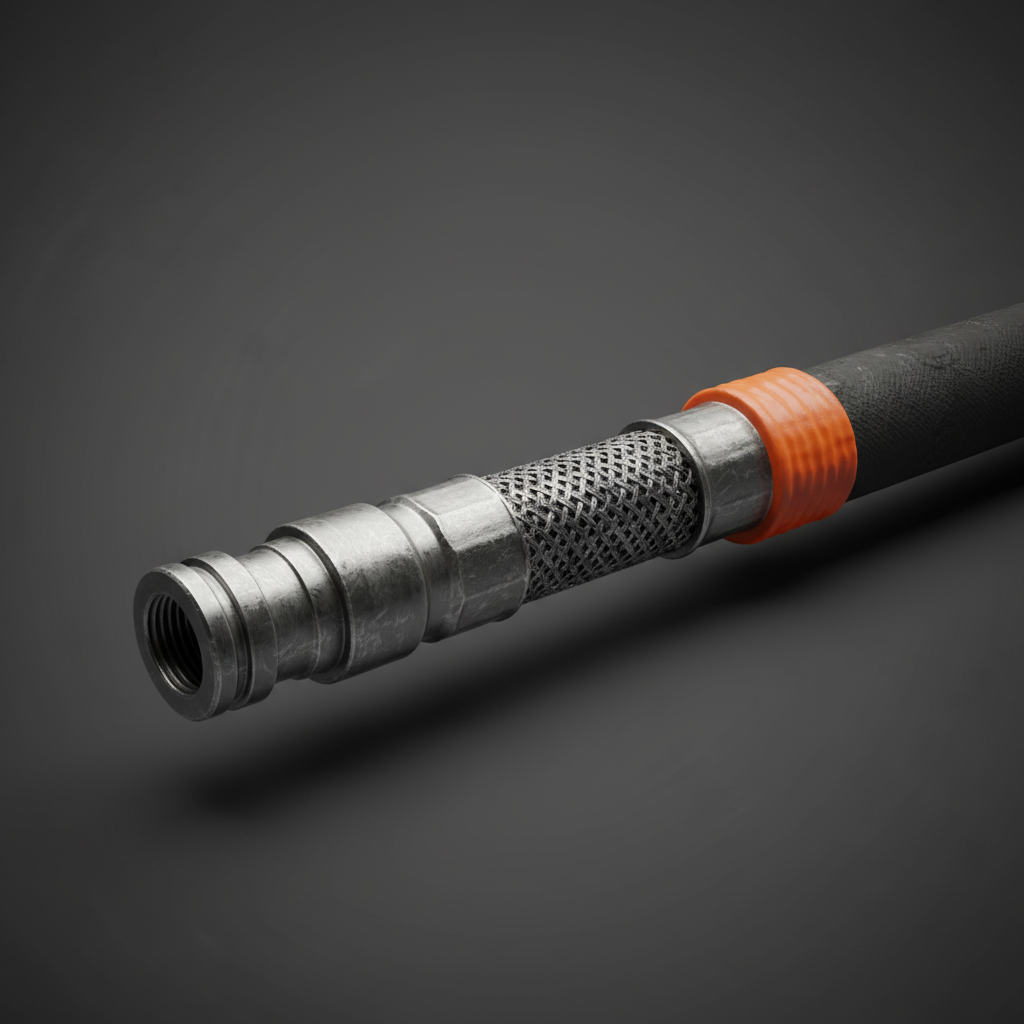
The core of a hydraulic suction hose lies in its layered construction. The inner tube, typically made from materials like nitrile rubber (NBR), ethylene propylene diene monomer (EPDM), or fluorocarbon (FKM), must be chemically compatible with the fluid being transferred. This compatibility prevents degradation and ensures a long service life.
Reinforcement layers are essential for preventing hose collapse under suction. These layers often consist of multiple plies of textile braid (typically nylon or polyester) or a steel wire helix embedded within the rubber matrix. The specific reinforcement configuration is dictated by the required pressure rating and application demands.
Finally, the outer cover provides abrasion resistance and protection from environmental factors like UV exposure and temperature fluctuations. Common outer cover materials include synthetic rubbers like SBR (styrene-butadiene rubber) or polyurethane. The selection of appropriate materials for each layer is a critical engineering consideration.
Key Performance Indicators
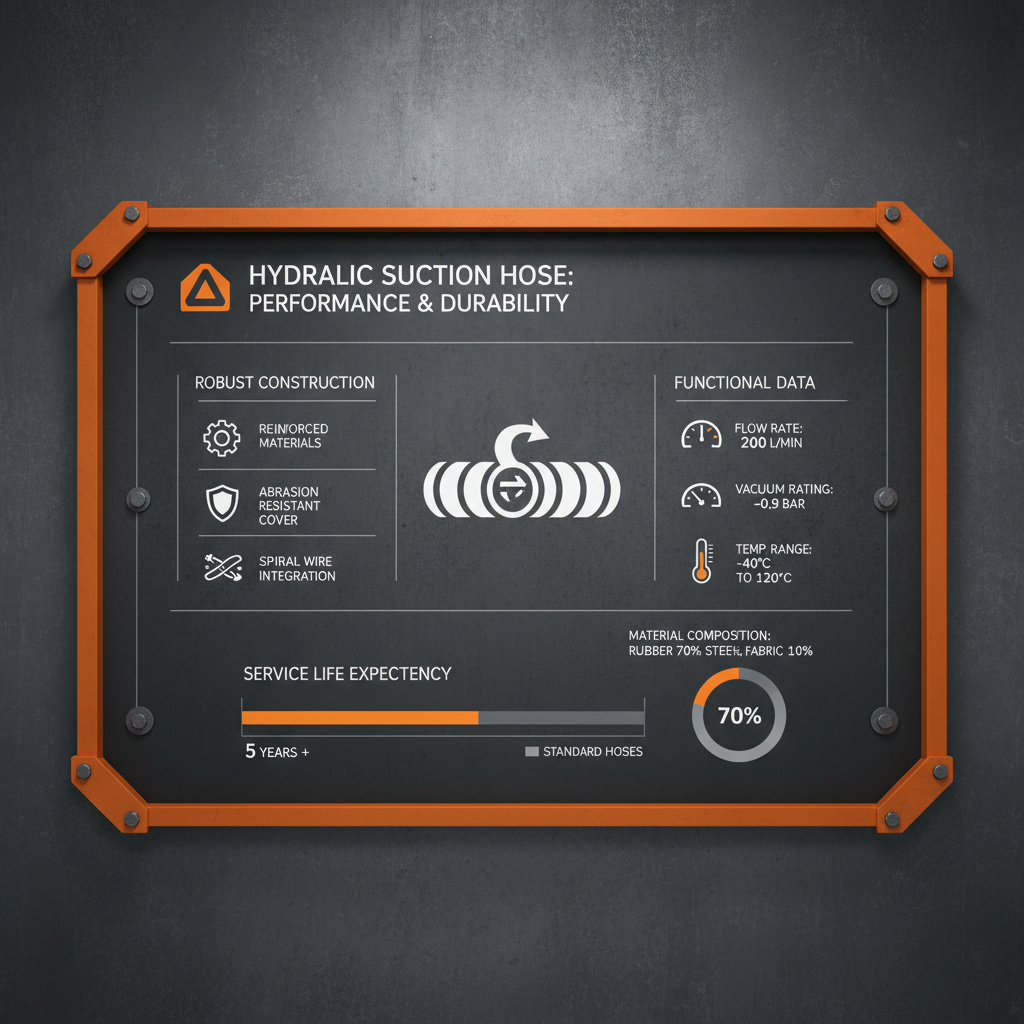
Evaluating a hydraulic suction hose involves assessing several key performance indicators. Pressure rating (expressed in PSI or bar) defines the maximum negative pressure the hose can safely withstand. Temperature range indicates the operating temperature limits, beyond which the hose's materials may degrade.
Fluid compatibility is also critical. Using a hose incompatible with the conveyed fluid can lead to swelling, cracking, or even complete failure. Furthermore, bend radius – the minimum radius to which the hose can be bent without kinking or damaging the internal structure – is an important consideration for installation and operation.
Hydraulic Suction Hose Performance Comparison
Global Applications and Industries Served
Hydraulic suction hose finds widespread application across diverse industries. In agriculture, it is used for transferring water and fertilizers. Construction relies on it for powering heavy machinery like excavators and loaders. The oil and gas industry utilizes specialized hoses for transferring crude oil and other fluids in challenging environments.
In remote industrial zones, where maintaining equipment uptime is crucial, reliable hydraulic suction hose is often the difference between continued operation and costly downtime. Similarly, in post-disaster relief operations, hoses are essential for pumping water and delivering aid to affected areas.
Advantages & Long-Term Benefits
Investing in high-quality hydraulic suction hose offers significant long-term benefits. Reduced downtime due to fewer failures translates to cost savings and increased productivity. Enhanced safety – by preventing fluid leaks and catastrophic hose bursts – protects personnel and the environment.
Beyond the tangible benefits, choosing reliable hoses fosters trust and demonstrates a commitment to operational excellence. The sustainability aspect is also becoming increasingly important, with manufacturers offering eco-friendly materials and designs.
Future Trends and Innovation
The future of hydraulic suction hose is poised for innovation. Developments in material science are leading to lighter, more durable, and chemically resistant hoses. Smart hoses, incorporating sensors to monitor pressure, temperature, and flow, are emerging as a means of predictive maintenance.
Sustainability is also driving innovation, with a growing focus on biodegradable materials and closed-loop recycling programs. Furthermore, automation and digital transformation are influencing hose manufacturing processes, leading to greater precision and quality control.
The integration of digital technologies will allow for real-time monitoring of hose health, enabling proactive maintenance and preventing unexpected failures, particularly in critical applications.
Challenges and Solutions
Despite advancements, challenges remain. Hose degradation due to chemical attack, abrasion, and temperature extremes continues to be a concern. Ensuring compatibility between the hose material and the conveyed fluid is crucial, but often complex.
Solutions include the development of advanced polymer formulations, protective coatings, and regular inspection programs. Implementing robust quality control measures during manufacturing and providing comprehensive training for users are also vital.
Furthermore, improved hose designs – such as incorporating anti-kink features and optimized reinforcement configurations – can enhance performance and extend service life.
Key Considerations for Hydraulic Suction Hose Selection
| Application Type |
Material Compatibility |
Pressure Rating (PSI) |
Expected Service Life (Years) |
| Agricultural Irrigation |
Water, Fertilizers |
50-100 |
3-5 |
| Construction Equipment |
Hydraulic Oil |
150-250 |
2-4 |
| Oil & Gas Transfer |
Crude Oil, Chemicals |
300-500 |
1-3 |
| Emergency Pumping |
Water, Wastewater |
75-125 |
1-2 |
| Manufacturing Processes |
Various Fluids |
100-200 |
2-5 |
| Environmental Remediation |
Contaminated Fluids |
125-175 |
1-3 |
FAQS
When choosing a hydraulic suction hose, consider the fluid compatibility, operating pressure, temperature range, and the environment it will be used in. Also crucial are the hose’s bend radius requirements and any specific industry standards or regulations that apply. Selecting a hose with appropriate reinforcement is essential to prevent collapse under suction.
Regular inspection is vital. Visually check the hose for cracks, abrasions, kinks, and leaks before each use. Conduct more thorough inspections at least monthly, or more frequently in harsh environments. Document inspection findings and replace the hose if any damage is detected.
For abrasive fluids, a hose with a highly abrasion-resistant outer cover, such as polyurethane, is recommended. The inner tube should also be made of a material resistant to the abrasive components of the fluid. Consider hoses with reinforced construction to withstand the wear and tear.
Minor abrasions to the outer cover may be repairable with appropriate patching materials. However, any damage to the reinforcement layers or the inner tube necessitates immediate hose replacement. Attempting to repair a severely damaged hose can compromise its integrity and lead to catastrophic failure.
Maintaining the specified bend radius prevents kinking and internal damage to the hose. Exceeding the bend radius can weaken the hose structure, leading to premature failure. Proper installation and routing of the hose are crucial to ensure it is not bent beyond its limits.
Extreme temperatures can degrade the hose materials, reducing their flexibility and strength. High temperatures can cause the hose to soften and swell, while low temperatures can make it brittle and prone to cracking. Always select a hose rated for the operating temperature range of your application.
Conclusion
In conclusion, hydraulic suction hose is a vital component in numerous industries, facilitating efficient and reliable fluid transfer. Understanding its construction, key performance indicators, and proper selection criteria is paramount for ensuring optimal system performance, safety, and longevity. Investing in quality hoses and implementing regular inspection and maintenance programs are essential for maximizing their service life and minimizing costly downtime.
Looking ahead, continued innovation in materials science and hose design will drive advancements in performance and sustainability. By embracing these advancements and prioritizing best practices, we can unlock the full potential of hydraulic suction hose and ensure its continued contribution to a wide range of critical applications. Visit our website at www.hydhoses.com to learn more about our range of high-quality hydraulic hoses.

 Call Us+86-158-0331-9351
 Emailcarrie@sinopulse.cn
 AddressHandan City, Hebei , China