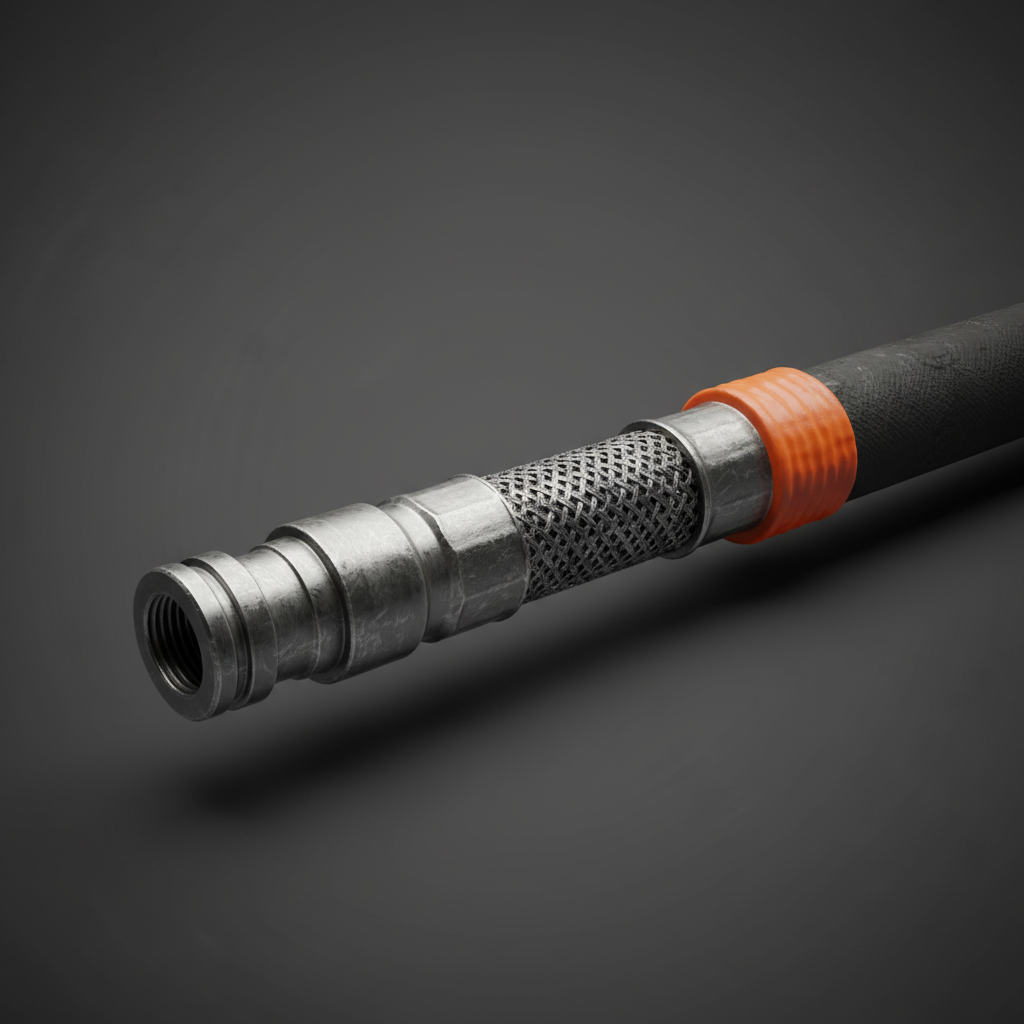
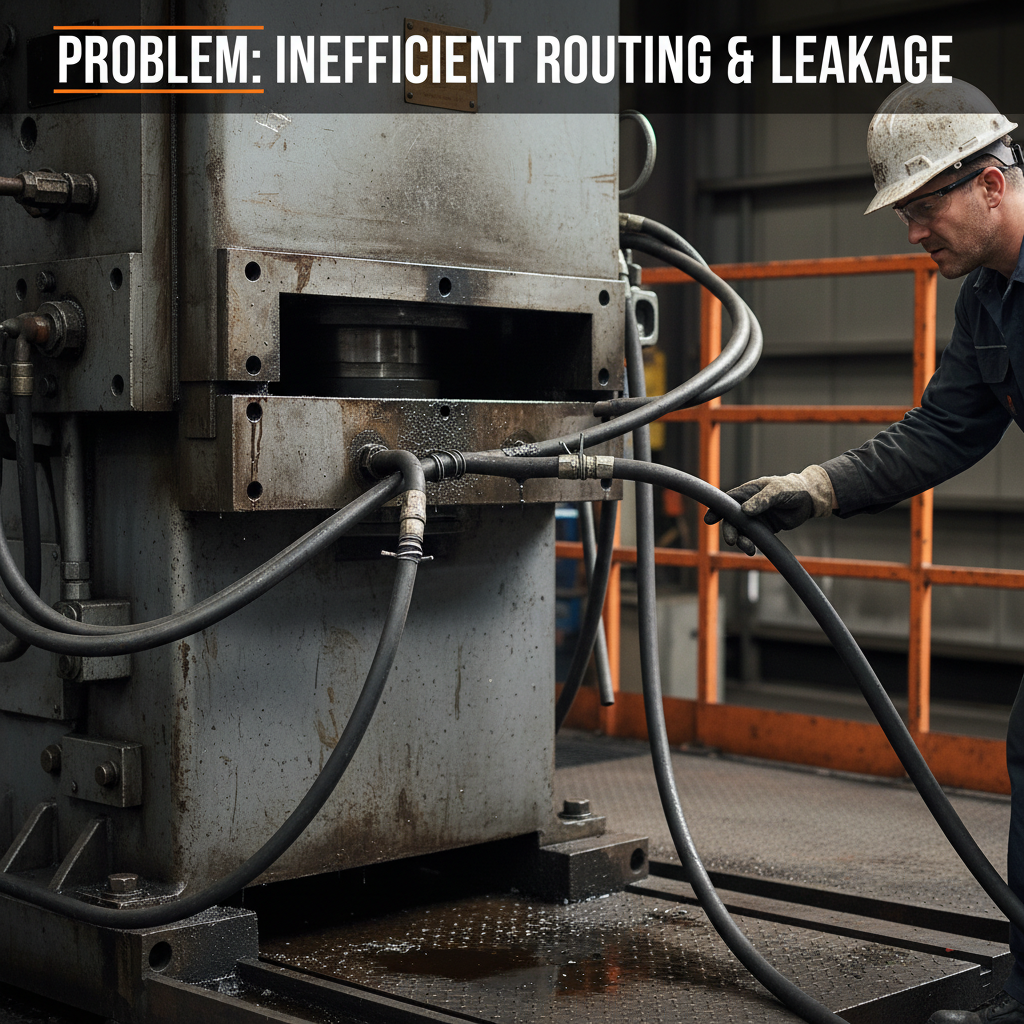
Mobile hydraulic hose repair is a critical component of maintaining operational efficiency across a wide range of industries, from construction and agriculture to manufacturing and emergency services. The ability to quickly and effectively repair or replace hydraulic hoses in the field minimizes downtime, prevents costly disruptions, and ensures the continued functionality of essential equipment. This on-site service dramatically reduces the need to transport heavy machinery to repair shops, saving both time and expense.
The global reliance on hydraulic systems has fueled the demand for specialized mobile hydraulic hose repair services. Increasingly complex machinery and the demand for 24/7 operational capability are driving the need for immediate on-site solutions. As industries strive for greater productivity and sustainability, the importance of minimizing environmental impact through efficient maintenance – including rapid hose repair – becomes ever more significant.
Understanding the nuances of mobile hydraulic hose repair is crucial for professionals across numerous sectors. It's not simply about swapping a hose; it involves proper diagnostics, hose selection, safe operating procedures, and adherence to industry standards. Investing in skilled technicians and reliable mobile repair units translates directly to improved productivity, reduced operational costs, and enhanced safety.
The Importance of Mobile Hydraulic Hose Repair
Mobile hydraulic hose repair is a cornerstone of preventative maintenance for organizations heavily reliant on hydraulic equipment. Unexpected hose failures can bring operations to a standstill, resulting in significant financial losses. Having a readily available mobile repair service minimizes downtime and ensures business continuity. mobile hydraulic hose repair services directly address these concerns.
The demand for mobile repair is driven by the increasing sophistication of hydraulic systems used in modern machinery. Complex applications require specialized knowledge and tools, making on-site repair performed by qualified technicians the most effective and efficient solution.
Defining Mobile Hydraulic Hose Repair
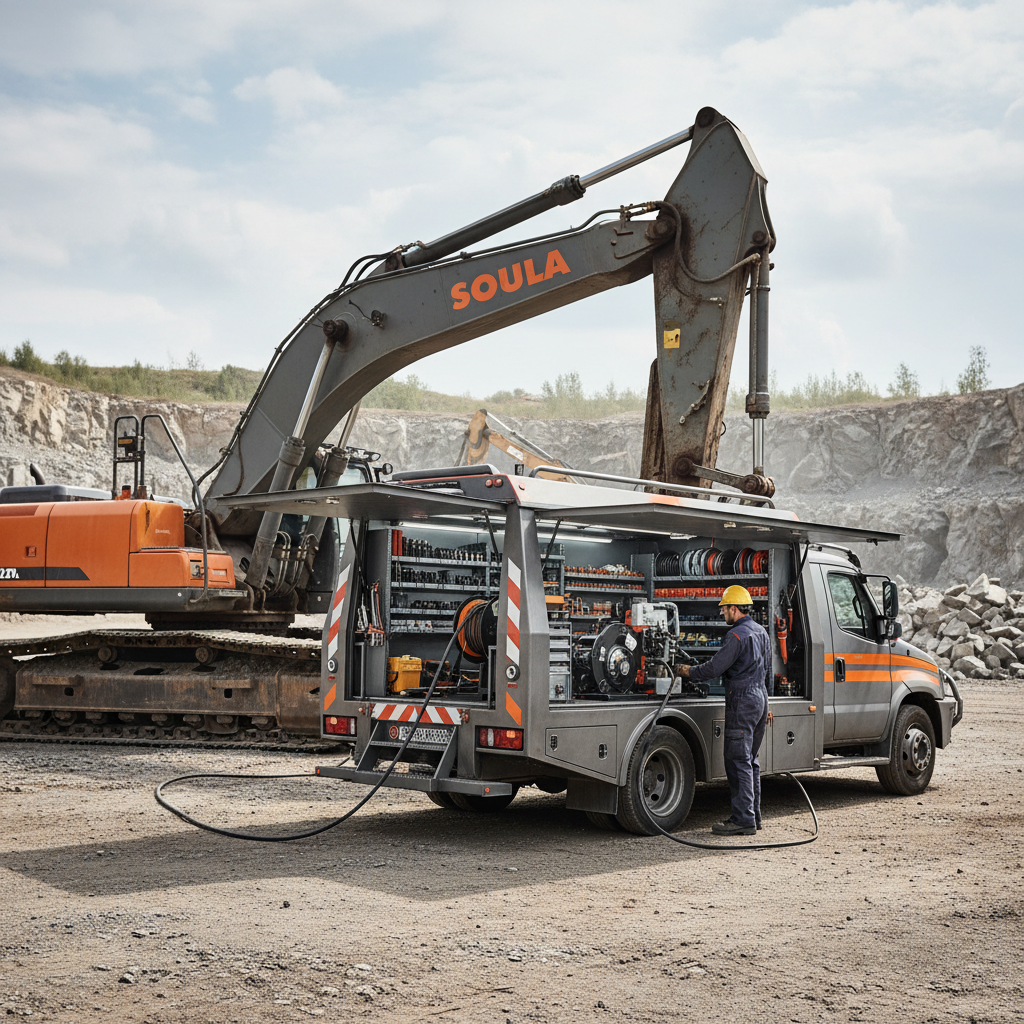
Mobile hydraulic hose repair refers to the process of diagnosing, repairing, or replacing hydraulic hoses and related components directly at the location where the equipment is being used. This contrasts with transporting the equipment to a fixed repair facility. It typically involves a technician equipped with a mobile workshop containing the necessary tools, hose crimping equipment, and a variety of hose sizes and fittings.
This service is indispensable in industries where equipment downtime is unacceptable. From agricultural machinery during harvest season to construction equipment on a job site, and even emergency vehicles responding to critical situations, quick and reliable hose repair is paramount.
The practice connects directly to modern industry’s needs for efficiency and sustainability. Reducing transportation requirements lowers carbon emissions, and proactive repair extends the lifespan of expensive hydraulic components, minimizing waste and maximizing return on investment.
Core Components of Effective Repair
Effective mobile hydraulic hose repair hinges on several key components. First, accurate diagnostics are essential to identify the root cause of the failure, whether it’s a worn hose, a faulty fitting, or an underlying system issue. Secondly, technicians must have access to a comprehensive inventory of hoses and fittings to ensure a quick and compatible replacement.
Thirdly, proper hose crimping is critical for safety and performance. Incorrectly crimped hoses are prone to failure, potentially causing dangerous leaks or equipment malfunction. Mobile repair units are typically equipped with high-quality hydraulic crimpers calibrated for precision. Finally, adherence to strict safety protocols and industry standards is non-negotiable to protect both the technician and the equipment.
Beyond these core components, skilled technicians require ongoing training to stay abreast of new technologies and hydraulic system designs. Continuous professional development is essential to ensure they can effectively diagnose and repair increasingly complex hydraulic systems.
Key Factors for Hose Longevity
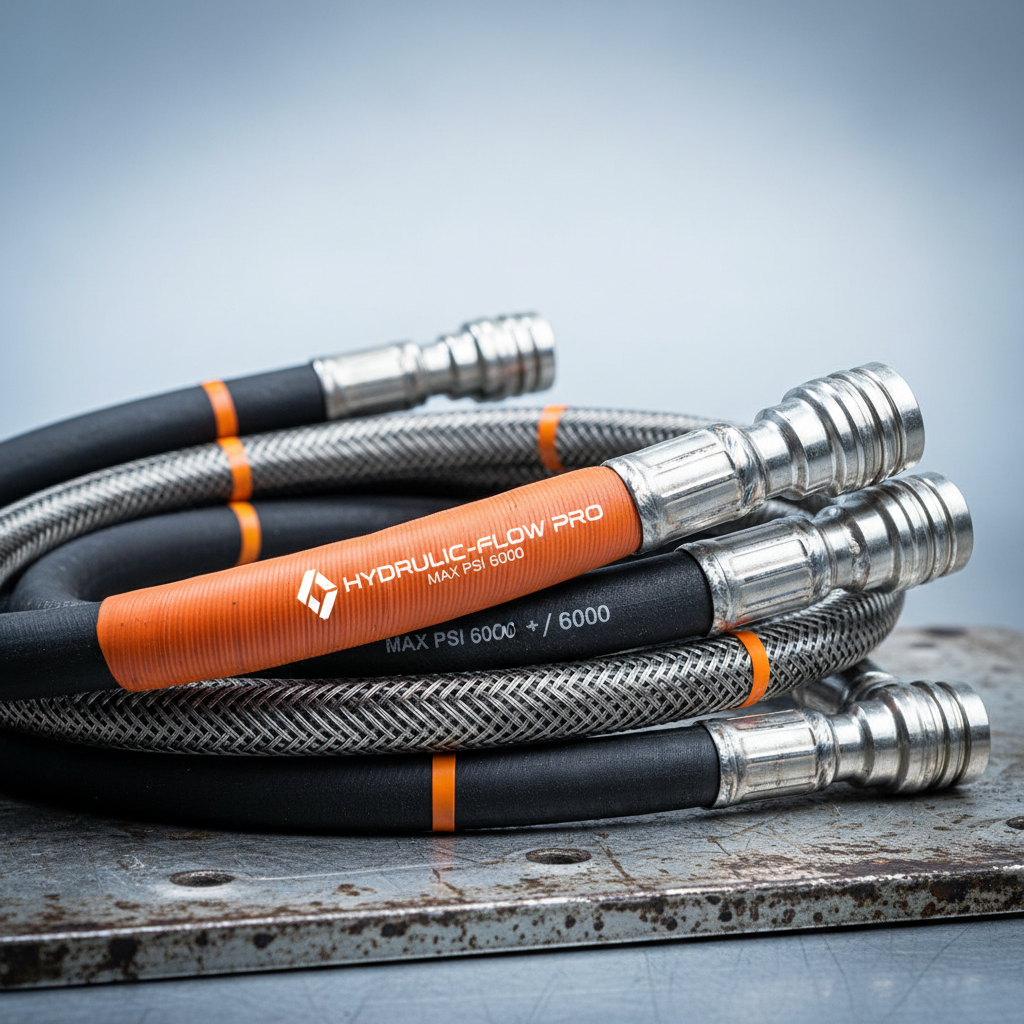
The lifespan of a hydraulic hose is influenced by a variety of factors. Proper hose selection for the specific application is paramount, considering factors like pressure, temperature, and fluid compatibility. Incorrectly specified hoses will fail prematurely.
Operating conditions also play a significant role. Exposure to extreme temperatures, abrasion, and chemical contaminants can accelerate hose degradation. Regular inspections and preventative maintenance can identify potential issues before they lead to catastrophic failure.
Hydraulic Hose Failure Rate by Cause
Global Applications of On-Site Repair
The demand for mobile hydraulic hose repair spans across a remarkably diverse range of industries and geographical locations. In agriculture, minimizing downtime during critical harvest periods is essential, making on-site repair invaluable. In the construction sector, mobile repair services keep heavy machinery operational on remote job sites.
In remote industrial zones, such as mining operations or oil and gas facilities, access to traditional repair facilities can be limited, making mobile repair the only viable option. Furthermore, emergency services – including fire departments and ambulance services – rely heavily on the rapid response capabilities of mobile repair technicians to maintain the functionality of critical hydraulic systems.
Advantages and Long-Term Value
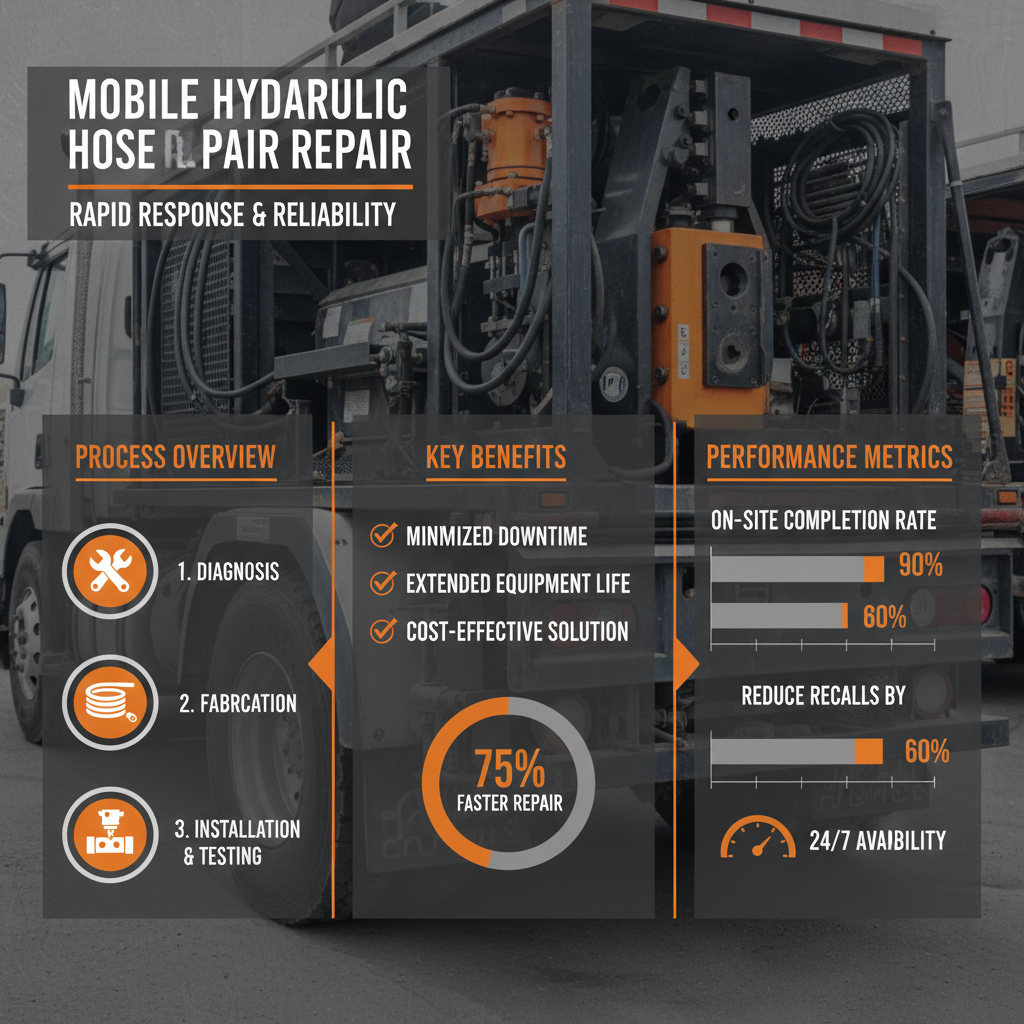
The advantages of mobile hydraulic hose repair extend far beyond simply fixing a broken hose. The most immediate benefit is reduced downtime, which translates directly into increased productivity and revenue. Eliminating the need to transport equipment to a repair shop also lowers logistical costs and minimizes disruption to operations.
Furthermore, investing in preventative maintenance through regular inspections and proactive repairs can significantly extend the lifespan of hydraulic components, reducing long-term replacement costs. The enhanced safety provided by properly functioning hydraulic systems is also a significant benefit, minimizing the risk of accidents and injuries.
Finally, utilizing reliable mobile mobile hydraulic hose repair services builds trust and demonstrates a commitment to operational efficiency and safety, enhancing a company’s reputation.
Future Trends in Hydraulic Hose Technology
The future of mobile hydraulic hose repair is closely tied to advancements in hydraulic hose technology and the increasing integration of digital solutions. New hose materials are being developed that offer increased durability, chemical resistance, and temperature tolerance. Smart hoses equipped with sensors that monitor pressure, temperature, and wear are also emerging, enabling predictive maintenance and preventing catastrophic failures.
Digitalization is playing an increasingly important role, with mobile repair technicians utilizing diagnostic tools, data analytics, and cloud-based inventory management systems to streamline operations and improve efficiency. Remote diagnostics and virtual assistance are also becoming more common, allowing technicians to receive expert guidance from off-site engineers.
Sustainability concerns are driving the development of more eco-friendly hose materials and repair processes. Biodegradable hose materials and closed-loop fluid management systems are gaining traction, reducing the environmental impact of hydraulic systems.
Overview of Key Trends Influencing Mobile Hydraulic Hose Repair Strategies
| Technology Advancement |
Impact on Repair Procedures |
Skillset Requirements |
Investment Needs |
| Smart Hose Integration |
Predictive maintenance, remote monitoring |
Data analysis, sensor interpretation |
Sensor diagnostic tools, data analytics platform |
| Advanced Hose Materials |
Extended hose lifespan, improved reliability |
Materials science knowledge, specialized crimping techniques |
Specialized crimping equipment, material testing tools |
| Remote Diagnostics |
Faster troubleshooting, reduced on-site visits |
Telecommunication skills, remote troubleshooting expertise |
Remote diagnostic software, secure communication channels |
| AI-Powered Diagnostics |
Automated fault detection, optimized repair recommendations |
AI model understanding, data interpretation skills |
AI diagnostic software, machine learning infrastructure |
| Cloud-Based Inventory |
Real-time stock visibility, streamlined ordering |
Inventory management skills, data entry accuracy |
Cloud storage, inventory management software |
| Sustainable Materials |
Reduced environmental impact, improved company image |
Knowledge of eco-friendly materials, disposal regulations |
Sourcing sustainable materials, proper disposal infrastructure |
FAQS
Response times vary depending on location and service demand, but reputable providers aim for a 2-4 hour arrival window for emergency situations. Factors influencing response time include traffic conditions, distance to the job site, and technician availability. Many companies offer prioritized service for critical applications, ensuring a faster response. It’s important to inquire about estimated arrival times when requesting service.
While most mobile technicians can address common hose failures, such as leaks, bursts, and fitting issues, complex system failures may require specialized expertise or a return to a fully equipped repair facility. Technicians typically carry a wide range of hoses and fittings to handle most on-site repairs, but specialized hoses or custom fittings may need to be ordered.
Safety is paramount during any hydraulic hose repair. Technicians should always depressurize the hydraulic system before disconnecting any hoses. Proper personal protective equipment (PPE), including safety glasses, gloves, and steel-toe boots, must be worn. Technicians should also be trained in lock-out/tag-out procedures to prevent accidental system activation.
Verify that the technician is certified by a reputable industry organization, such as the International Fluid Power Society (IFPS). Ask about their experience with your specific type of hydraulic system and request references. A qualified technician should be able to demonstrate a thorough understanding of hydraulic principles and safety procedures.
Be prepared to provide the equipment’s make and model, the hose’s size and type (if known), a clear description of the failure, and the exact location of the equipment. Providing photographs of the damaged hose can also be helpful. The more information you can provide, the faster and more efficiently the technician can diagnose and repair the problem.
Many mobile hydraulic hose repair services offer preventative maintenance programs, including hose inspections, leak checks, and fluid analysis. Regular preventative maintenance can identify potential issues before they lead to costly failures, extending the lifespan of your hydraulic systems and reducing downtime. It’s a worthwhile investment to discuss these options with your service provider.
Conclusion
Mobile hydraulic hose repair is a critical service underpinning the functionality and efficiency of countless industries worldwide. Its value lies not merely in addressing immediate failures, but in minimizing downtime, enhancing safety, and optimizing the lifespan of essential hydraulic systems. The ability to respond swiftly and effectively to hose failures directly impacts productivity, profitability, and overall operational success.
Looking ahead, continued advancements in materials science, digital technology, and predictive maintenance will further revolutionize the field. Embracing these innovations and investing in skilled technicians will be key to maximizing the long-term benefits of mobile hydraulic hose repair. For reliable and professional service, visit our website today.

 Call Us+86-158-0331-9351
 Emailcarrie@sinopulse.cn
 AddressHandan City, Hebei , China