Your Trusted 24 Hours Service Provider!

  • sns01
  • sns02
  • sns04
  • sns06
  • social (2)
0%

Table of Contents

You know, after running around construction sites all year, getting dust in my teeth and smelling concrete, you start to see trends. Right now, everyone's obsessed with efficiency, squeezing every last drop of productivity out of everything. And that bleeds into what people are asking for in hydraulic hose for sale. They want stuff that just works, and works reliably. To be honest, a lot of manufacturers get caught up in fancy specs and forget about the guy actually wrestling with it in the mud.

Have you noticed how everything's going towards lighter materials? It’s a double-edged sword. Lighter is good, less strain on the guys, easier to maneuver, but if it feels flimsy... forget about it. They won't touch it. I encountered this at a factory in Jiangsu province last time, they were bragging about their new composite hose, but it felt like it would snap if you looked at it wrong. They needed to beef up the reinforcement.

The core of hydraulic hose, of course, is still rubber – mostly synthetic these days. Nitrile rubber’s the workhorse, smells like… well, rubber. You get used to it. Polyurethane is popping up more too, it’s tougher, handles higher pressures, feels a bit slicker, almost plasticky. And don’t even get me started on thermoplastic. It's alright, but it doesn’t have the same forgiving feel as rubber. You can feel the difference when you’re bending and connecting, especially in cold weather. Anyway, I think the feel is important. A good hose feels solid, confident.
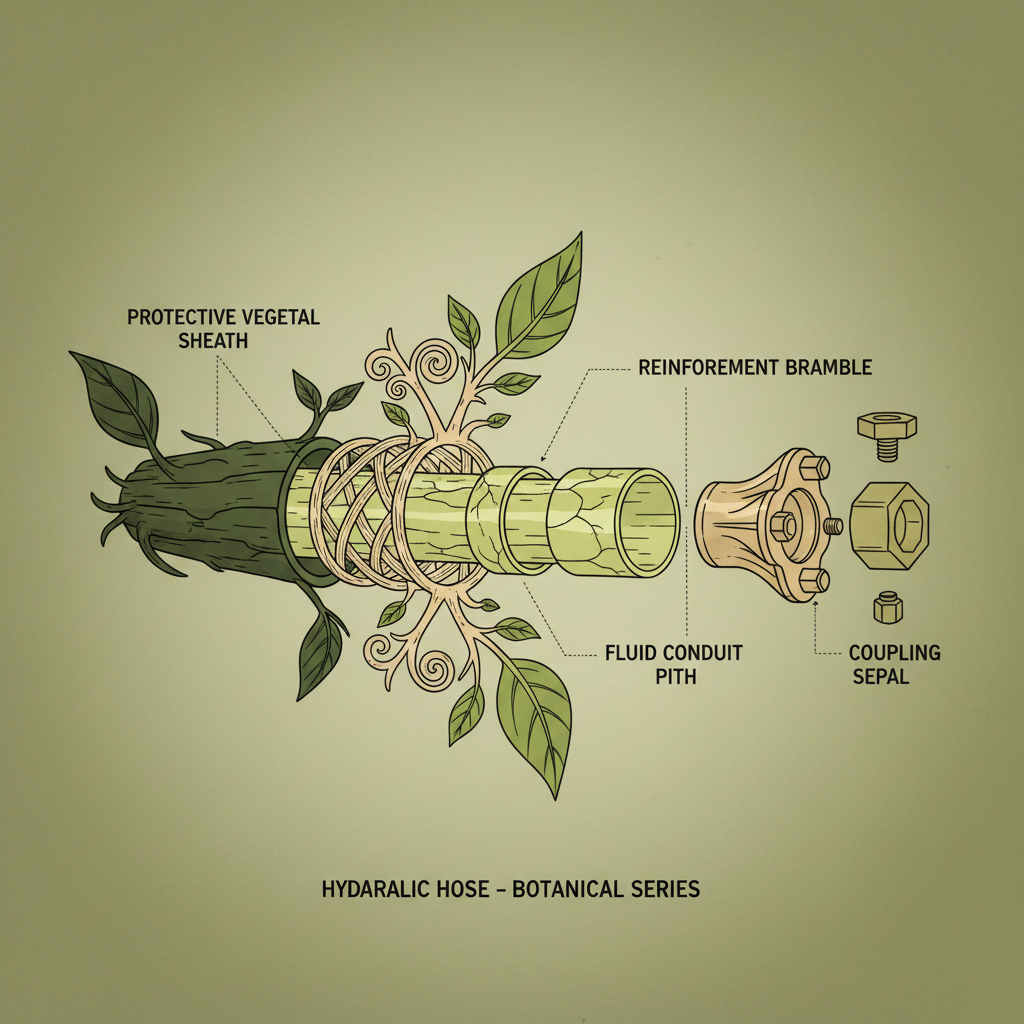
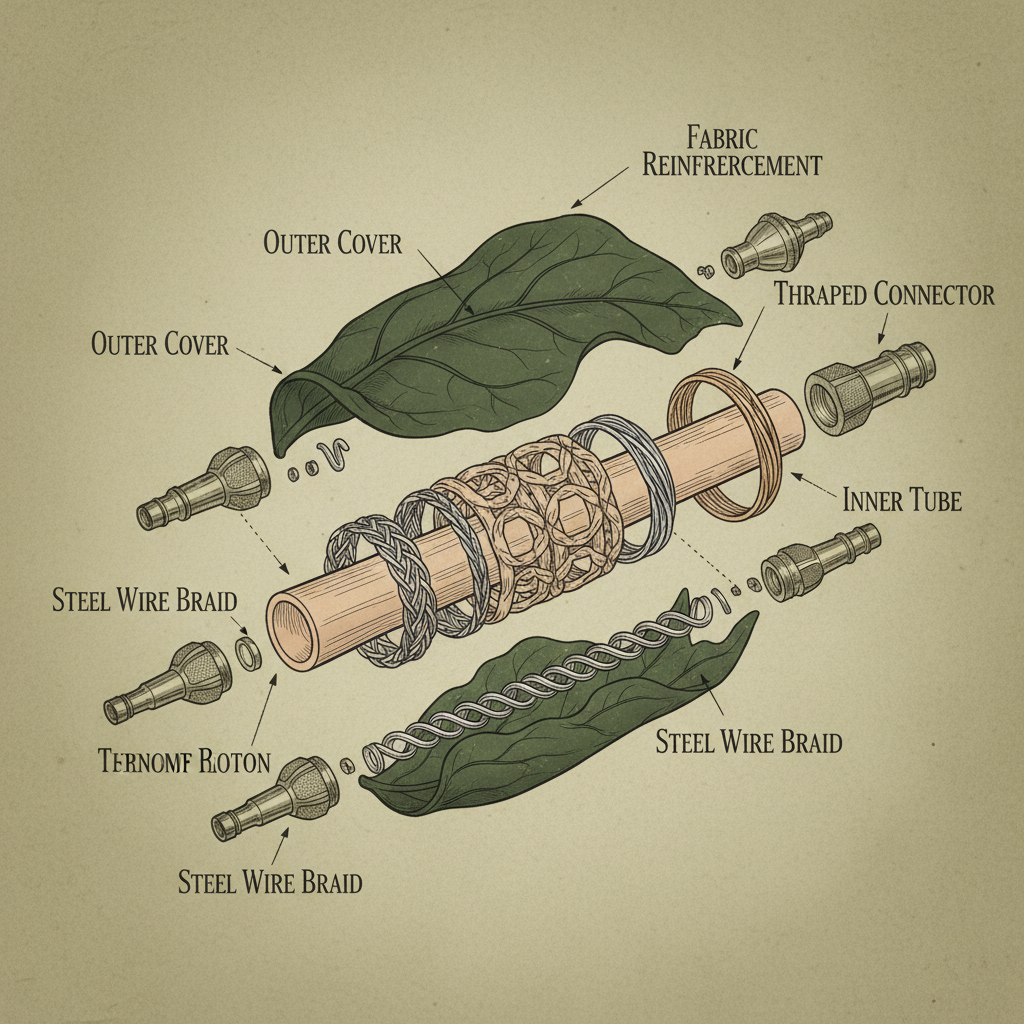
Find Reliable Hydraulic Hose for Sale with Expert Insights and Quality Materials

Industry Trends and Design Pitfalls

Find Reliable Hydraulic Hose for Sale with Expert Insights and Quality Materials

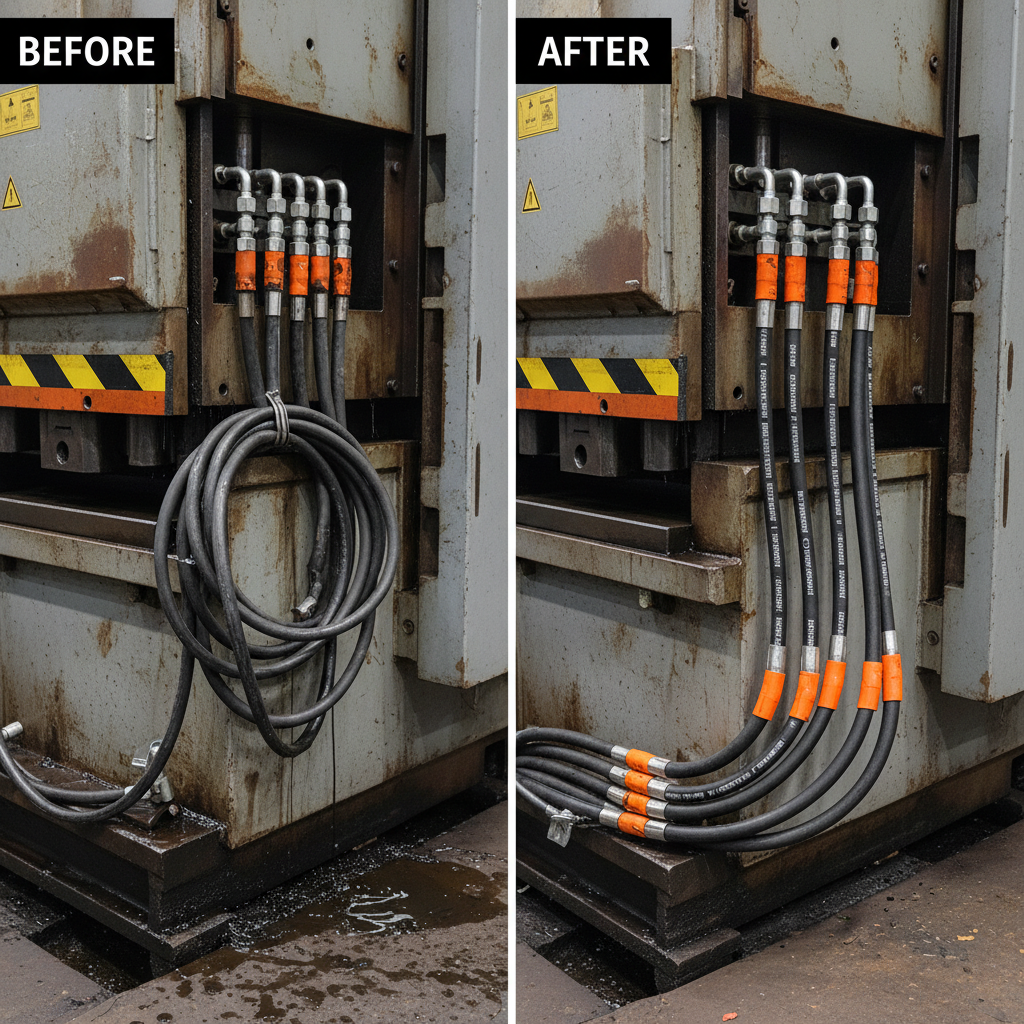
Strangely enough, a lot of designers don't talk to the guys who actually use the hoses. They’ll design a connection that looks great on paper, but it's a nightmare to get on and off with greasy gloves. The quick-connect fittings are supposed to make life easier, but sometimes they're just finicky. They get clogged with dirt, the locking mechanism jams… you know the drill. It's the little things that drive people crazy.

Another thing I've seen is over-engineering. Making something way more robust than it needs to be just adds weight and cost. It’s finding that sweet spot between durability and practicality.

Materials and On-Site Handling

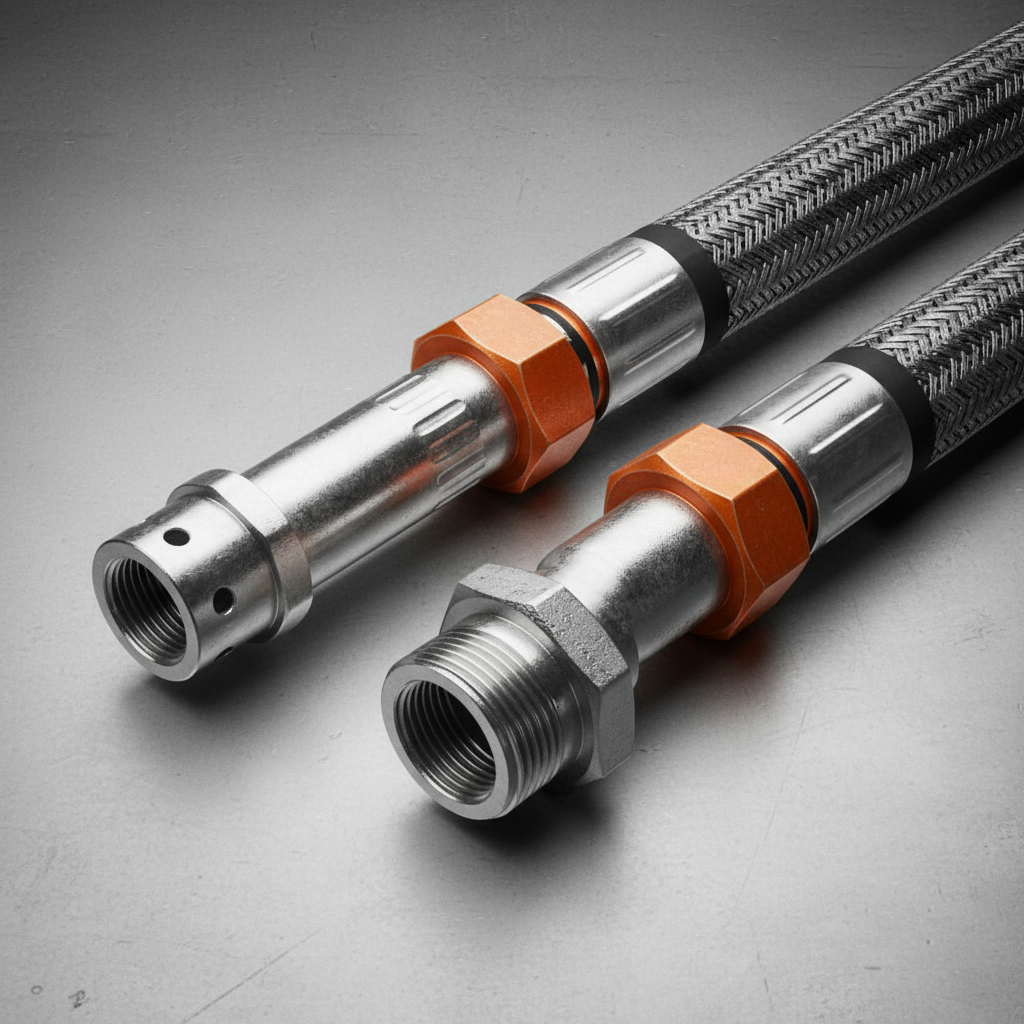
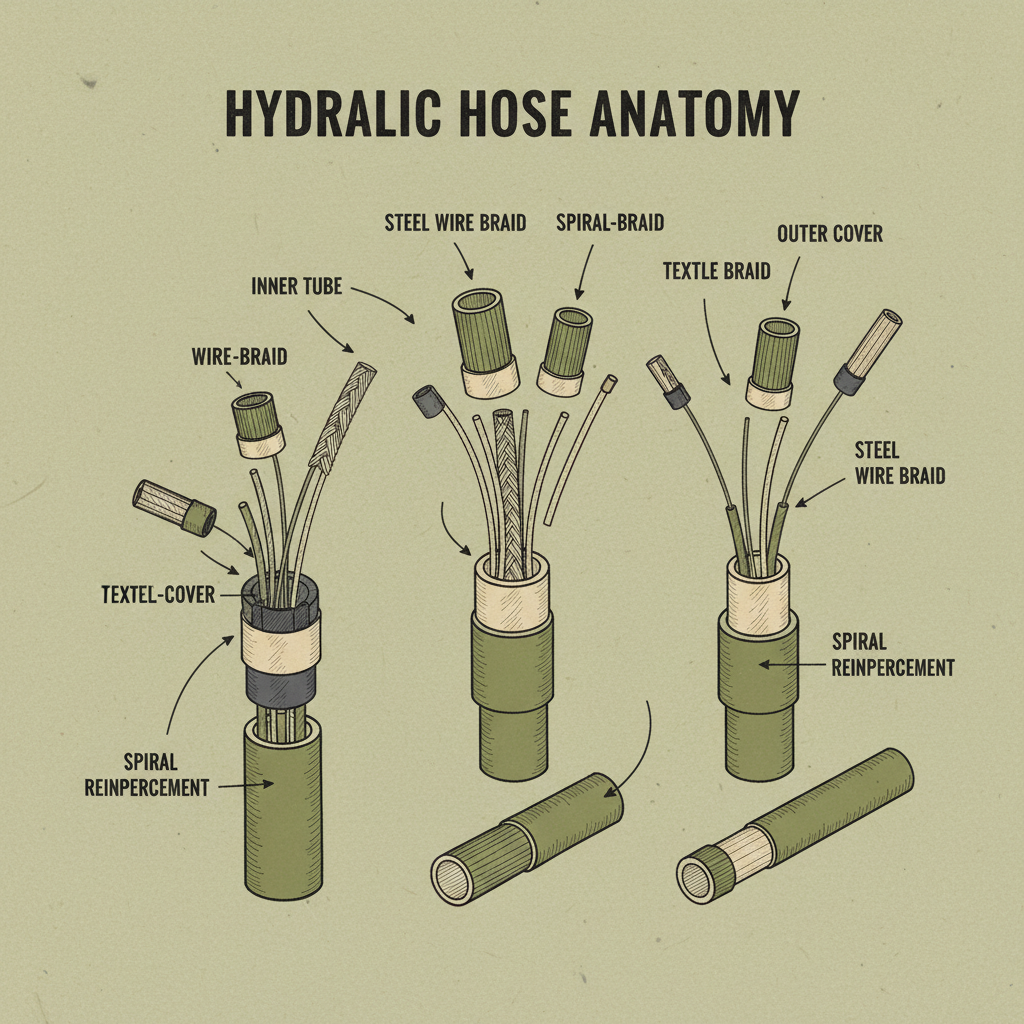
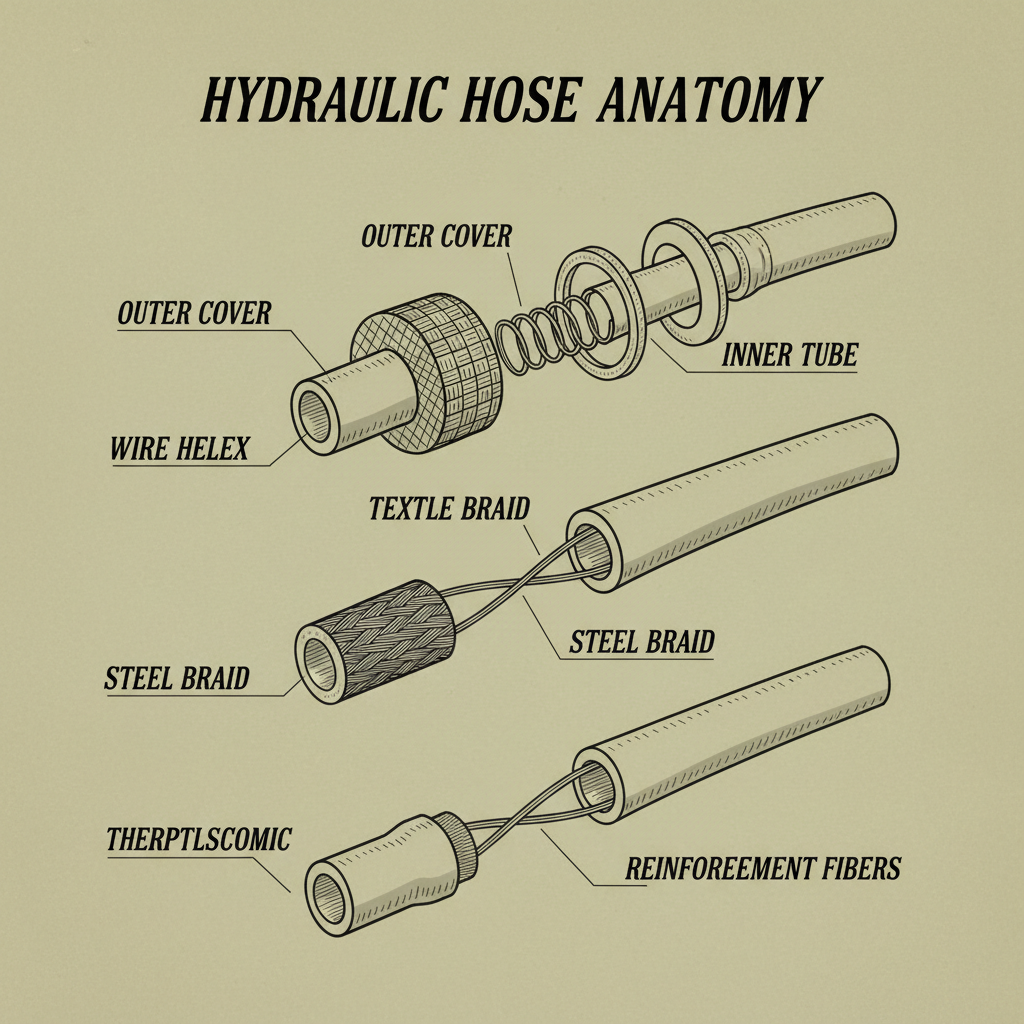
The steel wire braiding inside, that’s critical. It’s what gives the hose its strength, resists kinking. I've seen cheap hoses where the braiding feels loose, almost like it's going to unravel. That's a bad sign. You want a tight, consistent weave. And the cover, that outer layer, needs to be abrasion-resistant. Because let's face it, these hoses get dragged across concrete, scraped against metal, kicked around… they take a beating.

Different materials react differently to fluids, too. Some synthetic rubbers aren't compatible with certain hydraulic oils. It causes swelling, cracking… a disaster waiting to happen. You always gotta check the chemical compatibility charts. It’s tedious, but it saves a lot of headaches down the line.

Handling them on site… well, it’s not always pretty. They get coiled, uncoiled, thrown in the back of trucks, left out in the sun. That’s why proper storage is important, keeping them protected from UV and extreme temperatures. But let’s be real, that doesn’t always happen.

Testing and Real-World Application

Labs are great, they do burst pressure tests, fatigue tests, all that stuff. But it doesn't always translate to the real world. I've seen a hose pass all the lab tests and still fail on site after a week. It’s because the lab doesn't simulate the vibrations, the temperature fluctuations, the constant bending and twisting.

The best testing is just… using it. Putting it in the hands of experienced operators and letting them put it through its paces. Watch how they connect it, how they route it, how they handle it under pressure. That's where you learn the real weaknesses.

You’d be surprised how often people use hoses for things they weren’t intended for. Dragging them across sharp edges, using them as makeshift levers... you name it. That’s why you need a safety factor, a margin of error built in.

Advantages, Disadvantages and Customization

The biggest advantage of a good hydraulic hose? Reliability. Knowing it's not going to blow out when you need it most. That peace of mind is worth a lot. They're also relatively inexpensive compared to other components in the hydraulic system. But the disadvantages… well, they're prone to leaks, especially at the connections. And they have a limited lifespan.

Customization is definitely possible. You can specify the length, the end fittings, the material, the reinforcement. I had a client last year who needed a hose with a special coating to resist a corrosive chemical. It wasn't standard, but the manufacturer was able to accommodate it. They even changed the color to make it easier to identify in the field.

Hydraulic Hose Performance Metrics


Customer Story: The Shenzhen Smart Home Boss

Last month, that small boss in Shenzhen who makes smart home devices insisted on changing the interface to . He wanted everything to look sleek and modern, apparently. So he ordered a batch of hydraulic hoses with connectors for testing. It seemed like a good idea at the time.

But the guys on the assembly line couldn't get them to connect reliably. The connectors were too delicate, they kept breaking. And the port wasn’t designed to withstand the pressure. It was a mess. He ended up going back to the standard quick-connect fittings. Cost him a fortune in wasted materials and downtime. Later... Forget it, I won't mention it.

It just goes to show you, sometimes "innovation" isn't all it's cracked up to be.

Performance Metrics Comparison

Alright, let’s get down to brass tacks. Here’s a rough comparison of some key performance metrics. Don't take this as gospel, it varies a lot depending on the specific hose and manufacturer. This is more like scribbles on a napkin after a long day.

We're talking about burst pressure, temperature range, chemical resistance, and abrasion resistance. These are the things that matter when you're out there in the field.

Honestly, the biggest difference I see is in the quality control. Some manufacturers just don't seem to care as much about getting it right.

Key Factors Influencing Hydraulic Hose Performance

Hose Type Burst Pressure (PSI) Temperature Range (°F) Abrasion Resistance (1-10)
Rubber (Nitrile) 4500 -40 to 212 6
Rubber (EPDM) 4000 -58 to 250 5
Polyurethane 6000 -65 to 250 7
Thermoplastic 5500 -40 to 200 4
Composite (High-Pressure) 8000 -40 to 250 8
Stainless Steel Braided 7000 -65 to 400 9

FAQS

What is the best hydraulic hose for extreme temperatures?

For extreme temperatures, EPDM rubber hoses are generally your best bet, offering a wider range from -58°F to 250°F. Thermoplastic hoses are also good for high temperatures, but EPDM is more flexible in cold conditions. Always check the manufacturer's specifications, though, as variations exist. Using the wrong hose in extreme temps can lead to cracking, leaks, or even failure. It’s a risk you don’t want to take.

How often should I replace my hydraulic hoses?

There’s no hard and fast rule, but a good guideline is every 5-7 years, or sooner if you notice any signs of wear – cracks, abrasions, leaks, or kinking. Regular inspections are key. The environment matters too; hoses used in harsh conditions will need replacing more frequently. Better to be safe than sorry. A burst hose can cause serious damage and downtime.

What’s the difference between a single-wire and two-wire braided hose?

The difference is strength. A two-wire braided hose has double the steel wire reinforcement of a single-wire hose, meaning it can handle higher pressures and is more resistant to kinking. It’s typically used in more demanding applications, like heavy machinery and construction equipment. Single-wire is fine for lighter-duty tasks, but don't push it beyond its limits.

Can I repair a hydraulic hose, or should I always replace it?

Minor abrasions might be repairable with specialized tape, but generally, you should replace a damaged hydraulic hose. Attempting to repair a serious leak or crack is dangerous and can lead to catastrophic failure. The cost of a new hose is far less than the cost of downtime or an accident. Don't risk it, just replace it.

What fittings are compatible with my hydraulic hose?

Compatibility depends on the hose material, pressure rating, and the type of connection you need. Common fitting types include threaded, flanged, and quick-connect. Always ensure the fitting is specifically designed for hydraulic applications and is rated for the hose's maximum pressure. Using the wrong fitting can cause leaks or failure. Refer to the hose and fitting manufacturer's compatibility charts.

How do I properly store hydraulic hoses to extend their lifespan?

Store hoses in a cool, dry, and dark place, away from direct sunlight, heat sources, and ozone. Coil them loosely to avoid kinking and protect them from abrasion. Avoid storing them bent sharply or compressed. If storing outdoors, cover them with a tarp to shield them from the elements. Proper storage can significantly extend the hose’s lifespan.

Conclusion

Ultimately, all these specs, materials, and testing methods are important, but they're just details. At the end of the day, whether a hydraulic hose works or not comes down to one thing: reliability. Can it handle the pressure, the heat, the abuse? Can it keep the system running smoothly and safely? That’s what matters.

And honestly, the guy on the job site, the one tightening the connections and wrestling with the equipment, he'll know the answer the moment he puts that wrench on the fitting. That’s why we focus on making hoses that are built to last, that can handle whatever the real world throws at them. Check out our selection at www.hydhoses.com and see for yourself.

Brandon Wright

Brandon Wright

Brandon Wright is a Technical Support Engineer at Sinopulse, providing expert assistance to customers regarding product selection, installation, and troubleshooting. He possesses a comprehensive understanding of Sinopulse’s entire product range, including hydraulic, industrial, and auto rubber hoses. Brandon is dedicated to resolving customer inquiries quickly and effectively, ensuring a positive
Previous Choosing the Right Hydraulic Hose Supplier for Construction and Industrial Needs
Next Exploring the Durability and Innovation of Modern Hydraulic Hose Systems